29 Discontinued Snacks That Would Sell Out Instantly if Brought Back
The Snack Graveyard Is Full of Perfect Things
There’s something quietly cruel about a discontinued snack. Not the kind of cruel that demands outrage — the kind that just sits there, in the back of your memory, surfacing every time you walk down the chip aisle and feel vaguely disappointed by everything on offer.
You weren’t even thinking about Planters Cheezballs until someone mentioned them at a party, and now that’s all you want, and you can’t have them, and somehow that feels personal. Snack nostalgia hits differently than other kinds of nostalgia because it’s so specific — a texture, a smell, a flavor that no modern substitute has ever quite replicated.
These 29 snacks didn’t just disappear. They left a gap.
Planters Cheezballs
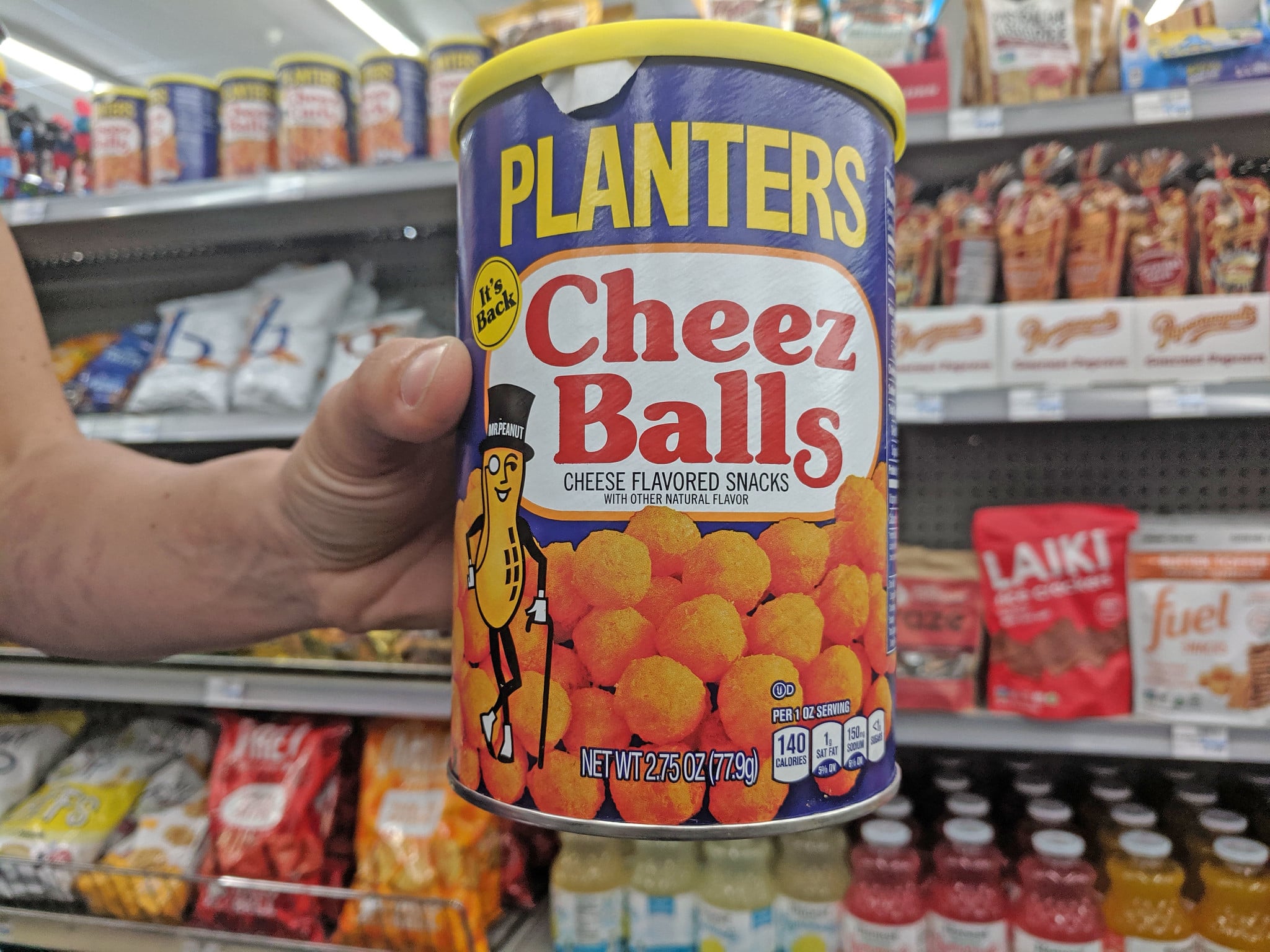
Planters brought these back briefly in 2018 for a limited run, and the internet lost its mind. The canisters sold out almost immediately, which is all the evidence anyone needs that this snack belongs on shelves permanently — not as a nostalgia stunt, but as a fixture.
Oreo O’s Cereal
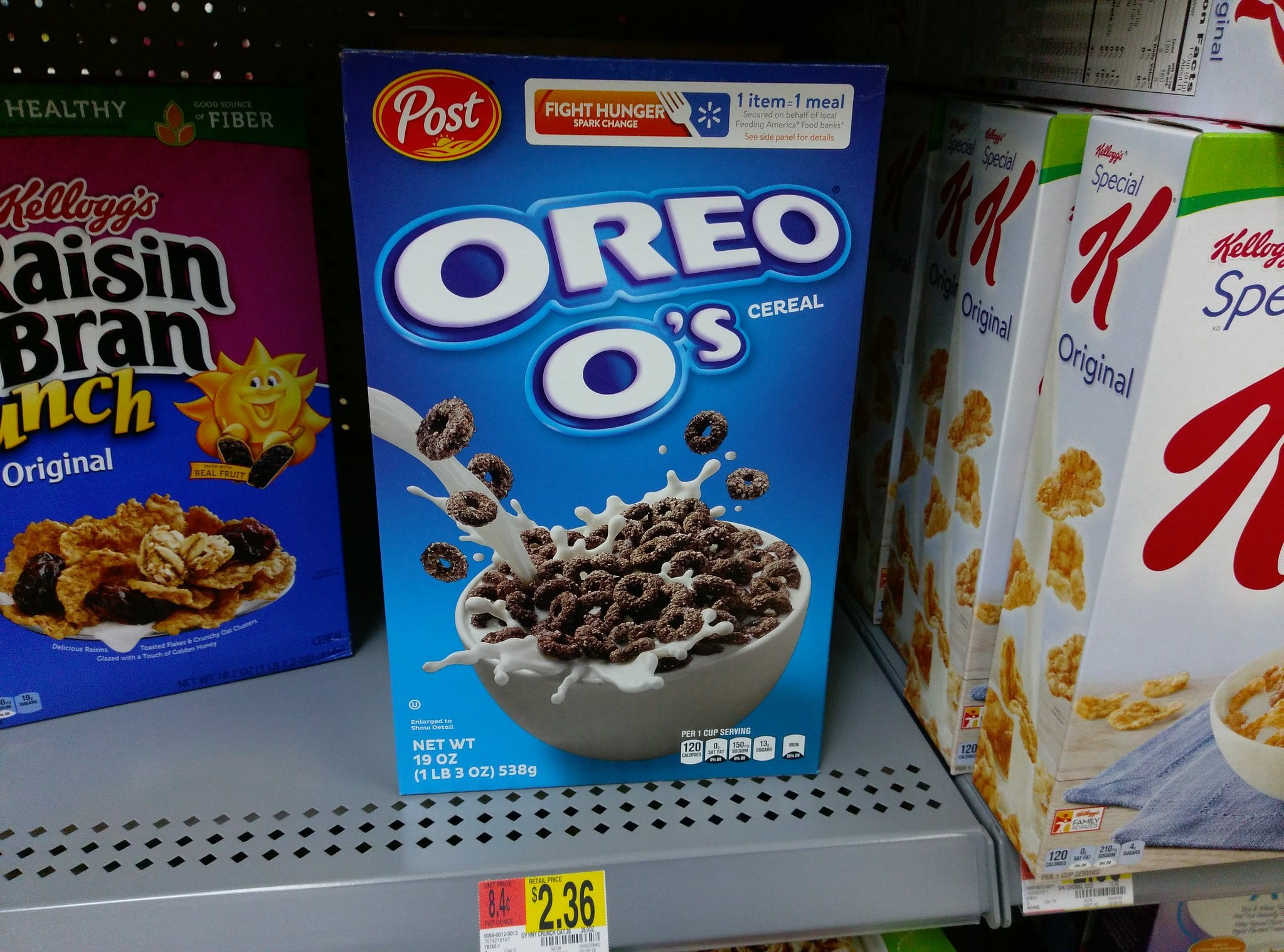
Oreo O’s (which tasted like someone had figured out how to make dessert socially acceptable at 7 a.m.) disappeared from US shelves in 2007, survived in South Korea for years, and finally returned to American stores in 2017. But for that decade-long gap, the loss felt genuinely disproportionate to what was, technically, just cereal.
Jell-O Pudding Pops
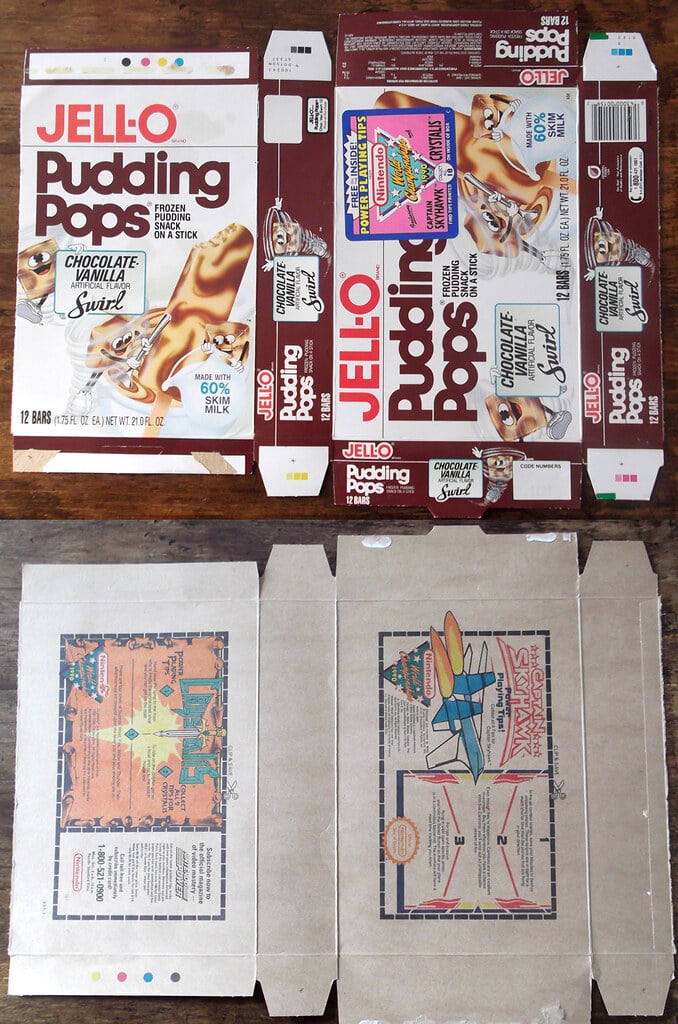
There’s a reason people still argue about whether the grocery store version is “the same thing.” It isn’t.
The original Jell-O Pudding Pops — creamy, dense, with that specific pull-away-from-the-stick texture — were discontinued in the late 1980s, and nothing that’s followed has earned the right to carry that name without an asterisk.
Doritos 3D
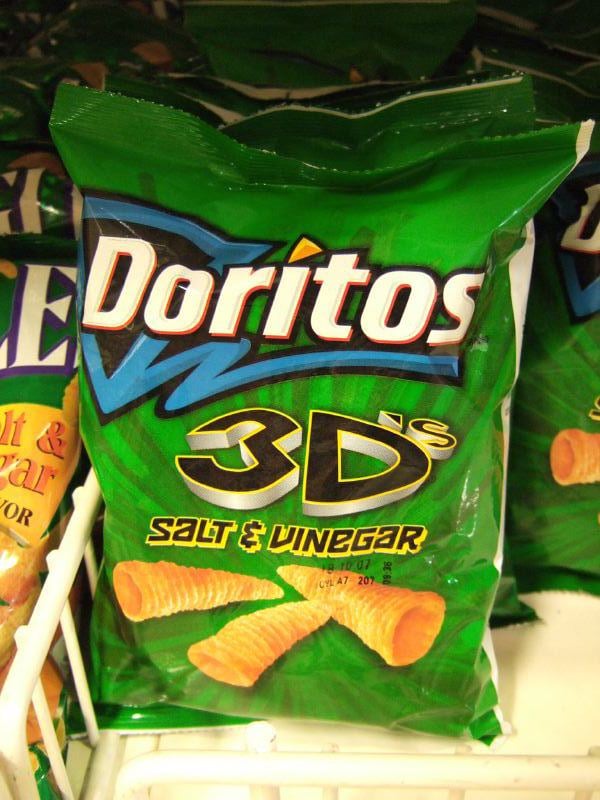
Doritos 3D were a structural achievement. A hollow, inflated Dorito — same flavor, more crunch per square inch, somehow more satisfying than its flat counterpart — and Frito-Lay discontinued them in the early 2000s for reasons that remain baffling.
A limited return in 2021 proved the demand never went anywhere.
Butterfinger BB’s
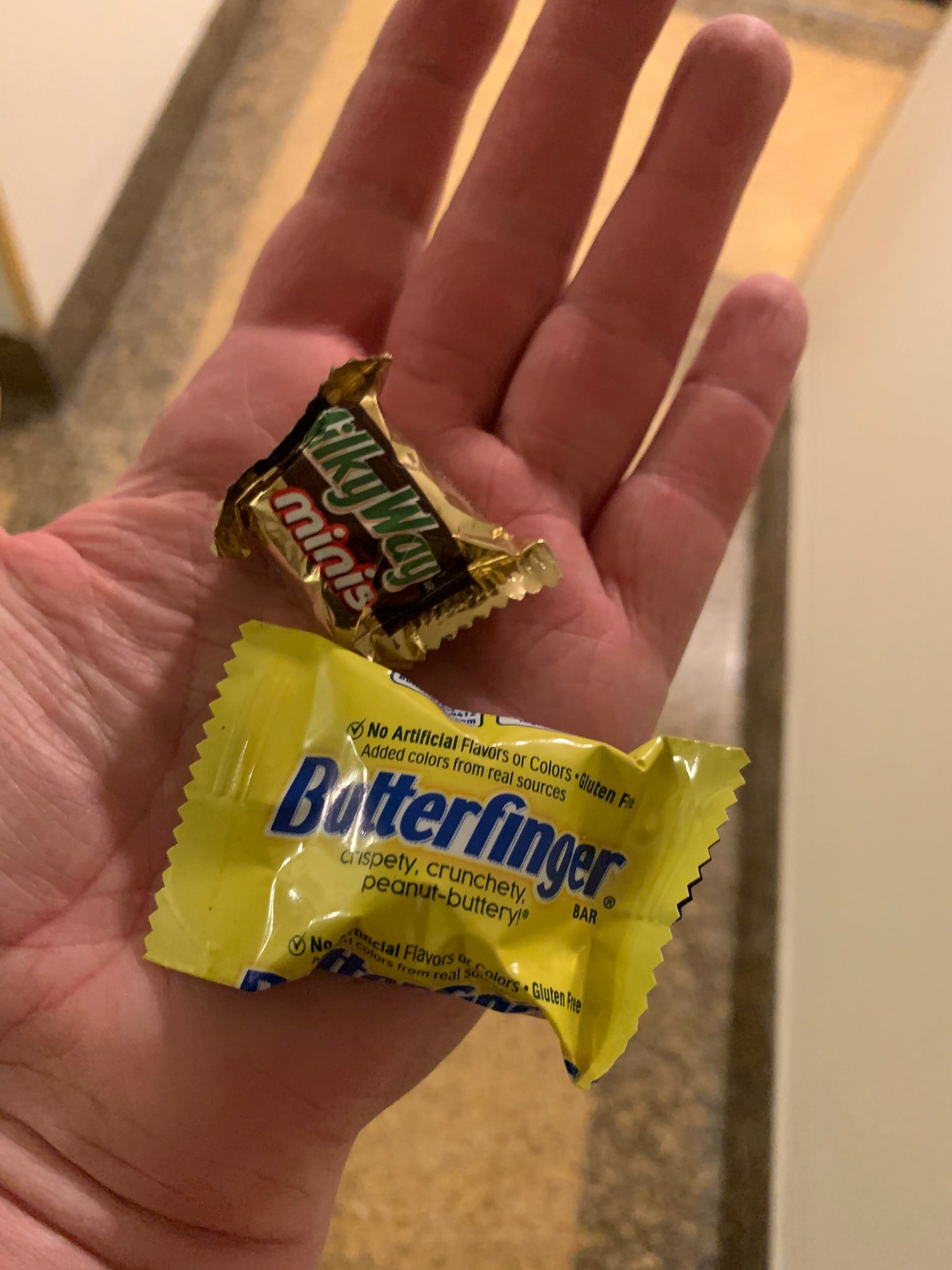
Butterfinger BB’s occupy a strange corner of snack memory — small, round, peanut butter-chocolate spheres that somehow delivered more Butterfinger flavor per piece than the full-size bar ever managed, which is a genuinely impressive engineering feat for something sold in a bag at a movie theater concession stand.
Surge Soda
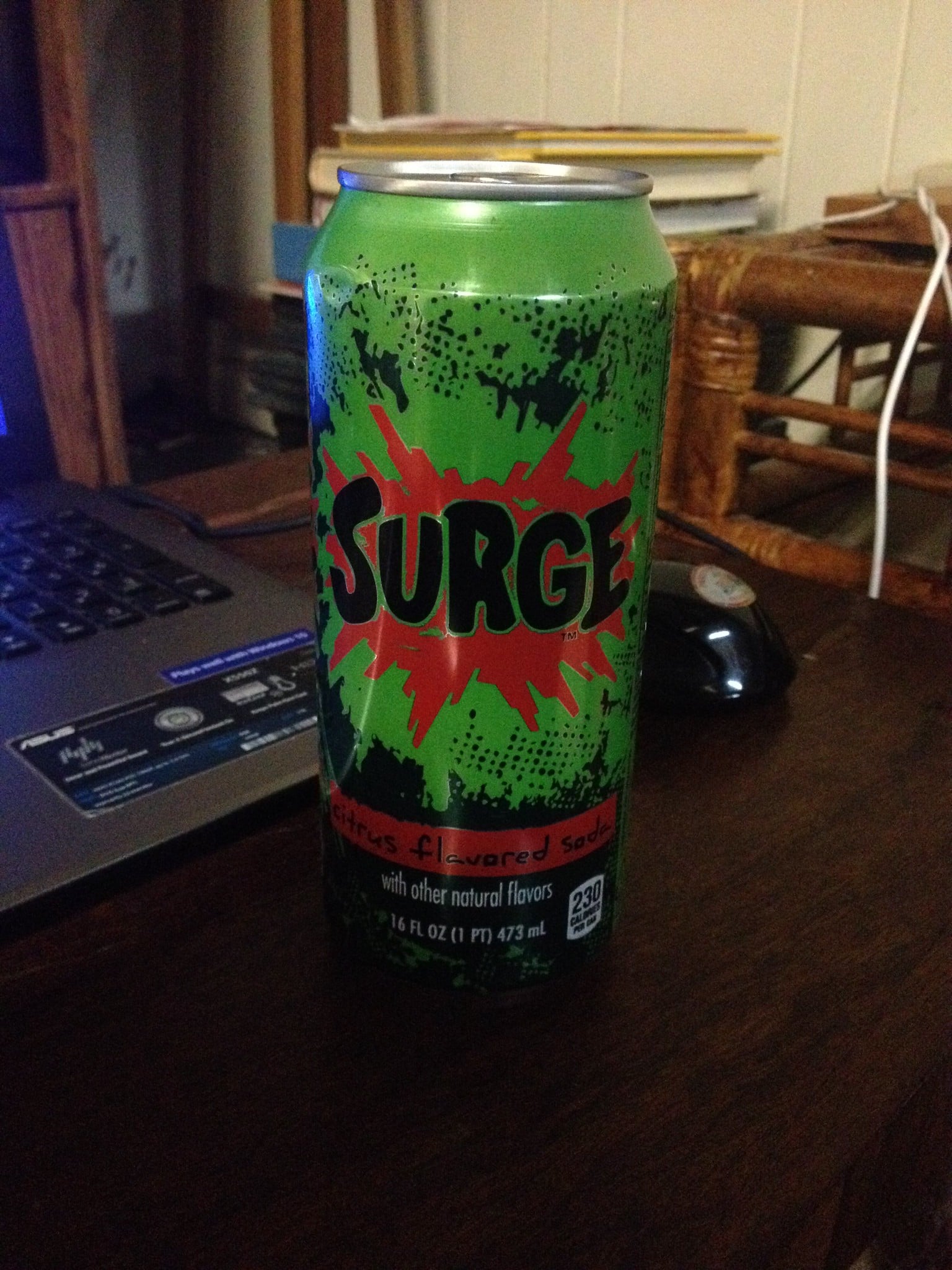
Surge was Coca-Cola’s answer to Mountain Dew, launched in 1996 and discontinued in 2003, and it came with a particular kind of loyal following — the kind that actually petitioned for its return for over a decade. Coca-Cola brought it back via Amazon in 2014 and later in limited retail releases, but a full comeback has never fully materialized.
The fans are still waiting.
Hostess Chocodiles
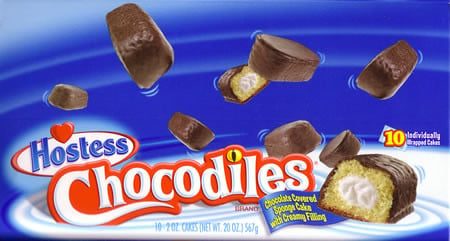
Hostess Twinkies have their devotees, but Chocodiles — the chocolate-dipped version — were something else entirely. The coating changed the whole experience, adding a snap that plain Twinkies could never offer, and Chocodiles were frustratingly regional even before they disappeared, which means most people remember them as something they had exactly once and then spent years trying to find again.
Shark Bites Fruit Snacks
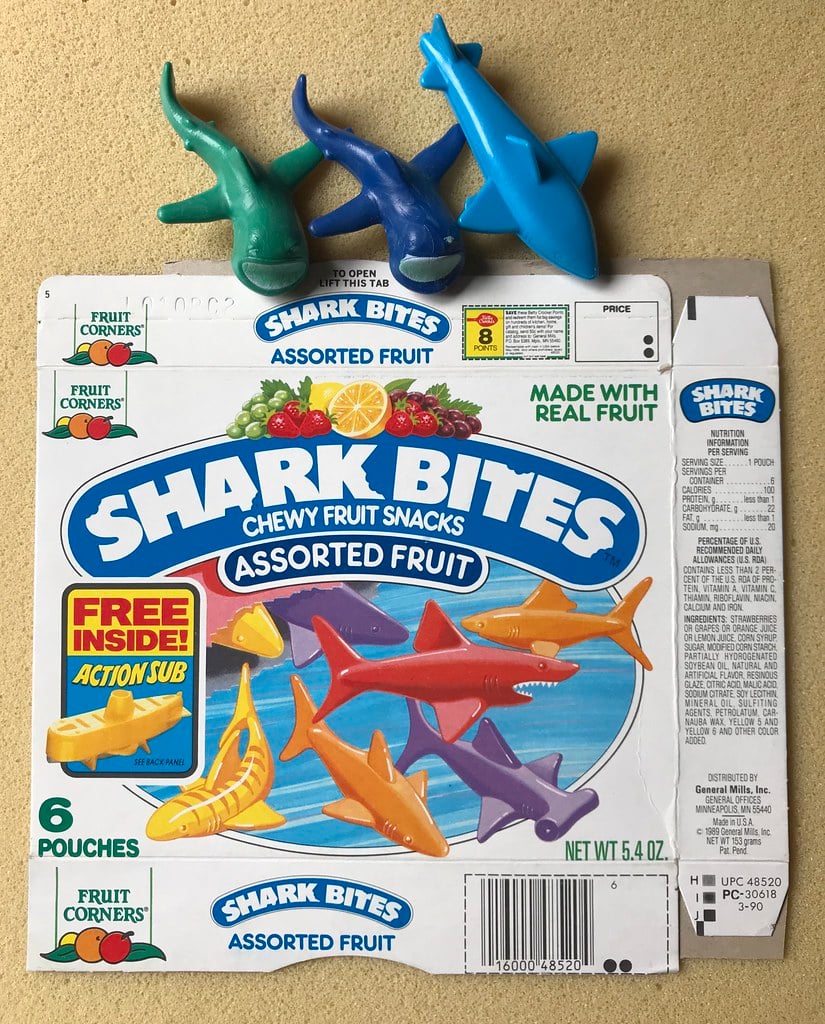
Shark Bites were Betty Crocker’s fruit snack entry, and the detail that made them legendary was simple: the white shark. There was only one per bag, it was made of a slightly different, more opaque candy, and children treated finding it with a reverence that was completely disproportionate to what was, objectively, a small piece of flavored gelatin.
That’s good product design.
Keebler Magic Middles
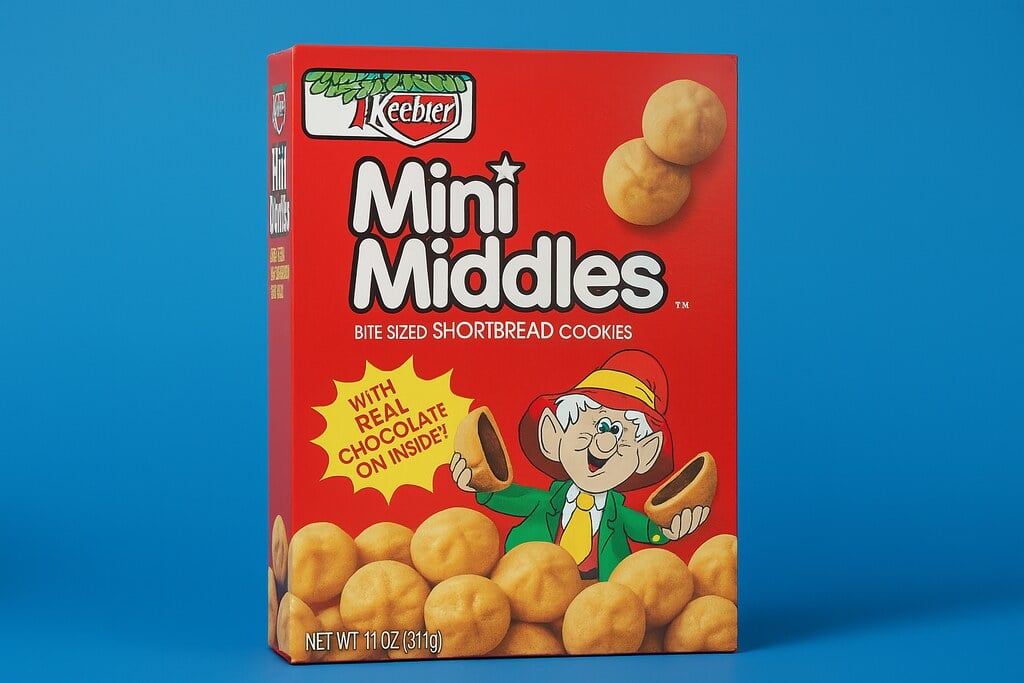
Keebler Magic Middles — shortbread cookies with a fudge or peanut butter center — managed something that most cookies still haven’t pulled off: the filling-to-cookie ratio was exactly right, not an afterthought stuffed into a too-thick shell but a genuine meeting of two equal components. They vanished in the 1990s, and the snack world has been working around that absence ever since.
PB Crisps
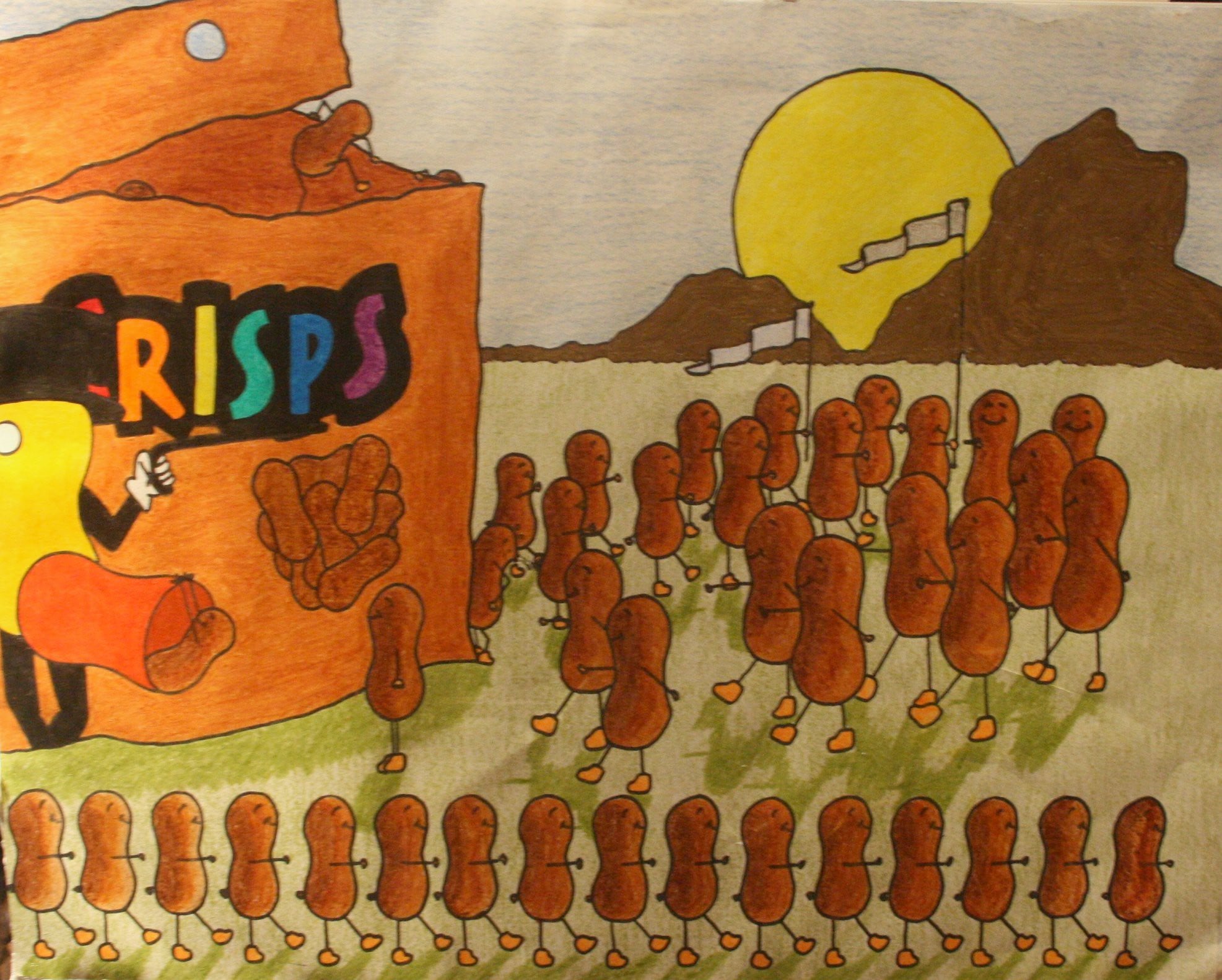
PB Crisps were Planters’ peanut-shaped puffed snacks with a peanut butter filling, and they existed from 1992 to 1995 — three years, which barely qualifies as a long enough run to leave this kind of lasting impression. And yet the devotion they inspired outlasted them by decades, which is either a tribute to how good they were or how short snack memories actually are.
Cinnamon Tic Tacs
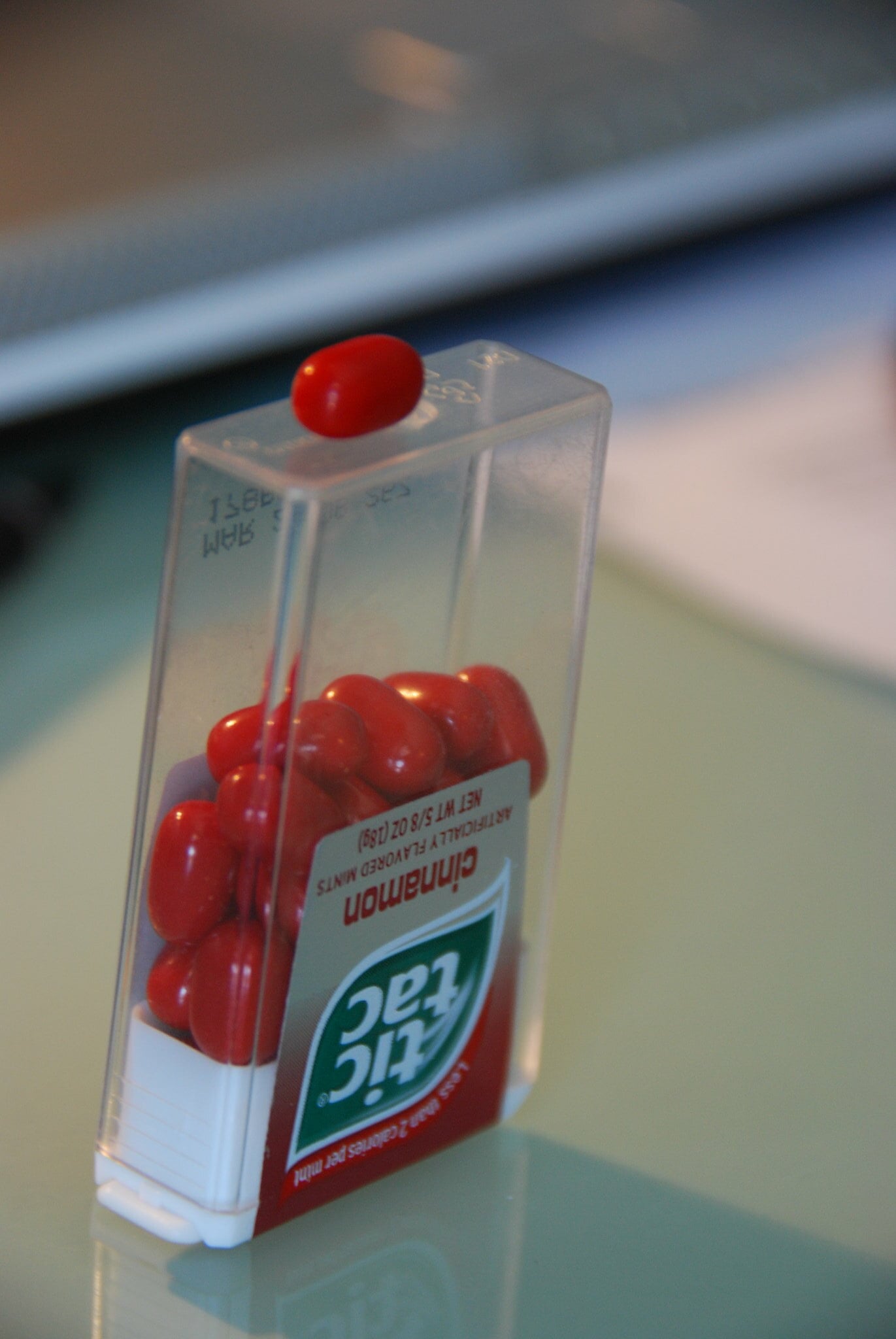
Cinnamon Tic Tacs appeared and disappeared from US markets in cycles, leaving behind a small but deeply stubborn fanbase that has never fully accepted the Orange or Freshmint replacements as adequate substitutes. The cinnamon version had a specific heat-to-sweet ratio that the other flavors never attempted, and that restraint is frustrating.
Wonka Donutz
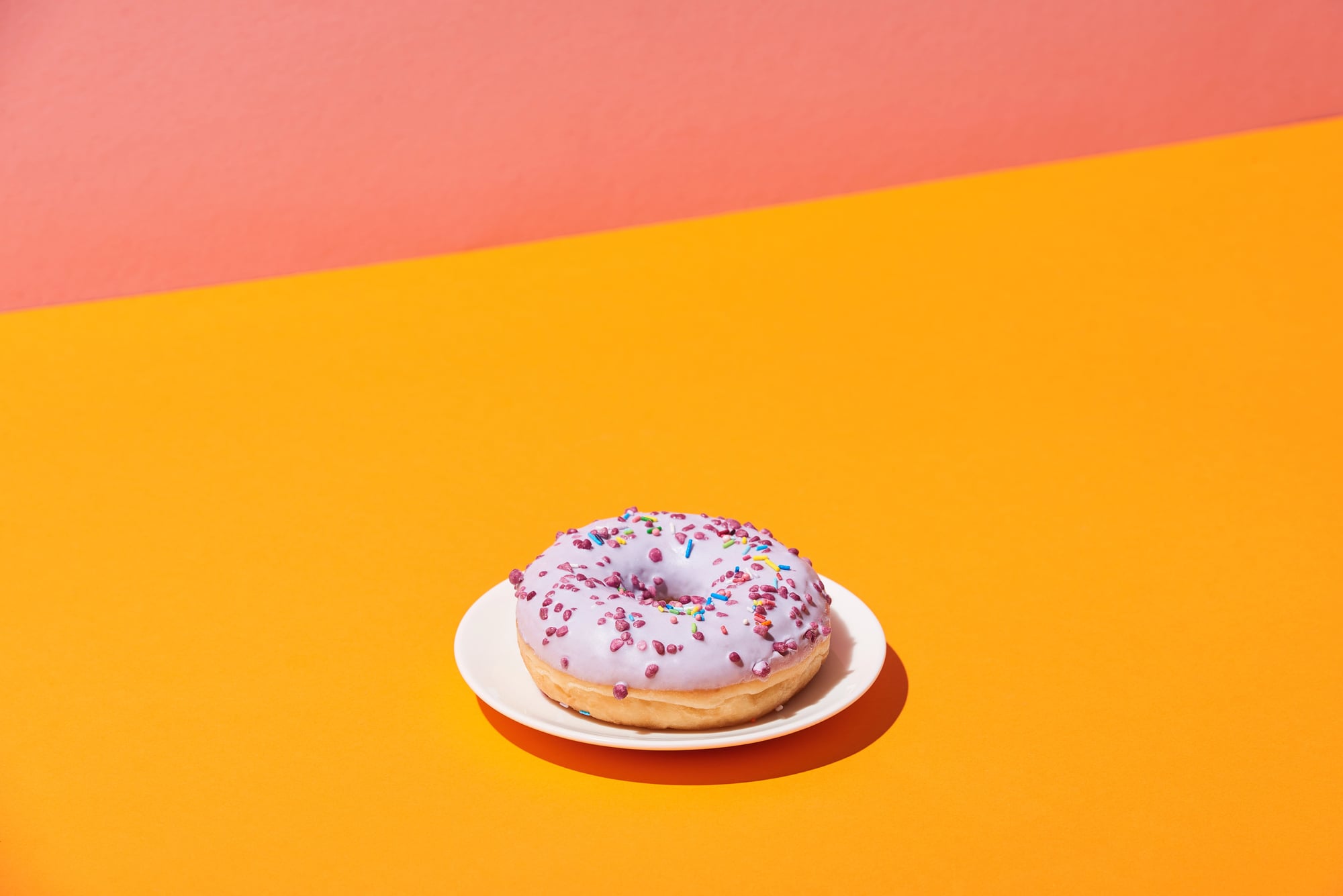
Wonka Donutz were small, powdered-sugar-dusted candy pieces that tasted nothing like a real donut but somehow captured exactly what a candy interpretation of a donut should taste like — which is a distinction that sounds meaningless until you’ve had one and understood it immediately. Nestlé discontinued the Won
ka line, and these went with it.
Pepsi Blue
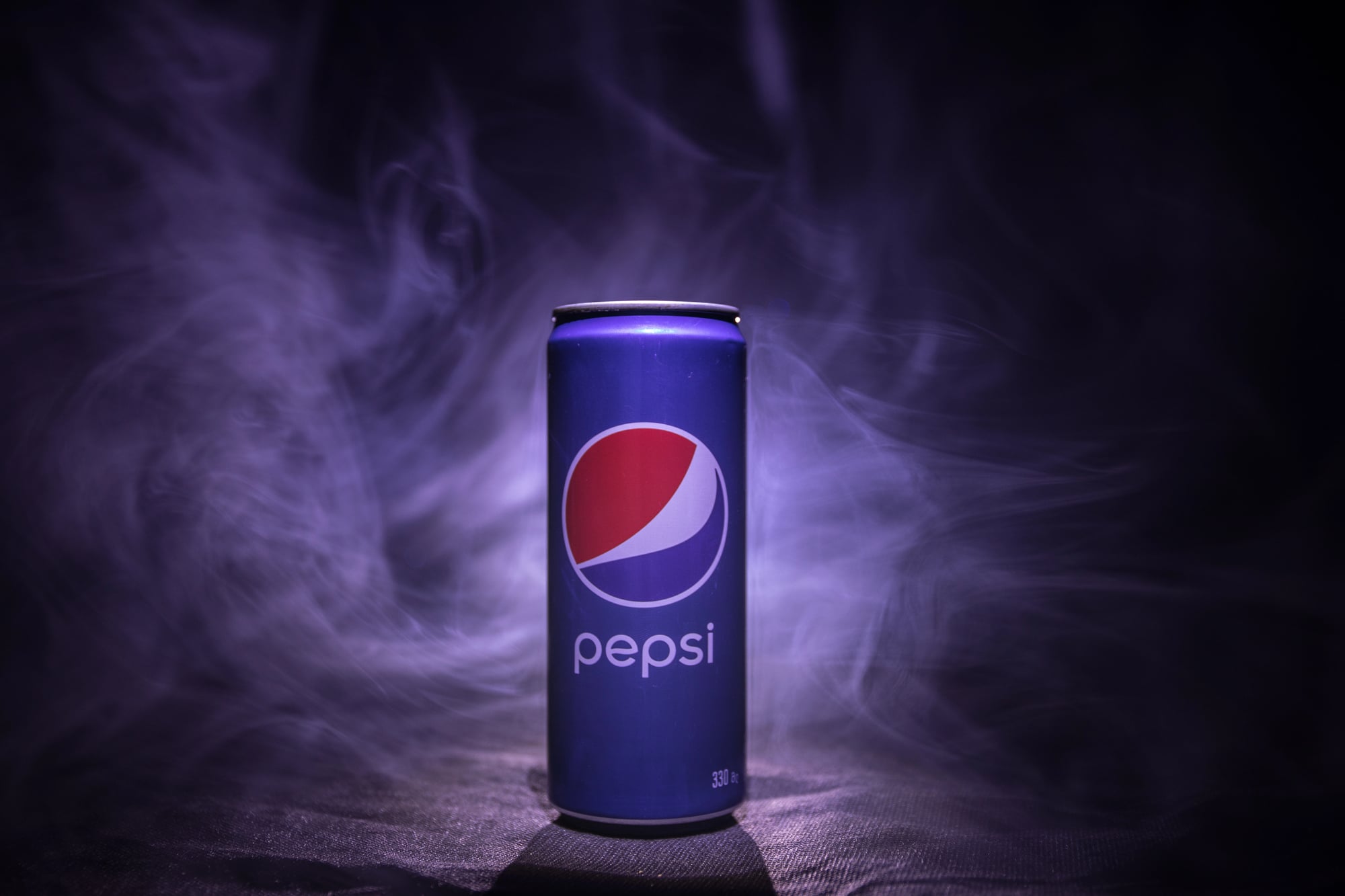
Pepsi Blue arrived in 2002 with berry flavoring, an electric blue color, and the kind of novelty that felt briefly unstoppable — and then it was gone by 2004, leaving behind a surprisingly persistent memory for something that was, at its core, a cola that had decided to become something else entirely.
It returned briefly in 2021, but a full return has never stuck.
Josta
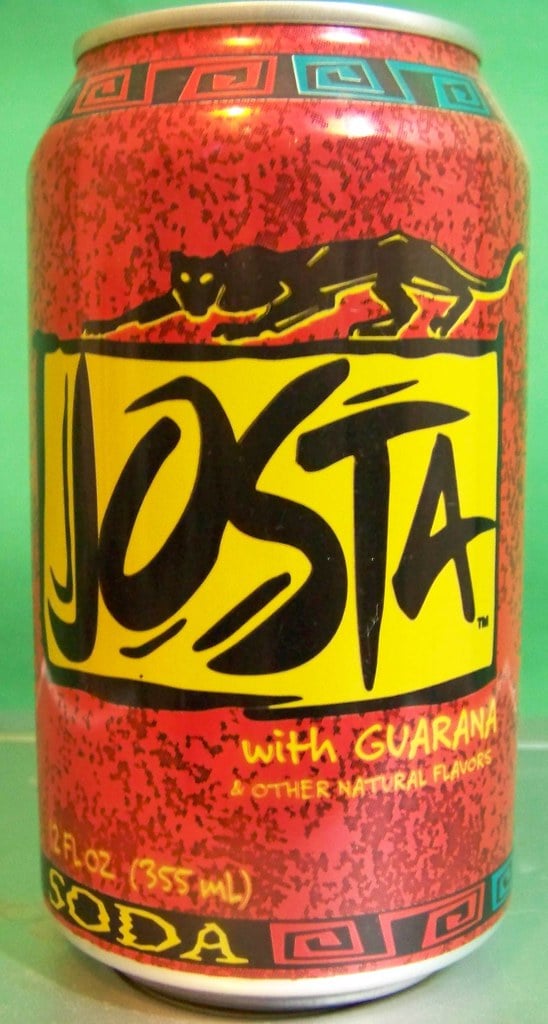
Josta holds the distinction of being the first energy drink launched by a major US soda company — PepsiCo introduced it in 1995 with guarana as the key ingredient — and it was discontinued in 1999 before the energy drink category it arguably helped create exploded into a multi-billion dollar industry.
The timing is almost impressive in how wrong it was.
Crispy M&M’s
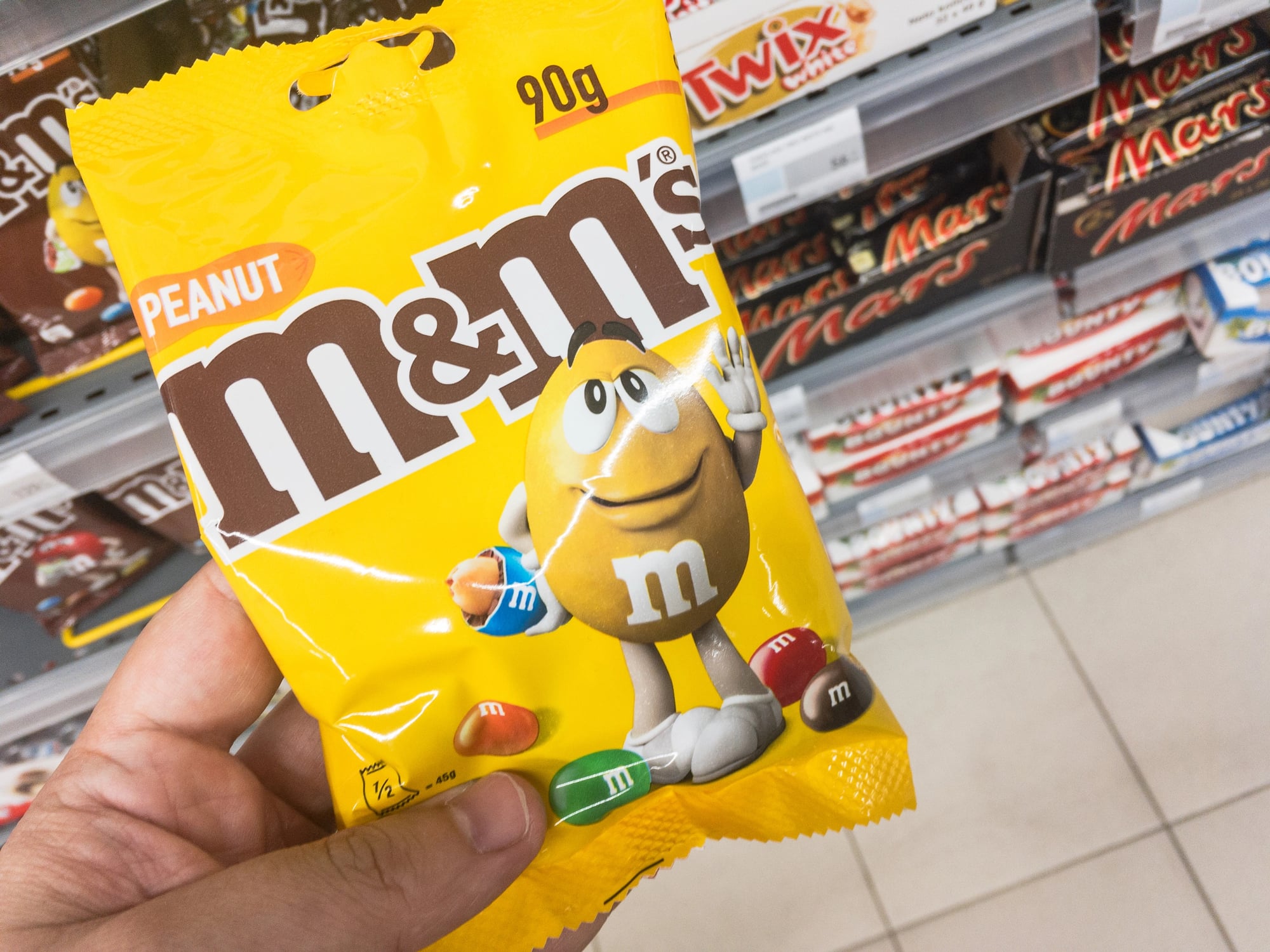
Crispy M&M’s — a rice crisp center inside the standard chocolate shell — were discontinued in the US in 2005 after an eight-year run, continued selling in other countries, and then returned to American shelves in 2015 after what Mars described as overwhelming consumer demand. The gap between discontinuation and return was just long enough to feel like a lesson in not taking things for granted.
Altoids Sours
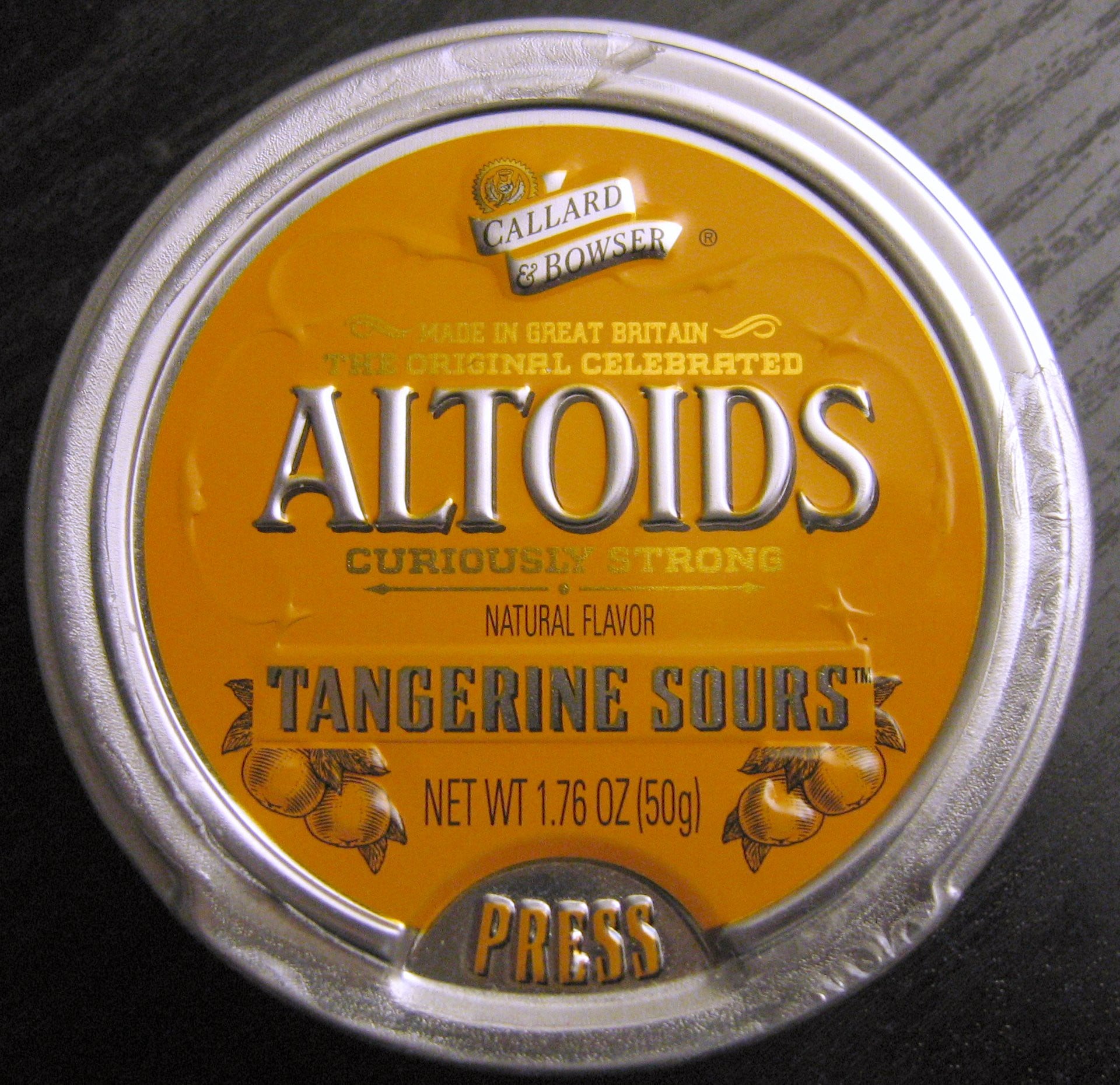
Altoids Sours arrived in 2004, came in a tin, delivered a sourness that was genuinely aggressive rather than decorative, and were discontinued in 2010. The tins alone — small, collectible, satisfying to open — had their own following, but the candy inside was the real story: a sour that didn’t apologize for itself.
French Toast Crunch
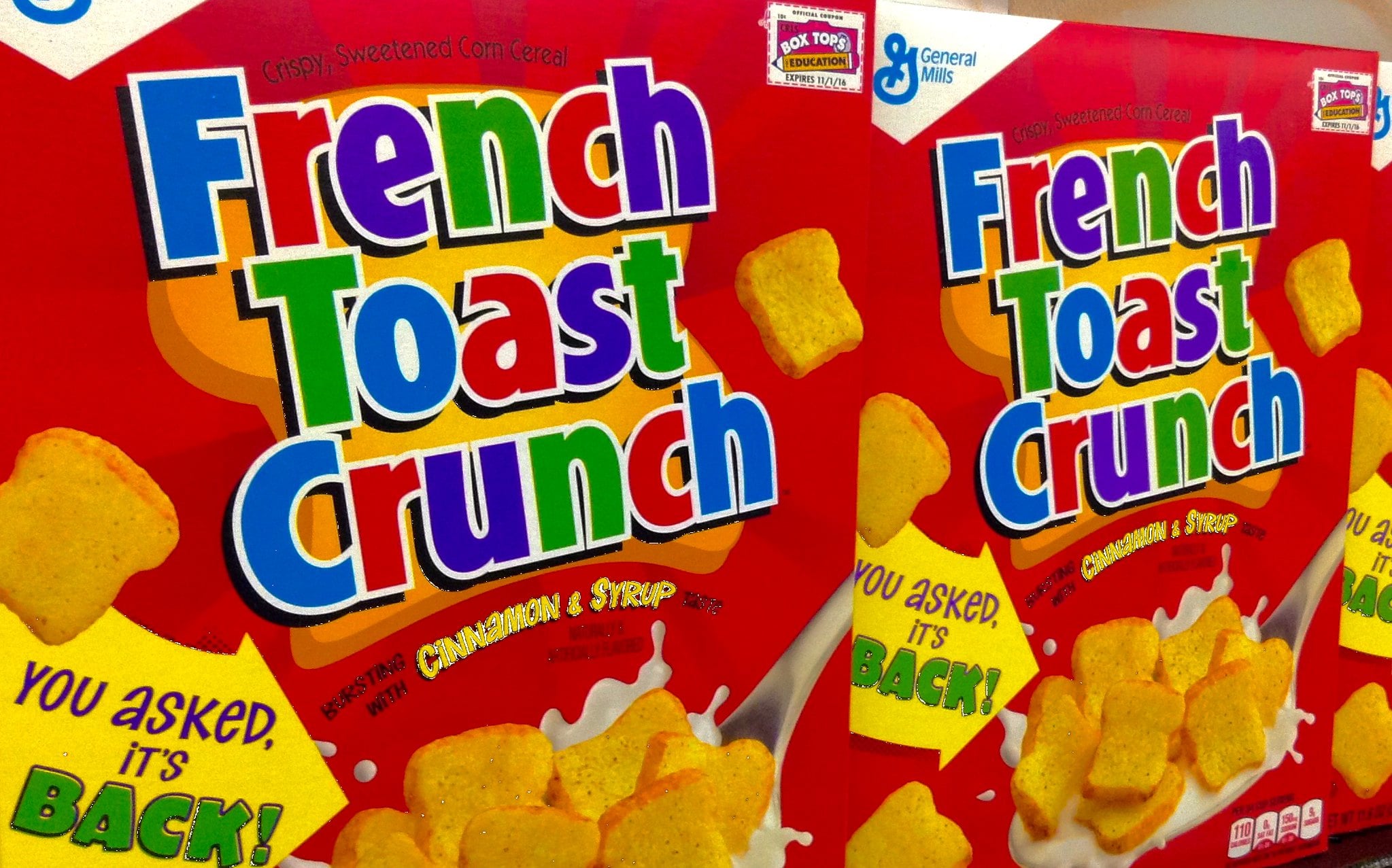
French Toast Crunch was General Mills’ maple-syrup-flavored, mini-French-toast-shaped cereal, and it was discontinued in the US in 2006 while continuing to sell in Canada, which felt like a specific kind of geographic betrayal. It returned in 2014 after years of consumer pressure and immediately found its audience again, which raised the obvious question of why it left.
Hershey’s Swoops
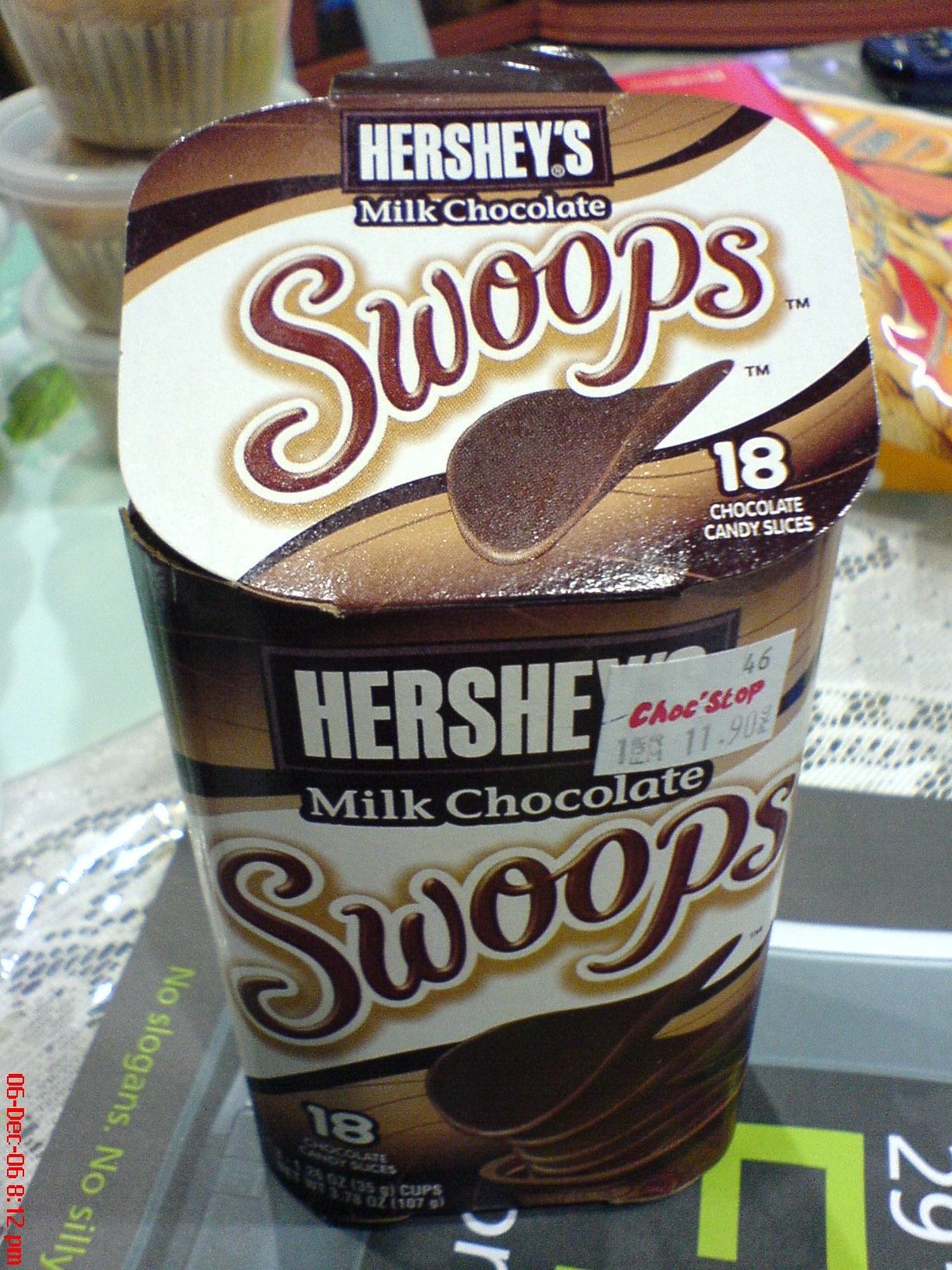
Hershey’s Swoops were Pringles-shaped chocolate wafers — curved, stackable, available in flavors like Reese’s, Almond Joy, and York Peppermint Pattie — and they existed from 2003 to 2006. The format was genuinely original, the flavors were well-executed, and three years was nowhere near enough time.
Waffle Crisp Cereal
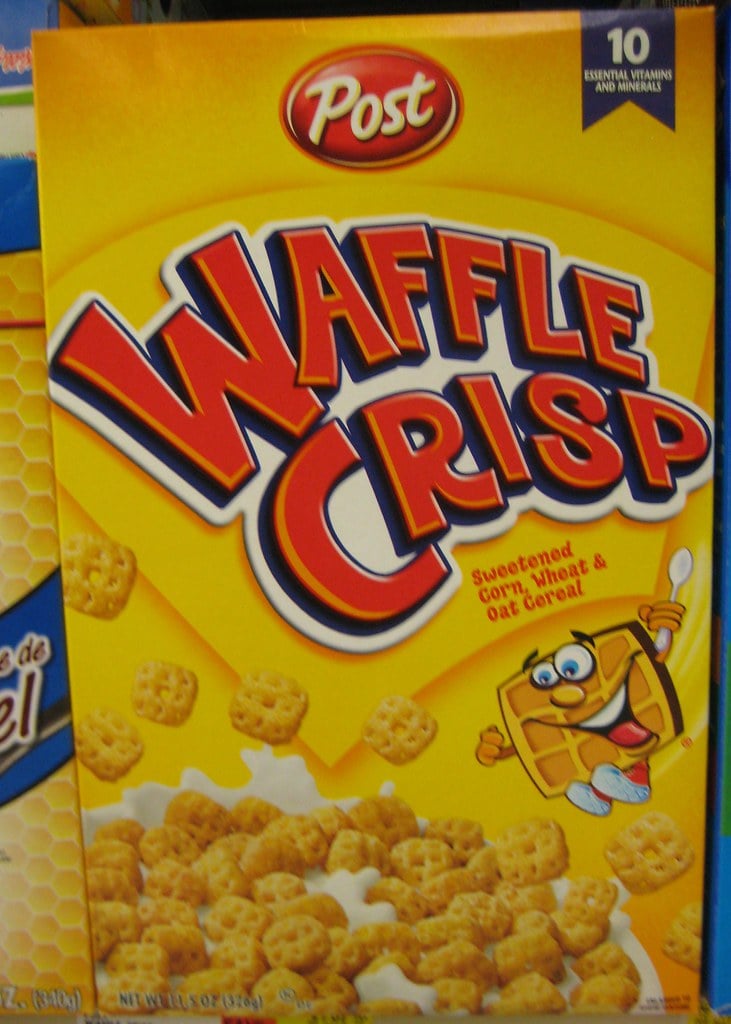
Waffle Crisp — Post’s maple-syrup-flavored cereal shaped like tiny waffles — had a flavor concentration that was almost unreasonably good for 7 a.m., and when it was discontinued, the cereal aisle lost something that no amount of competing maple-adjacent options has managed to replace. Post brought it back in 2019, but supply has remained inconsistent, which is its own frustration.
Keebler Pizzeria Chips
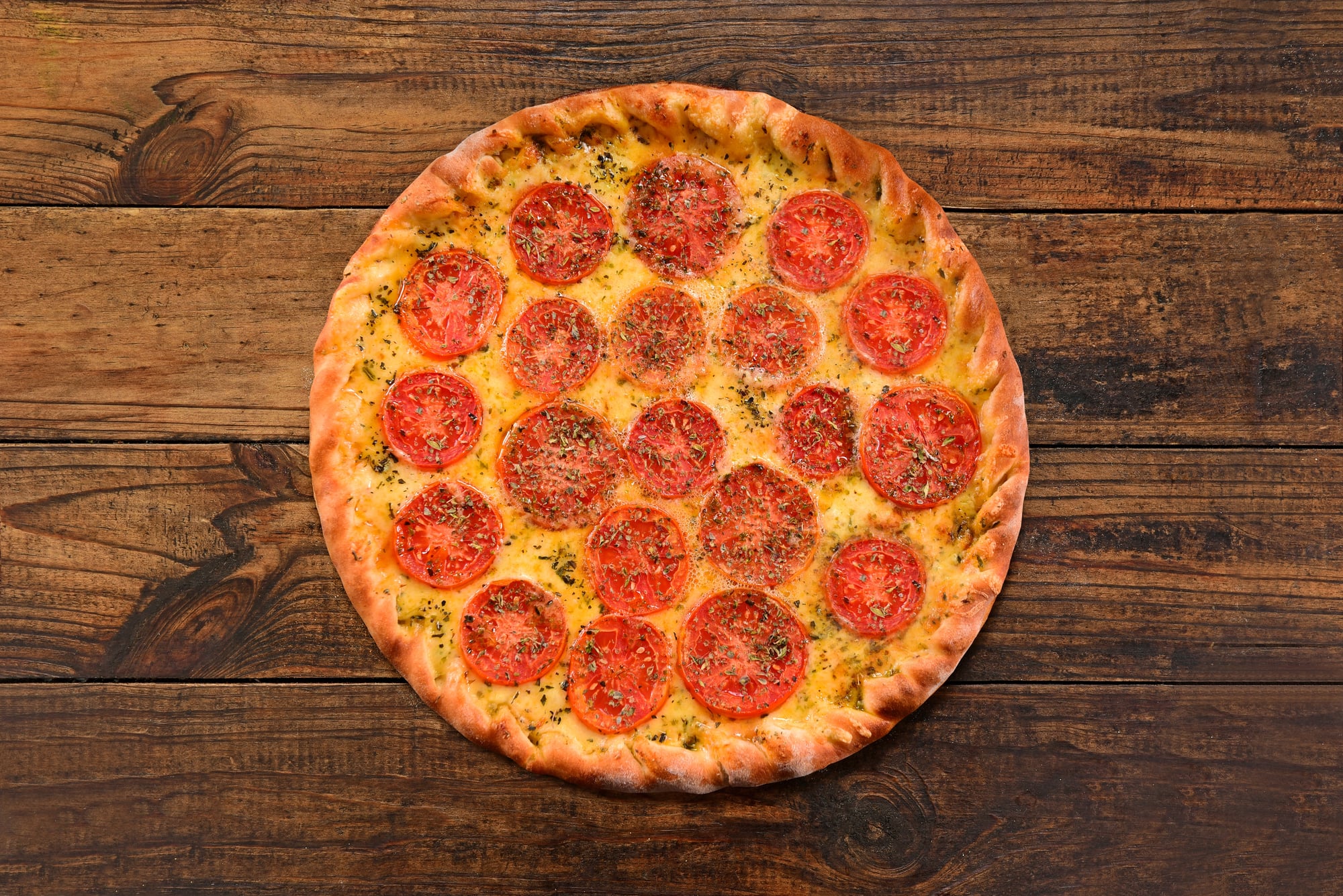
Keebler’s Pizzeria Chips were thin, crisp, and flavored in a way that tracked closer to actual pizza than most snacks that attempt the comparison. They disappeared quietly without the kind of public outcry that some discontinued snacks receive, which is either a testament to how understated they were or how bad people are at appreciating things before they’re gone.
Hidden Treasures Cereal
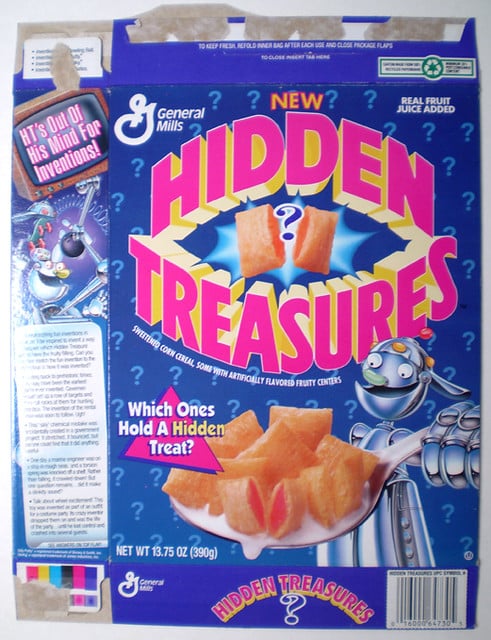
General Mills’ Hidden Treasures cereal looked like standard corn puffs from the outside but contained a fruit-flavored filling inside — and the brand leaned hard into the discovery element, making the hunt for the filled pieces part of the experience. It’s the kind of conceit that sounds gimmicky until you remember how much children (and adults, honestly) respond to finding something unexpected inside their breakfast.
Trix Yogurt
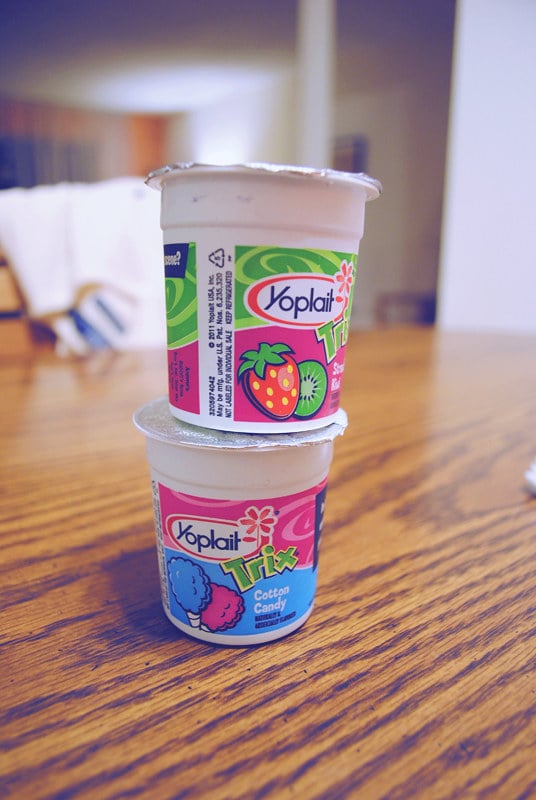
Trix Yogurt — swirled, brightly colored, with a flavor intensity that bore almost no resemblance to plain yogurt but absolutely resembled the cereal it was named after — was discontinued after a long run when General Mills reformulated it and removed the artificial colors, which, as it turns out, were exactly what made it the product it was.
The reformulated version and the original are not the same snack.
Nabisco Doo Dads
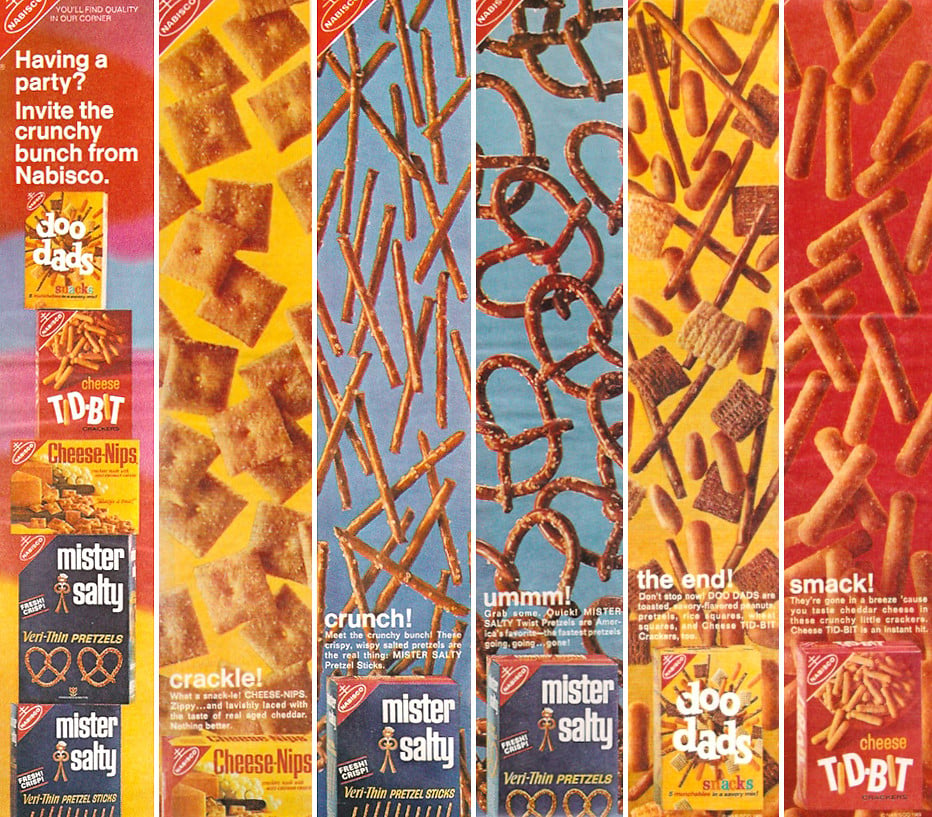
Nabisco’s Doo Dads were a snack mix — pretzels, crackers, and cereal pieces seasoned together — that existed for decades before being quietly discontinued. Mixed snack bags have tried to fill the space since, but Doo Dads had a specific seasoning balance and a pretzel-to-cracker ratio that the category’s current options haven’t replicated.
Some things are harder to replace than they look.
Pepperidge Farm Goldfish Colors
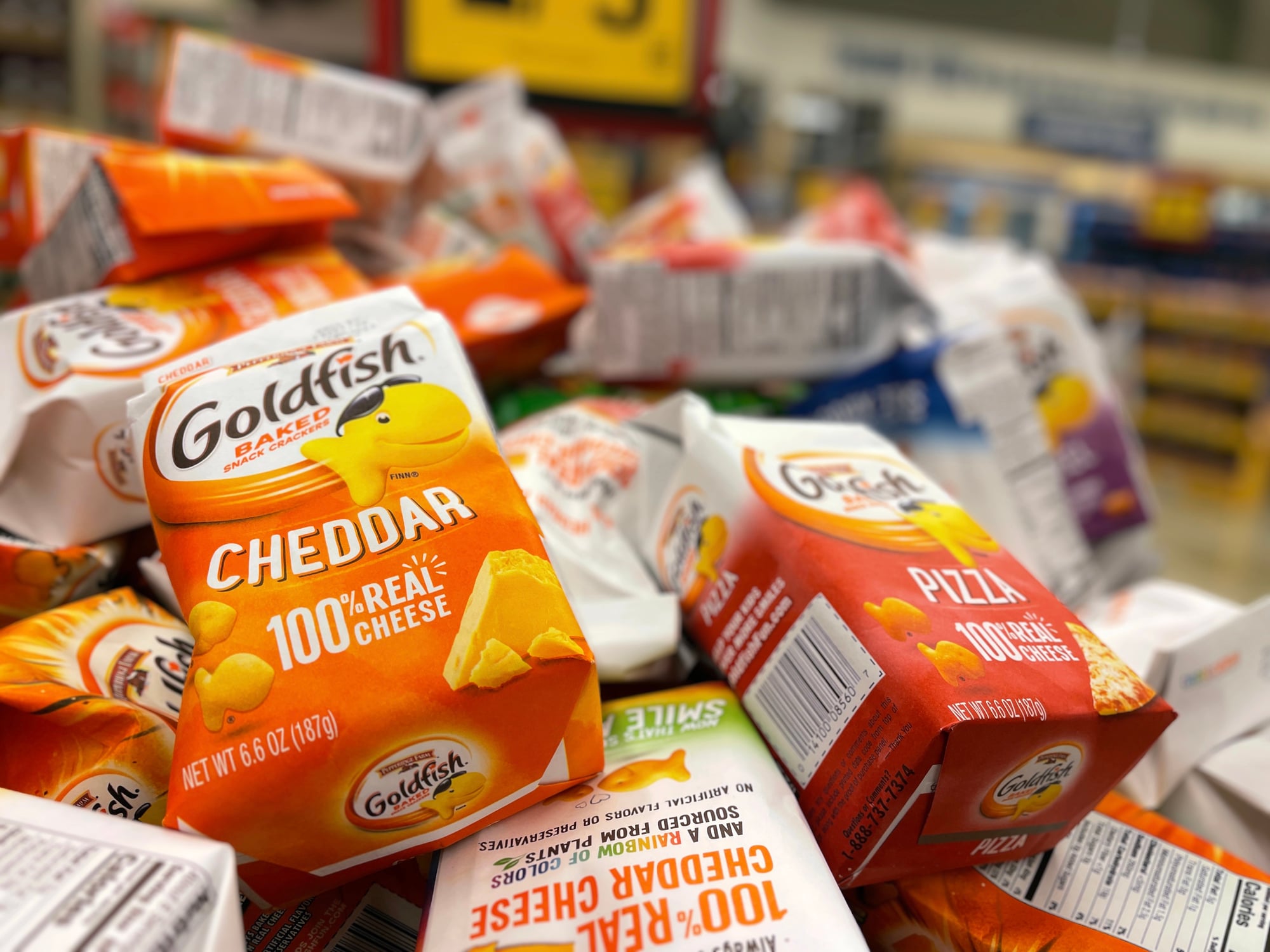
Pepperidge Farm made Goldfish Colors using natural coloring derived from vegetables and spices, discontinued the product when they couldn’t maintain the color vibrancy naturally, and released a version with artificial colors that satisfied some fans and alienated others — which is the kind of reformulation story that ends with nobody fully happy. The original formula had a brightness that the current versions don’t carry.
Starburst Fruit Twists
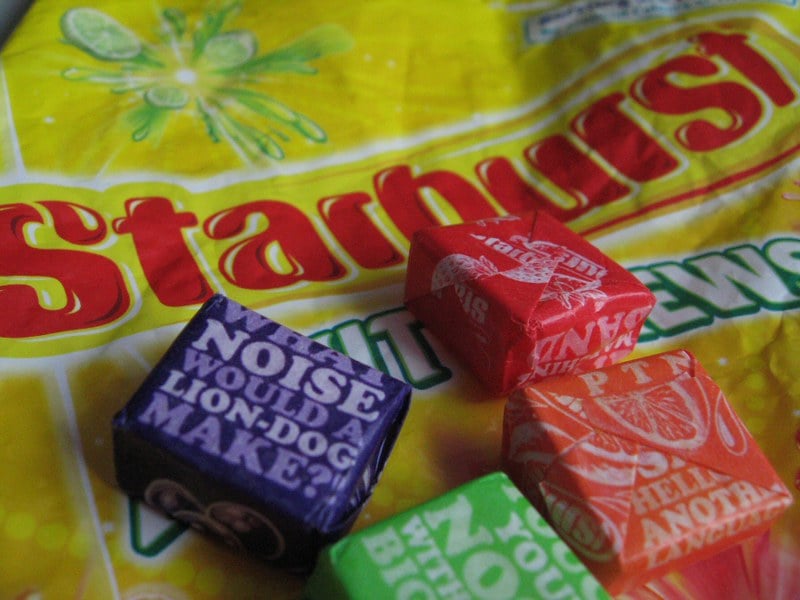
Starburst Fruit Twists were a braided, chewy candy — different in texture from standard Starburst, more substantial, with a pull that lasted longer. They were discontinued in the early 2000s, and while the Starburst brand has expanded into gummies, jellybeans, and other formats, nothing in the current lineup occupies the exact textural space the Twists held.
Soda-licious Fruit Snacks
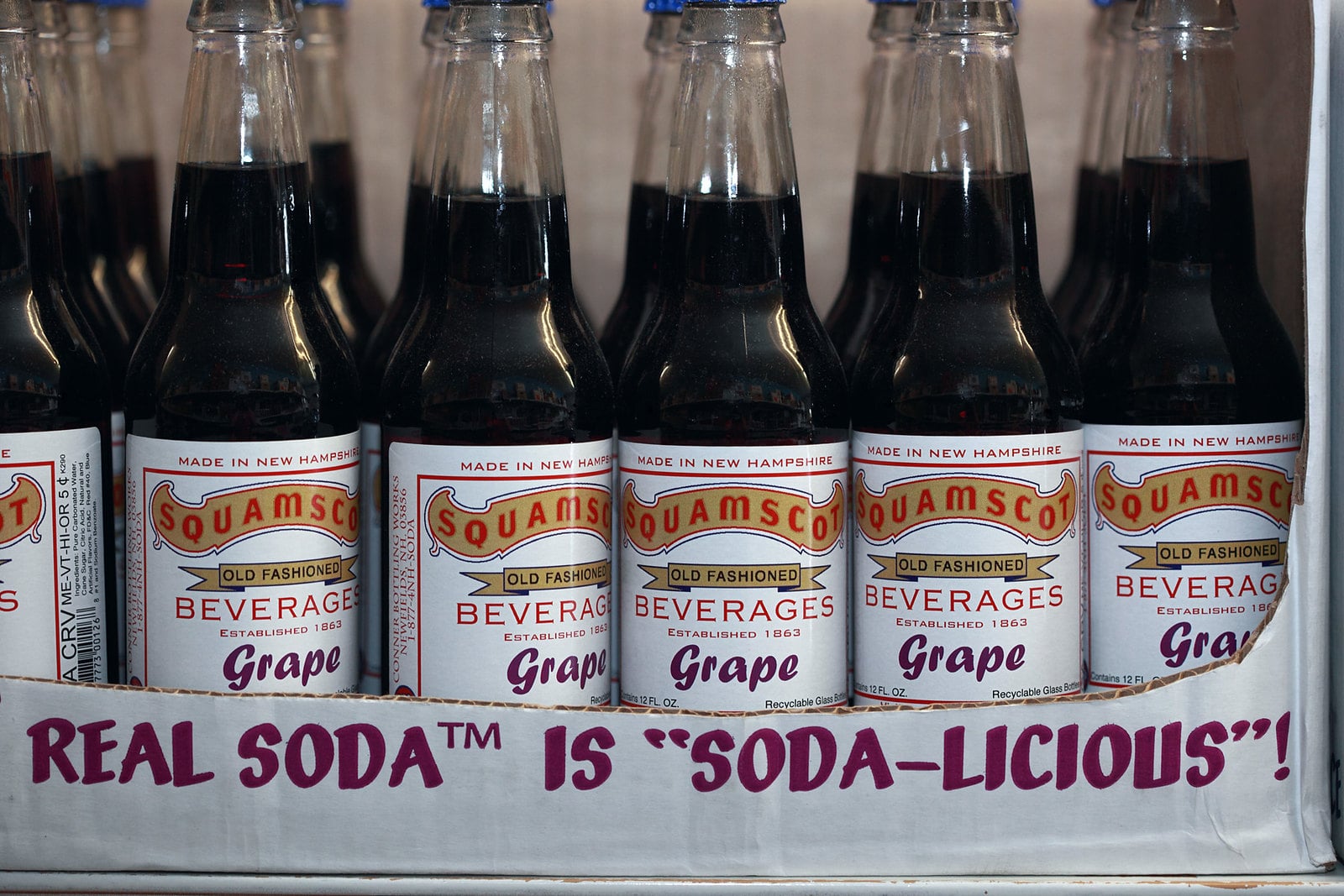
Betty Crocker’s Soda-licious fruit snacks were shaped like soda bottles and flavored to match specific sodas — cola, orange, strawberry — in a way that shouldn’t have worked as well as it did. The format made them feel distinct from every other fruit snack on the shelf, and that specificity is exactly what the market loses when products like this disappear.
Planter’s Cheez Curls
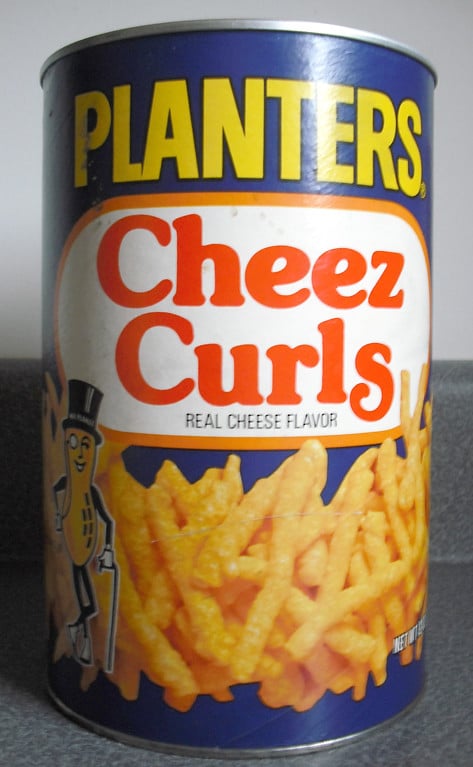
Planters Cheez Curls — distinct from the Cheezballs, lighter, with a different crunch profile — had their own dedicated following that has never fully transferred loyalty to other curl-style cheese snacks. The Planters seasoning was its own thing, and without it, the category feels slightly incomplete.
Hubba Bubba Soda
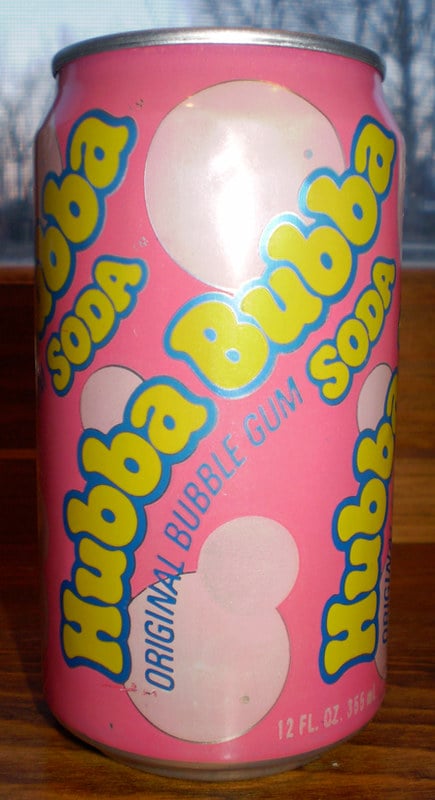
Hubba Bubba Soda existed briefly in the 1980s as a bubblegum-flavored carbonated drink, which sounds like it should be terrible and was instead exactly as good as a child in 1987 needed it to be. It never had a real second act, and the combination of nostalgia and genuine flavor novelty means a comeback would find an audience across at least two generations.
SnackWell’s Devil’s Food Cookie Cakes
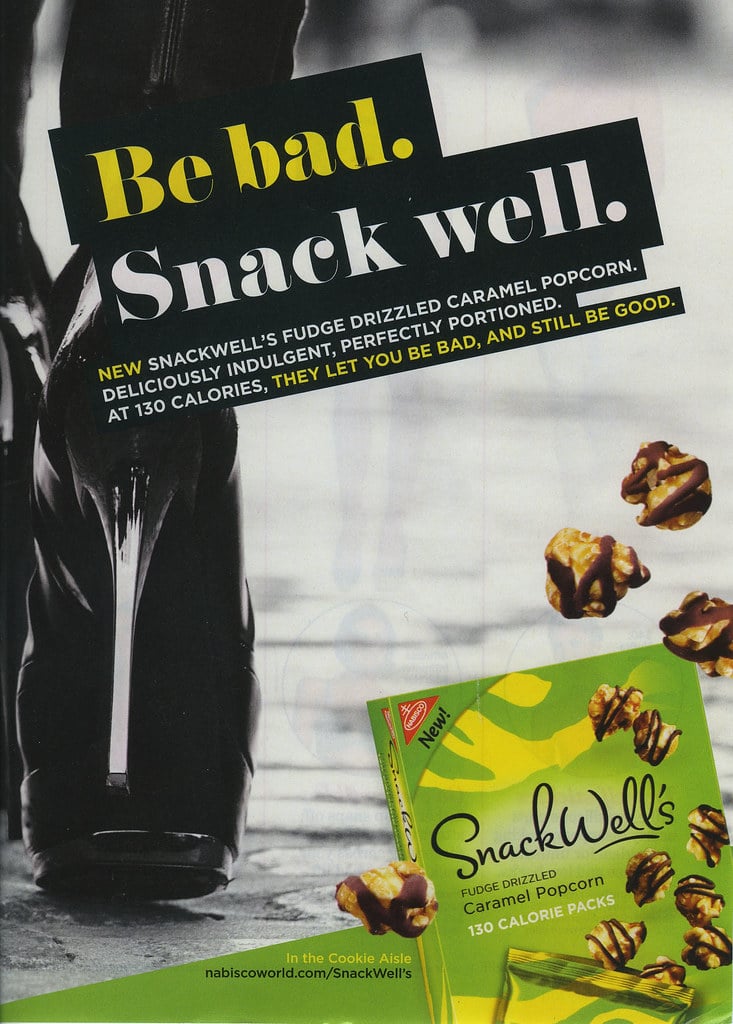
SnackWell’s Devil’s Food Cookie Cakes were the 1990s’ idea of guilt-free indulgence — a chocolate cake cookie with a marshmallow center, marketed as low-fat, eaten in quantities that completely defeated the stated purpose. They became a cultural shorthand for that particular decade’s complicated relationship with food, and they tasted genuinely good, which tends to get lost in the conversation about what they represented.
What the Market Keeps Getting Wrong
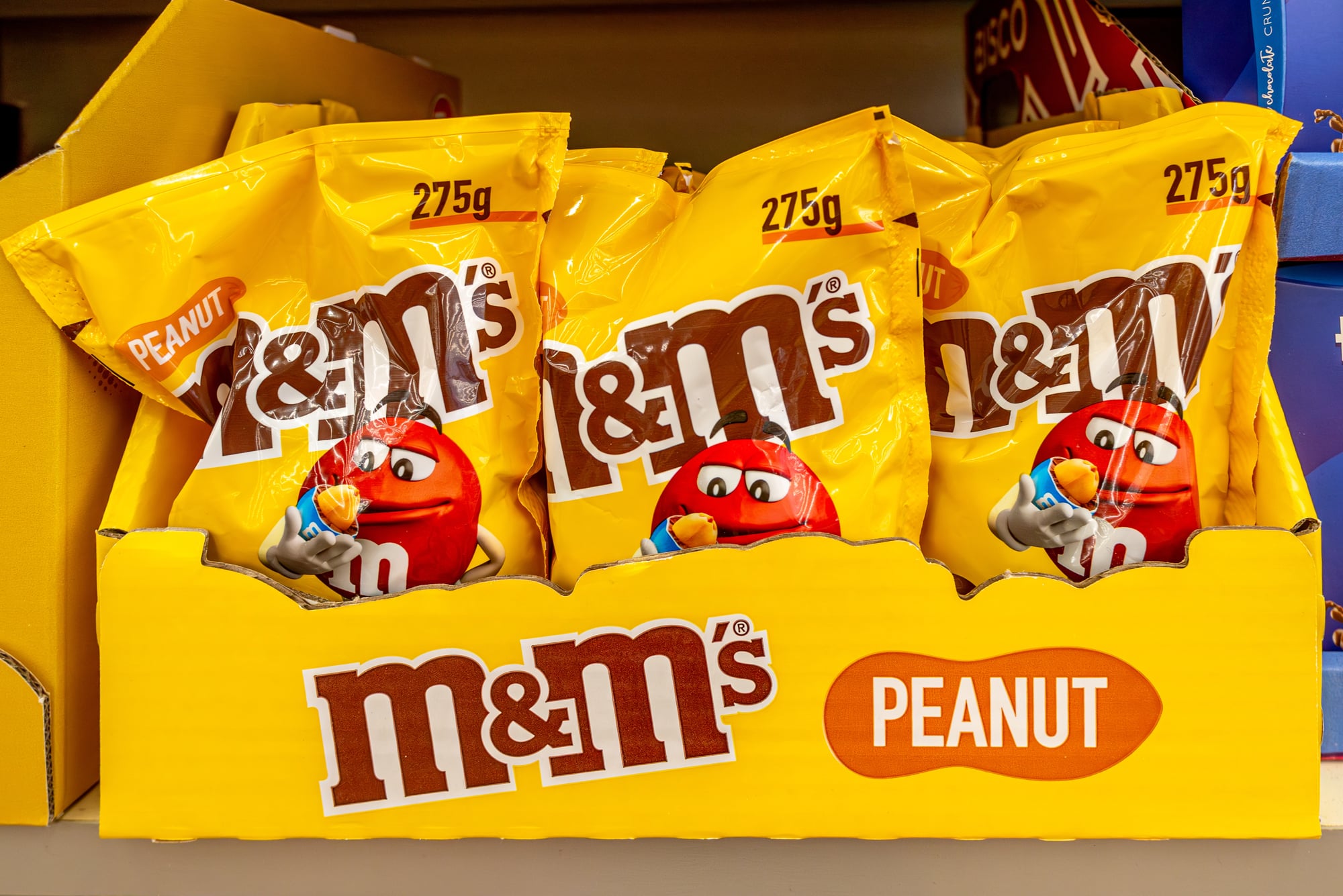
The consistent thread running through every snack on this list isn’t nostalgia — it’s specificity. Each of these products did something narrow and precise that nothing else in the category bothered to replicate, and when they left, they left an actual gap rather than a general sense that things used to be better.
Brands keep assuming that “similar” is close enough, and the thirty-year loyalty of a Cheezball devotee is the market’s response to that assumption. Bring the specific thing back. Not a spiritual successor, not an inspired-by.
The actual thing.
More from Go2Tutors!

- The Romanov Crown Jewels and Their Tragic Fate
- 13 Historical Mysteries That Science Still Can’t Solve
- Famous Hoaxes That Fooled the World for Years
- 15 Child Stars with Tragic Adult Lives
- 16 Famous Jewelry Pieces in History
Like Go2Tutors’s content? Follow us on MSN.