Saturday Morning Routines From The ’90s That Defined An Entire Generation
Saturday mornings in the ’90s had a sacred quality that today’s streaming-and-smartphones generation will never quite understand. There was something magical about waking up without an alarm, padding to the living room in your pajamas, and knowing that the next few hours belonged entirely to you.
No school, no responsibilities, just pure weekend freedom stretching ahead like an endless summer vacation. Those mornings followed a rhythm as predictable as breathing, yet somehow never got old.
The same cartoons, the same cereal debates, the same unspoken understanding that this time was precious and fleeting. Looking back, these simple routines didn’t just fill our Saturday mornings—they shaped how an entire generation learned to find joy in the small moments.
Waking Up Without An Alarm Clock

Your body knew it was Saturday before your brain caught up. No jarring buzzer, no frantic scrambling for the snooze button.
Just natural light filtering through bedroom curtains and the quiet realization that today was different. The absence of urgency defined everything that followed.
You could lie in bed for an extra ten minutes, listening to the sounds of the house slowly waking up, savoring that delicious moment between sleep and consciousness when the whole day stretched ahead with infinite possibility.
Racing To The TV Before Anyone Else

Saturday morning television was first-come, first-served territory. Getting to the living room early meant claiming the remote control and prime real estate on the couch for the next several hours.
Late risers got stuck with whatever programming decisions had already been made. The early bird advantage was serious business (especially in households with multiple kids competing for cartoon supremacy), but the rewards were worth the effort.
Control meant you could navigate between channels during commercial breaks, adjust the volume to your preferences, and most importantly, defend your choices against any siblings who wandered in later with different viewing opinions.
The Sacred Art Of Cereal Selection

Opening the pantry on Saturday morning revealed a landscape of possibilities that somehow felt different than on school days—the same boxes of cereal, but now you had time to truly appreciate them. This wasn’t about grabbing something quick before rushing out the door; this was about making a choice that would define the next hour of your life (which, when you’re eight years old, feels monumentally important).
The decision carried weight: fruity or chocolatey, crunchy or soft, something sensible or something that would turn the milk interesting colors by the end. And then there was the bowl size calculation—too small meant multiple trips to the kitchen during crucial cartoon moments, too large meant soggy cereal by the finale.
Some Saturday mornings called for mixing cereals, creating custom blends that would horrify nutritionists but felt like pure genius at the time. The milk-to-cereal ratio had to be perfect.
Too much milk and you’d be slurping for minutes after the cereal was gone. Too little and the last few spoonfuls turned into a dry, disappointing finale to what should have been a triumphant breakfast experience.
Claiming Your Spot On The Couch

Territory mattered on Saturday mornings. The best spot—usually the corner of the couch closest to the TV with optimal arm positioning for cereal consumption—required strategic planning and sometimes outright speed to secure.
Once established, your position became a temporary throne from which to rule the morning. Blankets were arranged, pillows positioned for maximum comfort, and everything within arm’s reach was carefully curated: the remote control, maybe a glass of orange juice for later, and possibly a backup snack for the inevitable mid-cartoon hunger that would strike around 10 AM.
Channel Surfing During Commercial Breaks

Before DVRs and streaming services, commercial breaks presented both challenge and opportunity. The art of channel surfing required perfect timing—knowing exactly how long you had before your main show returned, and which other channels might be showing something worthwhile during those precious two-minute windows.
Remote control skills became finely tuned during these Saturday morning sessions (quick reflexes to avoid accidentally landing on boring adult programming, and an internal clock that somehow always knew when to flip back to catch the return of your primary viewing choice). The risk of missing the restart of your show added just enough tension to make the whole experience feel slightly adventurous.
The Cartoon Lineup Hierarchy

Not all cartoons were created equal, and Saturday morning programming followed an unspoken hierarchy that every kid understood instinctively. The best shows aired during prime real estate hours—usually between 8 and 10 AM—when you were most alert and had the whole morning stretching ahead of you.
Lesser shows got relegated to the early slots (when you might still be waking up) or the late morning spots (when parents started making noises about getting dressed and being productive). Smart kids planned their entire morning around this programming schedule, timing breakfast and bathroom breaks to avoid missing the good stuff.
The transition from top-tier to second-tier programming marked the unofficial beginning of the end of Saturday morning magic.
Pajama Uniform Protocol
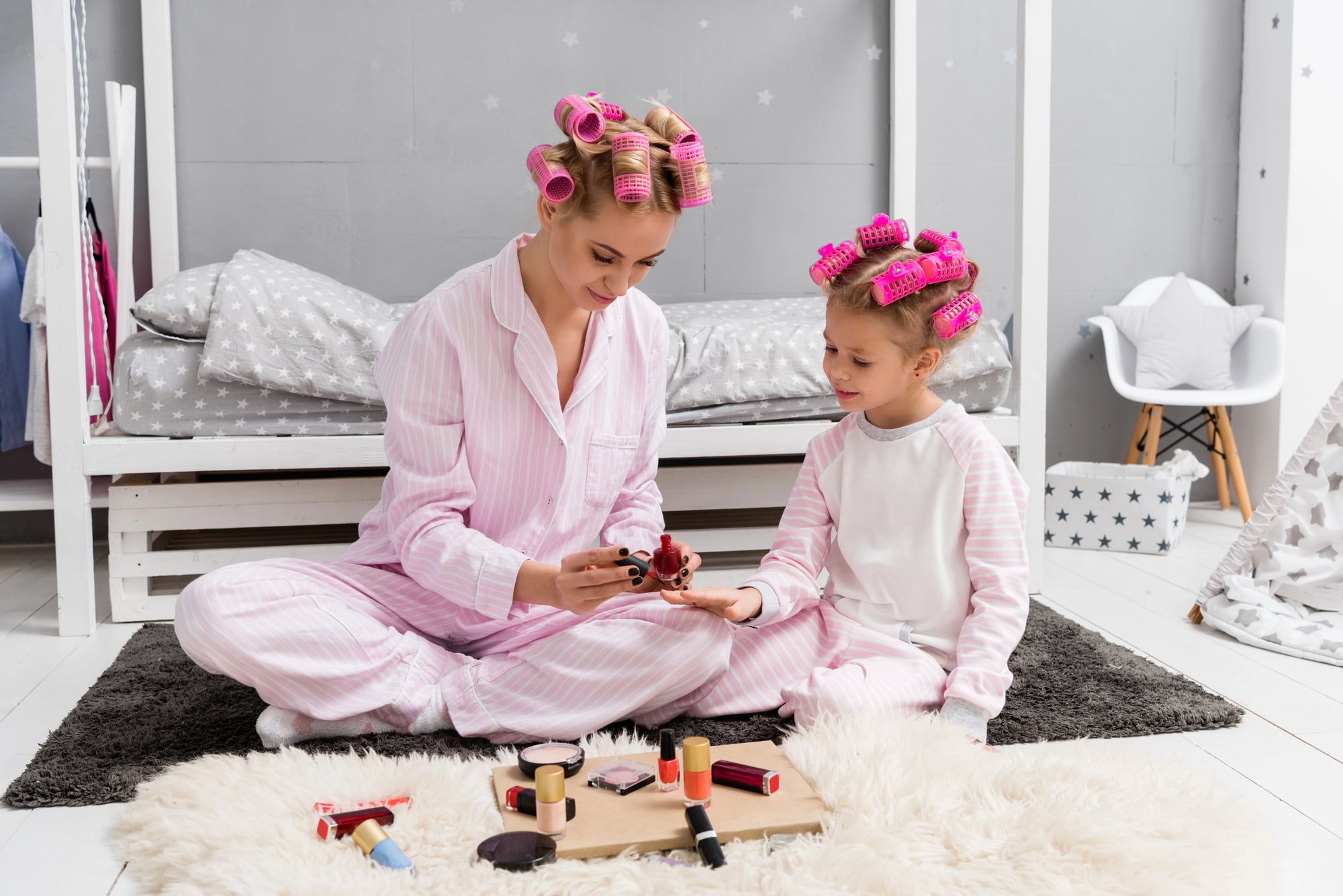
Saturday mornings had their own dress code, and it was gloriously simple: whatever you slept in was perfectly acceptable attire until further notice. Pajamas weren’t just clothing—they were a declaration that this time belonged to comfort and leisure, not performance or appearances.
The longer you could maintain pajama status, the more successful your Saturday morning had been. Getting dressed meant acknowledging that the outside world existed and had claims on your time.
Real Saturday morning champions could stretch pajama time well into the afternoon, turning the simple act of staying in sleepwear into a small rebellion against productivity.
The Art Of Cartoon Negotiation

In multi-kid households, Saturday morning television required diplomatic skills that would serve you well later in life. Sharing the TV meant learning to compromise, trade viewing time, and occasionally form strategic alliances against siblings with questionable cartoon taste.
Successful negotiation often involved complex bartering systems: you could watch your show first if your sibling got to pick what came next. Sometimes parents intervened with timer systems or alternating control periods, but the best arrangements were hammered out between kids themselves through a combination of pleading, logic, and occasional bribery involving snacks or future favors.
Breakfast In Front Of The TV

Eating breakfast while watching cartoons was a weekend privilege that felt deliciously rebellious (since weekday mornings usually meant sitting at the kitchen table like civilized human beings). The coffee table became your dining room, and the gentle glow of the television screen provided ambient lighting for this most important meal.
Spills were inevitable but somehow never felt catastrophic on Saturday mornings—there was always time to clean up messes later, and besides, a few crumbs on the couch cushions were just evidence of a morning well spent. The combination of sugary cereal and colorful animation created a sensory experience that made everything taste better and look more vibrant.
The Mid-Morning Snack Strategy

Even with a solid breakfast foundation, Saturday morning cartoons had a way of working up an appetite by 10 AM. The mid-morning snack run required careful timing to avoid missing crucial plot developments, but hunger always won out eventually.
Kitchen raids during commercial breaks became precision operations: grab something quick, portable, and ideally something that wouldn’t make noise during quiet cartoon moments. Pop-Tarts were ideal because they came pre-wrapped and required no preparation.
Fruit snacks worked because they could be eaten one at a time without taking your eyes off the screen.
Defending Against Parental Productivity Pressure

As Saturday morning wore on, parents inevitably began making suggestions about more productive uses of time. The gentle hints usually started around 11 AM: mentions of nice weather outside, observations about messy bedrooms, or casual references to homework that might benefit from early attention.
Skilled Saturday morning veterans knew how to deflect these productivity pushes without outright defiance (agreeing that yes, it was a beautiful day while making no immediate moves toward outdoor activities, or acknowledging that homework existed while pointing out that Sunday afternoon was specifically designed for such endeavors). The goal was to stretch cartoon time as long as possible without triggering parental intervention that might result in forced outdoor time or chore assignments.
The Slow Transition To Real Clothes

Eventually, the magic of Saturday morning cartoons began to fade as programming shifted toward educational content or adult shows started creeping into the schedule. This natural transition period provided the perfect opportunity to finally acknowledge that getting dressed might be necessary.
The shift from pajamas to real clothes marked the official end of Saturday morning childhood territory and the beginning of whatever family activities or personal responsibilities awaited. But smart kids knew how to milk this transition for maximum time, turning the simple act of getting dressed into a prolonged process that could stretch the morning magic for another precious half hour.
When The Magic Finally Ended

You could feel it happening—the gradual shift from pure Saturday morning bliss to the awareness that the day had other plans for you. Maybe the cartoon quality started declining, or your parents’ suggestions about productivity became more insistent, or you simply reached that natural saturation point where even the best animation couldn’t hold your attention anymore.
The end was never abrupt. It came slowly, like watching the tide go out, until you found yourself standing in the living room, still holding the remote control, but somehow knowing that the spell had been broken.
Time to face the rest of Saturday—and all the expectations that came with it.
Where That Magic Lives Now

Those Saturday morning routines created something that transcends nostalgia—they taught an entire generation how to find contentment in simple pleasures and unstructured time. The specific cartoons and cereal brands may have changed, but the deeper lesson remains: there’s profound value in moments that exist purely for joy, without purpose or productivity attached.
Today’s kids might stream shows on tablets and eat breakfast bars on the go, but they’re still searching for that same sense of sacred, unhurried time that belonged entirely to them. The medium changes, but the need for magic remains exactly the same.
More from Go2Tutors!

- The Romanov Crown Jewels and Their Tragic Fate
- 13 Historical Mysteries That Science Still Can’t Solve
- Famous Hoaxes That Fooled the World for Years
- 15 Child Stars with Tragic Adult Lives
- 16 Famous Jewelry Pieces in History
Like Go2Tutors’s content? Follow us on MSN.