School Field Trips Before Digital Permission Slips
Long before a parent could tap a screen to approve a trip, permission came on a slip of paper, usually run off on a mimeograph machine with purple ink. The slip traveled home in a backpack or a folder, got signed at the kitchen table, and came back with lunch money tucked inside.
Slips that went missing were a minor tragedy, and the teacher kept a stack of spares.
The vehicle was almost always a yellow bus, painted in a color that was standardized at a 1939 conference at Teachers College, Columbia University, led by Frank Cyr. The destinations ranged from the local fire station to a faraway state capitol.
Here are twenty trips that filled a school year before the paperwork went digital.
The Fire Station
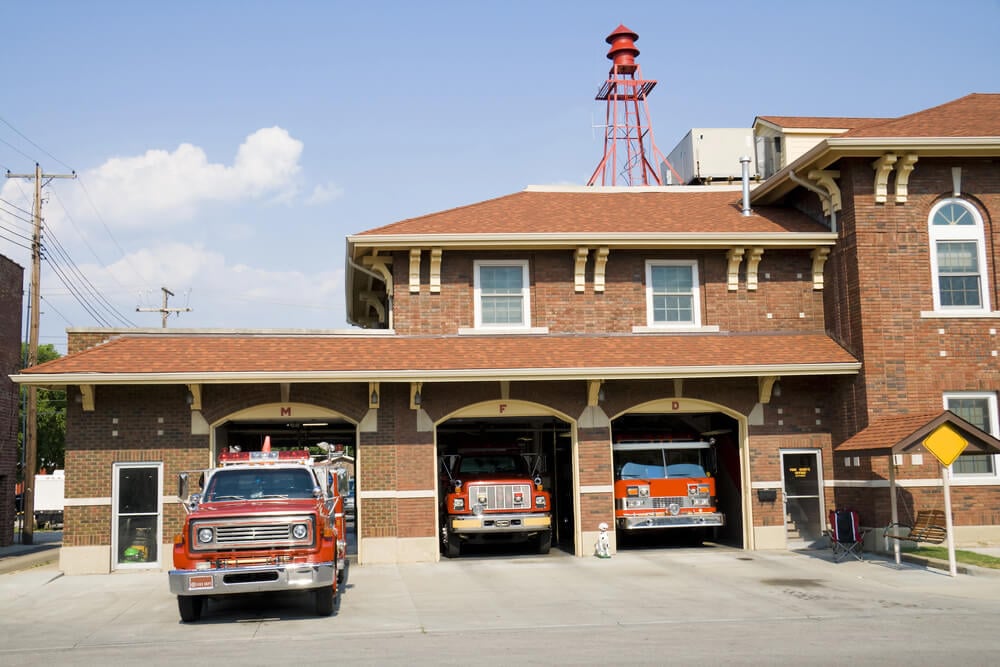
Firefighters opened the garage doors and let students climb into the cab of a real engine. The brass pole was off-limits, which only made it more tempting.
Kids left with a plastic fire hat and a lesson about stop, drop, and roll.
The Dairy Farm
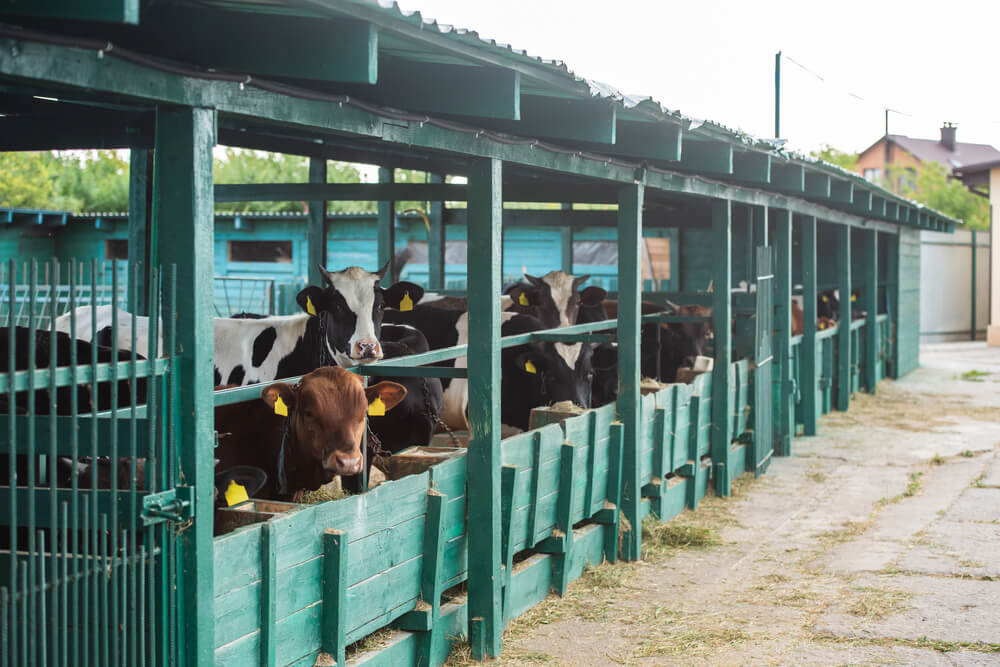
On a dairy farm, children watched milking machines hum and learned that cows have four stomach compartments. Many fed calves from oversized bottles.
The smell of the barn followed the class home on the bus.
The Post Office
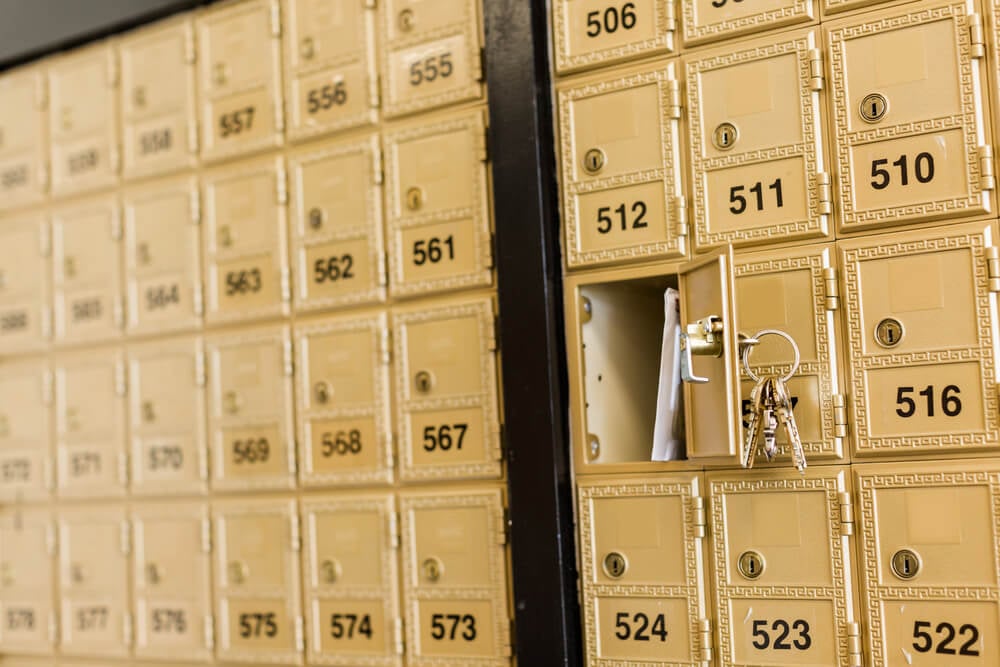
Postal workers led classes behind the counter to watch letters sorted by hand and machine. The stamp machines and heavy canvas mail sacks held a special fascination.
Many students mailed a letter to themselves and waited for it to arrive.
The Bakery
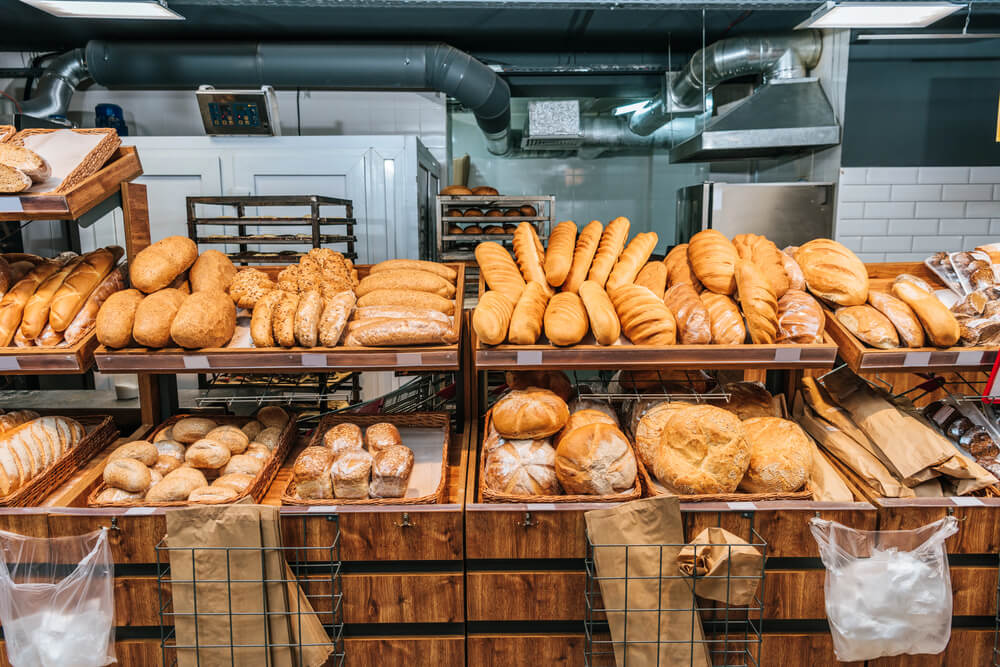
At a local bakery, students watched dough roll through mixers and then poured into pans. Bakers handed out warm rolls or cookies at the end of the tour.
The smell of yeast filled the classroom bus on the ride back.
The Newspaper Printing Plant
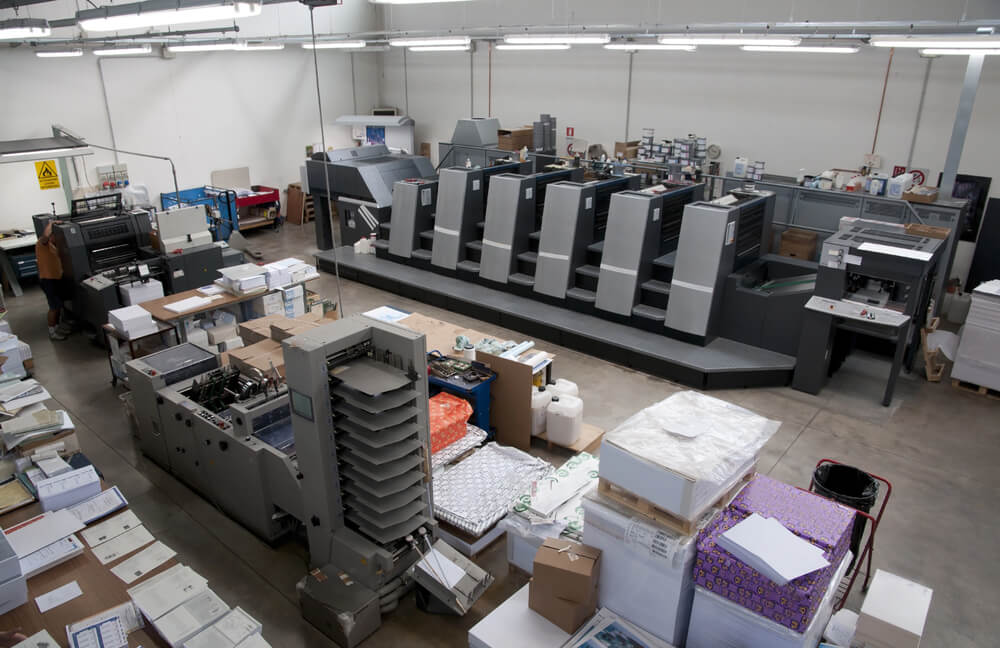
Older newspapers set type with a Linotype machine, an invention of Ottmar Mergenthaler in the 1880s that cast entire lines of metal type at once. Students stood beside rumbling presses and watched pages come off the rollers.
Many left with their name spelled in lead type.
The Planetarium
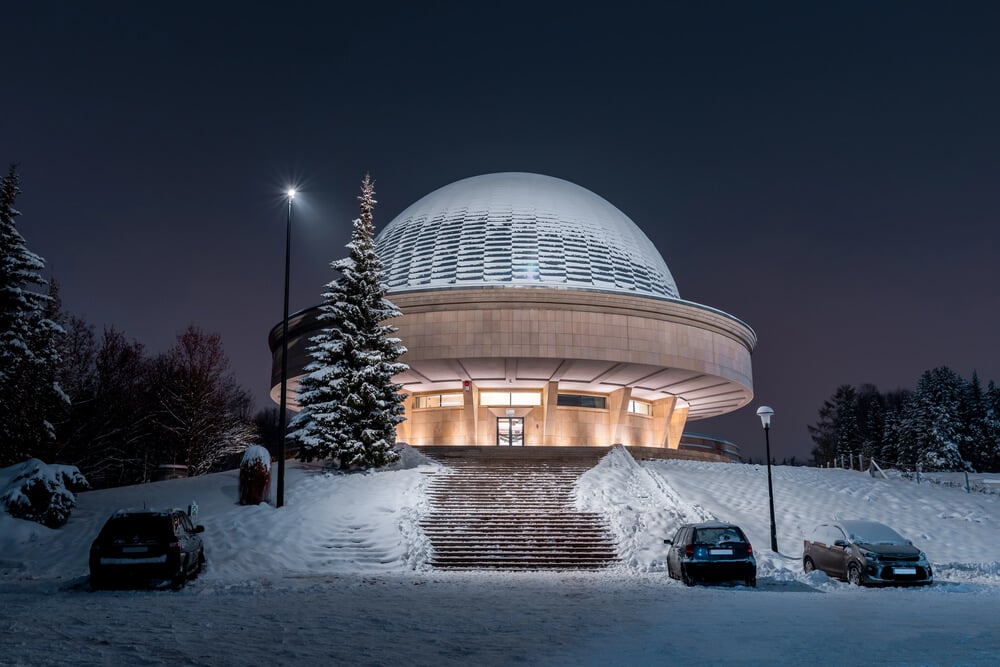
Inside a dark domed room, students tilted their seats back and watched stars appear on the ceiling. The projector, shaped like a giant insect, rotated slowly to show constellations.
The Adler Planetarium opened in Chicago in 1930, and smaller versions followed in cities and universities.
The State Capitol
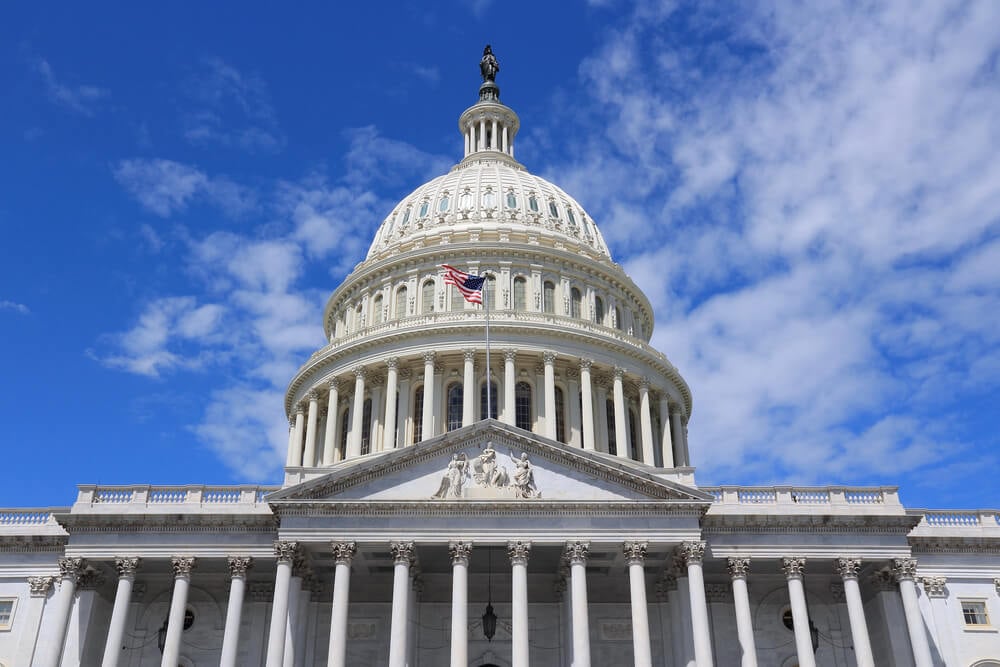
A trip to the state capitol meant marble corridors, portraits of governors, and a seat in the legislative chamber. Students sometimes met their representative, who handed out pencils and shook hands.
A common assignment afterward was to write a thank-you letter.
The Zoo
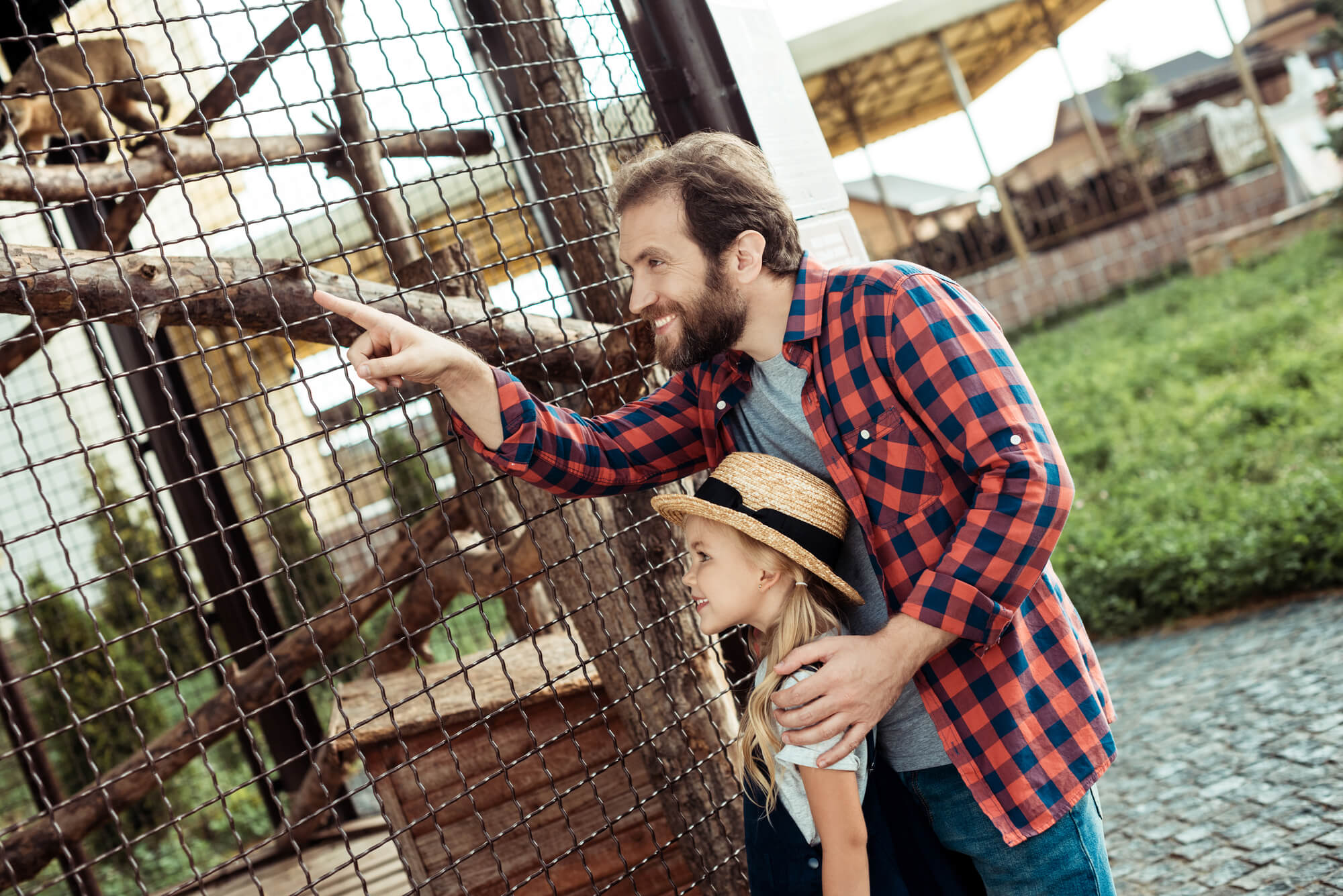
The zoo trip required careful head counts, matching name tags, and a buddy for every child. Monkeys, elephants, and reptile houses drew the biggest crowds.
Teachers kept a clipboard and a whistle close at hand.
The Apple Orchard
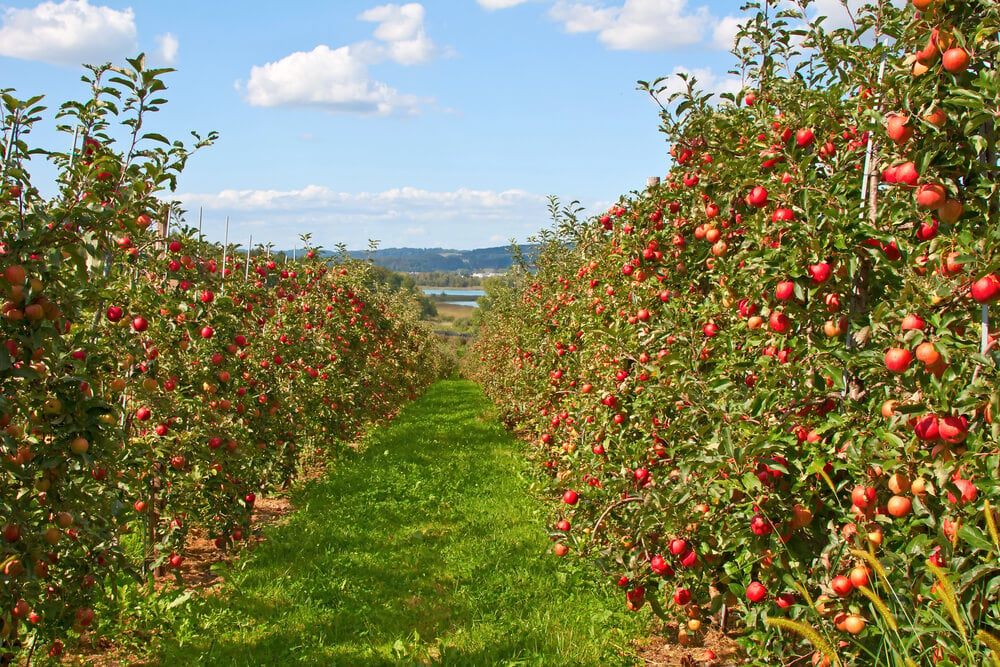
At an orchard, students picked apples straight from the branch and watched cider pressed from fresh fruit. Many orchards offered hayrides.
The brown paper bag of apples became a trophy on the ride home.
The Courthouse
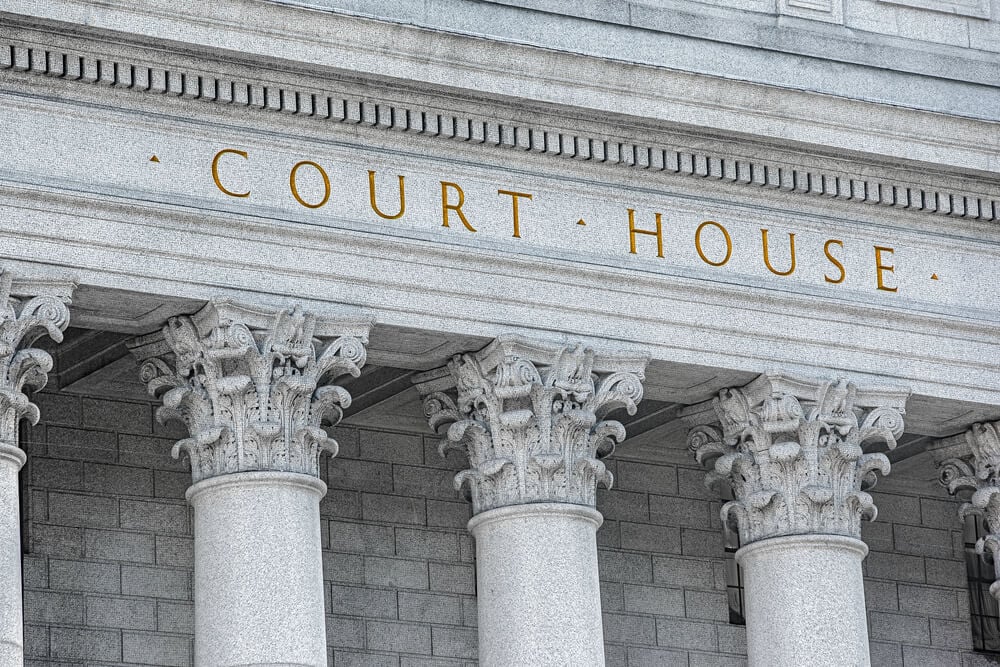
Courthouse visits showed students the courtroom, the jury box, and the judge’s bench. A friendly clerk might let a child bang a gavel.
Mock trials often followed in class.
The Telephone Company
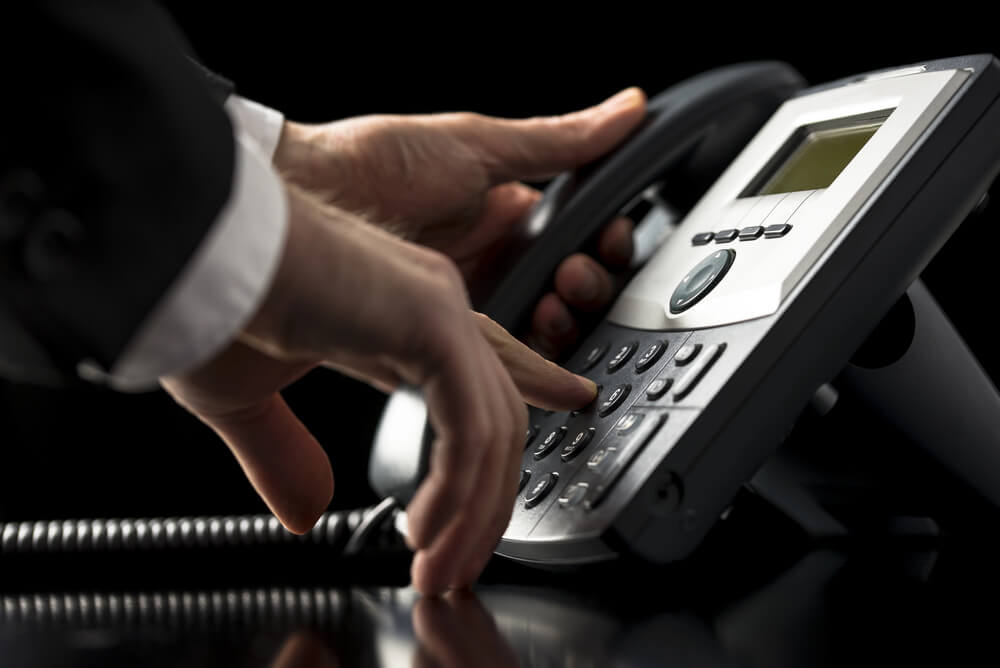
Telephone company tours featured switchboards with rows of plugs and cords, operated by women in headsets. Students watched connections made by hand and learned how a long-distance call was routed.
Some left with a souvenir phone book cover.
The Bottling Plant
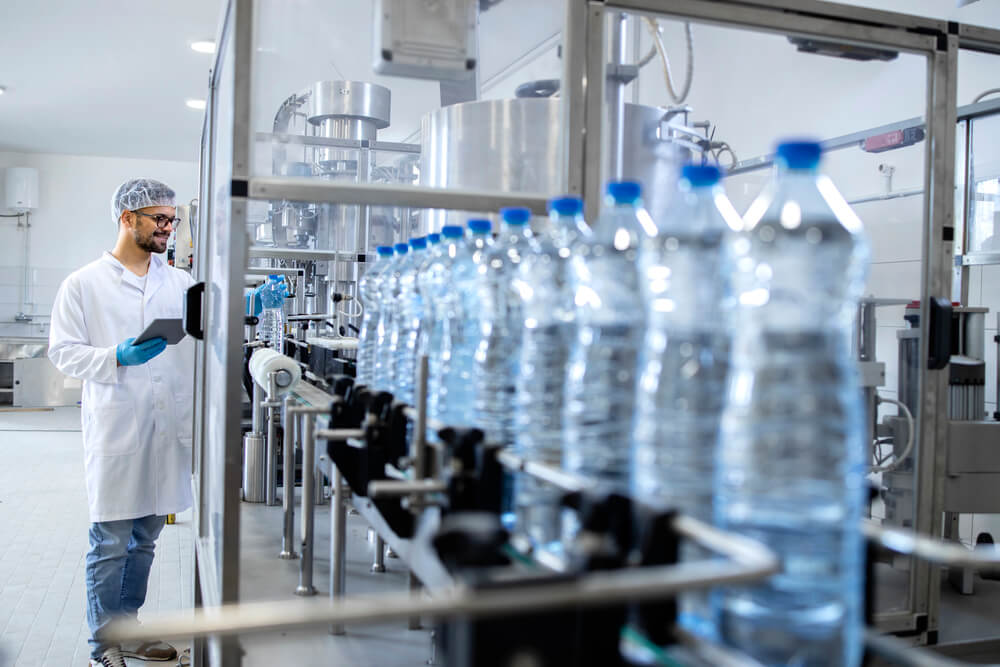
At a soda bottling plant, glass bottles clinked down conveyor belts and filled with syrup and carbonated water. The sweet smell filled the building, and a free bottle waited at the end of the tour.
Mechanical filling machines were the stars.
The Public Library
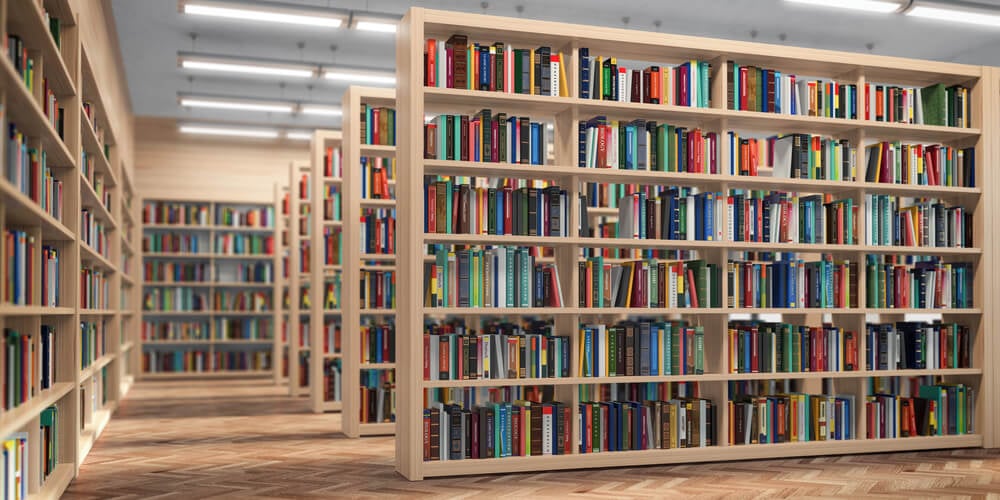
Children got library cards on a trip to the main branch, and a librarian explained the card catalog drawer by drawer. Many students checked out their first books on their own.
The echoing reading room demanded whispers.
The Radio or Television Station
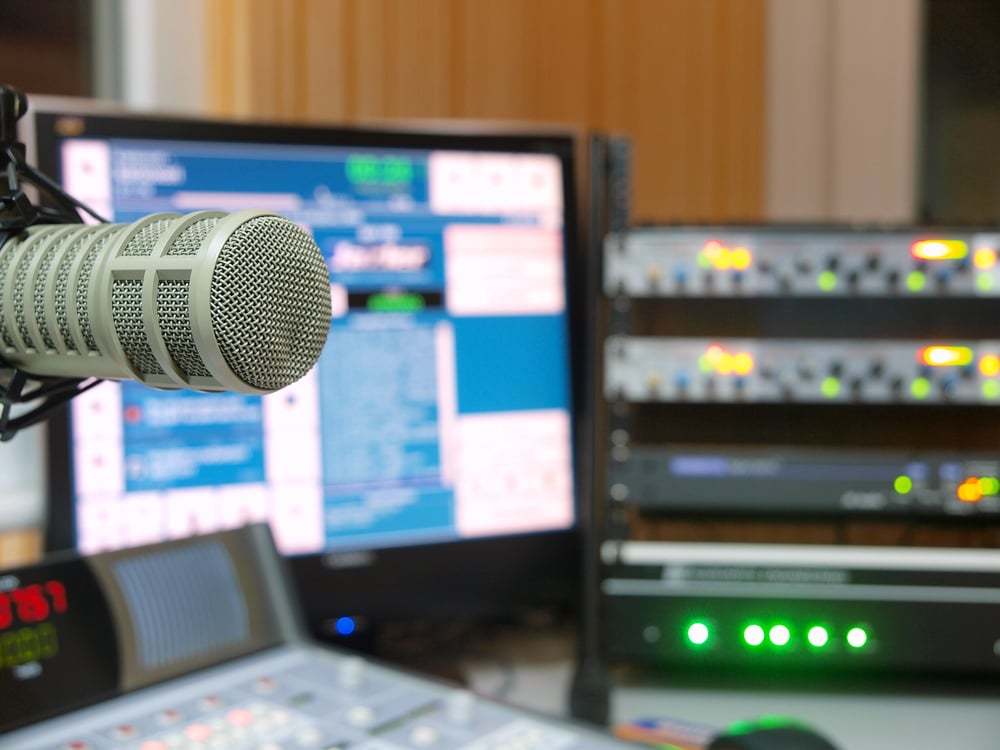
At a local station, students watched announcers read the news from a booth and saw cameras the size of refrigerators. Some got to stand in front of a microphone.
Anyone who waved at the camera hoped to be seen at home.
The Train Ride
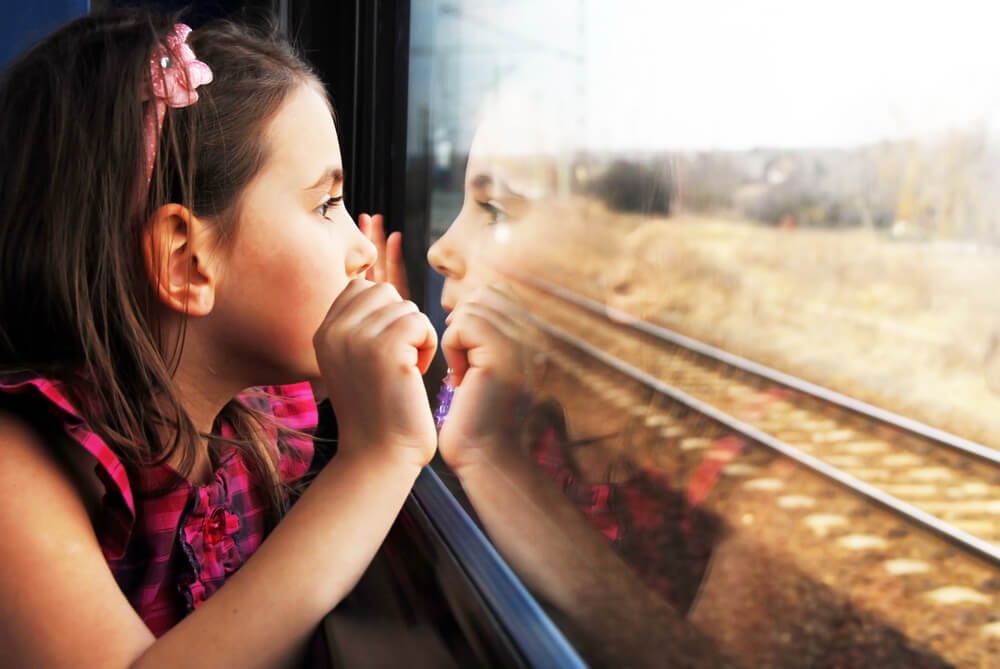
A short excursion on a passenger train or trolley turned an ordinary school day into an adventure. Students pressed their faces against the windows and counted crossings.
The conductor punched each ticket with a flourish of his own.
The Harbor and Lighthouse
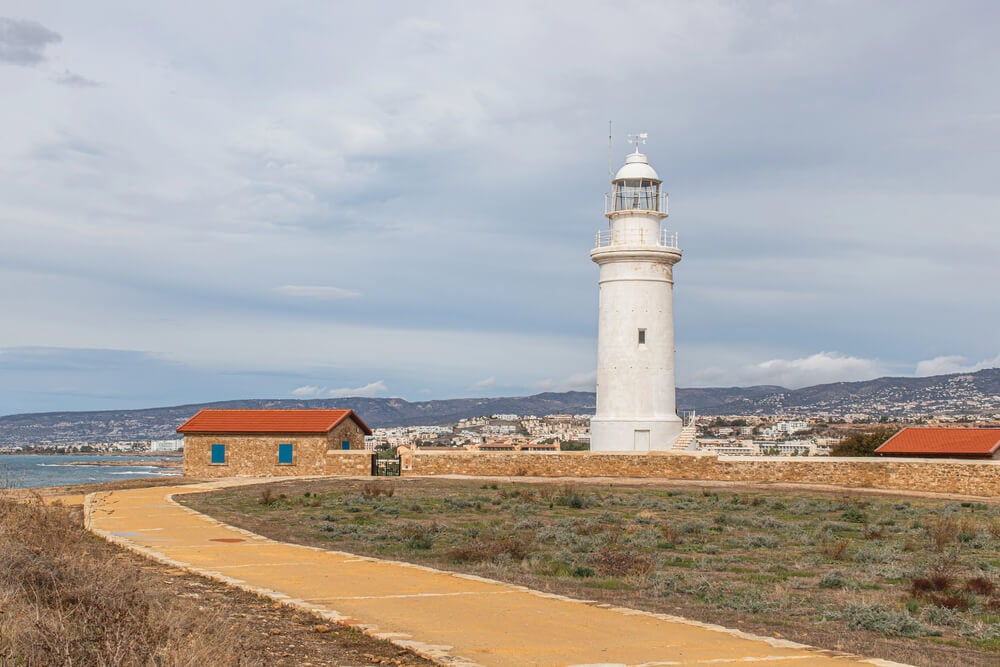
Harbor towns brought classes to piers and lighthouses, where keepers explained tides, lamps, and storms. Students climbed spiral stairs and looked out over the water.
Gift shops sold small sailor hats and shell necklaces.
The Living History Village
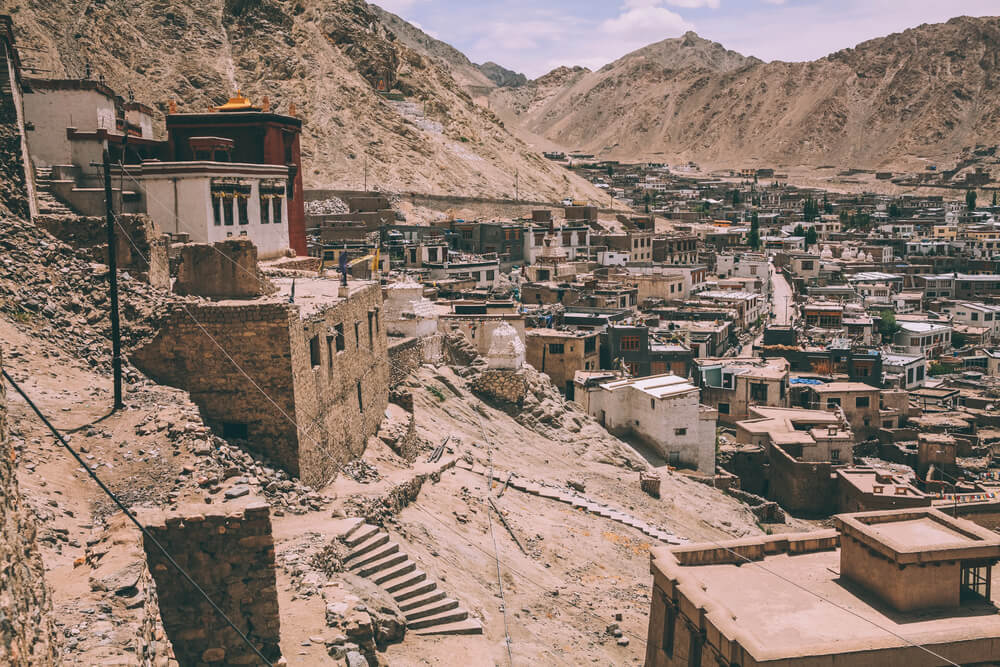
Costumed interpreters at living history villages churned butter, shod horses, and taught students to write with a quill pen. Children took turns carrying water or stitching samplers.
The smoky smell of the blacksmith’s forge stuck to coats.
The Candy Factory
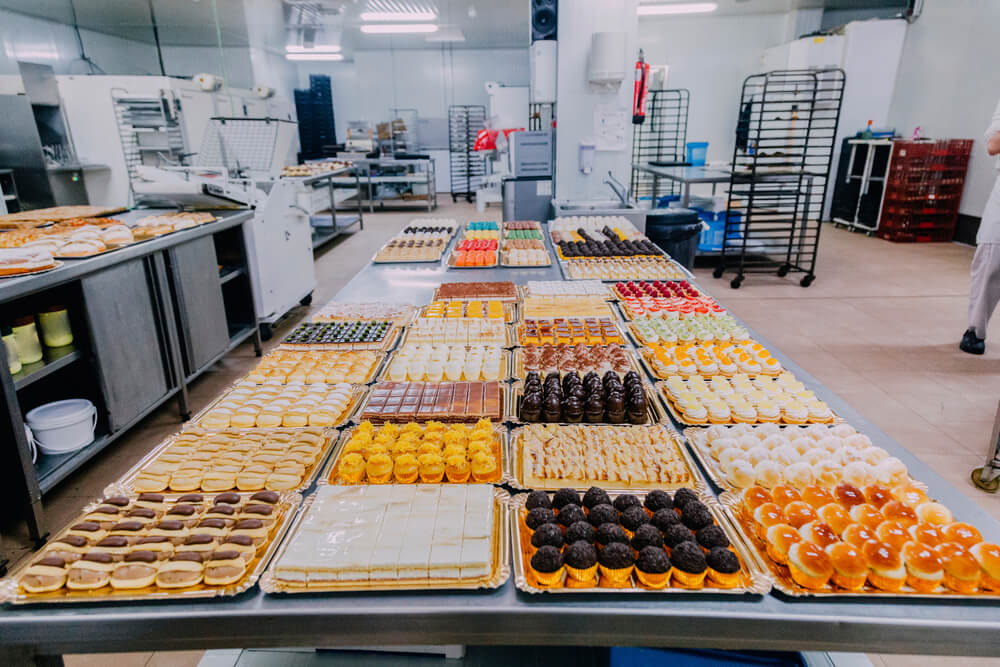
Candy factory tours ended with a free sample, which was the point of the entire outing. Kettles of boiling sugar, conveyor belts of chocolates, and workers in hairnets made the process look like a spectacle.
Many students took notes mainly to remember what they had tasted.
The Natural History Museum
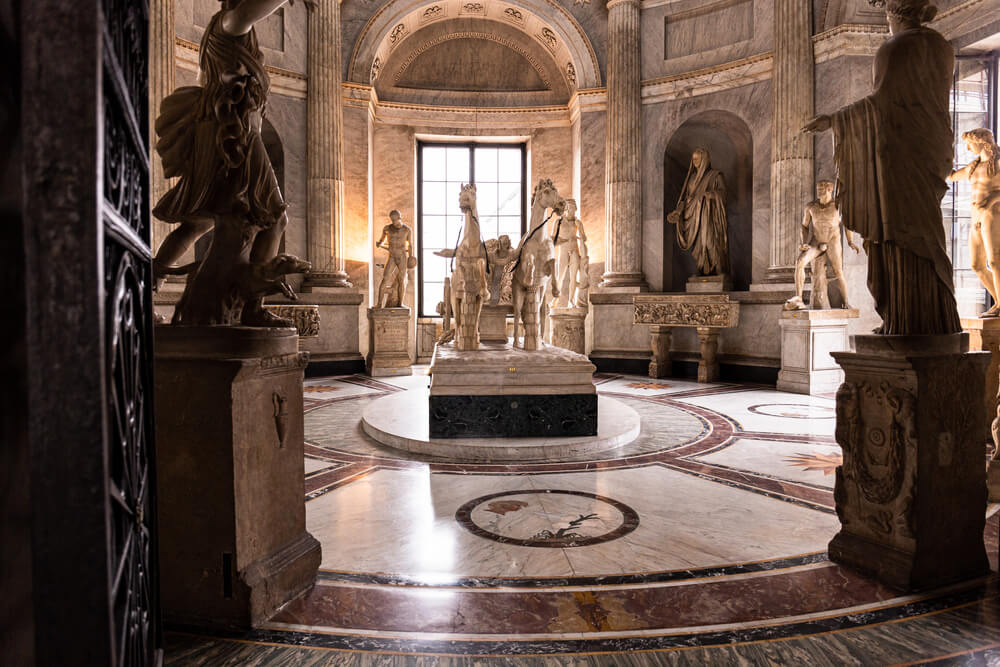
Dinosaur skeletons, dioramas of mammoths, and drawers of beetles filled the halls. Students sketched in notebooks while guards watched for fingerprints on the glass.
The gift shop sold plastic dinosaurs in small paper bags.
The Cemetery Rubbing
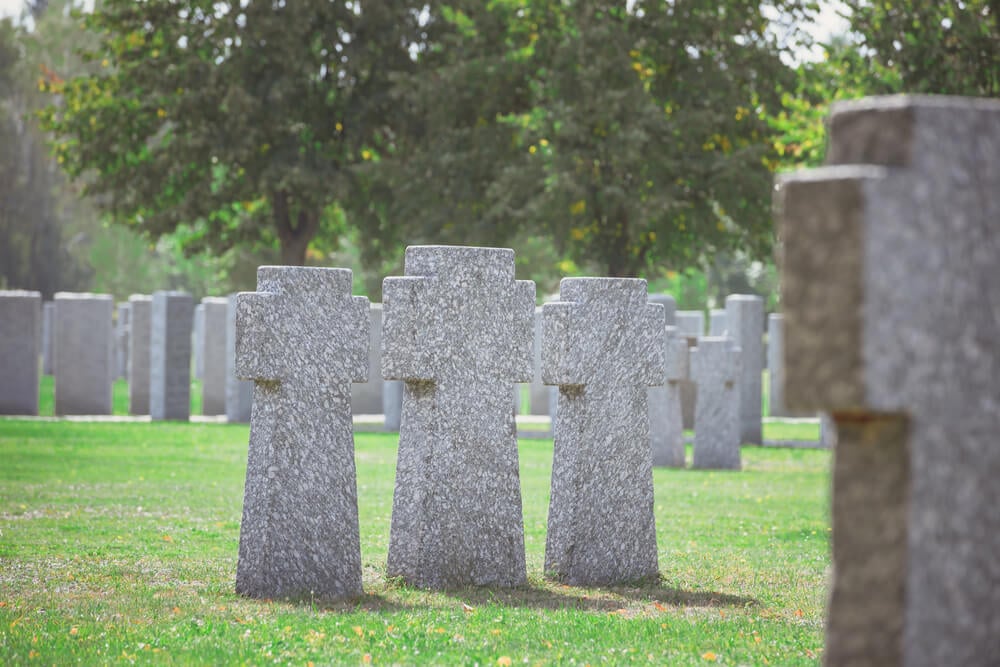
Teachers sometimes took history classes to an old cemetery, where students pressed paper on gravestones and rubbed with crayons to reveal the carved names and dates. The activity taught how to read old inscriptions and spot patterns in family names.
Students were reminded to be quiet and respectful.
Permission Granted, Mostly on Paper
The old system depended on a chain of small acts: a parent signing a slip, a child remembering to bring it back, a teacher counting heads twice. The chain broke sometimes, but it also gave families a physical reminder that something special was coming.
A slip taped to the refrigerator told the entire household that Friday would be different.
Digital forms are tidier and faster, and nobody misses the purple ink on their fingers. Still, the trips themselves carried a charm that no form could capture.
Many adults can still recall the smell of the bus seat, the wobble of a mimeographed slip, and the free roll at the end of the bakery tour.
More from Go2Tutors!

- 27 Silver Dollars and Half Dollars Worth Keeping
- 28 Restaurant Menu Items Nobody Orders Anymore
- 17 Places Built in Seemingly Impossible Spots
- 27 Vintage Rings Worth More Than They Look
- 25 Restricted Sites Tourists Can’t Enter
Like Go2Tutors’s content? Follow us on MSN.