Science of Light at the Yosemite Firefall
For several nights each February, a thin stream spilling down El Capitan seems to catch fire. Bright as flowing magma across a cliff face, the light feels unreal – though every bit of it happens naturally.
Called the Yosemite Firefall, this moment isn’t shaped by cameras or showmanship. Sunlight strikes at just the right slant, meeting wet granite and clear air in fleeting harmony within the park’s valley.
A flash of light, gone in an instant – what causes it? The answer hides in tiny reactions most never see.
Not magic, just molecules meeting under odd conditions. Some spark when stirred by motion others need darkness to shine.
Each flicker follows rules older than life itself. What looks random obeys quiet laws beneath the surface.
Solar Alignment
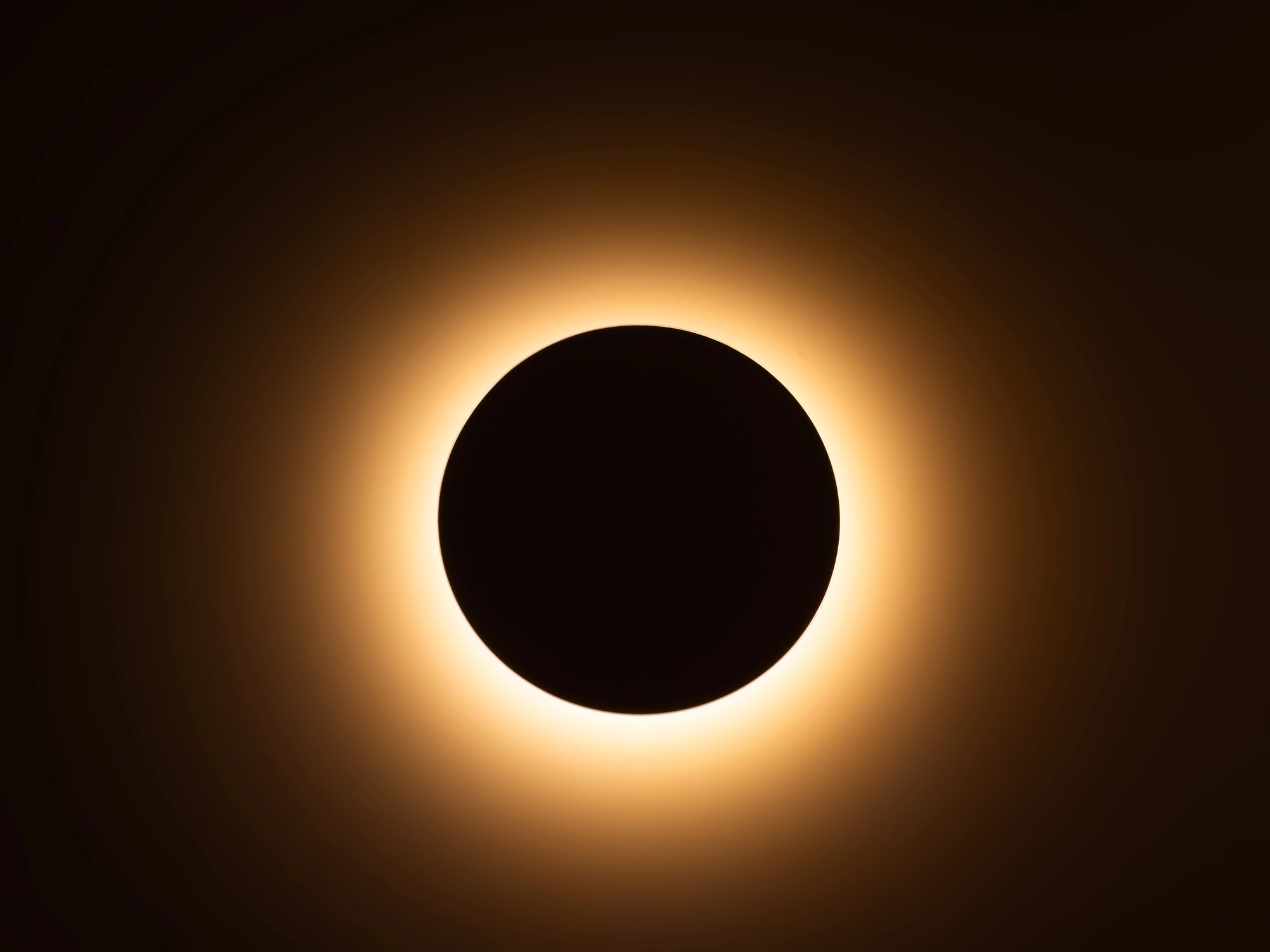
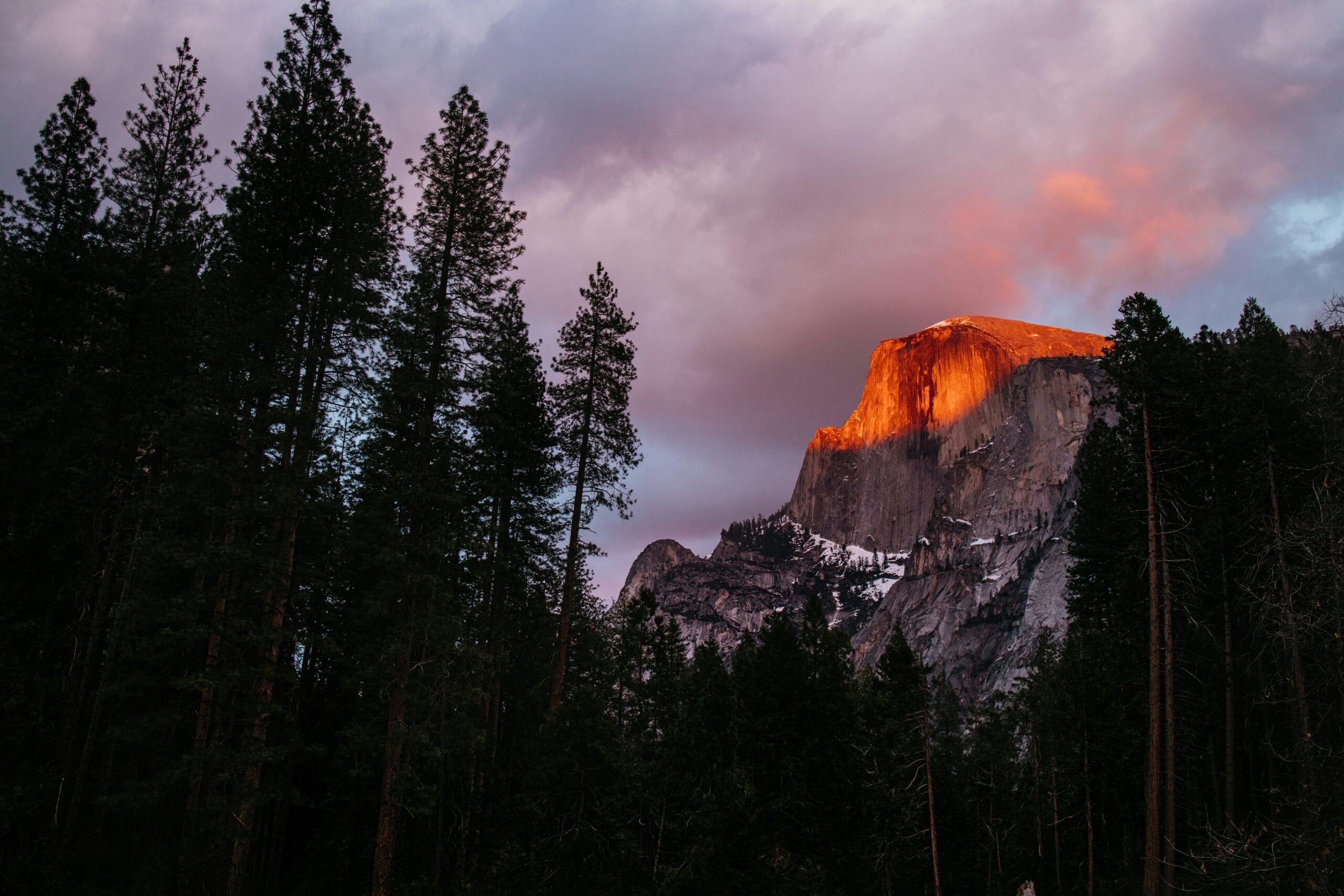
The Firefall depends first and foremost on geometry. In mid to late February, the setting sun drops into a position where its rays strike Horsetail Fall at just the right angle.
For most of the year, the waterfall remains in shadow at sunset, hidden behind the granite mass of El Capitan. During this short seasonal window, however, the sun lines up with the narrow cleft where the water flows.
The margin for error is small. A shift of just a few degrees in the sun’s path changes everything.
Earth’s axial tilt, which creates the seasons, determines when that alignment can occur. Without that tilt, there would be no fiery glow, just an ordinary waterfall fading into dusk.
The Role of El Capitan
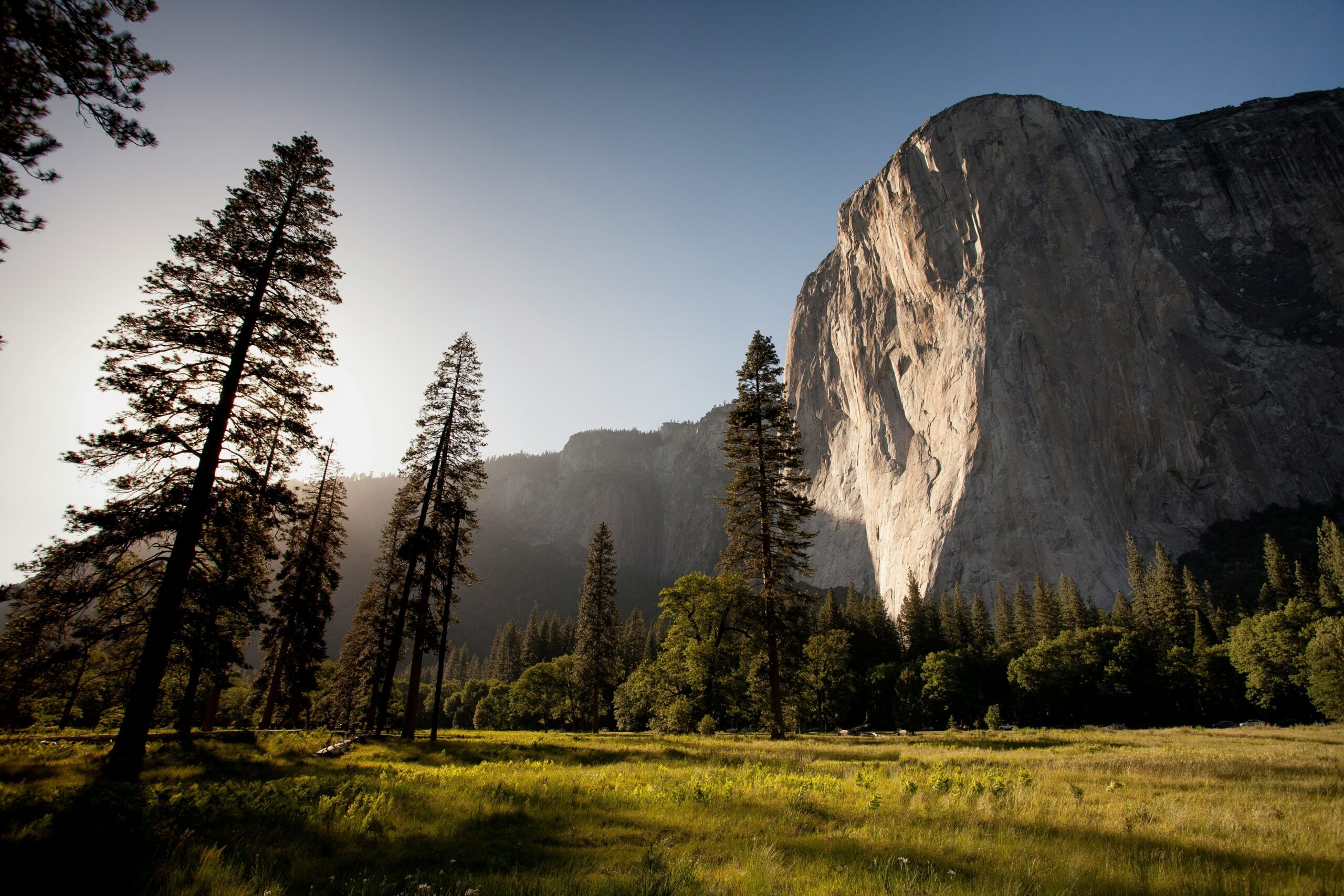
The eastern face of El Capitan acts like a stage backdrop, but it is also part of the optical equation. Its massive granite wall rises more than 3,000 feet from the valley floor, shaping how light and shadow behave in the late afternoon.
The waterfall spills over a relatively smooth section of rock, allowing sunlight to strike it cleanly.
Granite reflects light differently than darker stone would. Its pale surface enhances contrast, making the illuminated water stand out sharply against the deepening shadows around it.
Even so, the glow is not coming from the rock itself. It is the moving water catching concentrated rays of low-angle sunlight, framed by the towering cliff.
Why Sunset Turns Water Orange
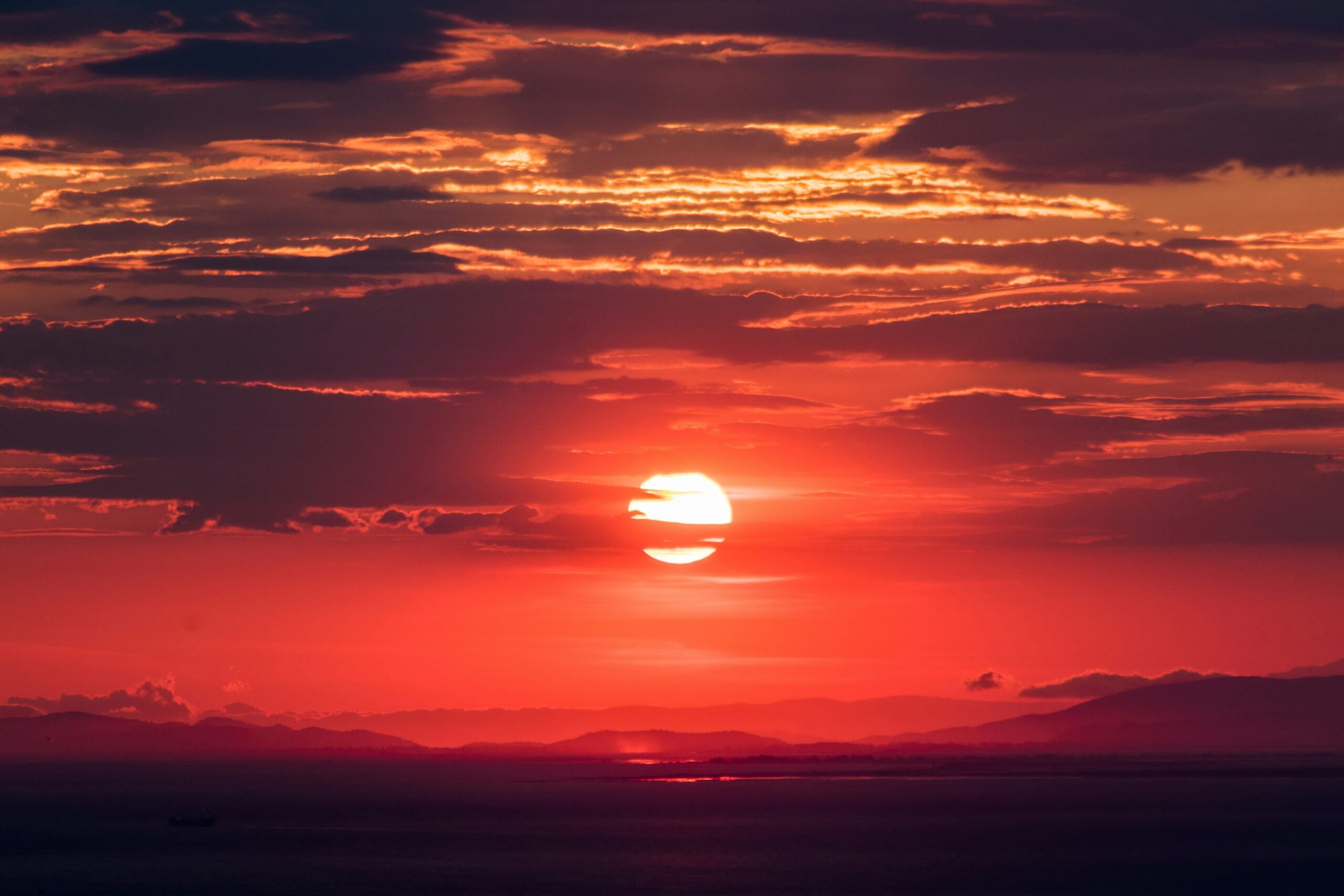
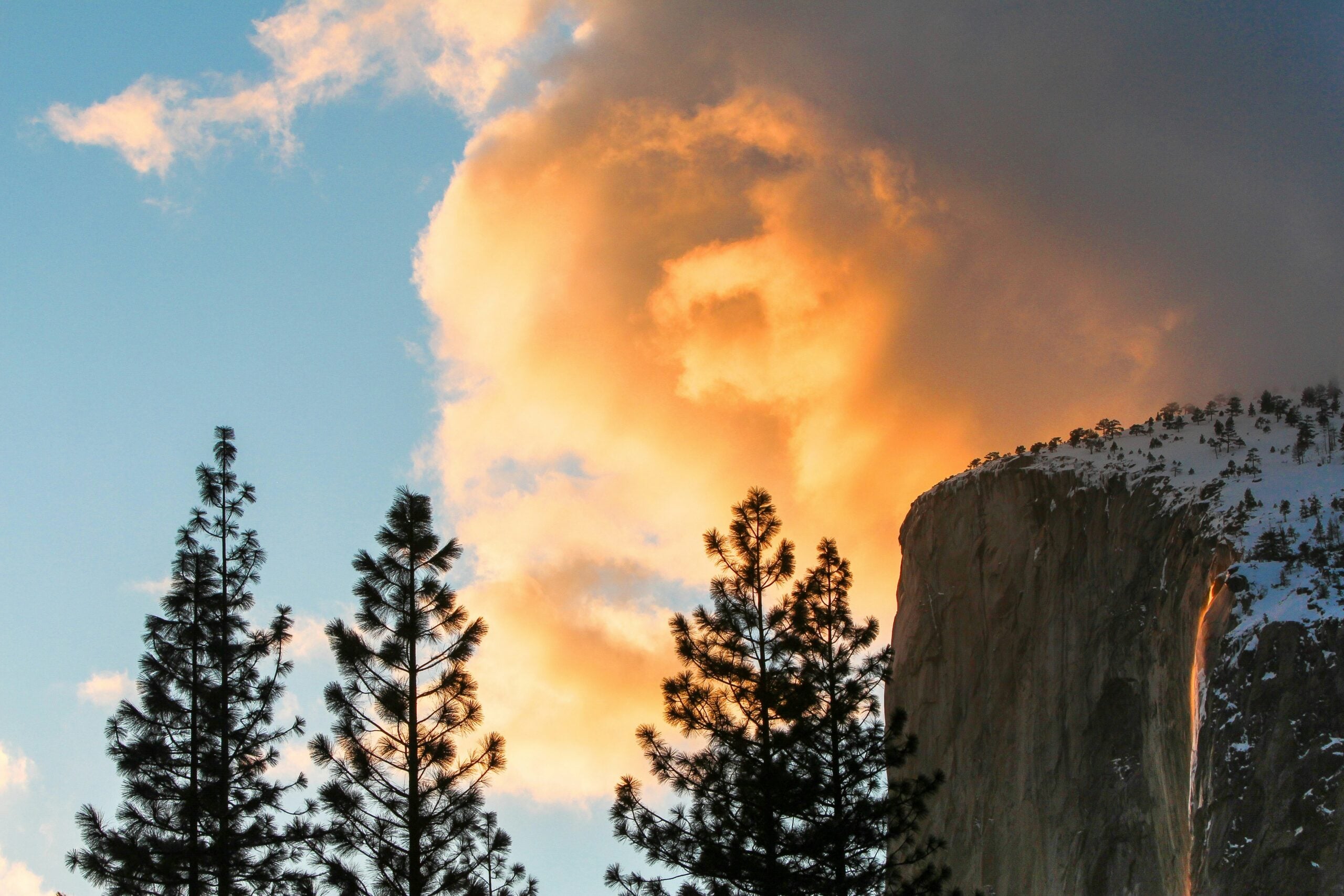
The vivid orange color comes from the physics of light scattering. As the sun sinks lower in the sky, its rays travel through a thicker layer of Earth’s atmosphere.
Shorter wavelengths, like blue and violet, scatter in multiple directions. What remains more concentrated are the longer red and orange wavelengths.
By the time sunlight reaches the waterfall at this shallow angle, much of the cooler spectrum has already dispersed. The water reflects what is left: warm, saturated tones that resemble fire.
That color shift happens every evening across the sky, but here it is compressed into a vertical ribbon, intensifying the effect.
Water Volume Matters
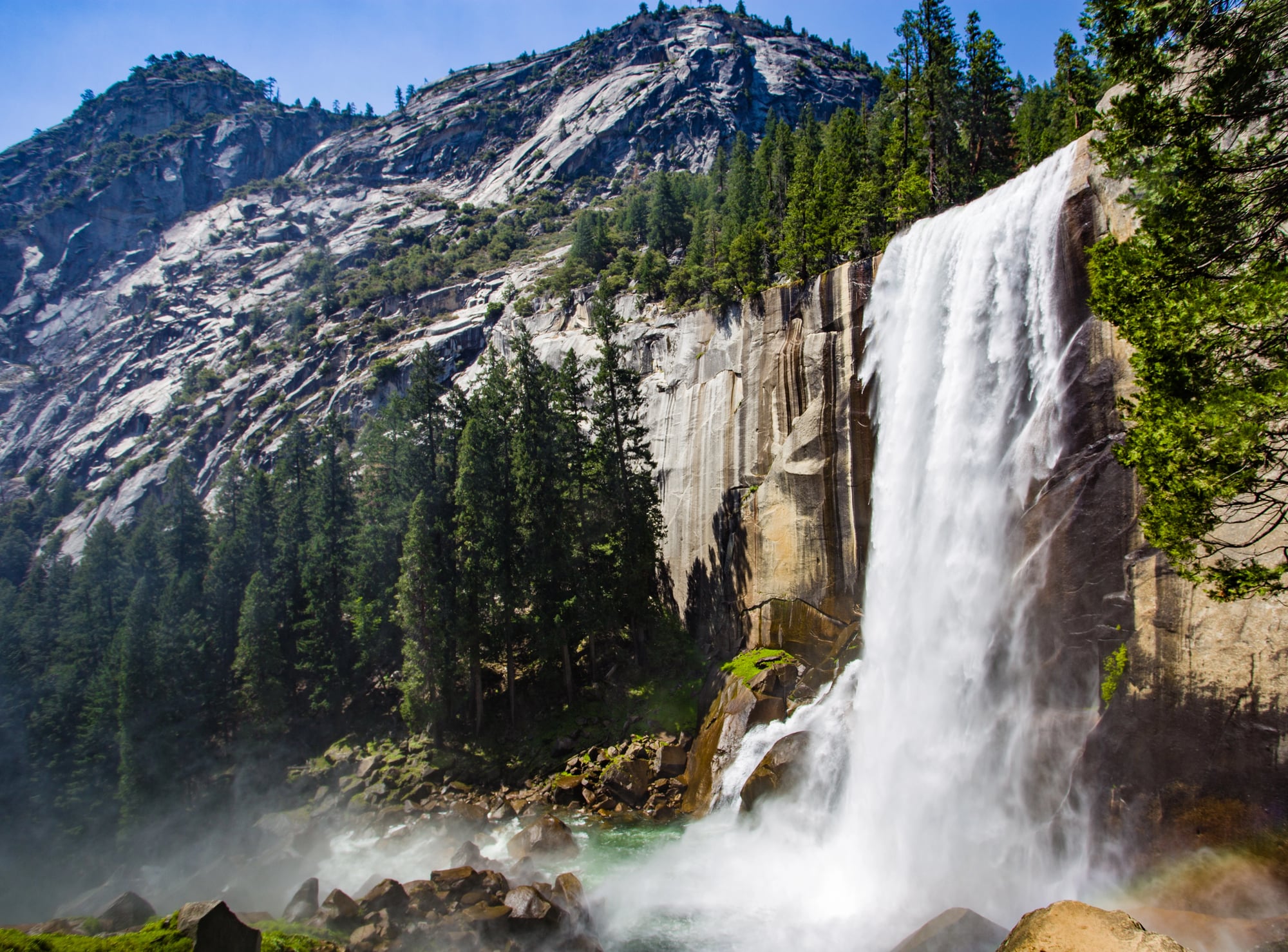
Light alone cannot create the Firefall. The waterfall itself must be flowing, and that depends on the snowpack in the Sierra Nevada.
Horsetail Fall is a seasonal cascade fed by melting snow. If winter has been dry, the cliff may be nearly bare when February arrives.
In years with healthy snow accumulation, the water descends in a continuous sheet, offering more surface area to catch the sunlight. If flow is weak, the glow appears fragmented or faint.
Still, even a modest trickle can ignite if the other conditions align. The effect is delicate, but not entirely all-or-nothing.
Atmospheric Clarity
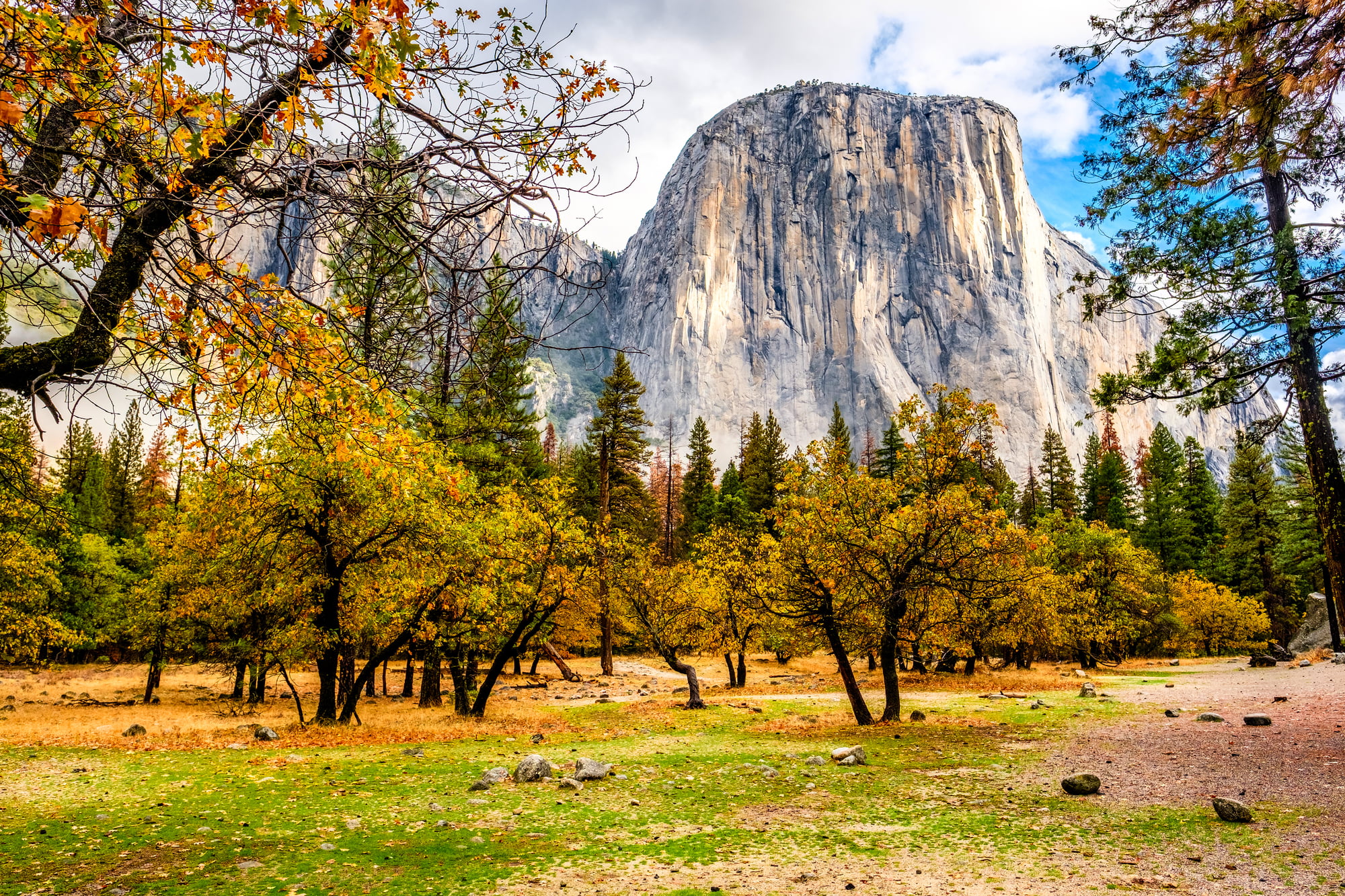
Clear air is another essential ingredient. Dust, haze, or lingering storm clouds can disrupt the intensity of the color.
While a small amount of particulate matter can sometimes deepen warm tones, heavy haze diffuses the light too broadly and softens the glow.
Photographers often wait for crisp, cloudless afternoons, when visibility stretches for miles across the valley. In those moments, sunlight remains sharp and directional.
That clarity allows the orange beam to strike the waterfall with focus rather than blur, sharpening the illusion of flame.
Contrast and Human Perception
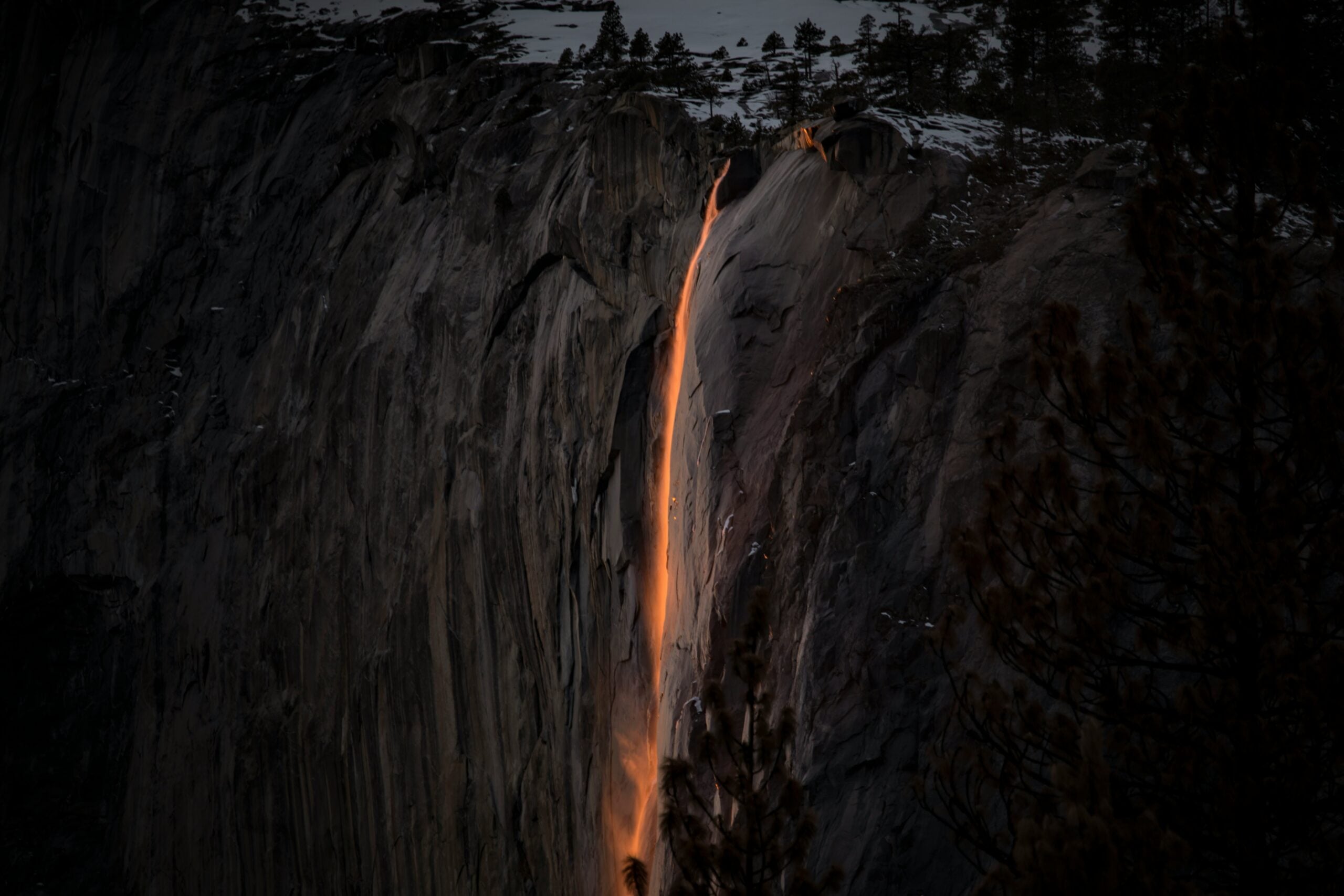
Part of the Firefall’s power comes from contrast. As the sun sets, the surrounding granite walls fall into shadow.
The valley floor dims. Against that darkening backdrop, the illuminated water becomes a bright vertical streak.
Human eyes are wired to notice contrast. When something glows against darkness, the brain interprets it as intense or even dangerous.
The waterfall does not truly look like lava up close. From a distance, framed by shadow, it triggers visual associations that feel dramatic and elemental.
The Illusion of Movement
Water is always in motion, and that movement enhances the illusion of flowing fire. As sunlight hits the falling stream, ripples and spray scatter the rays in shifting patterns.
The surface flickers and pulses, much like a flame responding to wind.
That shimmer is not random. It reflects the uneven texture of cascading water interacting with concentrated light.
The effect lasts only minutes, usually just before the sun dips below the horizon. When the angle changes, the glow vanishes almost instantly, leaving only gray stone and cooling air behind.
A Contrast with the Historic Firefall
Long before the natural Firefall became famous, park officials staged a different spectacle. From the late 19th century until 1968, embers were pushed from Glacier Point to create the appearance of a fiery cascade.
That display drew crowds but relied on human intervention rather than solar physics.
The modern Firefall is entirely natural. No flames, no props, no staged timing.
Its beauty lies in alignment rather than performance. That difference underscores how light alone, guided by Earth’s movement and landscape geometry, can produce something that feels theatrical without any script.
Climate and Changing Conditions
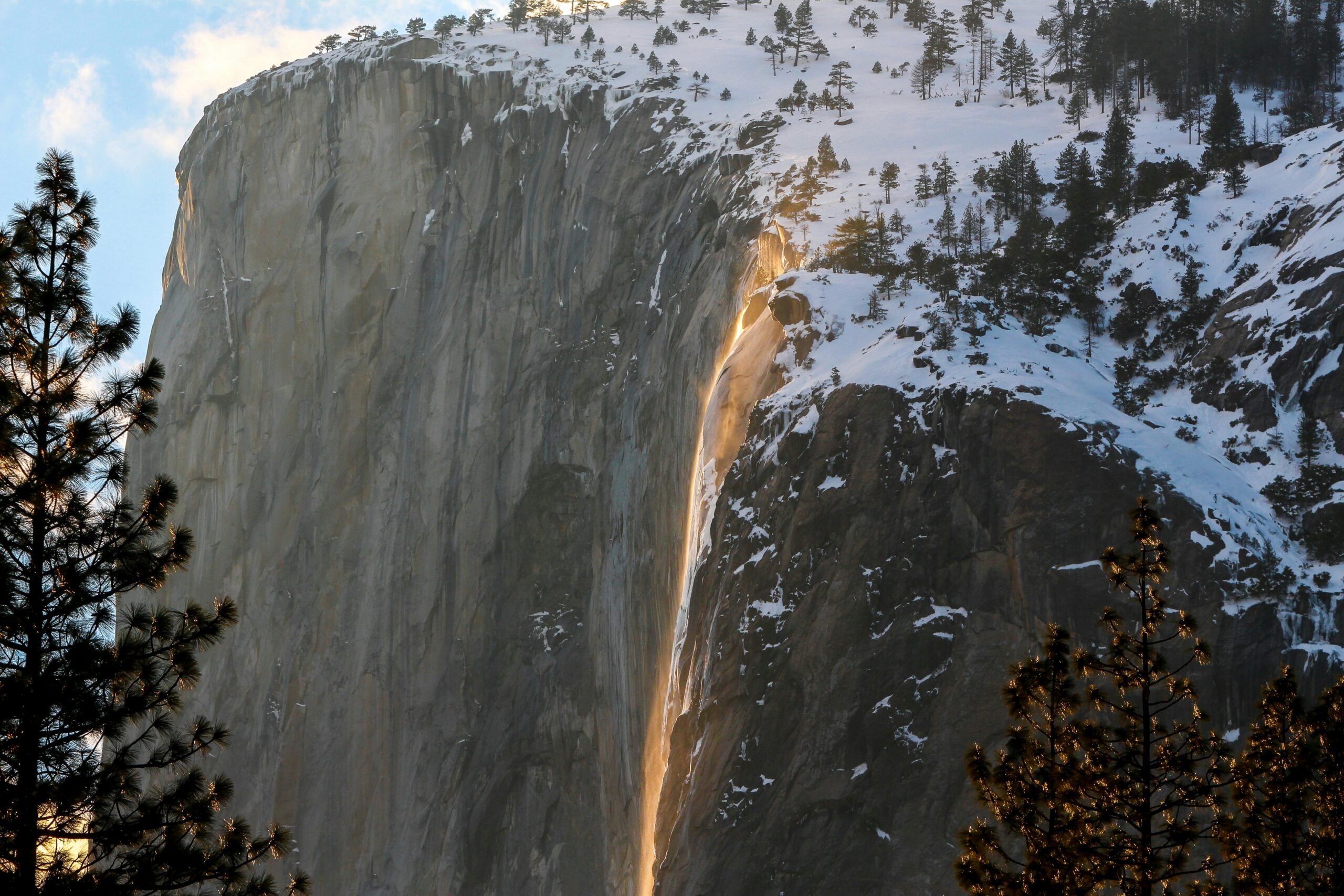
In recent decades, changing snow patterns have affected how reliably Horsetail Fall flows in February. Warmer winters and variable precipitation can reduce the volume of meltwater reaching the cliff.
Some years deliver a strong cascade. Others leave only a thin thread.
That variability adds uncertainty to an already narrow window. Even so, the underlying physics remain constant.
The sun will continue to align. The granite wall will continue to frame the light.
Whether water meets that glow in abundance depends increasingly on broader climate patterns.
Why It Still Matters
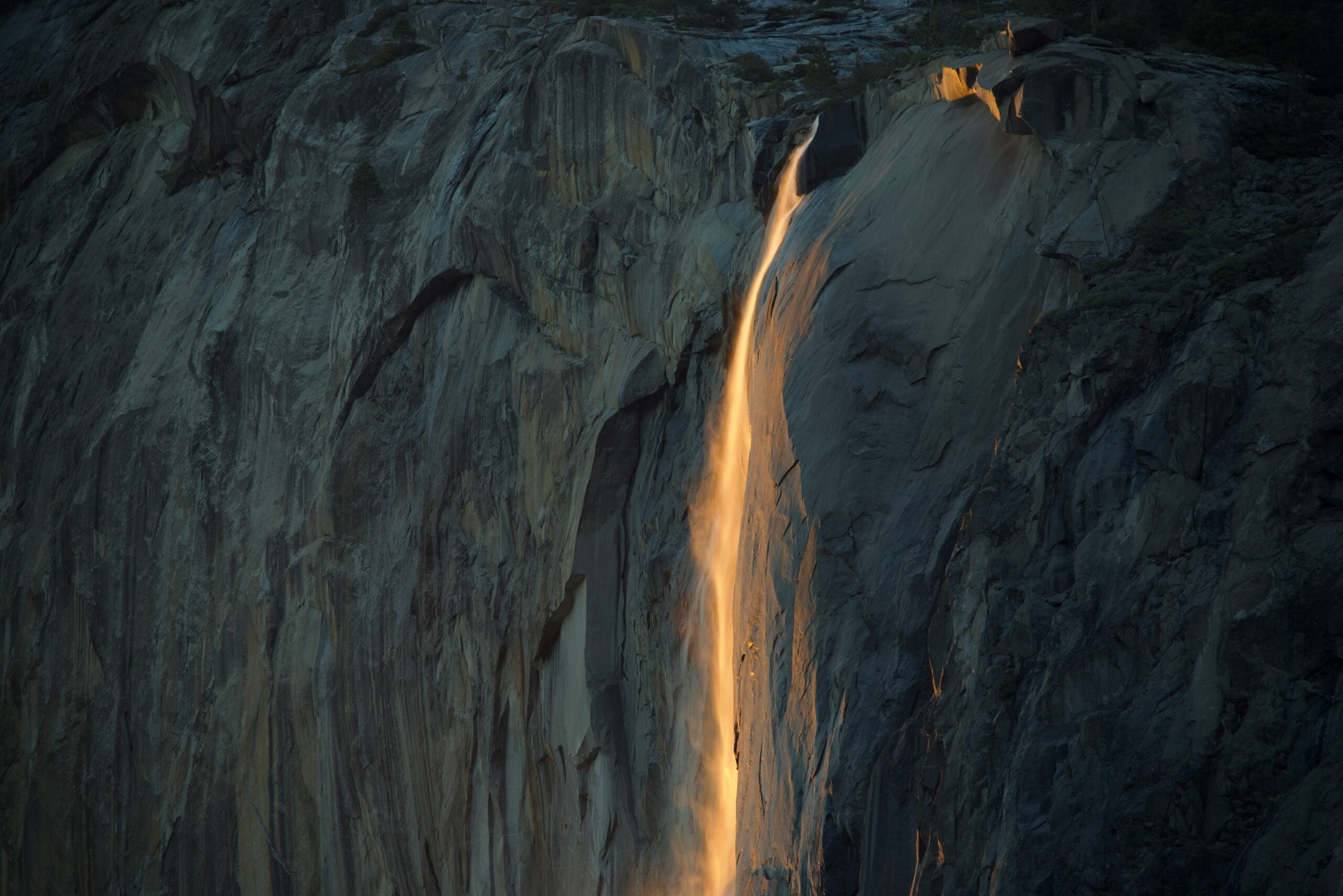
The Yosemite Firefall sticks around not due to rarity, yet down to exact timing. Out of Earth’s lean, sky conditions, and cliff shape comes a moment that seems pulled from legend.
Sunlight – not lava – slips through long stretches of atmosphere, and lands on a winter-fed fall. A glowing illusion forms when angles align just right.
Still, knowing how it works doesn’t make it less stunning. Actually, it makes the moment richer.
Just a handful of minutes every year carry that light, but behind them sit ages of slow shifts underground. That flash of amber across the land pulls together facts and beauty, showing anyone watching how regular daylight can seem magical when timing, tilt, and terrain all fit perfectly.
More from Go2Tutors!

- The Romanov Crown Jewels and Their Tragic Fate
- 13 Historical Mysteries That Science Still Can’t Solve
- Famous Hoaxes That Fooled the World for Years
- 15 Child Stars with Tragic Adult Lives
- 16 Famous Jewelry Pieces in History
Like Go2Tutors’s content? Follow us on MSN.