Seasonal Science to Get Ready for Spring
There’s always a moment — maybe it’s a certain slant of light in the afternoon, or the smell of wet soil after a February rain — when you sense that spring is close. It’s not just a feeling. Something real is happening, both in the natural world and, if you pay attention, in your yard, your garden, and your own biology.
Understanding the science behind the shift makes you a better observer and a more prepared gardener, farmer, or outdoor enthusiast.
What’s Actually Happening When Seasons Change
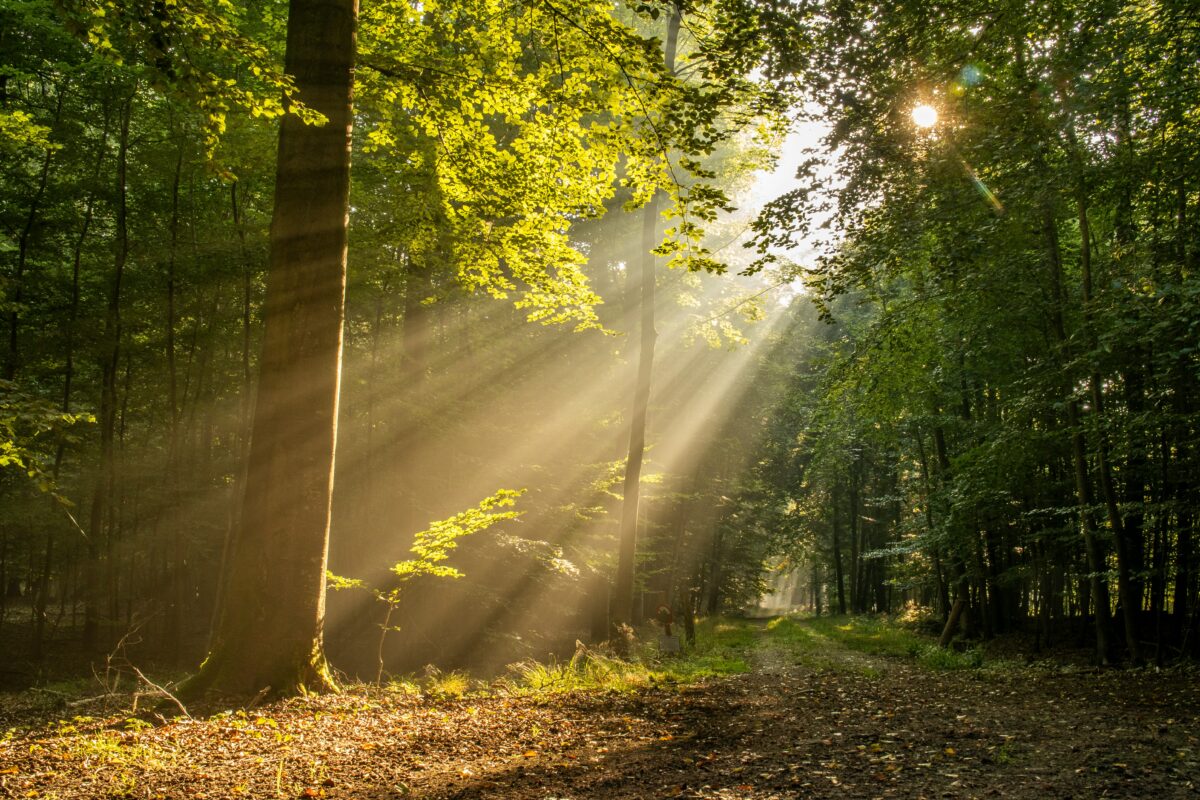
The tilt of Earth’s axis — about 23.5 degrees — is responsible for all of it. As the planet orbits the sun, that tilt means different hemispheres receive more or less direct sunlight at different times of year.
Spring begins when your hemisphere starts tilting back toward the sun. The vernal equinox, which falls around March 20 in the Northern Hemisphere, marks the point when day and night are roughly equal in length.
From there, days grow longer and the sun climbs higher in the sky. Higher sun angle means more energy per square meter hitting the ground — and that’s what drives warming.
Light Is the Real Signal
Most people associate spring with warmer temperatures. But for plants and animals, the trigger is often light, not heat.
The length of the day — called the photoperiod — tells living things far more reliably than temperature does. Temperatures spike and drop unpredictably. Day length doesn’t. Plants, insects, birds, and mammals have evolved to read the lengthening days as a cue to shift their behavior.
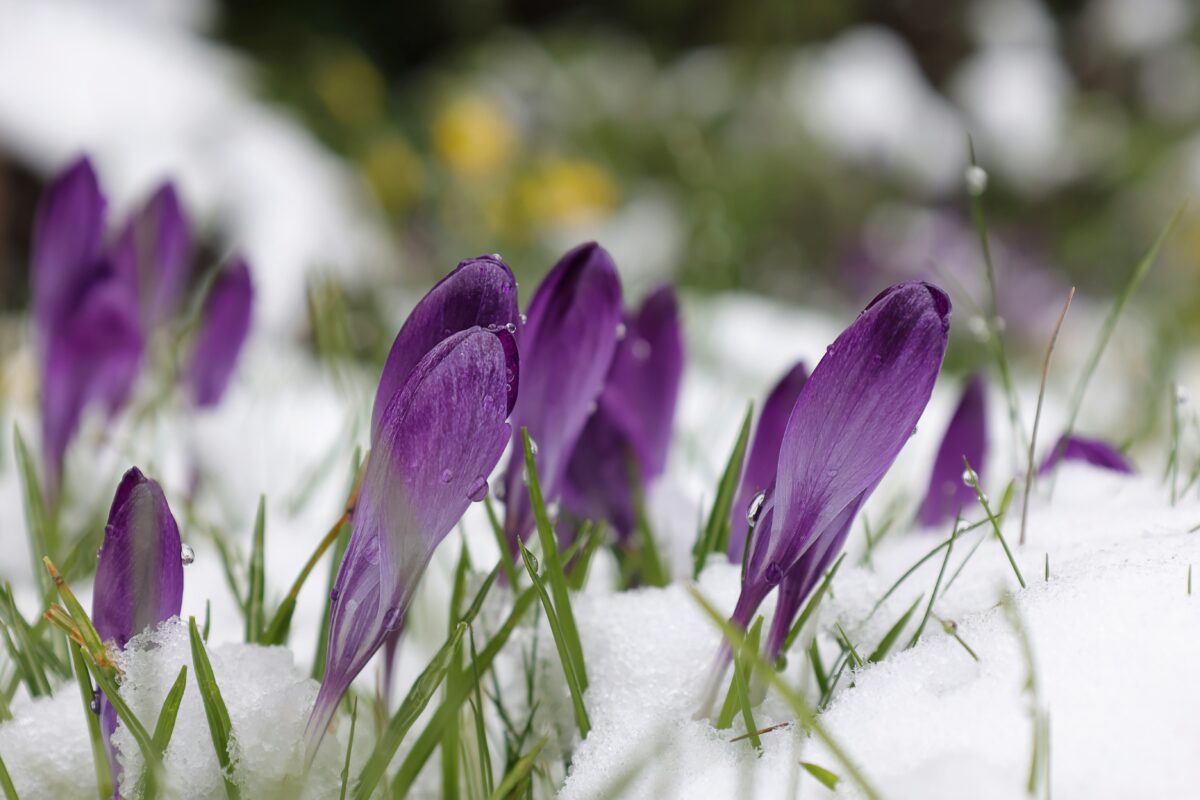
Budding, migrating, mating, and hatching are all tied to photoperiod far more than most people realize. This is why you’ll see crocus pushing up through snow.
They’re not confused. They’re responding to light.
Soil Temperature: The Number That Actually Matters
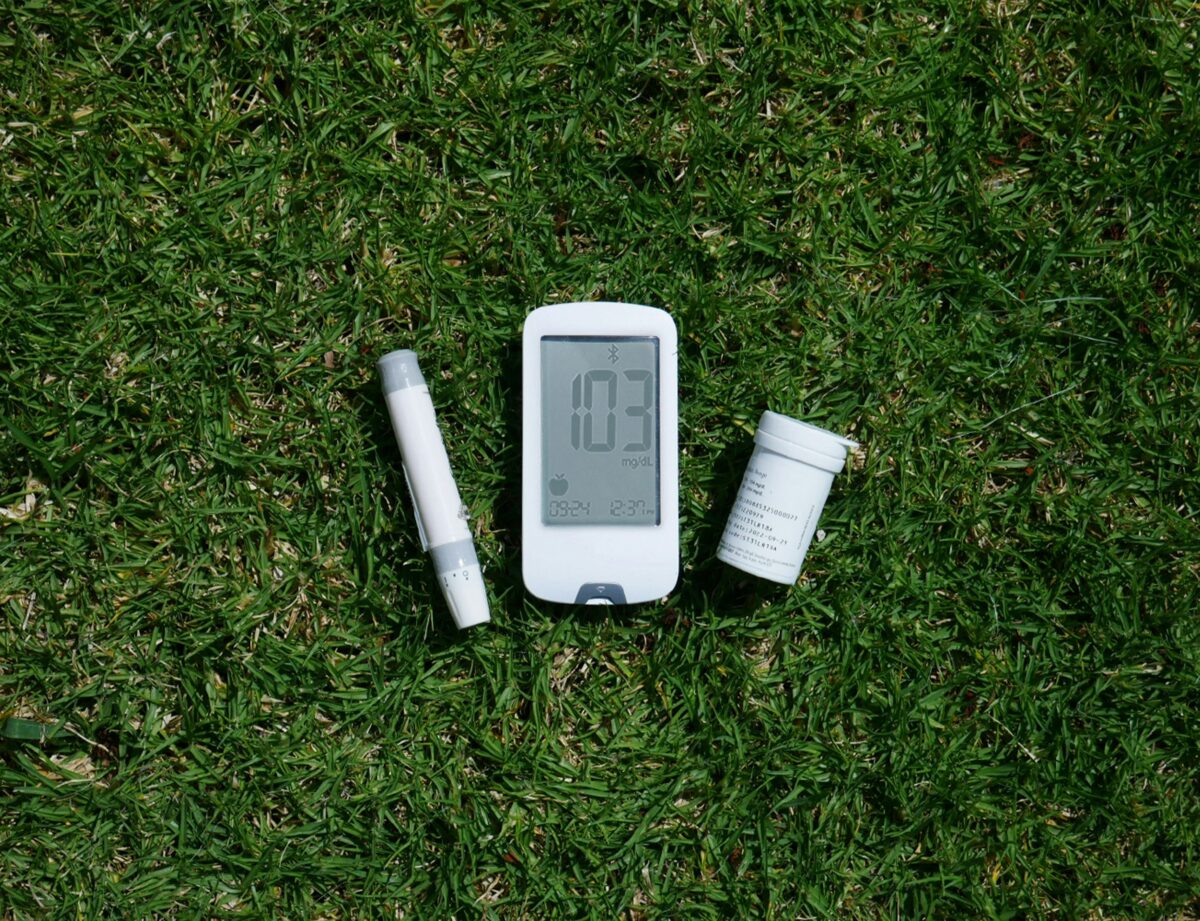
Air temperature makes headlines, but soil temperature drives spring. Seeds don’t care what the thermometer reads at chest height.
They respond to what’s happening at root depth. Most cool-season crops like lettuce, spinach, and peas germinate well when the soil reaches around 40 to 50 degrees Fahrenheit.
Warm-season crops like tomatoes and squash want 60 degrees or warmer. Planting before the soil is ready doesn’t speed things up — it usually just leads to rot or a failed germination.
You can buy an inexpensive soil thermometer and check the top two to three inches of ground. It’s one of the most useful tools for timing your spring planting correctly.
The Science of Seed Germination
A seed is basically a plant in suspended animation. Inside its coat, it carries an embryo and a stored food supply.
All it needs to wake up is the right combination of moisture, oxygen, and temperature. When conditions align, the seed absorbs water through its coat and begins to respire.
Enzymes activate, stored starches convert to sugars, and the embryo starts dividing. The root tip emerges first — always — pushing downward.
The shoot follows, heading toward light. The speed of this whole process is temperature-dependent.
Too cold and enzyme activity slows to a crawl. Too hot and proteins denature.
Each plant species has its own optimal germination range, which is why planting calendars aren’t one-size-fits-all.
Frost Dates Are Probabilistic, Not Guaranteed
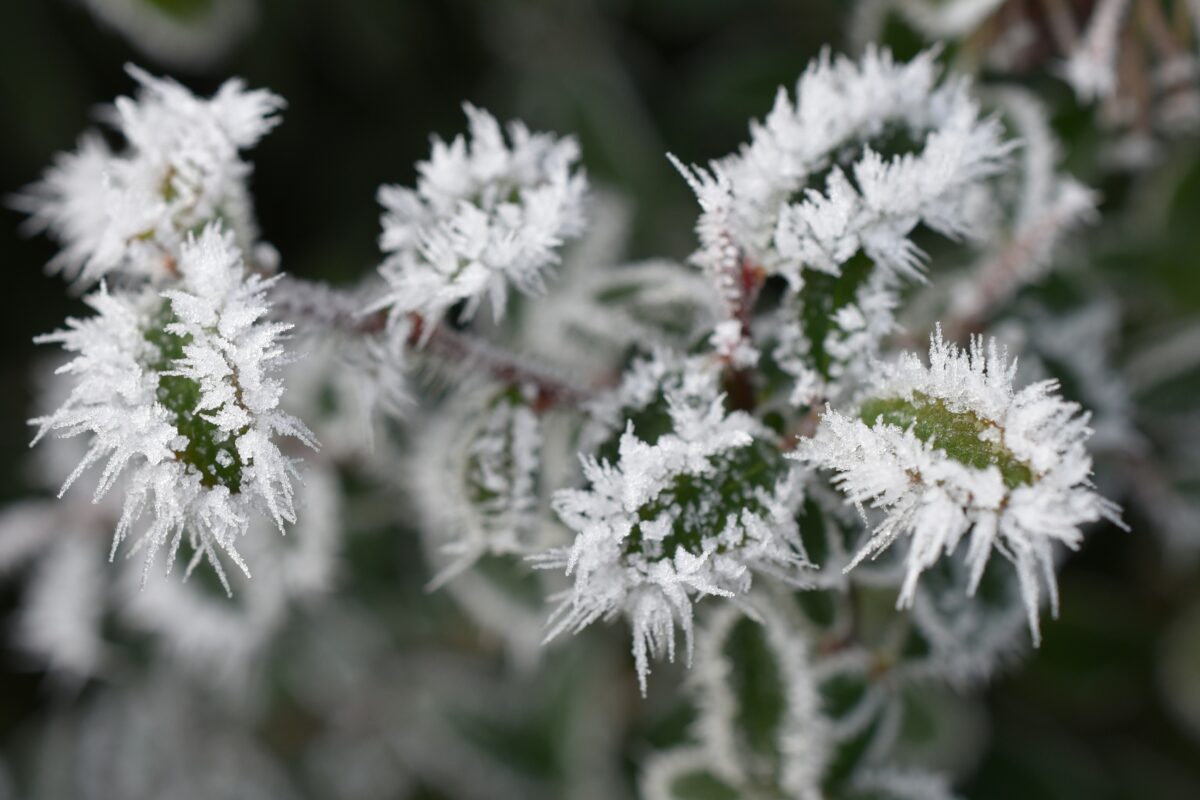
Your area’s “last frost date” is not a promise. It’s a statistical estimate based on historical weather data — specifically, the date by which there’s a 50 percent chance the last frost has already occurred.
That means on your average last frost date, there’s still a coin-flip chance of another frost. Many gardeners use the date when there’s only a 10 percent chance of frost before planting tender seedlings outside.
That date typically runs two to four weeks later than the commonly advertised “last frost date.” Check your local agricultural extension service or a weather database for your specific zip code.
Regional microclimates make a big difference.
Phenology: Nature’s Own Planting Guide
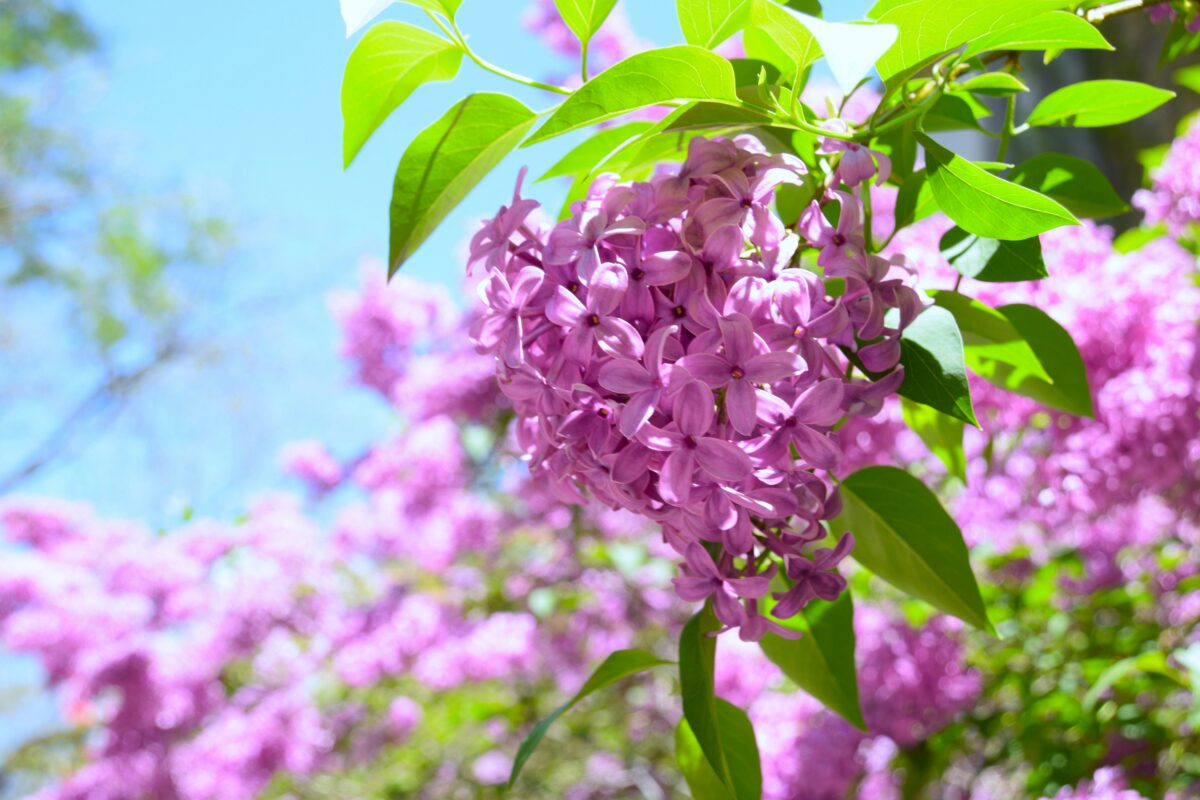
Phenology is the study of cyclic biological events — when lilacs bloom, when fireflies first appear, when certain birds return. Before modern weather data, farmers and gardeners relied on these cues to time their work, and they were onto something real.
Many phenological events are tied to accumulated heat — a concept called growing degree days. For example, when forsythia blooms, the soil has often warmed enough to start working.
When dandelions flower, it’s typically safe to seed cool-weather crops outdoors. When oak leaves are the size of a squirrel’s ear (an old saying), corn planting can begin.
These aren’t folk myths. They reflect genuine correlations built over centuries of observation.
Growing Degree Days: Tracking Heat Over Time
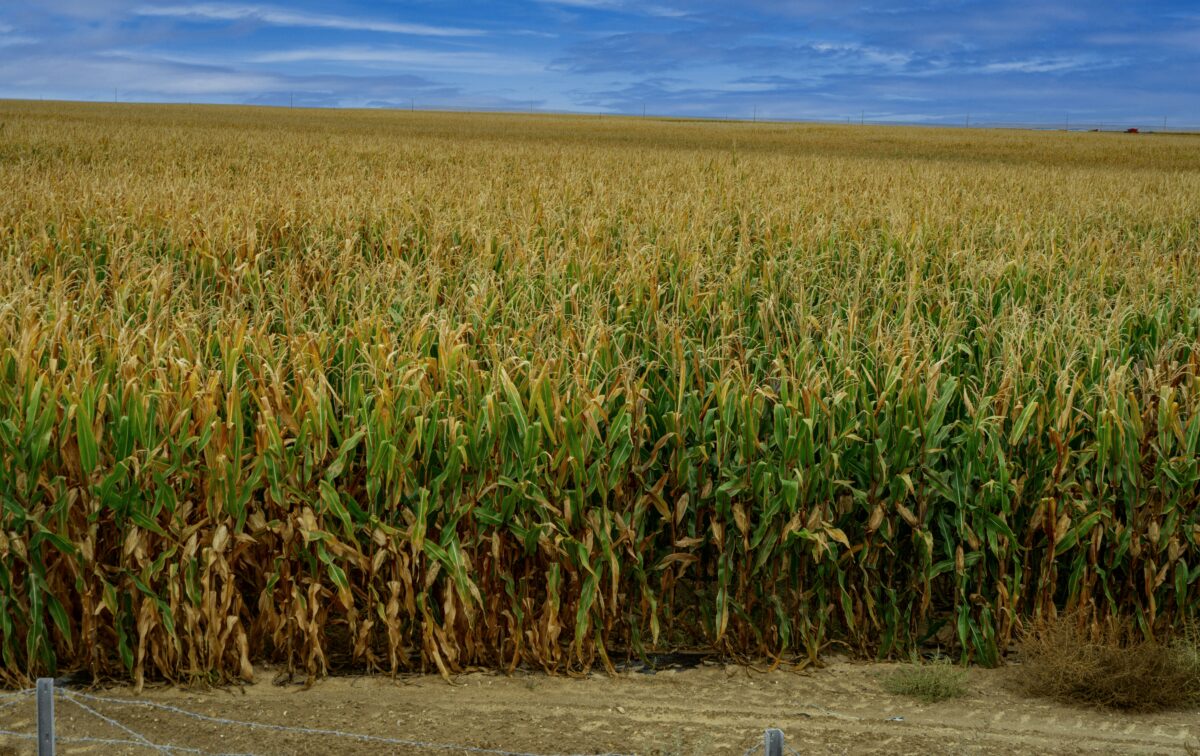
A single warm afternoon doesn’t mean spring has arrived. What matters is accumulated warmth over time.
Growing degree days (GDD) give you a way to measure that. The basic formula takes the average of the day’s high and low temperatures and subtracts a base temperature — usually 50°F for many common crops.
A day with a high of 70°F and a low of 50°F would contribute 10 GDD. You can track this starting from January 1 or from your local last frost date.
Many university extension offices publish GDD tracking tools online. It lets you predict when certain pests emerge, when crops will mature, and when to expect key events in your garden.
Understanding Your Microclimate

Your yard is not a uniform environment. The south-facing wall of your house may be five to ten degrees warmer than the open lawn twenty feet away.
A low-lying spot collects cold air and stays frostier longer. A raised bed warms faster than in-ground soil because it drains more quickly.
Walk your property on a cold morning and notice where frost lingers longest. Notice where the snow melts first.
These observations tell you where to plant tender things early and where to hold off. Walls, fences, pavement, and bodies of water all create microclimatic effects.
Working with them — rather than ignoring them — extends your growing season and protects vulnerable plants.
The Pollinators’ Timing Problem
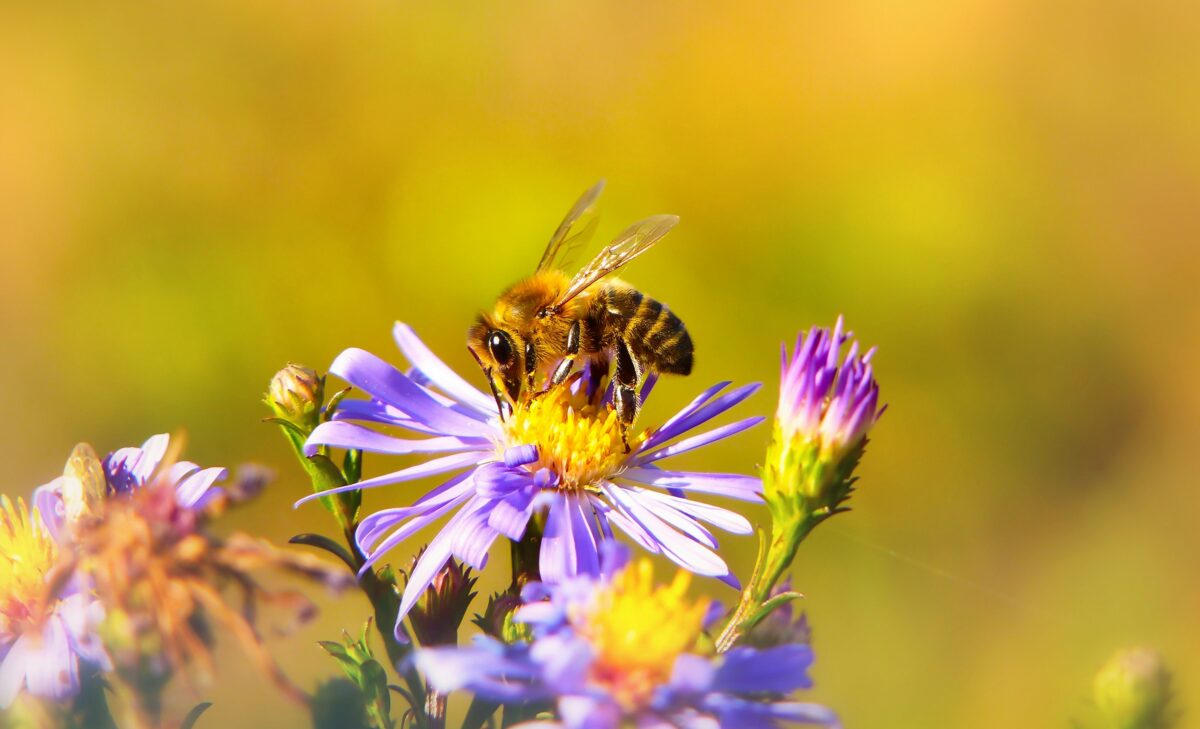
Spring for pollinators is a coordination challenge. Bees, butterflies, and other insects need flowers.
Flowers need pollinators. Both sides have evolved to hit their peak at the same time, guided largely by temperature and day length.
Climate shifts are beginning to disrupt this synchrony. Some plants are flowering earlier because of warming winters, but some pollinators are emerging on a different schedule.
The mismatch matters because plants that bloom without pollinators around produce less fruit and seed. You can help by planting a range of early-blooming flowers — native willows, red maples, bloodroot, and spring ephemerals — that give early-emerging bees a food source when they need it most.
Why Pruning Timing Is Rooted in Biology
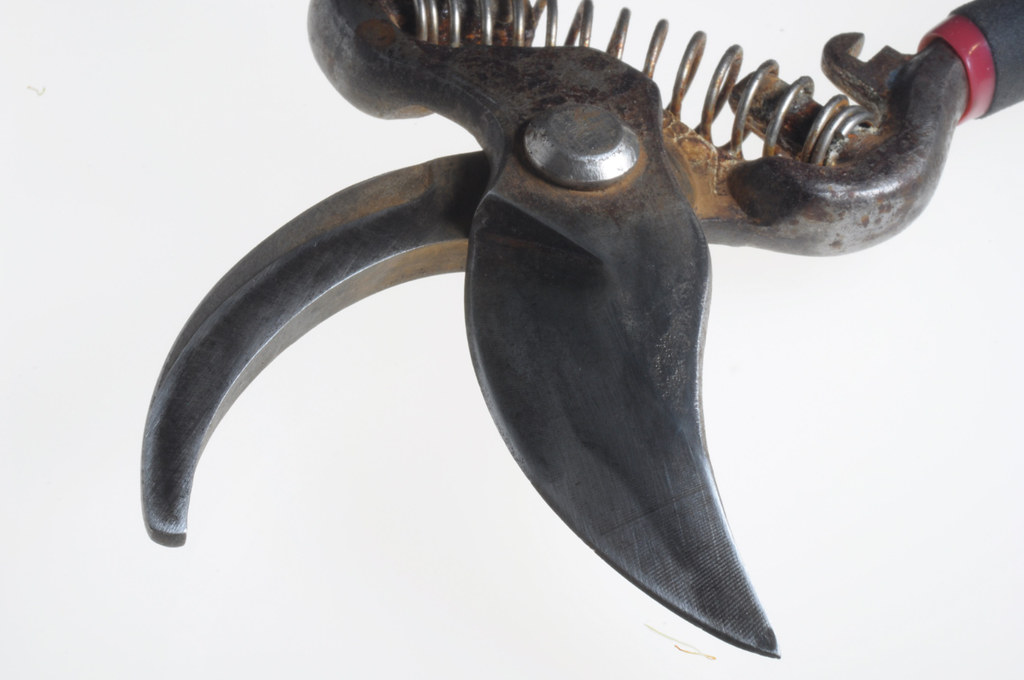
Pruning isn’t just about shaping plants. It’s about understanding their internal physiology.
Most woody plants store carbohydrates in their roots and trunk over winter. In early spring, that stored energy moves upward to support new growth.
Pruning just before or during this surge — late winter to very early spring, before bud break — puts that energy toward a smaller number of shoots. The result is vigorous new growth.
Pruning after bud break wastes that stored energy, since the plant has already invested it in growth you’re about to cut off. There are exceptions: spring-flowering shrubs like lilac and forsythia bloom on last year’s wood, so pruning them in late winter removes the flower buds.
Those get pruned right after flowering instead.
Composting and Soil Science
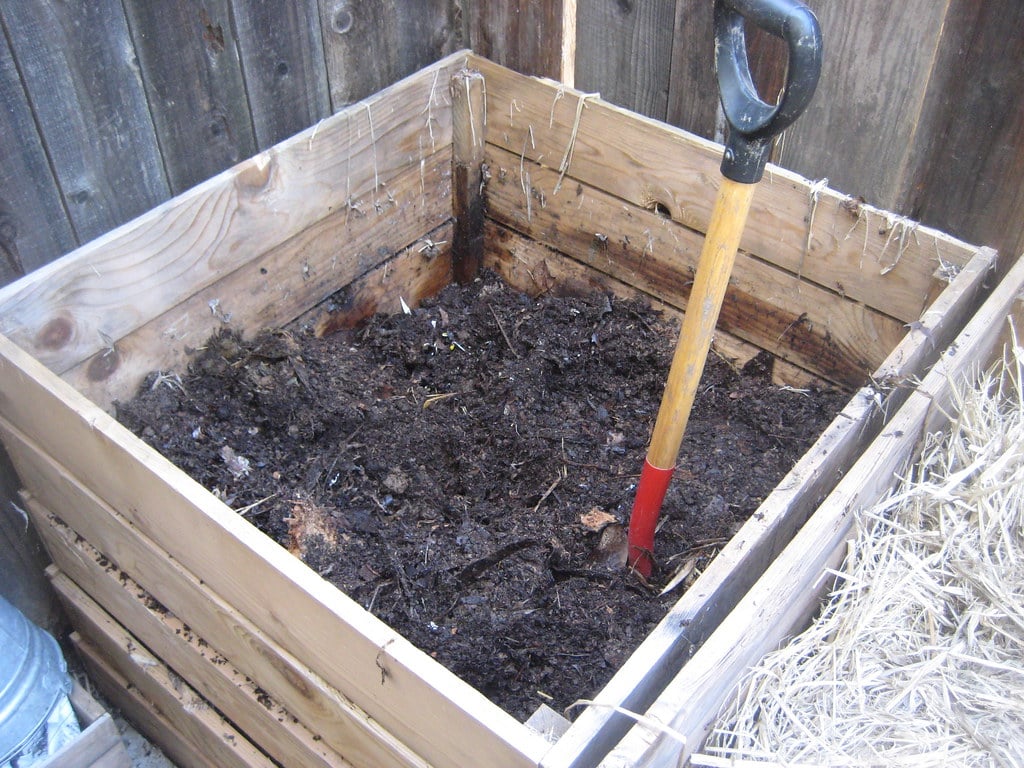
Good spring soil doesn’t happen by accident. If you’ve been composting through fall and winter, now is when that work pays off.
Mature compost introduces beneficial microorganisms, improves soil structure, and adds slow-release nutrients. Adding it to your beds before planting gives the microbial community time to establish before roots arrive.
The science behind composting is essentially controlled decomposition. Bacteria and fungi break down organic material, releasing nutrients that plants can absorb.
A compost pile works best when it has a balance of carbon-rich browns (dry leaves, cardboard) and nitrogen-rich greens (food scraps, fresh clippings), maintained moisture, and occasional turning to add oxygen. If your pile sat cold all winter, don’t worry.
Microbial activity slows dramatically in the cold and picks right back up when the pile warms.
What Birds Tell You
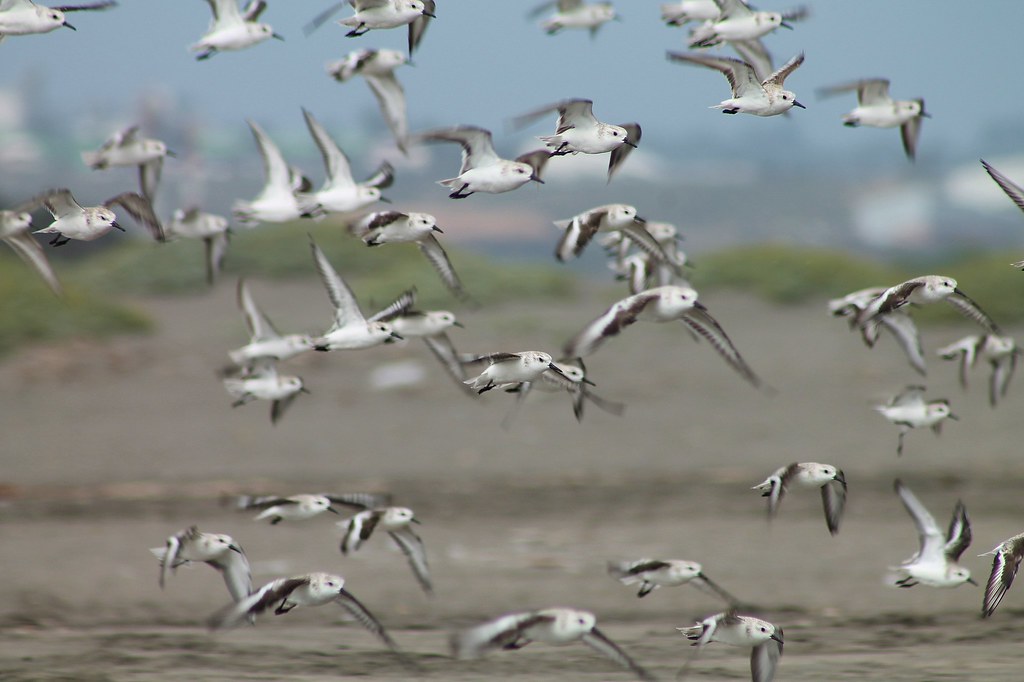
Birds on the move mark a clear shift in seasons, though their travel isn’t haphazard. Following warmth, they ride the pulse of spring as it creeps upward, tied closely to rising heat and fresh sources of nourishment.
Noticing some creatures again means something about the weather has shifted. Though people link American robins to spring, they stay through winter in plenty of places – only hidden more.
When barn swallows show up, though, it hints bugs on the wing have become steady – a clue warmer days are truly holding. Start spotting just a few birds that move through your area each year.
Their usual comeback times add one more clue to nature’s calendar. Watch when they show up – it fits into the bigger pattern.
Each sighting lines up with shifts in seasons. Knowing these moments helps track subtle changes around you.
Starting Seeds Inside: How Timing Adds Up
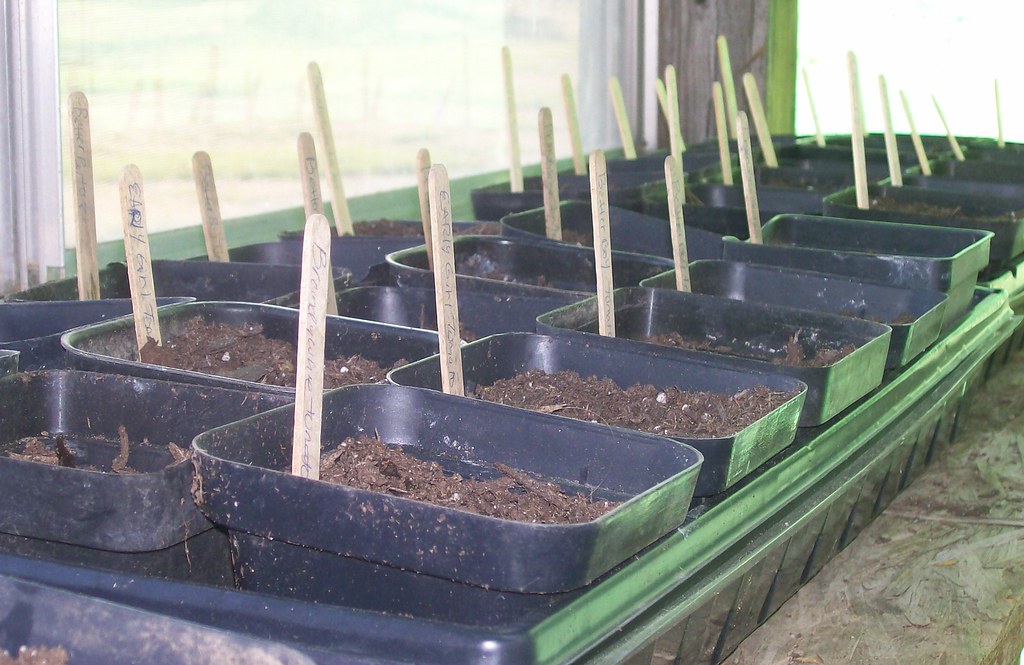
Too soon with seed starting trips up plenty of folks. When tiny plants fill their pots but can’t move outside yet, roots tangle tight, tension builds – later on, expect sluggish progress no matter how much sun they get.
Start here: the numbers add up fast. Your transplant moment usually lands a couple weeks past the final frost if you are growing heat lovers, earlier if you prefer cool-weather types. Move back from that date by however many weeks your young plants require to grow strong enough.
Six to eight comes up often for tomatoes, also peppers. Four to six works for basil.
Kale gets by on four, just like lettuce. Finding the correct day comes first.
Mark that moment clearly somewhere you will see every day.
The Snowmelt Factor
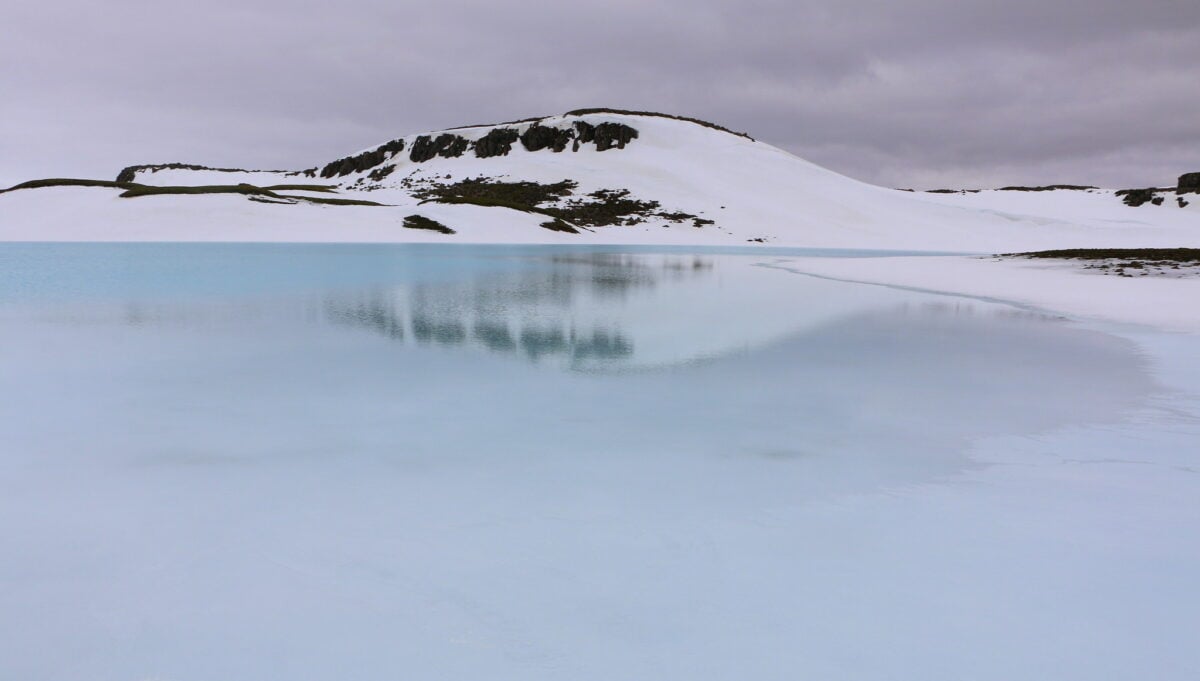
When winter leaves thick snow behind, its melt shapes what happens next in spring. Instead of vanishing fast, gradual thawing slips water underground while feeding earth that stays damp through early plant growth.
But if warmth jumps suddenly or rain hits existing snow, runoff rushes away too quickly to sink deep. This rush skips soaking the ground, sometimes spills into floods, leaving soils parched despite all the water moving across them.
When snow stays thick through winter, dirt underneath takes longer to heat up come spring. Sunlight spends its power breaking ice apart instead of boosting soil temperature.
Even if the breeze feels mild, plant beds in snowy zones tend to lag behind. Snow levels in your local watershed?
They can hint at what kind of start your garden season might take. Watch them closely through winter months, since slow melts often mean delayed planting times ahead.
When spring warmth arrives fast, runoff may rush too soon – leaving soil thirsty later on. Each year tells a different story based on those frozen totals built up over colder weeks.
When The Ground Awakens
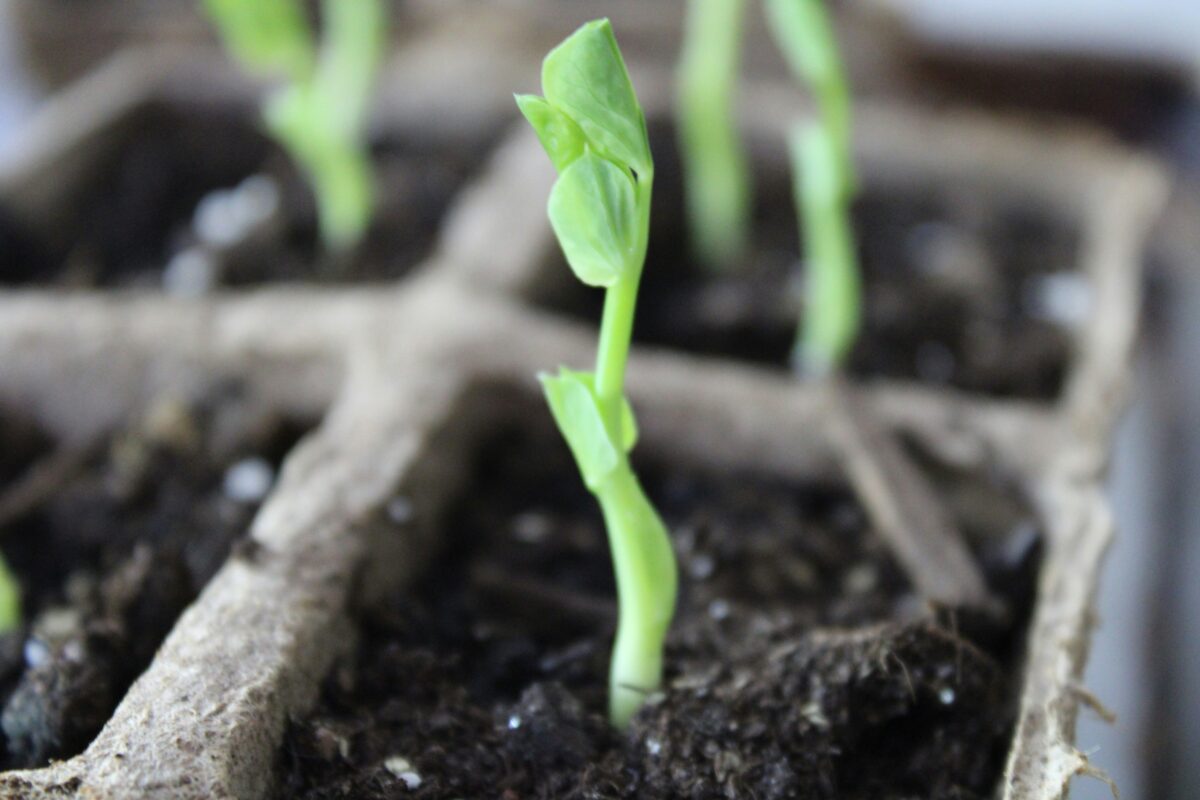
That moment comes quietly in early spring – temperature climbs to fifty, daylight stretches past noon, bees begin their rounds. Not one fixed date marks it; more like a slow climb until the world flips overnight.
A shift builds without warning, then arrives mid-step. Noticing the science behind things does not drain wonder from spring.
It adds depth instead. What unfolds begins to show patterns – how bloodroot pushes through soil before tree canopies fill, how robins return on a tight schedule each year, how warmth gathers early against southern walls.
Spring comes together slowly, like parts fitting into an old design. These rhythms were set long ago, shaped across deep time.
Now you begin to follow along.
More from Go2Tutors!

- The Romanov Crown Jewels and Their Tragic Fate
- 13 Historical Mysteries That Science Still Can’t Solve
- Famous Hoaxes That Fooled the World for Years
- 15 Child Stars with Tragic Adult Lives
- 16 Famous Jewelry Pieces in History
Like Go2Tutors’s content? Follow us on MSN.