18 Forgotten Firsts That Quietly Changed the World
History books often celebrate the most obvious innovations—the first airplane flight, the first moon landing, the first computer. But beneath these headline-grabbing achievements lies an intriguing subtext of ‘firsts’ that revolutionized society with minimal fanfare.
These lesser-known milestones revolutionized how we live, work, and connect, yet are never given the respect they are due. The foundations of our modern world were often laid by quiet innovations that seemed unremarkable at the time.
Here is a list of 18 forgotten firsts that subtly but profoundly changed the course of human history.
The First Vending Machine (215 BCE)
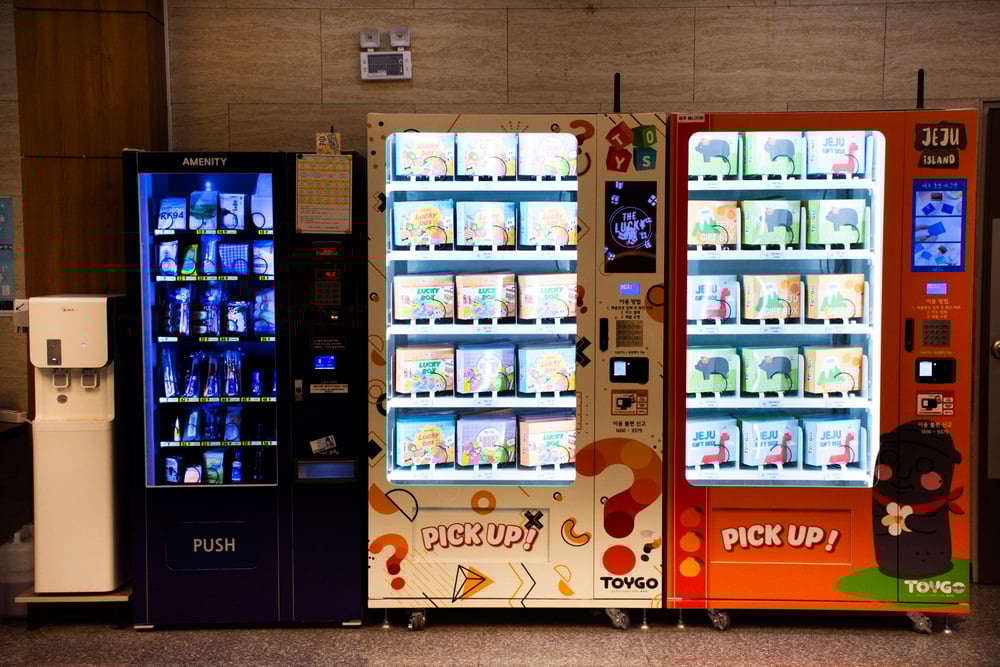
Long before snack dispensers populated office break rooms, ancient Greeks created the world’s first vending machine. Invented by the mathematician Hero of Alexandria, this ingenious device dispensed holy water when a coin was inserted.
The weight of the coin would tip a lever, releasing a set amount of water before resetting—essentially the same mechanism used in modern machines two millennia later.
The First Public Restaurant (1765)

While taverns and inns had served food for centuries, the concept of a dedicated eating establishment with a menu was revolutionary. Opened in Paris by a soup vendor named Boulanger, the first true restaurant featured individual tables and a selection of restorative broths.
The sign above his door proclaimed ‘Venite ad me omnes qui stomacho laboratis et ego vos restaurabo’—’Come to me all who suffer from stomach pains and I will restore you.’
The First Photograph (1826)

When Joseph Nicéphore Niépce photographed ‘View from the Window at Le Gras,’ visual memory existed only as paintings and drawings. This vague, barely-recognizable image required eight hours’ exposure and changed the nature of how mankind captured reality.
The photograph nearly disappeared until it was rediscovered in the 1950s, though it marked the beginning of our image-driven world.
The First Refrigerator (1834)

Jacob Perkins patented the first practical vapor-compression refrigeration system, though it looked nothing like today’s kitchen appliances. This predecessor to modern cooling technology was initially used for creating ice rather than preserving food.
The technology fundamentally altered food distribution networks and diet patterns worldwide by enabling perishable foods to travel unprecedented distances.
The First Ready-Made Clothing (1830s)

Before Brooks Brothers invented off-the-rack suits, everything was custom-made or handed down. Ready-to-wear clothing made fashion accessible to the masses and brought standardized sizes.
This revolution made fashionable clothing accessible to the middle class and eventually created the global fashion industry we know today, making clothing a consumer product instead of a luxury.
The First Electric Streetlight (1879)

When Cleveland, Ohio, placed carbon arc lamps on its public square, it pushed human activity past sunset on a citywide level. The blinding, buzzing lights needed to be serviced every day but revolutionized urban life by discouraging crime and enabling life at night.
The invention eliminated the sharp distinction between day and night, revolutionizing human sleep patterns and social habits in a fundamental way.
The First Disposable Razor (1901)

King Camp Gillette transformed personal grooming with his disposable razor design, shifting from expensive, maintenance-heavy straight razors to affordable, replaceable blades. His innovation created the ‘razor and blades’ business model that companies still emulate—selling a durable handle at low cost while profiting from disposable components that need regular replacement.
The First Traffic Signal (1914)

The first electric traffic light, installed in Cleveland, Ohio, had just two colors—red and green—and required an operator to change the signals. This humble beginning led to the sophisticated traffic management systems that organize millions of vehicles daily.
The standardization of traffic flow seems obvious now but it represented a profound shift in urban planning and public safety.
The First Supermarket (1930)

When King Kullen opened in Queens, New York, it revolutionized food shopping by introducing self-service and consolidating multiple food departments under one roof. Previous grocery stores had clerks who gathered items for customers.
This shift to self-service shopping fundamentally changed consumer behavior and retail design, creating the template for modern retail experiences across all industries.
The First Credit Card (1950)

Initially accepted at just 27 restaurants in New York, the Diners Club card introduced the concept of ‘buy now, pay later’ to the mainstream. What began as a convenient way for businessmen to pay for meals evolved into a global financial system that transformed consumer spending habits.
This small cardboard card pioneered the cashless transactions we now take for granted.
The First Fast Food Drive-Thru (1947)

Red’s Giant Hamburg in Springfield, Missouri opened the first drive-thru window, catering to Americans’ growing love affair with automobiles. This simple innovation—allowing customers to purchase food without leaving their vehicles—fundamentally altered dining culture, urban development, and even automobile design, as cupholders became standard features in response.
The First Video Game (1958)

‘Tennis for Two,’ created by physicist William Higinbotham on an oscilloscope at Brookhaven National Laboratory, was designed merely as an attraction for visitors. This primitive tennis simulation, predating Pong by 14 years, launched what would become a multibillion-dollar entertainment industry and pioneered new forms of human-computer interaction that extend far beyond entertainment.
The First ATM (1967)

The automated teller machine at Barclays Bank in London initially dispensed a maximum of £10 when users inserted special vouchers. This innovation gradually eliminated the constraint of banking hours and eventually reduced the need for physical bank branches altogether.
What seemed like a simple convenience transformed banking from a daytime activity into a 24/7 service.
The First Email (1971)

Ray Tomlinson sent the first network email between two computers that were physically near each other but not connected by anything except ARPANET. The message content has been forgotten—even by Tomlinson himself—but the ‘@’ symbol he chose to separate user from host remains the universal symbol for digital communication, fundamentally altering how humans interact across distances.
The First Bar Code (1974)

When a pack of Wrigley’s gum was scanned at an Ohio supermarket, it marked the beginning of automated checkout systems. The Universal Product Code (UPC) standardized product tracking, inventory management, and pricing.
This technology accelerated checkout speeds and provided unprecedented data on consumer purchasing patterns, transforming retail analytics and supply chain management.
The First Cellphone Call (1973)

Motorola engineer Martin Cooper made the first mobile phone call to his rival at Bell Labs from a New York sidewalk. The handheld device weighed 2.4 pounds and offered 30 minutes of talk time.
This initial demonstration kicked off the development of technology that would eventually put supercomputers in billions of pockets and fundamentally change human communication patterns.
The First Reality TV Show (1973)

‘An American Family’ on PBS documented the daily life of the Loud family over seven months, capturing their everyday routines and even the dissolution of the parents’ marriage. This predecessor to modern reality television received significant criticism but established a format that would eventually dominate global entertainment programming and blur the line between public and private life.
The First Spam Email (1978)

When Digital Equipment Corporation marketing representative Gary Thuerk sent an unsolicited advertisement to 393 ARPANET users, he inadvertently created a new form of marketing that would eventually flood inboxes worldwide. This first mass electronic mailing prompted immediate complaints but pioneered techniques that would evolve into sophisticated digital marketing strategies used by businesses globally.
Where We Go From Here

These forgotten firsts remind us that world-changing innovations often arrive without fanfare. Many of these developments seemed unimportant at their introduction—simple solutions to specific problems rather than revolutionary breakthroughs. Yet collectively, they constructed the framework of modern life, influencing everything from how we eat and travel to how we communicate and entertain ourselves.
The most transformative innovations aren’t always the most obvious. As we rush toward the future, these humble beginnings demonstrate that true innovation often happens incrementally, building on existing ideas to create something profoundly new.
The next world-changing ‘first’ might already exist—quietly reshaping our world while we’re looking elsewhere for the next big thing.
More from Go2Tutors!

- The Romanov Crown Jewels and Their Tragic Fate
- 13 Historical Mysteries That Science Still Can’t Solve
- Famous Hoaxes That Fooled the World for Years
- 15 Child Stars with Tragic Adult Lives
- 16 Famous Jewelry Pieces in History
Like Go2Tutors’s content? Follow us on MSN.



