Secret Underground Bunkers and Their Users
Buried under urban sprawl, rugged peaks, and vast drylands are secret spaces beyond public view. Not disaster shelters alone but also retreats for those with deep pockets keep running beneath our feet.
While a few guard classified operations, others exist just to calm restless minds of privileged owners. Fueled by dread yet shaped like fortresses, these subterranean chambers speak of how far we go when collapse feels near.
Beneath the surface, life thrives without notice – quiet architects shaping unseen spaces. Structures rise in darkness, crafted by creatures rarely seen.
What takes form underground stays out of sight, yet full of purpose. Down below, work never stops, driven by instinct and need.
Cheyenne Mountain Complex
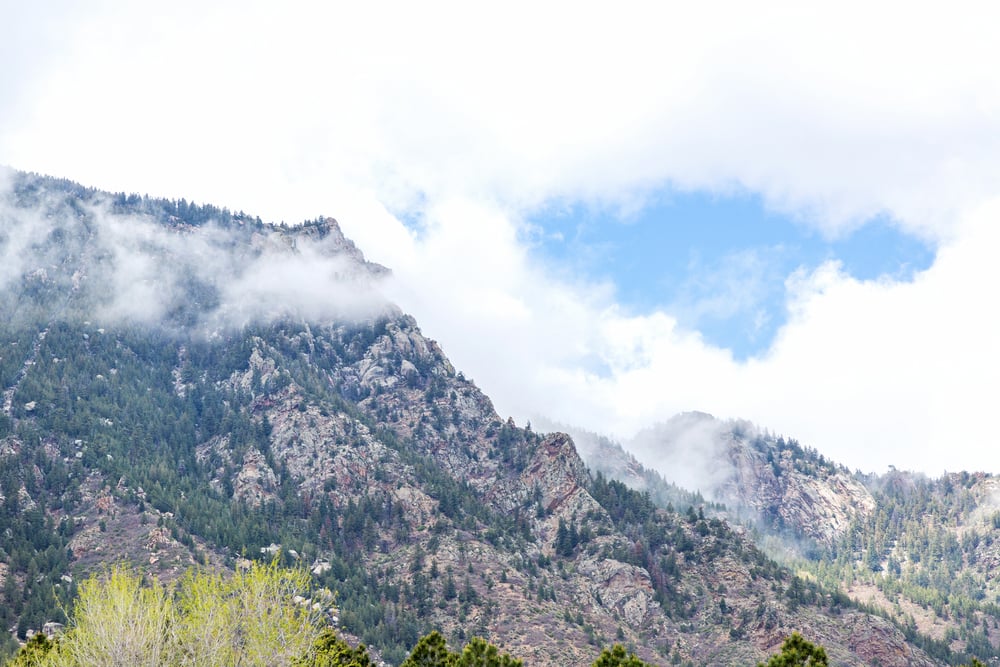
Buried beneath layers of solid rock in Colorado, this bunker was built by the U.S. military when tensions ran high during the Cold War. A massive explosion – equivalent to millions of tons of TNT – could strike above, yet the site would survive, shielded by two thousand feet of stone.
High inside the mountain, commanders once watched skies across the continent, following planes and incoming missiles without pause. Even now, though quiet, it waits below, prepared to wake should danger reach the bases up top.
Vivos Europa One
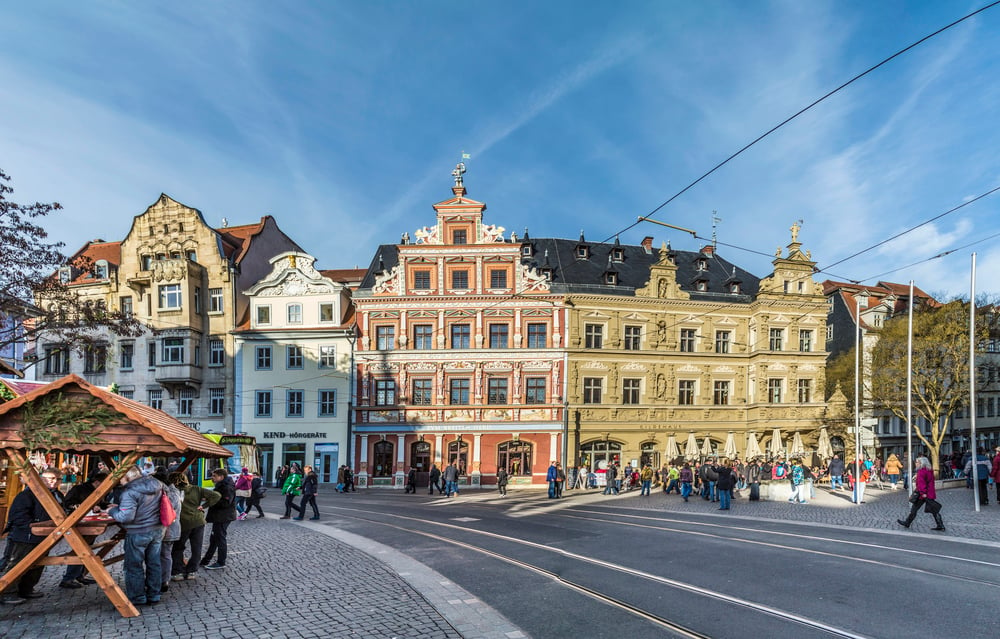
Now home to high-end living spaces, this old Soviet military site in Germany shelters rich families prepping for disaster. Spread across more than 76,000 square feet, it supports long-term survival cut off from the outside world.
Private units belong to each household while kitchens, gyms, and lounges are used together. Though costing several million dollars per unit, peace of mind comes included when society might collapse.
Fewer than expected comforts missing inside these underground homes built to last.
Mount Weather Emergency Operations Center
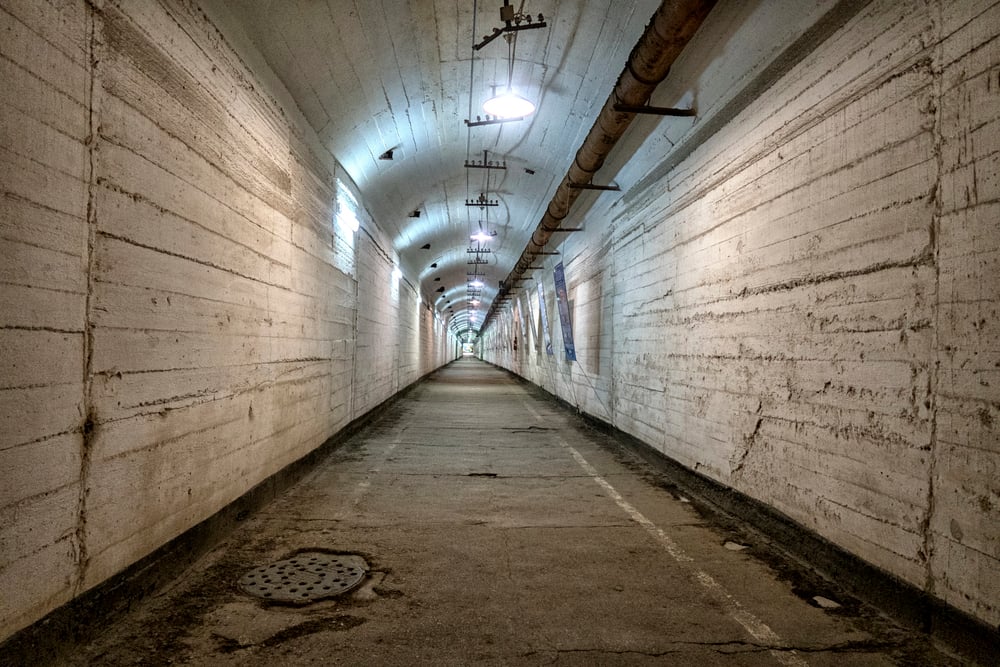
Down in the Blue Ridge Mountains of Virginia sits a hidden bunker meant to act as an alternate seat of U.S. leadership. Should disaster strike Washington, D.C., lawmakers and the president could move operations here without delay.
Running on its own electricity and water sources, it holds everything needed for governance to continue uninterrupted. Because so little is shared about what lies inside, curiosity grows around how such emergency systems truly function.
Greenbrier Bunker
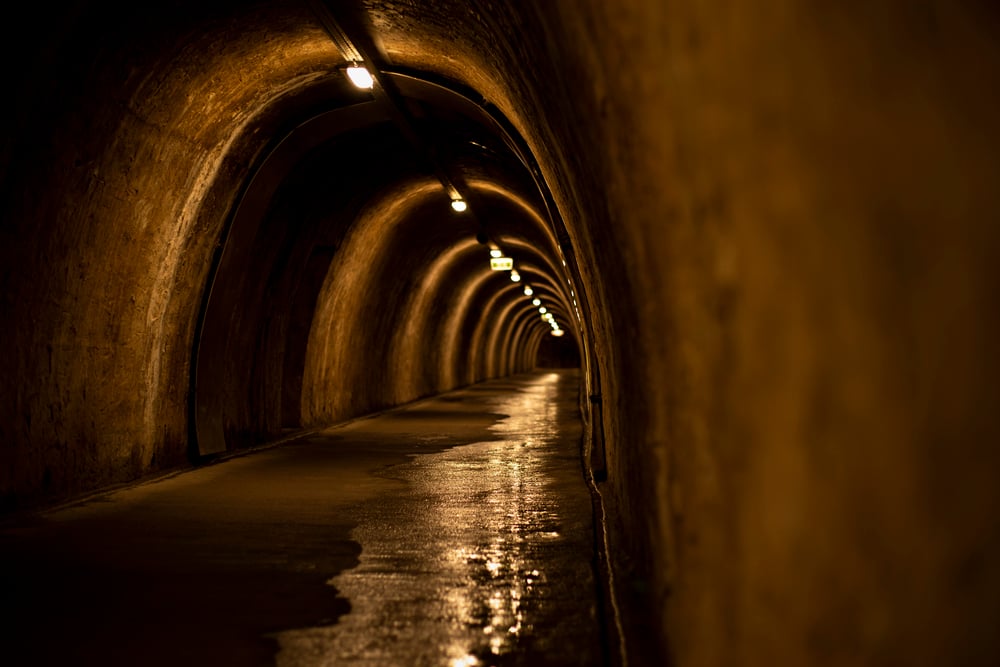
Beneath fancy rooms at the Greenbrier in West Virginia, a shelter waited quietly for decades. Hidden deep below, it was meant to hold lawmakers if bombs fell from the sky.
Officials claimed they were just expanding the hotel – that story covered real work underground. Guests strolled above day after day, never guessing what lay beneath their feet.
Men pretending to fix televisions actually kept machines running in secret. Only when papers lost classified status in 1992 did the truth come out.
Today, people go down there on guided walks, peering into old hallways.
Survival Condo Project
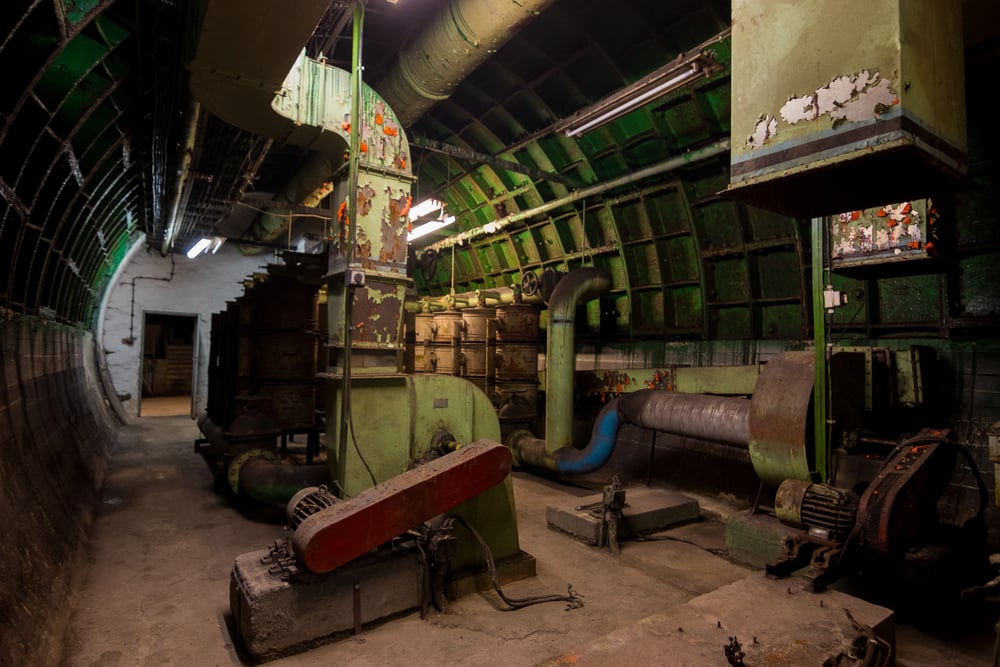
Down in Kansas, one business owner picked up an old missile bunker once meant for Cold War rockets. Inside that hulking tube buried deep under soil, floors stretch across fifteen levels below ground.
What used to store war machines now holds luxury living spaces – each floor sold off separately, price tags reaching millions. Instead of weapons storage, you will find indoor greenery where vegetables sprout without soil, fed by water and light alone.
A lap pool sits nearby, next to shelves packed with books and a vertical rock face built just for climbing. Thick layers of reinforced concrete wrap the entire site, strong enough to survive a blast most would not walk away from.
Power, air, water – they all come from sources that do not rely on outside grids or fragile networks.
Burlington Bunker
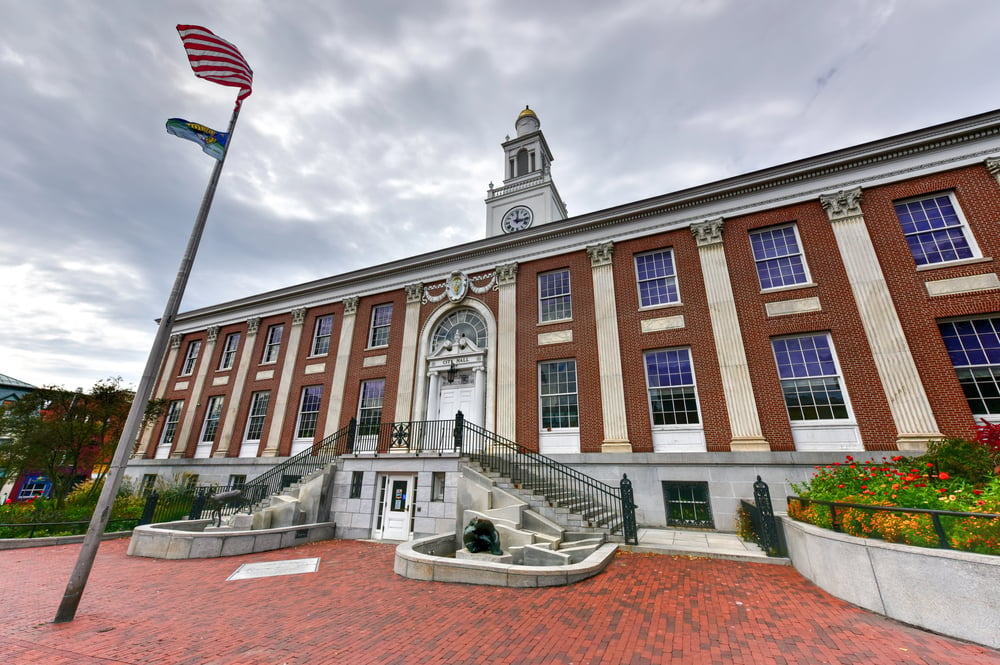
This massive complex beneath Corsham, England, was built to protect the British government during the Cold War. The facility could house 4,000 people and included everything needed to run a country underground.
Miles of tunnels connected various sections, creating an underground city beneath the countryside. The government decommissioned it after the Cold War ended, though portions remain classified.
Xi Jinping’s Leadership Bunker
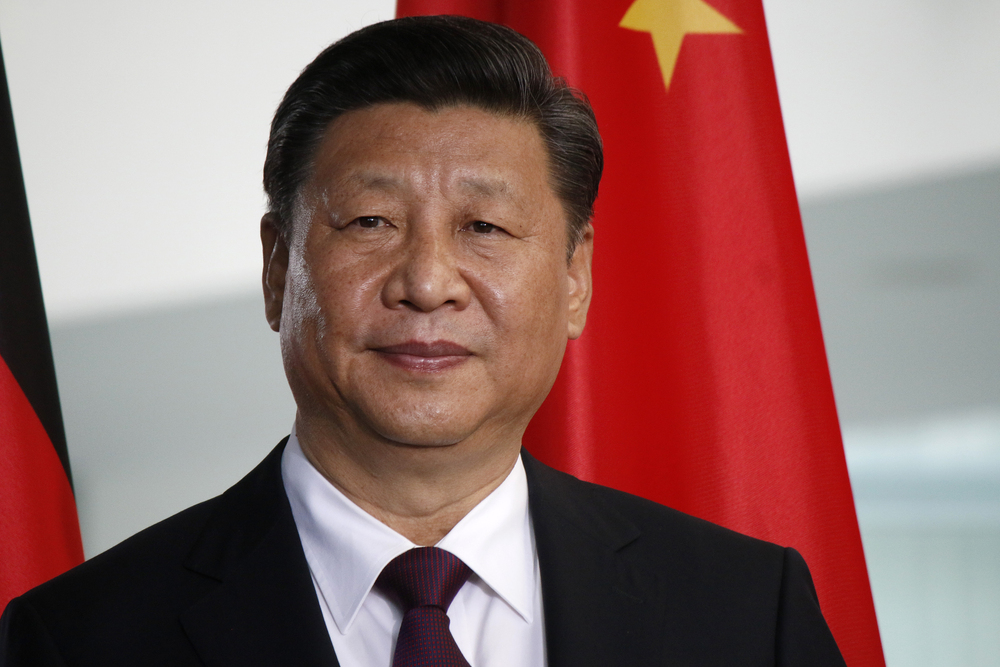
China constructed an enormous underground command center beneath Beijing to protect its leadership. The complex reportedly connects to the Forbidden City and other key government buildings through secret tunnels.
Engineers designed it to survive nuclear, chemical, and biological attacks while maintaining communication with military forces. Details remain scarce, but satellite imagery and defector reports confirm its existence and massive scale.
Oppidum
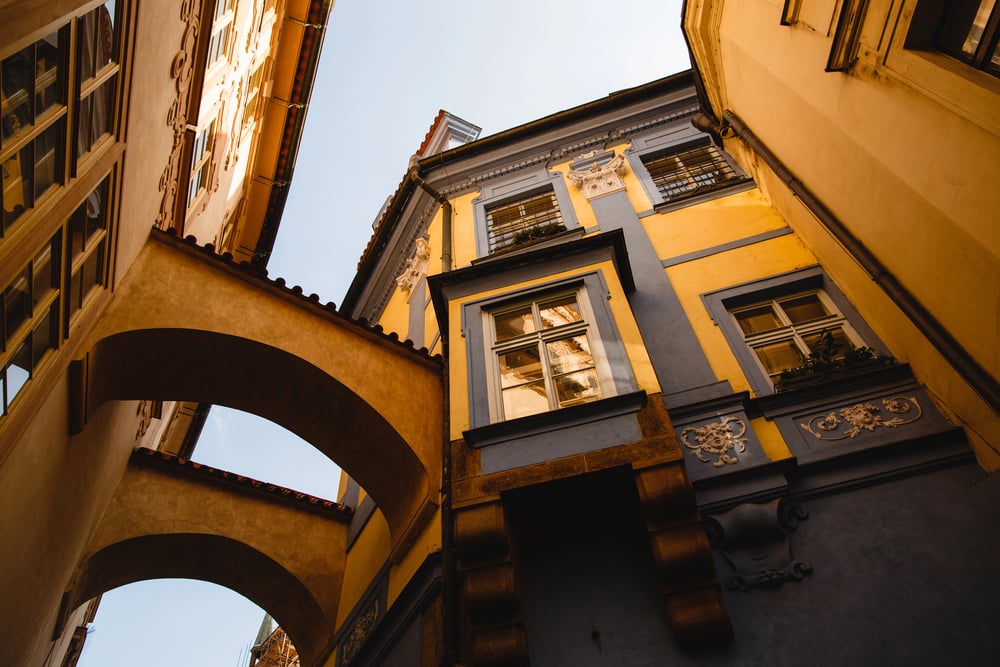
Billed as the largest billionaire bunker in the world, this Czech Republic facility caters to the ultra-wealthy seeking ultimate security. The complex resembles a luxury hotel more than a survival shelter, with fine art, wine cellars, and spa facilities.
Construction costs exceeded $300 million, and the location remains secret to protect residents. The facility can sustain its occupants for years without any outside contact or supplies.
Raven Rock Mountain Complex
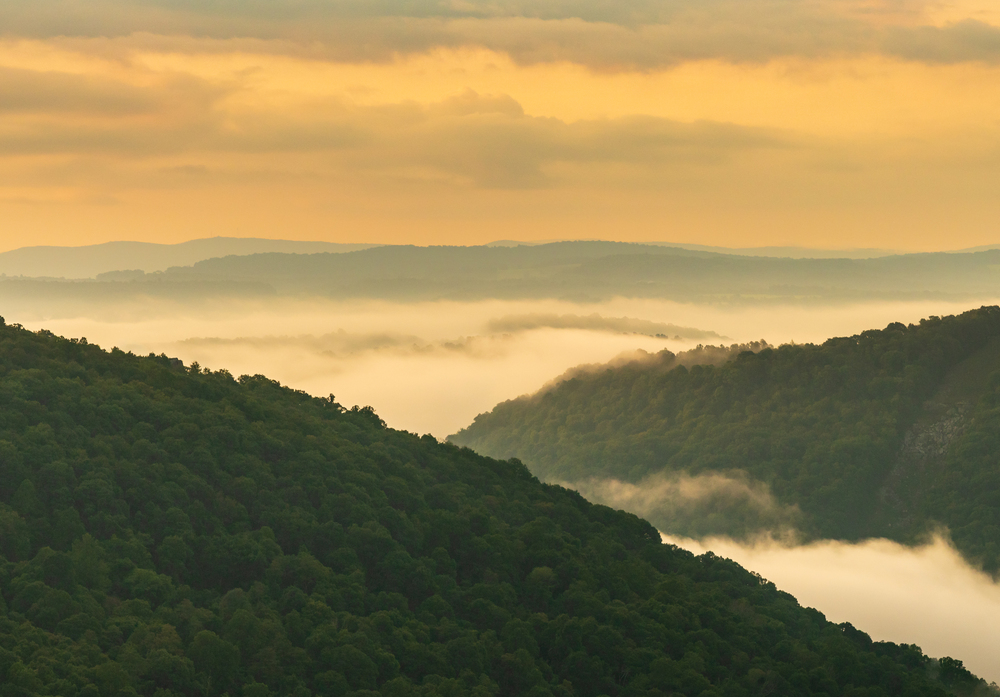
Often called the underground Pentagon, this facility in Pennsylvania mirrors Mount Weather as an alternate command center. The military built it into solid granite during the 1950s, creating a bunker that could survive anything short of a direct hit from the largest weapons.
Multiple buildings sit inside the hollowed mountain, connected by tunnels and supported by independent utilities. The facility remains fully operational and staffed at all times.
Vivos xPoint
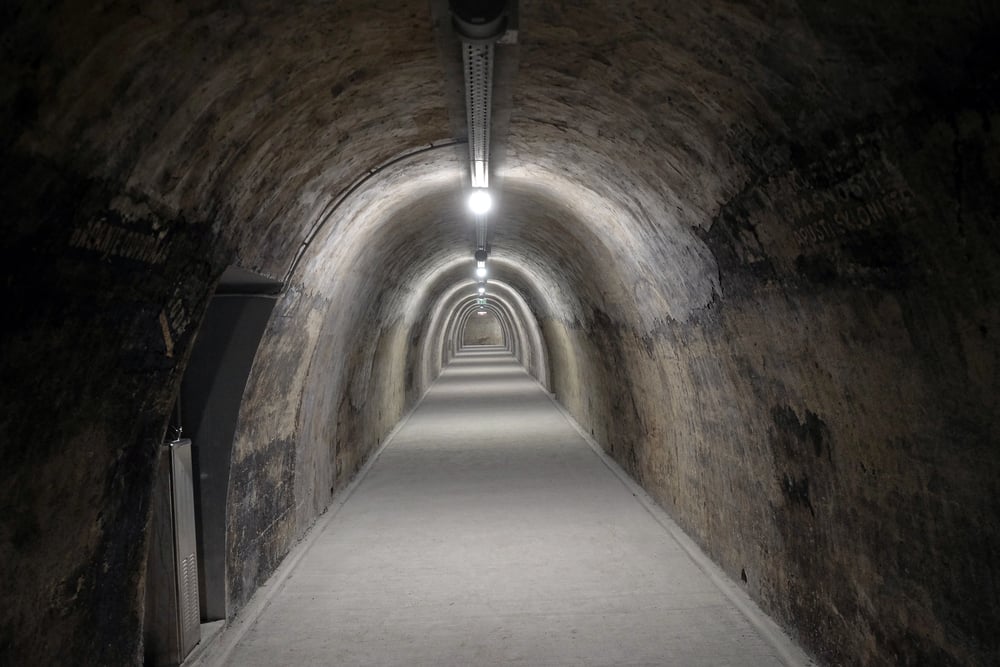
This South Dakota site contains 575 bunkers originally built by the Army to store weapons and ammunition. A private company bought the property and now sells individual bunkers to families wanting their own shelter.
Each unit provides 2,200 square feet of protected space that owners can customize however they want. The community approach means neighbors can help each other while maintaining private spaces.
Moscow Metro-2
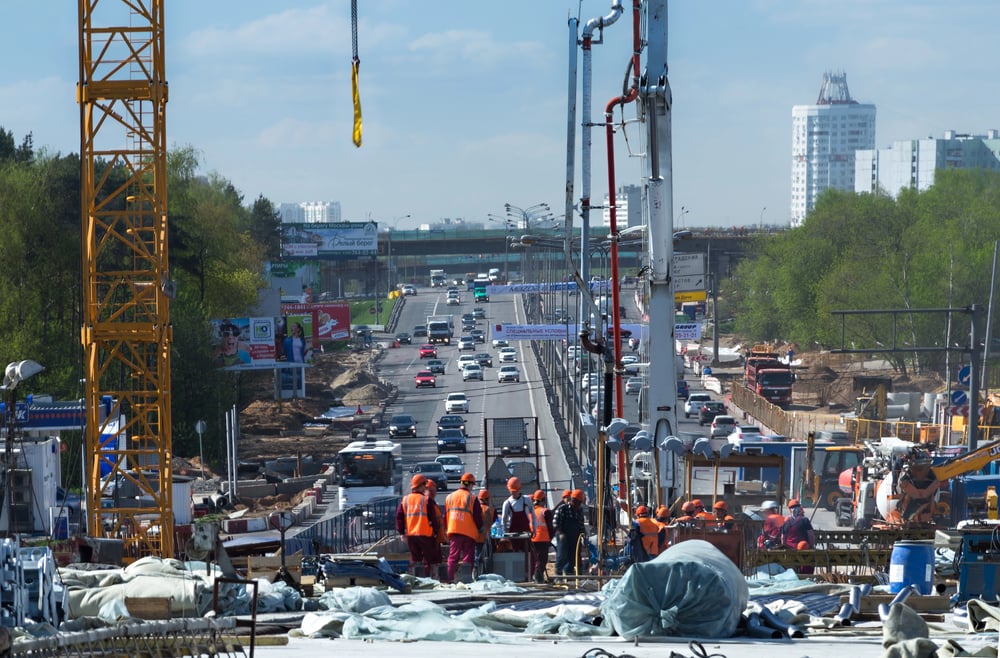
Russia allegedly built a secret subway system beneath Moscow that connects government buildings, bunkers, and strategic facilities. The system reportedly runs deeper than the regular metro and spans hundreds of miles.
Officials deny its existence, but multiple witnesses and researchers have documented evidence of its construction. The network would allow leaders to move around the city safely during any crisis.
Svalbard Global Seed Vault
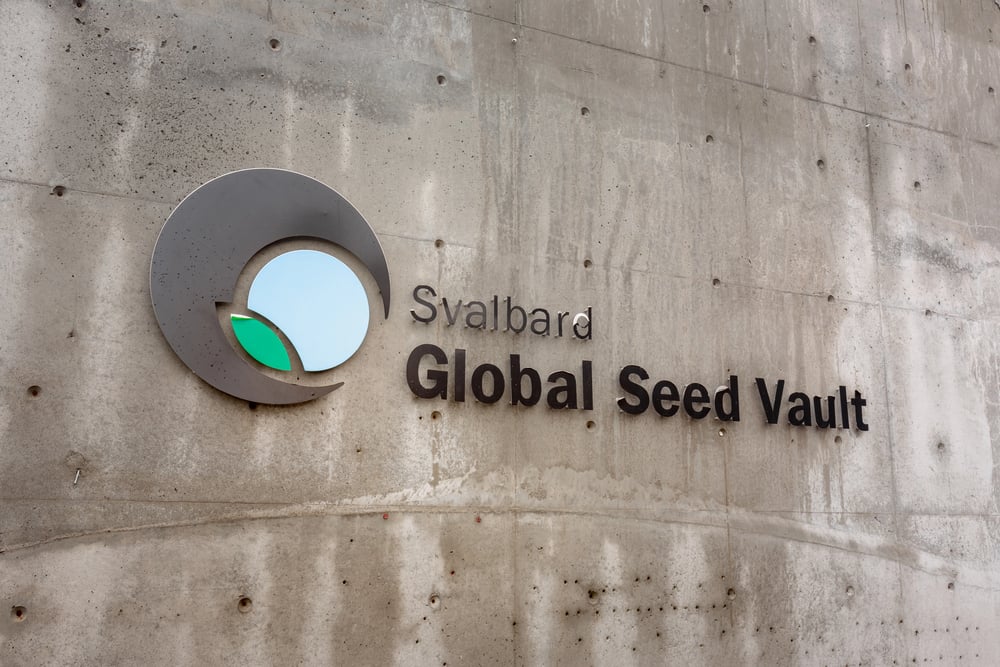
Norway carved this facility into a mountain on an Arctic island to preserve seeds from every crop on Earth. The vault protects against agricultural disasters by maintaining backup copies of plant genetics.
Permafrost and thick rock provide natural protection, while security systems guard against human threats. Over a million seed samples now rest in climate-controlled chambers deep inside the mountain.
Strategic Command Bunker, Omaha
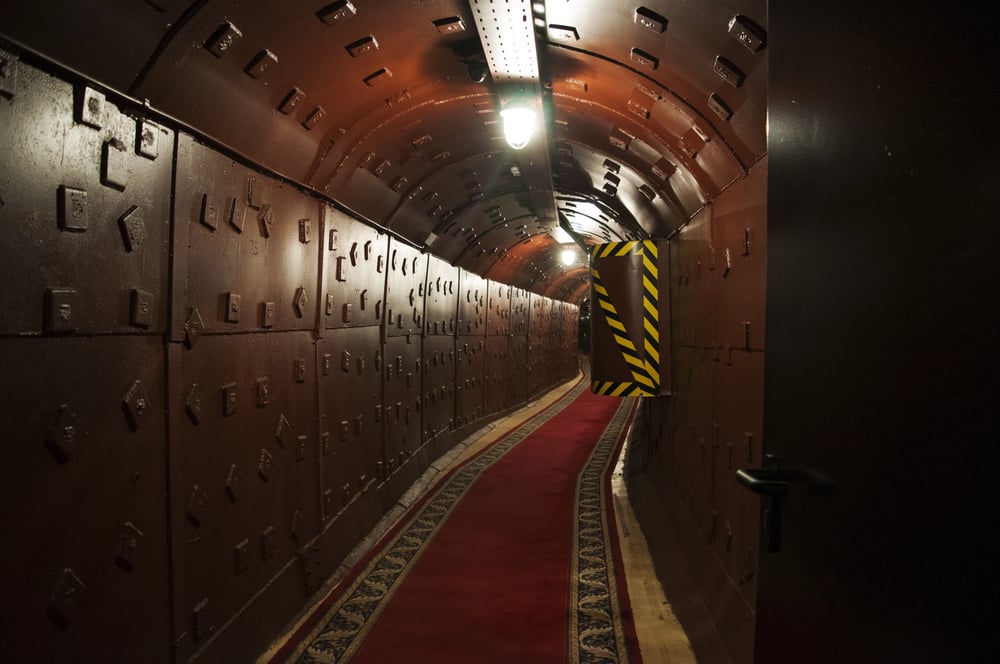
U.S. Strategic Command operates from an underground facility at Offutt Air Force Base in Nebraska. This bunker serves as the nerve center for America’s nuclear forces and space operations.
The complex sits beneath reinforced structures designed to keep operating even if everything above ground gets destroyed. Only personnel with the highest security clearances ever enter its deepest sections.
Hualien Air Force Base Tunnels
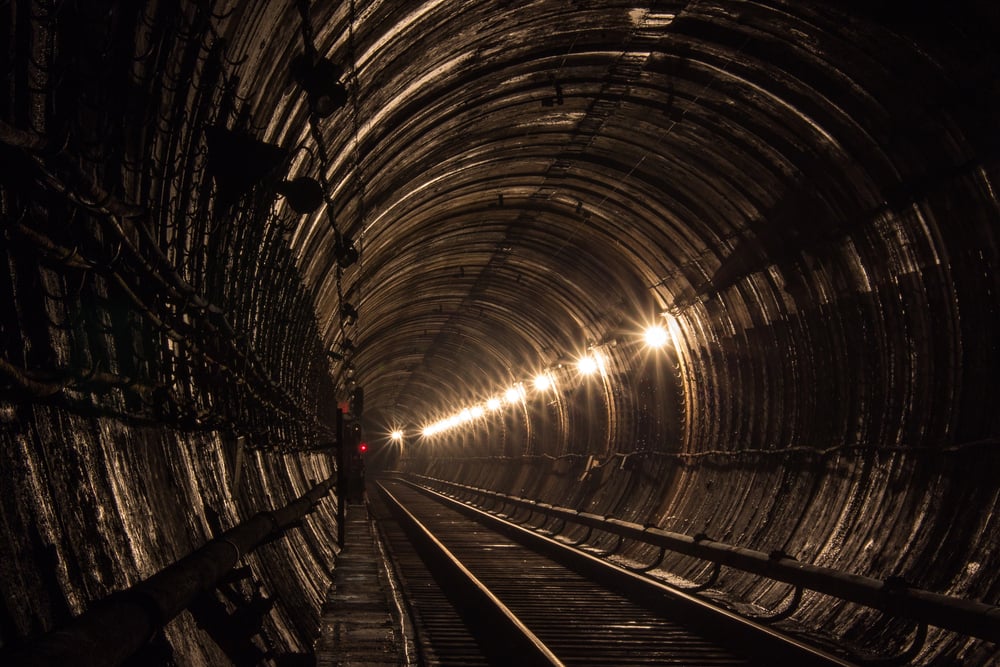
Taiwan hollowed out mountains along its east coast to create underground hangars for fighter jets. These facilities protect aircraft from Chinese missiles while allowing rapid deployment.
Entire squadrons can hide inside, maintained and ready to launch at a moment’s notice. The tunnels demonstrate how smaller nations use geography creatively to counter larger adversaries.
Iron Mountain
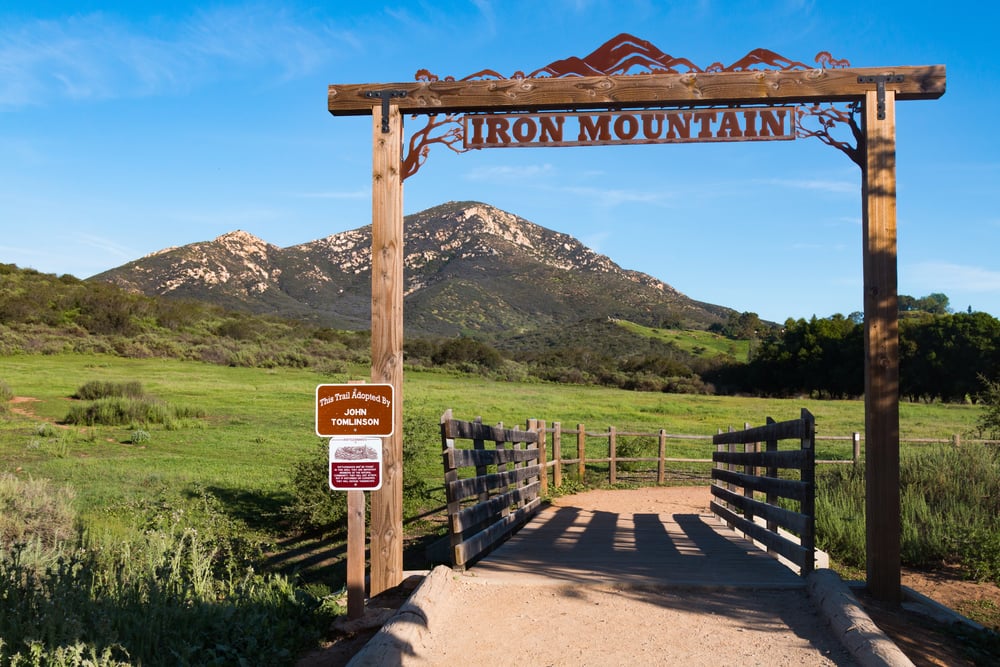
This former limestone mine in Pennsylvania now stores irreplaceable records and data for thousands of companies and organizations. The facility maintains perfect conditions for preserving everything from film negatives to corporate documents.
Rooms inside hold original recordings from major record labels and master copies of famous movies. The natural stability and security make it ideal for protecting things that can never be replaced.
Rising S Company Bunkers
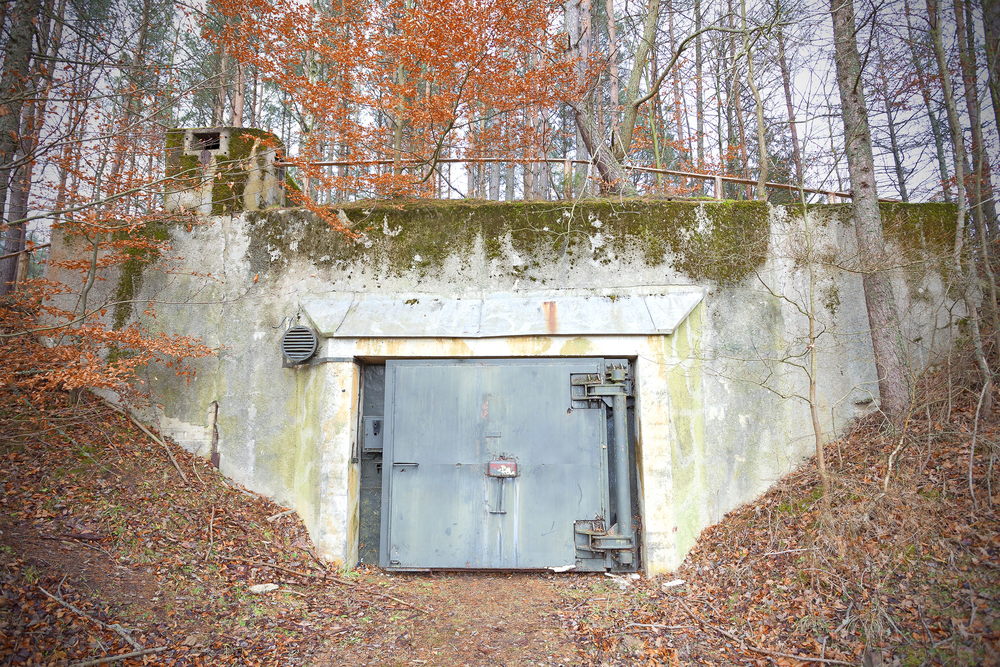
This Texas manufacturer builds custom underground shelters for clients ranging from middle-class families to celebrities. Their units range from basic storm shelters to elaborate complexes with bowling alleys and gun ranges.
Each bunker gets customized to the buyer’s specifications and budget. The company reports steady business growth as more people decide they want a safe place just in case.
When Fear Meets Preparation
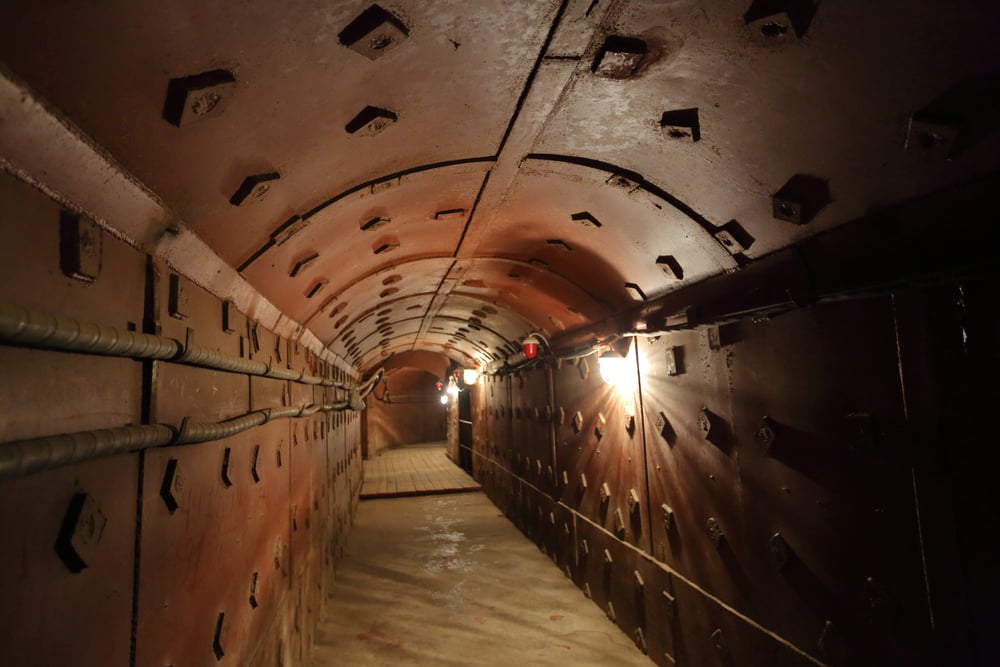
Underground bunkers represent a peculiar intersection of wealth, paranoia, and practical planning. Some serve legitimate government functions while others cater to private anxieties about civilization’s fragility.
Whether these facilities will ever face the scenarios they’re designed for remains unknown. What’s certain is that the bunker industry thrives on uncertainty, and as long as people worry about the future, someone will keep digging deeper.
More from Go2Tutors!

- The Romanov Crown Jewels and Their Tragic Fate
- 13 Historical Mysteries That Science Still Can’t Solve
- Famous Hoaxes That Fooled the World for Years
- 15 Child Stars with Tragic Adult Lives
- 16 Famous Jewelry Pieces in History
Like Go2Tutors’s content? Follow us on MSN.