Facts About Sleep That Will Change Your Bedtime
Sleep is one of those things everyone does but rarely thinks about.
Most people climb into bed, close their eyes, and wake up hours later without wondering what happened in between.
But sleep is far more than just shutting down for the night.
It’s an active process that affects health, memory, emotions, and even how long someone lives.
Scientists have discovered some truly eye-opening things about what goes on when people drift off.
Let’s dive into some surprising truths that might completely change how anyone thinks about their nightly rest.
The brain washes itself at night

While someone sleeps, their brain goes through a deep cleaning process.
All day long, cells create toxic waste that piles up between neurons.
When night comes and sleep begins, the gaps between brain cells get bigger, letting fluid sweep through and carry away all that garbage.
Scientists call this the glymphatic system, and it works hardest during deep sleep.
This nightly rinse removes harmful proteins connected to diseases like Alzheimer’s.
Think of it as the brain’s overnight maintenance crew.
Skip sleep regularly, and that trash accumulates, leading to foggy thinking and memory troubles down the road.
Going without sleep harms you quicker than skipping food

A person can last much longer without eating than they can without sleeping.
Just one full day awake causes major issues with focus, coordination, and decision-making.
Push it to three days, and people start seeing things that aren’t there.
The record for staying awake is 11 days, and that person ended up confused, paranoid, and barely able to form sentences.
Compare that to fasting, where people have gone weeks before facing life-threatening problems.
The body treats sleep as non-negotiable, even more essential than nutrition.
That tells you something about how vital it really is.
Weekend sleep-ins don’t fix a bad week
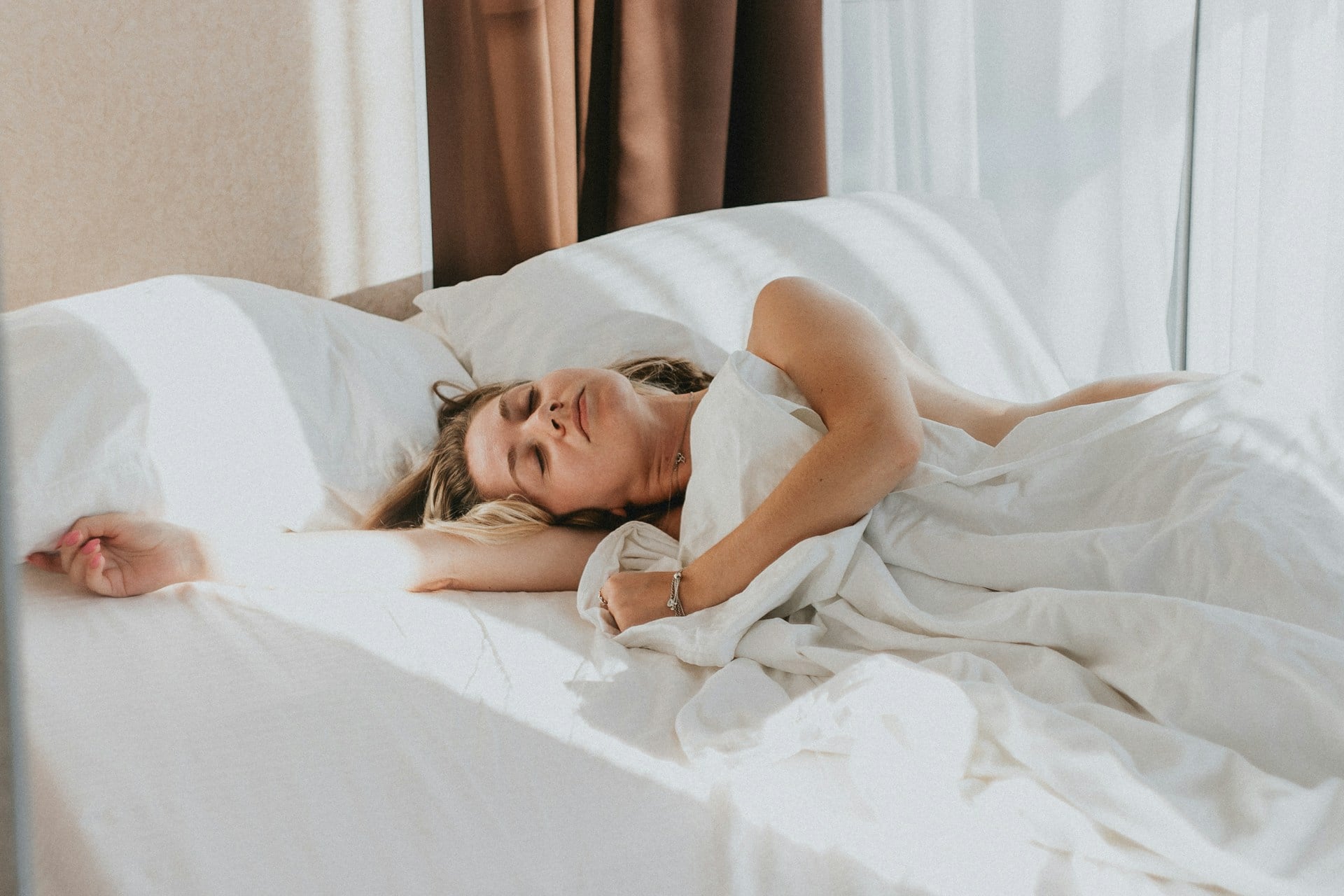
Lots of people think they can scrimp on rest during busy weekdays and make it up by sleeping late on Saturday and Sunday.
Unfortunately, biology doesn’t work that way.
While extra hours might help someone feel slightly more alert, they don’t undo the harm from days of short sleep.
Research shows that people who sleep five hours on weeknights and ten on weekends still perform worse on tests than those who get seven or eight hours consistently.
The body keeps track of what it’s owed, and you can’t just wipe the slate clean.
Regular, steady sleep beats occasional marathons every time.
People are the only creatures who delay rest on purpose

Look at any animal in nature, and they sleep when tired.
Period.
Dogs don’t hit snooze.
Elephants don’t pull all-nighters.
Only humans deliberately put off rest despite feeling exhausted.
This weird habit probably started when artificial lighting arrived and modern schedules demanded it.
But our bodies never got the memo.
Internally, everything still expects sleep to arrive with darkness, and fighting that causes serious health consequences.
Humans are basically the only species that ignores one of the most basic survival needs.
Pretty strange when you think about it.
Body heat has to drop before sleep arrives

Your core temperature needs to fall a couple of degrees before you can actually fall asleep.
That’s why stuffy, warm rooms make it nearly impossible to drift off, and cooler spaces work much better.
It also explains why a hot shower an hour before bed helps, since the body rapidly cools down afterward.
Some folks naturally run hotter, making sleep harder to catch.
Interestingly, warming up your feet can help because it causes blood vessels to open up and release heat from your center.
The whole temperature dance is more intricate than most people realize.
Every sleep stage includes dreams, not just one

There’s a common myth that dreaming only happens during REM sleep.
Not true.
Dreams occur throughout the entire night across all stages.
The catch is that REM dreams tend to be wild, detailed, and emotional, while dreams in other stages feel more like vague thoughts or impressions.
People remember REM dreams more often simply because they frequently wake up during or right after those periods.
Nobody fully understands why brains create dreams in the first place.
What’s certain is that mental activity never really stops, even when someone appears completely knocked out.
How you lie down changes what you dream

Stomach sleepers report more dreams about feeling trapped or struggling to breathe.
People who favor their left side have nightmares more often than right-side sleepers.
Back sleepers deal with more snoring and sleep paralysis episodes.
The way a body is positioned affects physical processes during the night, which somehow influences what the mind conjures up.
There’s no universally perfect sleeping position, but people who shift around naturally during the night usually rest better than those who stay frozen in place.
The body instinctively knows it needs to move.
Muscles shut down during certain sleep phases
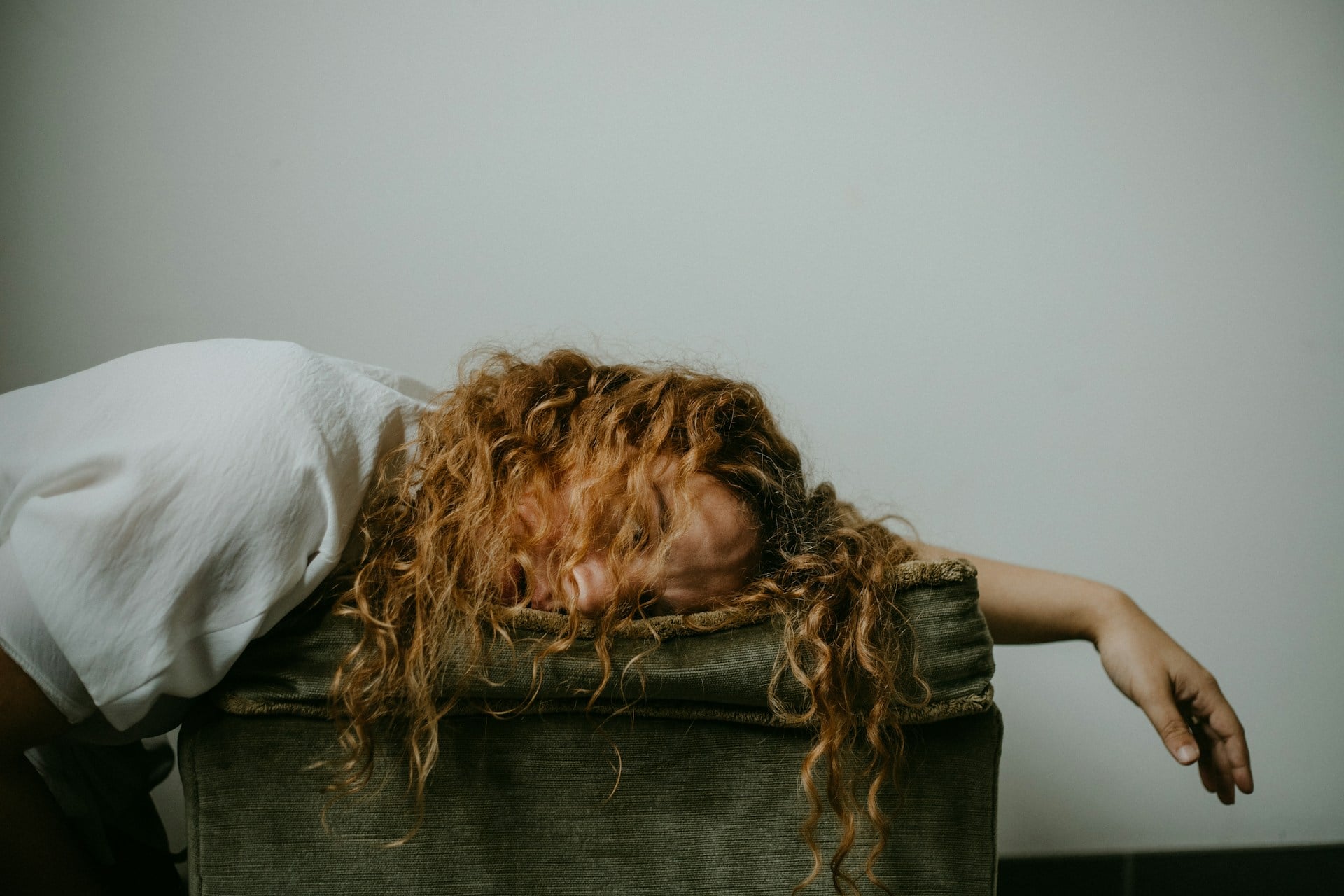
When REM sleep kicks in, the brain temporarily paralyzes almost every voluntary muscle except for the eyes and breathing apparatus.
This built-in safety mechanism stops people from thrashing around and acting out whatever’s happening in their dreams.
Sometimes the system glitches, causing REM sleep behavior disorder where people actually move or walk while still asleep.
Other times, someone wakes up before the paralysis releases, creating that terrifying sensation of being awake but completely unable to move.
It’s a useful system most of the time, even when it occasionally goes wrong.
Young people require more rest than adults
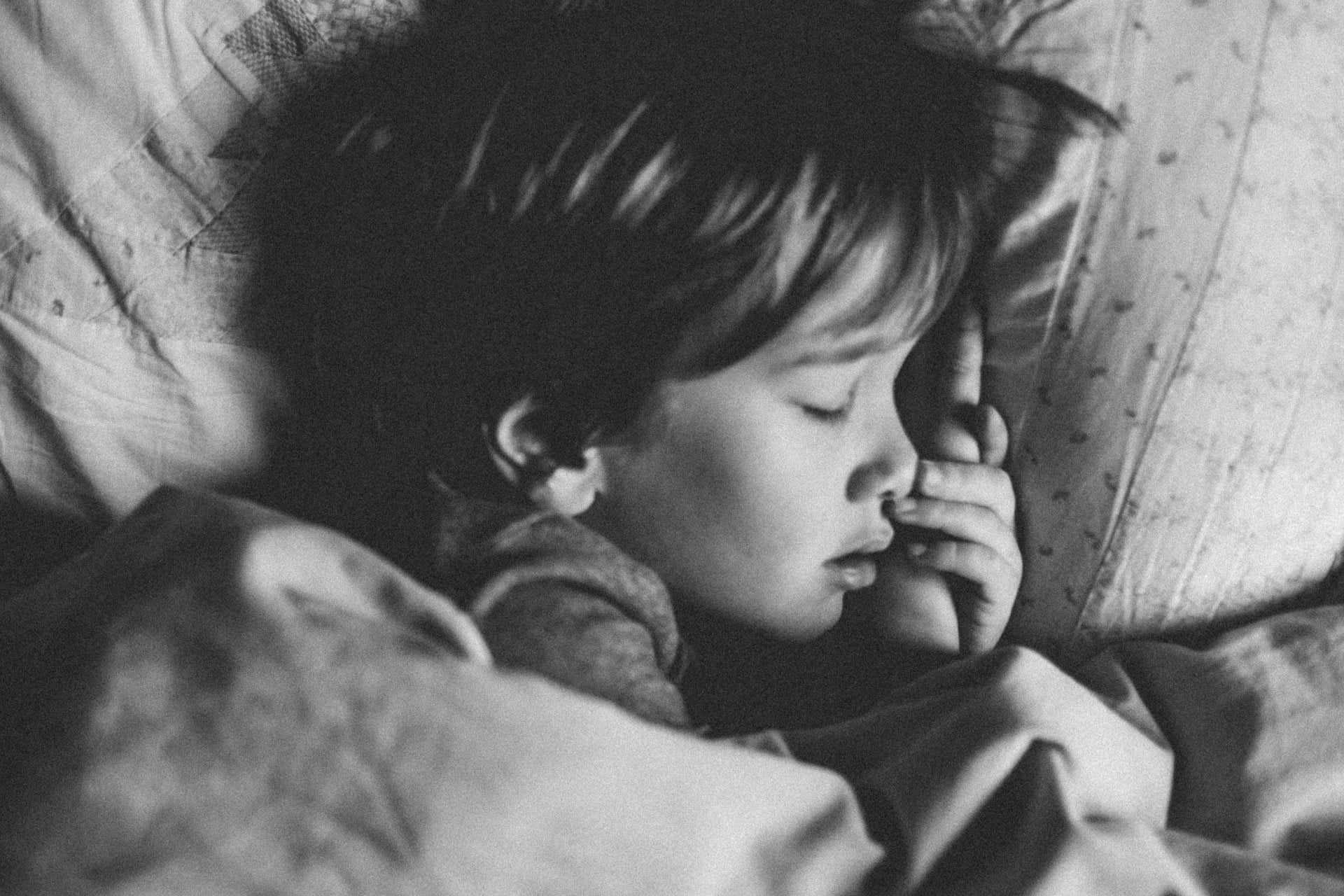
That stereotype about lazy teenagers sleeping past noon has real science behind it.
Adolescent brains undergo enormous changes that demand nine to ten hours of sleep nightly.
Their internal clocks also shift later naturally, making them want to stay up late and wake up late.
Forcing teens to get up early for school fights against their biology and can damage their development, mood, and grades.
Many sleep experts believe high schools should start later to align with teenage sleep needs.
It’s not laziness or attitude but actual biological requirements.
Short sleep drives overeating

Not getting enough rest messes up the hormones that control hunger in ways that make people want to eat more, especially junk food.
When someone’s sleep-deprived, ghrelin (which signals hunger) shoots up while leptin (which signals fullness) drops down.
The brain also becomes more drawn to fatty, sugary foods, and the parts responsible for willpower don’t work as well.
Studies consistently show that people who sleep less than seven hours weigh more on average than those who get adequate rest.
Proper sleep isn’t just about feeling energized but also about managing appetite and weight.
Fighting off illness requires good sleep

The immune system performs critical work while someone sleeps.
During rest, the body manufactures and distributes protective proteins called cytokines that combat infection and swelling.
Without sufficient sleep, production of these defenders drops significantly.
Research shows that people sleeping under seven hours are roughly three times more likely to catch a cold when exposed compared to eight-hour sleepers.
Chronic sleep loss also weakens vaccine effectiveness.
Rest isn’t a luxury but an actual necessity for staying healthy and warding off sickness.
A few people really can function on minimal sleep

A very small group of people carry a genetic mutation that lets them thrive on just four to six hours nightly.
These rare individuals, known as short sleepers, don’t suffer the health damage that would crush most people on that schedule.
They represent less than one percent of humanity though.
Most folks claiming they only need five hours are actually experiencing chronic deprivation but have adapted so much they don’t notice their impairment anymore.
Genuine short sleepers fascinate researchers trying to understand why sleep is even necessary.
Your appearance depends on nighttime rest

The phrase “beauty sleep” has legitimate scientific backing.
During deep sleep phases, growth hormone releases and repairs damaged cells and tissue, including skin.
Blood flow to the skin increases, rebuilding collagen and fixing damage from sun exposure.
Poor sleep over time leads to more lines, uneven tone, and dark circles under the eyes.
Research found that sleep-deprived individuals were rated as less attractive and less healthy-looking compared to their well-rested photos.
The effects aren’t hidden inside but show up clearly on the outside.
Quality rest might be the best and cheapest way to look better.
Memory formation happens after learning, not during

The brain doesn’t just shut off during sleep but actively works on information absorbed during waking hours.
Students who review material and then sleep do better on exams than those who stay awake cramming all night.
While sleeping, the brain replays patterns from recent experiences, strengthening important neural connections while trimming away irrelevant ones.
This explains why practicing something and then sleeping improves performance the next day.
Athletes, musicians, and anyone picking up new skills should treat sleep as part of their practice routine.
The real learning actually occurs while unconscious.
Napping works great or backfires completely

Whether a nap helps or hurts depends entirely on duration and timing.
A quick 10 to 20 minute snooze boosts alertness and performance without any grogginess afterward.
Naps between 30 and 90 minutes often leave people feeling worse because they wake during deep sleep.
A full 90-minute nap completes an entire cycle and provides real benefits.
Napping too close to bedtime messes up nighttime sleep.
The science of napping is surprisingly precise, and getting it wrong can make someone feel more tired than before they laid down.
Sleep moves through repeating patterns all night

Sleep isn’t one solid block but rather a series of cycles repeating every 90 minutes or so.
Each cycle includes light sleep, deep sleep, and REM stages.
The balance of these stages shifts as night progresses, with deep sleep dominating early on and REM increasing toward morning.
Waking up mid-cycle feels awful while waking at the end of one feels more natural.
This explains why seven and a half hours can feel more refreshing than eight hours straight.
Some alarm applications attempt to wake people during lighter stages to ease the morning transition.
Even small amounts of light ruin sleep quality

Any light exposure during sleep interferes with natural body processes.
Light at night blocks melatonin production, the hormone controlling sleep-wake patterns.
Studies demonstrate that sleeping with a television on, nightlight, or even glow from windows reduces sleep quality and raises risks for depression, weight gain, and other problems.
Eyes don’t need direct exposure because light penetrates closed eyelids.
Human ancestors slept in total darkness, and bodies still expect that environment.
Blackout curtains or eye masks can dramatically improve how well someone sleeps.
Where science meets the bedroom
These discoveries about sleep show just how much is happening during those quiet hours that seem so ordinary.
Sleep isn’t downtime or something to sacrifice when schedules get packed.
It’s when brains clean themselves, bodies fix damage, memories get filed away, and immune systems prepare for another day.
Modern life makes it tempting to trade sleep for productivity, entertainment, or scrolling through feeds.
But knowing what actually occurs during those hours makes it harder to justify staying awake for no real reason.
Bodies have been sending the same message for thousands of years, and maybe it’s finally time people started paying attention.
More from Go2TutorsMore from Go2Tutors!

- The Romanov Crown Jewels and Their Tragic Fate
- 17 Halloween Costumes Once Considered Taboo
- Famous Hoaxes That Fooled the World for Years
- 15 Child Stars with Tragic Adult Lives
- 16 Famous Jewelry Pieces in History
Like Go2Tutors’s content? Follow us on MSN.