Snacks That Were Made for Astronauts
Space travel created problems that nobody on Earth had ever faced before. Food needed to survive months without refrigeration, weigh almost nothing, fit in tiny storage spaces, and somehow still taste good enough that astronauts would actually eat it.
NASA couldn’t just pack sandwiches and apples for a moon mission. Engineers and food scientists worked together to invent completely new ways of preserving, packaging, and delivering nutrition in the hostile environment of space.
Some of these foods became so popular with the public that they ended up in grocery stores and camping supply shops. Others remained confined to space missions because, honestly, they tasted pretty terrible despite being technically edible.
The snacks that fed astronauts during the space race didn’t just help win a competition with Russia. They changed how everyone on Earth thinks about portable food.
Space Food Sticks by Pillsbury
Pillsbury created rod-shaped energy bars in the late 1960s specifically for NASA’s Apollo program. These sticks were developed to fit through the small airtight opening in astronauts’ helmets, allowing them to eat even while wearing their suits during emergencies.
The company marketed them to consumers starting in 1970, capitalizing on America’s space fever after the moon landing. Each stick contained about 44 calories and came in flavors like chocolate, caramel, and peanut butter.
Kids loved them because astronauts ate them, even though the taste was described as somewhere between a Tootsie Roll and a protein bar. The sticks accompanied Neil Armstrong and Buzz Aldrin to the moon in 1969 as contingency food, though nobody knows if they actually ate them up there.
Tang drink mix
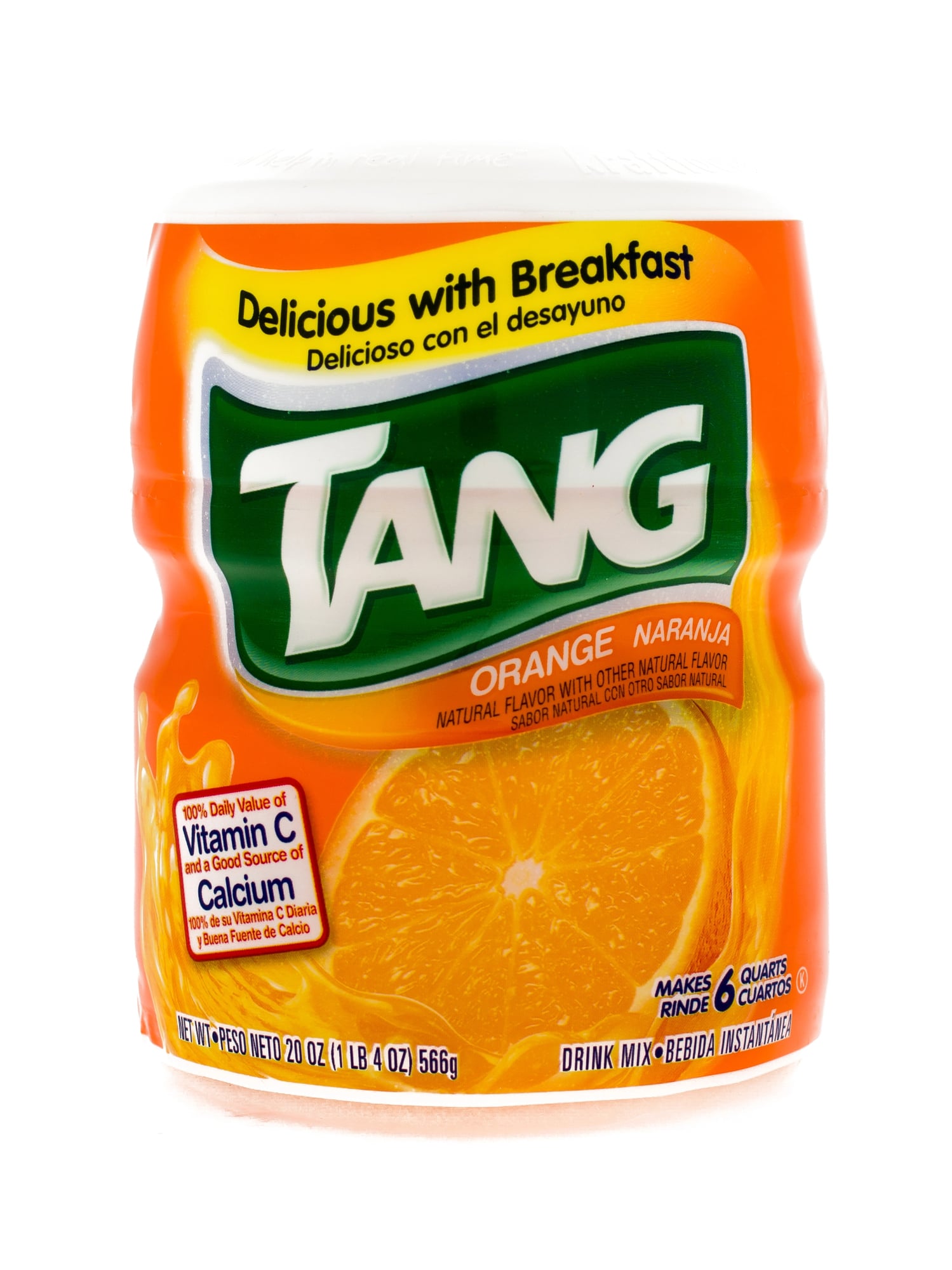
Tang was not actually developed for the space program, despite popular belief. General Foods created the artificially flavored drink mix in 1957, and NASA selected it for the menu when astronaut John Glenn performed eating experiments in orbit in 1962.
The association with space travel sent sales through the roof. Families across America bought Tang because astronauts drank it, turning a struggling product into a household name.
The powdered drink solved a practical problem in space since it weighed almost nothing and mixed easily with water that astronauts had on board. Tang’s legacy as space food outlived its actual use by NASA, which eventually moved on to other drink options.
Freeze-dried ice cream
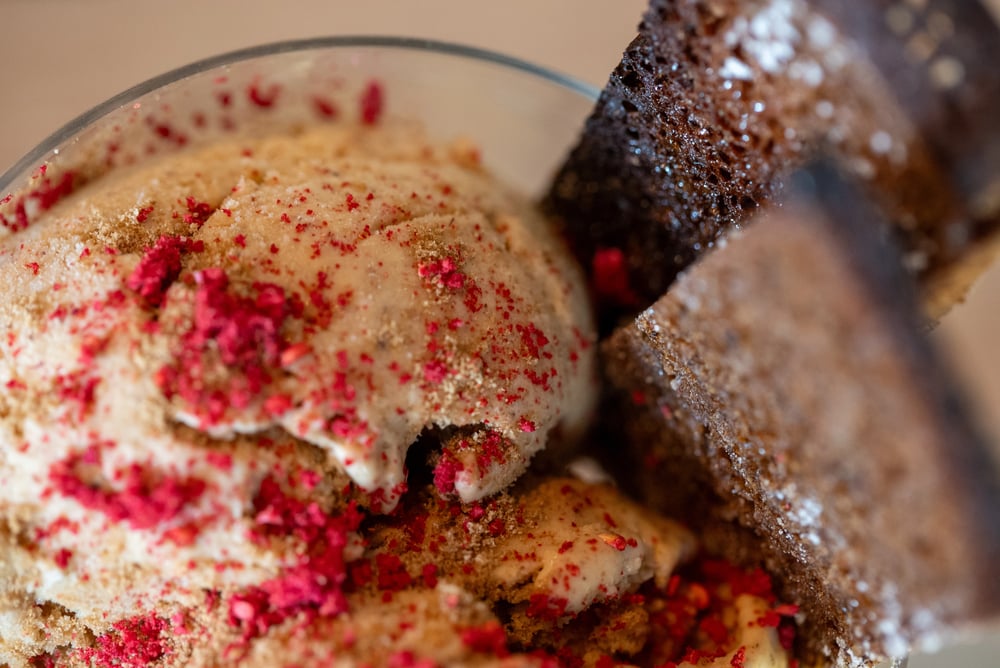
Freeze-dried ice cream was developed for NASA and even appeared in the Apollo 7 press kit, but it has never actually flown into space. The crumbly texture that made it shelf-stable also made it dangerous for spacecraft because floating crumbs could damage equipment or get in astronauts’ eyes.
Despite never making it to orbit, freeze-dried ice cream became the top seller in the Smithsonian Air and Space Museum gift shop. The Neapolitan flavor combination of chocolate, vanilla, and strawberry became what everyone associates with astronaut food, even though real astronauts never ate it in space.
The myth proved more powerful than the reality.
Food cubes for Mercury missions
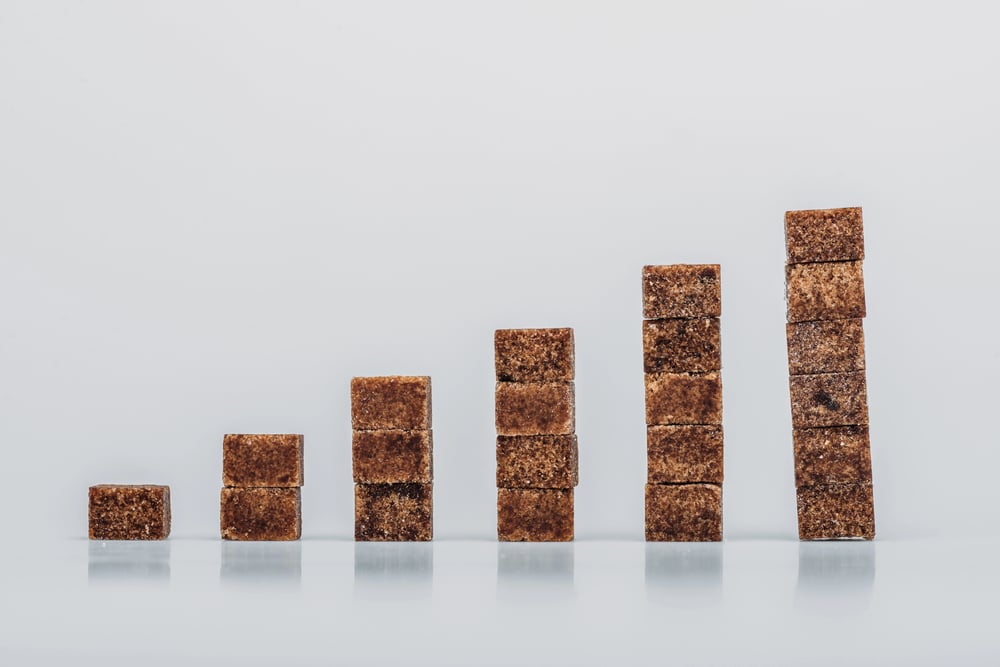
The first solid food consumed by a NASA astronaut was small food cubes eaten by Scott Carpenter on board Aurora 7 in 1962. These bite-sized compressed cubes contained nutrition in compact form but tasted awful.
Astronauts complained loudly about them. The cubes were hard to rehydrate and even harder to swallow.
They represented NASA’s first attempt at space food, developed before anyone really understood what would work in zero gravity. The failure of food cubes pushed NASA to keep improving, leading to better options for later missions.
Tubes of pureed meat and vegetables
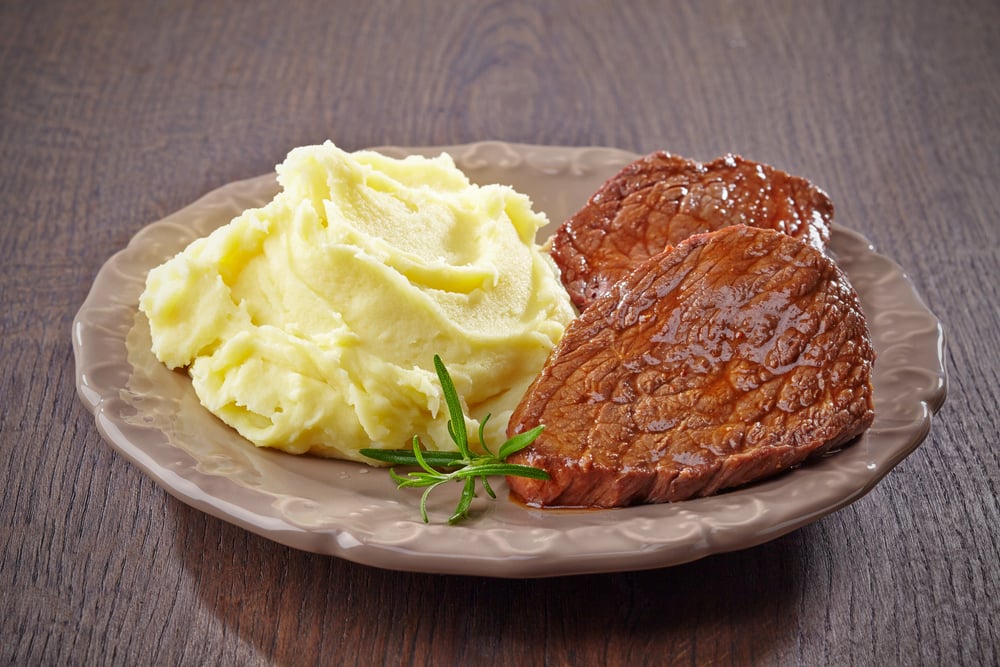
Mercury astronauts squeezed semi-liquid food out of aluminum tubes like toothpaste. Imagine eating dinner by squeezing pureed beef out of a tube.
The idea made sense on paper since tubes wouldn’t create crumbs or require utensils, but the execution left astronauts miserable. The pureed food looked unappetizing and tasted worse.
This feeding method made eating feel more like taking medicine than enjoying a meal. Astronaut feedback about tube food was so negative that NASA quickly moved away from this approach for Gemini missions.
Freeze-dried shrimp cocktail
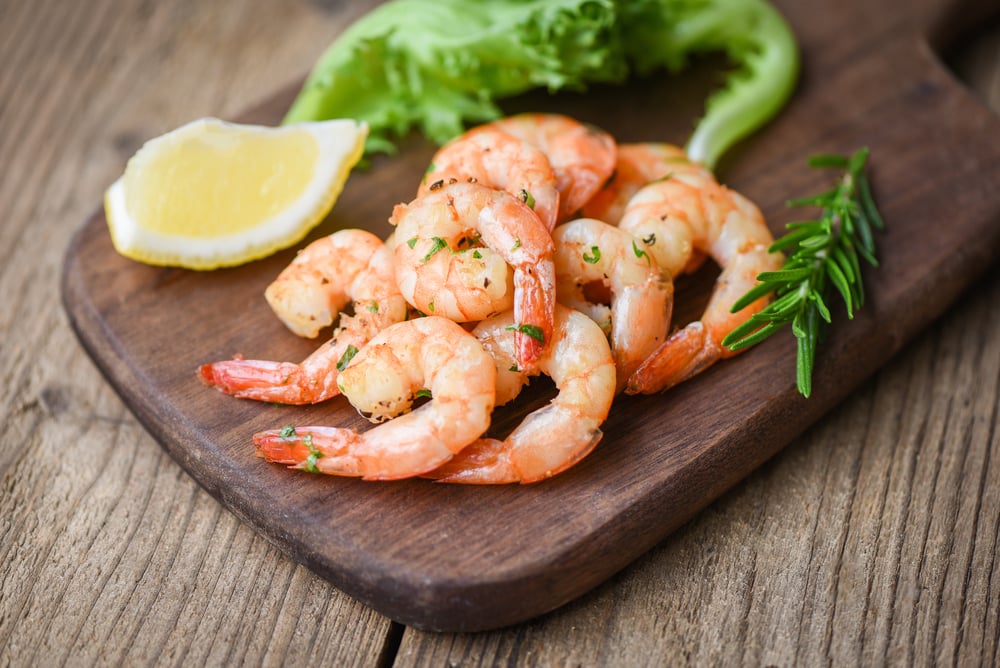
Shrimp cocktails became one of the most popular foods on the International Space Station despite sounding fancy for space travel. The freeze-dried version could be quickly rehydrated and actually tasted good, making it valuable trading material among crew members.
Astronauts from different countries would swap their national foods for American shrimp cocktails. The success of this dish proved that space food didn’t have to be bland or boring.
It also showed that astronauts craved familiar comfort foods from Earth, not just efficient nutrition delivery systems.
Thermostabilized beef and turkey
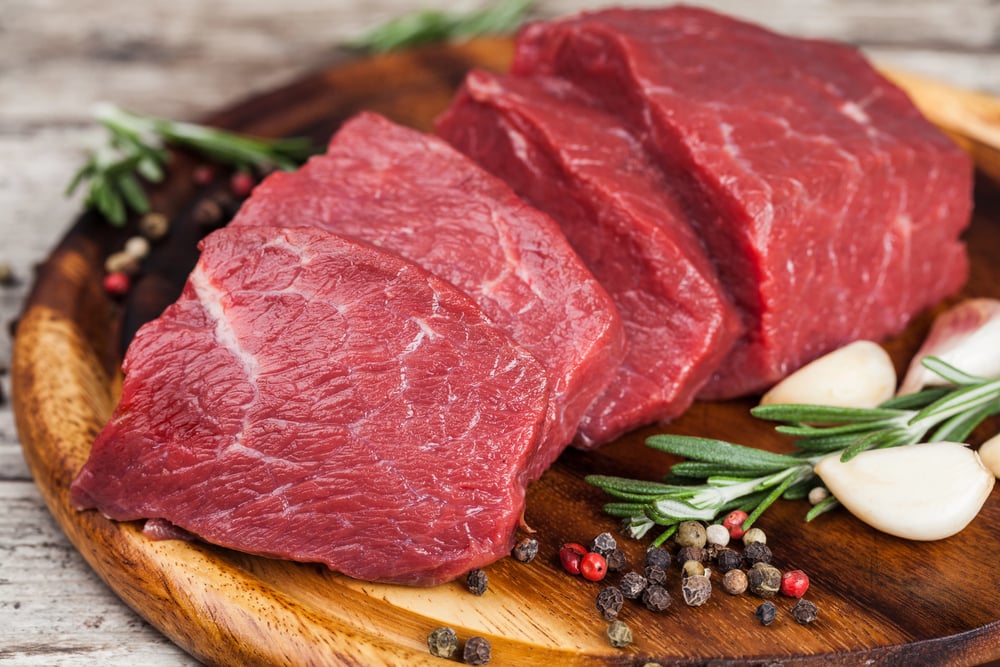
NASA developed thermostabilized pouches for foods like turkey and gravy that didn’t need refrigeration or freezing. These retort pouches combined the advantages of metal cans with the convenience of boil-in bags.
The food inside was cooked, sealed, and heat-treated to kill bacteria, allowing it to sit at room temperature for months or years. Astronauts could heat these pouches and eat relatively normal meals that resembled what they’d have on Earth.
This technology later influenced the development of MREs for military use and emergency food supplies.
Spoon-bowl packages
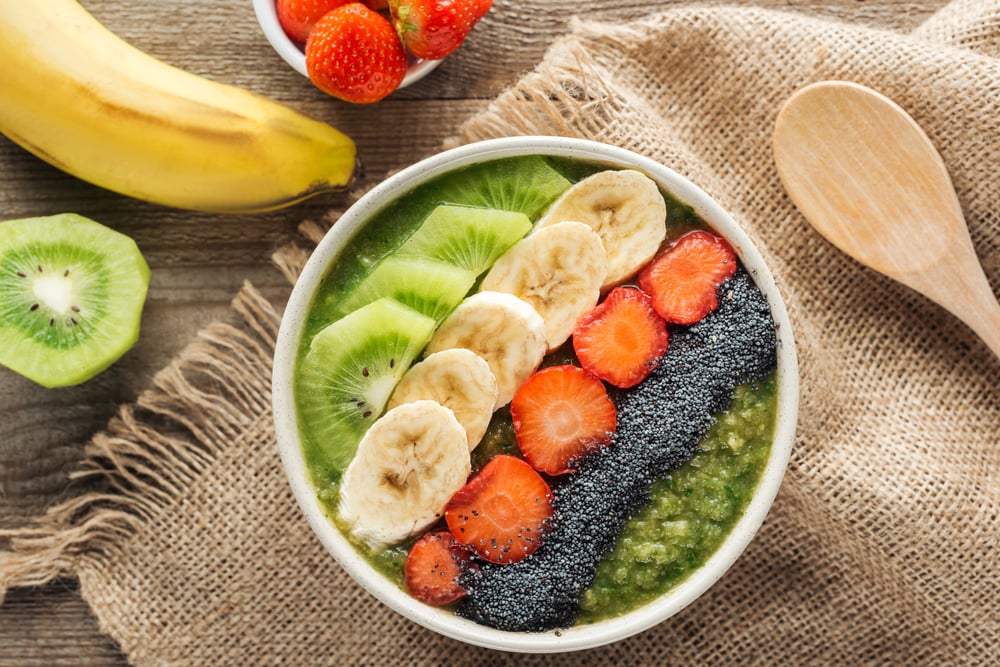
A NASA food technologist named Rita Rapp invented spoon-bowl packages that let astronauts eat more like they would on Earth. The moisture in the food made it stick to spoons instead of floating away in zero gravity.
This simple innovation dramatically improved the eating experience in space. Astronauts no longer had to squeeze food from tubes or struggle with crumbly cubes.
The spoon-bowl package represented a turning point when NASA realized that psychological comfort mattered almost as much as nutritional content for long missions.
Tortillas instead of bread
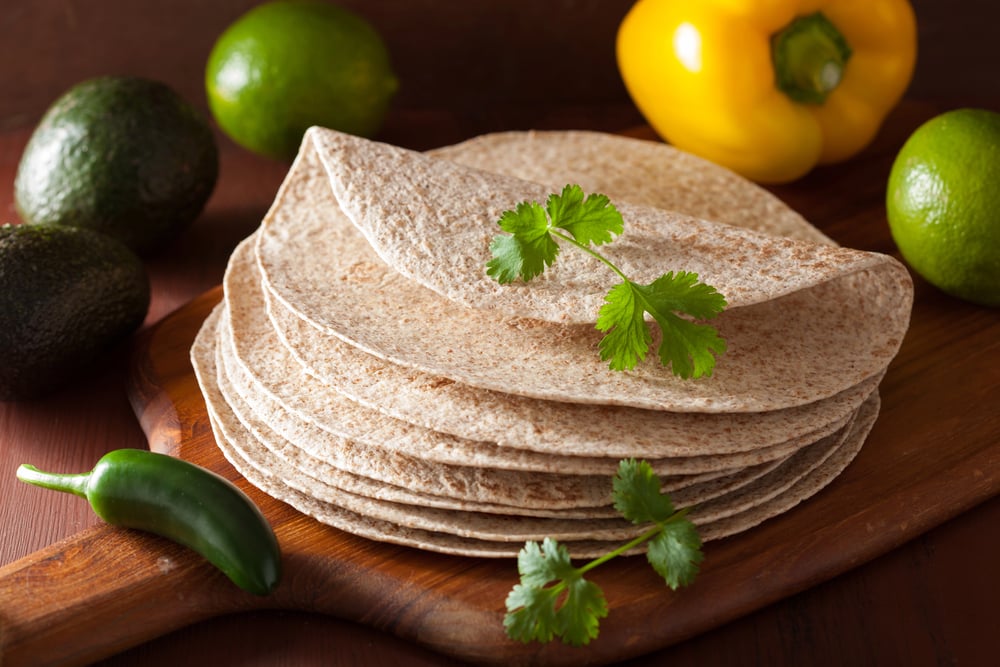
Bread creates crumbs that float everywhere in zero gravity, so NASA switched to tortillas for sandwiches. Fresh tortillas get delivered to the International Space Station on resupply missions and must be eaten within the first two days before they spoil.
Astronauts make peanut butter and honey sandwiches, wraps with various fillings, and other tortilla-based meals. The simple switch from bread to tortillas solved a major problem while giving astronauts more food variety.
Mexican-American astronaut José Hernández specifically requested tortillas for his mission, and they’ve been standard ever since.
Non-crumbly cake
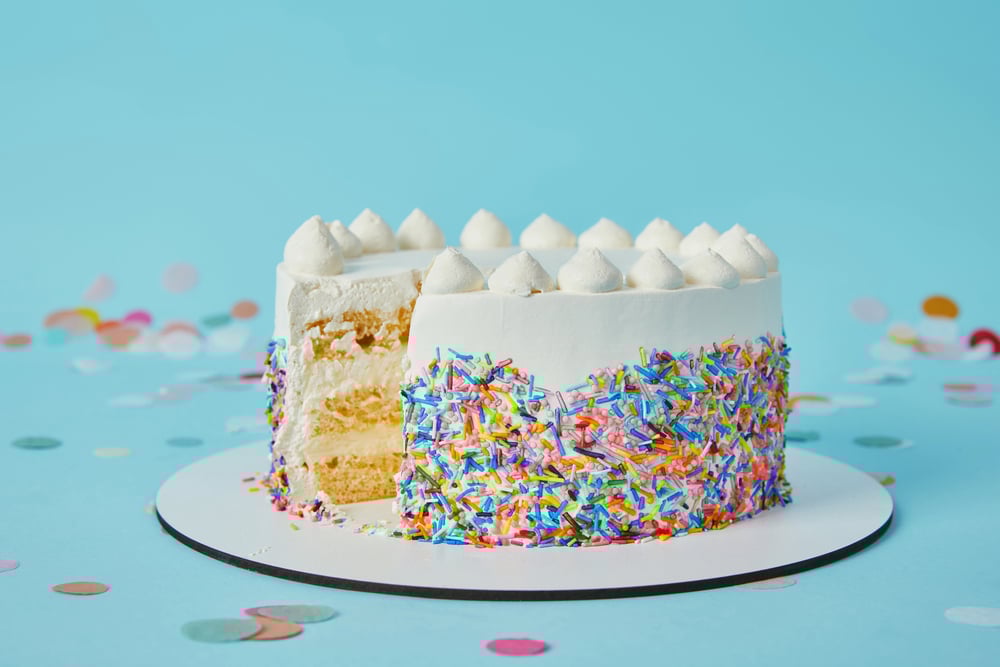
Pillsbury’s food engineers created a cake that somehow didn’t produce crumbs when cut or bitten. This violated everything people knew about how cake worked, but it solved a crucial problem for space missions.
The cake could be eaten safely without sending particles floating through the spacecraft. Details about exactly how Pillsbury achieved this remain somewhat mysterious, but it involved special binding ingredients and cooking methods.
The non-crumbly cake showed how space food development required completely rethinking basic food chemistry.
Sliceable relish
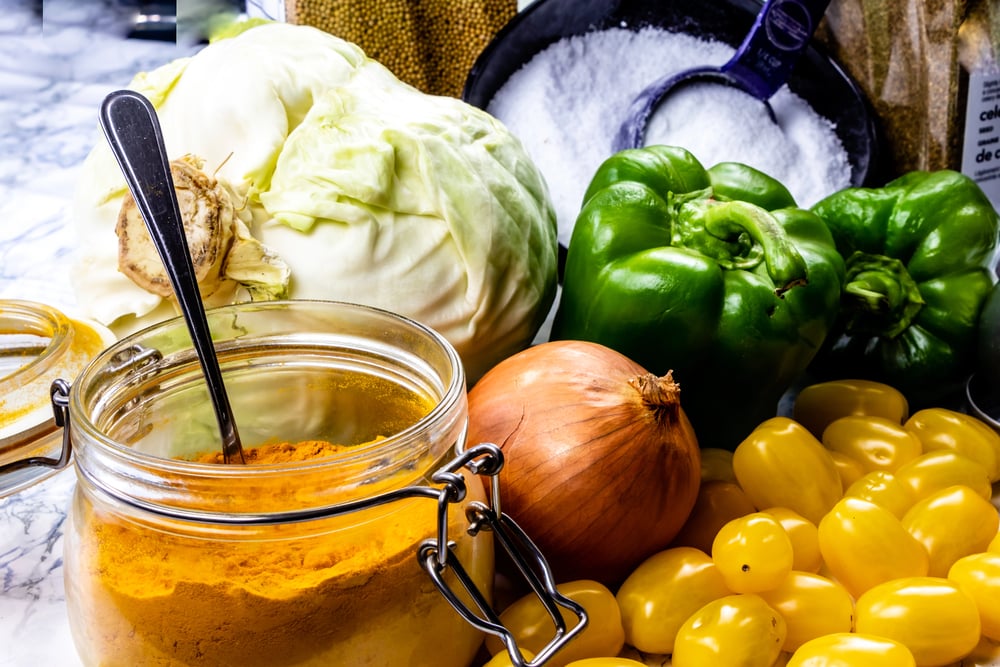
Imagine relish so thick and stable that you could cut it into slices like cheese. Pillsbury developed this strange condiment specifically for space use.
Traditional liquid condiments would float away in droplets, creating mess and potential equipment damage. Sliceable relish could be portioned and placed on food without any risk of escaped liquids.
While it sounds weird, this innovation demonstrated the creative problem-solving required to adapt Earth foods for space. Astronauts could finally have condiments with their meals instead of eating everything plain.
Meat requiring no refrigeration
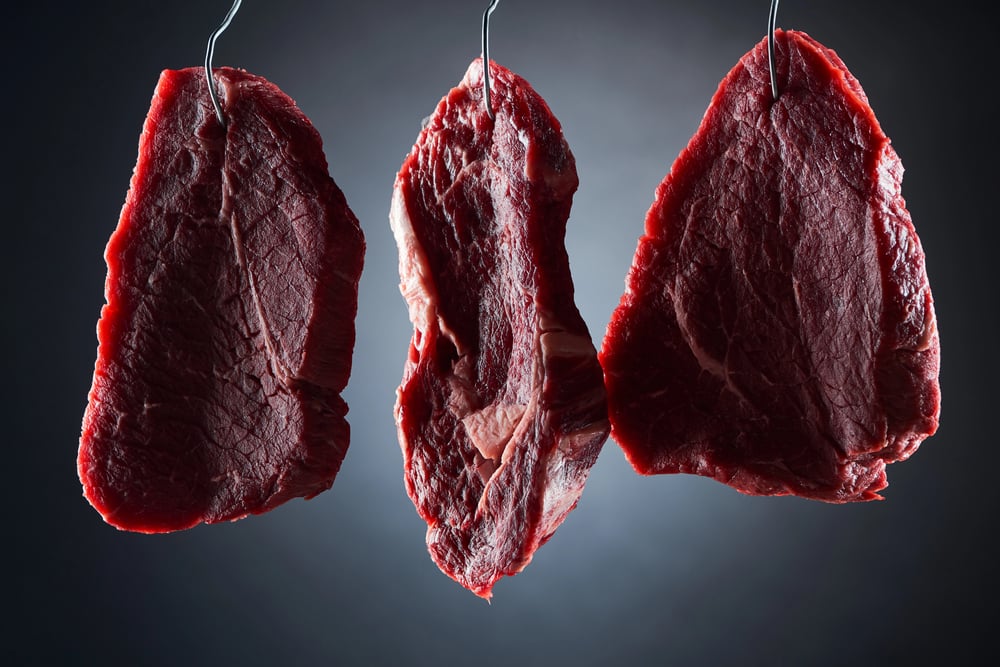
Pillsbury created shelf-stable meat products that could sit unrefrigerated for extended periods without spoiling. This involved special processing, packaging, and sometimes radiation treatment to kill bacteria.
The FDA gave NASA special dispensation to use ionizing radiation for sterilizing beef steak, a method not approved for regular consumer food. These meats gave astronauts protein options beyond freeze-dried alternatives.
The technology developed for space meat later influenced how the food industry approached long-term food storage and preservation.
Beverage pouches with straws
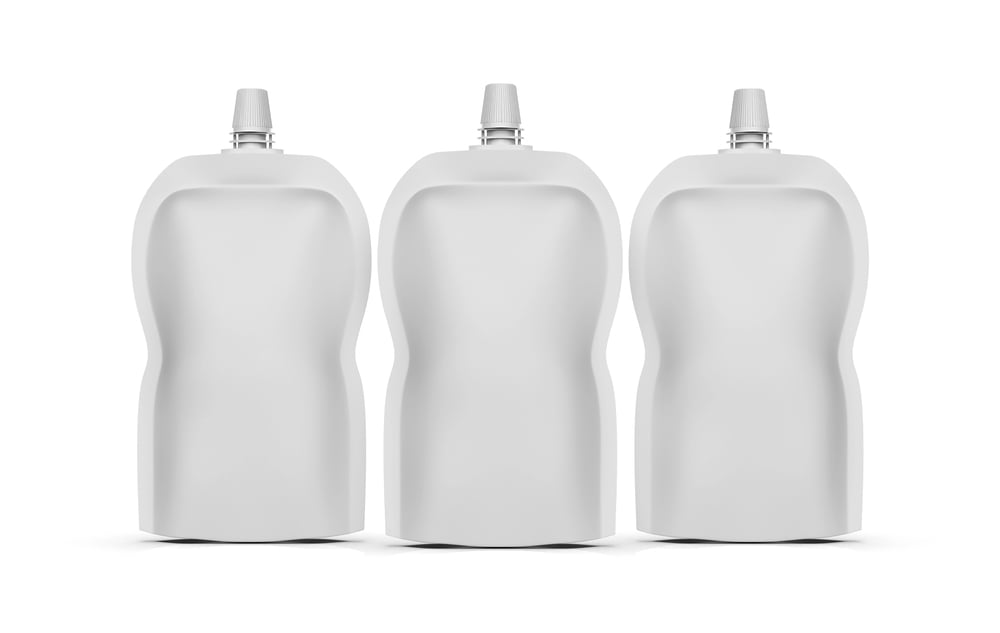
Astronauts drink everything from pouches with straws attached, preventing liquids from escaping and floating around the cabin. Coffee, tea, juice, and water all come in vacuum-sealed pouches.
The straws have clamps that close when not actively being used. This simple system keeps hydration safe and convenient in zero gravity.
Empty pouches get filled with drinking water and reused, reducing waste on long missions. The beverage pouch system has remained essentially unchanged for decades because it works so well.
Fresh fruit on resupply missions
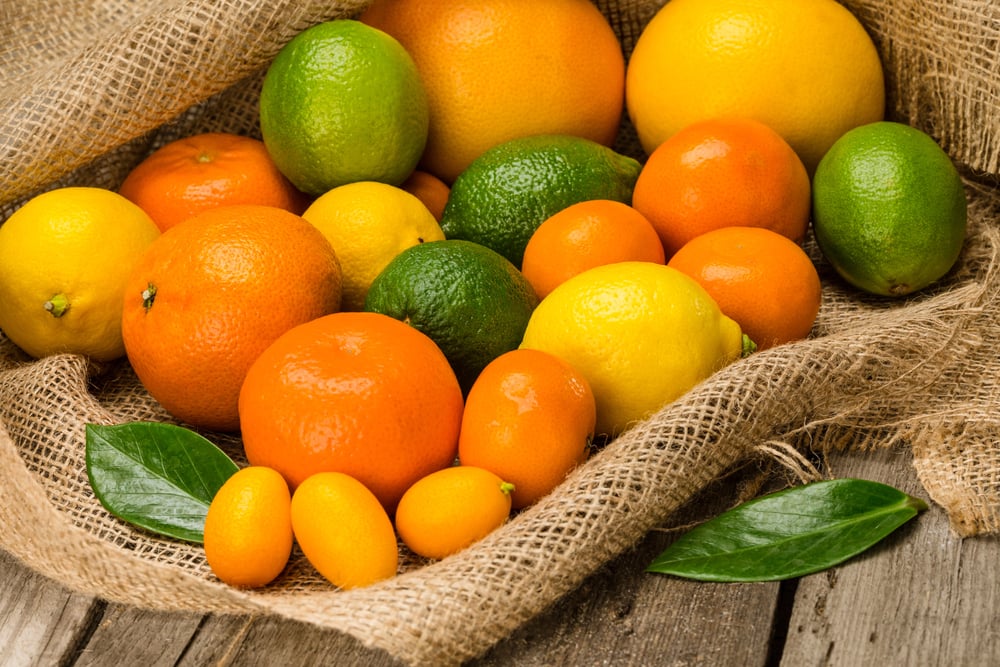
When cargo ships deliver supplies to the International Space Station, they include fresh fruits and vegetables that provide psychological comfort to astronauts. These foods spoil quickly and must be eaten within two days of arrival.
The smell and taste of fresh fruit after weeks of packaged food gives astronauts a powerful emotional boost. Oranges, apples, and other fruit remind crew members of Earth and normal life.
NASA includes these perishables specifically for mental health, not just nutrition, recognizing that food is about more than fuel for the body.
Hot sauce and condiments
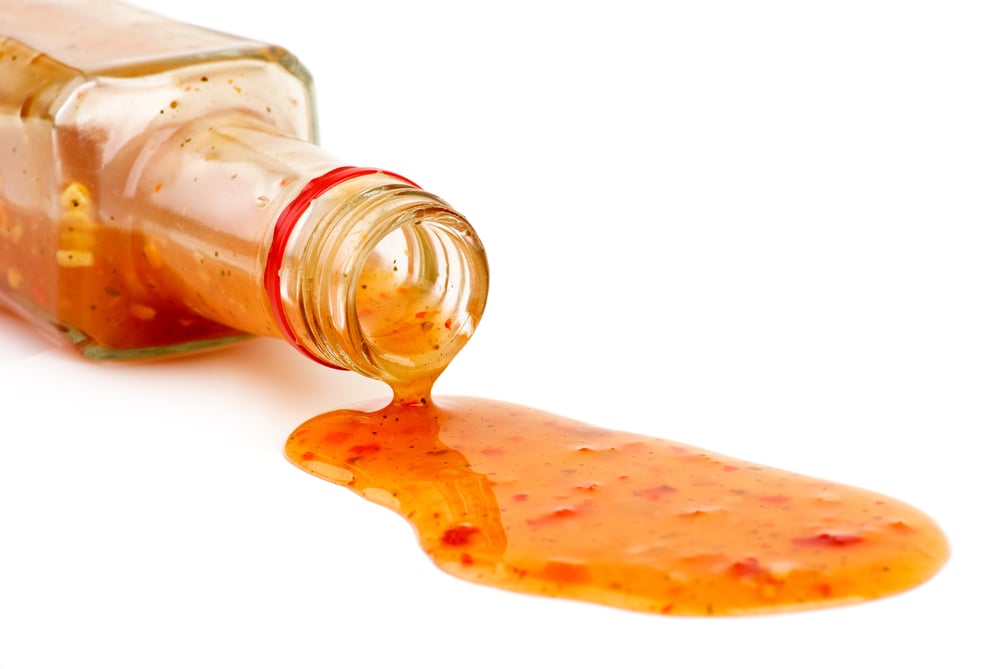
Congestion caused by weightlessness makes food taste bland to astronauts, so the most popular items in the pantry are salt, pepper, and hot sauce. Astronauts drench their food in Tabasco and other spicy sauces trying to taste something, anything.
The sauces come in liquid form but get applied carefully to prevent floating droplets. This explains why astronauts often request the spiciest versions of foods available.
Their taste buds are literally dulled by being in space, requiring extra flavor to register any taste at all.
Individually wrapped beef jerky
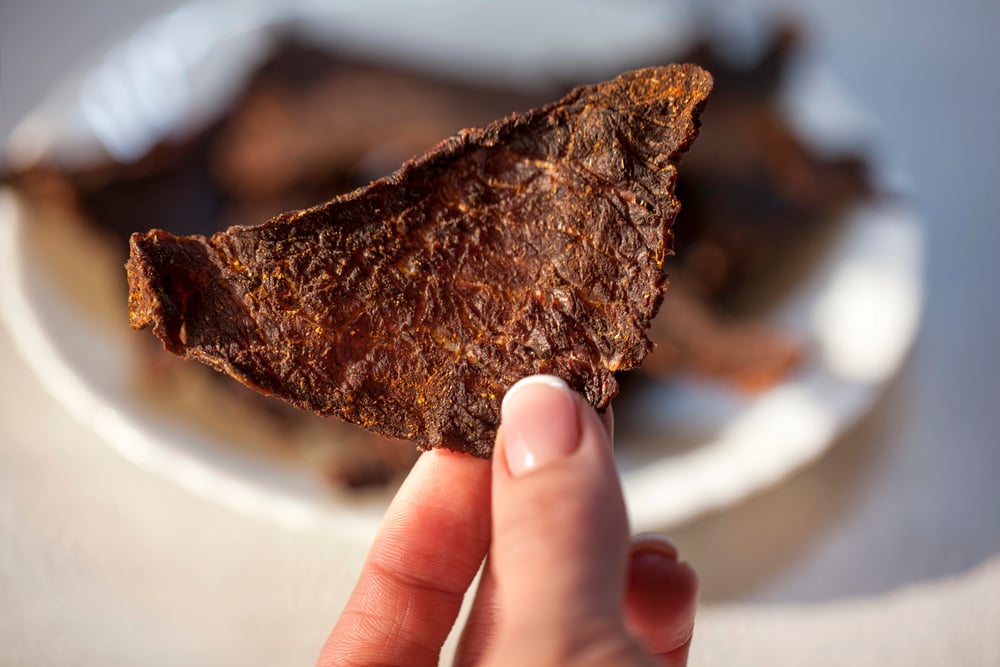
Astronauts find themselves reaching for familiar snacks when far from home. Wrapped separately, each portion stays clean and ready.
This version travels just as it leaves the factory floor. Without needing heat or water, chewing on it fits easily into tight routines.
Protein packed with a salty kick keeps cravings at bay. Since very little water lives inside, rot has no chance to start.
Astronauts today might pick their favorite beef jerky brand before launch – small choices that feel familiar up there. What once started as lab-made pastes now includes everyday treats, simply because they hold up off the planet.
Bulgarian and international space foods
From nations that send people into orbit came meals adapted for zero gravity. Not just fuel for bodies but flavors from home shaped by science.
Bulgaria turned classics – tarator, sarma, even kiselo mlyako – into freeze-dried forms via its cryo lab. Each dish is stripped of moisture yet holding taste.
Sushi rolls and salty plum rice now float above Earth thanks to Japan’s efforts. Ramen rehydrated in microgravity warms up quiet cabins.
Chinese menus feature spicy yuxiang pork alongside peanuts in Kung Pao style. These aren’t replicas – they’re real food transformed.
Russia keeps it hearty: sour soup with cabbage, stewed meat, pickled fish on the side. Every bite ties a cosmonaut to tradition, far from ground.
Home-style meals in space carry flavors that comfort those far away. Yet they also open doors – offering teammates from distant countries a taste of new customs through every bite.
What floats inside the station today once grew in soil under foreign skies. Sharing what we eat becomes sharing who we are, without needing words. Food travels well, even here, miles above borders.
From tubes to tables
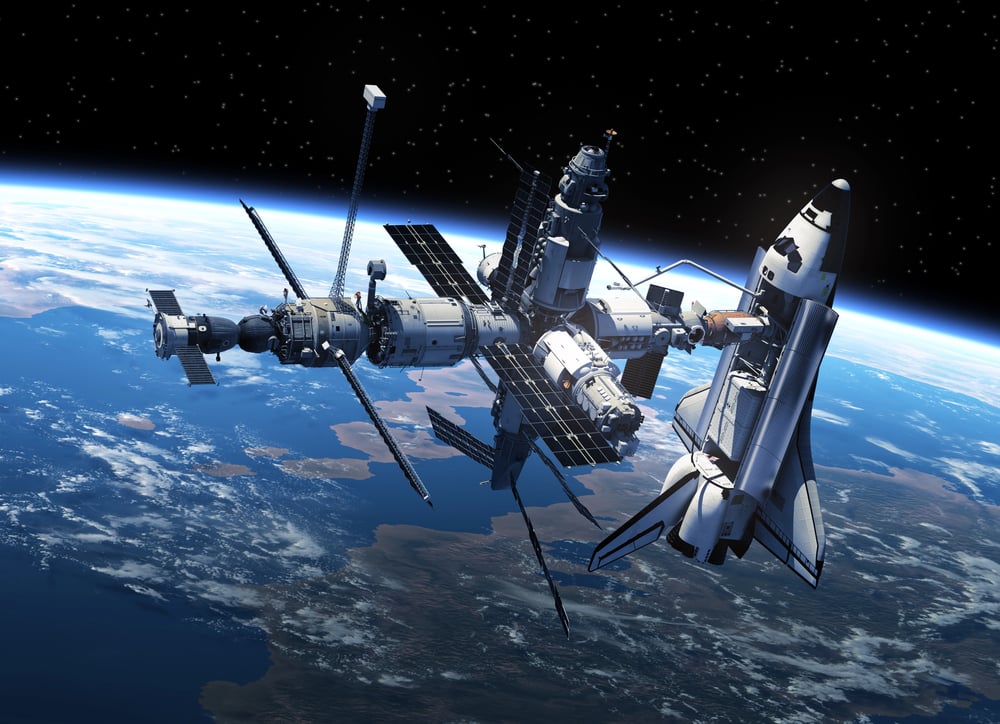
Out of squeeze-tube meats grew mango slices and curry packs, a quiet sign of progress since the first rockets climbed skyward. Back then, flights blinked out fast – so who cared if dinner tasted like wet chalk.
Now crews float for half a year, needing more than fuel – they crave warmth on a plate. Things made for orbit found their way into backpacks, pantries, lunchboxes: instant soups, chewy bars, packets you revive with water.
It began as engineering math – how to pack calories without mess – but ended up feeding ideas, not just bodies. Up there, far from soil and seasons, someone heats a meal that smells like home, proving flavor travels farther than any rocket.
More from Go2Tutors!

- The Romanov Crown Jewels and Their Tragic Fate
- 13 Historical Mysteries That Science Still Can’t Solve
- Famous Hoaxes That Fooled the World for Years
- 15 Child Stars with Tragic Adult Lives
- 16 Famous Jewelry Pieces in History
Like Go2Tutors’s content? Follow us on MSN.