15 Coldest Places on Earth and How People Live There
Our planet features some truly remarkable extremes when it comes to temperature. While many of us complain about winter chills or having to scrape ice off car windshields, certain communities around the world deal with cold that most people can’t even imagine.
These frigid locations challenge human adaptability and showcase incredible survival techniques that have evolved over generations. Here is a list of 15 of the coldest inhabited places on Earth and the fascinating ways people have adapted to live in these extreme environments.
Oymyakon, Russia
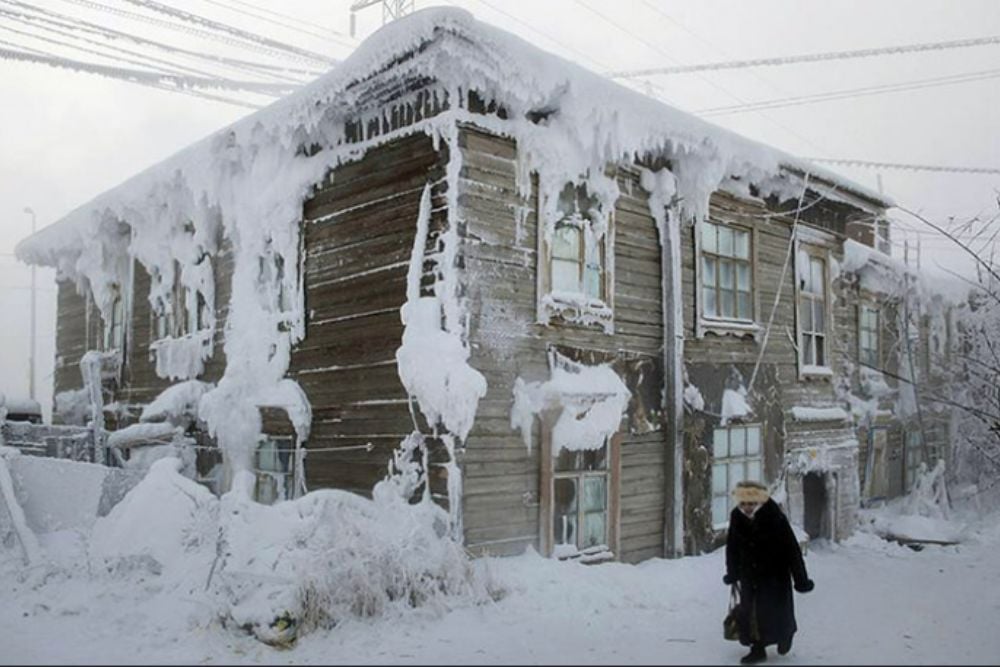
This small Siberian village holds the record for the coldest permanently inhabited place on Earth, with temperatures once plummeting to -90°F. The roughly 500 residents build their homes partially underground to trap heat, and cars left outside overnight must be kept running or placed in heated garages to prevent engines from freezing solid.
Local children attend school until temperatures drop below -52°F, which is surprisingly frequent during the winter months.
Verkhoyansk, Russia
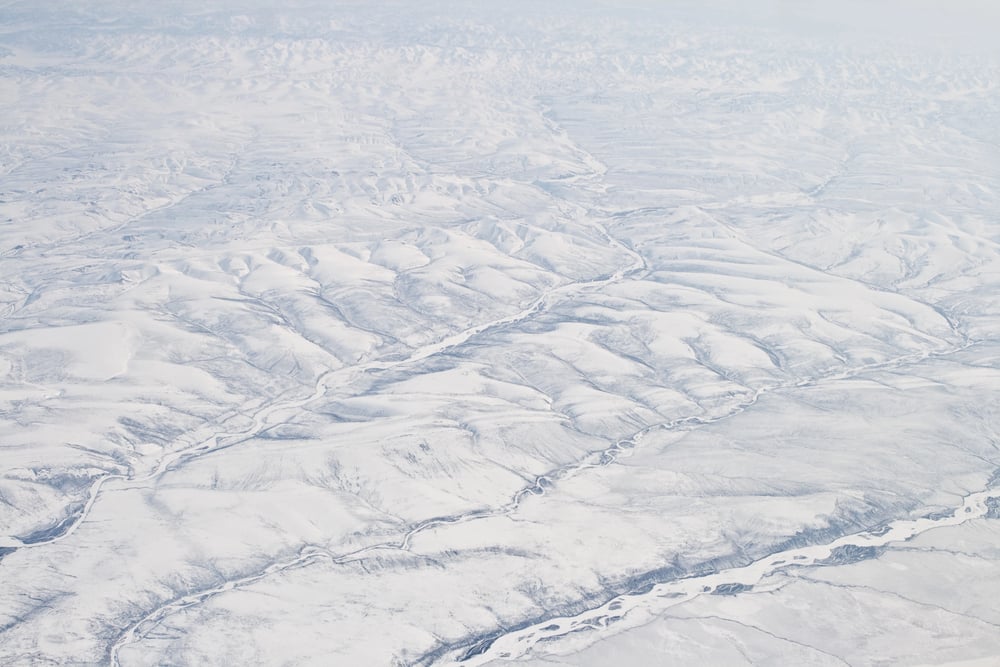
Often competing with Oymyakon for the title of coldest inhabited place, Verkhoyansk experiences winter temperatures that regularly fall below -60°F. The 1,000 residents primarily raise reindeer and hunt for subsistence, wearing traditional fur clothing that has been perfected over centuries.
Their homes feature extremely thick walls, tiny windows, and double or triple entry doors to create insulating air pockets.
Yakutsk, Russia
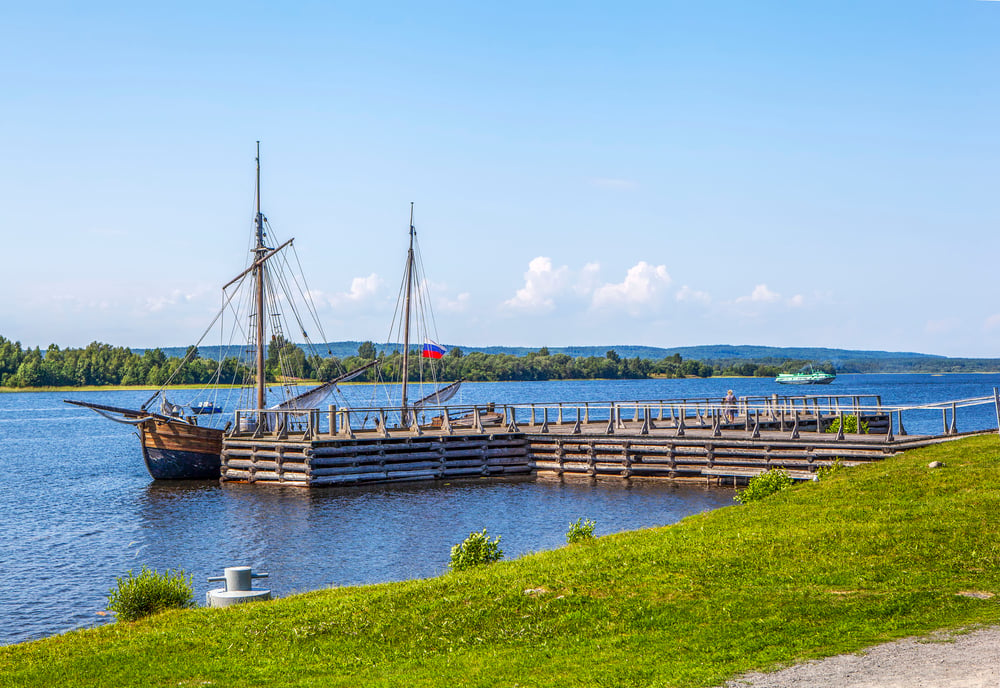
Unlike the smaller villages, Yakutsk is a proper city with over 300,000 people living in this permafrost region where winter temperatures average -30°F for months. Buildings stand on stilts to prevent heat from melting the permafrost foundation, and underground utilities run in insulated above-ground boxes.
Residents often wear fur coats so thick they can stand upright on their own, and many homes connect to centralized heating systems that run constantly.
Barrow (Utqiagvik), Alaska
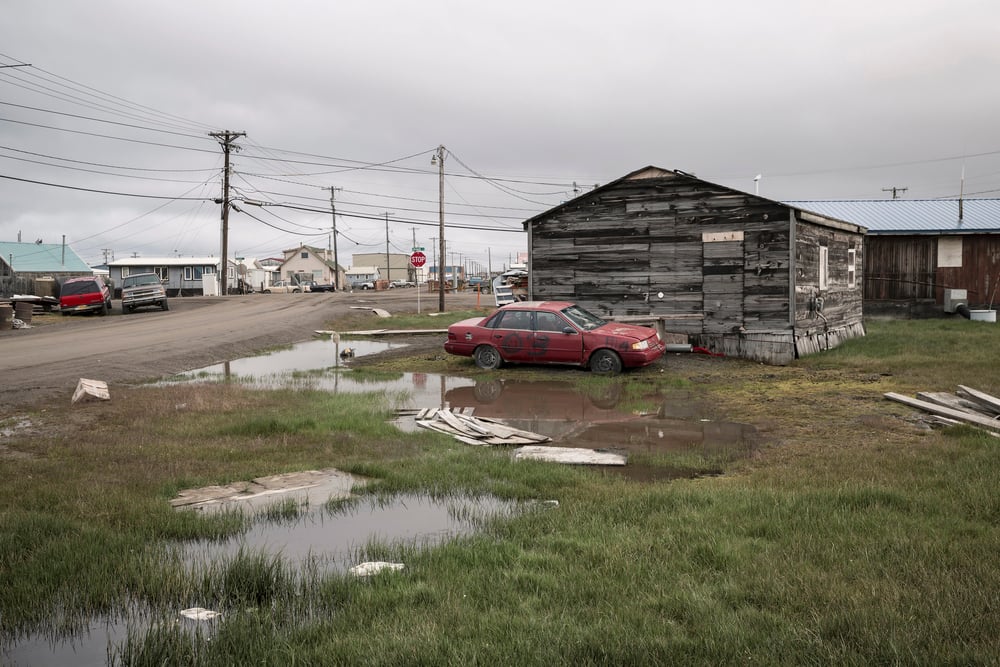
The northernmost city in the United States experiences polar night, 67 days of darkness each winter. Average winter temperatures hover around -20°F, and the 4,500 residents maintain many traditional Inupiat practices alongside modern conveniences.
Hunting whale, seal, and caribou remains important to the community, with traditional ice cellars dug into the permafrost serving as natural freezers for storing meat.
Eureka, Canada
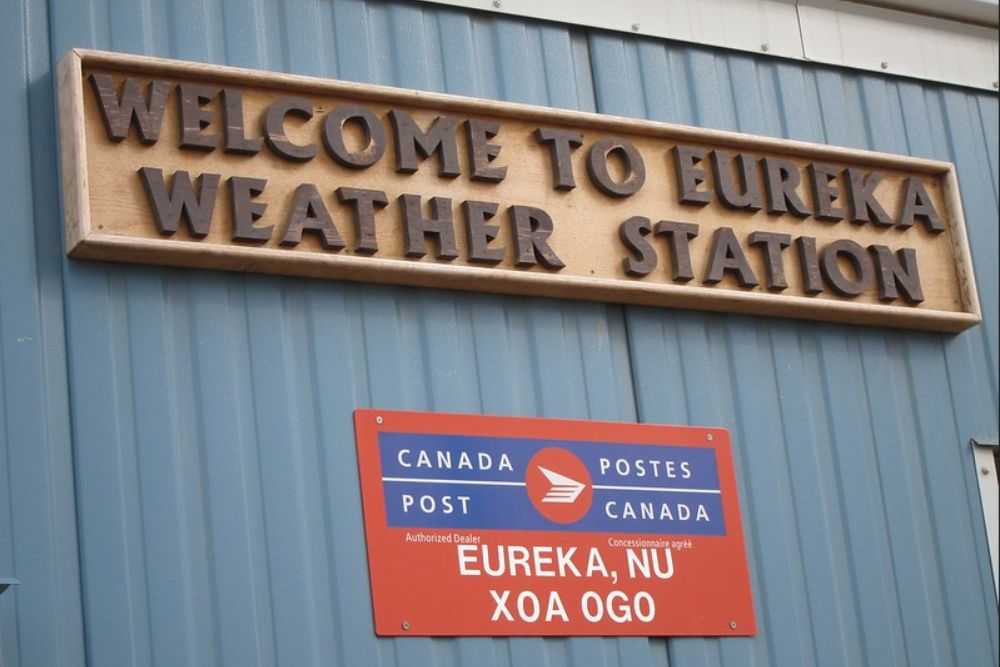
This remote research station on Ellesmere Island houses only a handful of permanent residents who endure average winter temperatures of -40°F. Scientists rotate through assignments here, living in specially designed buildings with reinforced insulation.
Fresh food is a luxury, arriving only via occasional supply flights when weather permits, and residents must watch for polar bears whenever venturing outside.
Norilsk, Russia
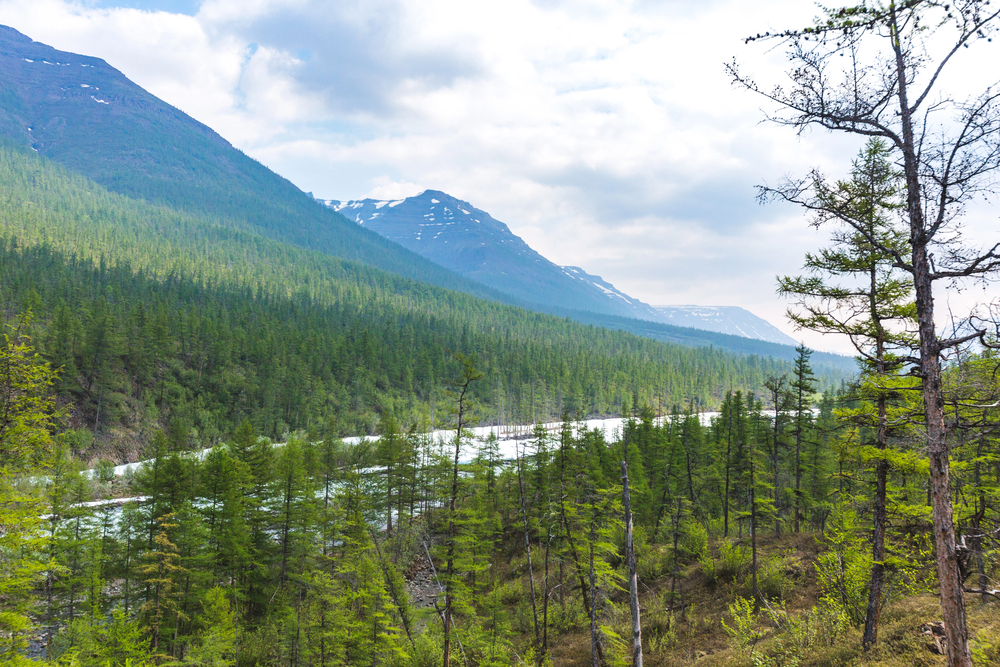
This industrial city of 175,000 people exists primarily to support nickel mining operations despite average winter temperatures of -22°F. The city’s architecture features blocky, functional buildings arranged to create windbreaks, and most structures connect via enclosed passages so residents can move between locations without going outside.
The surrounding pollution unfortunately creates acid rain, and the city remains closed to foreign visitors without special permits.
International Falls, Minnesota
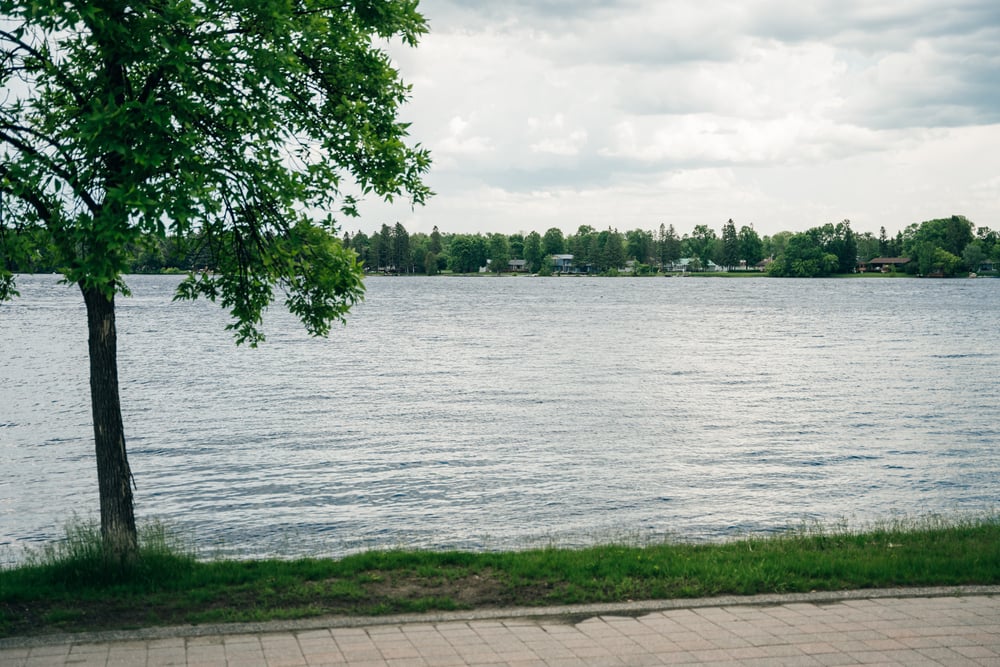
Known as the ‘Icebox of the Nation,’ this American town regularly records temperatures below -40°F during winter months. The 6,000 residents embrace their frigid reputation, holding annual Icebox Days festivals featuring frozen turkey bowling and snow sculpture competitions.
Homes feature extra insulation, heated garages, and most vehicles come equipped with engine block heaters that must be plugged in overnight.
Fraser, Colorado
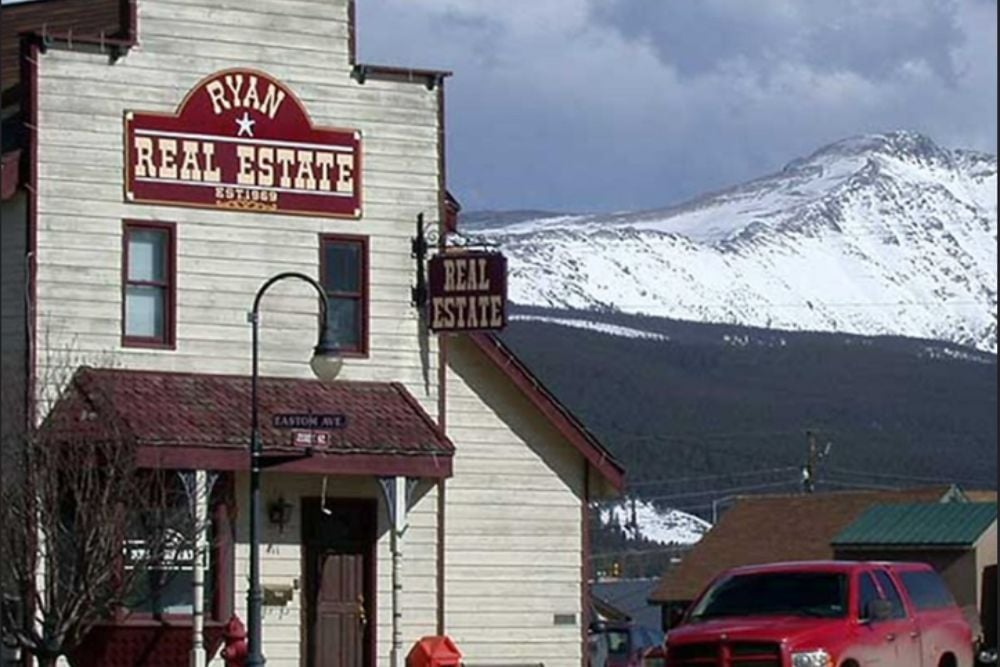
This small Rocky Mountain town frequently records the coldest temperatures in the continental United States, with readings regularly dropping below -30°F. Residents rely on wood stoves for supplemental heating and practice ‘layered living’—arranging their homes with the most frequently used spaces receiving priority heating.
The town’s water infrastructure requires special engineering to prevent freezing, with pipes buried far deeper than in most American communities.
Hell, Norway
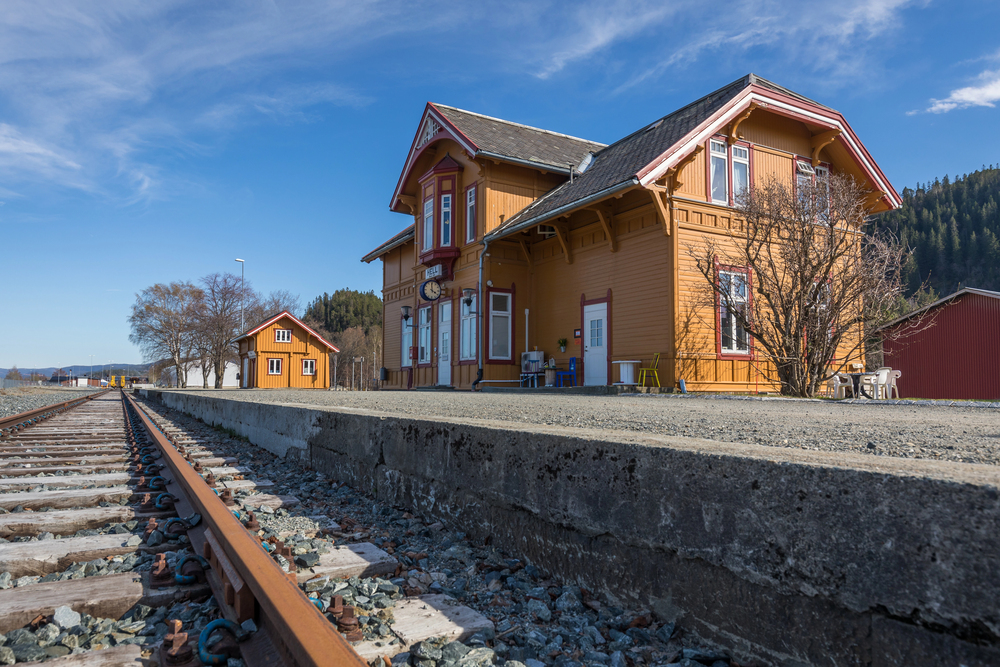
Despite its fiery name, this small Norwegian town experiences average winter temperatures around -13°F. The approximately 1,500 residents have embraced winter tourism, offering dogsledding adventures and ice fishing expeditions.
Houses feature the characteristic Scandinavian design with steep roofs to prevent snow accumulation, and most homes incorporate saunas for warming up after outdoor activities.
Yellowknife, Canada
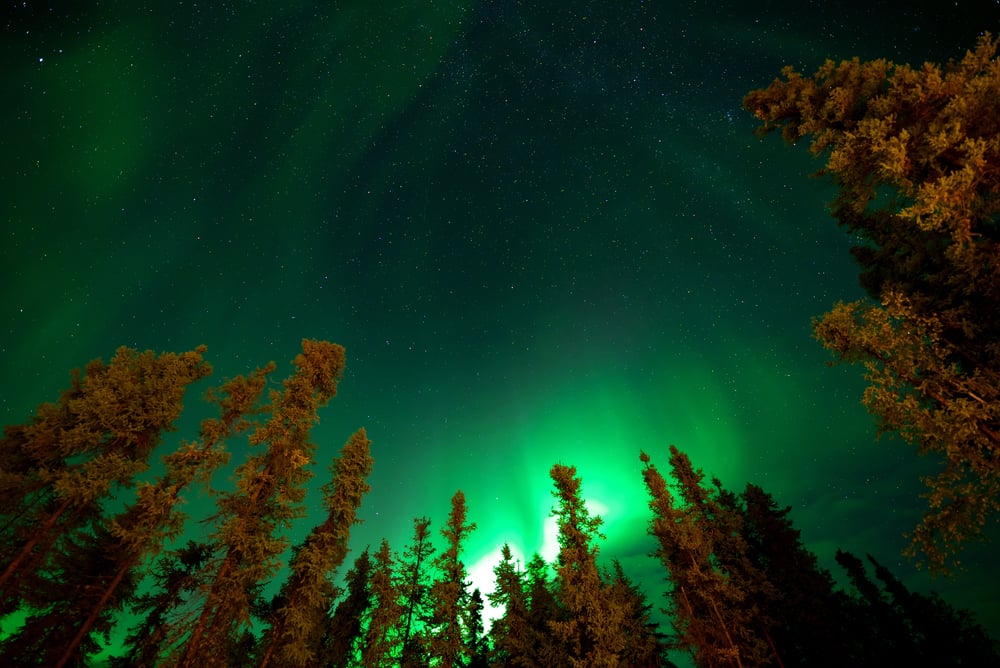
The capital of Northwest Territories sits just 250 miles from the Arctic Circle and regularly sees temperatures below -40°F. The 20,000 residents have developed unique adaptations including car plug-in stations throughout parking lots and specialized urban planning that maximizes sun exposure.
Many homes incorporate solar panels despite limited daylight hours, and the community operates on continuous heating systems that never shut off during winter months.
Harbin, China
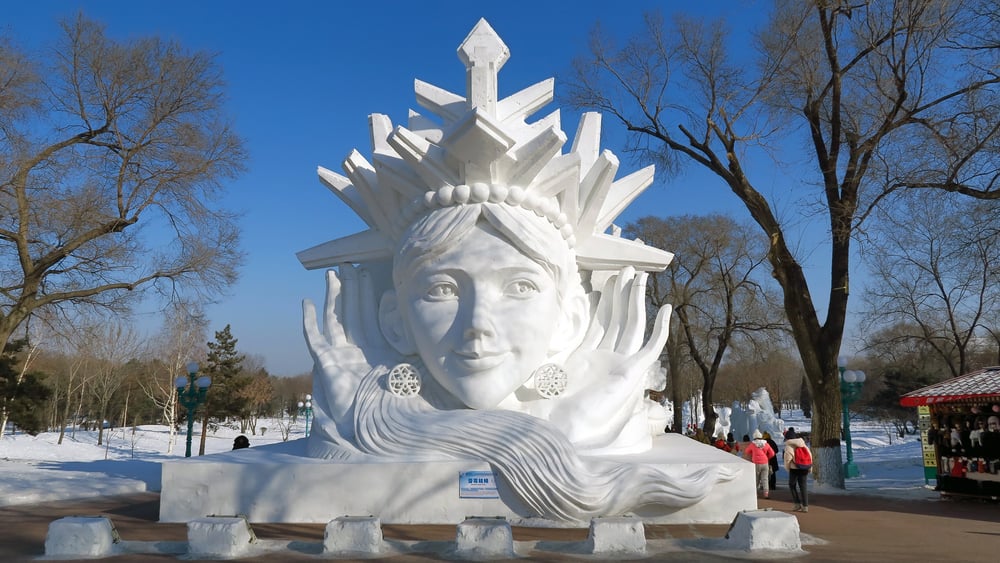
Known for its spectacular Ice Festival, this city of 10 million people regularly experiences temperatures around -20°F. Residents have developed specialized diets heavy in fatty foods to generate body heat, and traditional homes incorporate heated “kang” bed-stoves where families sleep.
The city infrastructure features underground heating pipes connecting major buildings, and public transportation runs continuously regardless of weather conditions.
McMurdo Station, Antarctica
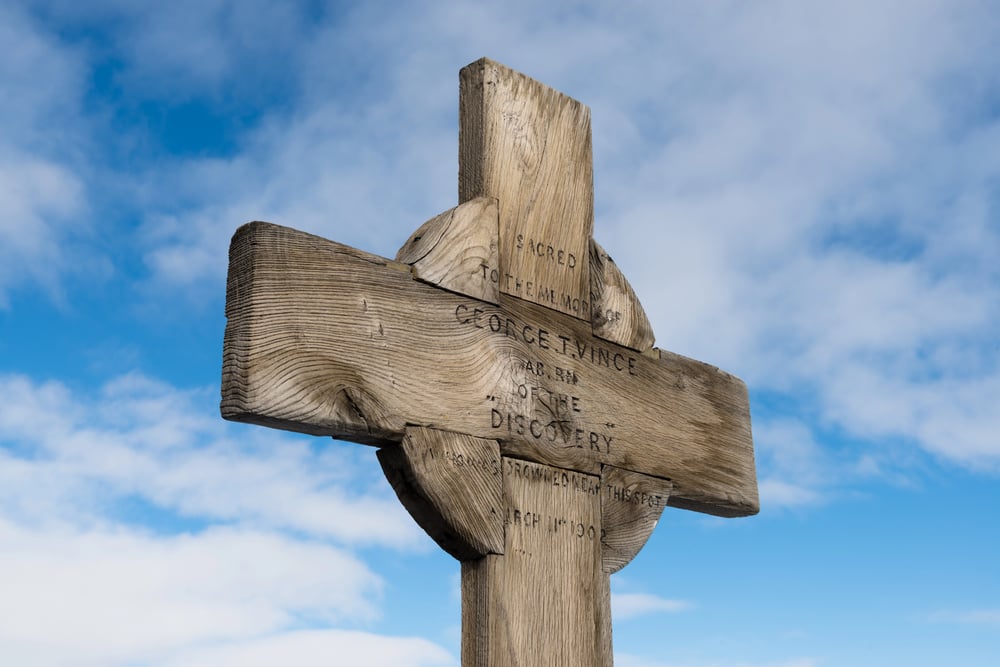
While technically not a permanent settlement, this American research station houses up to 1,200 personnel during summer months and around 200 during the harsh winter season when temperatures average -18°F but can drop much lower. Inhabitants live and work in specially engineered buildings connected by enclosed corridors, and fresh food becomes increasingly scarce during the winter isolation period when no planes can land for months.
Snag, Yukon Territory
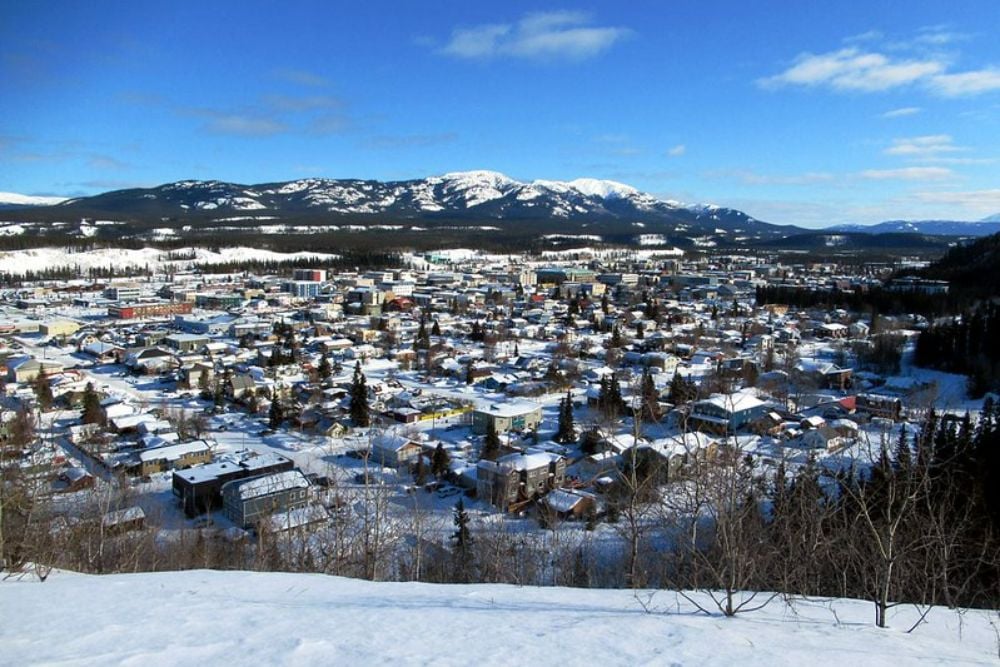
This tiny settlement recorded the lowest temperature in continental North America at -81°F in 1947. Though now virtually uninhabited, the few residents who remain in the general area live in superinsulated log cabins and maintain traditional hunting practices.
Indigenous knowledge plays a crucial role in survival, with carefully designed clothing featuring multiple layers of fur with the hairs arranged to maximize insulation properties.
Ulaanbaatar, Mongolia
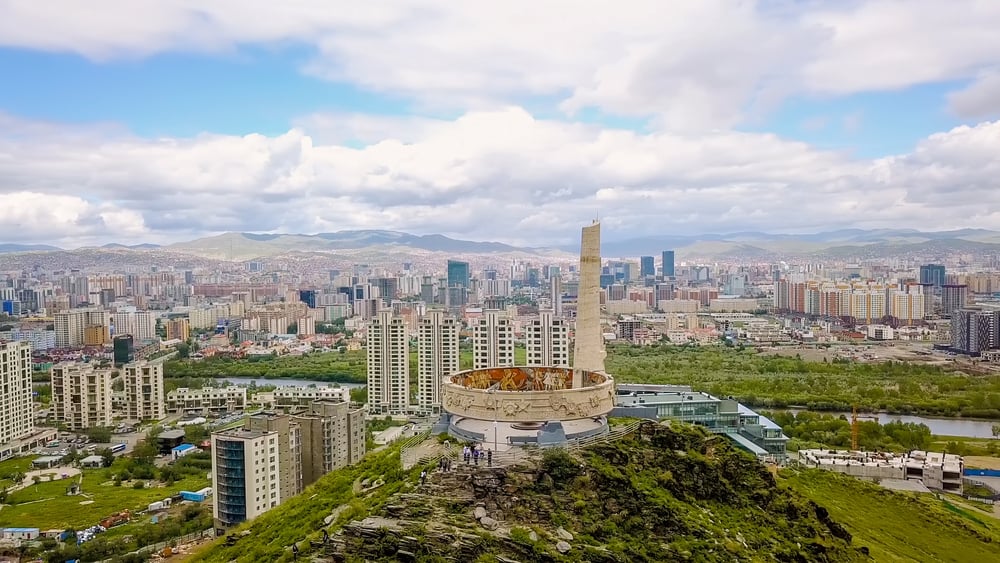
The world’s coldest capital city averages winter temperatures around -13°F, with extremes dropping to -40°F. Many of the city’s 1.4 million residents live in traditional ger (yurt) dwellings heated by coal stoves, creating severe air pollution problems.
Urban residents in apartments often deal with infrastructure challenges as Soviet-era centralized heating systems struggle to keep up with growing demand during the coldest months.
Like Go2Tutors’s content? Follow us on MSN.
Vostok Station, Antarctica
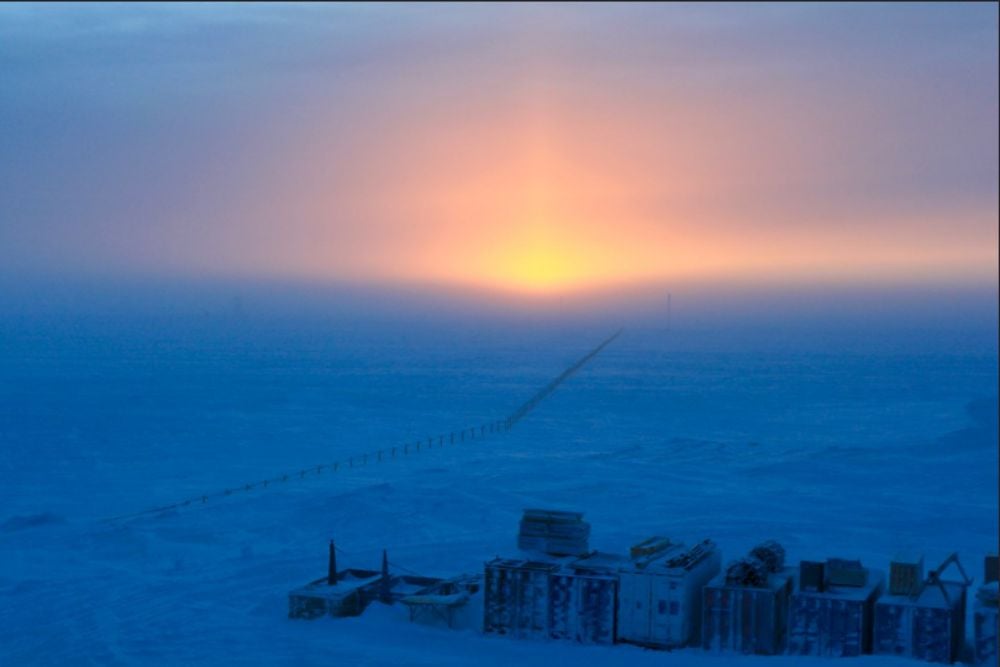
While not permanently inhabited in the traditional sense, this Russian research station has recorded the lowest temperature on Earth at -128.6°F. The few dozen scientists who rotate through assignments here live in specialized modules built to withstand extreme conditions.
Activities outside require full-body protection with special breathing apparatus, and any exposed skin can freeze in seconds. The station remains completely isolated for months at a time, with personnel preparing psychologically for the extreme isolation.
Life in the Frozen Frontier

These remarkably resilient communities demonstrate human adaptability at its finest. People in the world’s coldest places have developed specialized knowledge about everything from architecture to clothing design that allows them to not just survive but often thrive in conditions that would be fatal to the unprepared.
Their innovative approaches to everyday challenges remind us of our capacity to adapt to Earth’s most extreme environments, even as climate change begins altering these ancient patterns of cold-weather living.
More from Go2Tutors!

- The Romanov Crown Jewels and Their Tragic Fate
- 13 Historical Mysteries That Science Still Can’t Solve
- Famous Hoaxes That Fooled the World for Years
- 15 Child Stars with Tragic Adult Lives
- 16 Famous Jewelry Pieces in History
Like Go2Tutors’s content? Follow us on MSN.