Strange History Facts About US States
History textbooks tend to polish things up. They give you the highlights, the heroes, the major battles.
But the real story of America includes bizarre laws, strange experiments, and moments so odd they sound made up. Each state has its own collection of these peculiar chapters—the kind that make you pause and wonder how things actually played out that way.
Connecticut Once Banned Walking Across Streets on Your Hands

In Hartford, Connecticut, lawmakers decided in the early 1900s that crossing the street while doing a handstand posed too much of a public safety risk. The law stayed on the books for decades.
Whether anyone actually got fined for this remains unclear, but the fact that officials felt the need to ban it suggests someone tried it enough times to become a problem.
Oregon Held the Only Mainland Battle in WWII
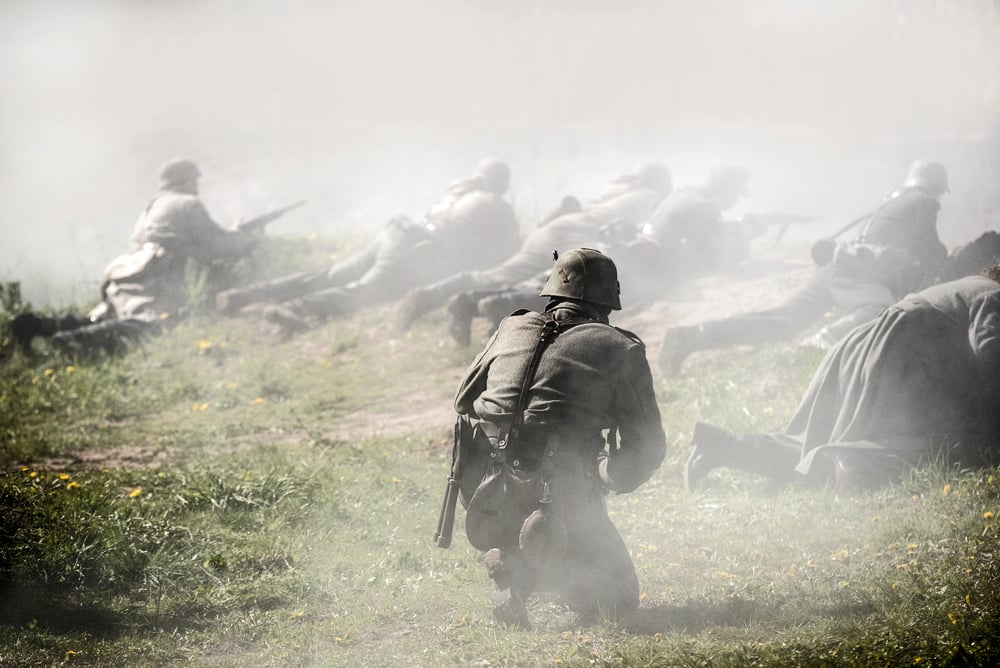
Most Americans think of World War II as something that happened overseas. But in 1942, Japanese forces actually bombed Brookings, Oregon.
A pilot launched an incendiary bomb from a seaplane, hoping to start forest fires. The attempt failed—the forest was too wet.
Decades later, that same pilot returned to Brookings as an honored guest and presented the city with his family’s 400-year-old samurai sword as a peace offering.
Kentucky Has More Bourbon Barrels Than People
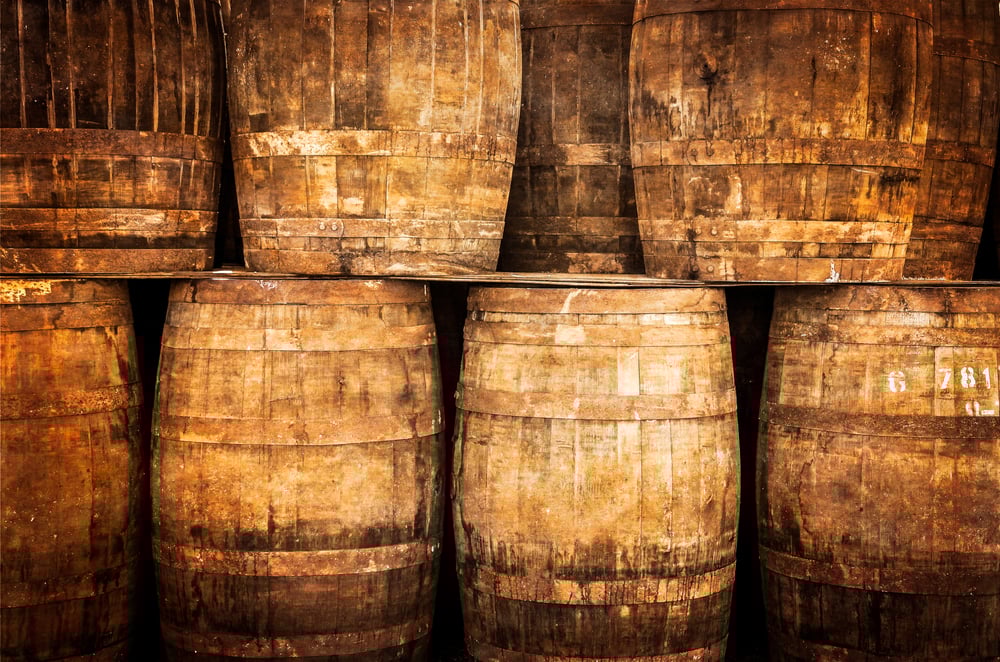
Kentucky’s population sits around 4.5 million people. The state houses over 10 million barrels of aging bourbon.
That means the barrels outnumber residents more than two to one. During aging, a significant portion of each barrel evaporates—distillers call it “the angel’s share.”
So technically, Kentucky’s air is slightly bourbon-scented, especially near distilleries.
Nebraska Defined an Official State Soft Drink

Most states pick flowers or birds as their official symbols. Nebraska went with Kool-Aid in 1998.
The powdered drink was invented in Hastings, Nebraska by Edwin Perkins in 1927. He originally called it “Fruit Smack” but changed the name after developing the powder form.
The state legislature apparently felt this achievement deserved recognition. The Kool-Aid Museum still operates in Hastings, complete with a wall displaying every flavor ever made.
New Jersey Sued New York Over Ellis Island
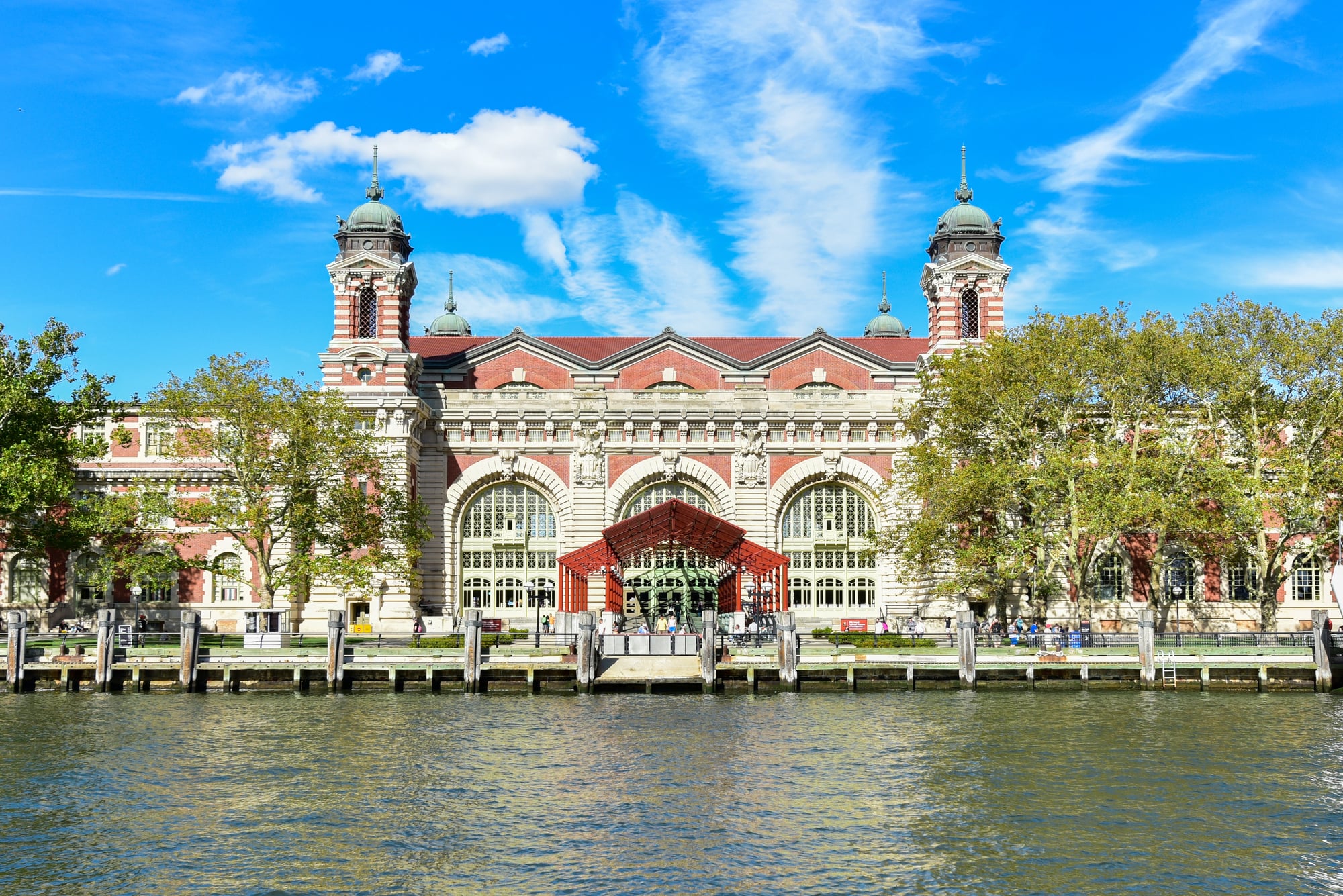
For years, New York claimed Ellis Island as its own. New Jersey disagreed, pointing out that most of the island sits on the New Jersey side of the state line.
The dispute went all the way to the Supreme Court in 1998. The court ruled that the original island belonged to New York, but all the landfill added over the years—about 24 acres—belonged to New Jersey.
So now both states can claim a piece of one of America’s most famous landmarks.
Alaska Tried to Sell Itself

When Russia controlled Alaska, they viewed it as too expensive to maintain. The distance made administration difficult, and they worried Britain might seize it during a conflict.
So in 1867, Russia approached the United States about buying it for $7.2 million—about two cents per acre. Many Americans called it “Seward’s Folly” after Secretary of State William Seward who negotiated the deal.
Then they discovered gold. And oil.
Rhode Island Had a Bloodless Civil War

In 1842, Rhode Island ended up with two competing governments. Thomas Dorr led a movement to expand voting rights beyond landowners.
His group wrote a new constitution and elected Dorr as governor. The existing government refused to step down.
For a brief period, the state had two governors, two legislatures, and two claims to legitimacy. The conflict came to a head at the Dorr Rebellion, where Dorr’s forces tried to seize the state arsenal.
The cannon they fired at the arsenal didn’t work. Nobody died.
The existing government eventually won, but they did expand voting rights afterward.
Ohio Produced All Those Astronauts for a Reason
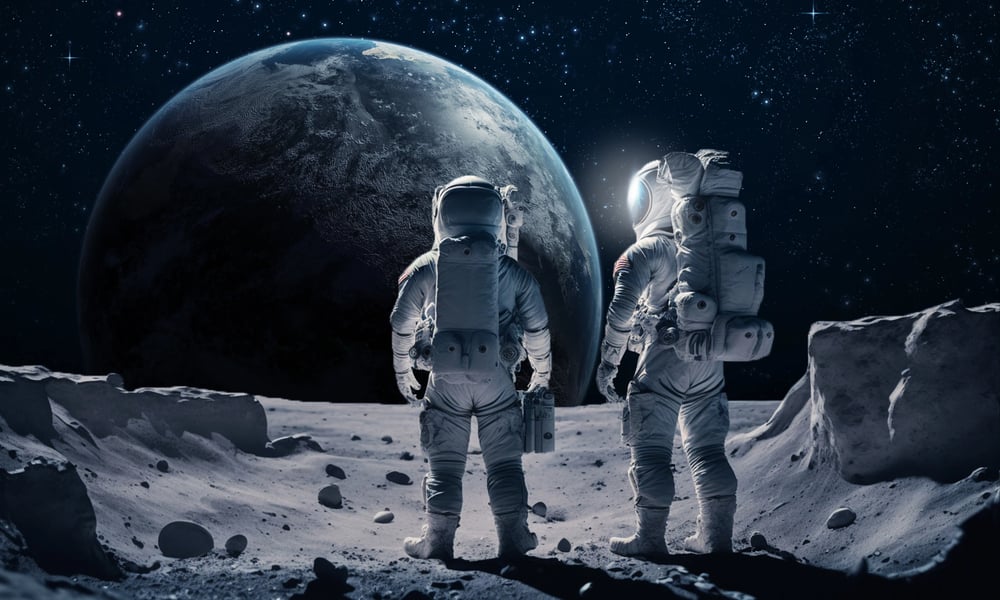
Twenty-four astronauts came from Ohio, including John Glenn and Neil Armstrong. That’s more than any other state.
People joke that something about Ohio makes people want to leave the planet. But the real reason connects to the state’s strong aviation industry and excellent engineering programs at universities like Ohio State and Purdue (which many Ohioans attended).
The Wright Brothers built their first plane in Dayton, establishing Ohio as a center for flight innovation.
Vermont Started as Its Own Country
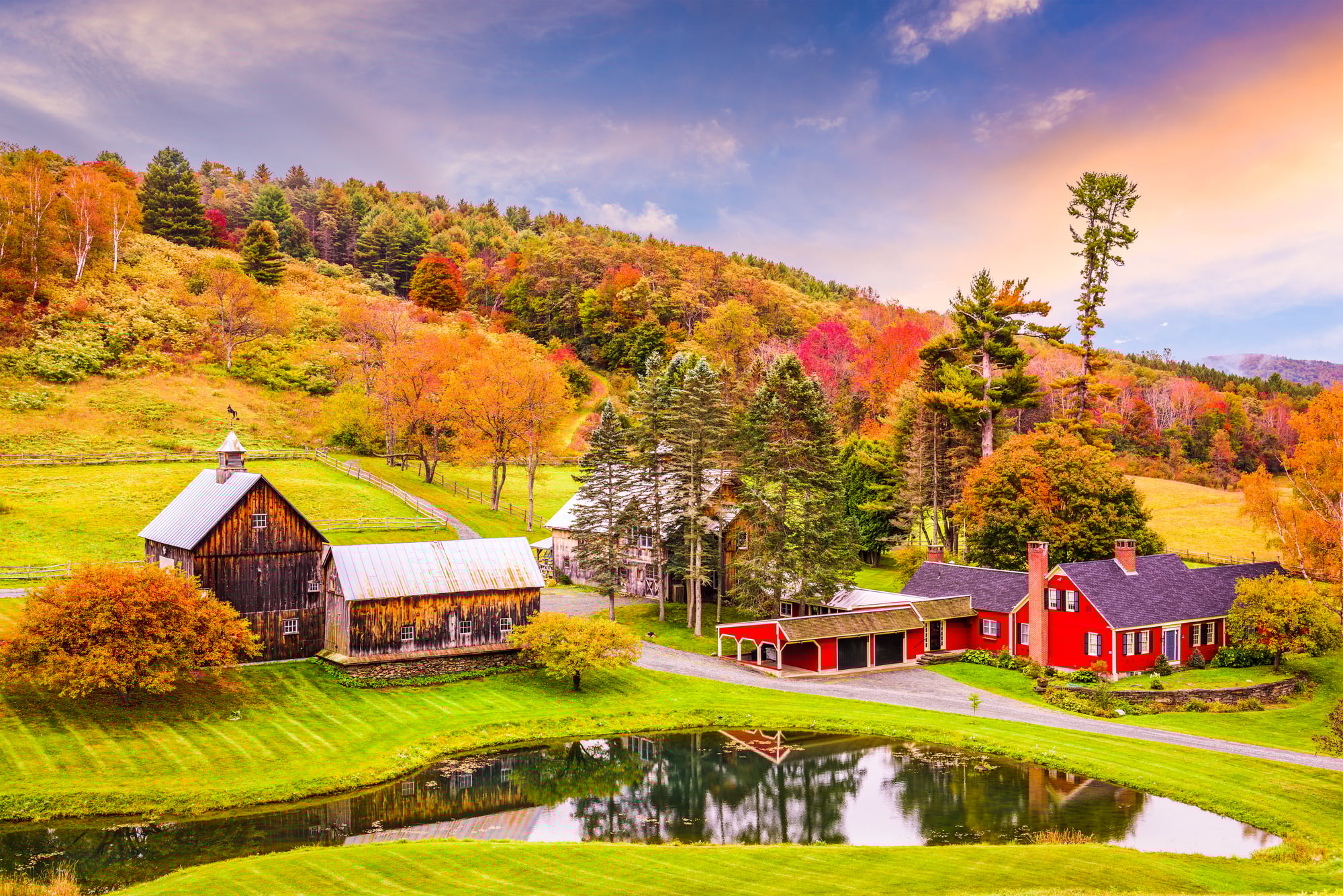
From 1777 to 1791, Vermont wasn’t part of the United States. They declared independence from Britain AND from New York (which claimed the territory).
The Vermont Republic had its own constitution, currency, and postal service. They abolished adult slavery in their constitution—the first place in North America to do so.
Vermont only joined the United States after New York agreed to drop its territorial claims.
Pennsylvania Has the Most Haunted Town in America

Gettysburg hosts over 50,000 ghost sightings reported each year. The Civil War battle killed or wounded roughly 51,000 soldiers in three days.
Many bodies were never properly buried. Local residents and tourists regularly report seeing soldiers in period uniforms, hearing cannon fire, and smelling gunpowder on quiet nights.
Whether you believe in ghosts or not, the sheer number of deaths in such a concentrated area left a mark on the place.
Texas Was Five Different Countries’ Territory
Before becoming a state, Texas flew under five different flags: Spain, France, Mexico, the Republic of Texas, and the Confederate States. That’s more colonial and national governments than any other state.
The Republic of Texas existed for nine years as an independent nation with its own president, congress, and navy. They printed their own money, negotiated treaties with other countries, and maintained embassies abroad.
Minnesota Executed 38 Dakota Men in the Largest Mass Execution in US History

After the Dakota War of 1862, the military tried 392 Dakota men in rushed proceedings that often lasted less than five minutes each. They sentenced 303 to death.
President Lincoln personally reviewed each case and reduced the number to 38. On December 26, 1862, all 38 men were hanged simultaneously in Mankato, Minnesota.
The execution aimed to satisfy settlers demanding revenge while preventing the complete genocide that some advocated for. This remains the darkest moment in Minnesota’s history and a painful reminder of how the government treated Native peoples.
Nevada Let People Divorce in Six Weeks
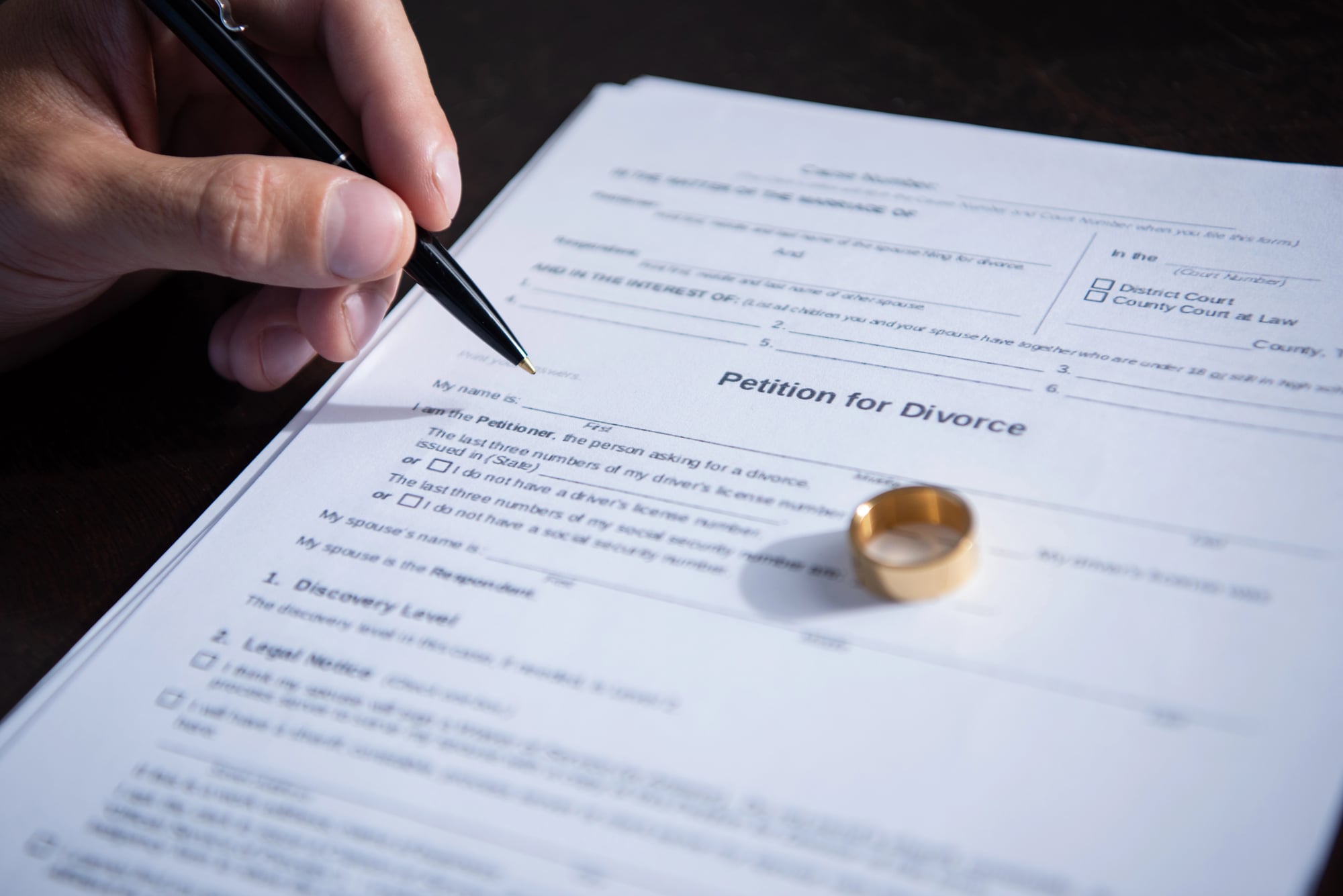
In the early 1900s, getting a divorce took years in most states. Nevada saw a business opportunity.
They reduced the residency requirement to just six weeks. People from across the country traveled to Nevada, spent six weeks at a dude ranch, filed for divorce, and left.
The state called them “divorce ranches.” Reno became known as the divorce capital of America.
The easy divorces brought so much money that the state built much of its early economy around the industry.
Florida Tried to Drain the Everglades
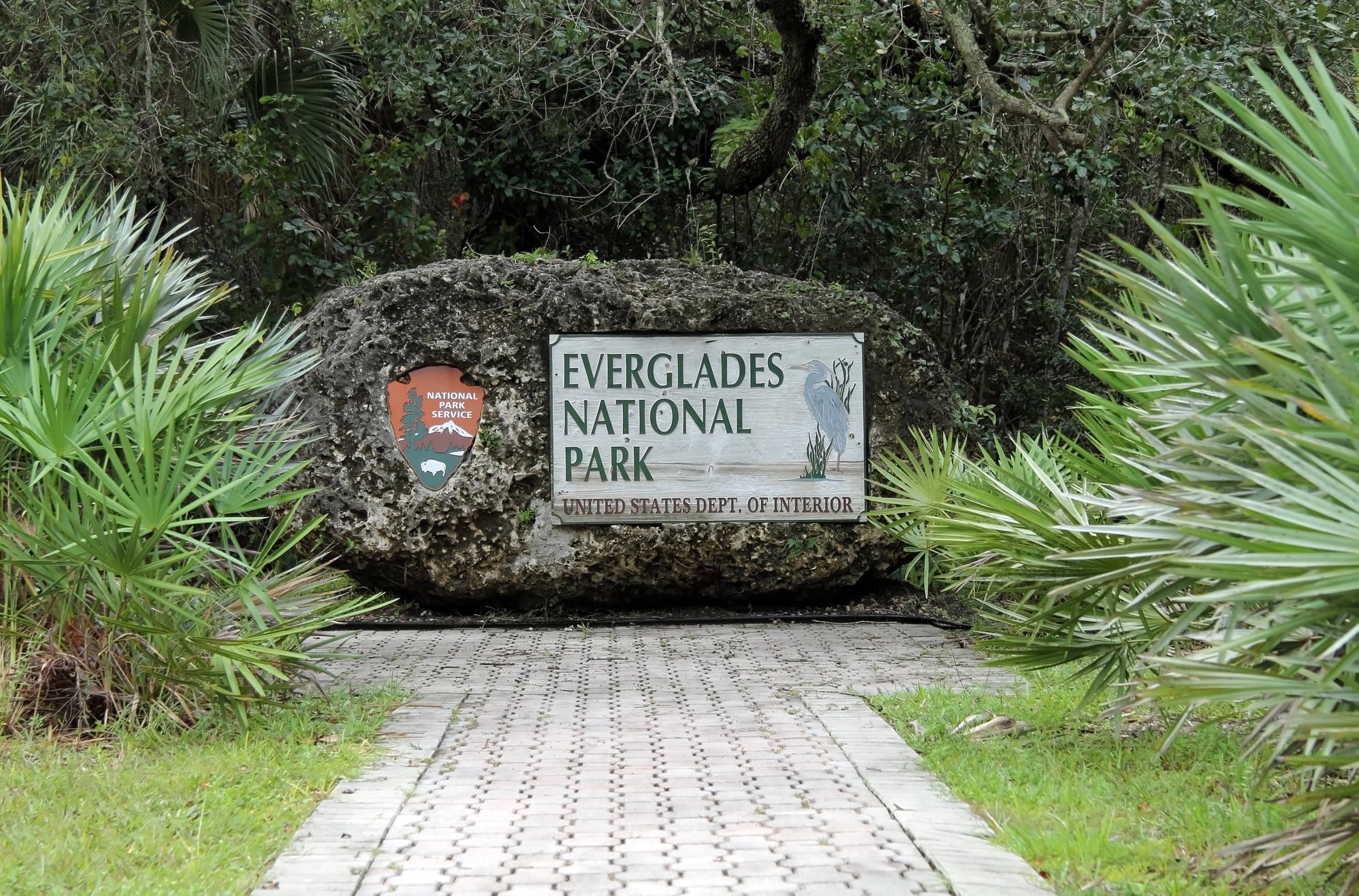
Back then, around the start of the 1900s, builders and lawmakers saw the Everglades as useless land. Draining it became their goal, turning swamps into fields and lots.
Ditches were carved, walls went up, water got sucked away. Soon after, life there began to fall apart.
Feathers vanished from the skies. Scales washed up dead on cracked mud.
Earth turned brittle – then lit below, smoldering unseen for weeks without stop. Folks saw by the 1940s that things had gone badly wrong.
Billions now flow into Florida just to piece back together what once stood there.
The Stories That Stay
Strange bits usually tell a bigger story than clean summaries do. Because odd scenes expose real mindsets, hidden priorities, sometimes errors built into actions back then.
Dates and famous figures? Only part of it. Real life included wild judgments, results nobody saw coming, moves that felt right until hindsight turned them silly.
Far beneath the stone markers and engraved signs lies a trove of tales waiting. Each region guards its own, buried deep in yellowed newsprint and forgotten files.
More from Go2Tutors!

- The Romanov Crown Jewels and Their Tragic Fate
- 13 Historical Mysteries That Science Still Can’t Solve
- Famous Hoaxes That Fooled the World for Years
- 15 Child Stars with Tragic Adult Lives
- 16 Famous Jewelry Pieces in History
Like Go2Tutors’s content? Follow us on MSN.