Incredible Facts About the World Of Competitive Esports
Most people who have never watched a live esports event tend to picture teenagers in dark basements. The reality looks nothing like that.
Think sold-out stadiums, custom team buses, full-time coaching staffs, sports psychologists, and prize pools that dwarf the earnings of many professional athletes in traditional sports. Competitive gaming has quietly become one of the most-watched forms of live entertainment on the planet, and the numbers behind it are difficult to believe until you actually look them up.
The Biggest Prize Pool in History Came From the Players Themselves
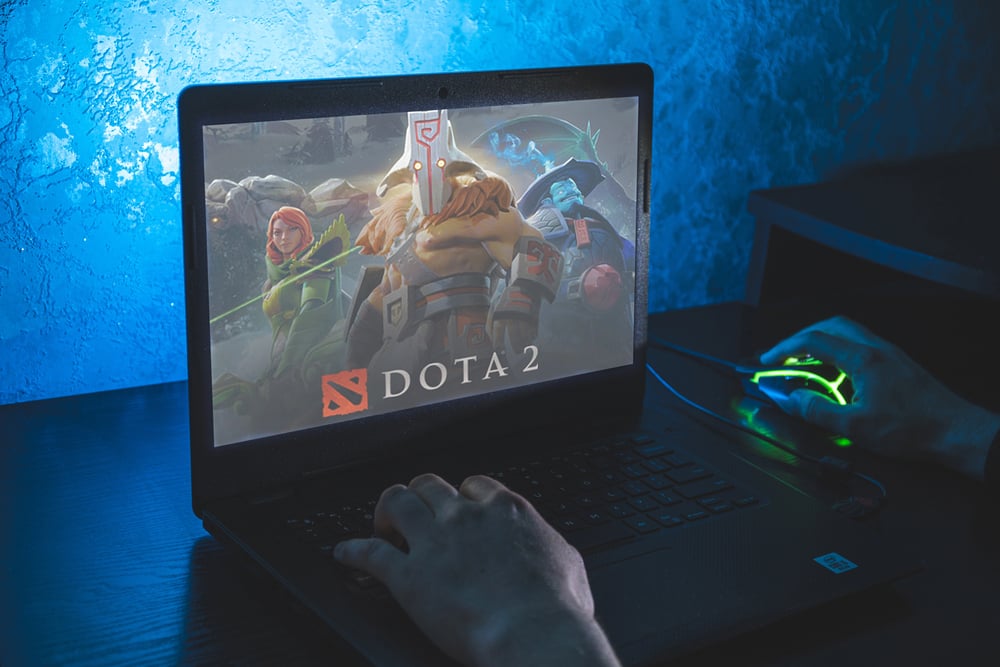
The International is Dota 2’s annual world championship, and it holds the record for the largest prize pool in esports history — over $40 million in a single tournament. What makes this genuinely unusual is where the money came from.
Valve, the game’s developer, seeds the pool with a base amount. The rest comes from the community directly, through the sale of a digital “Battle Pass” — a seasonal item that fans purchase, with a portion of every sale funneling into the prize pool.
Players and fans are literally funding the competition they’re watching. By 2021, the prize pool had grown to over $40 million, with first place alone taking home more than $18 million. No major traditional sports tournament has ever distributed that much prize money to its winner.
South Korea Treated Esports as a National Sport Before Anyone Else Did

In the late 1990s, following the Asian financial crisis, South Korea’s government invested heavily in broadband internet infrastructure as part of an economic recovery plan. The result was a country with some of the fastest internet in the world and a sudden explosion of PC cafes — known as “PC bangs” — where people gathered to play games together, primarily StarCraft. StarCraft: Brood War became a cultural institution.
Matches aired on dedicated cable TV channels. Top players became household names. The Korean e-Sports Association was established in 2000, making South Korea the first country to formally recognise and regulate professional gaming.
That early foundation explains why Korean players and organisations still dominate international competition in multiple titles decades later.
Professional Players Burn Out in Their Mid-Twenties
The physical demands of competitive gaming surprise most people. Top players in titles like League of Legends and Counter-Strike practice between 10 and 14 hours per day. The strain falls heaviest on the hands and wrists — repetitive motion injuries are common — but the mental load is just as significant.
Sustained concentration at that intensity for that many hours wears players down faster than most careers. The average retirement age in competitive gaming sits somewhere between 25 and 28. In some cases it’s younger.
Players who started competing at 16 or 17 often find themselves considered veterans by the time they reach their early twenties. Sports science researchers have begun studying esports athletes the same way they study traditional athletes, and the cognitive fatigue profiles look remarkably similar.
The League of Legends World Championship Consistently Draws More Viewers Than Major Traditional Sports Events

The 2019 League of Legends World Championship final drew a peak concurrent viewership of over 44 million people. The Super Bowl that same year drew around 98 million viewers in the United States, but when you factor in that the Super Bowl has a 50-year head start, near-universal name recognition in the US, and access to every mainstream television network, the comparison becomes interesting.
The LoL World Championship reaches that audience almost entirely through streaming platforms — Twitch, YouTube, and regional broadcast partners. The 2022 final brought in over 73 million peak concurrent viewers globally. For context, the NBA Finals routinely draw between 10 and 15 million viewers per game.
Some Teams Have the Same Budgets as Mid-Level Traditional Sports Clubs

Team Liquid, Cloud9, T1, and similar organizations operate with annual budgets that run into the tens of millions of dollars. Player salaries, coaching staff, performance facilities, travel, housing, branding, and content production all factor in.
T1, the South Korean organisation that houses arguably the most famous esports player in the world — Lee “Faker” Sang-hyeok — counts the NBA’s own investment arm and Korean entertainment giants among its backers.
In 2022, T1 raised funding at a valuation of over $200 million. Fenway Sports Group, which owns the Boston Red Sox and Liverpool FC, acquired a majority stake in Team Liquid back in 2016.
Traditional sports money has been flowing into esports organisations for years because the demographics — young, global, digitally engaged — are exactly what every brand in the world wants access to.
Faker Has Won More World Championships Than Any Player in History
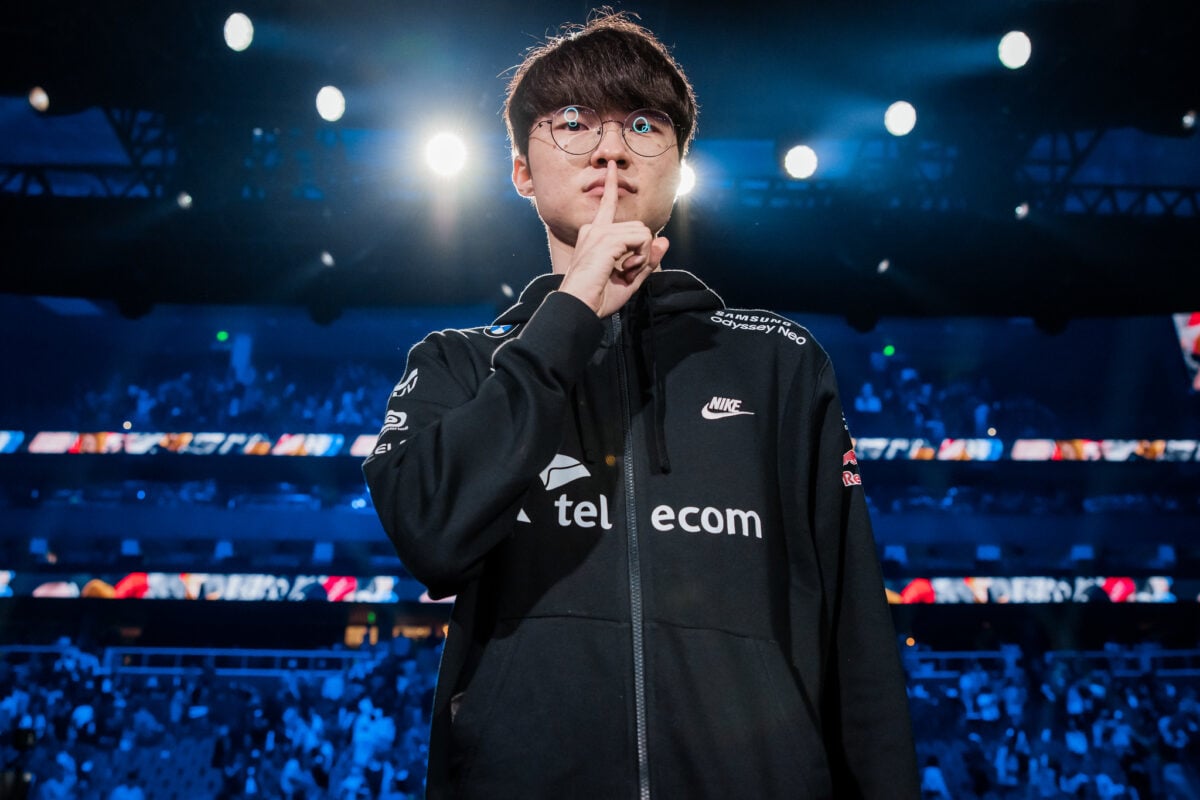
Lee “Faker” Sang-hyeok is the most decorated player in League of Legends history. He has won the World Championship four times, a record no other player has matched.
He made his professional debut in 2013 at age 17 and was considered the best player in the world almost immediately. Over a decade later, he still competes at the highest level — an extraordinary lifespan in a field where most careers end before 30.
He is so well-known in South Korea that his military service status became national news. In 2024, he carried the Olympic torch at the Paris Games during the opening ceremony, an acknowledgment that few could have imagined when he first picked up the game as a teenager.
China and South Korea Imposed Screen Time Laws That Directly Affected Esports
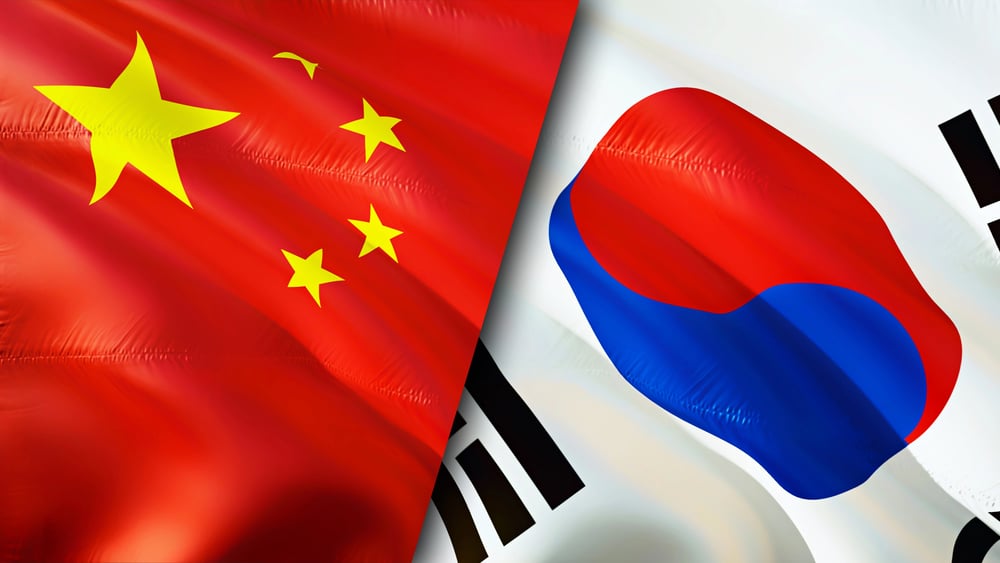
Both South Korea and China introduced laws restricting how long minors could play online games, partly in response to concerns about gaming addiction and partly due to the visibility of esports as a career path for young people. South Korea’s “Cinderella Law” prevented players under 16 from accessing online games between midnight and 6am.
China implemented a system that required real-name verification and limited players under 18 to limited hours per day. These laws created genuine complications for youth development in esports — the pipeline for producing the next generation of professional players depends on young people putting in significant hours during formative years.
Organisations and game developers had to rethink how they structure youth academies and talent scouting as a result.
An Esports Arena Exists Inside a Shopping Mall in Las Vegas
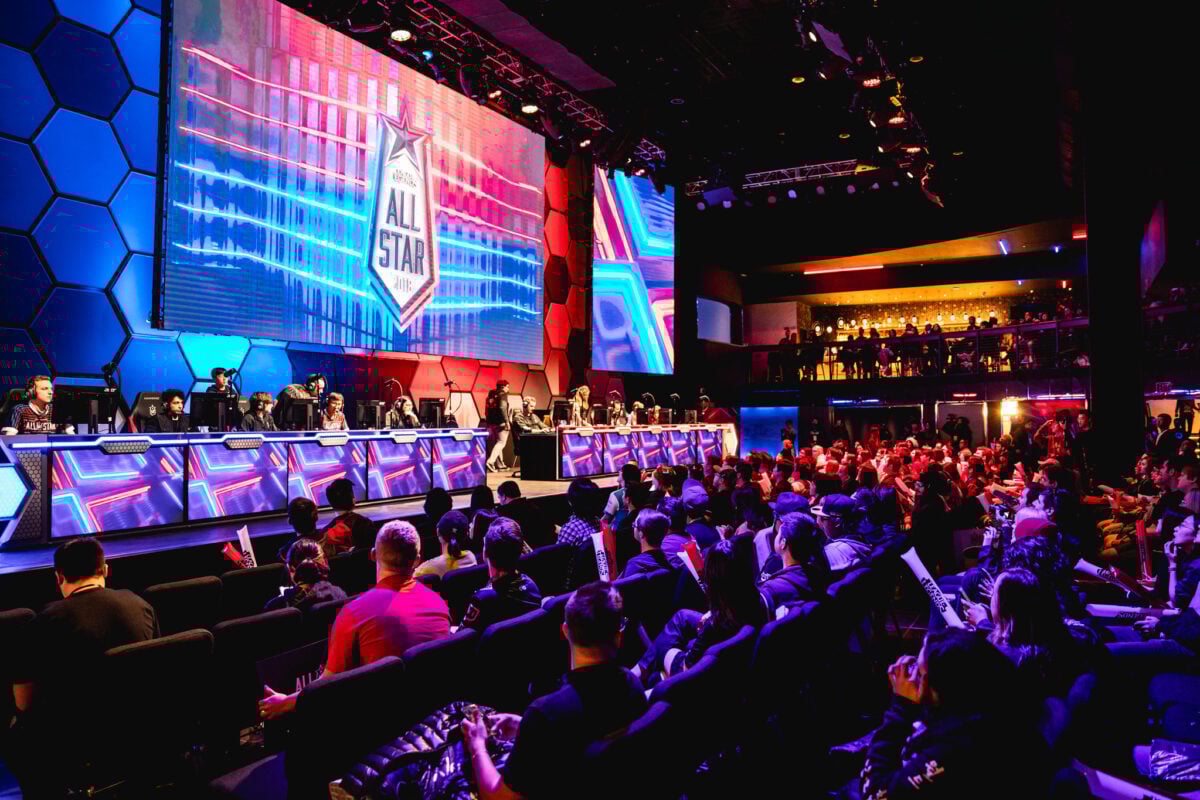
The HyperX Arena Las Vegas sits inside the Luxor hotel and casino complex and seats around 1,000 spectators. It’s a dedicated esports facility built specifically for live competitive gaming events, with broadcast infrastructure, production equipment, and a stage designed for tournaments.
Las Vegas has leaned hard into esports as part of a broader strategy to attract younger visitors who aren’t necessarily interested in traditional casino gambling. The city now hosts multiple major esports tournaments per year.
It’s a strange but logical combination — the city already has the hotels, the stages, the production know-how, and the audience capacity. Esports just needed somewhere to land.
The Fastest Fingers in the World Belong to RTS Players
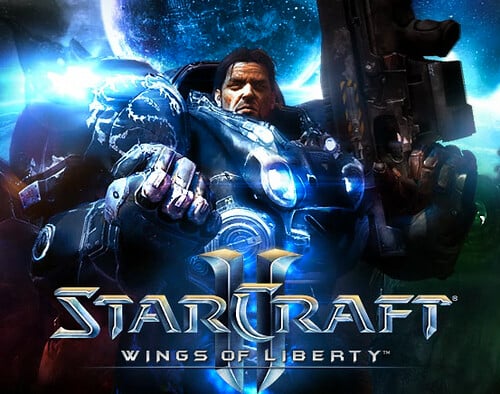
In real-time strategy games like StarCraft II, the top players execute between 300 and 400 actions per minute — that’s individual keyboard and mouse inputs — during intense moments of play. To put that in perspective, a highly proficient typist reaches around 100 keystrokes per minute on a good day. These players are making strategic decisions and executing precise mechanical actions simultaneously at a pace most people’s hands simply can’t replicate.
The metric used in the community is APM — actions per minute — and it’s tracked live during broadcasts. Watching the APM counter on a top StarCraft player during a critical engagement is genuinely disorienting.
The hands are moving faster than the eye can follow.
Esports Has Been at the Olympics — Sort Of
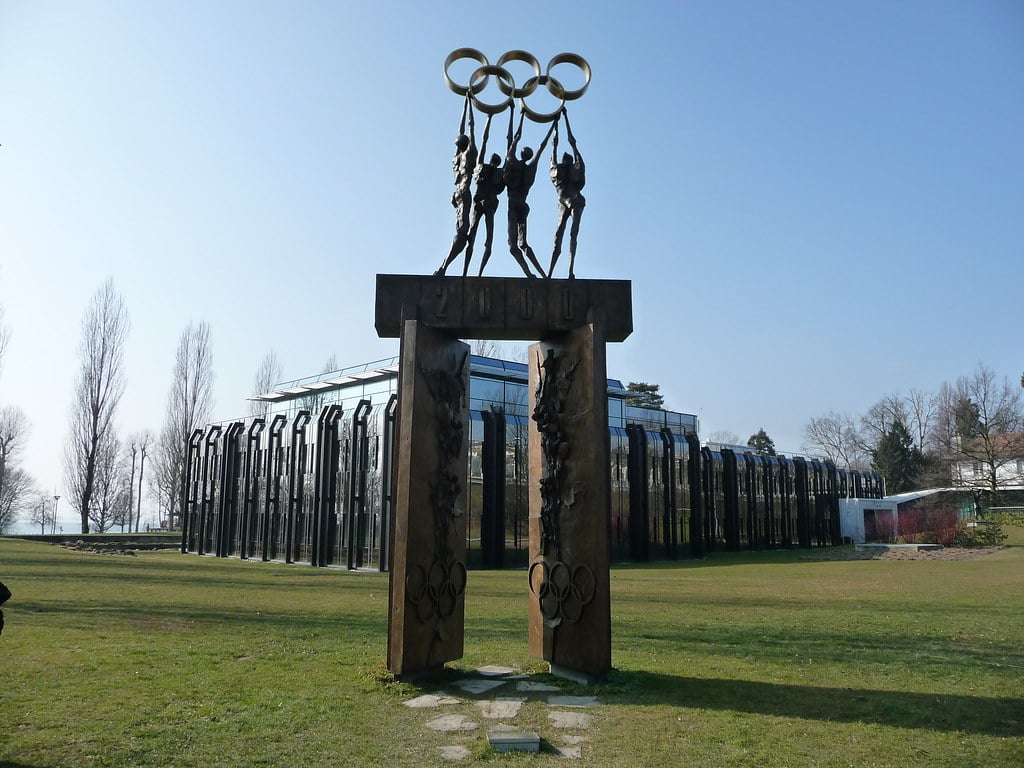
The International Olympic Committee has been wrestling with esports for years. The Paris 2024 Games hosted an “Olympic Esports Games” as a separate standalone event, featuring competitive gaming across titles connected to Olympic sports — cycling, sailing, archery, and others represented through their gaming equivalents.
It stopped short of including titles like League of Legends or Counter-Strike as full Olympic events, partly due to concerns about violent content in mainstream esports titles. The debate within the IOC reflects a broader tension: esports audiences are young and global in exactly the way the IOC needs, but the most popular esports titles don’t map neatly onto the Olympic values framework.
The conversation is ongoing, and the pressure to fully integrate esports into the Games is unlikely to go away.
Counter-Strike Has Been Played Competitively for Over 25 Years
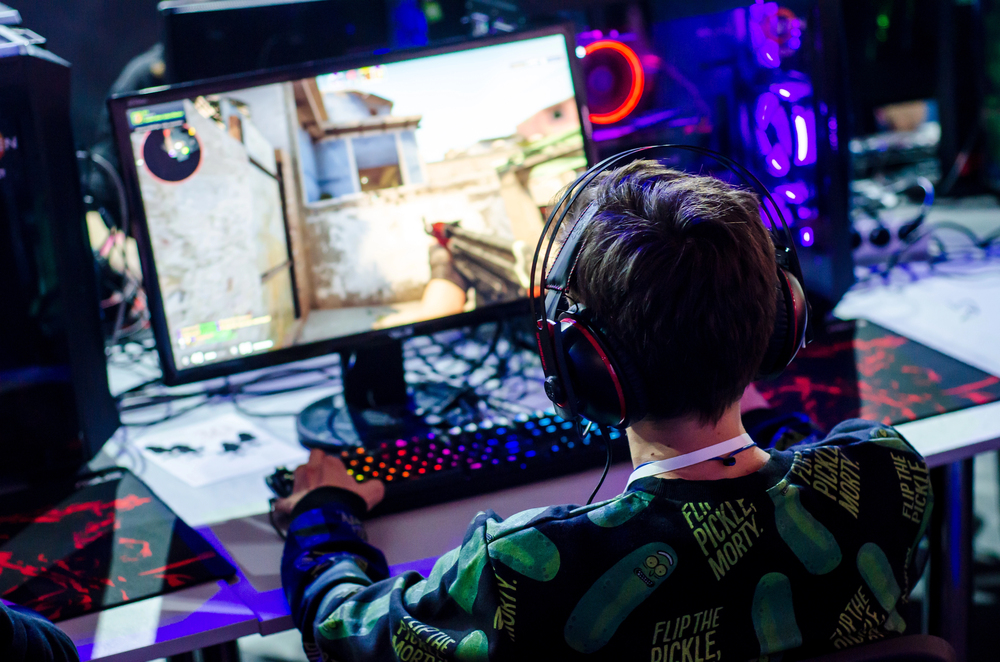
Counter-Strike began as a mod for Half-Life in 1999. It went on to become one of the most enduring competitive games ever made, spawning multiple sequels and updates across two decades.
Counter-Strike: Global Offensive, released in 2012, had a competitive scene that ran for over a decade before Valve replaced it with Counter-Strike 2 in 2023. The fact that a game with roots in the late 1990s still commands some of the highest viewership numbers and prize pools in all of esports is extraordinary.
Most entertainment products from 1999 are historical artifacts. Counter-Strike is still a living, breathing competitive ecosystem with millions of active players and tournaments running every week somewhere in the world.
Sponsorship Has Turned Esports Into a Walking Billboard

Walk into any major esports arena and you’ll see energy drink logos, peripheral brand names, and telecommunications companies plastered across everything from team jerseys to the floor of the stage. Red Bull, Monster Energy, Intel, Samsung, HyperX, Logitech, and dozens of others have poured significant money into esports sponsorships because the audience skews young, tech-literate, and difficult to reach through traditional advertising.
Unlike traditional sports, where broadcast deals and gate receipts form the financial backbone, esports organisations depend heavily on sponsorship revenue. This creates a dynamic where the brands you see most prominently in esports are the ones that understand the audience — and the ones that don’t understand it tend to produce campaigns that the community notices and mocks almost immediately.
The Coaching Staff of a Top Team Looks Like a Small Corporation
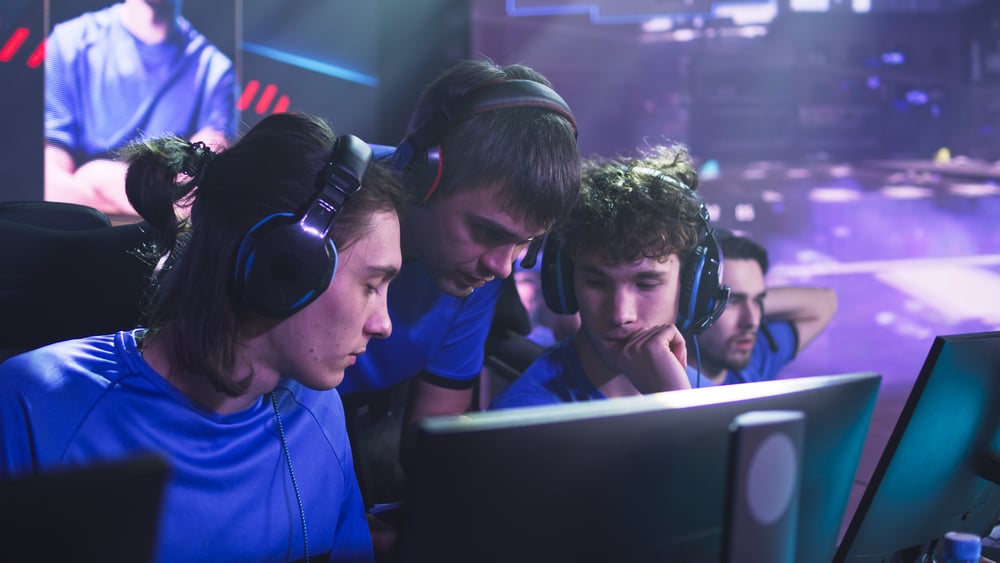
A modern top-tier esports organisation doesn’t just have coaches. It has head coaches, assistant coaches, analysts, data scientists, mental performance coaches, nutritionists, physical trainers, and communications staff.
Some teams bring in vision coaches to work on visual processing speed. Others employ sleep specialists, because sleep quality directly affects reaction time and decision-making.
T1’s facility in Seoul includes dedicated training rooms, recovery areas, and accommodation for players. The professionalization of the support infrastructure around competitive gaming has accelerated dramatically in the last decade, and teams that invest in these areas consistently outperform those that treat player welfare as an afterthought.
One Game Once Had a Bug That Accidentally Predicted a Pandemic
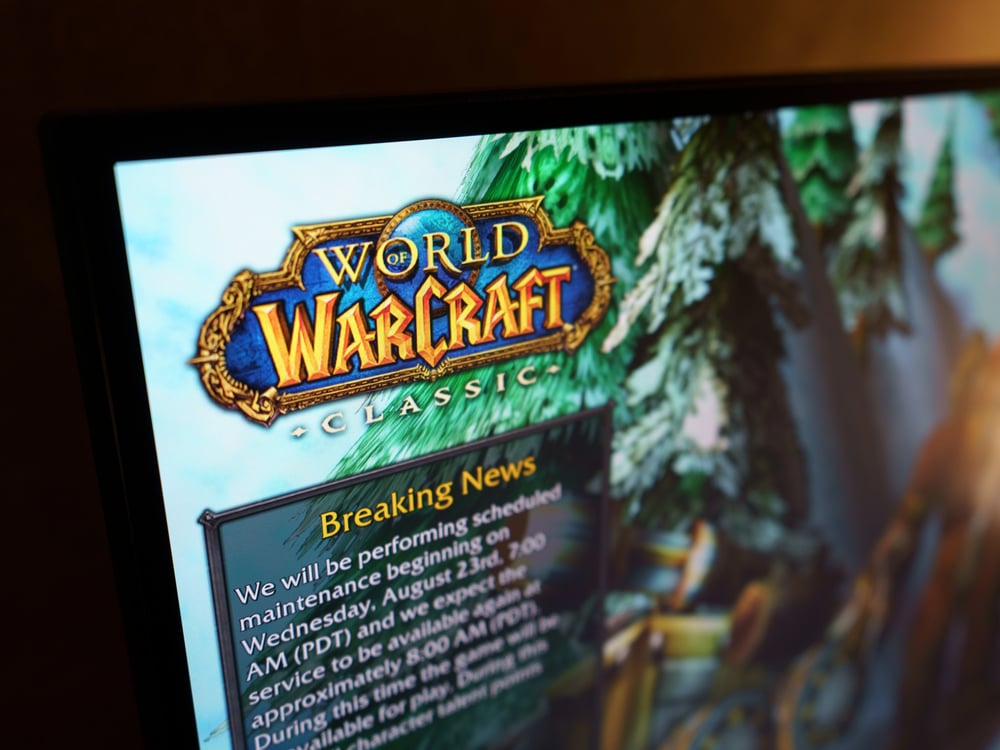
In 2005, a World of Warcraft patch introduced a boss encounter called Hakkar the Soulflayer, who could inflict a debilitating disease on players called Corrupted Blood. The disease spread from player to player and was intended to stay within the dungeon.
It didn’t. Through a combination of player behaviour and game mechanics, the disease escaped into populated cities.
Players fled from infected areas, some deliberately spread the disease, and the in-game world descended into chaos. Epidemiologists at the Centers for Disease Control and Prevention took notice.
The event was studied as a model for understanding how real populations behave during disease outbreaks — the parallels to human pandemic behaviour were striking enough that researchers published academic papers about it. A video game accident in 2005 became a legitimate reference point for pandemic modelling.
The Quiet Hours After the Tournament Ends
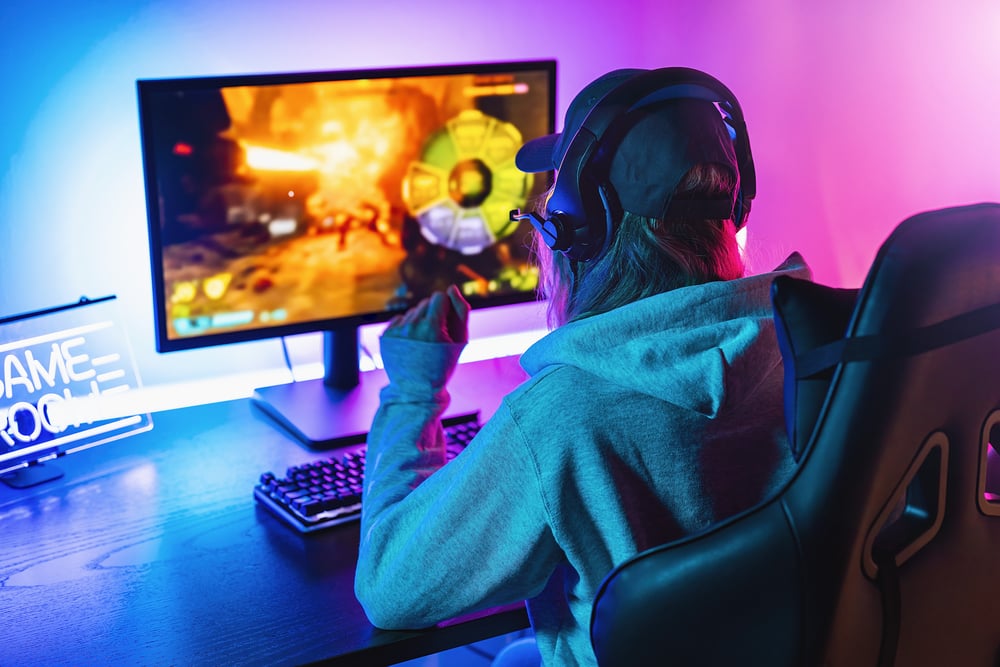
Every major esports event has a moment that cameras rarely capture. After the trophy presentation, after the confetti, after the post-match interviews — there’s a window where the players who lost sit in near-empty arenas collecting their gear.
Some of them spent years training for that moment. Some flew from the other side of the world.
The preparation, the sacrifice, the pressure that built over months — it all ends in a single elimination match that lasts maybe 40 minutes. That contrast is what makes esports feel like a real sport, regardless of what anyone thinks about the activity itself.
The stakes are genuine. The dedication is genuine.
And the heartbreak, when it comes, is as real as anything you’ll find on any field or court anywhere in the world
More from Go2Tutors!

- The Romanov Crown Jewels and Their Tragic Fate
- 13 Historical Mysteries That Science Still Can’t Solve
- Famous Hoaxes That Fooled the World for Years
- 15 Child Stars with Tragic Adult Lives
- 16 Famous Jewelry Pieces in History
Like Go2Tutors’s content? Follow us on MSN.