Strange Military Units with the Oddest Uniforms
Military history is filled with colorful characters, but some units took that literally. From feathers and fur to bright pink berets, certain military forces throughout history have donned uniforms so unusual they seem better suited for theater than warfare.
Yet behind every bizarre uniform choice lies a story of strategy, tradition, or sheer psychological warfare. These units proved that sometimes looking strange was exactly the point.
Swiss Guard
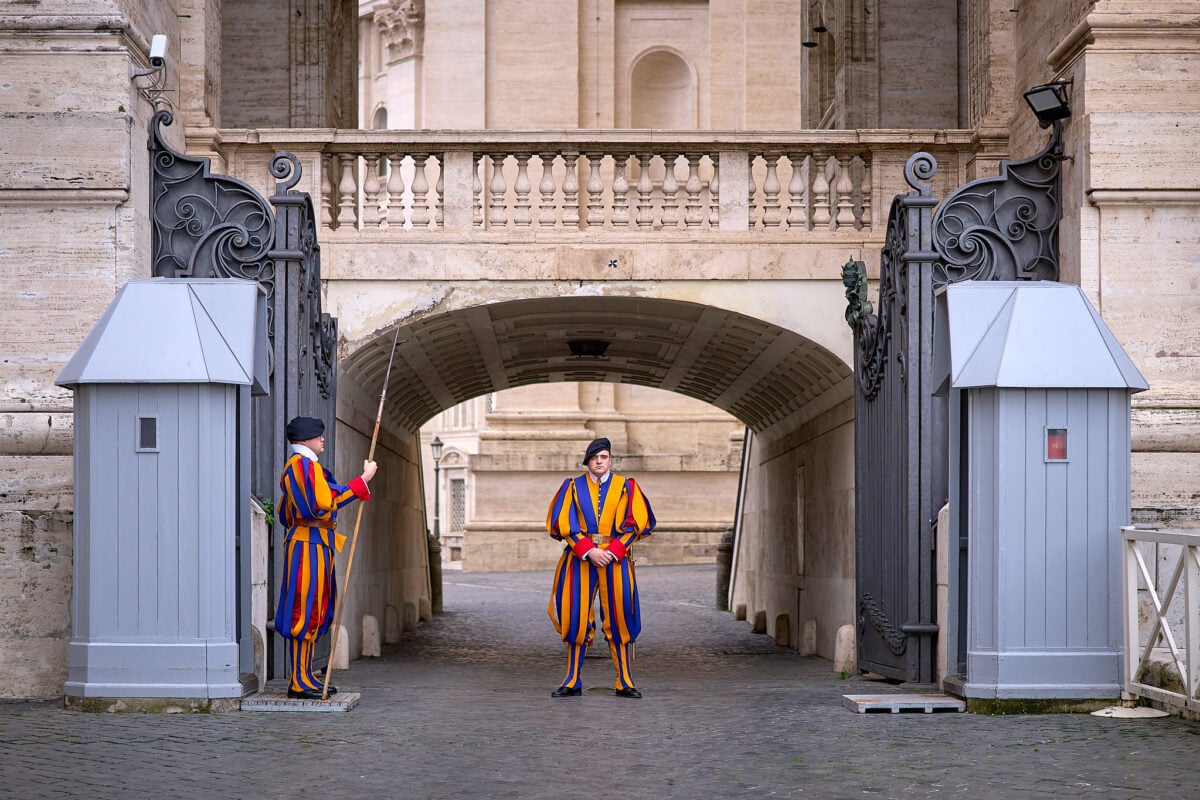
The Vatican’s Swiss Guard looks like they stepped out of a Renaissance painting. Those striped uniforms in yellow, blue, and red weren’t chosen randomly.
The colors supposedly honor the Medici Pope Leo X, though some claim they represent the Swiss flag and papal colors.
The puffy sleeves and pantaloons make them look more like court jesters than elite soldiers. The metal helmets with their dramatic plumes complete the theatrical effect.
Yet these guards are highly trained professionals protecting one of the world’s most important religious figures.
Their ceremonial halberds might seem outdated, but don’t be fooled. Modern weapons stay hidden beneath those colorful layers.
French Zouaves
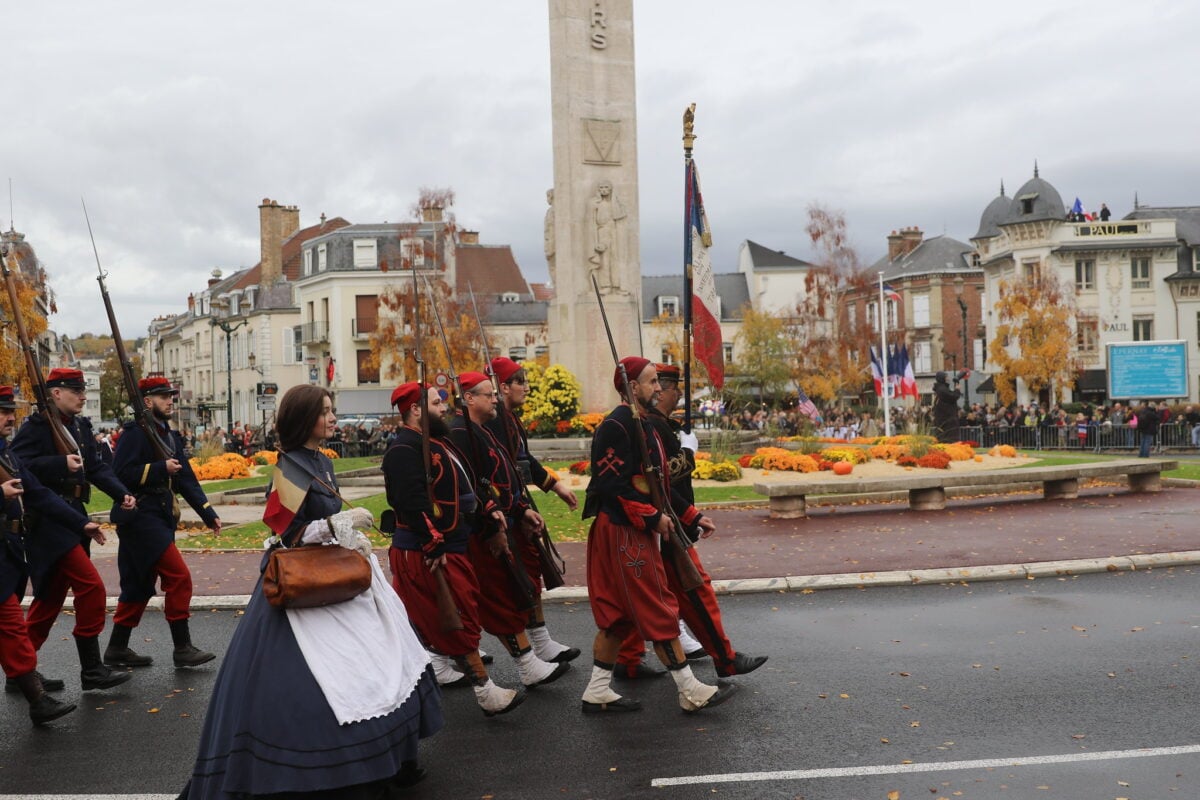
The Zouaves started as Algerian tribal fighters but became a French military sensation in the 1800s. Their uniform was a Middle Eastern fever dream (complete with baggy pants, short jackets, and distinctive fez hats) that somehow became the height of military fashion across Europe and America.
Even the Union Army during the Civil War created Zouave regiments, because apparently nothing said “serious soldier” quite like wearing what looked like elaborate pajamas into battle.
So you had these units charging across battlefields in uniforms that belonged more in a bazaar than a barracks. But here’s the thing: the loose-fitting design actually made sense in hot climates — the baggy pants allowed air circulation, and the bright colors helped distinguish units in the chaos of battle.
And yet the psychological impact might have been just as important: imagine facing an enemy that looked like they’d raided a costume shop and still had the confidence to march toward your guns.
Scottish Highland Regiments
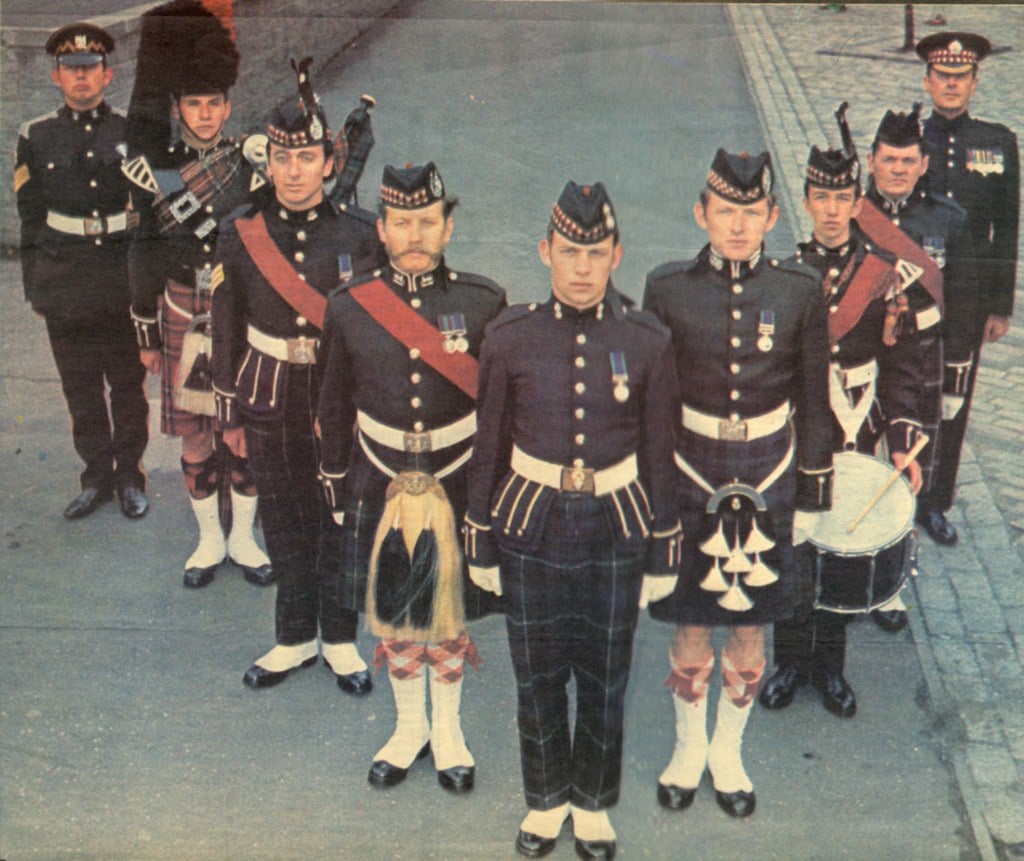
Kilts in combat seem impractical until you consider the terrain. Highland warriors needed mobility in rough Scottish mountains, and those wool skirts provided exactly that.
The tartan patterns identified clan affiliations and regional loyalties.
English enemies called them “ladies from hell” during World War I. The nickname stuck, though probably not for the reasons the English intended.
Highland regiments wore their kilts with pride, even in trenches where practicality should have trumped tradition.
The sporran (that fur pouch) served as both storage and decoration. Bagpipes completed the ensemble, creating a unit that looked and sounded unlike any other fighting force.
Janissaries
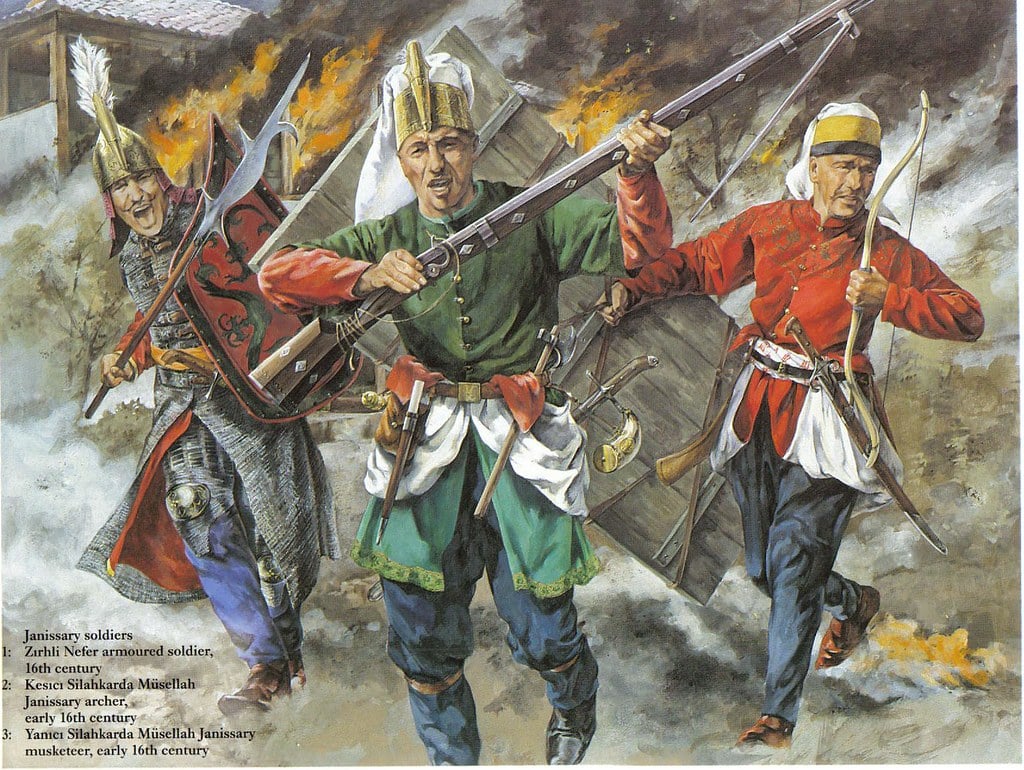
The Ottoman Empire’s elite Janissaries wore white felt caps that looked more like oversized socks than military headgear. These distinctive hats, called börk, had a flap that hung down the back and often featured decorative elements that indicated rank and unit.
Their uniforms combined practicality with intimidation. Long robes in various colors, wide sashes, and curved swords created an imposing silhouette.
The white caps became their trademark across centuries of conquest.
What made them truly unusual was their recruitment method. These soldiers were taken as children from Christian families, converted to Islam, and raised as elite warriors.
Their strange hats became a symbol of this unique military caste.
Polish Winged Hussars
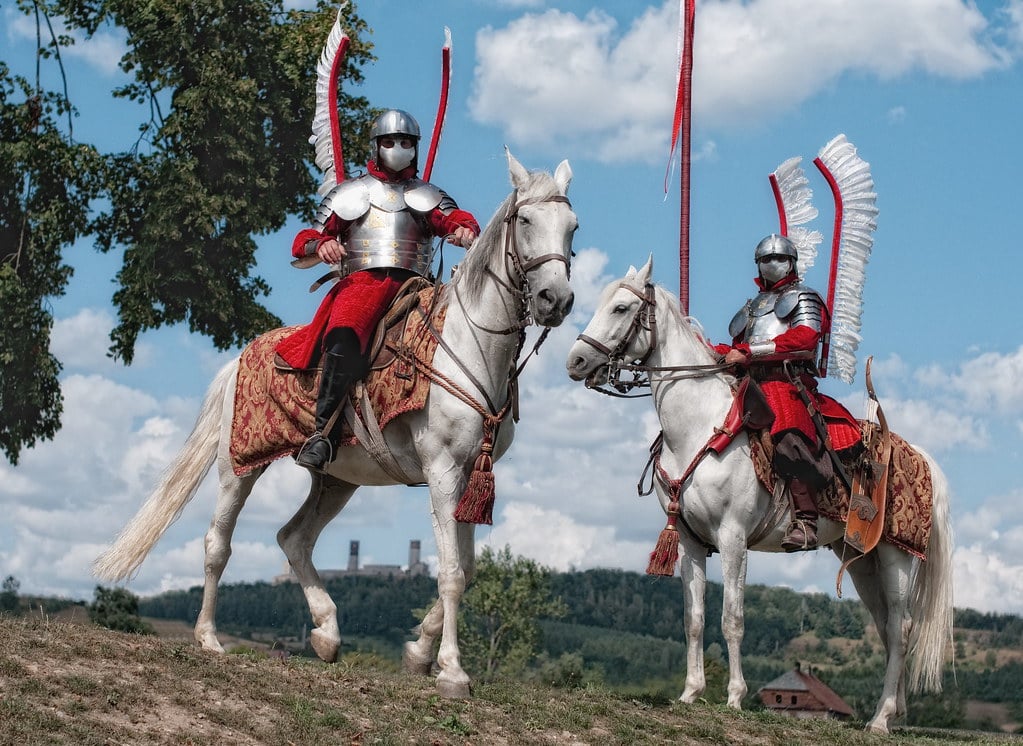
The wings attached to Polish cavalry armor serve no practical purpose in modern terms, but in the 17th century, they were psychological weapons of mass destruction. Picture this: you’re standing in a battle line, and suddenly the horizon fills with what appears to be a flock of enormous, heavily armed angels thundering toward you on horseback (the wings, made from eagle, crane, or goose feathers, could span six feet or more and were designed to create both visual and auditory terror as they whistled through the air).
The sound alone — hundreds of wings catching the wind as armored riders approached at full gallop — must have been otherworldly.
But the wings weren’t just for show: they made the riders appear larger, confused enemy horses, and may have deflected arrows or lances aimed at the rider’s back. And the psychological impact was undeniable — these weren’t just soldiers, they were something mythical, something that belonged in legends rather than battlefields.
British Foot Guards
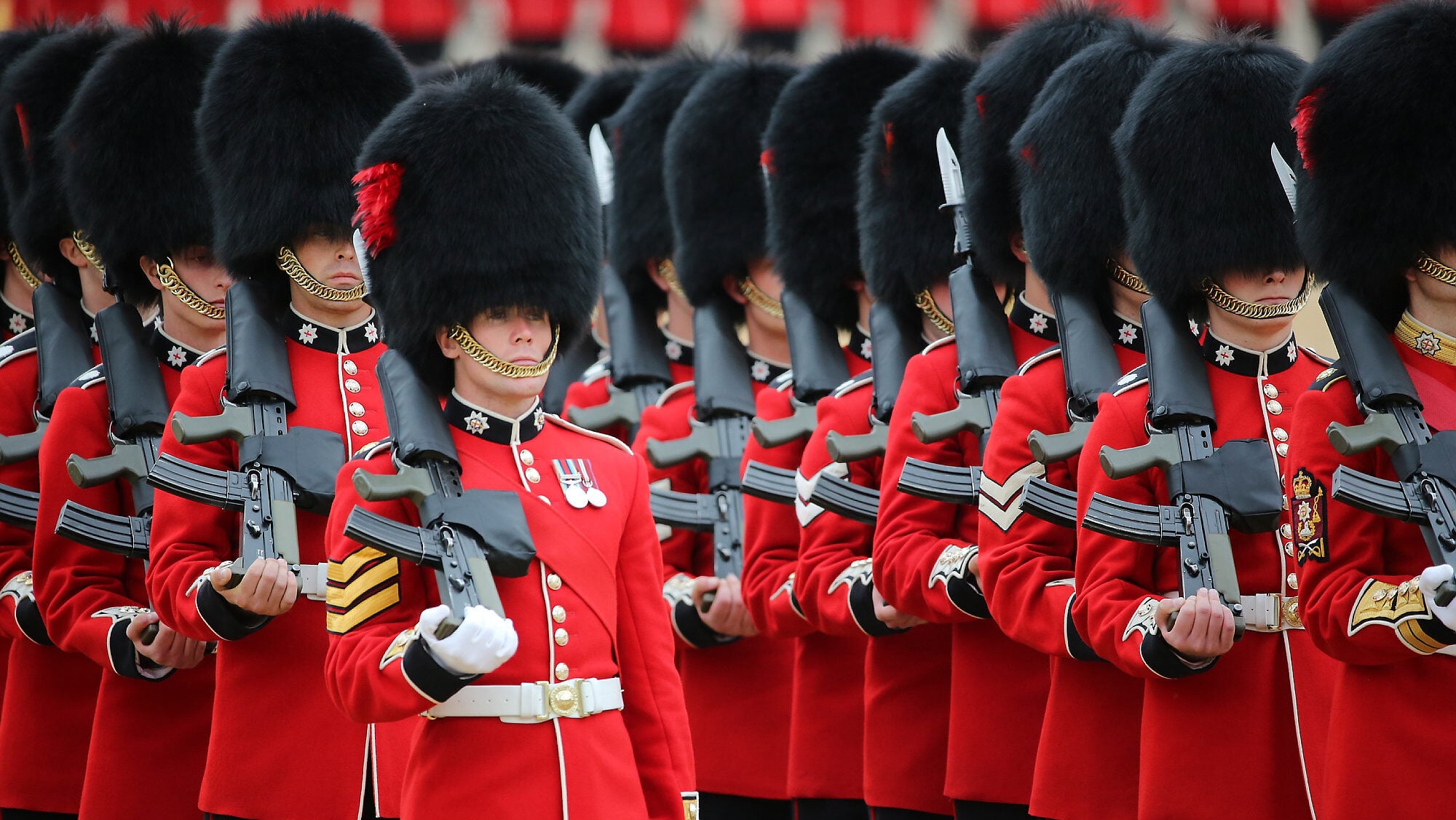
Those tall black hats worn by British guards aren’t just ceremonial excess. The bearskin caps, standing 18 inches high, were originally designed to make soldiers appear taller and more intimidating.
Napoleon’s Imperial Guard wore similar headgear, and after defeating them at Waterloo, British forces adopted the style as a trophy.
Each bearskin requires an entire Canadian black bear pelt. The caps weigh around two pounds and offer no protection whatsoever.
Guards must keep them on regardless of weather conditions, from blazing summer heat to winter storms.
The red tunics and precise formations create an image of unwavering discipline. These guards stand motionless for hours, becoming living monuments to British military tradition.
The uniform prioritizes appearance over comfort in the most extreme way possible.
Napoleonic Grenadiers
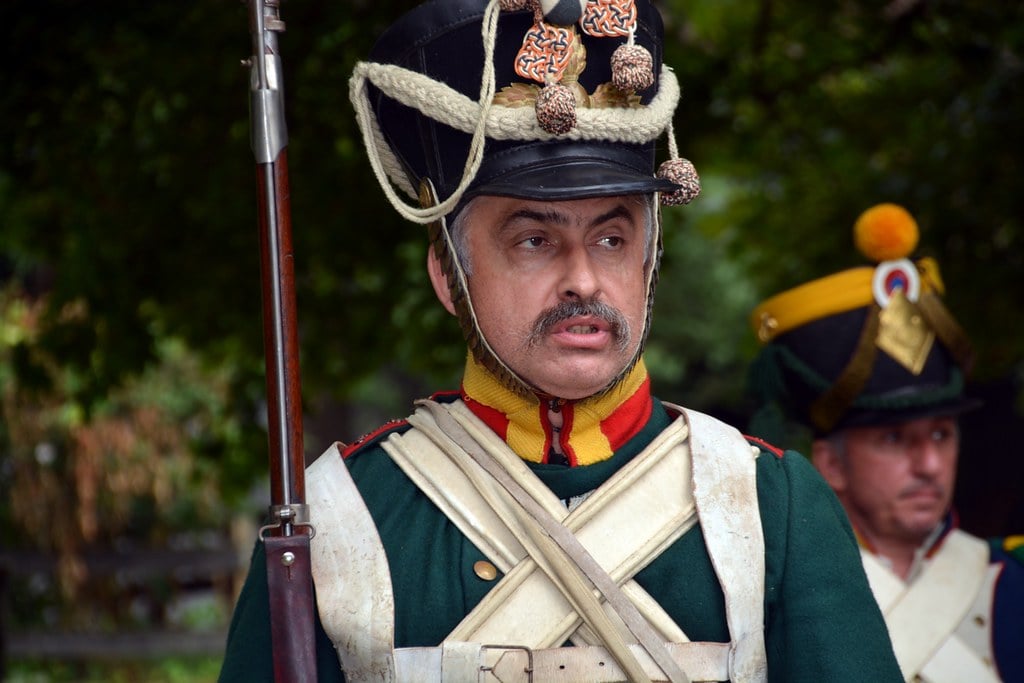
Grenadiers were supposed to be the tallest, strongest soldiers in Napoleon’s army, and their uniforms worked overtime to enhance that impression. The mitre caps and later the tall bearskin hats added crucial inches to their height, while the crossed white belts over dark blue coats created an X-pattern that broadened their chest visually.
These weren’t accidents of fashion — they were calculated psychological tools designed to make elite troops look superhuman.
The red plumes, brass buttons, and pristine white gaiters up to the knee created a uniform that was equal parts practical and theatrical. But here’s what’s fascinating: these soldiers had to maintain this level of sartorial perfection while marching across Europe, sleeping in mud, and fighting battles that lasted days.
The commitment to appearance, even in the worst conditions, sent a message about discipline and standards that extended far beyond clothing.
Turkish Sipahis
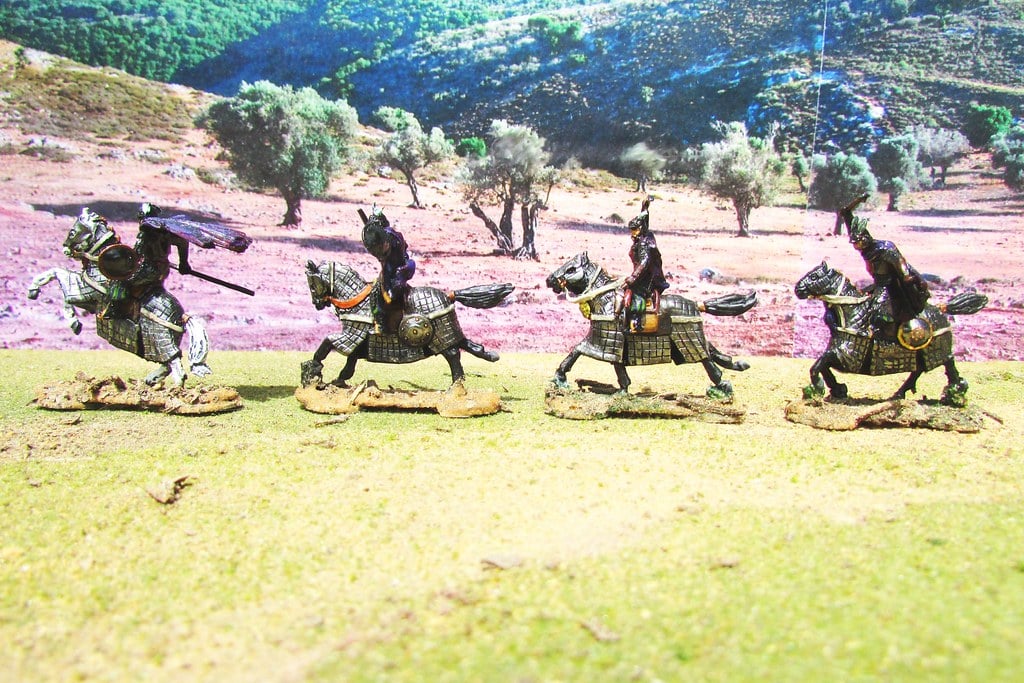
Ottoman cavalry units known as Sipahis developed uniforms that borrowed from both European and Asian traditions, creating something entirely their own. The result was a visual language of conquest — riders who looked like they belonged to no single culture because they had absorbed elements from everywhere the Ottoman Empire had touched.
Their turbans varied wildly in style and color depending on rank and regional assignment. Some wore chain mail beneath flowing robes, while others favored lighter fabric that moved dramatically during charges.
The combination of curved swords, ornate stirrups, and horses decorated with tassels and bells created a cavalry force that announced itself long before it arrived.
Feathers, jewels, and metalwork turned practical armor into works of art. These weren’t soldiers trying to blend into their surroundings.
They were representatives of an empire that wanted to be seen, remembered, and feared.
German Pickelhaube Units
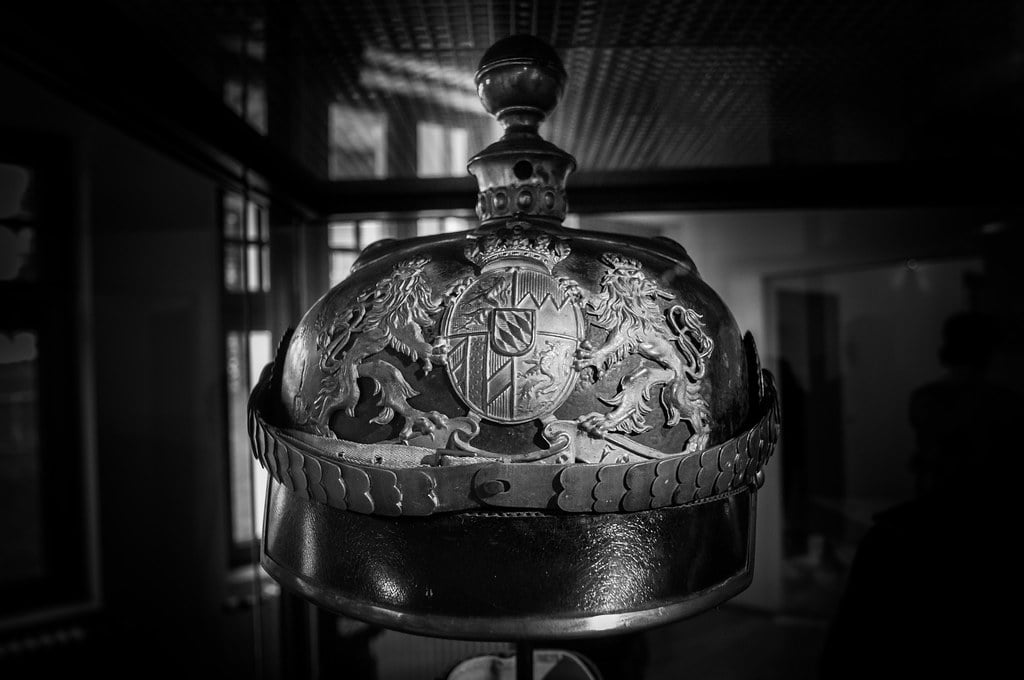
The spiked helmet represents everything absurd about 19th-century military fashion. That metal spike served no combat function but made German soldiers instantly recognizable across European battlefields.
Prussian infantry wore them with pride, apparently convinced that looking ridiculous was a small price for psychological intimidation.
Different regiments added their own flourishes. Some included brass eagles, others featured state crests or regimental numbers.
The spikes caught on equipment, made formations awkward, and probably injured more German soldiers than enemy ones.
By World War I, practicality finally won. The Pickelhaube disappeared from front-line service, replaced by more sensible steel helmets.
But for decades, German units marched into battle looking like they were wearing elaborate cake decorations on their heads.
Russian Cossack Units
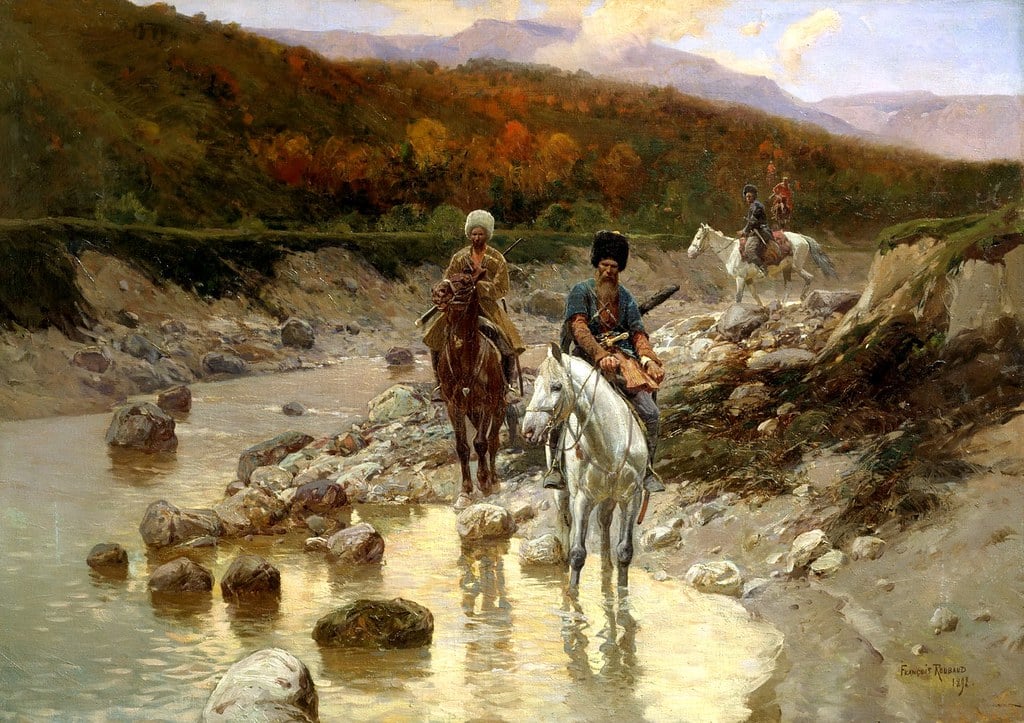
Cossack uniforms reflected their unique position as both Russian subjects and fiercely independent warriors (their clothing borrowed from Turkish, Polish, and traditional Russian sources, creating combinations that looked foreign to everyone). The fur hats alone ranged from small caps to enormous papakhas that added a foot to a rider’s height, while their coats featured colors and patterns that shifted depending on which Cossack host they represented — Don Cossacks favored different styles than those from the Kuban or Ural regions.
But the most distinctive element was how they wore traditional weapons alongside modern military equipment: curved sabers, kindjals (daggers), and whips mixed with standard-issue rifles and ammunition. So you had cavalry units that looked like they’d raided a museum of Eurasian military history, combining elements from different centuries and cultures into uniforms that somehow worked together.
The result was both practical for their harsh environments and deliberately intimidating to enemies who couldn’t quite categorize what they were facing.
Italian Bersaglieri
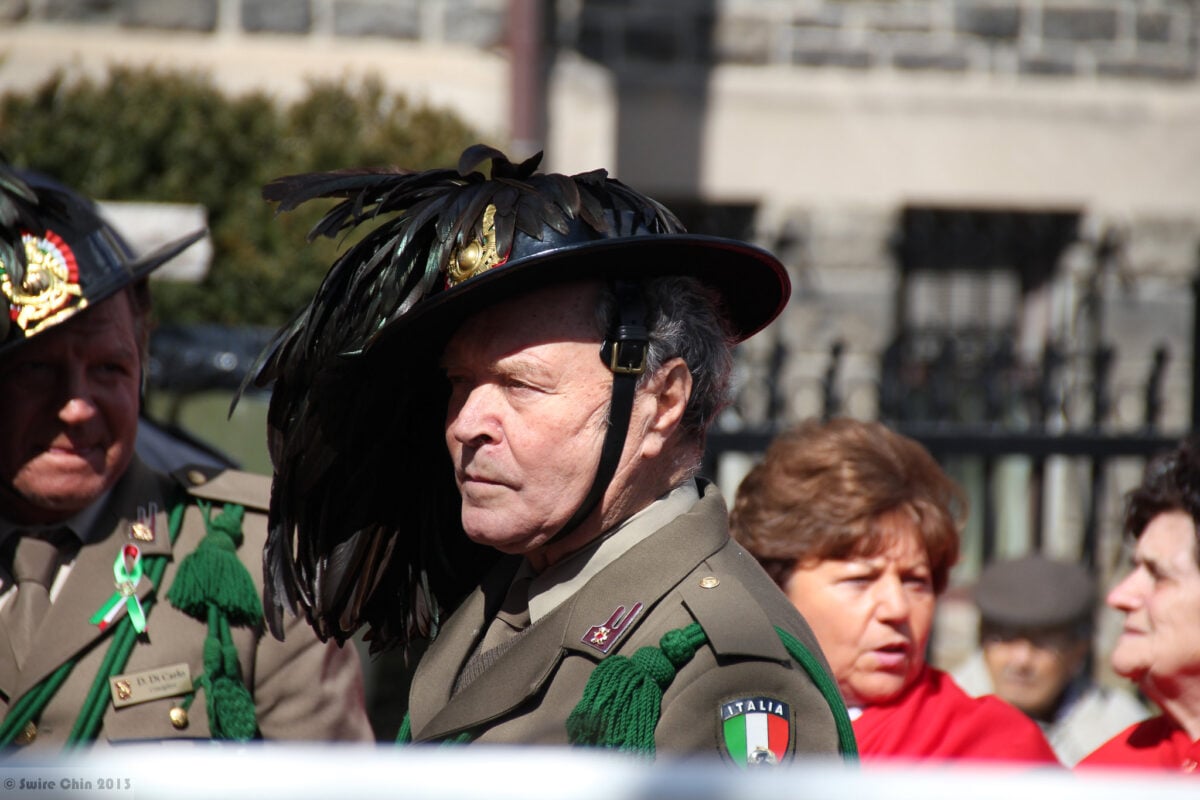
The Bersaglieri took the concept of distinctive headgear and ran with it. Their hats sport large black capercaillie feathers that flow dramatically as they move.
These feathers aren’t just decoration — they’re a tradition dating back to 1836 that continues today.
The wide-brimmed hat with its cascade of feathers creates a silhouette that’s unmistakably Italian. Combined with their reputation for moving at double-time everywhere they go, Bersaglieri units create quite a spectacle during parades and ceremonies.
Their dark green uniforms and distinctive insignia complete the look. The feathers might seem impractical for modern warfare, but they’ve become so central to the unit’s identity that removing them would be unthinkable.
French Cuirassiers
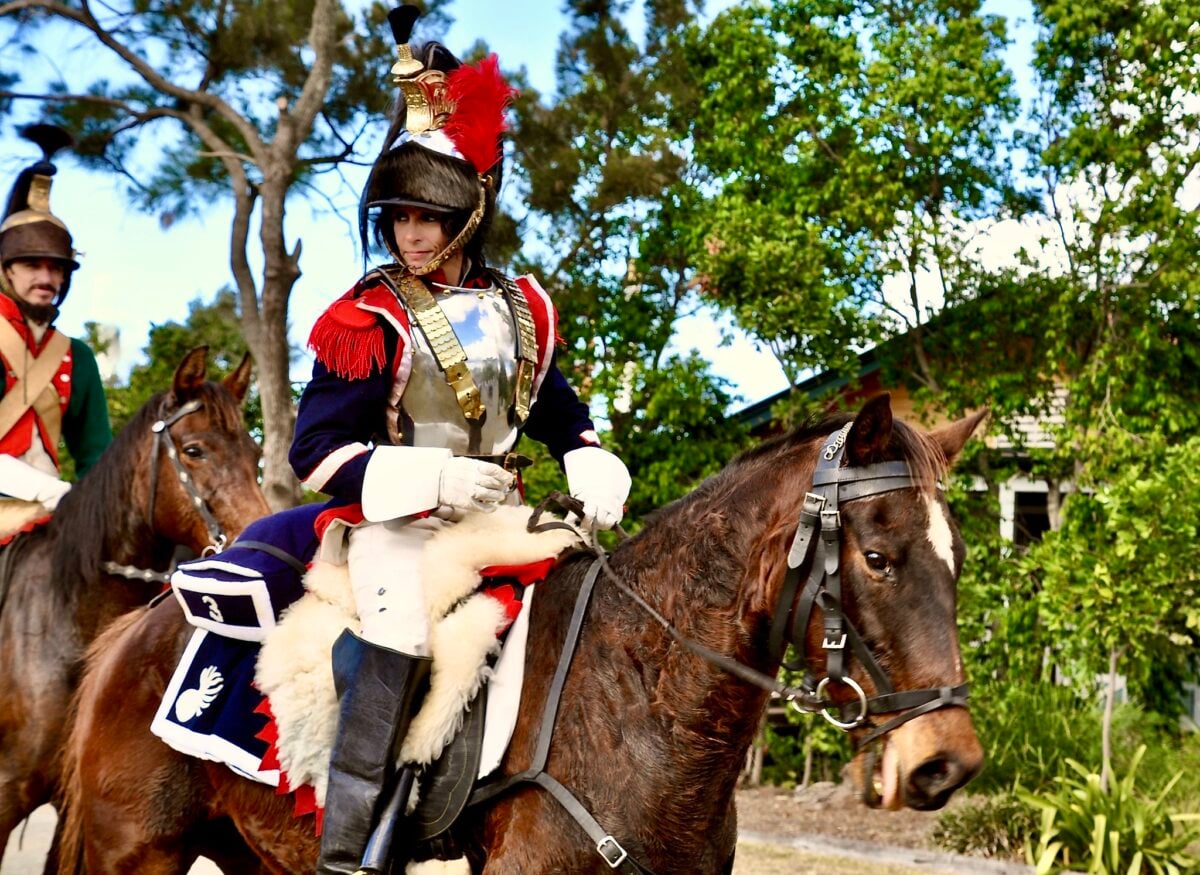
Heavy cavalry in metal breastplates riding into machine gun fire epitomizes military tradition clashing with technological reality. French Cuirassiers wore steel cuirasses designed for sword combat well into World War I, apparently believing that 19th-century armor would somehow deflect 20th-century bullets.
The shiny metal plates made perfect targets for enemy marksmen. The weight slowed down movements and offered minimal protection against modern weapons.
Yet French cavalry charged German trenches wearing these elaborate costumes, complete with plumed helmets and ceremonial swords.
Their uniforms prioritized historical continuity over battlefield effectiveness. The cuirasses became symbols of French military heritage, even as they became increasingly obsolete on modern battlefields.
Hungarian Hussars
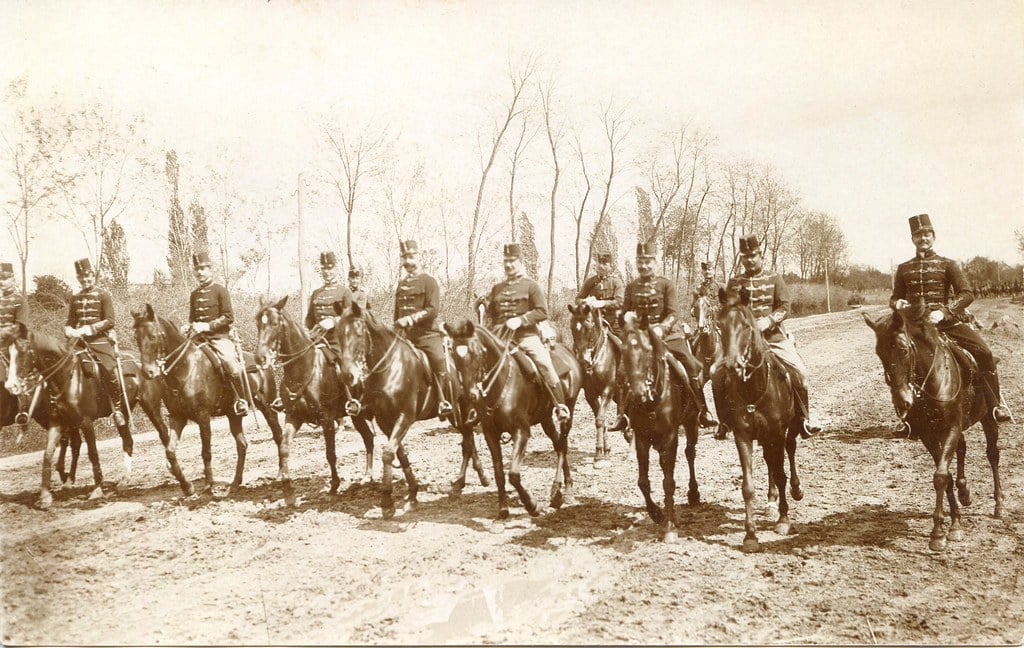
Hungarian light cavalry created the template for flashy military uniforms across Europe. Their dolman jackets featured elaborate braiding, bright colors, and enough decorative elements to stock a costume shop.
The pelisse (a fur-trimmed jacket) worn over one shoulder added another layer of ornamentation.
Tight-fitting pants, tall boots, and distinctive shakos completed the ensemble. Different regiments adopted their own color schemes — some favored blue and gold, others preferred red and silver.
The combinations were limited only by imagination and budget.
These uniforms spread throughout European armies as the “hussar style” became fashionable. Austrian, Prussian, and even British units adopted variations of Hungarian cavalry dress, proving that military fashion could be just as contagious as any other trend.
Honor in the Details
Military uniforms reveal something essential about how societies view warfare, tradition, and identity. The strangest examples often represent moments when practical needs collided with cultural values, producing compromises that satisfied neither completely.
Yet these unusual uniforms persisted because they served purposes beyond protection — they built unit cohesion, intimidated enemies, and preserved traditions that connected soldiers to their heritage. Sometimes looking odd was exactly the point, and the most effective warriors understood that battles could be won before the first shot was fired, simply by controlling how they appeared to the world.
More from Go2Tutors!

- The Romanov Crown Jewels and Their Tragic Fate
- 13 Historical Mysteries That Science Still Can’t Solve
- Famous Hoaxes That Fooled the World for Years
- 15 Child Stars with Tragic Adult Lives
- 16 Famous Jewelry Pieces in History
Like Go2Tutors’s content? Follow us on MSN.



