Hidden Secrets Behind Amusement Parks
You probably think you know amusement parks pretty well. The rides, the food, the crowds, the prices that make your wallet cry.
But underneath all that surface-level chaos runs an entire hidden world that most visitors never see or even think about. These places are like icebergs—what you experience is just the tip of something much bigger and stranger.
The Underground City Beneath Your Feet
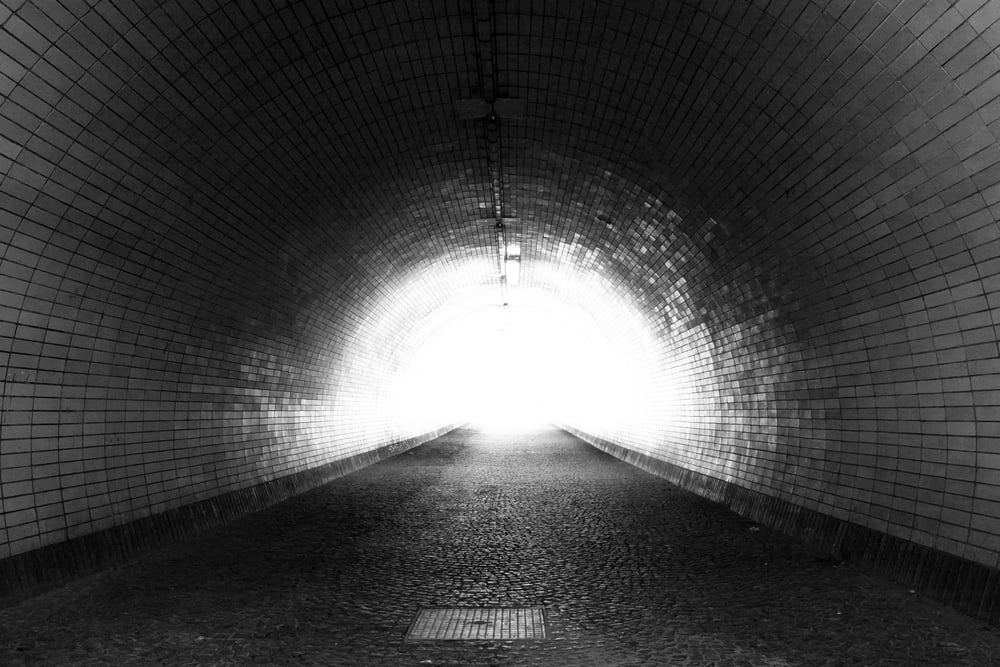
Most major theme parks sit on top of elaborate tunnel systems. These aren’t small passages either.
Some stretch for miles, wide enough for golf carts and small vehicles to drive through. Park employees use them to move between areas without breaking the “magic” of themed zones.
You won’t see a cowboy walking through a space-themed area because he just takes the tunnel instead.
The tunnels also house break rooms, offices, storage facilities, and maintenance shops. Disney World’s system in Florida is particularly massive—it’s technically the ground floor, and the park you walk through is built on the second story.
That’s why you never see garbage trucks or supply deliveries during park hours.
Cast Members Have Their Own Secret Language
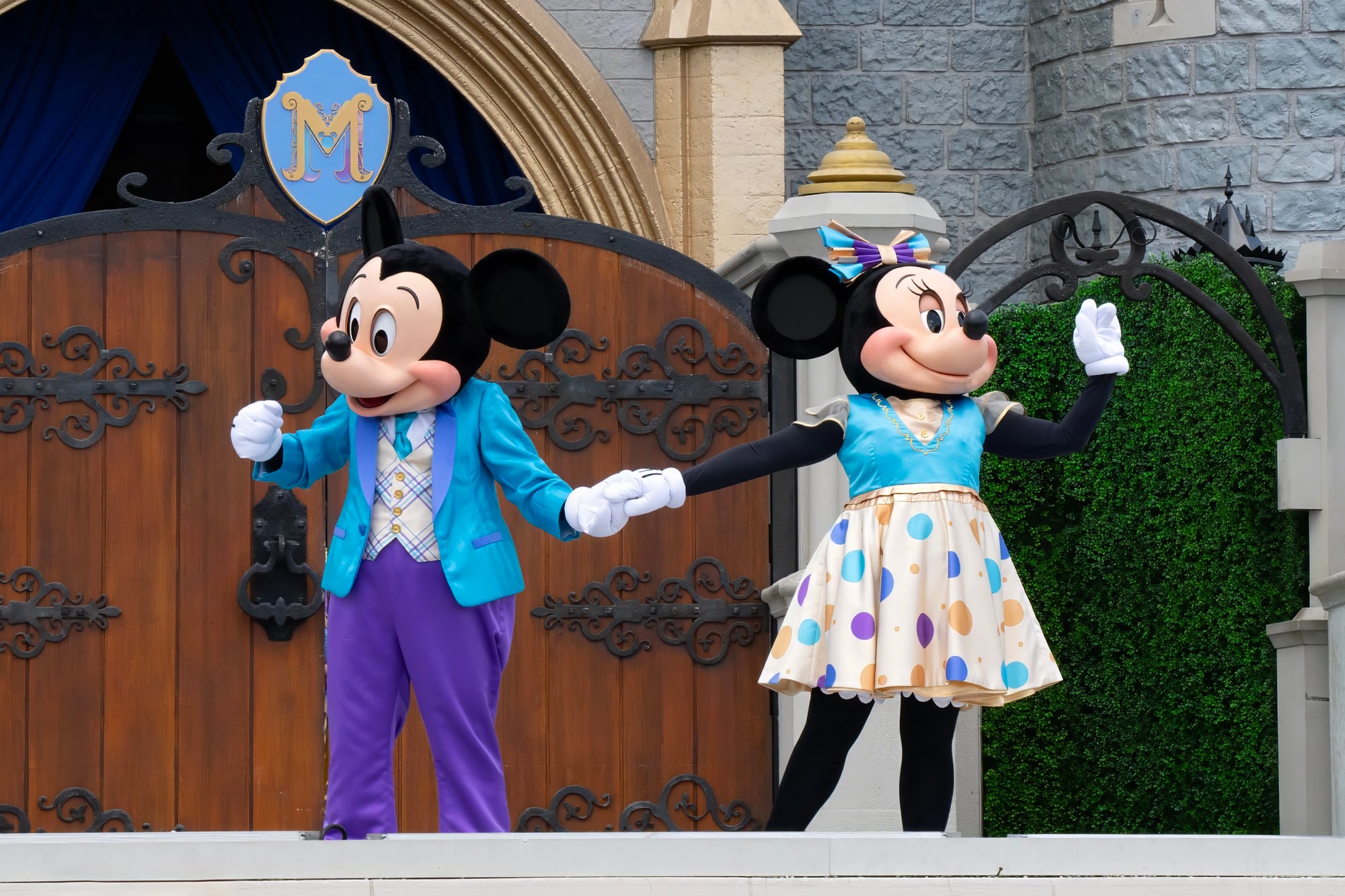
Staff members at theme parks use coded phrases over their radios to communicate problems without alarming guests. Different parks have different systems, but they all follow the same principle: keep visitors oblivious to anything going wrong.
A “Code V” usually means someone vomited. “Protein spill” means the same thing at some locations.
When you hear staff mention a “Code H,” that’s their way of saying someone had a bathroom accident. These euphemisms let employees respond quickly while keeping the family-friendly atmosphere intact.
The person sitting next to you on the bench has no idea that the cheerful employee who just walked by is actually rushing to clean up something disgusting.
Every Single Move You Make Is Recorded
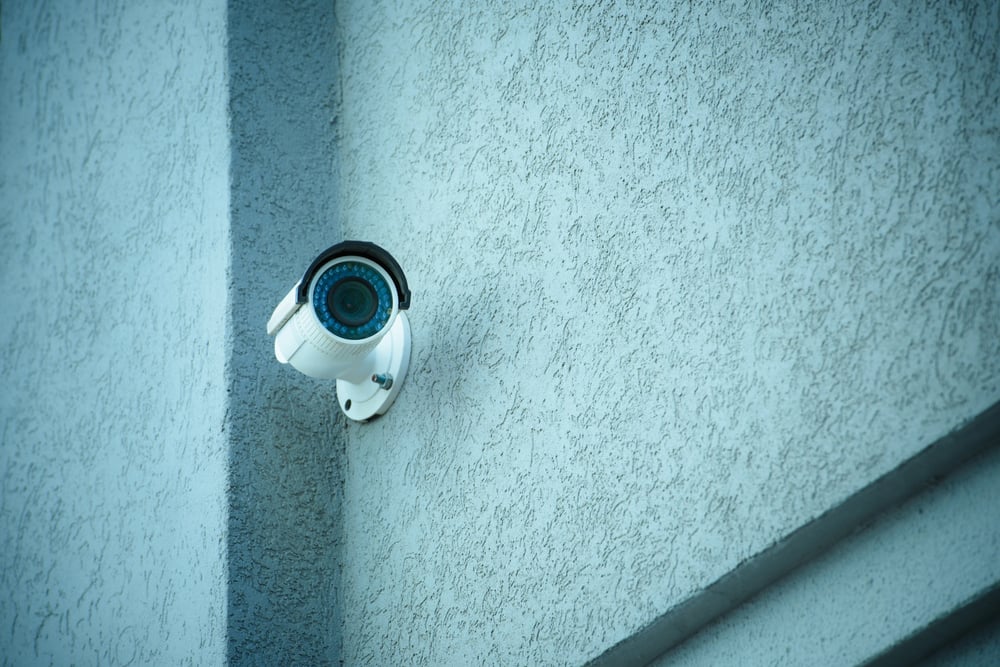
Security cameras cover every inch of these parks. Not just the obvious ones you can spot.
Tiny cameras hide in decorations, building facades, and even trash cans. The security teams can zoom in close enough to read the text on your phone screen from hundreds of feet away.
These systems track more than just security threats. Parks analyze foot traffic patterns, which attractions draw crowds at specific times, and where bottlenecks form.
The data helps them adjust staffing and predict problems before they escalate. Privacy advocates would have a field day if they knew the extent of the surveillance, but most visitors never think twice about it.
Trash Disappears Like Magic
Large parks use automated vacuum systems called AVAC—Automated Vacuum Assisted Collection. Cast members toss trash into special receptacles throughout the park.
The waste gets sucked through underground pipes at 60 miles per hour to a central collection facility. The system runs constantly during park hours.
It’s loud if you’re near the compacting station, but from the surface, you hear nothing. This technology costs millions to install, but it eliminates the need for garbage trucks rolling through crowded walkways.
Disney pioneered this system in the 1970s, and some newer parks have adopted similar setups.
Rides Get Rebuilt Every Single Night
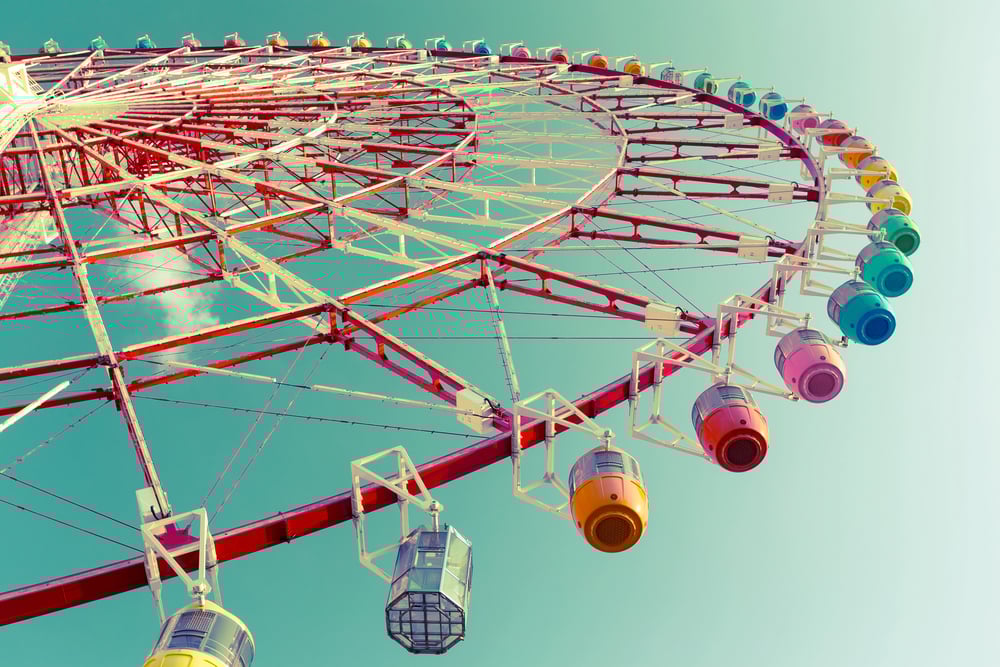
After the park closes and you go home, maintenance crews swarm the attractions. They inspect every mechanical component, test safety systems, and replace worn parts.
Major roller coasters require teams of technicians working through the night to keep them operational.
The work never stops. Some repairs can’t wait for the off-season.
If a ride shows any sign of unusual wear or a safety concern, the park pulls it offline immediately—sometimes in the middle of the day. Those “temporary closures” you see posted aren’t always about weather or minor technical issues.
Sometimes they’re racing against time to fix something serious before reopening.
The Air Smells Exactly How They Want It To

Theme parks pump artificial scents through their ventilation systems. Walk down Main Street and smell fresh-baked cookies?
That’s not from a nearby bakery. It’s a manufactured fragrance designed to trigger nostalgia and hunger.
Different areas get different scent profiles. Adventure zones smell like jungle vegetation.
Futuristic areas smell clean and slightly chemical. Food courts have intensified food aromas to increase appetite.
The technology behind this is surprisingly sophisticated—each scent gets released at specific times and concentrations to create the desired effect. Your brain processes these smells subconsciously, affecting your mood and behavior without you realizing it.
Paint Colors Control Your Emotions
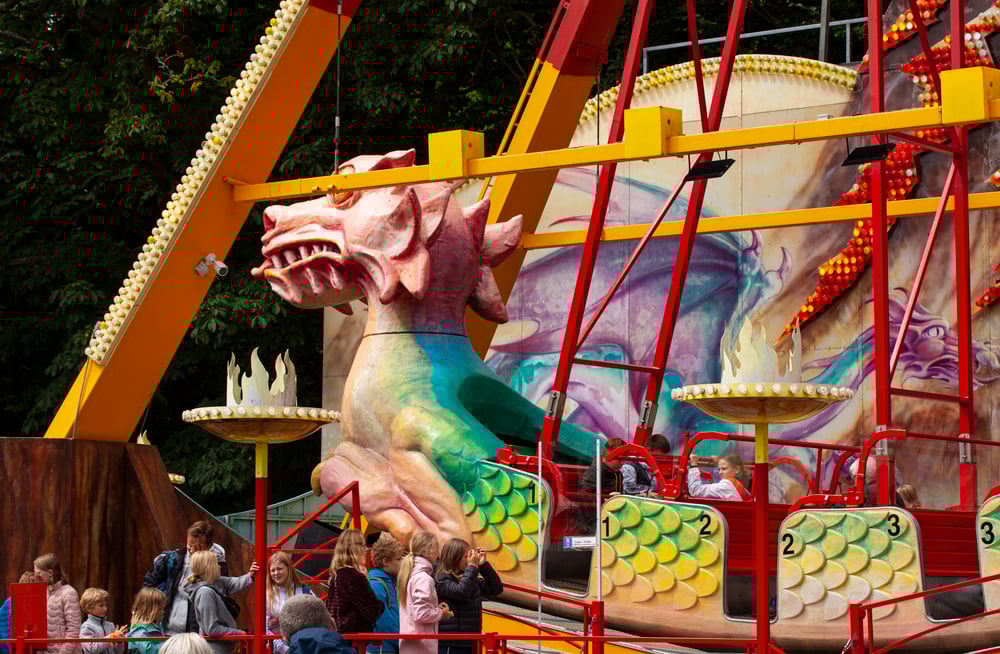
Park designers obsess over color psychology. They paint buildings, pathways, and attractions in specific shades to influence how you feel.
Warm colors like red and orange stimulate appetite and excitement, which is why you see them near restaurants and thrill rides. Cool colors like blue and green create calm, appearing more often in queue lines where people need to wait patiently.
They also use color to manipulate perception of distance and time. Brighter colors make spaces feel more open.
Darker tones create intimacy and mystery. Even the pavement color matters—lighter surfaces reflect heat and make walkways feel less oppressive on hot days.
Nothing about these parks happens by accident.
Queue Lines Are Psychological Experiments

Those winding queue lines do more than organize crowds. Parks engineer them to make wait times feel shorter than they actually are.
Curved paths prevent you from seeing how long the line extends. Switchbacks keep you moving constantly, even if you’re barely making progress.
Entertainment in queues serves a purpose beyond distraction. Videos, games, and decorations keep your mind occupied so you don’t focus on the wait.
Some parks intentionally underestimate wait times on their boards. When you reach the ride faster than expected, you feel satisfied instead of frustrated.
The opposite effect—overestimating—leads to complaints and negative reviews.
Parks also study queue psychology to minimize line-jumping. They design barriers and pathways that make cutting difficult without being obvious about it.
Social pressure does most of the work when the path forces everyone into a single-file line with nowhere to skip ahead.
Character Performers Follow Strict Rules
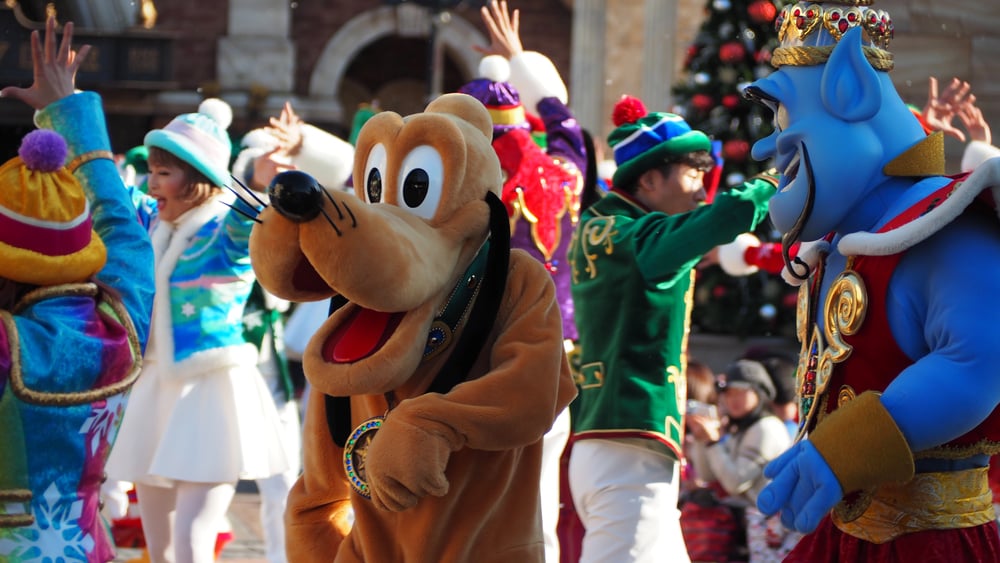
Those costumed characters roaming the park operate under intense guidelines. They never speak—not even to kids asking them questions.
Speaking breaks character and risks exposing that multiple people play the same role. Each character has specific gestures and movements that all performers must replicate exactly.
Actors stay in costume for limited shifts because the suits get brutally hot. Some characters require multiple performers rotating every 30-45 minutes to prevent heat exhaustion.
Break areas for these employees exist in hidden locations throughout the park, often accessible only through unmarked doors or backstage pathways.
Characters also have panic signals. If an actor feels threatened, overwhelmed, or unwell, they make specific gestures that alert nearby staff to intervene.
Security personnel dress as regular employees but stay close to character meet-and-greet areas to respond quickly when needed.
Emergency Plans You’ll Never See
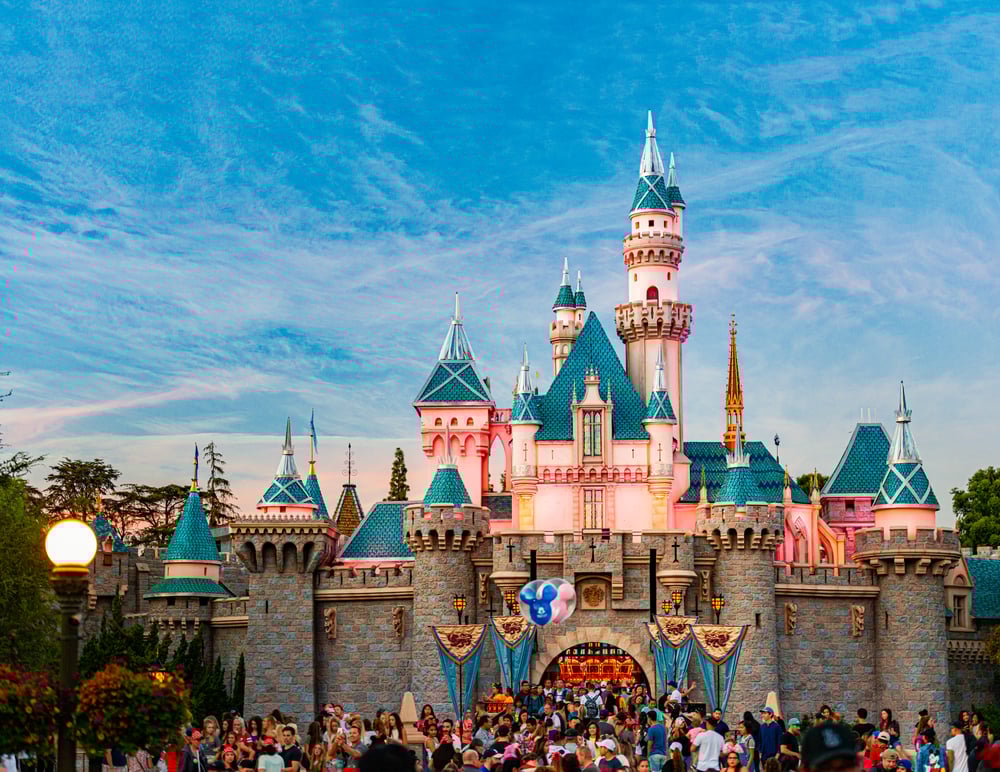
Every theme park has detailed evacuation procedures for disasters—fires, severe weather, active threats, and even terrorist attacks. Staff members train regularly on these protocols, but parks keep the specifics confidential for security reasons.
Rides have emergency stop procedures that can halt operations in seconds. Operators practice evacuating guests from stuck rides, including scenarios where people are suspended upside down or at extreme heights.
These drills happen during closed hours, and most guests never know how thoroughly crews prepare for worst-case scenarios.
Parks also have medical facilities that rival small hospitals. Trained paramedics and nurses staff these clinics throughout operating hours.
They treat everything from minor scrapes to heart attacks. The speed of their response can mean the difference between life and death, and they coordinate with local hospitals for severe emergencies.
Water Rides Aren’t Just Water

Those lazy rivers and log flumes contain highly treated water with chemical levels that would make a pool maintenance company nervous. The water gets filtered and chlorinated constantly to handle the thousands of bodies passing through it daily.
Some rides add dyes to make the water look more appealing or to hide stains from rust and mineral deposits.
Parks also add special chemicals that break down sunscreen and body oils faster. Without these treatments, the water would turn into a disgusting soup within hours.
The filtration systems run 24/7, processing thousands of gallons per minute. Even with all this treatment, health inspectors occasionally find concerning bacteria levels, though parks rarely publicize these results.
Every Sound Is Carefully Orchestrated
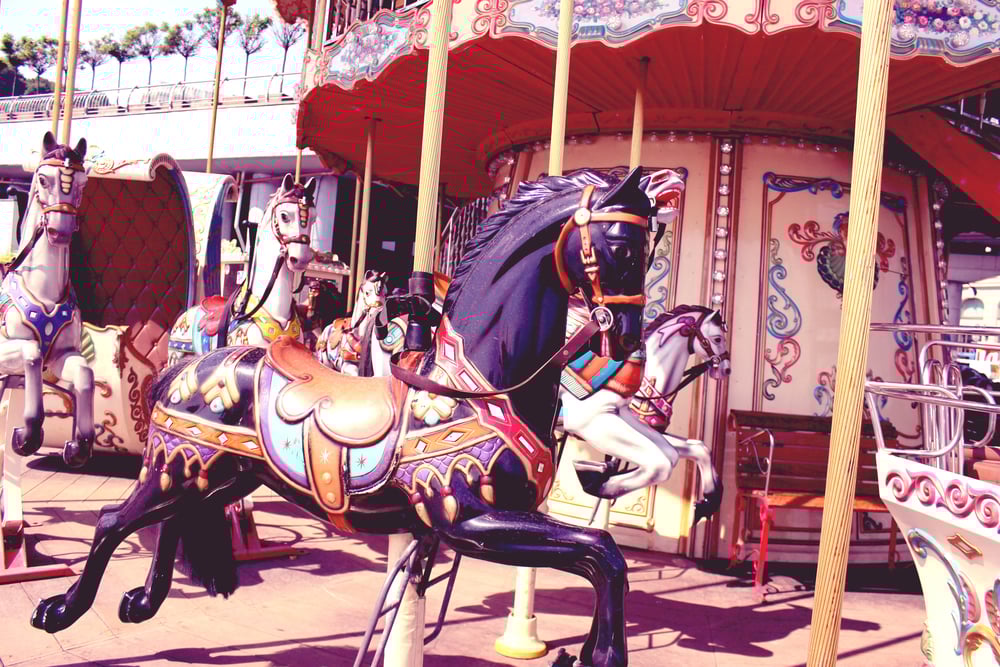
Audio engineers design the soundscape of these parks with incredible precision. Music plays everywhere, but it never feels overwhelming because they’ve tuned volume levels and frequencies for each specific area.
The soundtrack changes subtly as you move between zones, affecting your mood without you noticing the transition.
Ride sound effects get layered in complex ways. The roar of a roller coaster, the splash of a water ride, even the creaking of a haunted house attraction—these are all enhanced or completely fabricated sounds played through hidden speakers.
Real mechanical noises often sound boring or wrong, so parks replace them with more dramatic audio.
Ambient noise control is equally important. Parks position loud attractions away from quiet areas.
They use landscaping and building placement to absorb or redirect sound. The goal is to create distinct experiences in different sections while preventing one zone from crashing into another.
The Real Cost of “Free” Fun
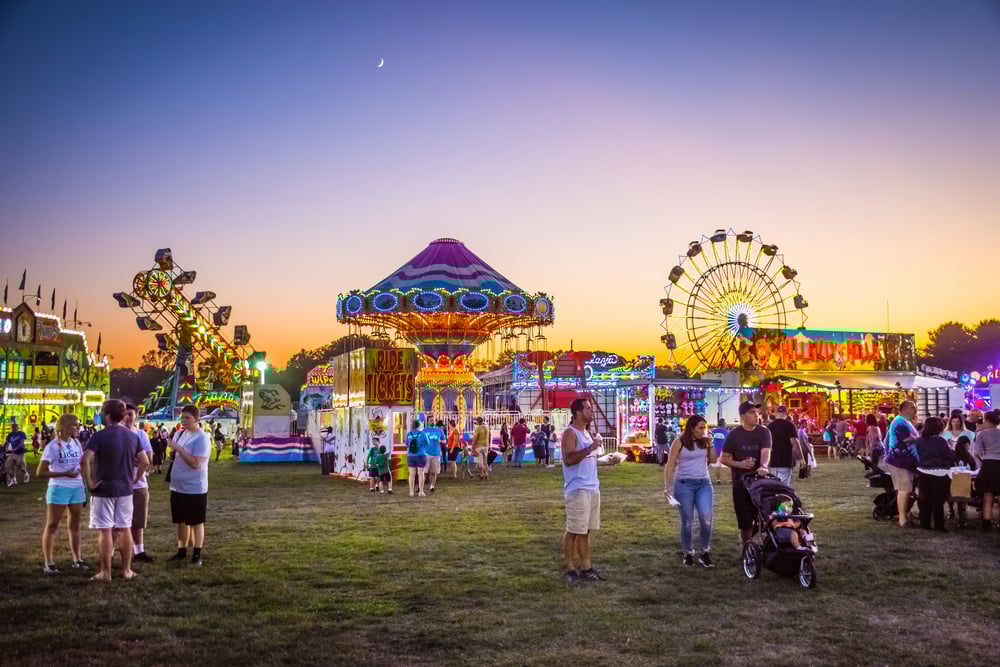
That cheerful music drifting through the air? Pays for itself in ways you do not see.
Watching characters wave along the path takes more than just costumes and smiles. Every bright light above the walkways runs on a budget most overlook.
Keeping paths spotless means early mornings and late nights for unseen workers. What looks free always hides a number behind it.
Figures get broken down to the last cent by parks. Every trip you make carries a specific charge, covering things like soap in restrooms or staff paychecks.
That entry fee covers those amounts – along with what they aim to earn beyond costs. If parking does not show a price tag, or meals seem included at no extra charge, the expense shifted somewhere else instead.
Hidden charges take shape where you might not expect – no real zero-cost options exist. When crowds are expected, tickets climb in price. Go on a quieter day, then rates fall.
Predictions shape how much visitors spend. Higher demand means higher charges.
Lower turnout brings discounts instead. Revenue stays strong regardless of turnout.
Crowds get balanced without empty parks.
Where the Magic Really Lives
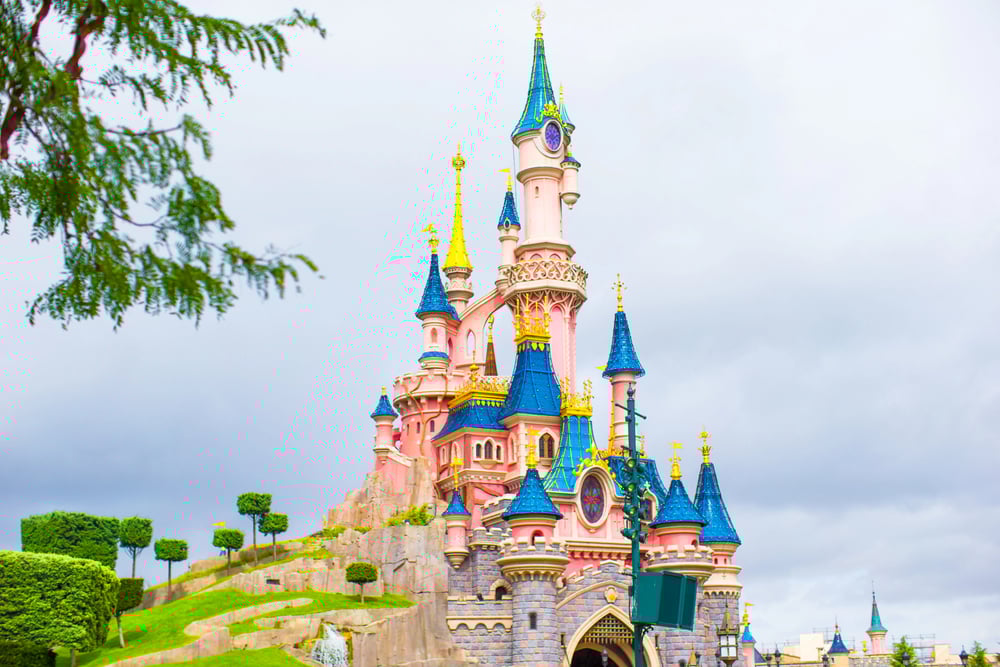
Out of sight, these systems run without your attention. Amusement parks feel magical only when the gears stay out of view.
Spotting the passageways, the lenses watching, the feelings designed on purpose – that changes everything. From then on, nothing looks quite innocent.
Maybe that is alright. Knowing how a thing functions does not always ruin the moment.
It shifts what you feel. Appreciation for skill can grow even as you enjoy the thrill.
Hidden details add depth, not take away. Effort poured into creating joy becomes visible, massive, real.
When you go back to a theme park, take your time. Pay attention to the radio chatter among workers.
The scents shift without warning – catch them mid-step. Characters vanish now and then; see where they slip away.
What you see at first glance isn’t the full picture. Underneath, a different reality hums along out of view.
More from Go2Tutors!

- The Romanov Crown Jewels and Their Tragic Fate
- 13 Historical Mysteries That Science Still Can’t Solve
- Famous Hoaxes That Fooled the World for Years
- 15 Child Stars with Tragic Adult Lives
- 16 Famous Jewelry Pieces in History
Like Go2Tutors’s content? Follow us on MSN.



