Strange Things That Washed Up on Beaches
Beaches are often seen as peaceful spots where people go to relax, collect shells, or watch the waves. But sometimes the ocean has other plans.
Over the years, coastlines around the world have received some truly bizarre deliveries from the sea. These discoveries range from mysterious to downright creepy, and they remind us that the ocean still holds plenty of secrets we don’t fully understand.
Let’s take a look at some of the strangest finds that have appeared on sandy shores when nobody was expecting them.
Giant eyeball in Florida

In 2012, a man was walking along Pompano Beach in Florida when he spotted something that looked like it came straight out of a science fiction movie. It was a massive eyeball, about the size of a softball, just sitting there in the sand.
The blue iris stared up at anyone brave enough to get close. Scientists eventually determined it belonged to a swordfish, but for a while, people wondered if it came from a giant squid or some unknown sea creature.
The eye was so well-preserved that researchers could study it in detail, which doesn’t happen often with ocean remains.
Doritos bags from a 1970s shipwreck

Thousands of Doritos bags washed up on beaches in North Carolina’s Outer Banks in 2006, and they weren’t from a recent beach party. These snack bags came from a cargo ship that sank decades earlier during a storm.
The chips inside were long gone, but the bags themselves were surprisingly intact. Beachgoers found them scattered along miles of coastline, still showing the old-school logo and design from the 1970s.
It was like discovering edible archaeology, except nothing was edible anymore. The incident showed just how long plastic can survive in the ocean.
Rubber ducks and bath toys

About 28,000 rubber ducks, turtles, beavers, and frogs fell off a cargo ship in the Pacific Ocean in 1992. These plastic bath toys have been washing up on shores around the world ever since.
Scientists have actually used them to study ocean currents because the toys traveled incredible distances. Some made it to Alaska, others to Scotland, and a few even reached the Arctic ice.
The toys faded from bright yellow to white after years in the sun and salt water. Kids and collectors still hunt for these accidental ocean travelers on beaches today.
Prehistoric Irish elk skull with antlers
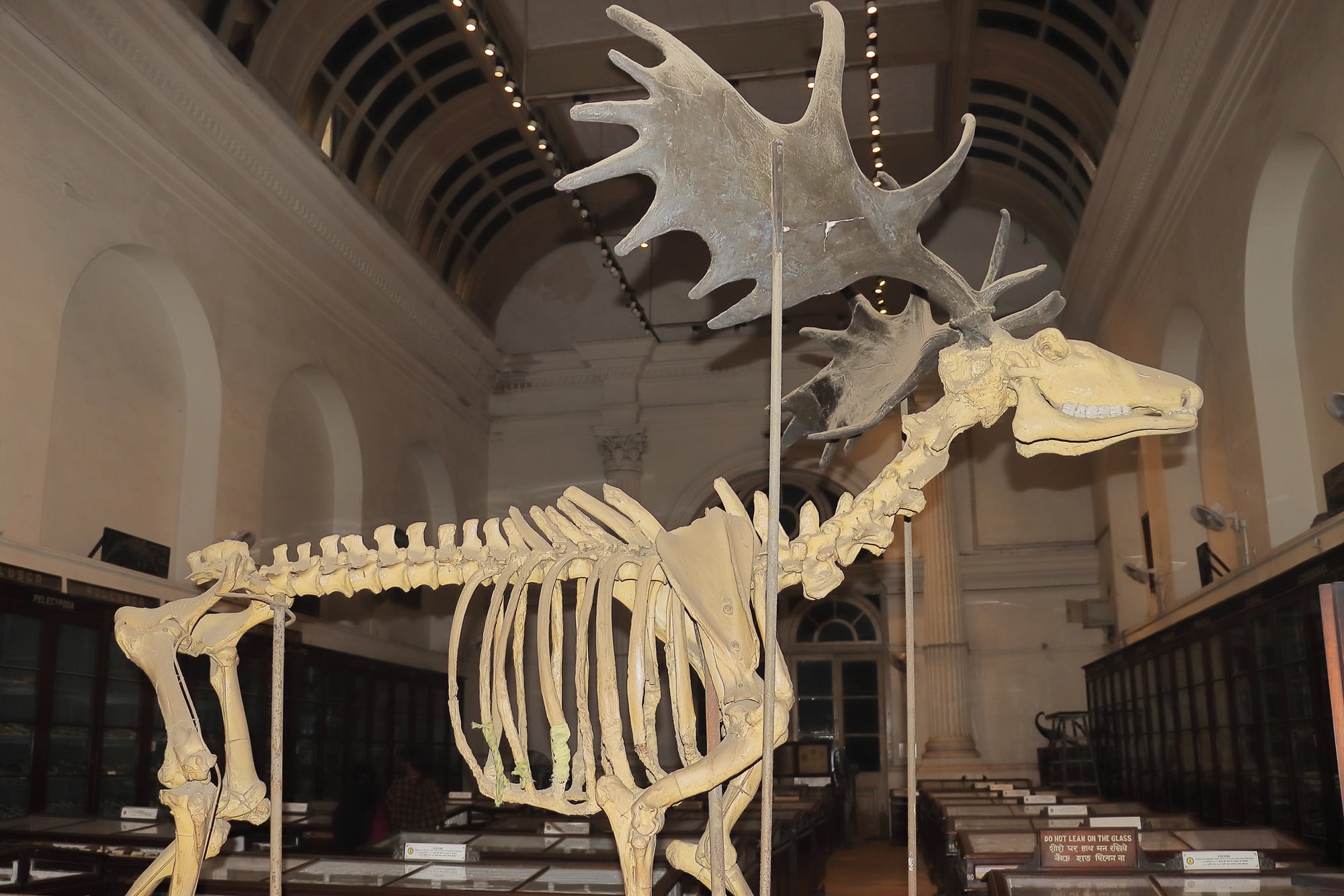
A massive skull from an extinct Irish elk appeared on a Spanish beach in 2018, complete with enormous antlers that spanned several feet. These animals died out thousands of years ago during the Ice Age.
The skull probably came from underwater sediment that shifted during a storm, releasing the ancient remains. Irish elks weren’t actually elk at all but giant deer that stood over six feet tall at the shoulder.
Finding one on a beach is exceptionally rare since most fossils stay buried in bogs or caves. The antlers alone can weigh up to 90 pounds.
Mysterious blobs of whale vomit
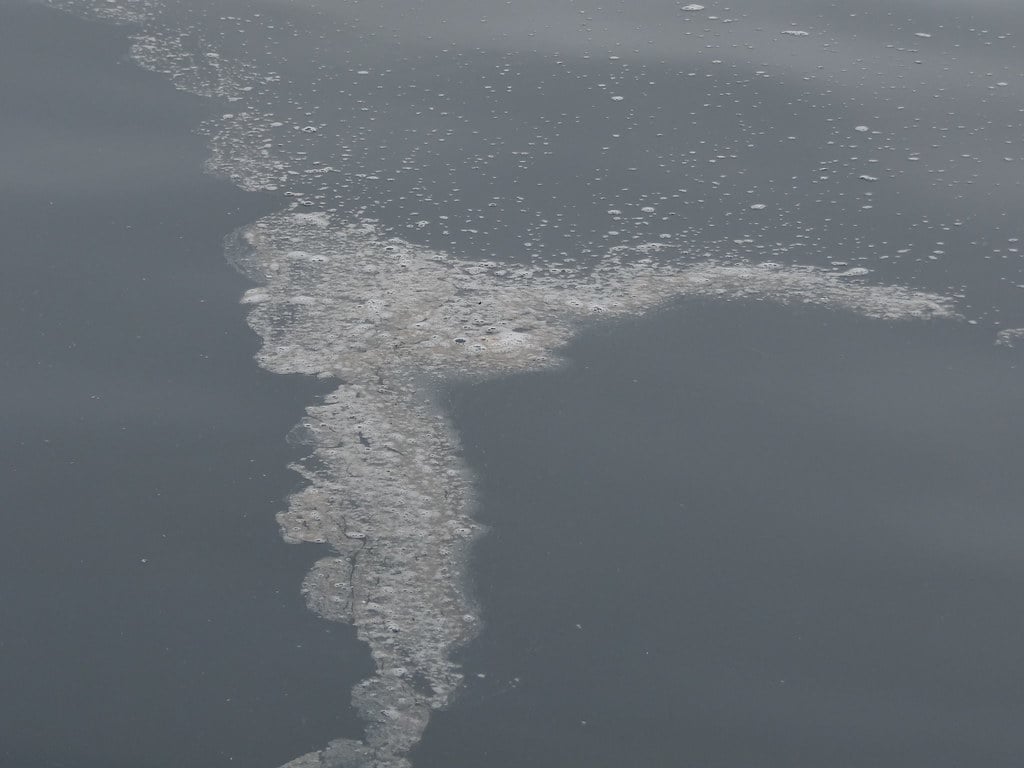
Lumps of ambergris, which is essentially whale vomit or intestinal waste, occasionally wash ashore and can be worth a fortune. This waxy substance forms in the digestive system of sperm whales and gets expelled into the ocean.
It smells terrible at first, like a mix of manure and seawater. But after floating around for years, it develops a sweet, earthy scent that perfume makers prize highly.
Some chunks have sold for hundreds of thousands of dollars. People who find it often don’t realize what they have until they research the gray, rock-like material.
Lego pieces from a 1997 container spill

A shipping container holding nearly 5 million Lego pieces fell into the ocean off the coast of England in 1997. The pieces included octopuses, dragons, flippers, and life rafts, which makes the spill somewhat ironic.
These tiny plastic toys have been washing up on beaches in Cornwall and Devon ever since. Beachcombers have turned hunting for the Legos into a hobby, documenting their finds online.
The pieces barely show wear even after decades in the water. Marine conservationists use this incident to highlight how long plastic pollution persists in our oceans.
A working Harley-Davidson motorcycle

After the 2011 tsunami in Japan, a Harley-Davidson motorcycle washed up on the coast of British Columbia, Canada, still inside a storage container. The bike had traveled over 4,000 miles across the Pacific Ocean.
It was covered in barnacles and seaweed but was still identifiable by its serial number. Authorities tracked down the owner in Japan, who had lost his home in the disaster.
Harley-Davidson offered to restore the bike for free, but the owner declined, wanting it preserved as a memorial. The motorcycle became a symbol of the tsunami’s far-reaching impact.
Human feet in running shoes

Since 2007, more than 20 human feet, still wearing sneakers, have washed up on the shores of British Columbia and Washington State. This sounds like something from a horror movie, but there’s actually a logical explanation.
Modern running shoes are buoyant and protective, so they preserve feet longer than other body parts. The feet likely came from people who drowned or died in the water, and natural decomposition separated them from the bodies.
Ocean currents then carried the shoes to shore. While disturbing, forensic experts say it’s not evidence of foul play but rather a consequence of how modern footwear interacts with decomposition.
A space capsule from SpaceX
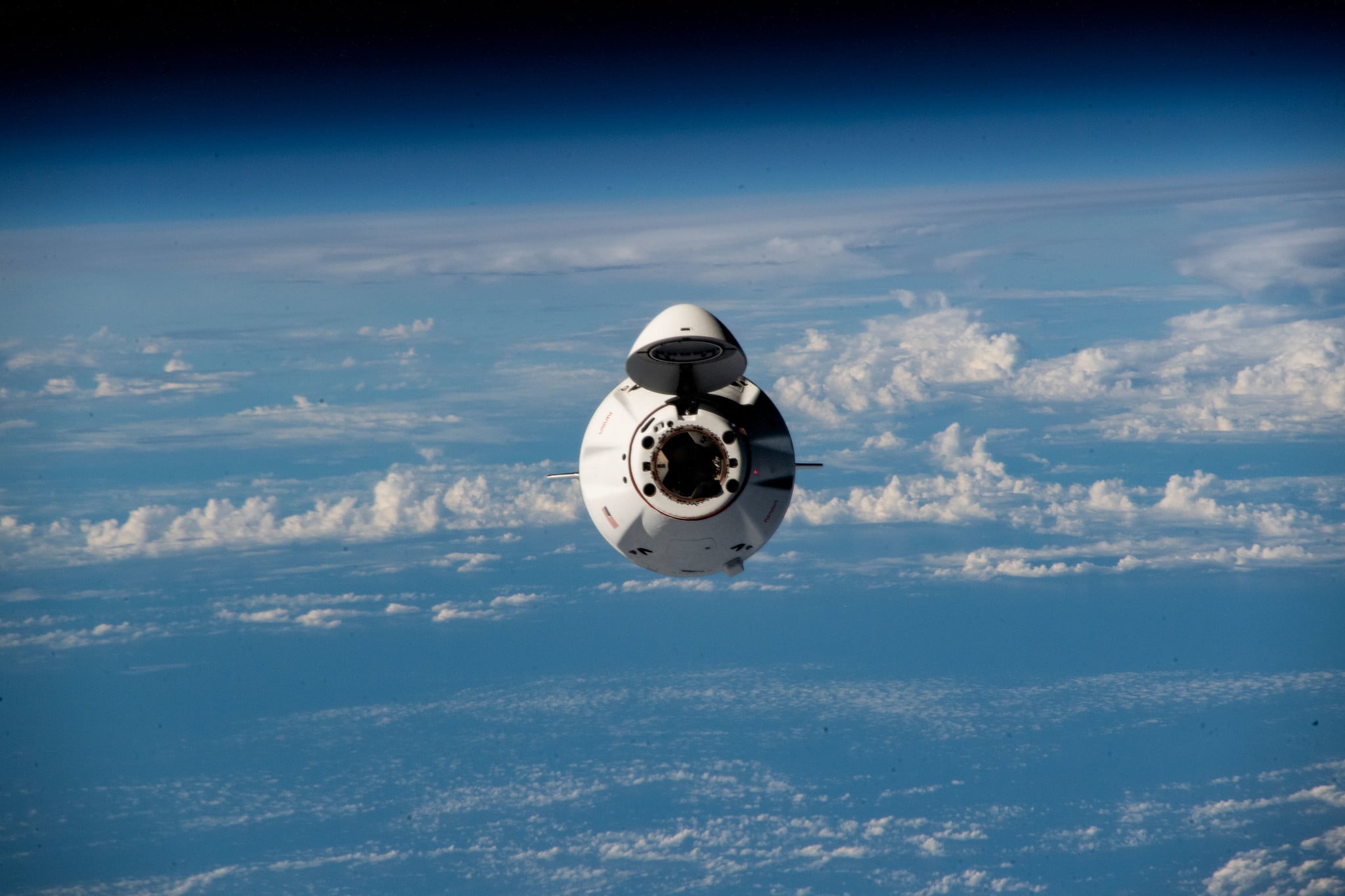
In 2021, a piece of a SpaceX Crew Dragon capsule washed up on a beach in the Bahamas. The debris came from a spacecraft that had splashed down in the ocean after returning from the International Space Station.
Beachgoers were puzzled by the large, charred piece of technology sitting among the seashells. SpaceX confirmed it was part of their equipment and sent a team to retrieve it.
Space junk doesn’t usually make it to public beaches, so this was an unusual find. The company works to recover most pieces, but occasionally something slips through.
Garfield phones in France

For over 30 years, bright orange Garfield novelty phones kept washing up on beaches in Brittany, France. Nobody knew where they were coming from until 2019, when a local finally revealed the source.
A shipping container full of the phones had fallen into a sea cave during a storm in the 1980s. The cave was only accessible during low tide and in calm weather.
Each storm would shake loose a few more phones, sending them out to sea and eventually back to shore. The phones became a strange symbol of plastic pollution that never goes away.
A 50-foot dock from Japan

A massive floating dock, 50 feet long and weighing 165 tons, arrived on an Oregon beach in 2012. It had broken loose during the Japanese tsunami and drifted across the Pacific for 15 months.
The dock was covered in algae, barnacles, and marine life that had hitched a ride across the ocean. Officials worried about invasive species spreading to the Oregon coast.
The dock was too big to move easily, so they had to cut it up and haul it away in pieces. It was one of the largest pieces of tsunami debris to reach North America.
Perfectly preserved Viking ship
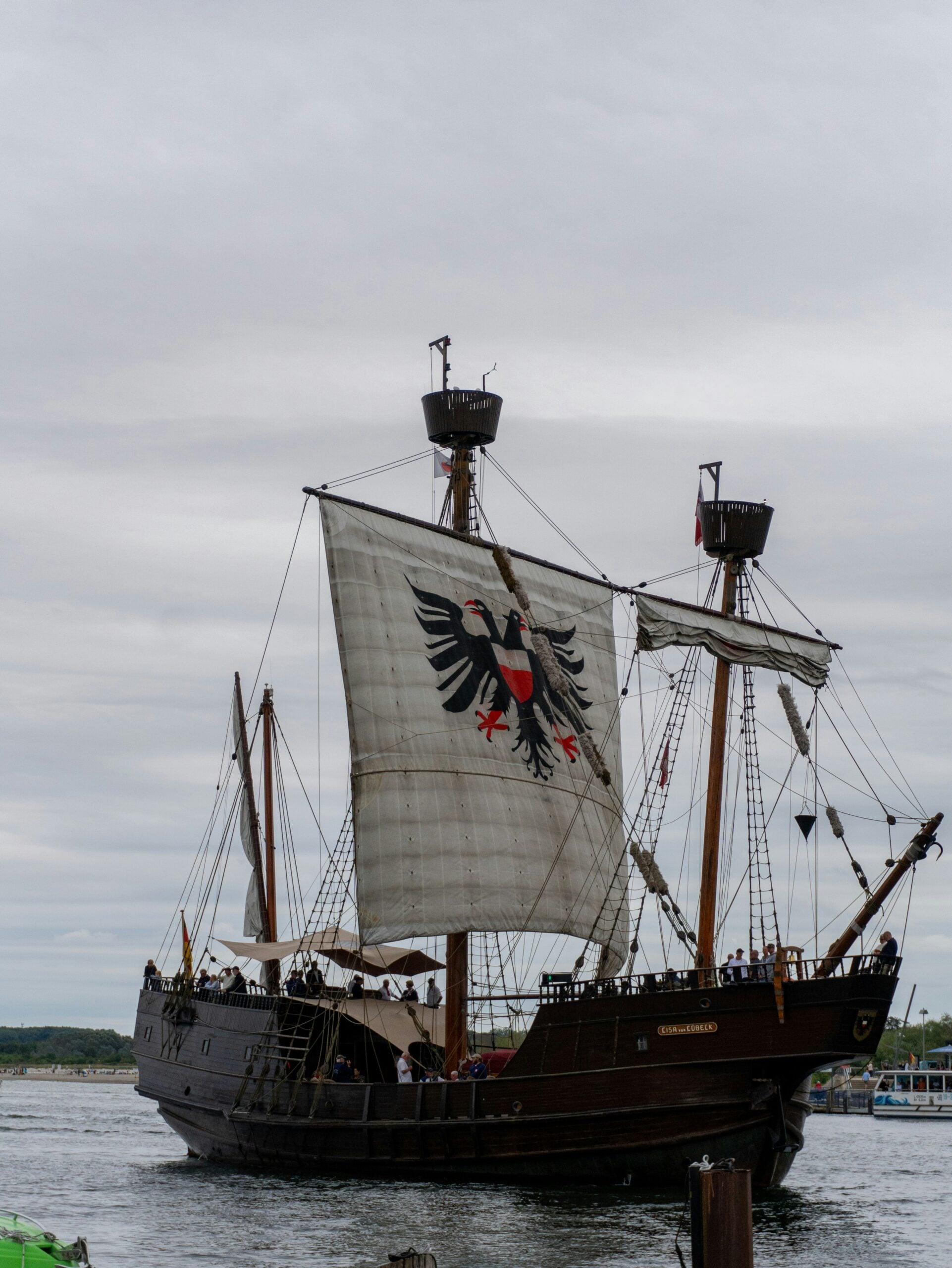
In 2019, erosion revealed a well-preserved Viking ship buried in the sand on a Norwegian island. The ship had been there for over 1,000 years, slowly becoming exposed as storms and tides wore away the beach.
Archaeologists believe it was used as a burial vessel for someone important. The ship still had its basic structure intact, including the keel and some of the planking.
Finding these vessels is rare because wood usually decays completely in marine environments. The discovery provided new insights into Viking shipbuilding and funeral practices.
Cocaine bricks worth millions
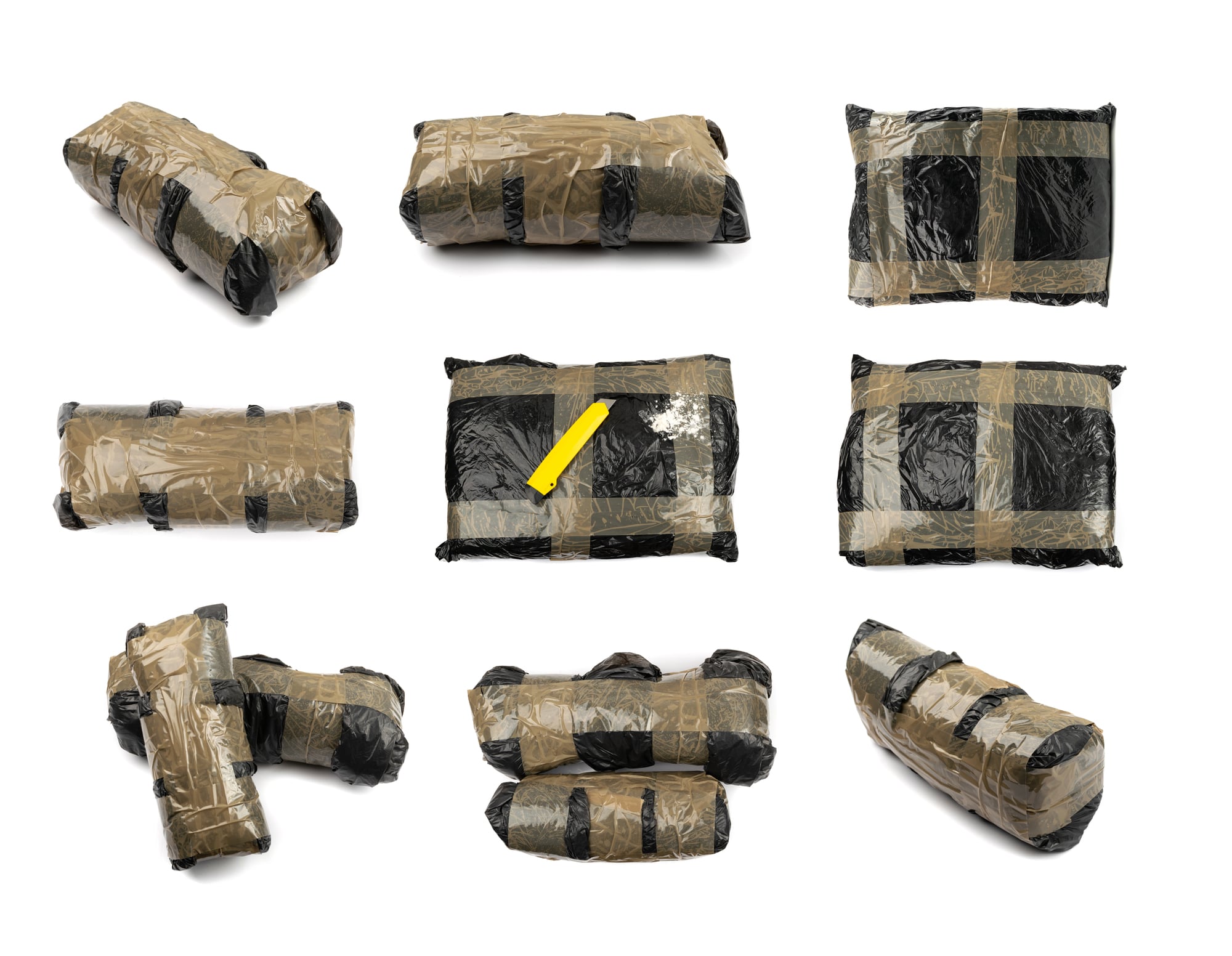
Packages of cocaine regularly wash up on Florida beaches, especially after storms. These bricks come from drug smugglers who throw their cargo overboard when being chased by authorities.
The packages are usually wrapped in waterproof material and marked with distinctive logos. Beachgoers who find them are supposed to report them immediately to law enforcement.
Some bricks are worth tens of thousands of dollars on the street. The ocean currents bring them ashore unpredictably, sometimes months or even years after they were dumped.
Thousands of plastic containers of hot sauce

In 2012, a cargo ship lost 1,800 containers of Tabasco sauce during a storm off the coast of Brazil. Bottles started washing up on beaches hundreds of miles away.
The glass bottles were mostly intact, and some were still sealed and full of hot sauce. Locals collected them by the bucketful.
Tabasco confirmed the shipment loss but couldn’t retrieve all the scattered bottles. The bright red sauce created a colorful but problematic addition to the usual beach debris.
It took months for all the bottles to stop appearing.
A 13-foot oarfish
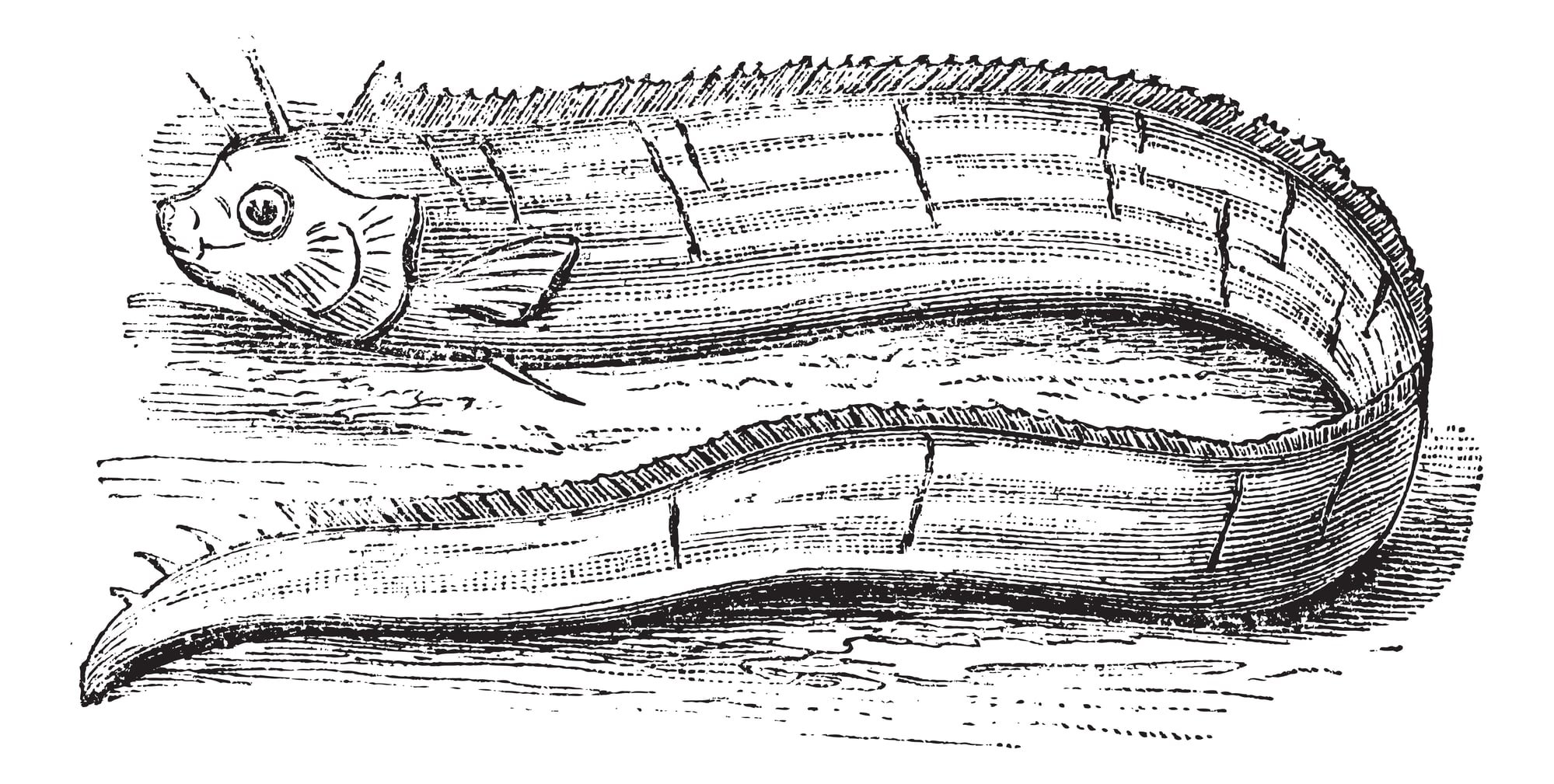
A giant oarfish, measuring 13 feet long and looking like a sea serpent, washed ashore in southern California in 2015. These deep-sea creatures rarely come to the surface, so seeing one is extremely unusual.
Oarfish have long, ribbon-like bodies and can grow up to 30 feet in length. In Japanese folklore, they’re considered harbingers of earthquakes and disasters.
Scientists took the specimen for study because so little is known about these mysterious fish. Its appearance sparked wild speculation and plenty of photos from beachgoers who couldn’t believe what they were seeing.
WWII explosive devices

Unexploded bombs, mines, and grenades from World War II still wash up on European beaches, especially after major storms. These weapons have been sitting on the ocean floor for over 75 years.
Coastal areas that saw heavy fighting during the war are most likely to have these dangerous discoveries. Bomb disposal teams are called in regularly to safely detonate or remove the explosives.
Beach patrols in countries like Germany, France, and the UK train specifically to identify these hazards. Despite decades passing, the weapons can still be highly dangerous if disturbed.
Giant shipping covered in barnacles
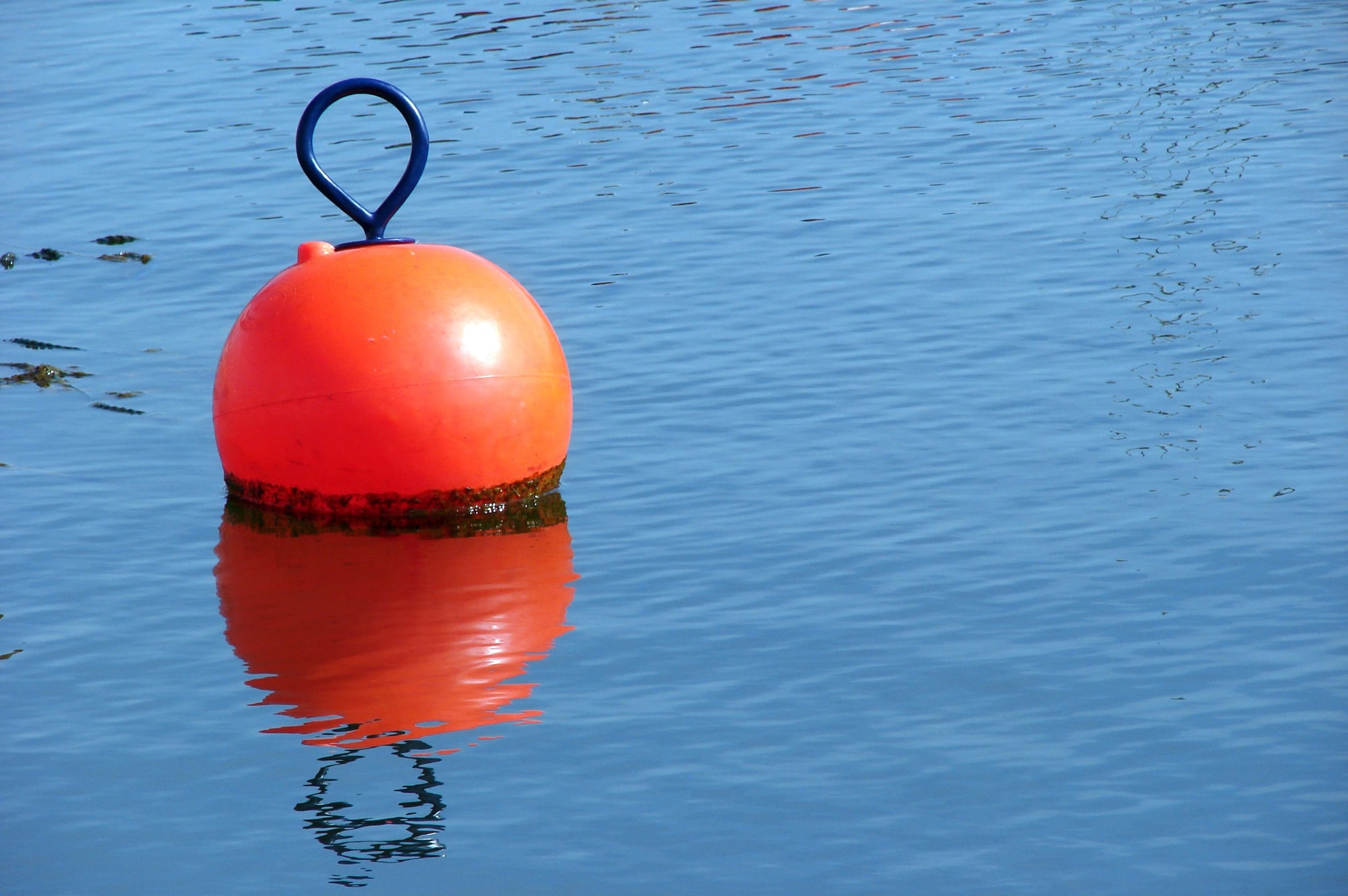
Massive steel buoys, some as tall as a car, occasionally break free from their moorings and drift ashore. These navigational markers weigh several tons and are covered in thick layers of barnacles, mussels, and seaweed.
When they wash up, they look like strange metallic sea monsters. The marine life growing on them can be several inches thick and represents years of accumulation.
Removing these buoys requires heavy equipment because they’re too large to move by hand. Coast Guard teams work to retrieve them before they become navigation hazards themselves.
Message in a bottle from 1886
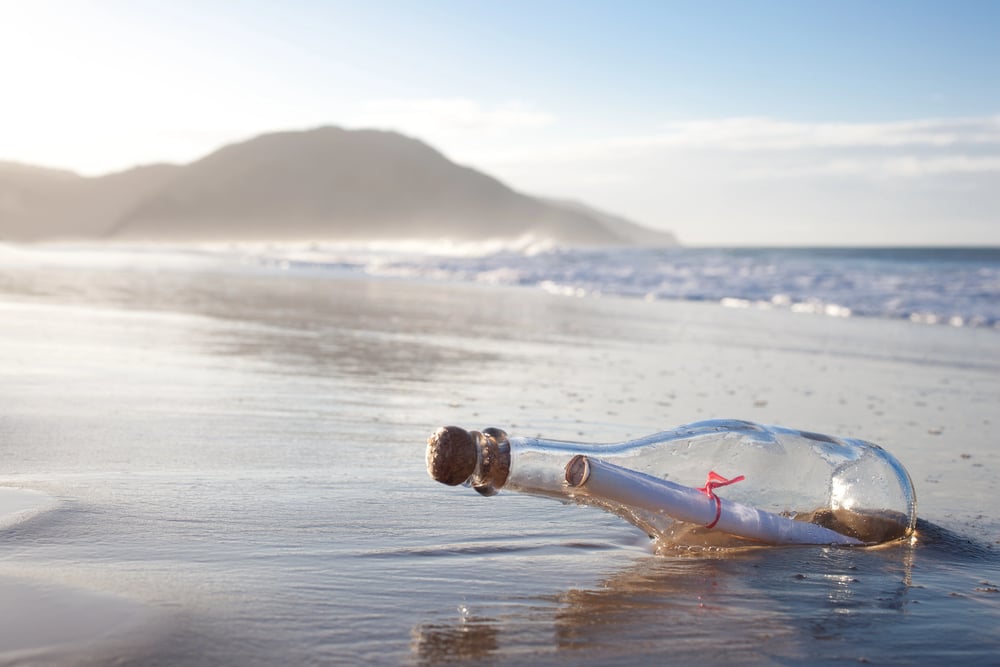
A German bottle containing a message from 1886 washed up on a beach in Australia in 2018, making it the oldest known message in a bottle ever found. The note was part of a German ship’s experiment to study ocean currents.
It included the ship’s coordinates and asked the finder to return it to the German Naval Observatory. The bottle had spent 132 years drifting in the ocean before washing ashore.
The paper inside was still readable despite more than a century of being submerged.
What the ocean keeps bringing back
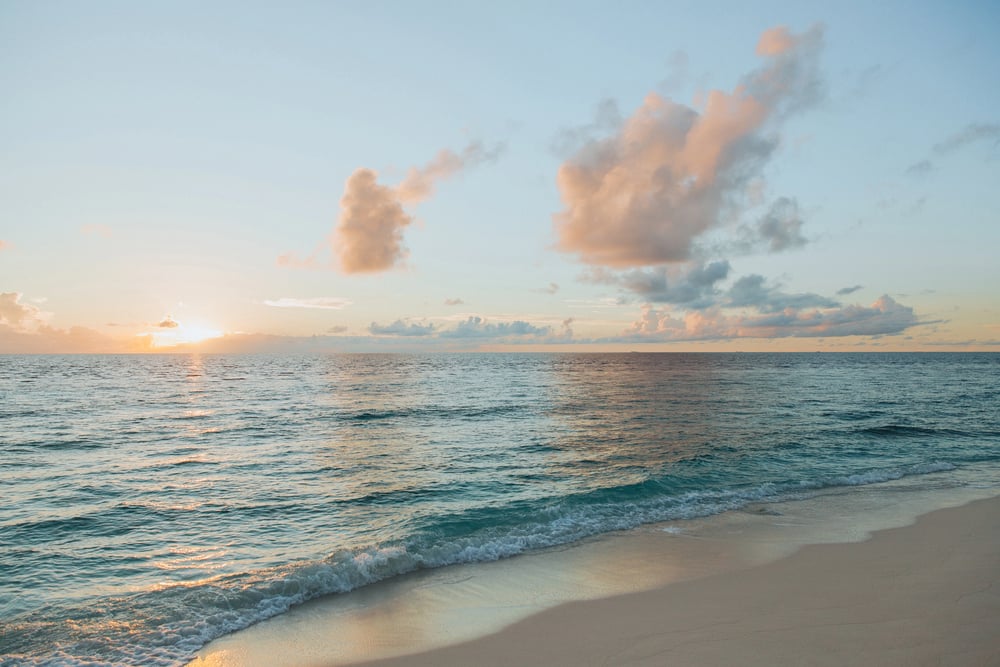
These strange beach discoveries remind us that the ocean is constantly in motion, carrying everything from ancient history to modern trash across vast distances. Each item that washes ashore tells a story about currents, storms, human activity, and the mysteries still hidden beneath the waves.
More from Go2Tutors!

- The Romanov Crown Jewels and Their Tragic Fate
- 13 Historical Mysteries That Science Still Can’t Solve
- Famous Hoaxes That Fooled the World for Years
- 15 Child Stars with Tragic Adult Lives
- 16 Famous Jewelry Pieces in History
Like Go2Tutors’s content? Follow us on MSN.