16 Oldest Cities in the World
Ancient stones whisper stories that span millennia, carrying secrets from civilizations that rose and fell before most modern nations even existed. These urban centers have witnessed the birth of writing, the rise of empires, and the endless cycle of human ambition across thousands of years.
Here are the world’s oldest continuously inhabited cities, places where the past refuses to stay buried and where every street corner holds fragments of humanity’s longest stories.
Damascus

Damascus claims the title of the world’s oldest continuously inhabited city, with archaeological evidence pointing to settlement around 11,000 years ago. The Syrian capital has survived conquests by Romans, Byzantines, Arabs, and Ottomans while maintaining its role as a crucial crossroads between East and West.
Walking through the Old City today, visitors still catch the scent of jasmine drifting over ancient cobblestones. The Umayyad Mosque stands where a Roman temple once honored Jupiter, layers of faith built upon layers of stone.
Jericho

The walls of Jericho may have tumbled down, but the city itself has endured for roughly 10,000 years. Located in the Jordan Valley, this Palestinian city sits 850 feet below sea level, making it not just ancient but also one of the lowest cities on Earth.
Archaeological digs have uncovered evidence of sophisticated urban planning from 8000 BCE. Stone towers. Defensive walls. Evidence of organized society that predates Stonehenge by thousands of years.
Aleppo

Aleppo’s story stretches back 8,000 years, though recent conflicts have left deep scars on this Syrian city. The famous souks that once buzzed with merchants from across the known world now bear witness to a different kind of history.
But Aleppo endures. The citadel still dominates the skyline, a limestone fortress that has watched empires rise and fall from its elevated perch.
Plovdiv

Bulgaria’s Plovdiv has been continuously inhabited for over 8,000 years, built on seven hills like its more famous cousin, Rome. The city has collected names like souvenirs: Philippopolis under Philip II of Macedon, Trimontium under the Romans.
And somehow, through all these transformations, it kept its essential character. Roman theaters still host performances. Byzantine walls still stand guard. Still, visitors today can walk streets that have known human footsteps for 80 centuries.
Sidon

This Lebanese coastal city has been a major port for 6,000 years. Sidon’s purple dye once colored the robes of kings and emperors, extracted from murex shells gathered along these very shores.
The Phoenicians called this place home. Their ships departed from Sidon’s harbors to establish colonies across the Mediterranean. Carthage. Cadiz. Trading posts that would outlive their mother city’s golden age.
Faiyum
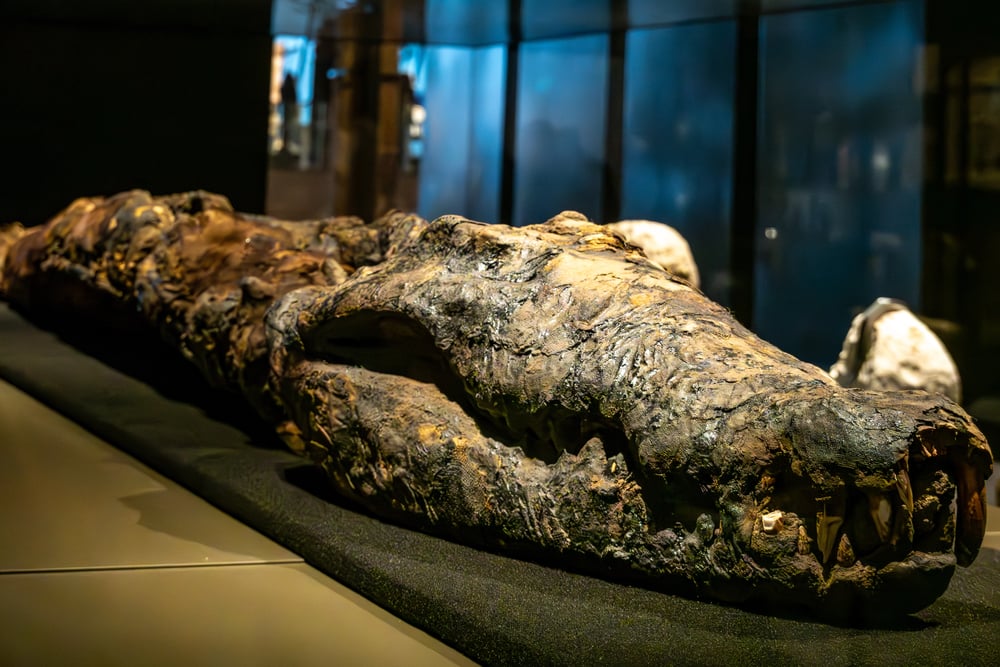
— Photo by Alexander2323
Located southwest of Cairo, Faiyum has flourished for nearly 6,000 years thanks to its position beside Egypt’s largest oasis. The city’s connection to the Nile through the Bahr Yussef channel has sustained life here since before the pyramids rose at Giza.
Crocodiles were once sacred here, mummified and buried with the same care reserved for pharaohs. Not exactly the kind of neighbor you’d want today.
Argos
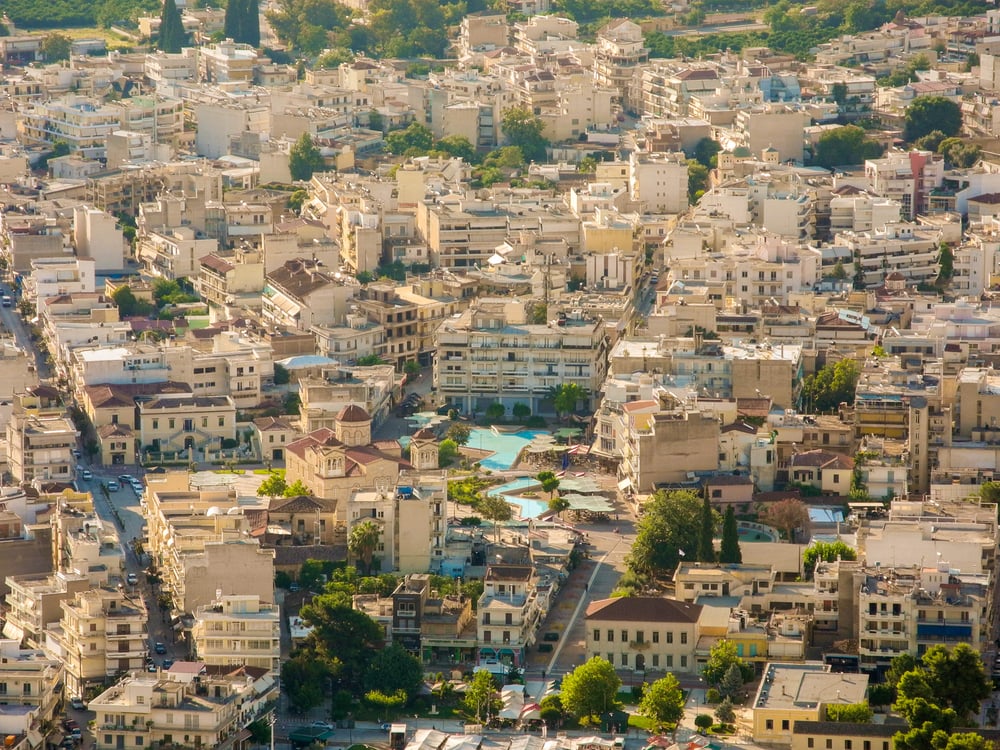
Greece’s Argos has been continuously inhabited for 5,000 years, making it one of Europe’s oldest cities. This Peloponnesian settlement was already ancient when Athens was just a collection of hilltop villages.
The city produced heroes of mythology: Perseus, who slayed Medusa. Diomedes, who fought at Troy. Whether these figures walked Argos’s streets or existed only in poetry matters less than their enduring power to capture imagination.
Susa
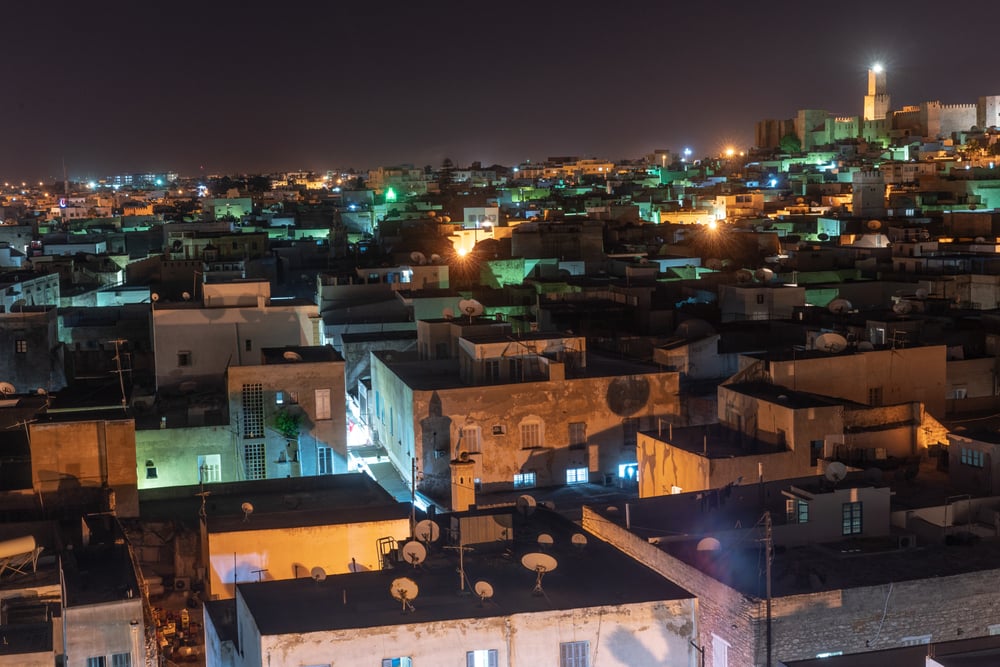
Iran’s Susa served as the administrative capital of the Persian Empire for over 4,500 years. Here, Darius the Great built palaces that dazzled visitors from across the ancient world, and here archaeologists later discovered the Code of Hammurabi.
The city controlled trade routes between Mesopotamia and the Iranian plateau. Caravans loaded with:
- Silk from China
- Spices from India
- Gold from Nubia
- Lapis lazuli from Afghanistan
All passed through Susa’s gates.
Erbil

Iraqi Kurdistan’s capital has been continuously inhabited for 4,500 years, its ancient citadel rising like a man-made mountain above the modern city. The tell – an artificial mound created by centuries of building and rebuilding – reaches 100 feet above the surrounding plain.
Every layer tells a different story. Assyrian foundations. Islamic architecture. Ottoman renovations. Time compressed into stone and earth.
Thebes
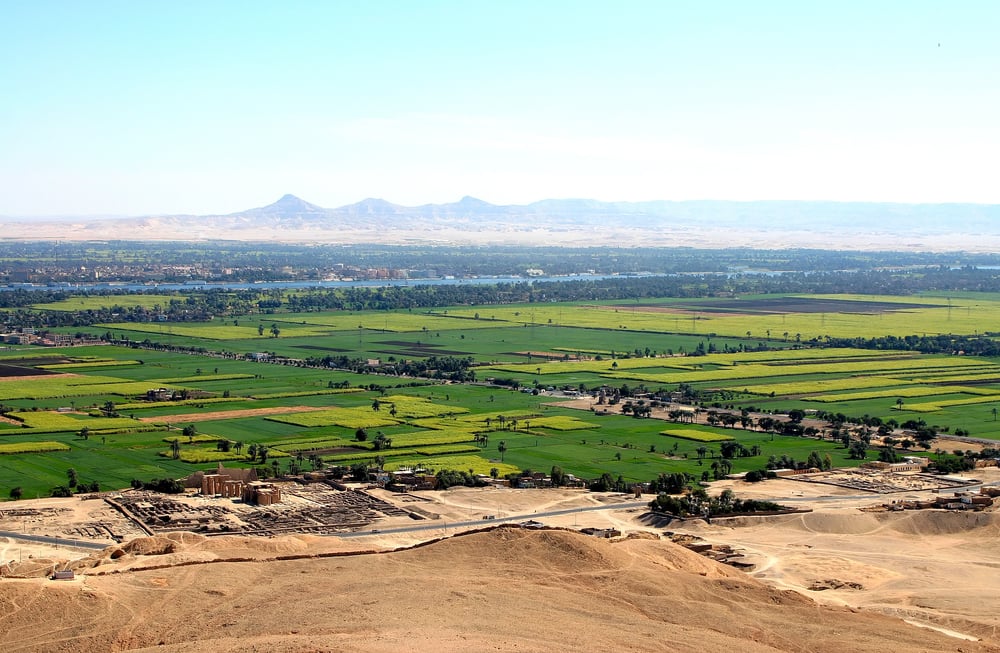
Modern-day Luxor in Egypt was once Thebes, capital of the New Kingdom and home to the pharaohs for over 4,400 years. The Valley of the Kings lies across the Nile, where Tutankhamun and Ramesses II found their eternal rest.
But Thebes was more than a royal cemetery. It was a thriving metropolis where priests tended massive temples and artisans created treasures that still inspire wonder today.
Larnaca

Cyprus’s Larnaca has welcomed ships to its natural harbor for 4,000 years. The city’s strategic location made it a crucial stop for traders navigating between Europe, Asia, and Africa.
Saint Lazarus reportedly lived here after his resurrection, and his tomb remains a pilgrimage site. Whether a miracle or myth, the story speaks to Larnaca’s role as a crossroads of cultures and faiths.
Jerusalem
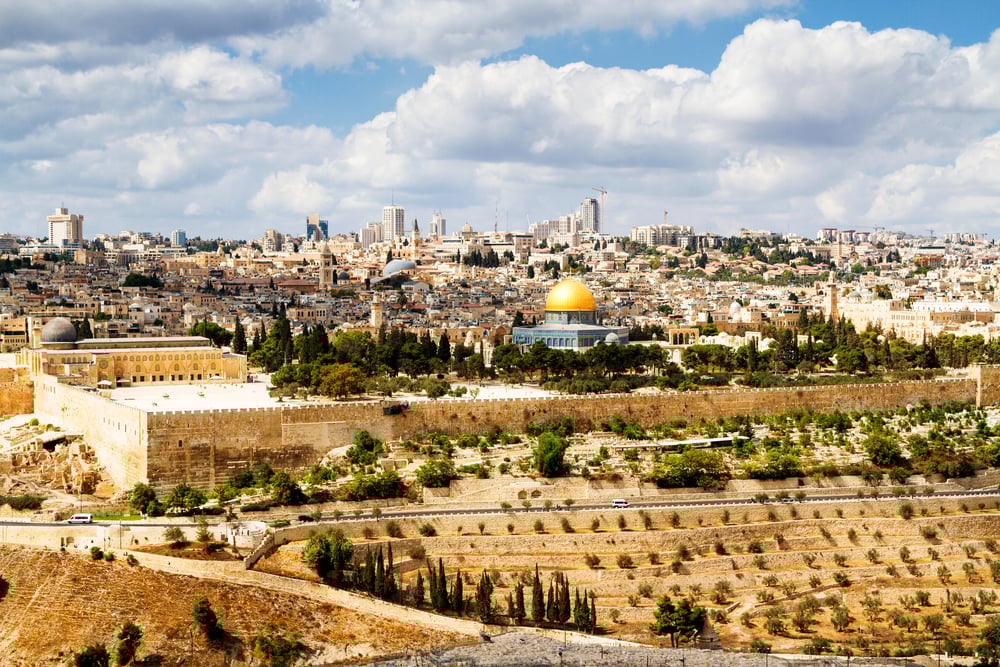
Sacred to three major religions, Jerusalem has been continuously inhabited for nearly 4,000 years. The city has been destroyed and rebuilt multiple times, yet each reconstruction has added new layers to its spiritual significance.
The Western Wall. The Church of the Holy Sepulchre. The Dome of the Rock. These monuments represent just the latest chapter in Jerusalem’s ongoing story of faith, conflict, and hope.
Tyre

This Lebanese coastal city has stood for 4,000 years, its purple dye making it wealthy and its strategic position making it coveted. Alexander the Great famously built a causeway to reach the island city during his siege in 332 BCE.
That causeway still connects Tyre to the mainland, though centuries of silt have turned the island into a peninsula. Geography bends to human ambition, then time reshapes both.
Gaziantep

Turkey’s Gaziantep has been continuously inhabited for 3,650 years, famous for its pistachios and its position along ancient trade routes. The city’s cuisine reflects its role as a cultural crossroads, blending Turkish, Arab, and Kurdish influences.
Konya

Turkey’s Konya has been home to diverse civilizations for 3,500 years. The city served as the capital of the Seljuk Sultanate and later became the spiritual home of the whirling dervishes under Rumi’s influence.
The dance of the dervishes still happens here, a spinning meditation that connects earth to heaven through pure movement. Still beautiful. Still mysterious after all these centuries.
Kirkuk

Iraq’s Kirkuk has endured for 3,500 years despite its location in one of the world’s most contested regions. The city sits atop vast oil reserves, making it both wealthy and vulnerable throughout modern history.
Ancient Assyrians knew this place as Arrapha. They couldn’t have imagined that the black substance seeping from the ground would one day make their settlement one of the most strategically important cities in the world.
Where Time Stands Still

These ancient cities remind us that human civilization is both fragile and remarkably persistent. Streets that have known 10,000 years of footsteps still echo with life today, proving that some things truly are built to last.
More from Go2Tutors!

- The Romanov Crown Jewels and Their Tragic Fate
- 13 Historical Mysteries That Science Still Can’t Solve
- Famous Hoaxes That Fooled the World for Years
- 15 Child Stars with Tragic Adult Lives
- 16 Famous Jewelry Pieces in History
Like Go2Tutors’s content? Follow us on MSN.