Stunts Actors Did Without Nets
The early days of film didn’t offer much in the way of safety equipment. Actors climbed buildings, hung from vehicles, and jumped between moving objects with nothing to catch them if things went wrong.
That tradition continued even as safety standards improved, with some performers insisting on doing their own dangerous work without protection. These stunts happened in front of cameras, preserved forever on film.
Some became legendary moments in cinema history. Others were close calls that could have ended very differently.
Harold Lloyd Hanging From the Clock Tower

Harold Lloyd climbed the side of a building in Los Angeles for “Safety Last!” in 1923. He dangled from a clock face several stories up, with the street visible far below.
The stunt used some camera tricks to make the height look more extreme, but Lloyd still performed it on an actual building ledge with minimal protection. He had lost two fingers in an earlier accident with a prop bomb.
That didn’t stop him from gripping the clock hands and swinging his body around for the camera. The building was only about three stories tall in reality, but falling from that height onto concrete would have been catastrophic.
A platform sat about twenty feet below, which would have broken the fall somewhat, but serious injury remained a real possibility. The scene became one of the most iconic images in silent film history.
Lloyd hung there for real, no safety harness, just pure nerve and timing.
Buster Keaton’s Falling House Wall

The wall of a house collapsed on Buster Keaton during the filming of “Steamboat Bill, Jr.” in 1928. He stood perfectly still as the entire facade fell forward.
A window opening passed around his body with just inches of clearance on either side. Keaton measured everything beforehand, but the stunt relied on perfect positioning.
If he had shifted even slightly, the wall would have crushed him. The crew begged him not to do it.
He did it anyway. The wall weighed roughly two tons.
Wind could have altered its trajectory. A miscalculation of a few inches would have meant death.
Keaton walked away without a scratch, but watching the footage still makes people hold their breath.
Jackie Chan’s Clock Tower Drop in Project A
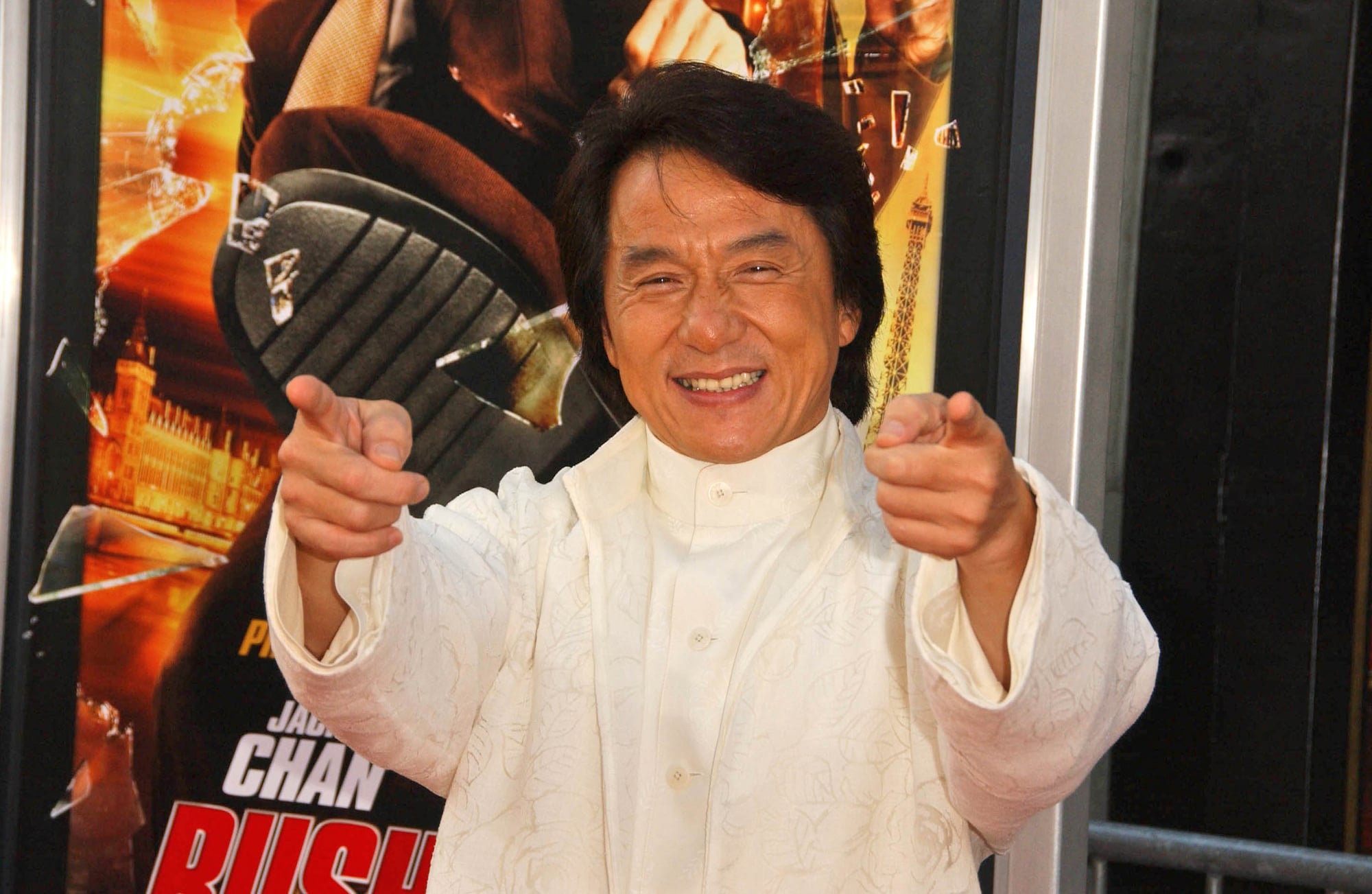
Jackie Chan slid down a metal pole wrapped in light bulbs in “Project A,” then fell through cloth awnings and crashed through a wooden structure. The fall covered several stories, and Chan hit the ground hard enough that he needed to do multiple takes to get it right.
He broke his neck during filming, though not on this particular stunt. Chan spent his career refusing stunt doubles and safety equipment, believing audiences could tell the difference.
His philosophy led to broken bones, concussions, and a permanent hearing loss in one ear. The clock tower scene became one of his signature moments.
He based it on Harold Lloyd’s work, wanting to pay tribute while pushing the danger further. No wires, no pads, just Chan and gravity working together in a way that seemed designed to go wrong.
Tom Cruise Scaling the Burj Khalifa

Tom Cruise climbed the outside of the Burj Khalifa in Dubai for “Mission: Impossible – Ghost Protocol.” The building stands over 2,700 feet tall, and Cruise performed the sequence at about 1,700 feet up.
He wore a harness, but the stunt still required him to run across the glass exterior, swing from side to side, and perform movements that could have resulted in a catastrophic fall.
The glass panels were specially reinforced, but the wind at that height created unpredictable forces. Cruise insisted on doing the work himself despite the availability of skilled stunt performers and visual effects alternatives.
The footage shows him actually running on the building, not in front of a green screen. He spent weeks training for the sequence.
The harness would have saved his life if he fell, but the impact of swinging into the building at that height could have caused serious injuries anyway. The scene required multiple takes over several days of filming.
Yakima Canutt’s Stagecoach Transfer
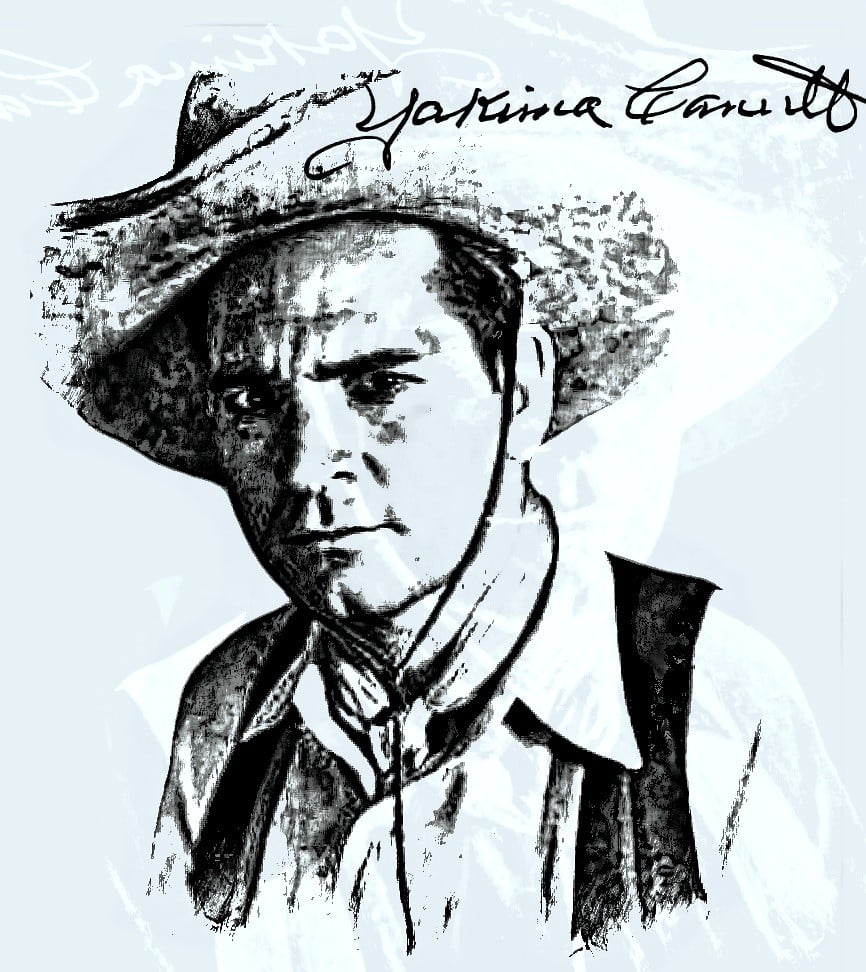
Yakima Canutt dropped from a horse onto a moving stagecoach in “Stagecoach” in 1939. He then fell between the horses, went under the stagecoach while it rolled over him, and emerged from the back.
The wheels missed him by inches. Canutt had performed similar stunts before, but this one combined multiple dangerous elements into a single sequence.
The horses ran at full speed. One wrong move would have meant trampling or being crushed under the wagon wheels.
He couldn’t control the horses once he went under the stagecoach—he had to trust they would maintain their course. The timing had to be perfect.
Too slow and the wheels would catch him. Too fast and he’d hit the horses from behind.
Canutt made it look effortless, establishing techniques that stunt performers still study decades later.
Charlie Chaplin Walking the Tightrope in The Circus
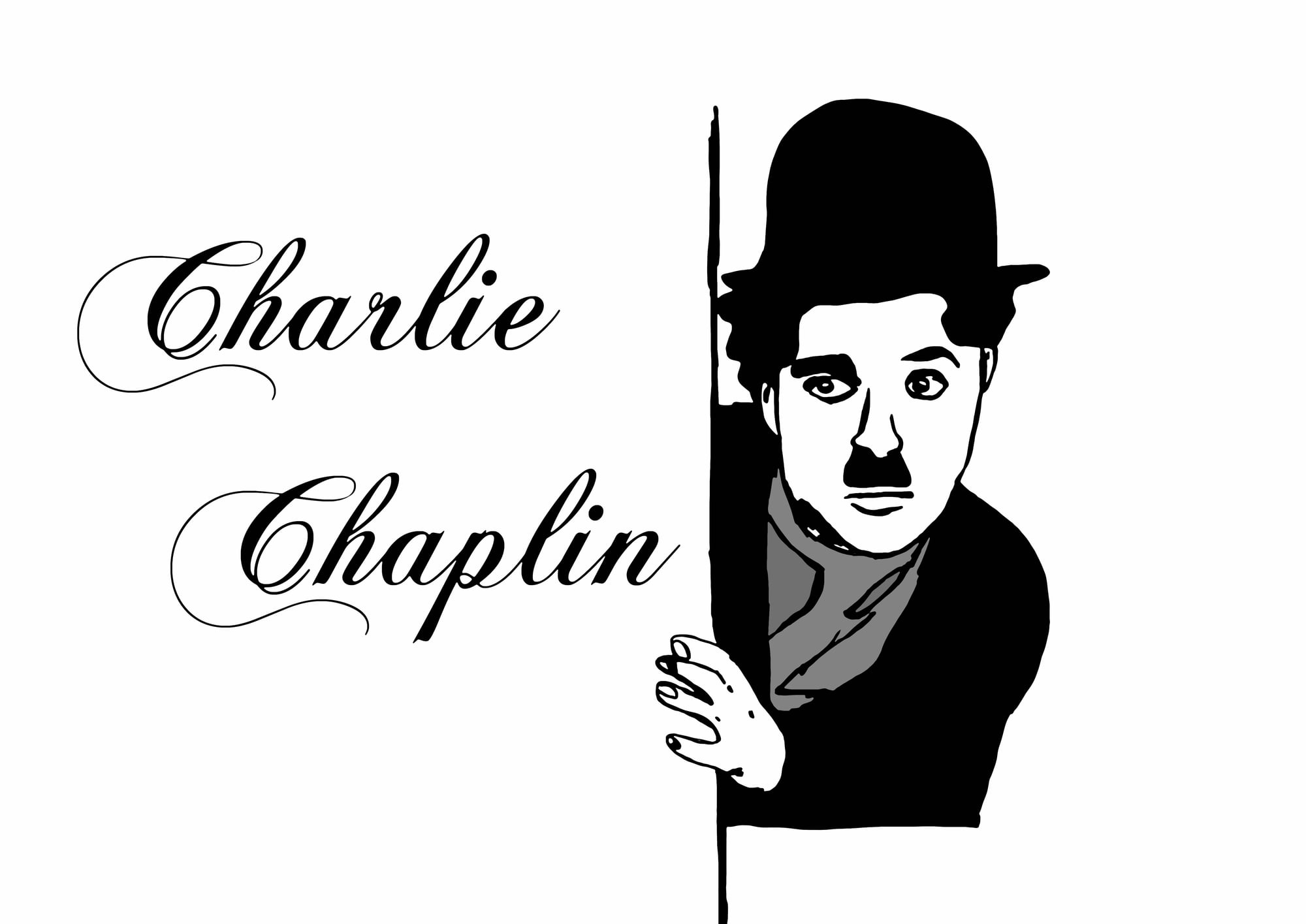
Charlie Chaplin walked a tightrope above a circus ring in “The Circus” in 1928. He performed the stunt himself during an era when filming techniques couldn’t fake such sequences convincingly.
A safety net sat below, but Chaplin added a twist—the scene called for monkeys to climb on him and create chaos while he tried to maintain balance.
The monkeys were unpredictable. They didn’t follow a script. Chaplin had to react to whatever they did while staying balanced on a thin wire.
The net would have caught him, but falling from that height could still cause injuries, and the monkeys might have interfered with a safe landing. He did multiple takes, each time dealing with different monkey behavior.
The final scene shows genuine struggle and balance work, not editing tricks or doubles.
Jackie Chan’s Mall Fight and Slide in Police Story

Jackie Chan slid down a pole covered in electrical lights in a shopping mall for “Police Story.” The lights exploded as he descended, and he crashed through a glass roof at the bottom.
The stunt left him with second-degree burns on his hands and permanent back injuries. The pole stood several stories high.
Chan grabbed it and slid down at speed, with the lights shorting out and shattering around him. The glass roof wasn’t made of breakaway material—it was real glass that he had to crash through and hope the thickness and angle worked in his favor.
He landed wrong and severely burned his palms from the friction and electrical shorts. The scene appears in the film exactly as it happened, including his painful landing and immediate reaction.
Chan’s commitment to practical stunts meant accepting these consequences as part of the job.
Harold Lloyd’s Skyscraper Swing

Harold Lloyd jumped between buildings in “Feet First” in 1930, swinging from a rope attached to a construction crane. The scene placed him high above the street, and while platforms provided some safety, the gaps between them were real.
Lloyd timed his swings to land on narrow ledges. Missing meant falling onto the safety platform below, but hitting the edge of a platform wrong could have caused serious injury.
The rope work required precise control, and Lloyd had to maintain his grip while swinging his body through space. Wind affected the rope’s movement.
Lloyd couldn’t practice the exact conditions beforehand. He had to read the swing in real-time and adjust his body position to land safely.
The scene shows him genuinely struggling to catch the ledge and pull himself up.
Buster Keaton’s Train Chase in The General

Buster Keaton performed stunts on and around moving trains throughout “The General” in 1926. He sat on the front coupling rod of a moving locomotive, positioned himself on the cow-catcher, and ran across the tops of moving cars.
The trains ran at full speed, and falling would have meant being crushed under the wheels. The train scenes weren’t filmed at reduced speeds and sped up later.
Keaton worked with actual locomotives at their normal operating pace. He had to time his movements to the rhythm of the train’s motion, jumping and balancing on metal surfaces while everything moved beneath him.
One scene shows him using a railroad tie to push debris off the tracks while sitting on the cow-catcher. If the tie had caught wrong, it could have flipped up and struck him, or thrown him under the train.
Keaton performed it all in wide shots that clearly show him on the train with no camera tricks.
Jackie Chan’s Ledge Jump in Who Am I?

Jackie Chan jumped from one building ledge to another in “Who Am I?” The buildings in Rotterdam provided the setting, and Chan leaped across gaps several stories above the ground.
He slipped during one take and had to grab the edge to save himself from falling. The jump required running speed and precise takeoff timing.
Chan couldn’t use a safety wire because the camera angle would have revealed it. He trusted his ability to judge the distance and commit fully to the jump.
The ledges were narrow, giving him little room for error on landing. His slip during filming shows how close these stunts come to disaster.
Chan caught himself and pulled his body up, but if his grip had failed, the fall would have been fatal. The final film includes footage of him regaining his balance, showing audiences how real the danger was.
Tom Cruise’s Helicopter Stunt in Mission: Impossible – Fallout
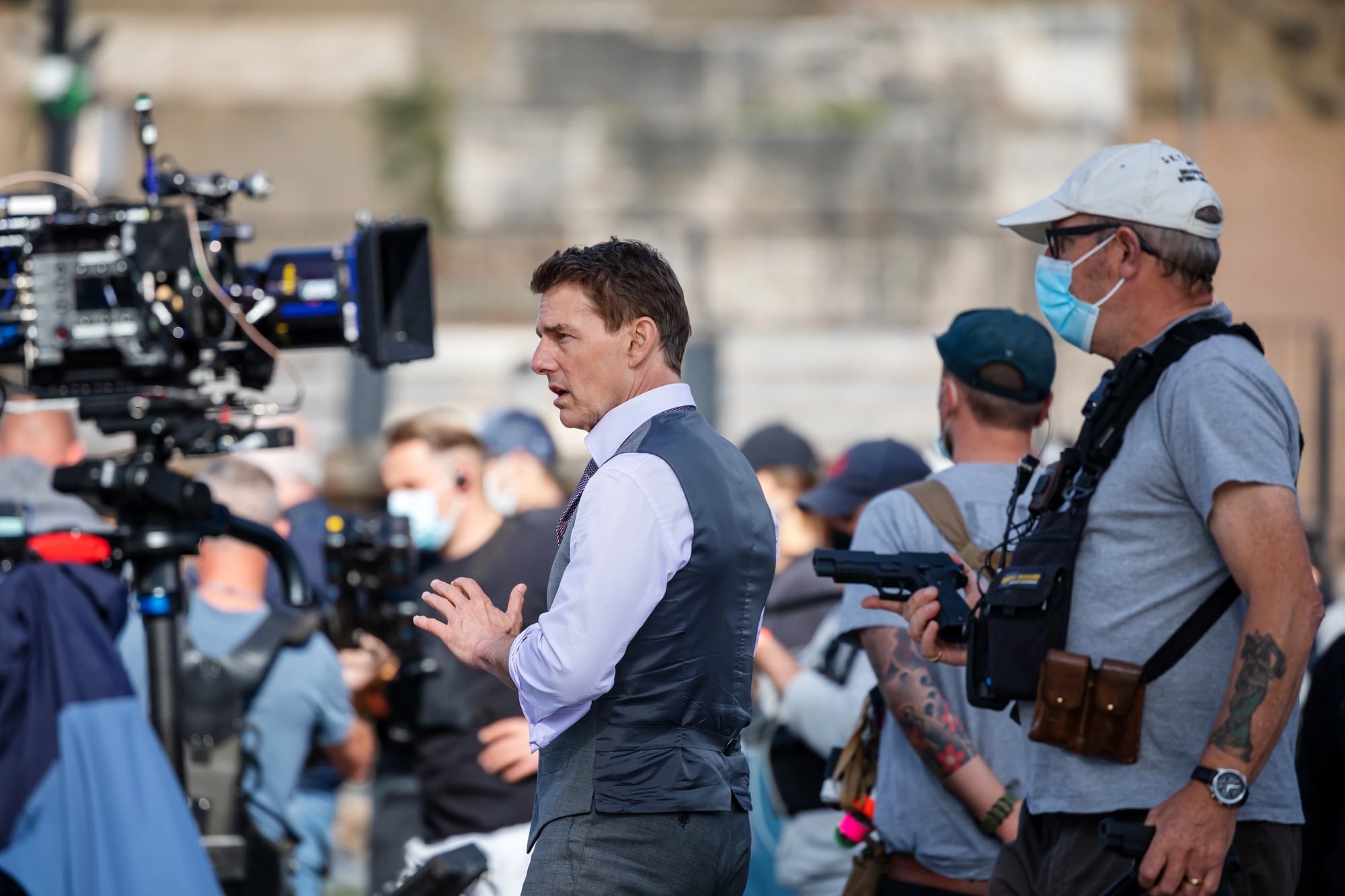
Tom Cruise learned to fly a helicopter specifically for “Mission: Impossible – Fallout,” then performed a chase sequence through mountain valleys. The flying required precise control in difficult terrain, and Cruise did it himself rather than using a stunt pilot.
He completed thousands of hours of flight training to prepare. The sequence shows him genuinely flying the helicopter through tight spaces at high speed.
One mistake would have meant crashing into a mountain, and while safety measures existed, flying in those conditions carried inherent risks that no amount of preparation could completely eliminate.
The cameras captured Cruise’s face during the sequence, proving he was actually in the pilot’s seat. His hands controlled the aircraft through difficult maneuvers in changing weather conditions.
The scene pushed practical filmmaking to its limits.
Gene Kelly Swinging in the Rain
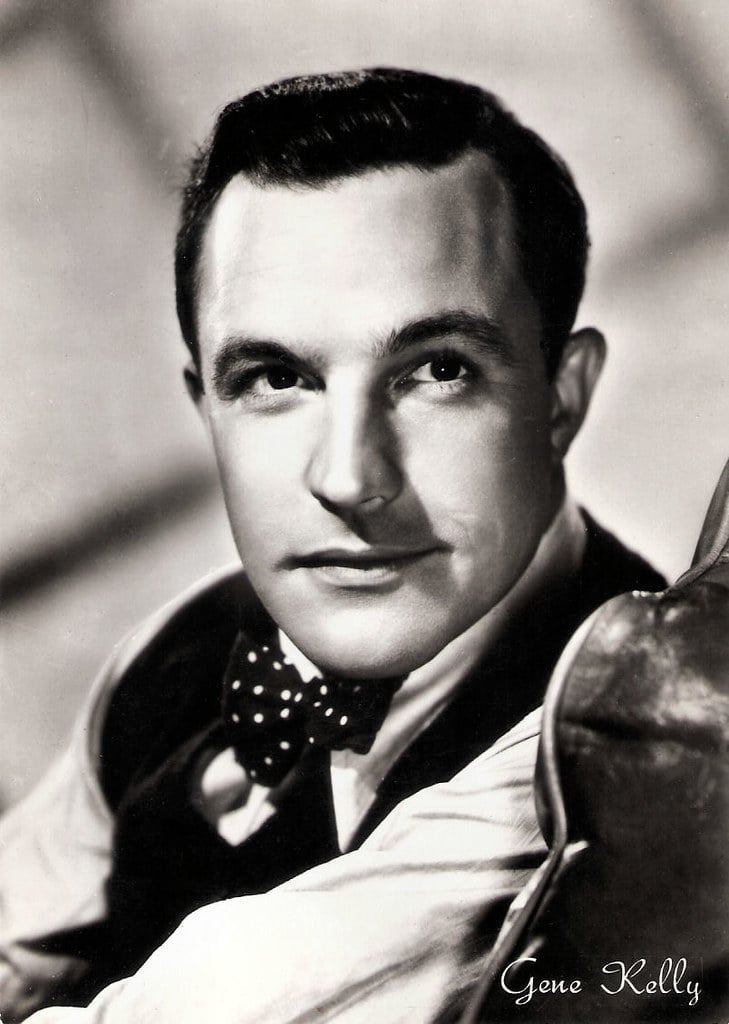
Gene Kelly performed the famous singing and dancing sequence in “Singin’ in the Rain” while genuinely sick with a 103-degree fever. While not as physically dangerous as falling from buildings, continuing to perform complex choreography while severely ill carried real health risks.
Kelly insisted on completing the sequence despite his condition. The dancing required precise timing and physical exertion that would have challenged a healthy person.
Doing it while fighting off illness showed the same kind of dedication to practical performance that defined many of these stunts. The scene took multiple days to film.
Kelly pushed through the fever for each take, never letting his condition show on camera. His commitment created one of cinema’s most beloved moments, but it came at a physical cost that could have had serious consequences.
Errol Flynn’s Sword Fight Acrobatics

Errol Flynn performed his own sword fighting and acrobatic work in films like “The Adventures of Robin Hood” and “Captain Blood.” The choreography involved genuine blade work, jumps from heights, and swinging on ropes that could have snapped or slipped.
Flynn trained extensively in fencing, but film sword fights move faster than sport fencing and include theatrical elements that add danger. He leaped from balconies, slid down curtains, and engaged in prolonged fight sequences with metal weapons that could have caused real injuries if timing went wrong.
The rope swings in particular carried risk. Flynn swung across castle sets, relying on rope strength and his grip to complete the movements safely.
A broken rope would have meant a hard fall onto stone sets. Flynn performed these stunts repeatedly for multiple takes, multiplying the risk with each attempt.
When the Camera Stopped Caring About Safety
These stunts belong to an era when insurance policies and safety regulations were either nonexistent or routinely ignored. Performers made decisions that seem reckless now because audiences valued practical reality over computer-generated imagery or clever camera work.
The human body in genuine danger creates tension that visual effects can’t quite replicate. Audiences sense the difference between real risk and manufactured spectacle.
These performers understood that truth and built careers on willingness to put themselves in harm’s way for the sake of a scene. Modern filmmaking has largely moved past this approach.
Safety coordinators, digital effects, and insurance requirements have made these kinds of stunts rare in contemporary productions. But the footage remains, preserved as evidence of what people were willing to do before cameras for the sake of their craft.
ore from Go2Tutors!

- The Romanov Crown Jewels and Their Tragic Fate
- 13 Historical Mysteries That Science Still Can’t Solve
- Famous Hoaxes That Fooled the World for Years
- 15 Child Stars with Tragic Adult Lives
- 16 Famous Jewelry Pieces in History
Like Go2Tutors’s content? Follow us on MSN.