Transamerica Pyramid: SF’s Pointed Icon
San Francisco’s skyline tells stories through steel and glass. From the Golden Gate Bridge to the painted ladies, each structure adds character to this city by the bay.
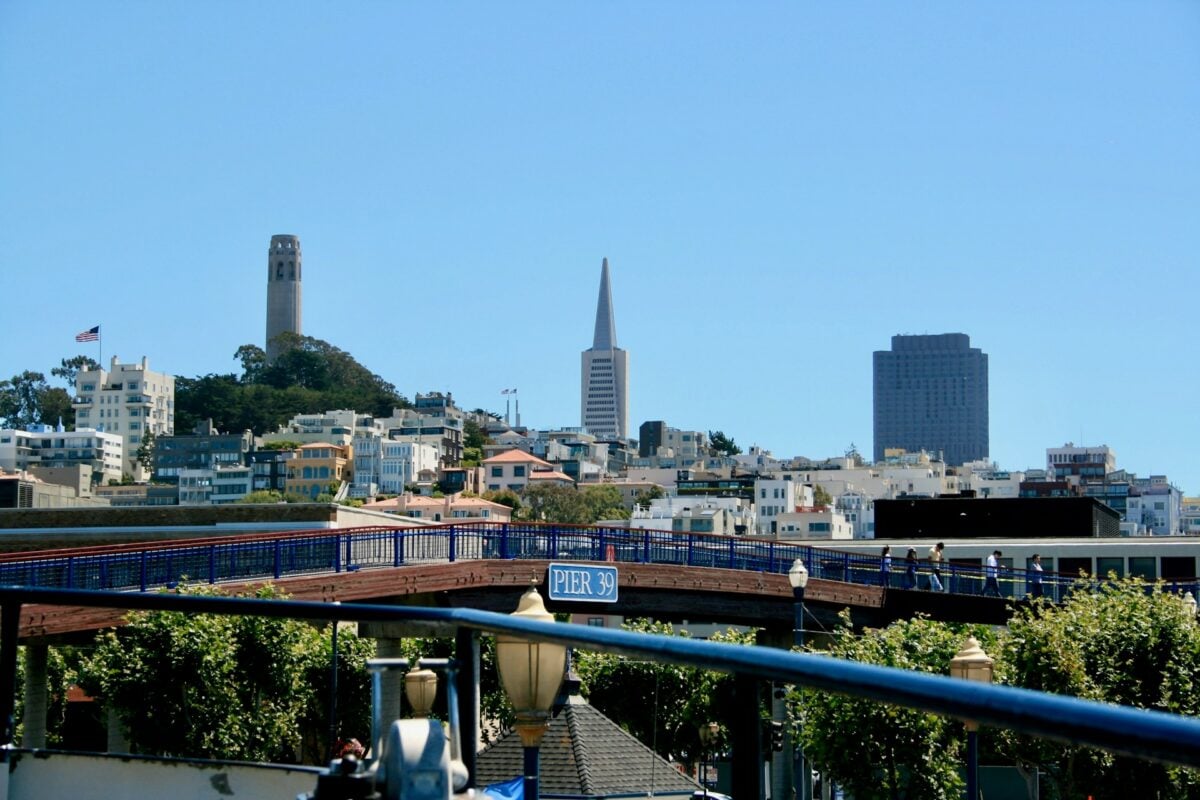
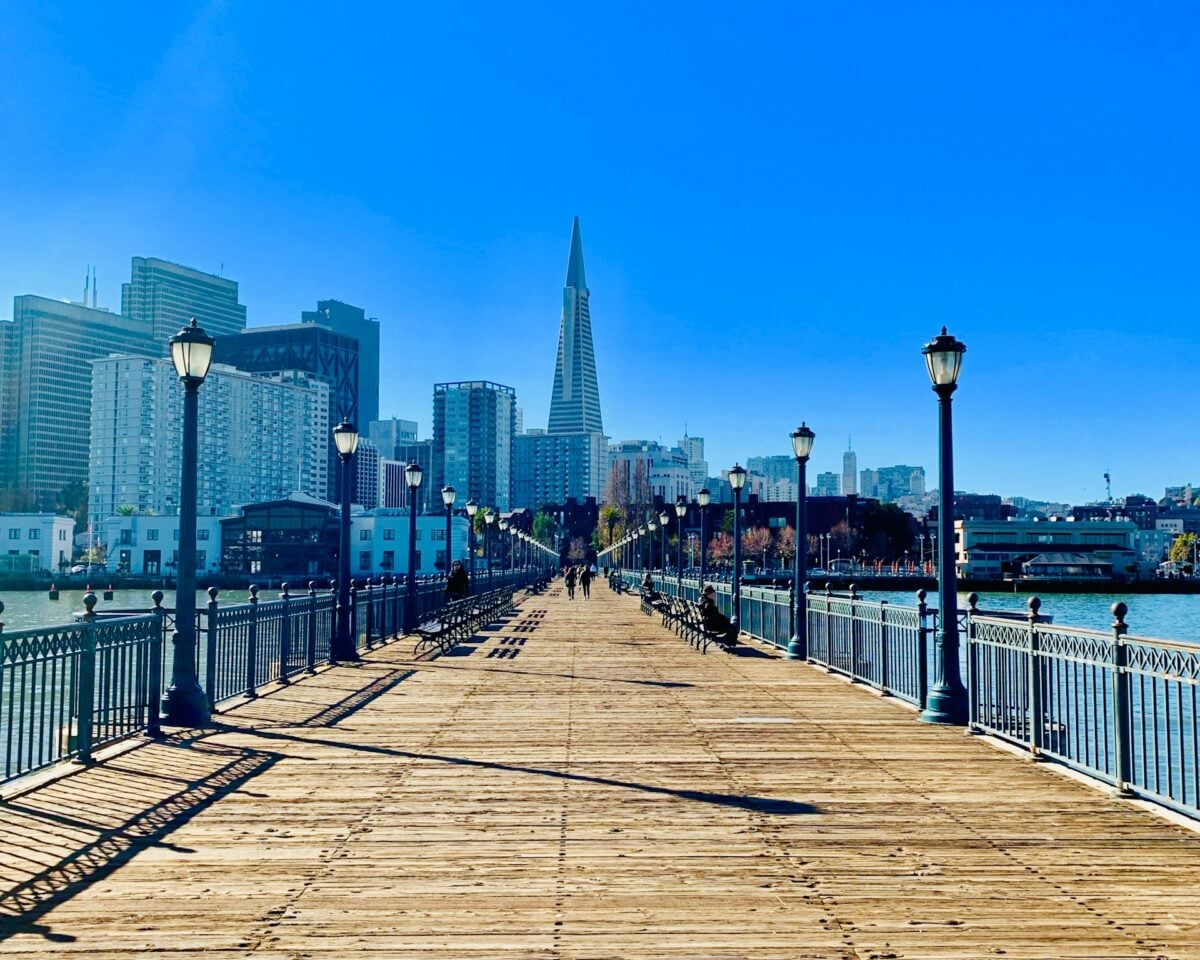
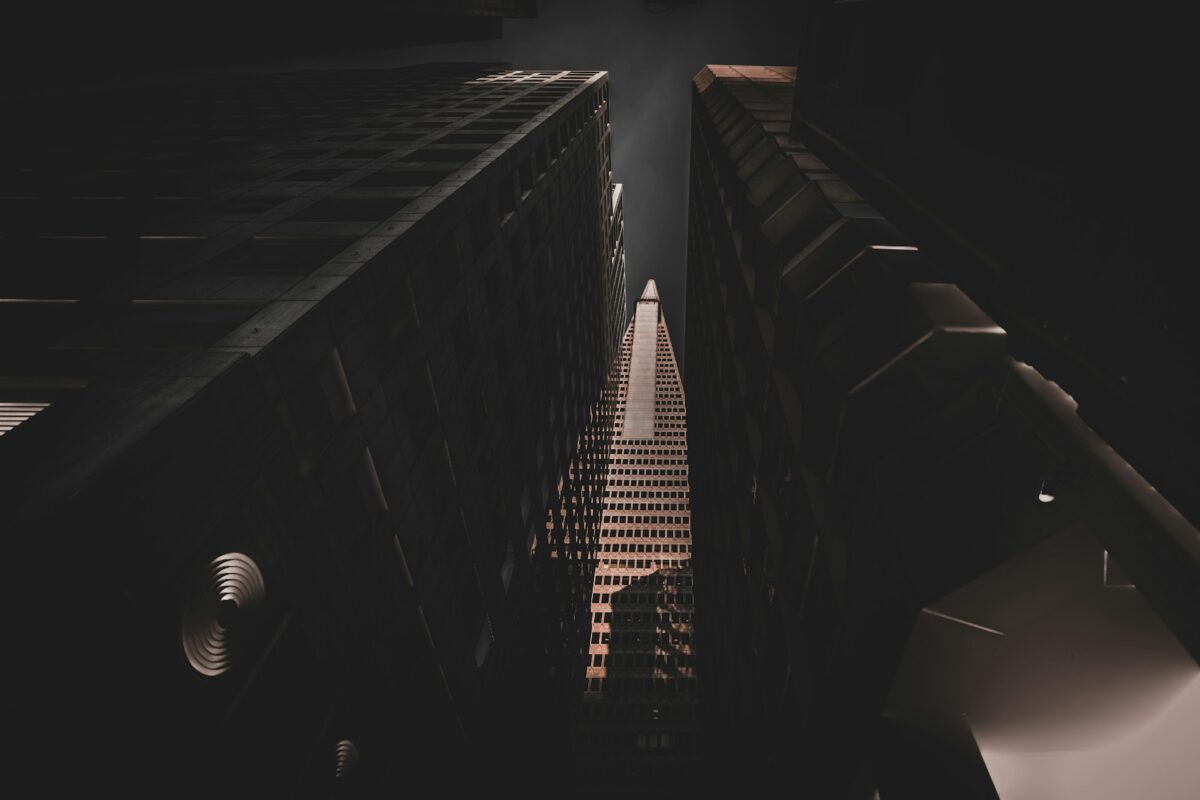
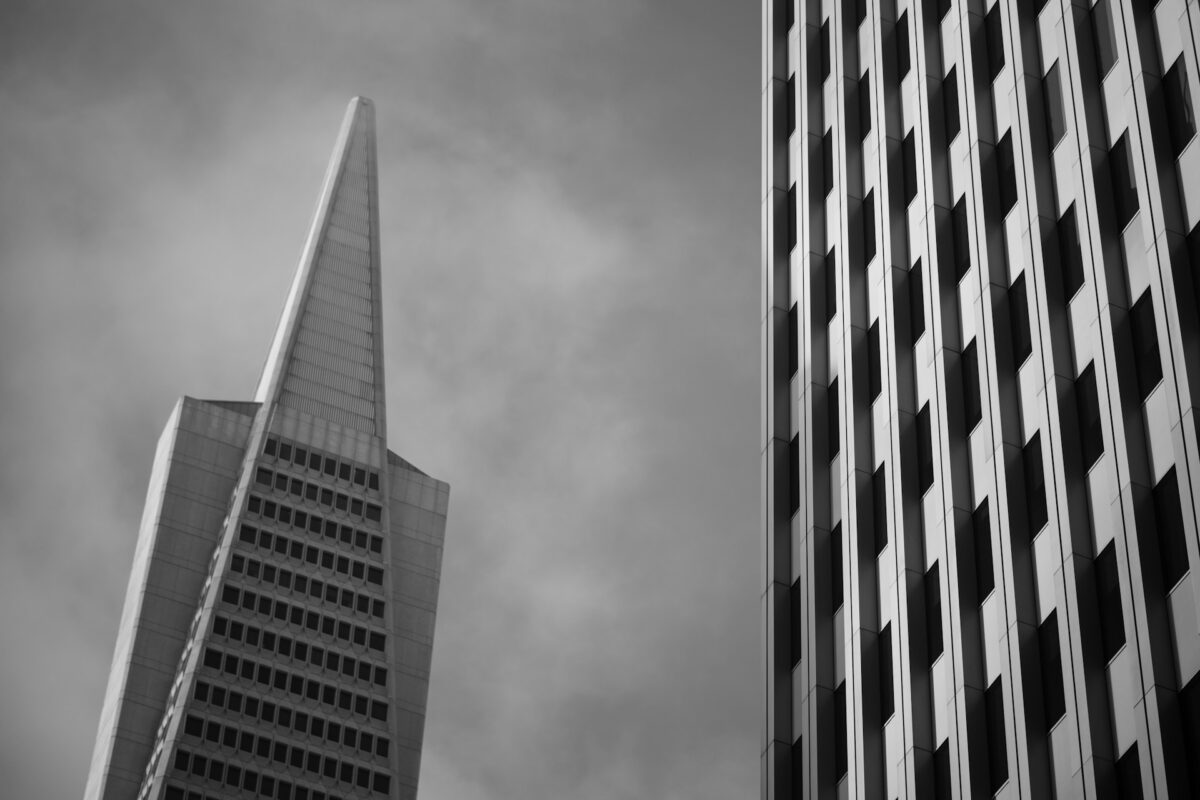
But there’s one building that stands taller than the rest, literally and figuratively. The Transamerica Pyramid rises 853 feet above Montgomery Street, its pointed top reaching toward the clouds like a modern-day monument.
This isn’t just another office building. The Pyramid has watched over San Francisco for more than five decades, becoming as much a part of the city as cable cars and sourdough bread.
The ground beneath held history before the tower
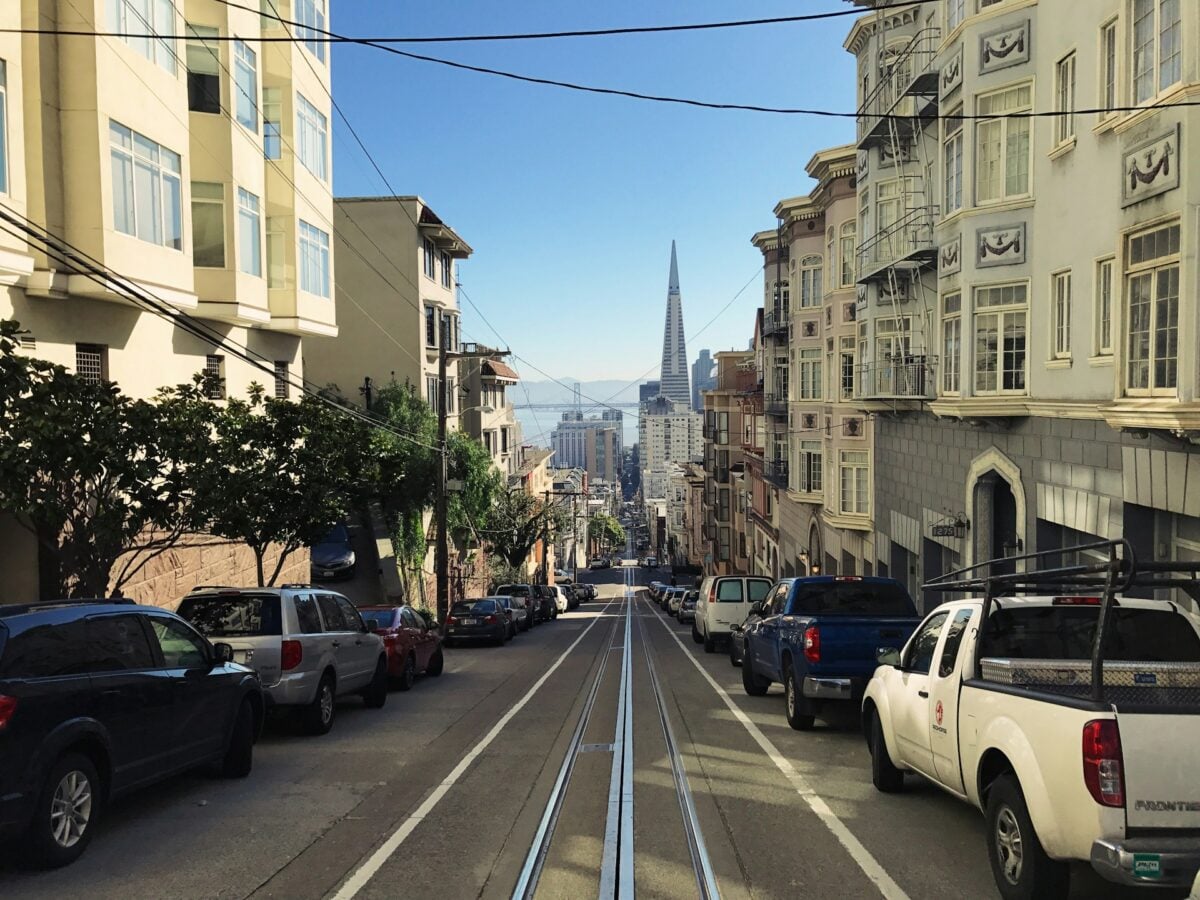
Before the Transamerica Pyramid defined San Francisco’s skyline, its site was home to a four-story brick building constructed in 1854. This earlier structure housed offices, cafes, and bars, and became a gathering place for creative legends like Mark Twain, Jack London, and even Frida Kahlo.
Writers would sit at tables where office workers now tap keyboards. In 1849, the year the Gold Rush began, this part of San Francisco was right on the water.
So close that a whaling ship called the Niantic was deliberately run aground right here after the crew abandoned their vessel to join the gold rush.
Bank of Italy found refuge at this spot
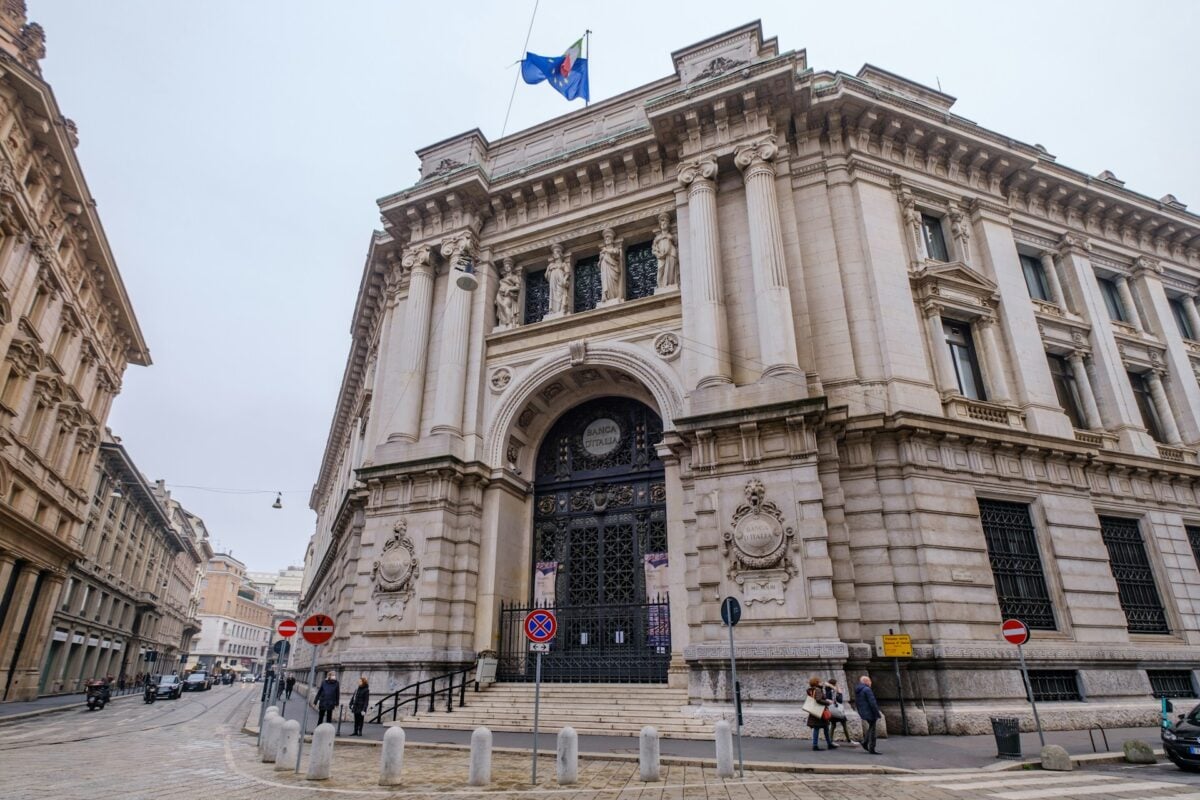
The building is on the site that was the temporary home of A. P. Giannini’s Bank of Italy after the 1906 San Francisco earthquake destroyed its office.
Giannini founded Transamerica in 1928 as a holding company for his financial empire.The Bank of Italy later became Bank of America.
That small bank grew into one of America’s largest financial institutions. The connection between this corner and banking runs deeper than most people realize.
Like Go2Tutors’s content? Follow us on MSN.
William Pereira brought futuristic vision to life
William Leonard Pereira (April 25, 1909 – November 13, 1985) was an American architect from Chicago, Illinois, who was noted for his futuristic designs of landmark buildings such as the Transamerica Pyramid in San Francisco. He worked out of Los Angeles and was known for his love of science fiction and expensive cars, but mostly for his style of architecture, which helped define the look of mid-20th century America.
Pereira didn’t design ordinary buildings. His mind worked in shapes and forms that looked like they belonged in tomorrow’s world.
The original design reached for the sky
The original design called for a height of over 1,000 feet. City officials had other ideas.They wanted something that wouldn’t block all the sunlight from reaching street level.
He was told to create something that would still allow light to filter down to street level. The pyramid shape solved this problem perfectly. As the building rises, it gets narrower, letting more light pass around its sides.
John Beckett saw potential in a pyramid model
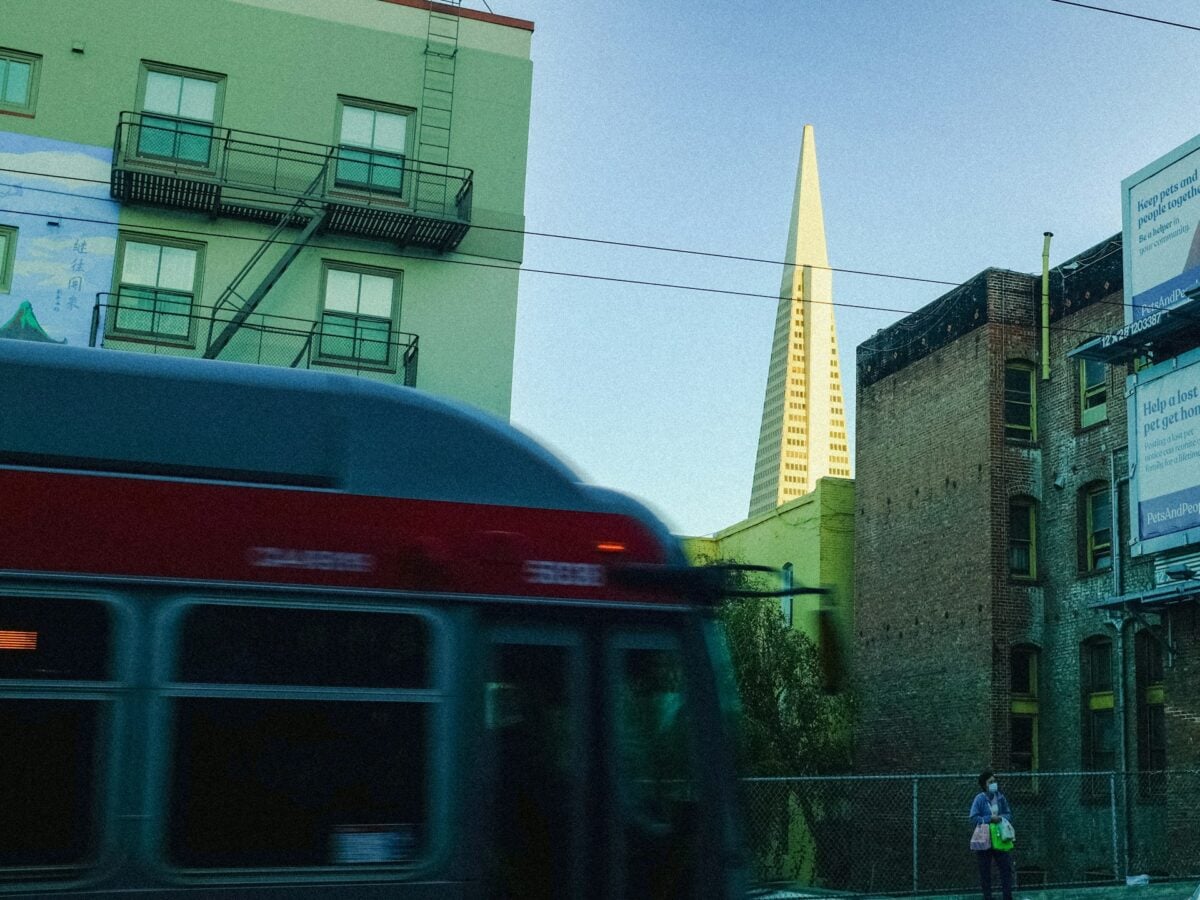
The iconic Pyramid form was first conceived in the late 1960s when the CEO of the Transamerica Corporation, John Beckett, visited Pereira’s office to explore an office tower design for its San Francisco headquarters. He saw in the studio a model of a pyramidal structure for the American Embassy in Brazil.
Beckett looked at that model and knew he’d found his building. Sometimes the best ideas come from unexpected places.
Like Go2Tutors’s content? Follow us on MSN.
Construction began despite local opposition
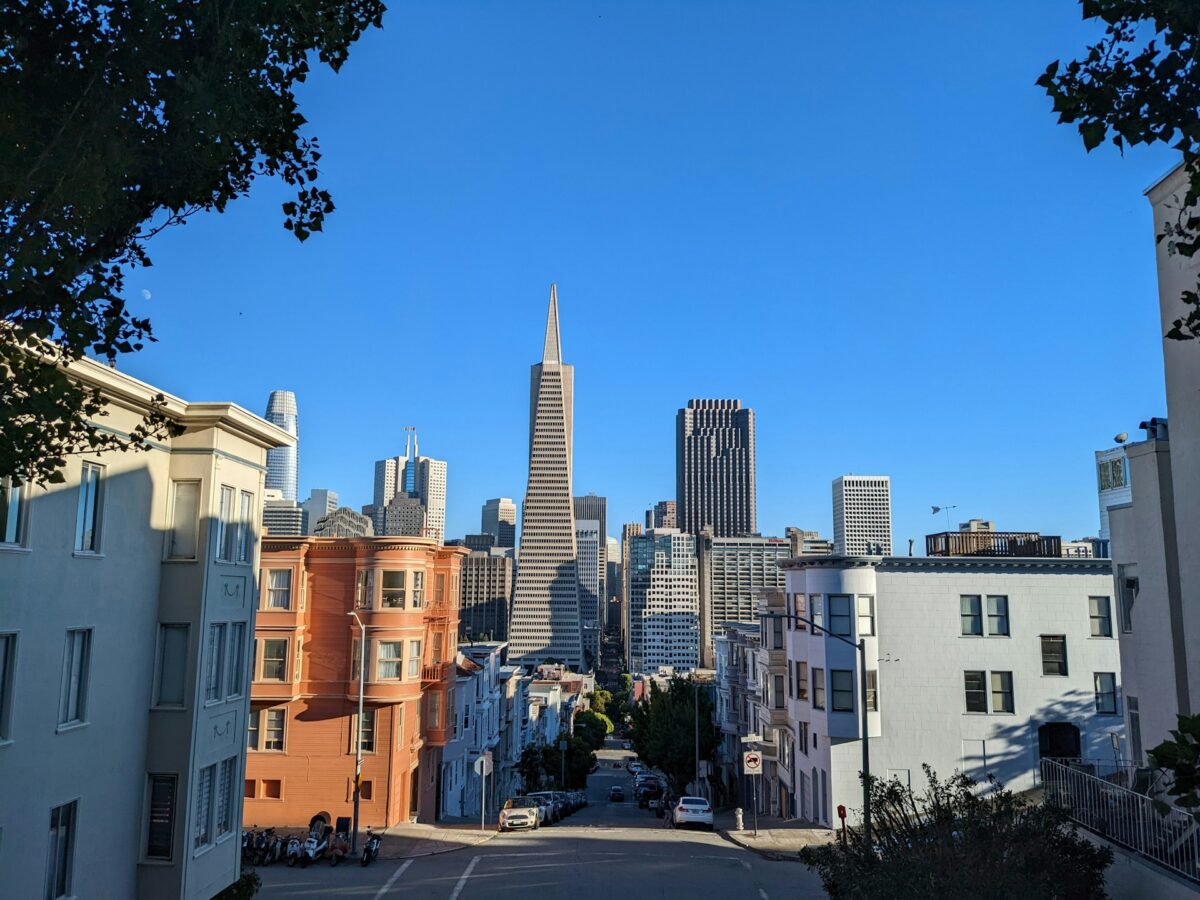
Considered a San Francisco landmark, the Transamerica Pyramid was originally a building of much ridicule and faced opposition during planning and construction and was sometimes referred to by detractors as “Pereira’s Prick”. Telegraph Hill residents worried about shadows.
Business leaders questioned the unusual shape. But when the design for the 763 thousand square foot pyramid dropped, the critics hated it.
Change always brings resistance, especially when it comes in such a dramatic form.
Hathaway Dinwiddie built the impossible dream
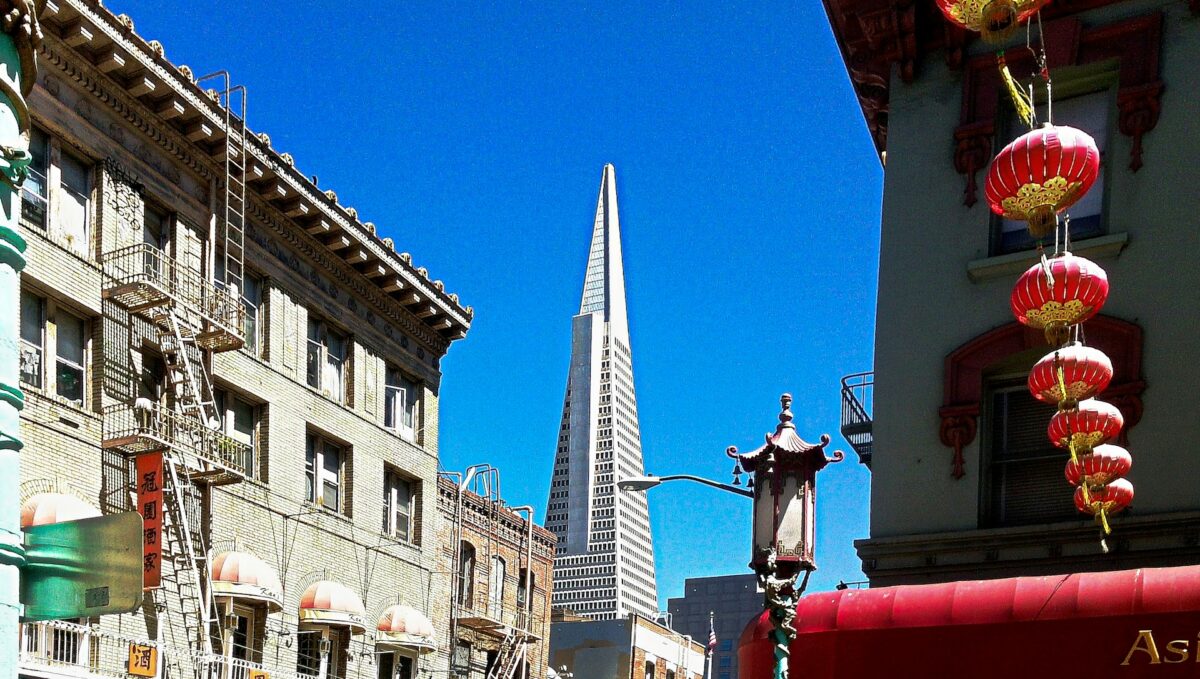
Designed by architect William Pereira and built by Hathaway Dinwiddie Construction Company, the building stands at 853 feet (260 m). The construction crew faced unique challenges.
Building a pyramid requires different techniques than constructing a typical rectangle tower. Every floor had to be smaller than the one below it.
Workers had to think in three dimensions as they climbed higher into the San Francisco sky.
Opening day arrived in 1972
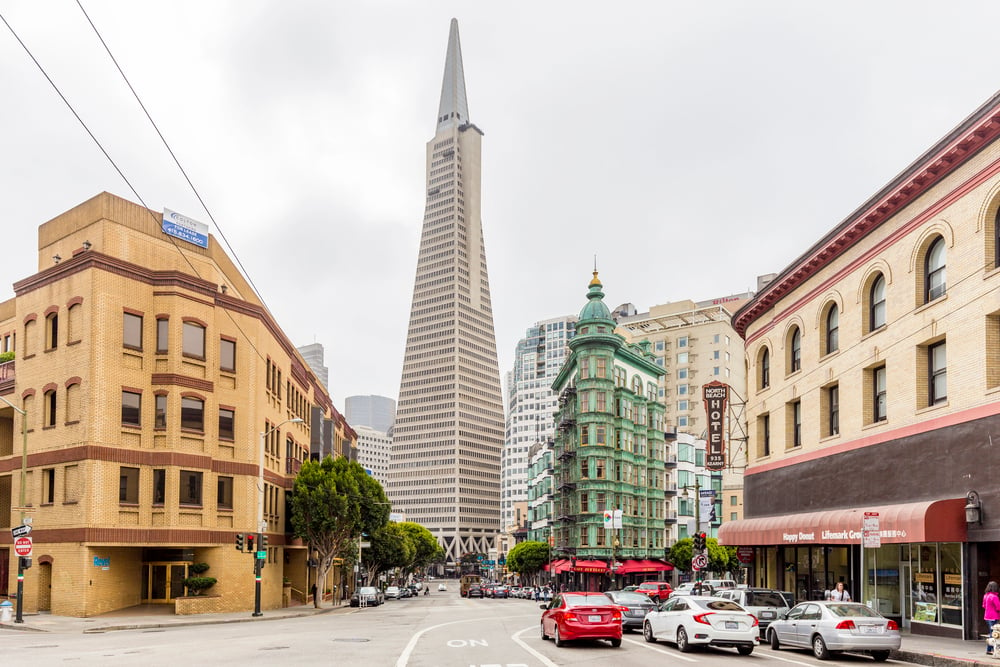
It served as the headquarters of the Transamerica Corporation until 1999 and its construction, completed in 1972, marked a significant milestone in the city’s architectural history. On completion in 1972 it was the eighth-tallest building in the world and when the Transamerica Pyramid was completed in 1972, it was the tallest skyscraper in San Francisco.
The city’s skyline changed forever. People could spot San Francisco from miles away just by looking for that pointed top.
Like Go2Tutors’s content? Follow us on MSN.
The building claimed tallest status for decades
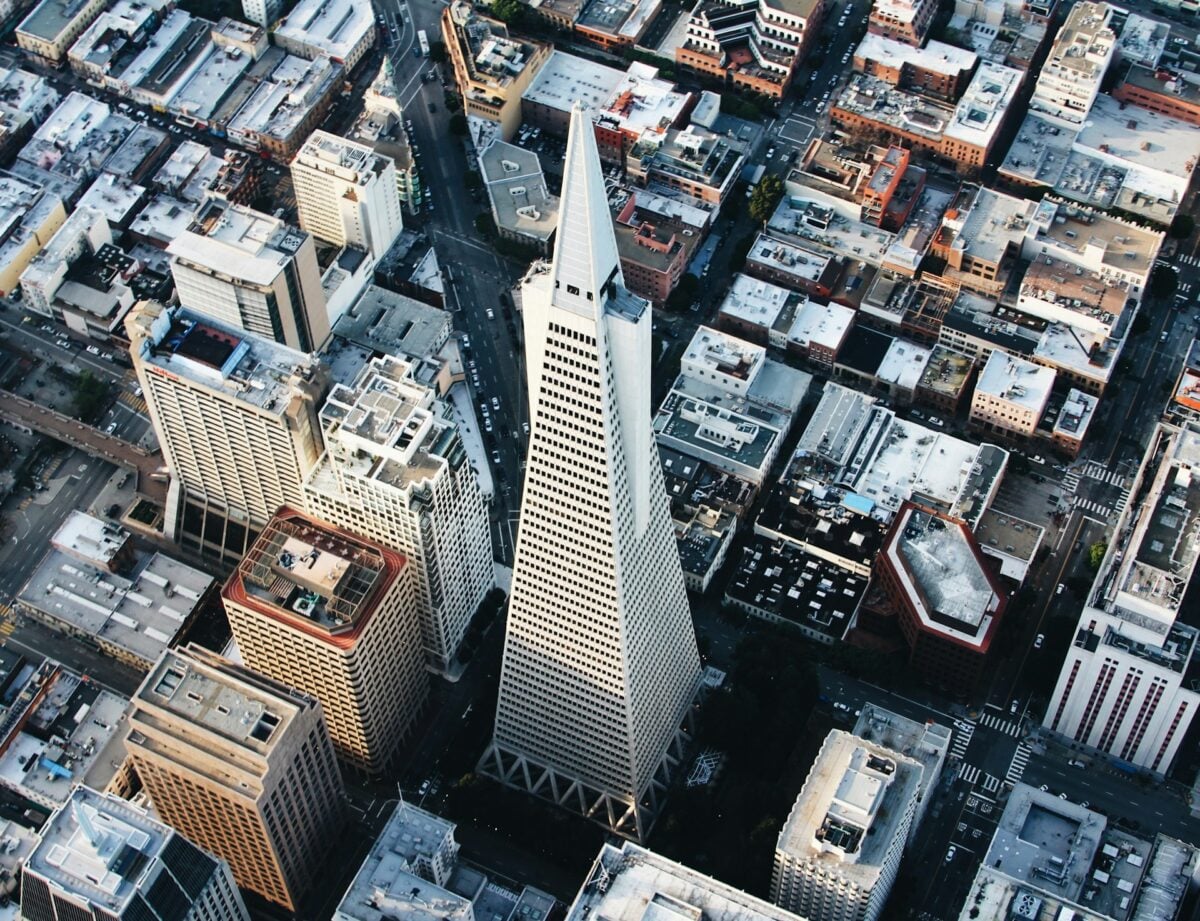
At 853 feet, the Transamerica Pyramid was the tallest structure in San Francisco when it was built, a title it held for nearly five decades before the Salesforce Tower snatched it. For almost fifty years, nothing in the city reached higher.
The Pyramid stood alone at the top, watching the city grow and change around its base. Even today, it remains the second tallest building in San Francisco.
Two wings house essential building systems
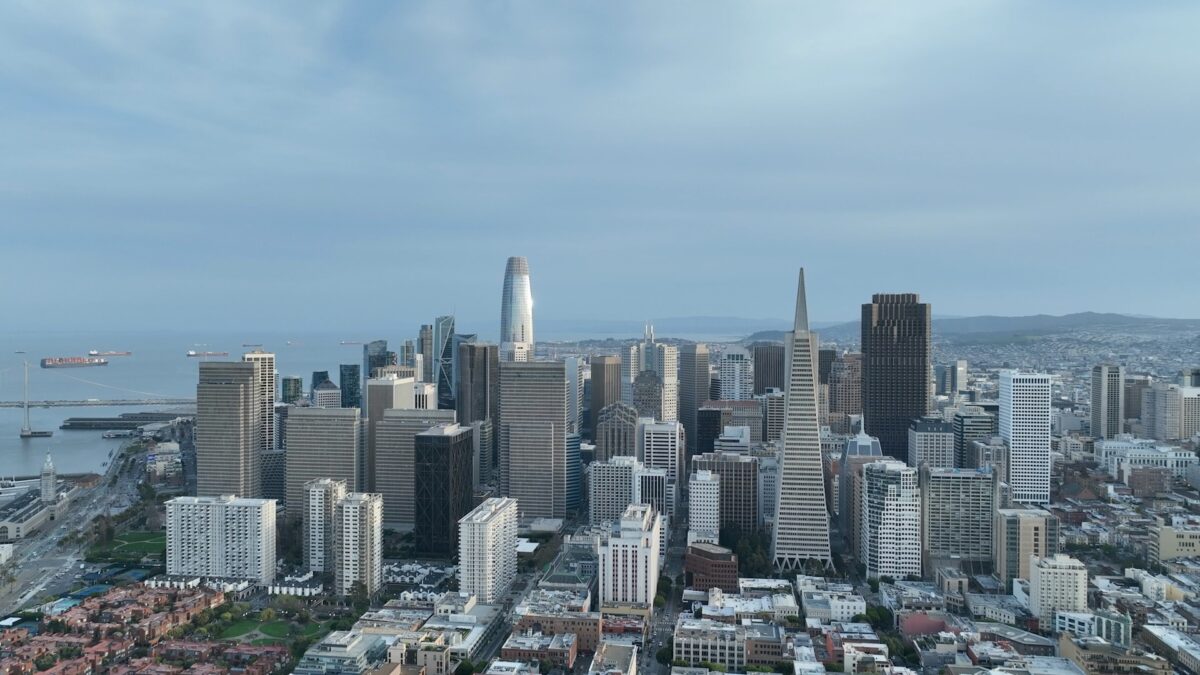
The Transamerica Pyramid’s unique design—a modernist, four-sided pyramid with two “wings” to house elevator shafts and a smoke evacuation tower—remains one of its most distinct features. Those rectangular sections on either side aren’t decorative.
They contain the elevators that carry people to the upper floors. The smoke tower provides safety in case of fire. Function and form work together in Pereira’s design.
Critics eventually learned to love the pyramid
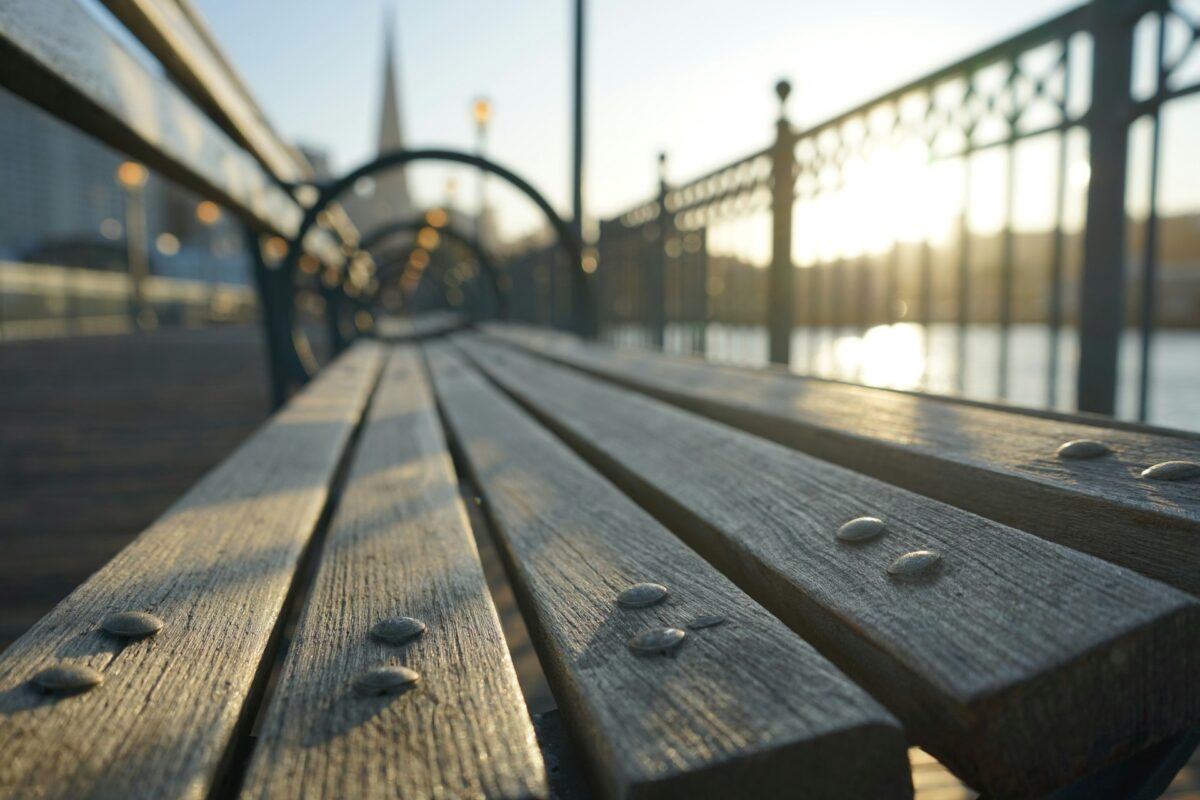
People change their minds about buildings over time. What seems strange today becomes normal tomorrow.
“It’s a landmark, and it’s recognized,” said Alicia Perez, who works as a sales and marketing manager for the building today. The same structure that once faced ridicule now appears on postcards and tourist guides. San Francisco wouldn’t look right without its pyramid.
Like Go2Tutors’s content? Follow us on MSN.
Transamerica Corporation moved but stayed connected
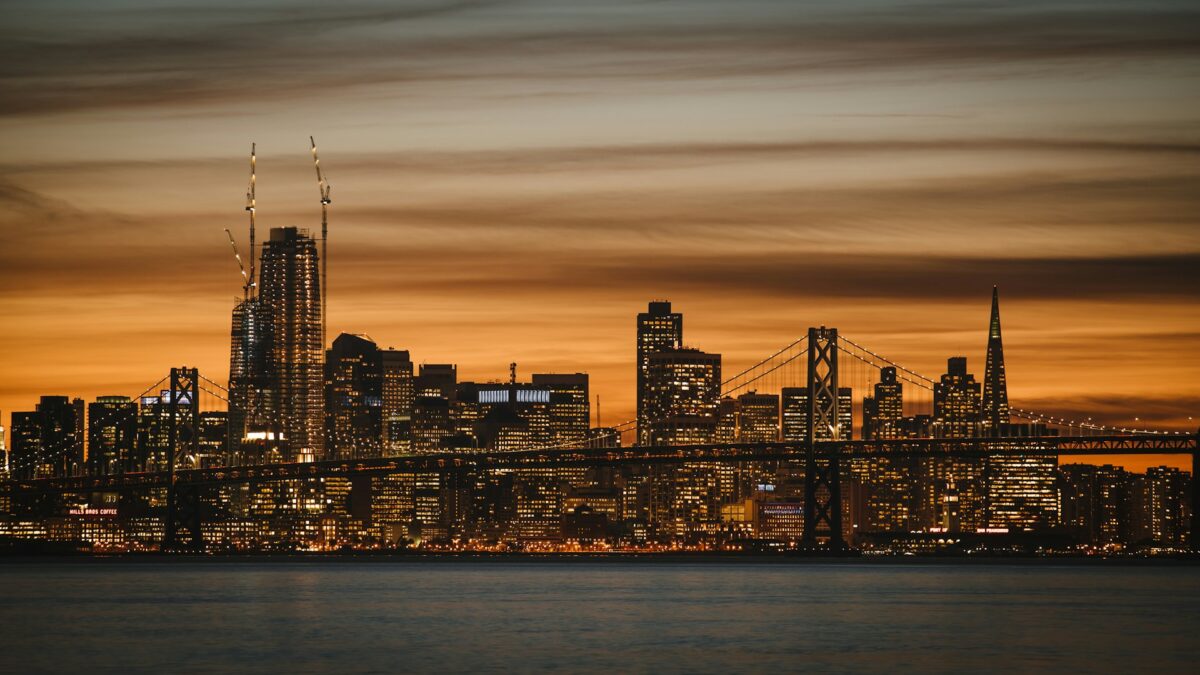
It served as the headquarters of the Transamerica Corporation until 1999. The building is still associated with the company by being depicted on the company’s logo.
Even after the company relocated, they kept the pyramid as their symbol. Some connections run deeper than physical presence.
The building gave the company an identity that outlasted their time inside its walls.
Telegraph Hill residents worried about mushrooms
The Pyramid failed to trigger the mushroom infestation predicted by the Telegraph Hill Dwellers, but the Dwellers did have a point about the Pyramid’s impact on their neighborhood. Residents feared the building would block sunlight and create damp conditions perfect for fungus growth.
Their concerns about shadows had merit. But mushrooms never took over Telegraph Hill, and the neighborhood adapted to its new neighbor.
New owners invested in the building’s future
SHVO and Deutsche Finance America purchased the Transamerica Pyramid in 2020 for $650 million, pledging to preserve its historic legacy. In 2024, the landmark reopened following extensive renovations by Foster + Partners, marking a major step in the broader revitalization of downtown San Francisco.
The renovation respected Pereira’s original vision while updating the building for modern tenants. Good architecture deserves good care.
Like Go2Tutors’s content? Follow us on MSN.
From ridicule to reverence over fifty years
The story of the Transamerica Pyramid reflects how cities and their people grow together. How a once-hated corporate emblem became a beloved San Francisco landmark shows that time changes perspective.
What seemed wrong in 1972 feels right in 2025. The pyramid that divided opinion now unites the city under its pointed shadow, proving that great architecture outlasts initial criticism and becomes part of the place it calls home.
More from Go2Tutors!

- 16 Historical Figures Who Were Nothing Like You Think
- 12 Things Sold in the 80s That Are Now Illegal
- 15 VHS Tapes That Could Be Worth Thousands
- 17 Historical “What Ifs” That Would Have Changed Everything
- 18 TV Shows That Vanished Without a Finale
Like Go2Tutors’s content? Follow us on MSN.