Surprising Origins Of Popular Fast Foods
Most people eat fast food without giving a second thought to where it came from. A burger is just a burger.
Fries are just fries. But if you trace these foods back to their beginnings, the stories are often stranger, more accidental, and far more interesting than you’d expect.
Some were invented by immigrants trying to make a living. Others came from moments of desperation or pure dumb luck.
A few were stolen, borrowed, or hotly disputed for decades. Here’s where some of the most familiar foods on the planet actually came from.
The Hamburger Wasn’t American — At First
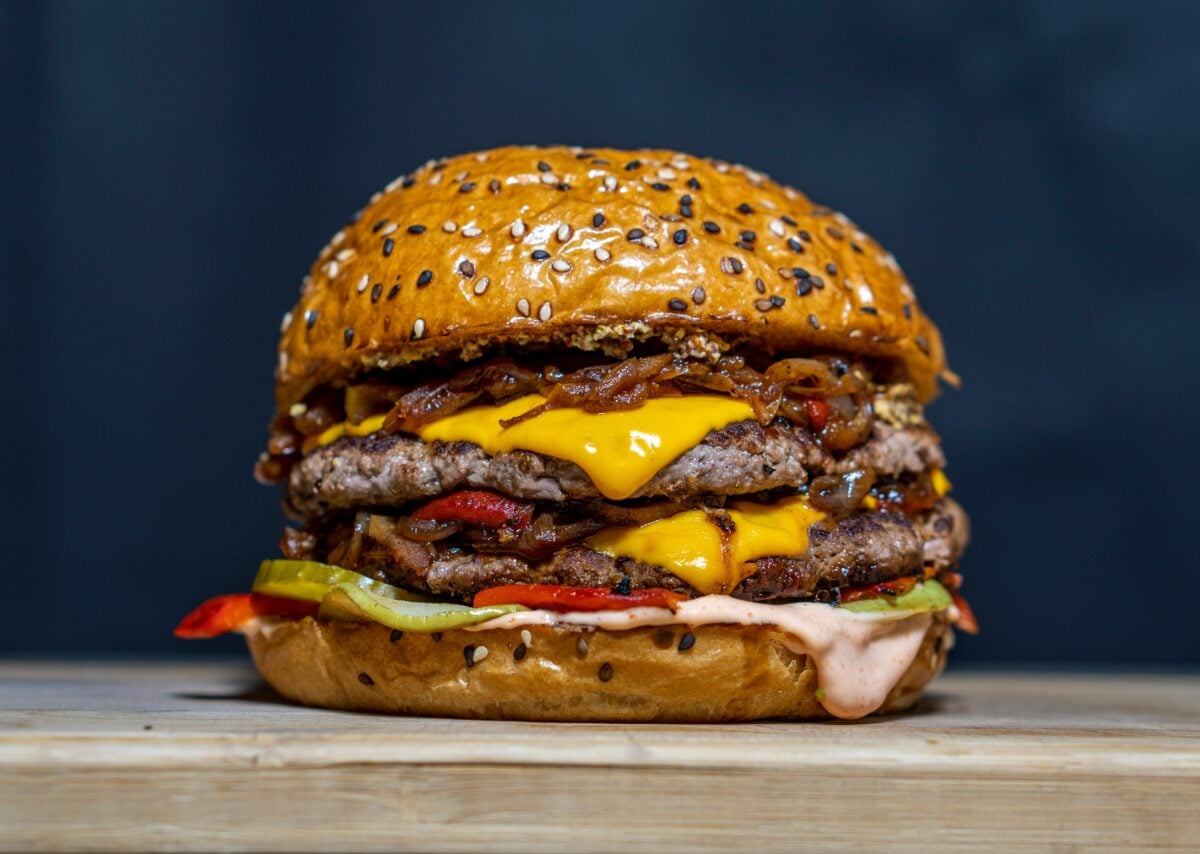
The patty between the bun has roots in Hamburg, Germany, where minced beef mixed with onions and spices was a popular dish among sailors and workers in the 1800s. German immigrants brought the “Hamburg steak” to America, where it was served at restaurants as a loose meat dish.
The leap to putting it between bread happened somewhere in the late 1800s or early 1900s, and about six different towns in the US claim credit for that specific move. Charlie Nagreen, Frank Menches, the Menches brothers, Oscar Weber Bilby — everyone has a candidate.
New Haven, Connecticut even has a diner that insists the burger was born there in 1900. The honest answer is that nobody really knows for certain, and the debate has been going on for over a century.
French Fries Are Belgian, Not French
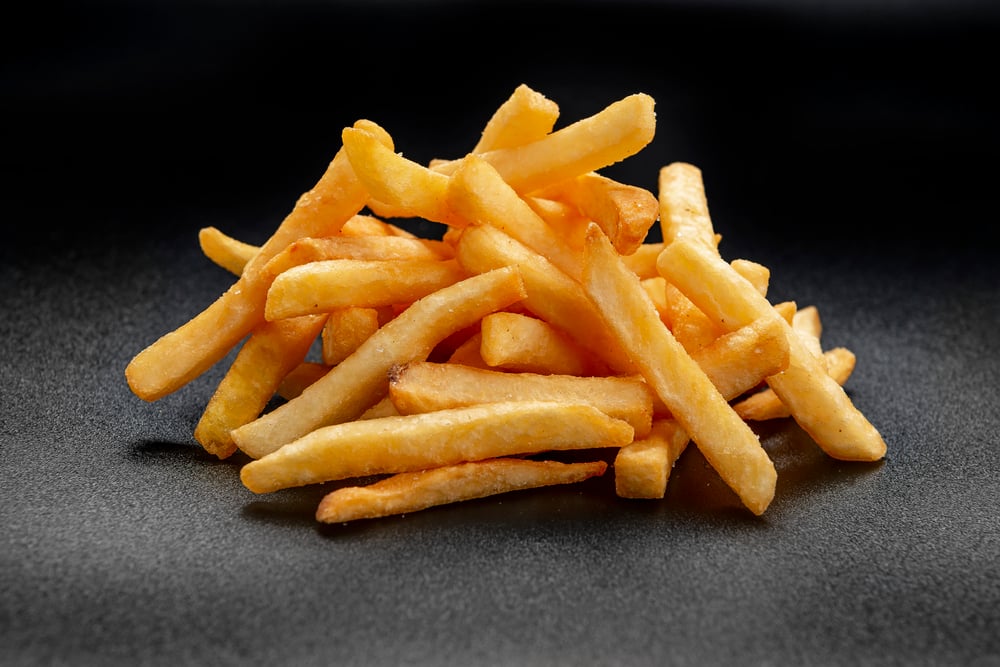
Despite the name, most food historians agree that fried potatoes were invented in Belgium, probably somewhere along the Meuse River valley in the late 1600s or early 1700s. Local tradition holds that poor villagers used to fry small fish from the river, but when the river froze in winter and fishing wasn’t possible, they cut potatoes into fish shapes and fried those instead.
The “French” part of the name likely came from American soldiers stationed in Belgium during World War I. They called the locals French because that was the dominant language in that part of the country, and the name stuck.
Hot Dogs Have a Genuinely Disputed Past
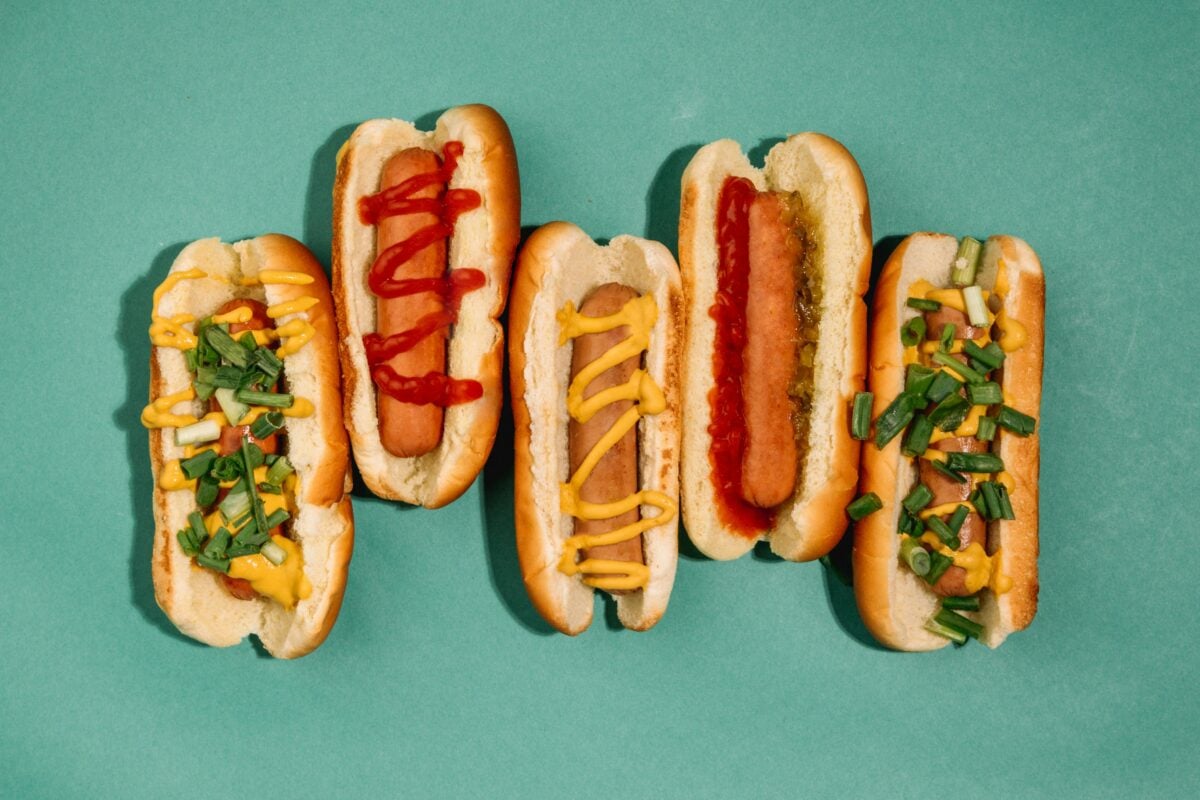
Frankfurt, Germany claims the hot dog. Vienna (Wien), Austria also claims it — which is why the sausage is sometimes called a “wiener.” Both cities have been arguing about this for so long that it borders on tradition at this point.
What’s less disputed is how they became an American staple. German immigrants brought the sausage to the US, where vendors started selling them on the street in the late 1800s. The name “hot dog” appeared in print in 1892, and the bun — possibly invented at a St.
Louis World’s Fair, possibly not — turned it into the portable meal people still eat at baseball games today.
Nachos Were Made in About 20 Minutes Out of Desperation
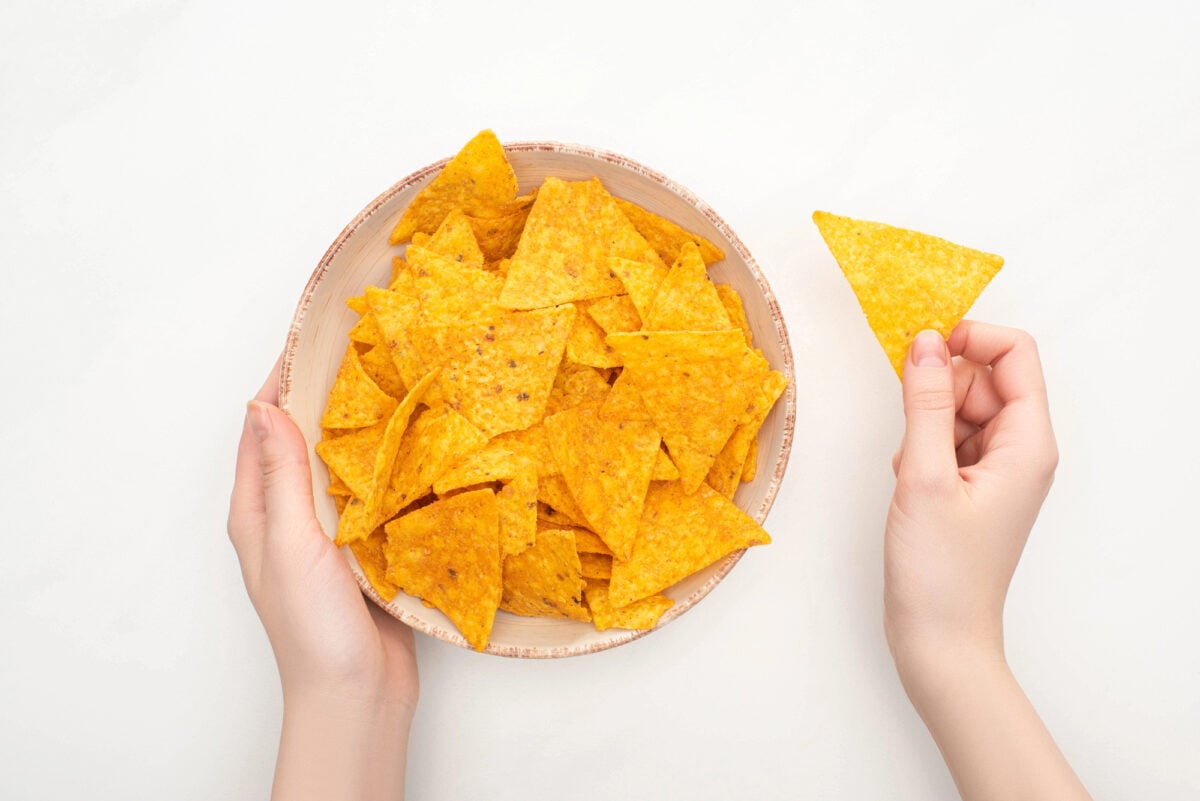
In 1943, a group of US military wives crossed the border from Eagle Pass, Texas into Piedras Negras, Mexico, looking for a late meal. The restaurant they arrived at was closed, but the maître d’, a man named Ignacio “Nacho” Anaya, let them in anyway. With the kitchen mostly shut down, he grabbed what he could find — tortillas, cheddar cheese, and jalapeños — and threw something together.
He called the dish “Nacho’s especiales.” Within a decade, the recipe had spread across Texas and eventually across the country. The man it was named after lived to see his invention go global, dying in 1975 just as nachos were becoming a genuine phenomenon.
Ketchup Used to Have Nothing to Do with Tomatoes
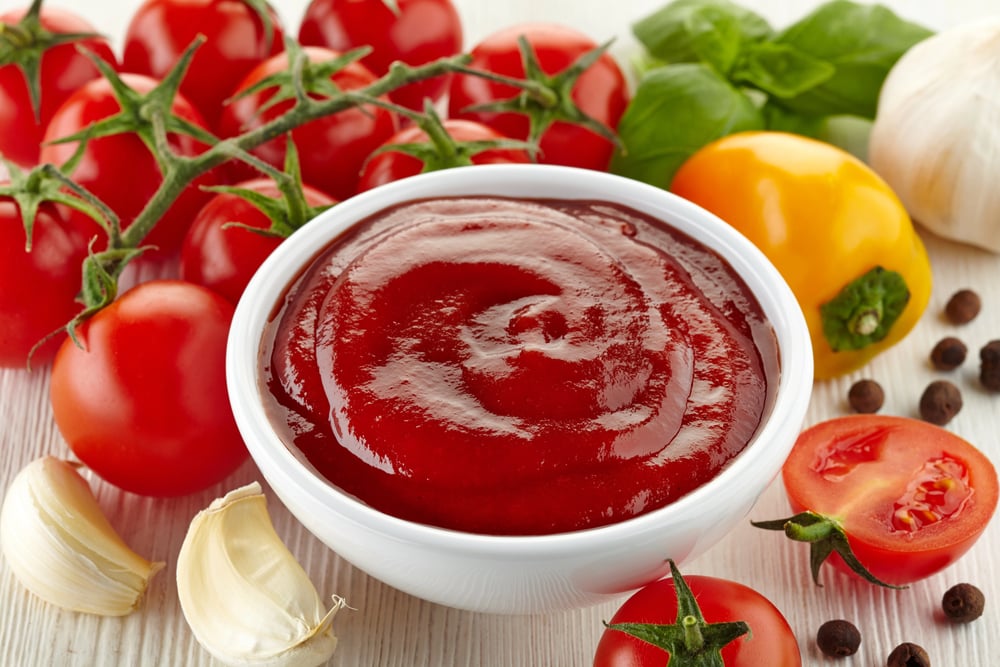
The word “ketchup” likely comes from a Chinese or Malay fermented sauce called “ke-tsiap” or “kecap,” which was made from fish, mushrooms, or soybeans — no tomatoes in sight. British sailors brought it back from Southeast Asia in the 17th century, and recipes for mushroom ketchup and walnut ketchup were common in English cookbooks for a long time.
Tomatoes entered the picture in America in the early 1800s, when someone decided to use them as the base instead. By the late 1800s, Heinz had standardized the sweet, thick version most people know today.
The fish sauce original is almost unrecognizable compared to what sits on diner tables now.
Ice Cream Cones Were Born at a World’s Fair
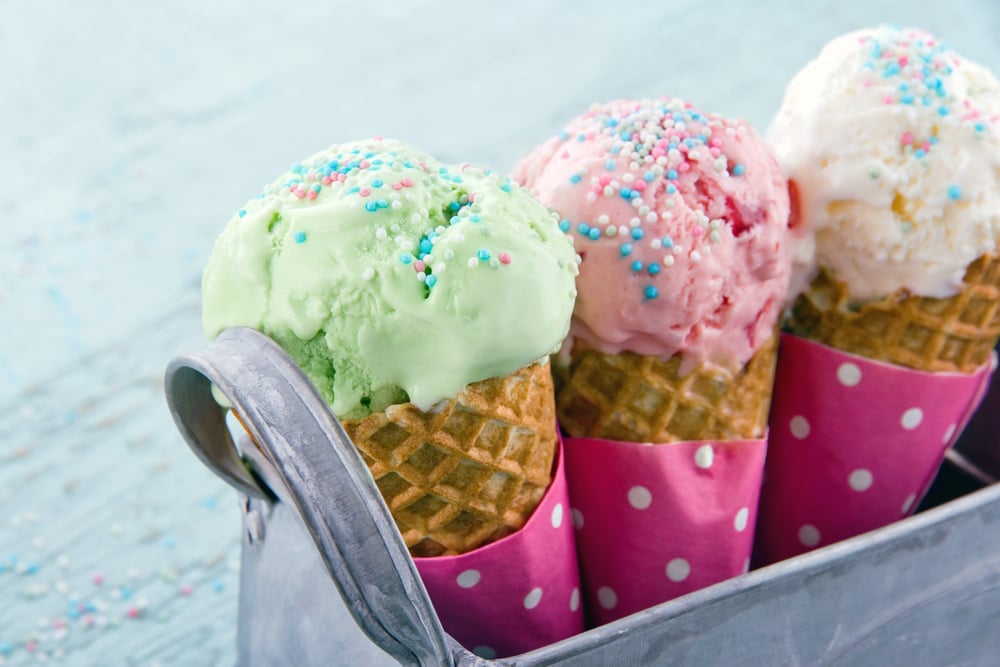
At the 1904 St. Louis World’s Fair, an ice cream vendor named Arnold Fornachou ran out of dishes. The waffle vendor next to him, Ernest Hamwi, rolled up one of his waffles and handed it over to hold the ice cream. Or at least, that’s one version of the story.
At least six people claimed to have invented the ice cream cone that day, which makes sense when you consider how lucrative it turned out to be. Whether it was Hamwi, Fornachou, or someone else entirely, the cone spread rapidly after the fair ended and became a staple within just a few years.
Buffalo Chicken Wings Started as Bar Food Nobody Wanted
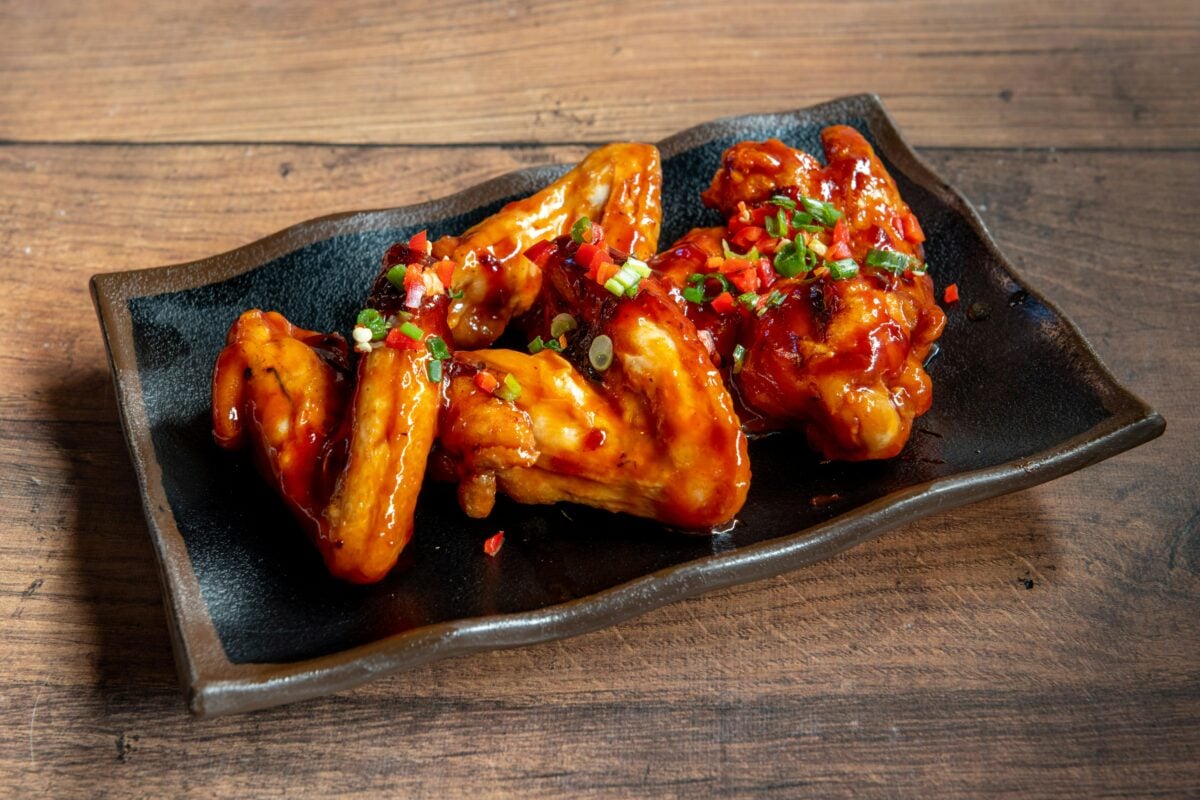
Chicken wings were considered nearly worthless for most of American culinary history. They were the throwaway part — sold for pennies, used for stock, or simply discarded.
That changed in 1964 at a bar called the Anchor Bar in Buffalo, New York. The owner, Teressa Bellissimo, received a delivery of wings by mistake and decided to deep fry them and toss them in hot sauce and butter rather than waste them.
She served them with celery and blue cheese dressing. Her son’s friends ate them all.
Word spread. By the 1980s, Buffalo wings had gone from bar scraps to a billion-dollar category at fast food chains across the country.
Caesar Salad Came from Mexico
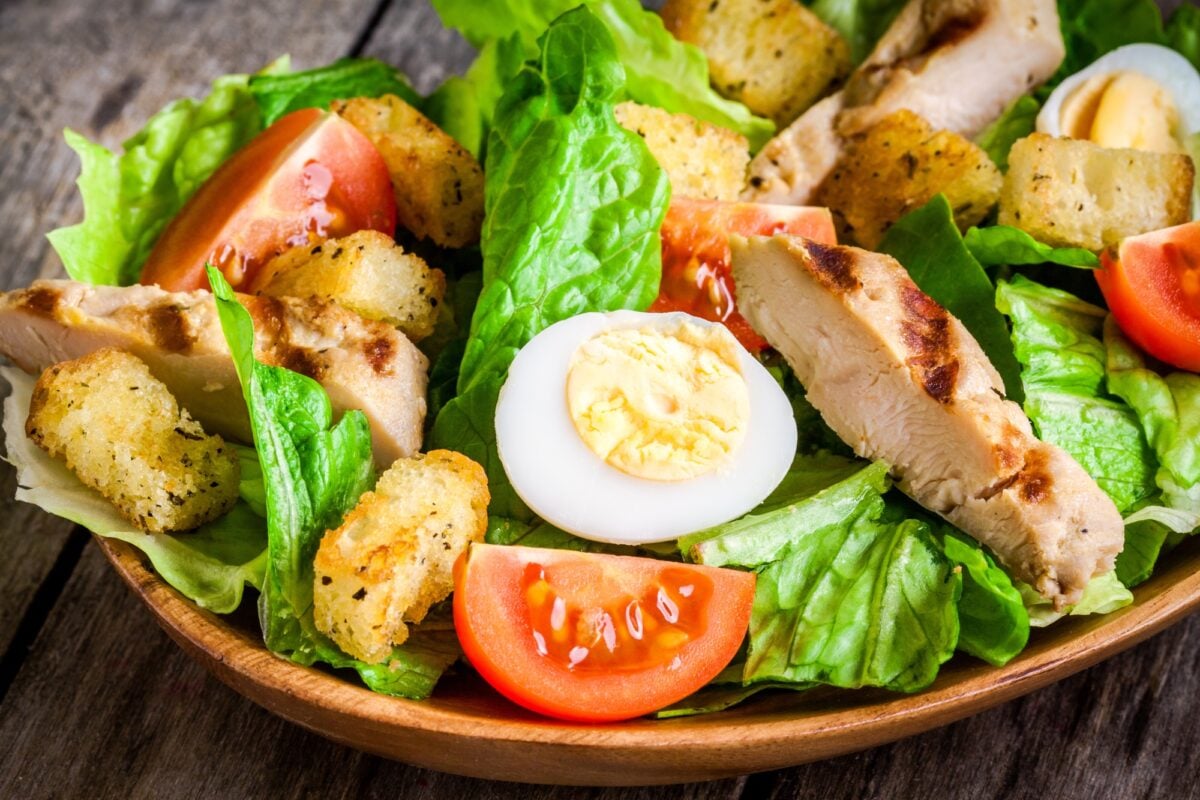
The Caesar salad was not invented in Rome or anywhere in Italy. It was created in 1924 by Caesar Cardini, an Italian immigrant who ran a restaurant in Tijuana, Mexico, just over the US border from San Diego.
On a busy Fourth of July weekend, Cardini was running low on supplies. He threw together what he had — romaine lettuce, croutons, Parmesan, lemon juice, olive oil, egg, and Worcestershire sauce — and dressed it tableside.
Diners loved the performance and the flavor, and the salad spread quickly to restaurants in Los Angeles and beyond. Cardini eventually bottled his dressing and sold it commercially.
The recipe the whole world now makes is a Tijuana improvisation.
The Reuben Sandwich Has Two Very Different Birthplaces
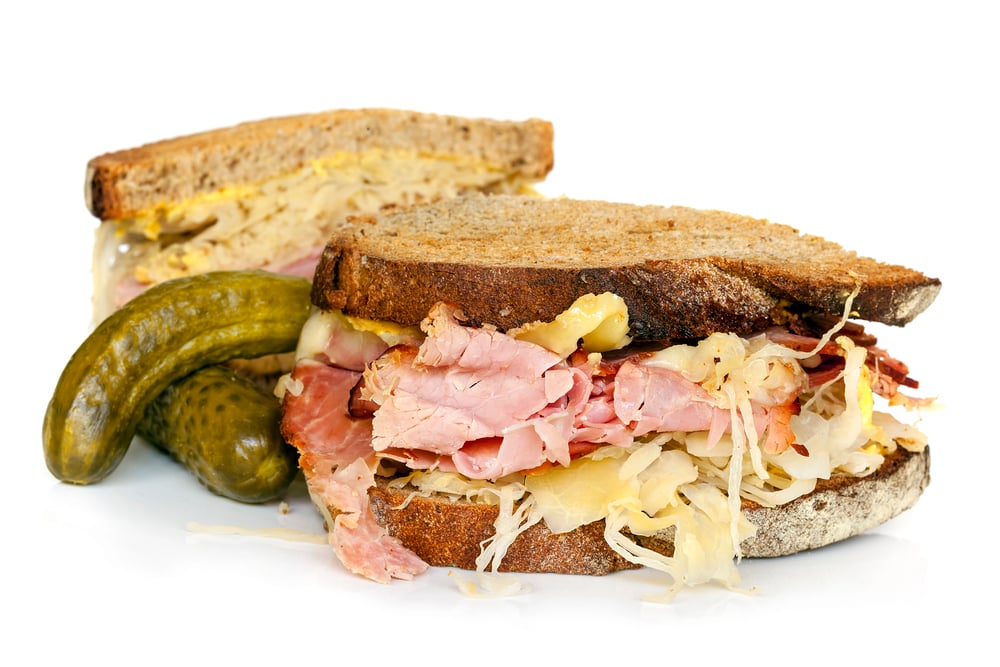
New York says the Reuben was invented at a deli. Nebraska says it was invented at a poker game in a hotel.
Both stories are specific and both involve people named Reuben. The New York version credits Arnold Reuben of Reuben’s Restaurant, who supposedly made a similar sandwich in the early 1900s.
The Omaha version says a grocer named Reuben Kulakofsky put the sandwich together during a card game at the Blackstone Hotel in the 1920s, and the hotel’s owner later entered it in a national sandwich competition — where it won. Culinary historians lean toward Nebraska. The people in New York mostly disagree.
Soft Pretzels Were Monastic Bread
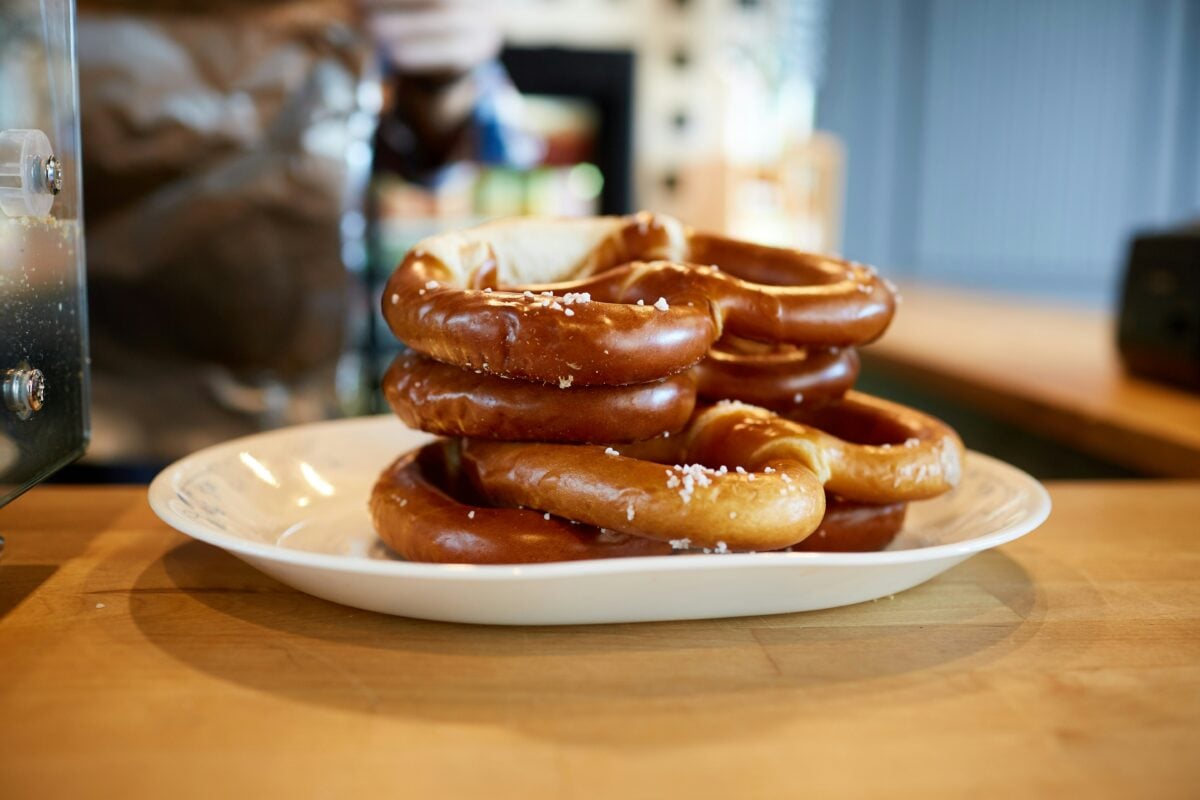
Twisting dough like that? It started way back in the early Middle Ages. A tale goes – some monk in Italy shaped scraps of bread into arms crossed, praying-like.
He gave them out when kids recited prayers right. That little gift had a name once: “pretiola,” from Latin, meaning something earned, tiny, sweet
Though no one knows for sure, pretzels likely began in quiet monastery halls throughout Germany and Austria. For ages, monks folded dough into loops as symbols during holy events and springtime gatherings – long before sidewalks sold them warm.
Arriving much later, German settlers carried the tradition overseas by the 1800s, landing first in Philadelphia. That city now holds a lasting claim, known far beyond its streets for soft, twisted bread.
Corn Dogs Showed Up Out of Nowhere
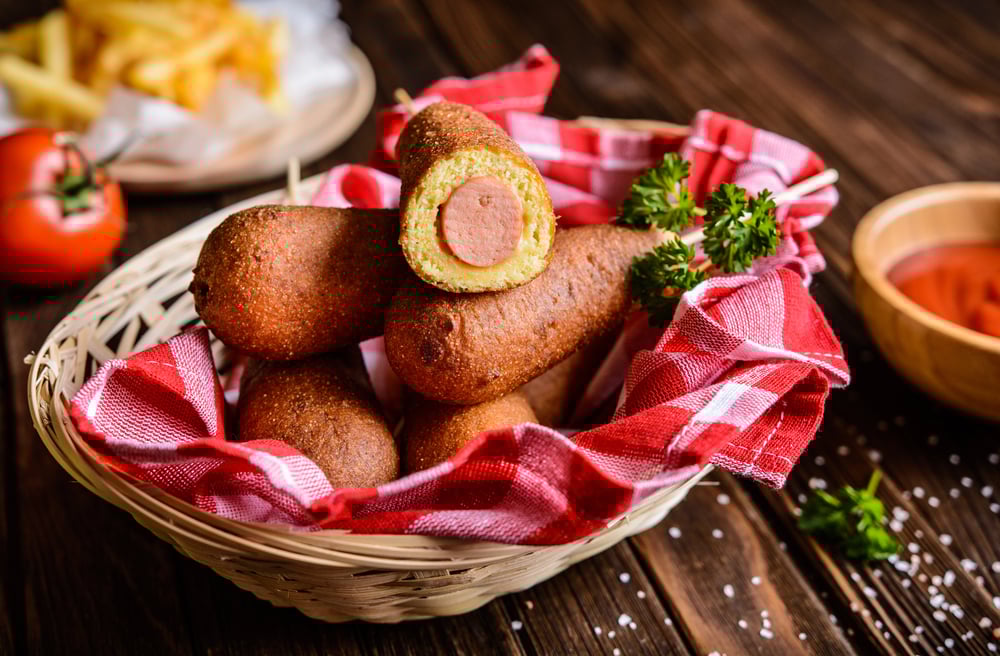
Out of nowhere, a fuzzy history surrounds where the corn dog really began. Patented versions popped up when inventors tinkered with batter-coated sausages during the 1920s and 30s.
Meanwhile, fairgrounds started serving something similar – though folks called it different things back then. It started back at the 1941 Minnesota State Fair, where Pronto Pups say they served the first ones.
Over in Texas, folks insist it actually began there instead. Meanwhile, a diner in Portland lays its own quiet claim to the idea.
One thing sticks out through all the noise – by midcentury, these corn-dog treats turned up everywhere, tucked into paper boats at drive-ins and midway booths alike. They carved a spot deep into summer nights, state fairs, and grease-splattered griddles, regardless of which town truly sparked the recipe.
Onion Rings Existed Long Before Fast Food
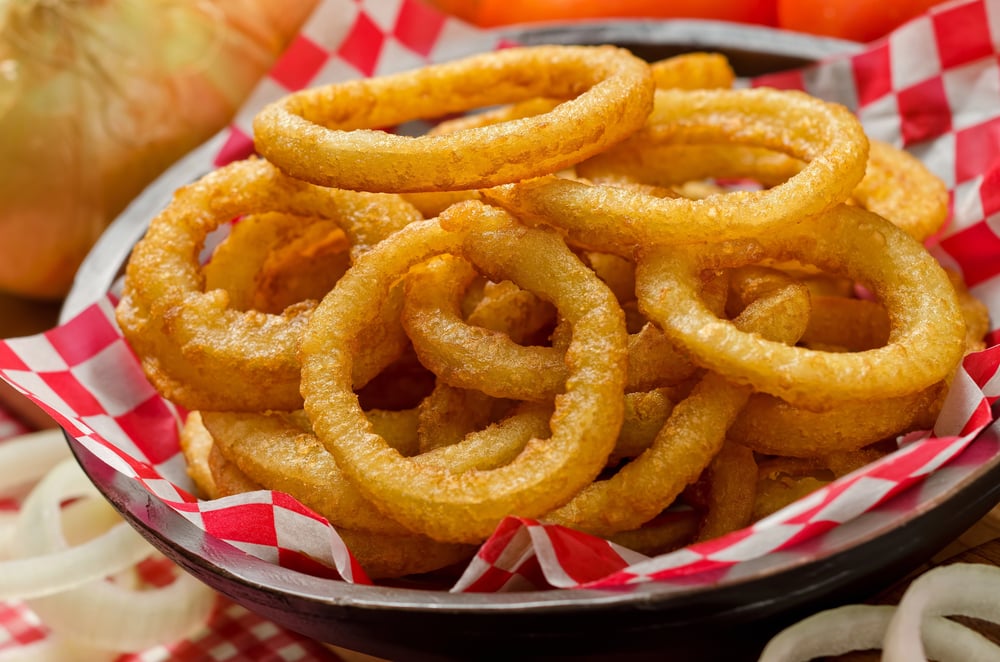
Not many would guess a cooking ad sparked it, yet onion rings showed up in text by 1933 through a Crisco promo. Still, dipping onions into the mix before dropping them in hot fat likely existed earlier – after all, people already fried fish, veggies, even odd scraps without hesitation.
It wasn’t just convenience that pushed onion rings into every meal – it was the spread of roadside diners and burger spots after World War II. With deep fryers heating up early each morning, tossing in battered onions took almost no extra effort.
Some say A&W started serving them way back in 1934. Even before McDonald’s thought about including them decades later, they’d already settled into daily life like school buses and baseball games.
Soft Serve Started by Mistake or Rule Gap
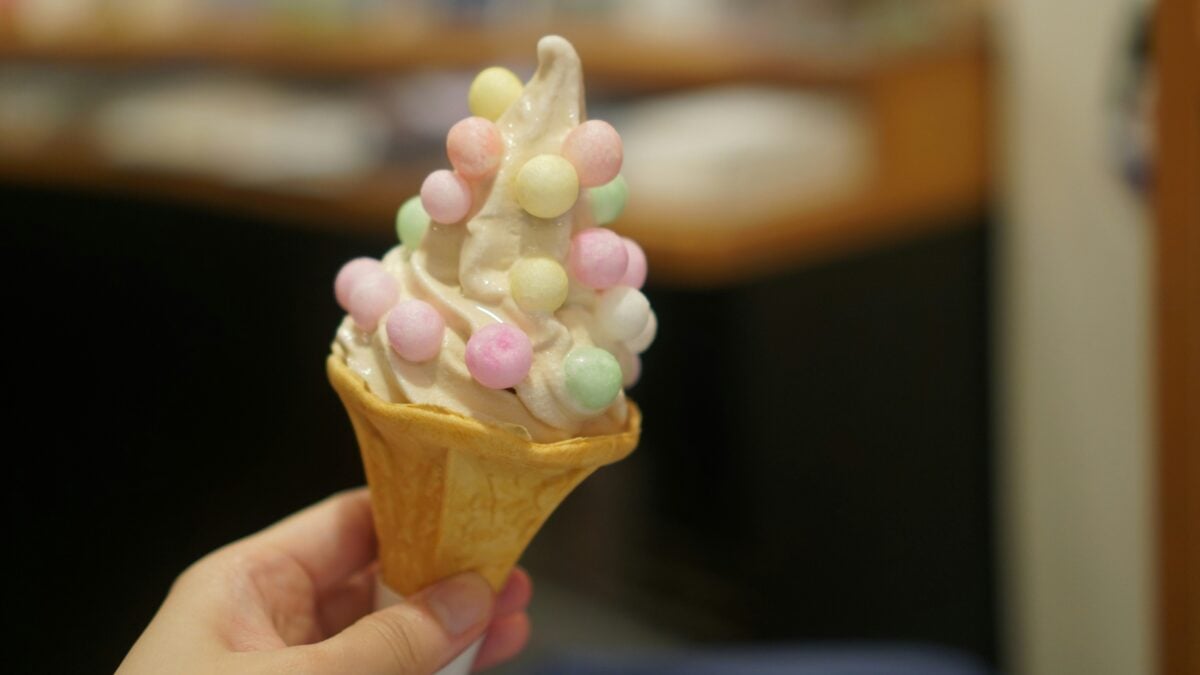
A spoonful of soft serve feels smoother, almost fluffy, since tiny bubbles get mixed into it while freezing. Some say someone stumbled onto the trick long ago, others insist it was planned all along.
Some say a worker at a Dairy Queen found that ice cream just starting to freeze felt smooth and good. Then again, there’s talk about researchers in Britain during the 1930s figuring out how to mix more air into frozen dessert – rumor has it one was Margaret Thatcher early in her career.
That lighter version used less dairy, which saved money when making big batches. Selling something so low in fat meant trying new ways to attract buyers.
Soft-serve gear crossed over to America later, landing firmly in places like Dairy Queen, where what began as an experiment turned into widespread success.
Every Familiar Bite Has A Stranger Story Behind It
It never hits you that drive-thru meals weren’t born out of thin air. Each greasy staple on glossy plastic cards started somewhere real – a cook’s mistake, a late-night experiment, an ingredient lifted from halfway across the world.
Out of small kitchen trials came dishes now eaten everywhere – born not in palaces but homes, shaped by chance. When people moved, they carried flavors, changed recipes, and found new uses for old staples.
Luck played a role, yes, yet so did hunger, trade routes, crowded ports. You might think a dish is native here or there, but its roots twist across borders.
What feels traditional today likely arrived through detours and substitutions. Even the most familiar meal has ghosts of elsewhere in every bite.
More from Go2Tutors!

- The Romanov Crown Jewels and Their Tragic Fate
- 13 Historical Mysteries That Science Still Can’t Solve
- Famous Hoaxes That Fooled the World for Years
- 15 Child Stars with Tragic Adult Lives
- 16 Famous Jewelry Pieces in History
Like Go2Tutors’s content? Follow us on MSN.