What Old Train Stations Reveal About US Expansion
Long before highways and airports, trains connected the country. In the 1800s and early 1900s, train stations popped up across cities, towns, and rural stops, helping move people, goods, and even ideas.
These old stations weren’t just places to catch a train—they were signs of change. Each one played a part in how the United States grew, shifted, and became what it is today.
It’s surprising how much you can learn from an old building with faded bricks and creaky floors. These stations tell quiet but powerful stories about how the country spread out and came together.
They marked the growth of towns

Many small towns started with just a few buildings. But when a train station showed up, things changed fast.
Businesses opened. People moved in. A stop on the rail map meant a town was now connected, and that often meant it had a real shot at growing.
They showed where money was flowing

Railroads followed money. If a place had resources—like coal, timber, or cotton—it often got a station.
These stations tell you which areas mattered for trade or industry at the time. Their locations weren’t random.
They followed the economy.
Like Go2Tutors’s content? Follow us on MSN.
They connected the coasts
Before planes, traveling coast to coast took weeks. But with trains and key stations across the map, that trip got faster and safer.
Stations in places like Omaha or Salt Lake City helped link the East with the West. These were not just stops—they were lifelines between two halves of the country.
They brought goods to people

Farmers in the middle of the country could now ship food far away. In return, cities sent back tools, clothes, and even furniture.
Old freight stations still standing today show how much stuff moved through these places. They made trade possible in every direction.
They created local jobs

Train stations didn’t run themselves. They needed ticket clerks, porters, maintenance workers, and freight handlers.
In many towns, the station was one of the biggest employers. You can still see old offices and staff buildings next to some stations today.
Like Go2Tutors’s content? Follow us on MSN.
They showed off local pride
Many stations were built with care and beauty—brick towers, clock faces, carved wood. Towns wanted their station to look good because it gave outsiders a first impression.
That pride shows how much a station meant to the people living there.
They helped settle the West

As tracks moved west, so did people. Settlers used train stations to get closer to their new homes.
Towns like Denver or Sacramento grew bigger once rail lines reached them. The stations made long journeys less scary and more possible.
They influenced city layouts

Cities shaped themselves around stations. Roads, hotels, stores, and homes often lined up near the tracks.
You can still spot old downtowns where the train station sits at the center. That shows how much daily life once depended on the train.
Like Go2Tutors’s content? Follow us on MSN.
They spread news faster

Mail and newspapers traveled by train. That meant people in Kansas or Arizona got updates only a few days after New York.
Old mail rooms in stations remind us how information sped up thanks to rail. It helped the country feel more connected.
They reflected changing times

As years went by, some stations added electric signs, telegraph lines, and even air conditioning. These changes show how America moved forward with technology.
A station’s updates often followed the pace of the country’s progress.
They made tourism possible

Before cars became common, families took trains for vacations. People traveled to mountains, beaches, or big cities using popular rail lines.
Tourist towns often still have grand old stations that once welcomed summer crowds. These buildings helped create the idea of a getaway.
Like Go2Tutors’s content? Follow us on MSN.
They helped industries boom
Steel from Pittsburgh, oranges from California, cotton from the South—all moved by rail. Train stations near factories or farms were key to making that happen.
Many businesses chose locations based on how close they were to a line. The rail and station were part of the success story.
They linked rural life to the rest of the country

Life in the countryside could feel far from the rest of the world. But a train station gave people a way in and out.
It connected farms to cities. It gave small communities a voice in a much bigger conversation.
They became places of memory
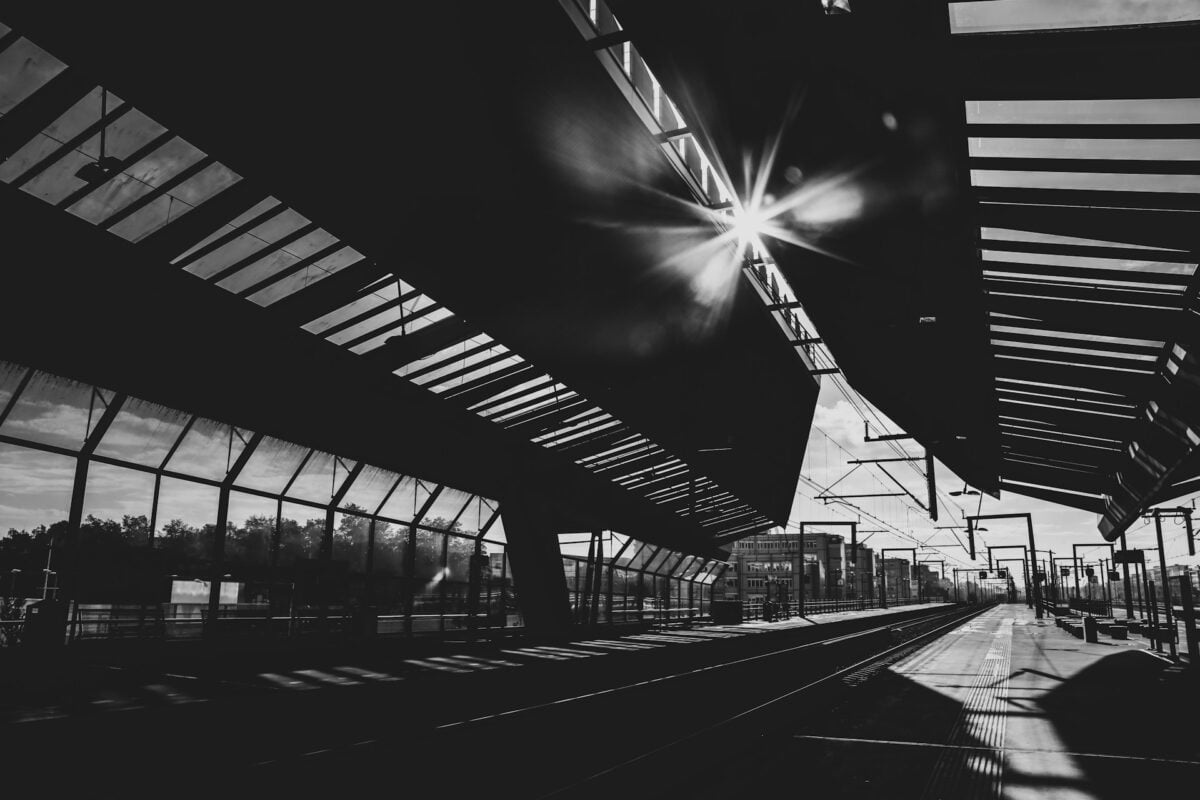
Many stations today no longer serve trains. But people still visit them as museums, cafes, or community centers.
They’ve turned into places that help towns remember where they came from. Even without a train, they still tell stories.
Like Go2Tutors’s content? Follow us on MSN.
They remind us how big ideas move on tracks

The train station was a symbol of progress. It meant something was coming—people, money, change.
And while the country has moved on to cars, planes, and phones, the stations are still here. They remind us that building a country often starts with a track and a stop.
Where the tracks still lead

Old train stations aren’t just pretty buildings or history lessons. They show how the country grew—town by town, stop by stop.
They remind people how expansion didn’t happen all at once, but through steady movement and connection. Today, these stations still stand as quiet storytellers of where the United States has been and how far it has come.
And every time someone walks past one, they walk past a piece of that journey.
More from Go2Tutors!

- 16 Historical Figures Who Were Nothing Like You Think
- 12 Things Sold in the 80s That Are Now Illegal
- 15 VHS Tapes That Could Be Worth Thousands
- 17 Historical “What Ifs” That Would Have Changed Everything
- 18 TV Shows That Vanished Without a Finale
Like Go2Tutors’s content? Follow us on MSN.