Cartoon Characters That Launched Product Empires
You see them on lunchboxes, T-shirts, and toy store shelves. Some started as simple sketches on animation cels, others emerged from video games or comic strips.
What they all share is this: they stopped being just characters and became entire industries. The merchandising power of cartoon characters has shaped how entertainment companies think about their creations.
A successful character doesn’t just entertain anymore. It generates revenue streams that dwarf what the original show or film could earn.
Some of these empires have lasted decades, outliving their creators and adapting to new generations of fans.
Mickey Mouse Built the House

Disney built its foundation on a mouse with big ears and white gloves. Mickey Mouse appeared in 1928, and within a few years, his face was selling everything from watches to ice cream.
The character gave Walt Disney the capital to build his animation studio, then later his theme parks. Mickey merchandise still generates billions annually. Walk through any Disney store, and you’ll see the same basic design that debuted nearly a century ago.
The simplicity of the character design makes it easy to reproduce on any product. Two circles and some basic features—that’s all it takes.
Disney learned early that the real money wasn’t just in movie tickets. It was in making sure kids wanted to own a piece of the character.
Hello Kitty Mastered Minimalism

Hello Kitty doesn’t have a mouth. This deliberate design choice by Sanrio in 1974 helped the character become whatever fans needed her to be.
Happy, sad, excited—you project it onto her. The character appears on over 50,000 different products. Sanrio discovered that simplicity sells across cultures.
Hello Kitty works equally well on notebooks in Tokyo, toasters in London, or airplanes in Taiwan. Yes, entire airplanes.
The business model here focuses on licensing rather than content creation. Hello Kitty rarely stars in TV shows or movies.
She exists primarily as a visual brand, and that approach has generated over $80 billion in lifetime revenue.
SpongeBob SquarePants Absorbed Everything

A talking sponge who lives in a pineapple under the sea shouldn’t work as a merchandising empire. But SpongeBob became Nickelodeon’s cash machine shortly after debuting in 1999.
The show’s absurdist humor translated well to product design. SpongeBob’s bright yellow color and goofy expression work on almost anything. Within a few years, the character appeared on clothing, bedding, food packaging, and even car accessories.
What makes SpongeBob different is how the character maintained relevance. Most cartoon merchandising peaks and fades.
SpongeBob has sustained commercial success for over two decades, appealing to kids who watch the show and adults who grew up with it.
Pokémon Created a Collecting Obsession
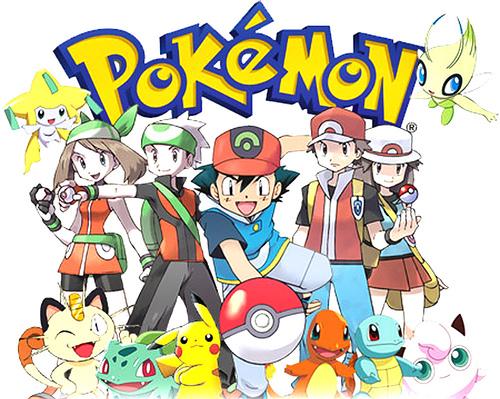
The Pokémon franchise understood something fundamental about kids: they like collecting things. The original Game Boy games launched in Japan in 1996, followed by a trading card game, an anime series, and mountains of merchandise.
The business model feeds itself. Kids watch the show, then want the cards, then want the video games, then want the toys.
Each product line reinforces the others. The trading card game alone has generated over $10 billion.
Pokémon merchandise works because the franchise has hundreds of characters. You can’t just buy one Pikachu toy and be done.
There are 1,000+ Pokémon now, and fans want them all. The franchise has earned over $100 billion, making it the highest-grossing media franchise in history.
Teenage Mutant Ninja Turtles Sold an Absurd Premise
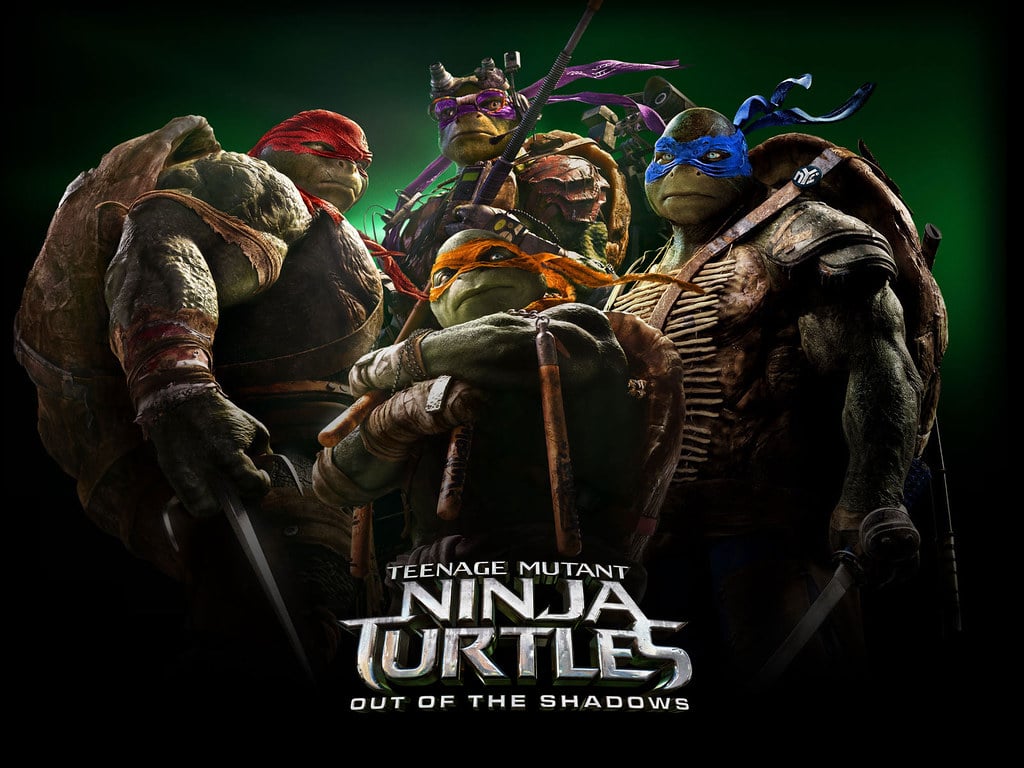
Four turtles who eat pizza and know martial arts shouldn’t have worked. The concept started as an indie comic book parody in 1984.
Within a few years, it became a toy line, a cartoon series, and a merchandising phenomenon. The toy company Playmates made the Turtles into action figure royalty.
The characters had distinct personalities and colors, making it easy for kids to pick favorites. The accessories and vehicles kept expanding the product line.
The Turtles generated over $1 billion in toy revenue in 1990 alone. That success showed toy companies they could build entire empires around the right characters, even if the premise seemed ridiculous.
Transformers Sold Two Toys in One

Hasbro faced a challenge in the 1980s. Boys would buy an action figure, play with it, and then move on.
But what if the toy could change into something else? Transformers started as Japanese toys that Hasbro rebranded for American markets in 1984.
The cartoon series existed primarily to sell toys, and it worked. Kids bought Optimus Prime, then wanted Bumblebee, then needed the Decepticons to fight them.
The transformation gimmick meant kids perceived the toys as having more value. One toy became two play experiences.
That simple innovation helped Transformers generate billions in revenue across multiple decades and movie franchises.
My Little Pony Survived Generational Shifts

Hasbro launched My Little Pony in 1983 as a toy line for young girls. The first wave succeeded, but the brand faded by the 1990s.
Then Hasbro rebooted it in 2010 with a new cartoon series that changed everything. The reboot, “Friendship Is Magic,” attracted an unexpected audience: adults.
The show’s quality writing and animation created a devoted fanbase that bought merchandise, attended conventions, and kept the brand relevant. My Little Pony shows how character-driven merchandising can adapt.
The core product—colorful ponies with different personalities—remained the same. The execution and marketing evolved to meet new audiences.
Garfield Perfected Lazy Marketing
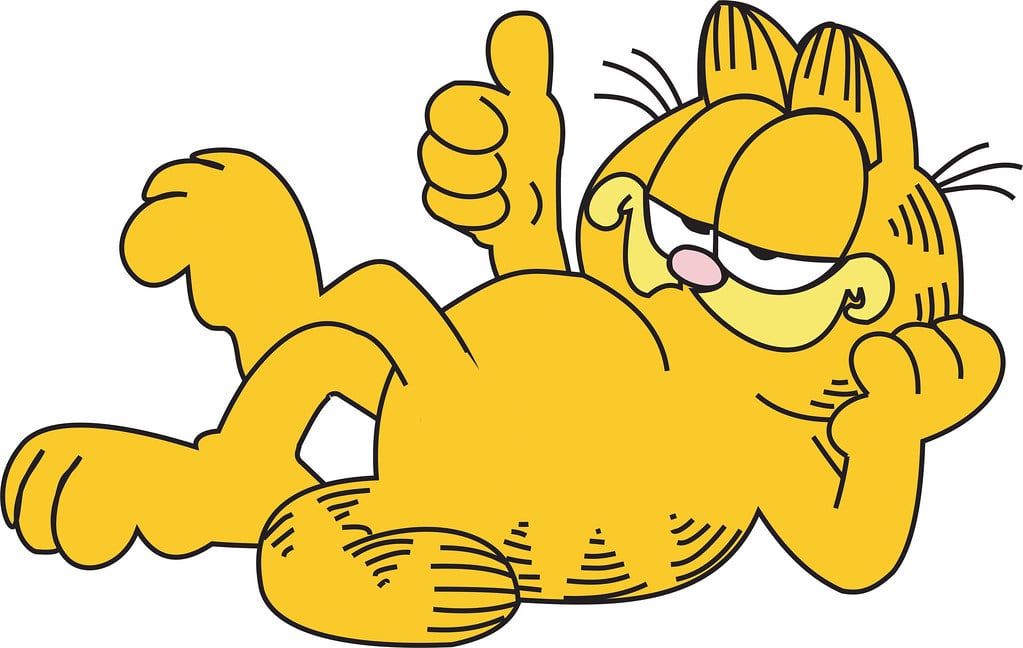
A fat orange cat who hates Mondays and loves lasagna became one of the most merchandised comic strip characters ever. Jim Davis created Garfield in 1978 with merchandising in mind.
The character’s simple design and relatable personality made him easy to license. Garfield appears on everything from coffee mugs to car window shades.
The character’s deadpan cynicism appeals to adults in ways that more energetic cartoon characters don’t. You don’t need to watch a TV show or read comic strips to understand what Garfield represents.
Davis approached Garfield as a business from the start, and that pragmatic approach built a merchandising empire worth billions.
The Simpsons Stayed Relevant Through Satire

When The Simpsons debuted in 1989, nobody expected it would still be producing new episodes decades later. But Homer, Bart, and the rest of the family became merchandising staples.
Bart Simpson T-shirts were everywhere in the early 1990s. The character’s rebellious attitude appealed to kids who wanted to look edgy.
As the show matured, the merchandising did too, targeting adults with more sophisticated products. The Simpsons merchandise works because the show comments on consumer culture while simultaneously participating in it.
That self-awareness has helped the franchise maintain credibility even as it sells everything from Duff Beer merchandise to theme park attractions.
Snoopy and the Peanuts Proved Timelessness

Charles Schulz drew Peanuts comic strips from 1950 to 2000, and Snoopy became the breakout star. The beagle who imagines himself as a World War I flying ace has appeared on more products than anyone can count.
Snoopy merchandise generates over $1 billion annually, decades after Schulz stopped drawing. The character’s simple design and expressive personality work across cultures and generations.
MetLife used Snoopy as its mascot for years. NASA used Snoopy to promote space safety.
The Peanuts empire shows how a well-designed character can outlive its creator and remain commercially viable for generations.
Scooby-Doo Solved the Mystery of Longevity

Scooby-Doo first appeared on TV in 1969. The formula—teenagers and a talking dog solve fake supernatural mysteries—should have dated quickly. Instead, the franchise has produced new content continuously for over 50 years.
The merchandising follows the same pattern. Scooby-Doo lunch boxes, T-shirts, and toys have sold to multiple generations. The character design is simple and recognizable.
The show’s humor works for kids without alienating adults. Scooby-Doo proves that merchandising empires don’t need complex characters or deep lore.
Sometimes a cowardly dog and a simple formula are enough.
Mario Jumped From Games to Everything

Nintendo’s Mario started as “Jumpman” in Donkey Kong in 1981. By the mid-1980s, Mario had his own games and was on his way to becoming Nintendo’s mascot.
Mario merchandise now includes toys, clothing, theme parks, movies, and countless other products. The character’s simple design—red cap, blue overalls, mustache—makes him instantly recognizable globally.
Nintendo protects Mario’s image carefully. Unlike some characters that appear on anything for a licensing fee, Mario merchandise maintains consistent quality.
That approach has kept the character relevant for over 40 years.
The Flintstones Pioneered Primetime Merchandising
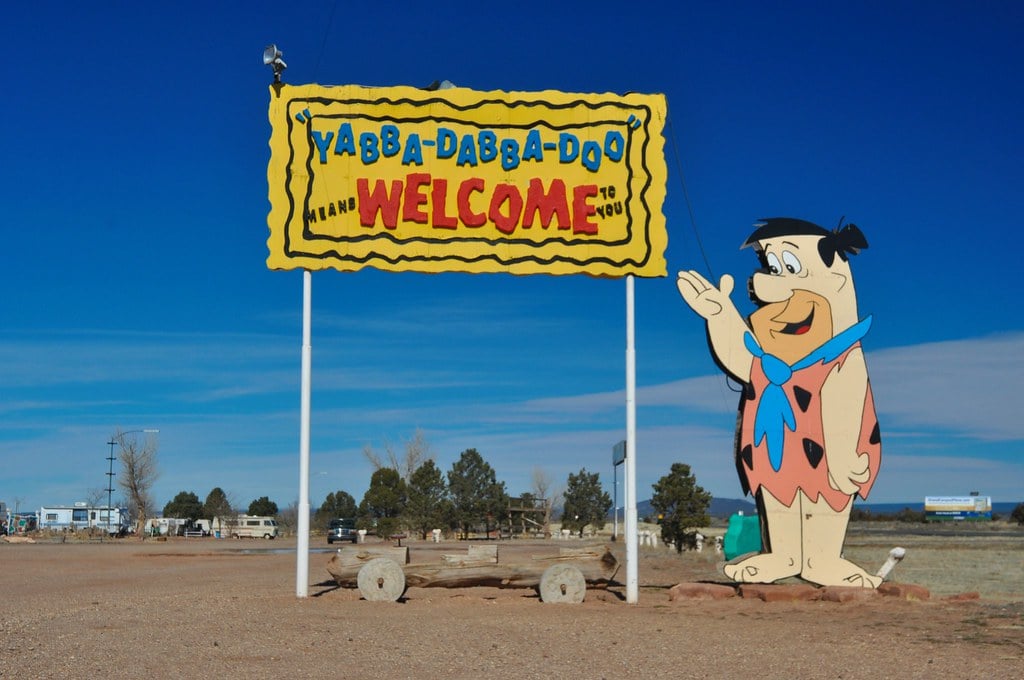
The Flintstones aired from 1960 to 1966 as the first successful primetime animated series. The show immediately spawned merchandise, from vitamins to toy cars.
What made The Flintstones different was its appeal to both kids and adults. Parents watched the show, so they didn’t mind buying Flintstones products for their children.
The prehistoric setting allowed for creative product designs—everything could be made of stone or powered by dinosaurs. The vitamin partnership with Bayer proved especially lucrative.
Flintstones vitamins have been on shelves for over 50 years, long after most people stopped watching the original show.
Betty Boop Proved Character Rights Matter

Out of the 1930s she stepped, bright-eyed and quick-moving, vanishing by 1939 yet never really gone. That silhouette lingered – curled lashes wide, skirt just above the knee, lace trim hugging her leg – whispering flapper rhythms decades later.
Her shape stuck around, echoing a time crackling with swing music and loose morals. Betty Boop’s rise in merchandise hides a messy fight behind the scenes.
One company after another stepped forward saying they owned her image. Court cases piled up over years of confusion. In time, King Features brought it all together under one roof.
A clear path for licenses finally took shape. These days, Betty Boop items bring in consistent money.
Her staying power proves old cartoon figures can still earn when handled right.
Characters That Outlast Their Stories

Now here comes a shift – figures once drawn on paper begin standing for something bigger. Not merely animations anymore, they morph into emblems of eras, emotions, whole mindsets.
Once that line is crossed, products bearing their image keep moving without constant pushing. The weight of meaning does the work.
What began with those figures reshaped how fun is bought and sold. Right away, studios shape personalities to fit toys and clothes.
A film or series lives not only by ticket counts or viewer numbers, yet through piles of products flying off shelves. Out there, a few creations have shown how timing, look, and smart planning mix into something lasting.
Not every one fades – some might stick around longer than any of us ever do.
More from Go2Tutors!

- The Romanov Crown Jewels and Their Tragic Fate
- 13 Historical Mysteries That Science Still Can’t Solve
- Famous Hoaxes That Fooled the World for Years
- 15 Child Stars with Tragic Adult Lives
- 16 Famous Jewelry Pieces in History
Like Go2Tutors’s content? Follow us on MSN.



