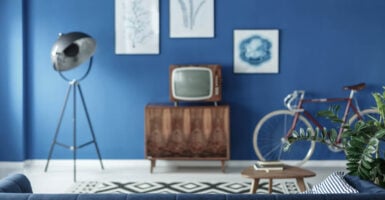
Television Furniture That Once Dominated Family Rooms
For decades, a television was less a gadget than a piece of furniture, and the rest of the living room was arranged around it. Cabinets, trays, stands, and lamps all existed to support the glowing box.
Families built their evenings around a single screen and bought the pieces that made watching comfortable. Most of that furniture has since vanished into thrift stores or landfills.
Flat screens hung on walls erased the need for deep cabinets and sturdy stands. These twenty pieces explain how the room once worked.
The Console Television Cabinet
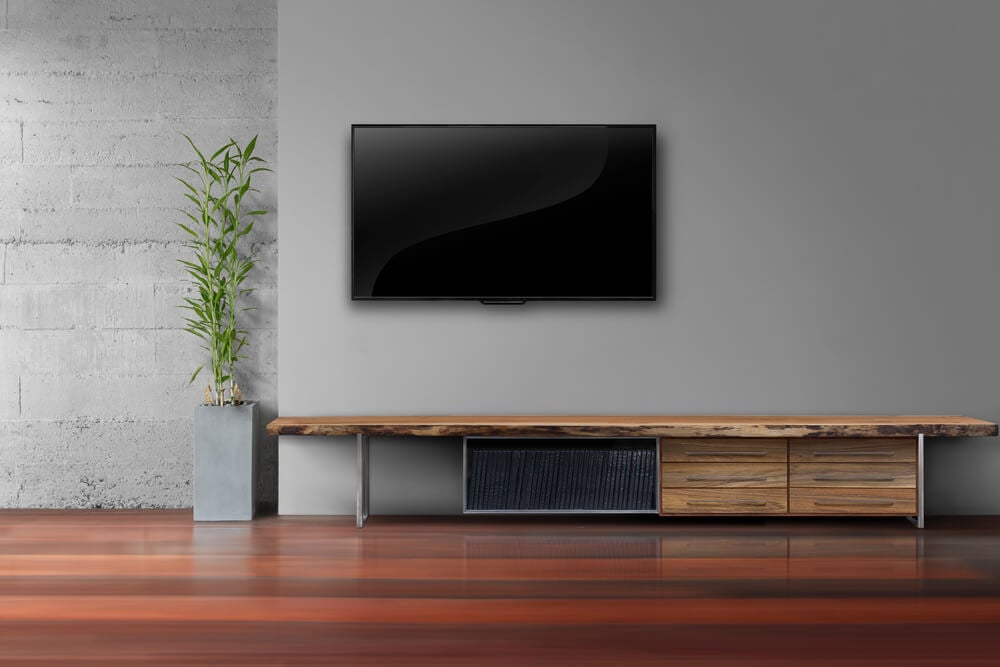
Early sets came built into large wooden cabinets, often walnut or mahogany veneer, with doors that closed over the screen. The cabinet looked like a sideboard, and the television was meant to disappear when not in use.
A console set could weigh as much as a small refrigerator.
The Rabbit-Ear Topper

A pair of telescoping rabbit-ear antennas sat on top of the set and needed constant adjustment to find a clear picture. Families wrapped them with tinfoil, moved them to the window, and asked someone to hold them just so.
The topper was less furniture than ritual, and it shaped where a television could sit.
The Folding TV Tray
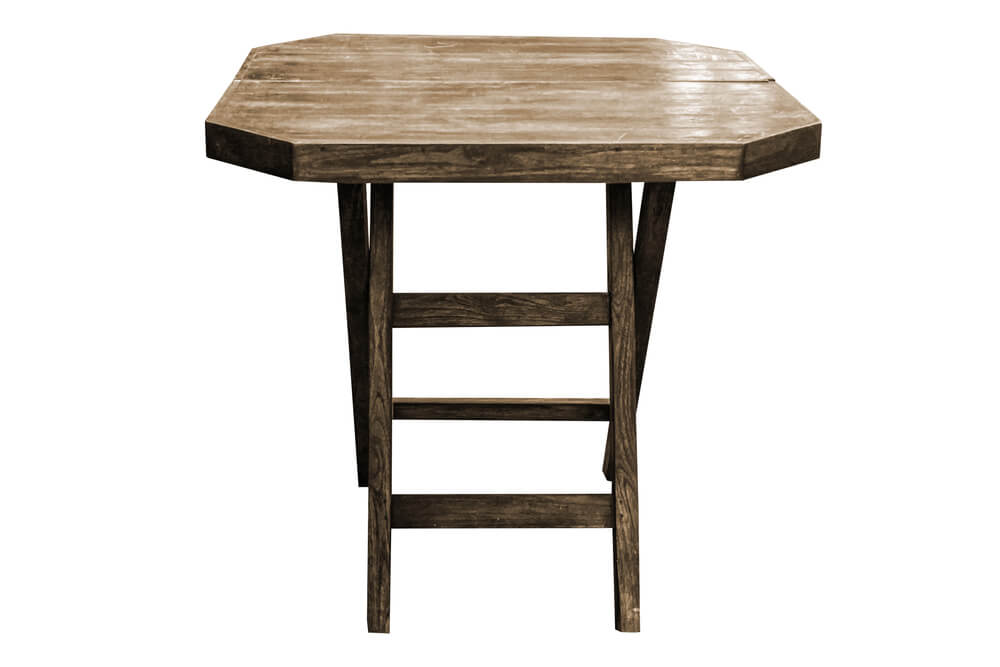
Metal TV trays, often printed with floral or pheasant patterns, let families eat dinner in front of the screen. They arrived around the time Swanson introduced the TV dinner in 1953.
The trays folded flat and slid behind a door or a couch until the next meal.
The Rolling TV Cart
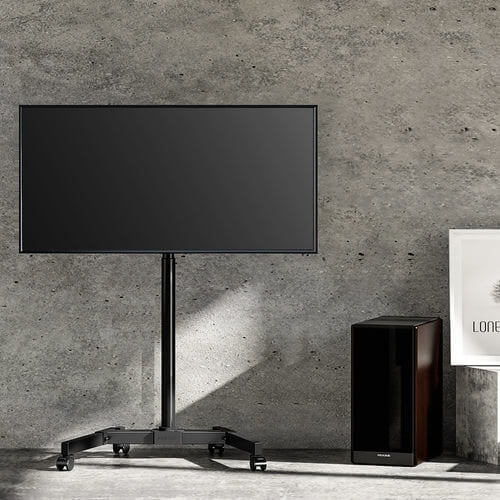
A cart on casters let a television move from room to room, with a shelf below for accessories. Schools and hospitals used them, and so did families with a single set.
The wobbling wheels were a hazard for anyone who nudged the cart too hard.
The Hi-Fi Console Combination
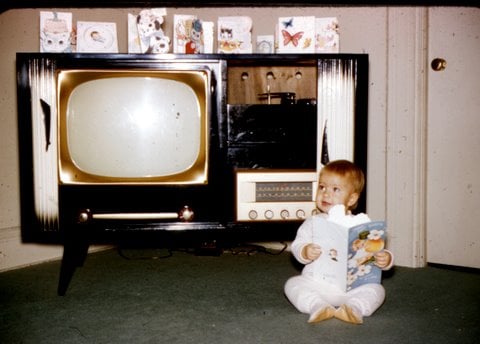
Some large cabinets combined a television, a radio, and a record player in a single piece of furniture. The result looked like a modernist sideboard with doors that hid each component.
These units were expensive, and they served as the showpiece of the living room.
The Television Lamp
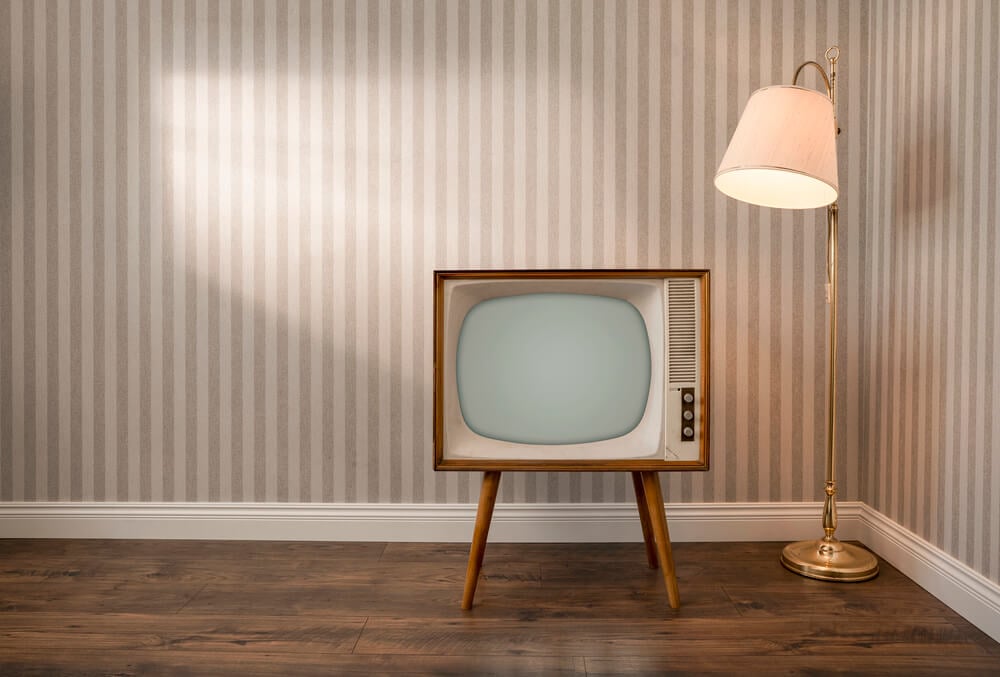
In the 1950s, small decorative lamps called TV lamps sat atop the set, often shaped like a panther, a sailing ship, or a graceful dancer. They offered a soft glow that was supposed to reduce eyestrain in a dark room.
Today they are sought-after collectibles.
The Family Recliner
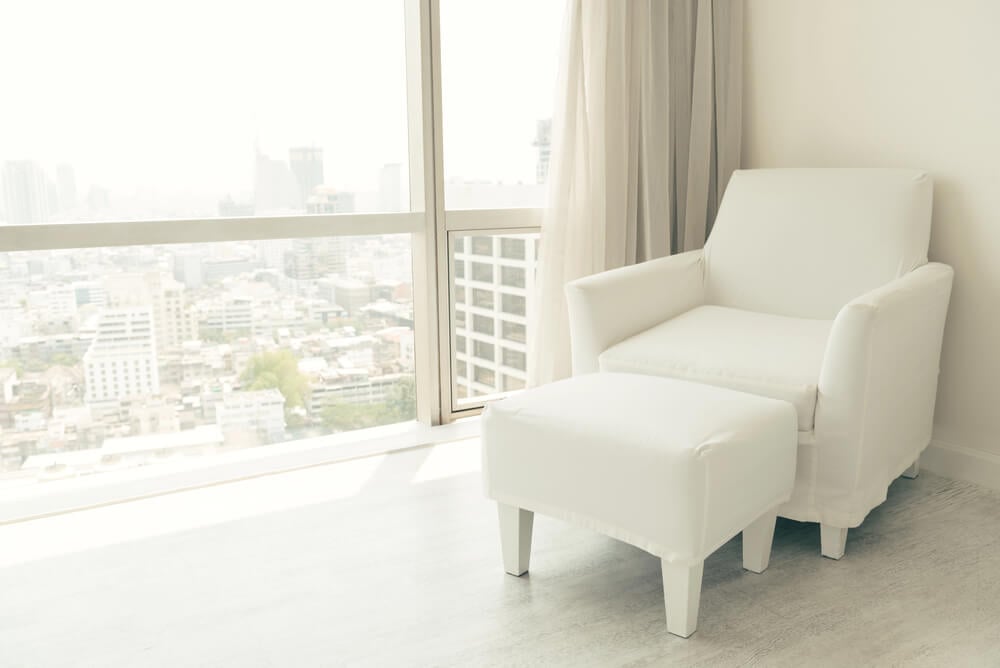
Reclining chairs, with a footrest that kicked up at the pull of a lever, brought a new level of comfort to evening viewing. In many homes, one chair was understood to belong to a particular person.
Recliners remained a living-room fixture long after the cabinets disappeared.
The Hassock
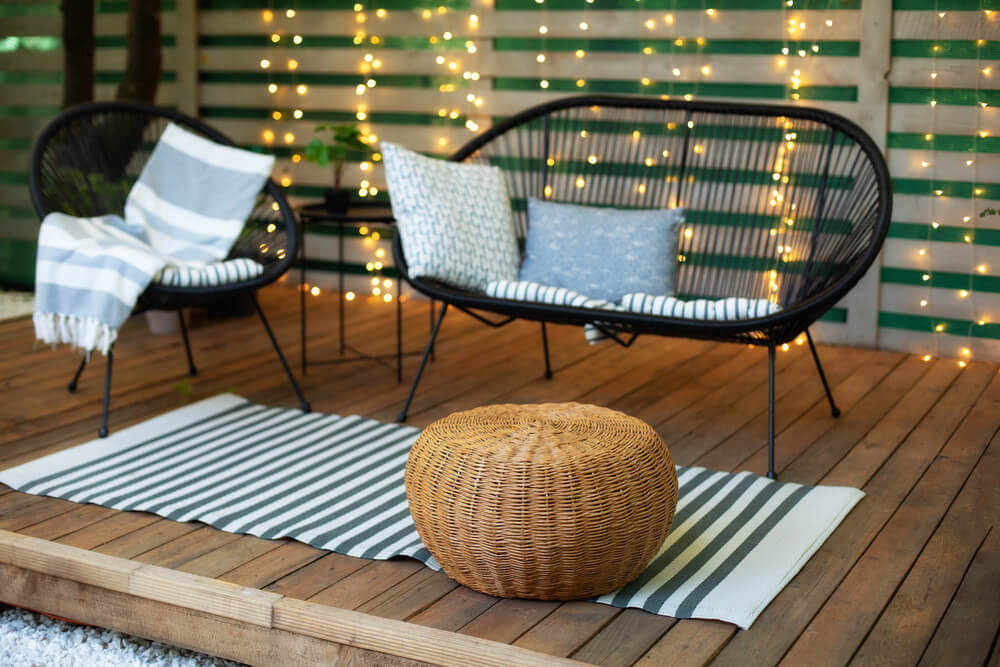
A padded hassock, or footstool, sat in front of an armchair as a place to rest tired feet. Some were upholstered in vinyl, others in nubby fabric, and a few hid storage under a hinged lid.
Children used them as stepping stools and impromptu seats.
The Sunken Conversation Pit Sectional
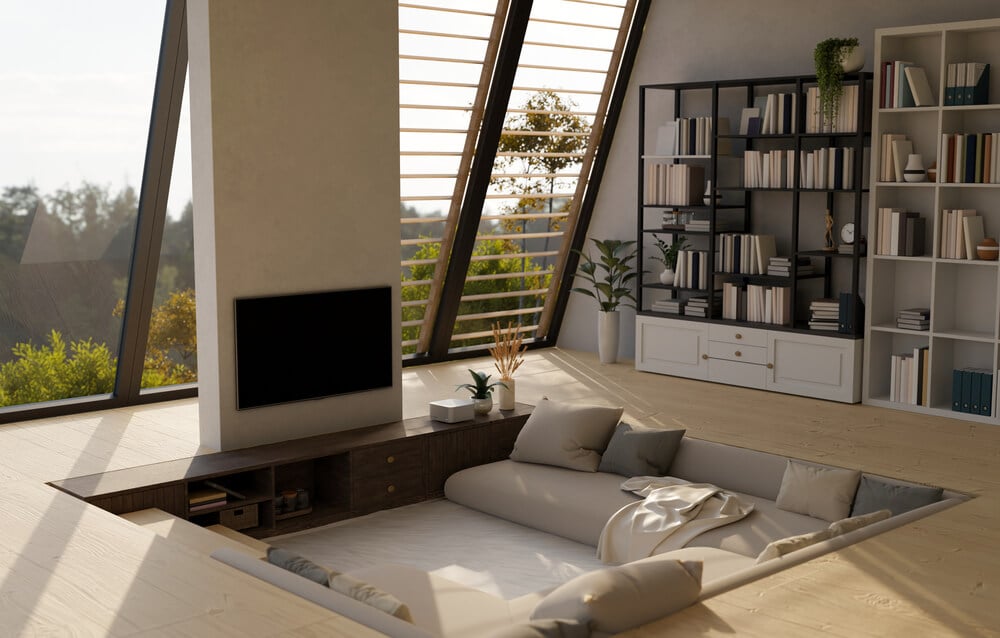
In the 1970s, some homes built a sunken area filled with a wraparound sectional sofa, designed for lounging and conversation. A television sat at one end, and everyone faced it.
The pit was both a style statement and a magnet for lost pocket change.
The Danish Modern Credenza
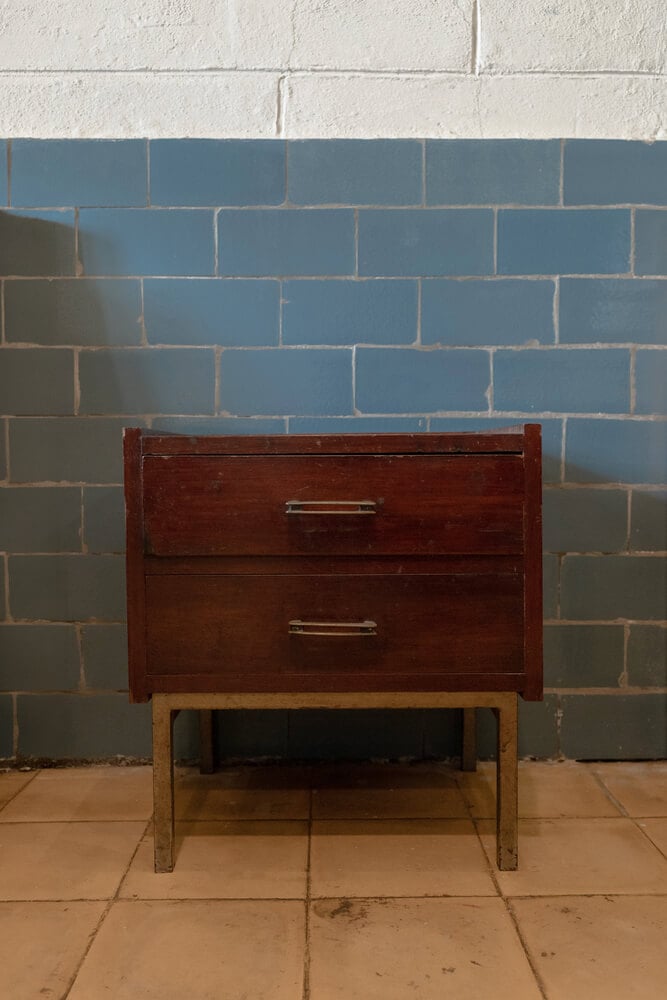
A low, blond-wood credenza with tapered legs held the television at eye level for those sitting on a low sofa. Sliding doors hid records, games, and board games in neat compartments.
The credenza fit the clean lines of midcentury taste.
The Corner Television Cabinet
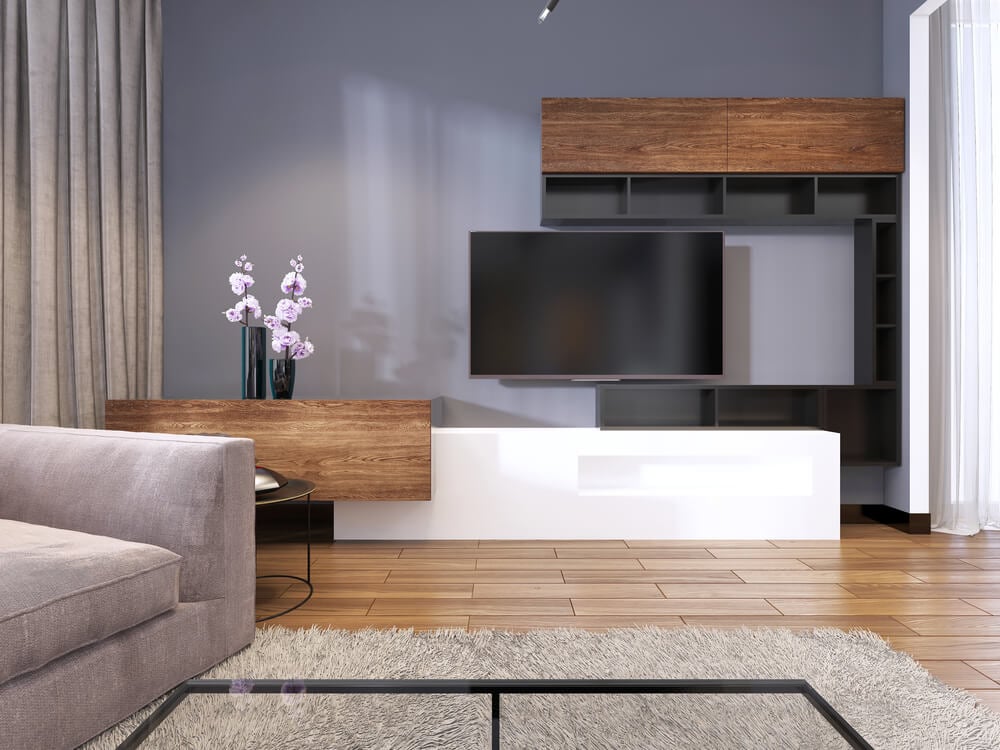
Corner cabinets fit a set into an awkward angle of the room and kept it from dominating the wall. The shape allowed viewers to sit on two sides of the room.
Many included a shelf for a lamp or a plant.
The Console With Remote Control

Premium consoles in the mid-1950s were sold with remote controls. Zenith’s Flash-Matic, introduced in 1955, used a beam of light, and the Space Command that followed in 1956 used ultrasonic sound.
Early remotes were expensive, so owners often showed them off to guests.
The Swivel Platform
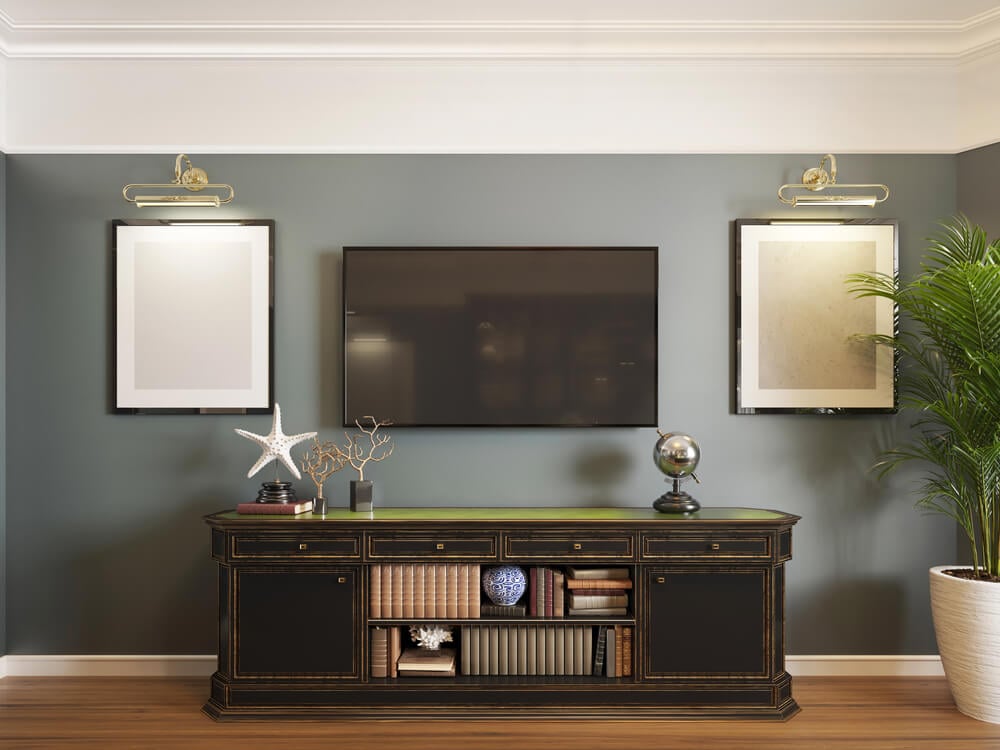
A small swivel base under the television let viewers rotate the screen toward the sofa or the kitchen. It was a clever fix for rooms that served double duty.
A stiff turn could shift the antenna cord and ruin the picture.
The Bean Bag Chair

Bean bag chairs, with their shapeless, squishy design, became a staple of the late 1960s and 1970s. They gave children a place to sprawl in front of the television.
Vinyl covers split at the seams and scattered foam beads across the carpet.
The Entertainment Wall Unit
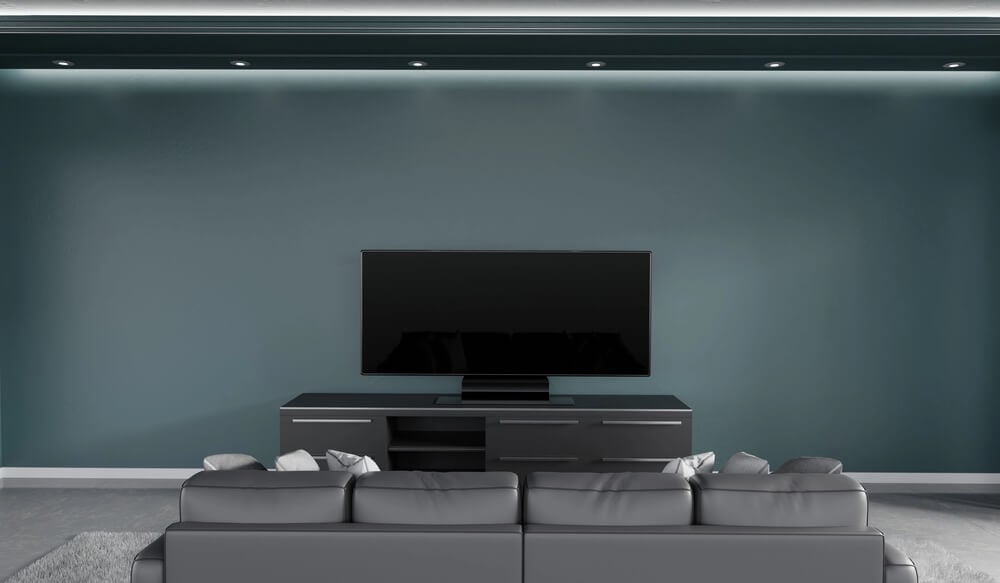
By the 1980s, large wall units with shelves, drawers, and a cutout for the television dominated living rooms. Some had doors that folded back, and others included lighted display cases.
The units were built from laminate or veneer and weighed a ton.
The Armoire
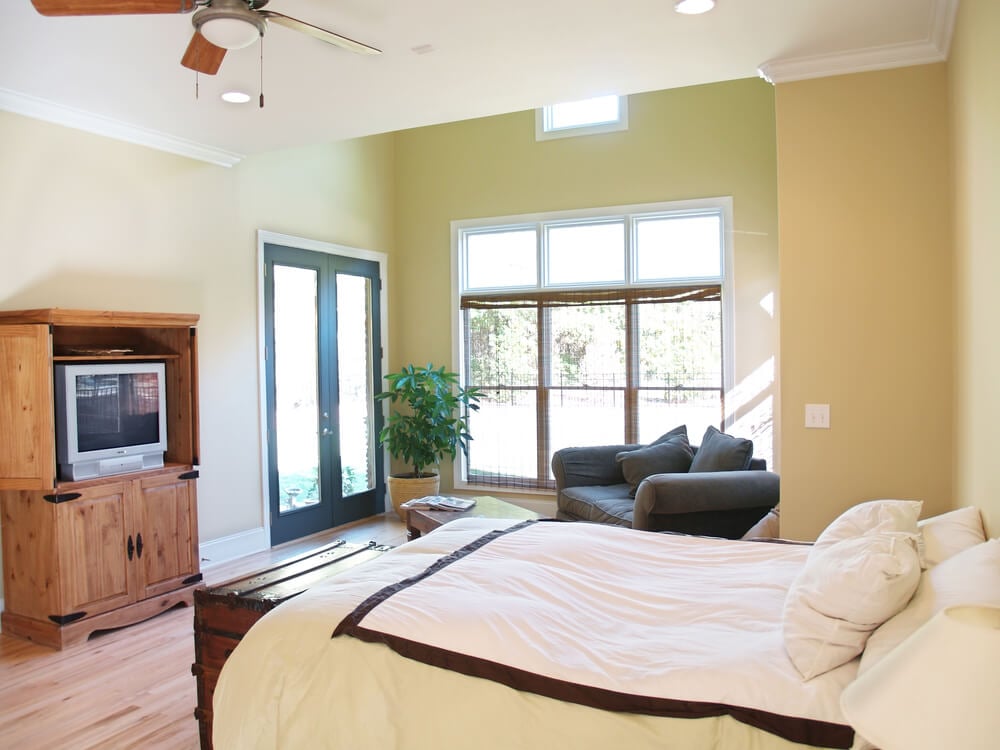
In the 1990s, many families hid their tube sets inside a tall wooden armoire with doors that opened to reveal the screen. The piece looked like an antique bedroom cabinet.
Moving one required several strong helpers and a plan for the stairs.
The VHS Tower
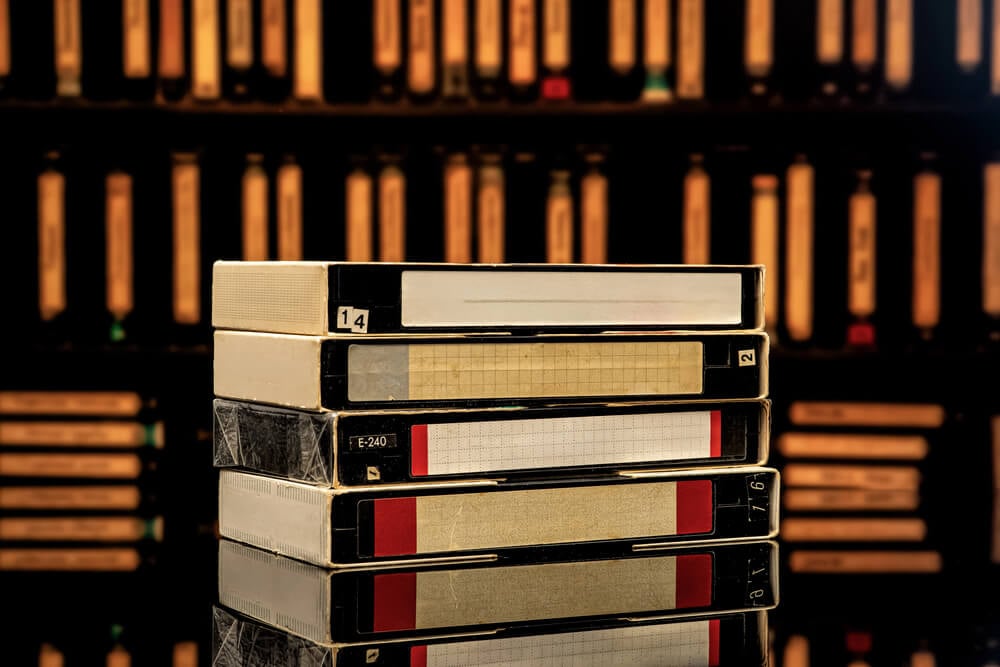
A narrow tower of slotted shelves held rows of VHS tapes, sorted by title or genre. Families recorded shows off the air and labeled the tape spines by hand.
The tower stood beside the set like a miniature library.
The Pole Lamp
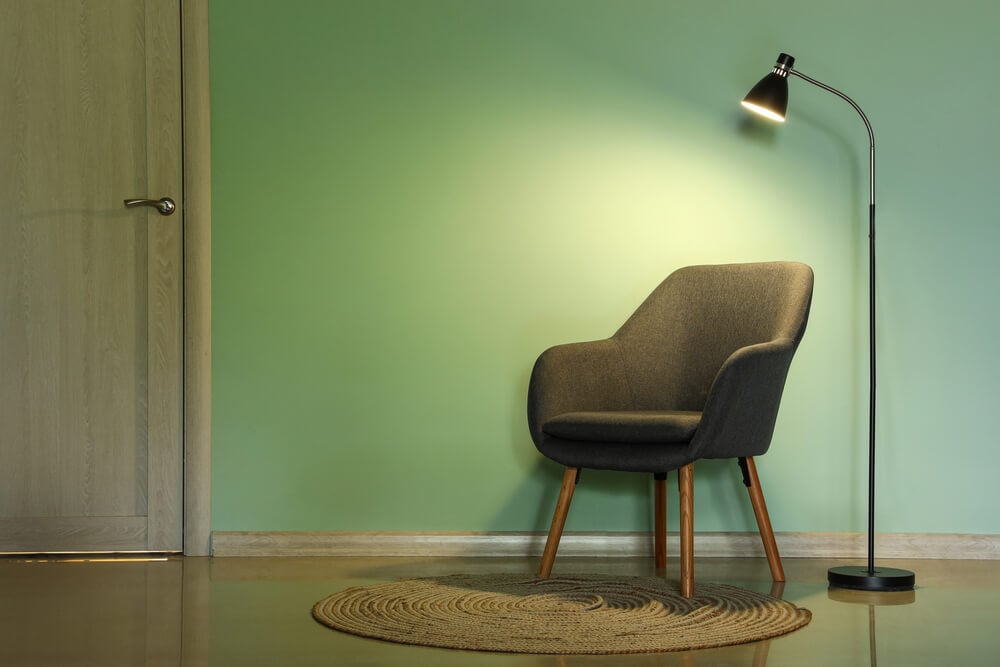
A floor-to-ceiling tension pole with adjustable lamp shades was a favorite for apartments. The lights could be angled away from the screen to cut glare.
A shelf or two made it a handy spot for a drink.
The Magazine Rack
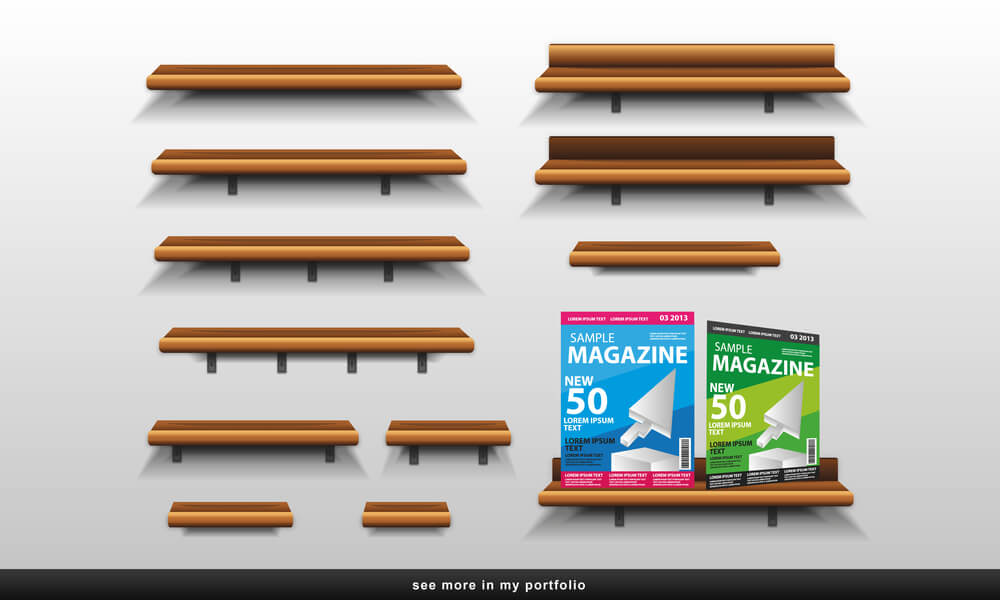
A magazine rack beside the sofa held TV listings, news weeklies, and the occasional crossword book. The listings guided evening plans, because there was no on-screen schedule.
Rack designs ranged from wire frames to wood-and-leather slings.
The Sleeper Sofa
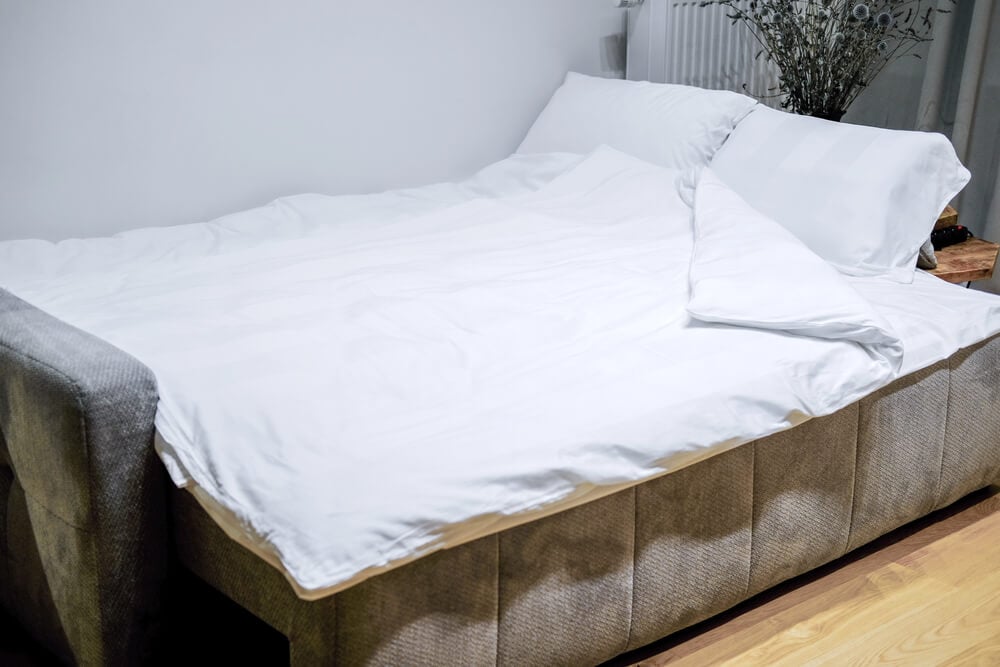
A fold-out sleeper sofa turned the family room into a spare bedroom when guests visited. Many were upholstered in tweed or velour, and the metal bar underneath was notorious.
Guests often fell asleep with the television still on.
A Room Arranged Around One Glow
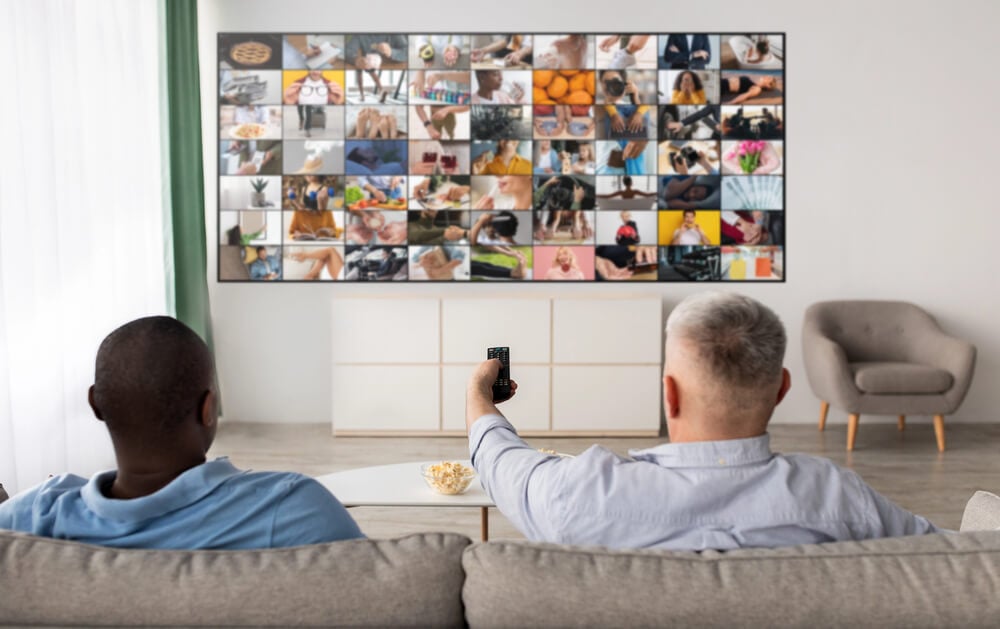
Seen together, these pieces show a house organized around a shared screen. The television dictated where chairs went, how cords ran, and which wall stayed empty.
Furniture designers responded with cabinets, carts, and lamps that treated the set as the center of the room. Modern screens are thinner and more mobile, and a family can watch on any device in any room.
The old pieces linger in antique malls as reminders of a different arrangement, when one set served everyone. A well-preserved console or a painted TV tray now reads as a time capsule from an era of shared viewing.
More from Go2Tutors!

- 27 Silver Dollars and Half Dollars Worth Keeping
- 28 Restaurant Menu Items Nobody Orders Anymore
- 17 Places Built in Seemingly Impossible Spots
- 27 Vintage Rings Worth More Than They Look
- 25 Restricted Sites Tourists Can’t Enter
Like Go2Tutors’s content? Follow us on MSN.