The countries with the most airports
Air travel today connects people and places across the globe like nothing else. From tiny airstrips carved into remote wilderness to massive international hubs handling millions of travelers, airports are the key to this modern movement. But which nations have built the most of these important launchpads? The sheer volume in some countries is truly eye-opening, reflecting their size, geography, and how much they rely on flying to link up their people.
It’s time to take a high-flying tour of the nations with the biggest collection of runways. Get ready to see how sheer size and a focus on domestic flight really change the game.
The United States

The United States takes the top spot by a huge margin. The country has a massive number of airports, counting well over fifteen thousand of them.
This incredible figure is largely due to the many small, local landing spots used for general aviation, not just big commercial passenger planes. Flying is deeply woven into the national fabric, from quick trips for business to private planes hopping between cities. The mix includes everything from simple grass strips to the world’s busiest passenger hubs.
Brazil

Brazil sits comfortably in second place on the list of nations with the most airports. Its large size and challenging geography explain this high number.
Getting around by car or train in certain parts of this vast South American country is tough, so air travel becomes the main way to reach distant towns and settlements. Many of its thousands of airfields are smaller, often serving remote areas in the Amazon rainforest or vast farmlands. This strong network helps keep the huge nation connected internally.
Australia

Australia has a significant number of airfields, placing it third in the world. As a massive continent with large sections of sparsely populated interior known as the Outback, air links are vital for communication and travel.
Many smaller airfields support mining operations, remote cattle stations, and the Royal Flying Doctor Service, which provides emergency medical aid to isolated people. The need to cross great distances efficiently makes a large air network essential for daily life there.
Mexico

Ranking high on this list is Mexico, thanks to its significant territory and booming tourism sector. The country uses its many air facilities to support both heavy domestic travel and the steady stream of international visitors flocking to its coastal resorts.
Having numerous airports helps people move quickly between major cities, industrial zones, and popular vacation spots. Its location makes it a key gateway connecting North and South America.
Canada

The sheer size of Canada means it also needs many airports to connect its population centers. Most Canadians live near the southern border, but the country stretches far into the Arctic, where ground transport is nearly impossible for much of the year.
Hundreds of smaller airfields and remote landing sites are crucial for supplying northern communities and for natural resource industries operating in isolated areas.
France

France stands out as a European country with a surprisingly high count of air facilities. This number includes major international gateways, regional airports that connect smaller towns, and numerous smaller airfields for general and recreational flying.
The country’s commitment to varied forms of aviation contributes to its extensive network, helping people travel easily both inside the country and across the European continent.
The United Kingdom

In the United Kingdom, a compact and densely populated nation, airfields play a vital role. The list of air facilities includes a mix of major hubs for international flights, smaller regional airports, and a large number of general aviation airfields.
These smaller spots often support flying clubs, pilot training, and private aircraft operations, adding significantly to the overall count. The nation’s history as a global travel center still shows in its many air connections.
Russia
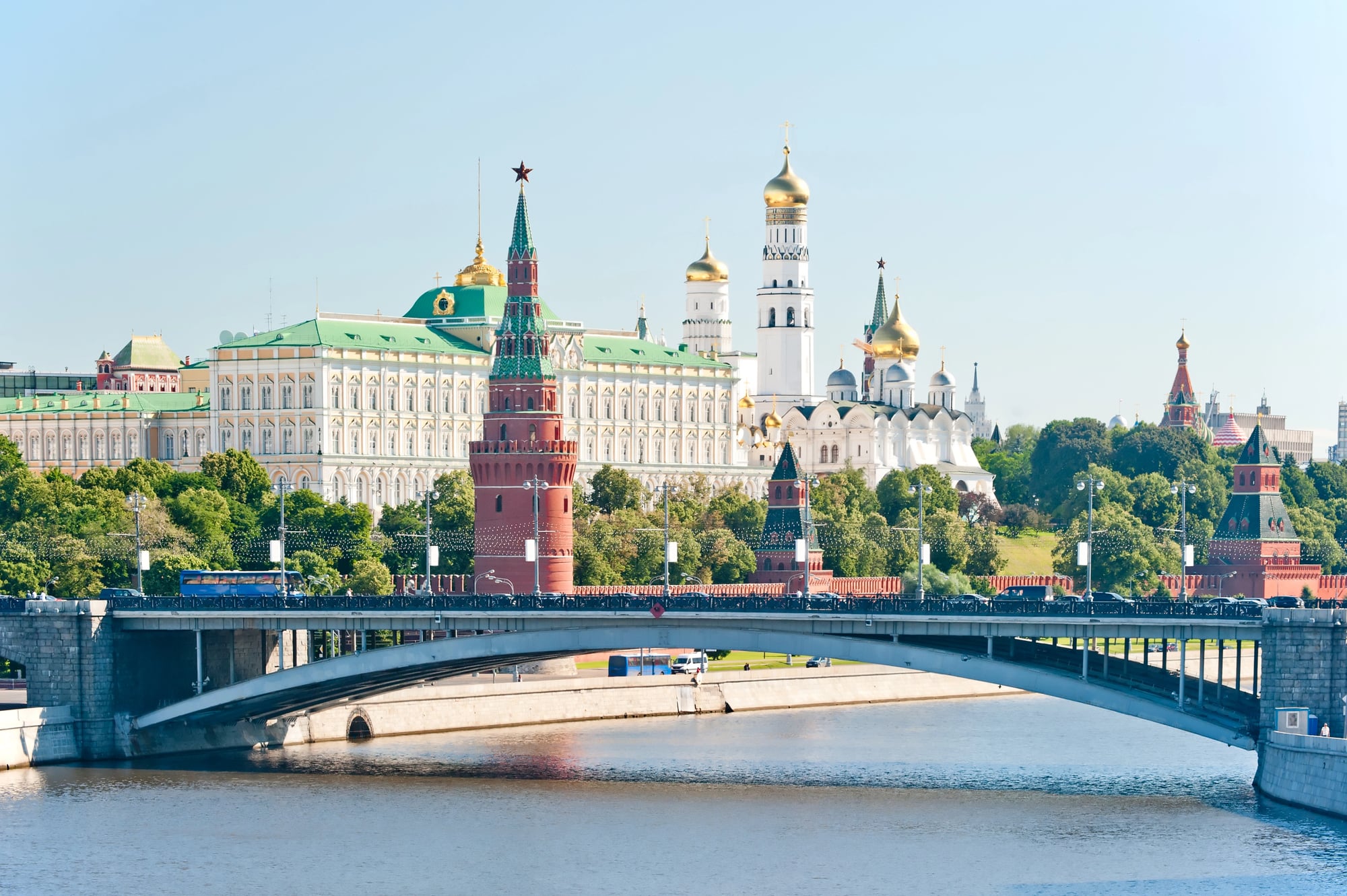
Russia, the world’s largest country by land area, relies on air travel to bridge massive distances and different time zones. Despite having fewer airports than some smaller nations, its sheer size means its air facilities are spread out far and wide.
The climate and remote locations of many regions make road and rail travel slow or difficult, positioning air transport as a critical lifeline for people and cargo.
Germany

The high number of airports in Germany reflects its position as an economic powerhouse and a central hub in Europe. The facilities range from large, high-traffic international airports to many smaller regional and general aviation airfields.
These smaller spots are often used for private business travel and smaller-scale logistics, supporting the country’s busy manufacturing and trade sectors.
Argentina

Argentina is another South American nation that uses airfields to overcome its vast stretches of land. From the Andes mountains to the flat Pampas region, distance makes travel a challenge.
The numerous air facilities help connect the capital city, Buenos Aires, with regional centers and remote parts of the country that are far from major highways and rail lines.
Colombia

The diverse terrain of Colombia, which includes mountains, rainforests, and coastlines, makes road building difficult in many areas. This has led to a great reliance on air travel to keep cities and towns connected.
The substantial number of airports and airstrips, even in tough-to-reach spots, is a clear result of this geographical need. Many small fields serve as the only reliable connection to the outside world for isolated communities.
Italy

Italy’s boot-like shape and long coastlines mean that airfields are a practical way to connect its distinct regions, from the mountainous north to the sunnier south. Beyond its famous international gateways, the country has a wealth of smaller, local airfields.
These smaller spots handle regional flights and general aviation, which helps connect business and leisure travelers within the country.
South Africa
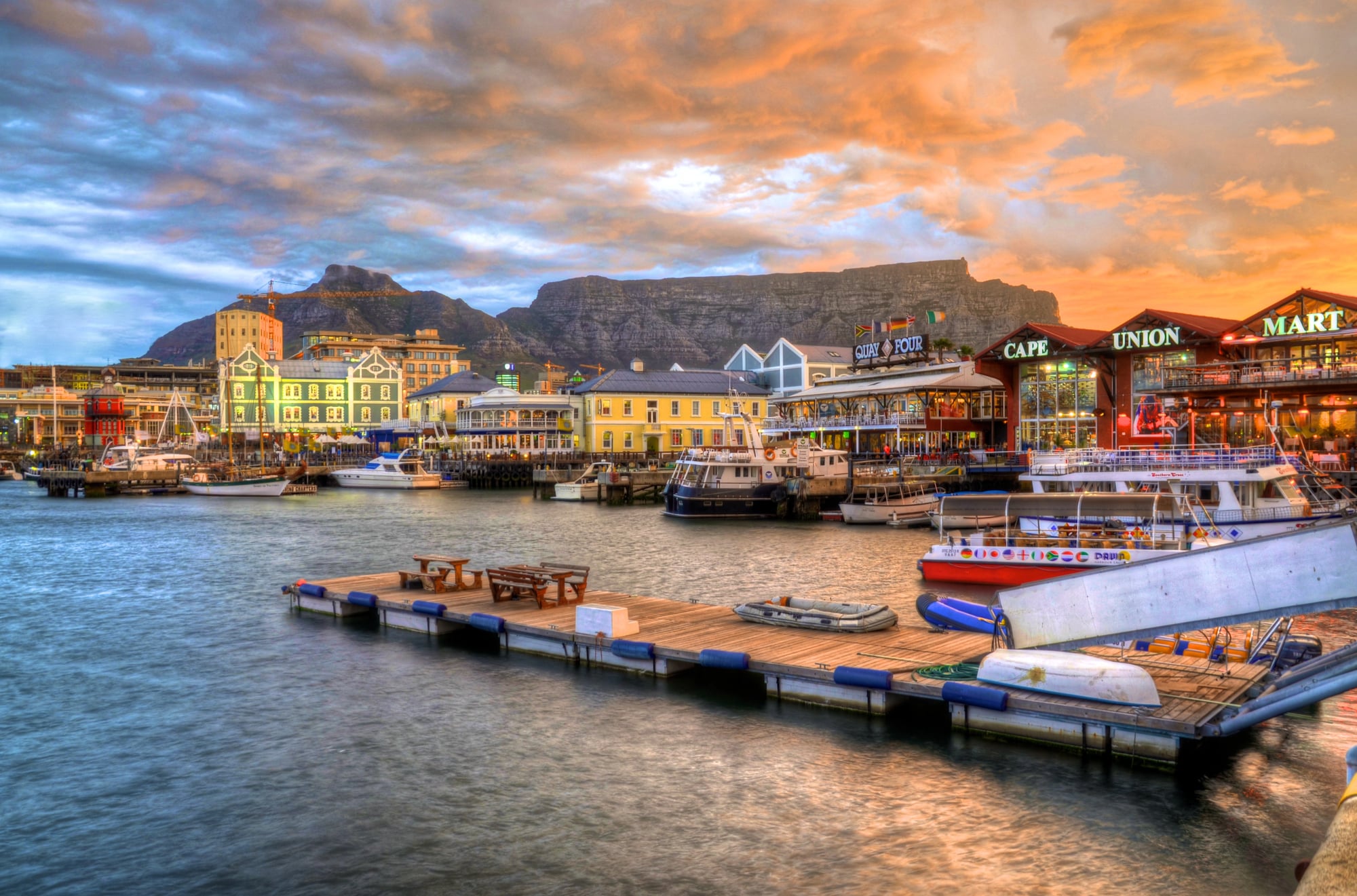
As a large country at the tip of the African continent, South Africa uses its many airfields to connect major metropolitan areas with remote resource-rich regions and popular tourist destinations.
The need to move people and goods efficiently across its extensive landscape drives the development of its significant air transport infrastructure.
Papua New Guinea

The high count of airfields in Papua New Guinea is a direct result of its incredibly rugged and mountainous geography. Building roads is often too costly and hard, making planes the most practical, and sometimes only, way to travel between many villages and towns.
Hundreds of small airstrips are essential for delivering supplies, medical help, and mail to the isolated highlands.
Indonesia

Indonesia is an archipelago made up of thousands of islands, making air and sea travel absolutely necessary for internal movement. Its many air facilities link the major population centers on different islands, where boat travel might take days.
The vast number of airfields is a practical necessity for governing and connecting this widely spread island nation.
China

While China has an enormous territory and population, its total number of airports is lower than might be expected, though it is still substantial. This is partly due to a huge focus on developing high-speed rail, which handles a large share of the country’s domestic travel between major cities.
However, new airports are being built constantly to improve air access, especially in less developed regions.
Venezuela

Venezuela also shows up on the list with a significant number of airports. The country’s mix of mountainous areas, plains, and coastal regions means air travel provides an efficient way to connect its different parts.
These facilities are used for everything from commercial flights to access for natural resource operations in remote areas.
A Look at How We Fly Now

The number of airfields in a country tells a powerful story about how its people move and live. Decades ago, planes were mostly for crossing oceans or major national distances, and many smaller towns relied on trains and buses.
Now, the widespread use of air travel, even for shorter distances, has changed everything. Countries that once had a handful of air hubs now manage thousands of landing spots that connect distant families, deliver fresh goods, and get travelers exactly where they need to be, faster than ever before.
This extensive web of airports, large and small, reflects a world that continues to shrink, making neighbors out of distant lands.
More from Go2Tutors!

- The Romanov Crown Jewels and Their Tragic Fate
- 13 Historical Mysteries That Science Still Can’t Solve
- Famous Hoaxes That Fooled the World for Years
- 15 Child Stars with Tragic Adult Lives
- 16 Famous Jewelry Pieces in History
Like Go2Tutors’s content? Follow us on MSN.



