The Forgotten Women Who Built America’s First Cross-Country Communication Lines
There’s a reason telegraph operators rarely appear in the paintings. The frontier mythology America built for itself had a specific cast — explorers, railroad barons, cowboys — and the women who sat at those clicking machines, translating the pulse of a nation into dots and dashes, didn’t fit the frame.
But without them, the frame wouldn’t exist. The first cross-country communication network didn’t run on wire and voltage alone.
It ran on the labor, precision, and quiet stubbornness of women who were handed a technical job at a moment when women weren’t supposed to have technical jobs — and who did it anyway, without much in the way of gratitude or recognition.
Sarah Bagley
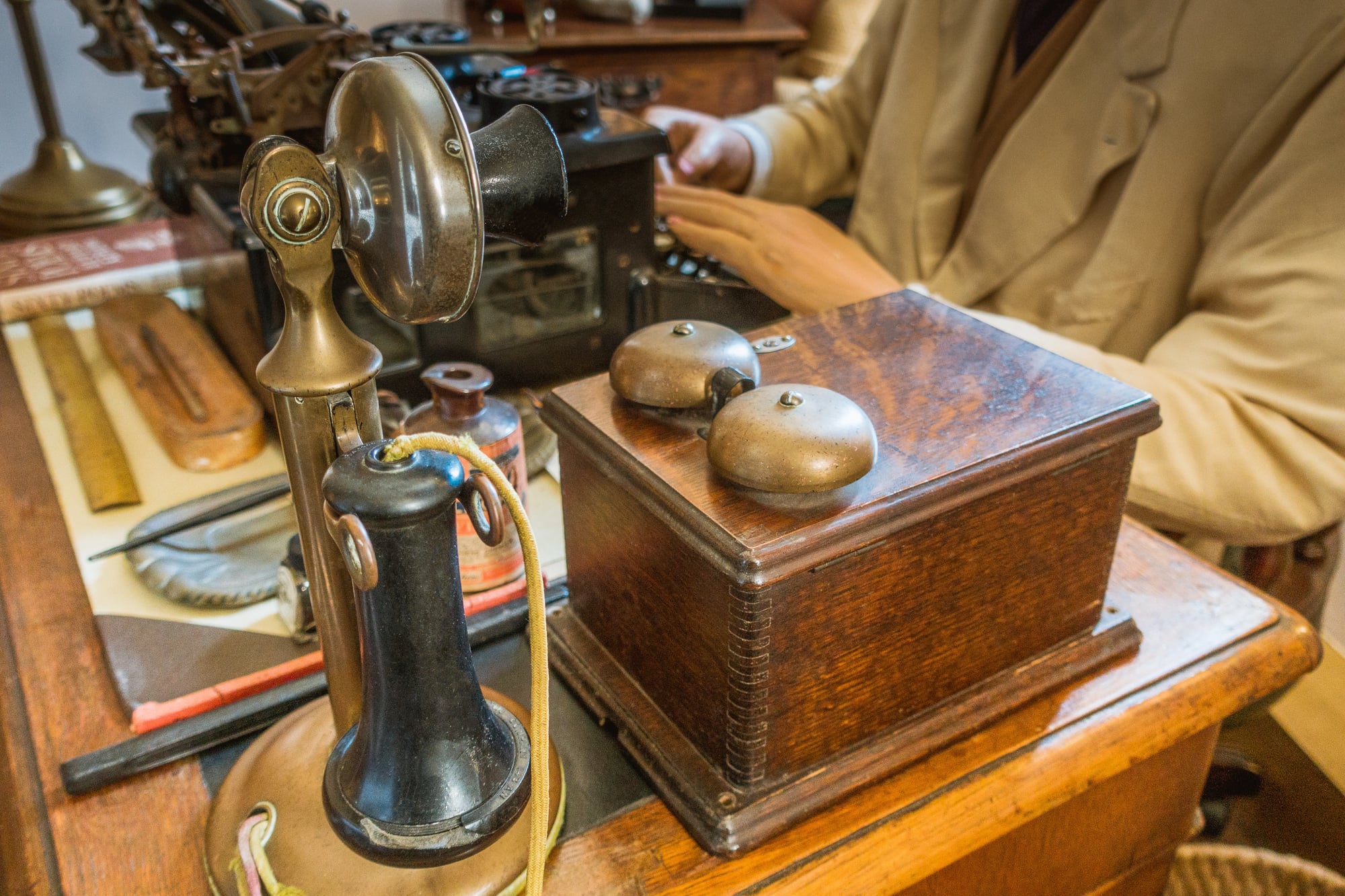
Sarah Bagley was the first woman to work as a telegraph operator in the United States. In 1846, she took her post at the Lowell, Massachusetts telegraph office — fifteen years before the transcontinental line was completed in 1861 — and handled traffic that most men of the era wouldn’t have attempted without formal training.
She had already organized textile workers; a telegraph key was, to her, simply the next instrument that needed mastering.
The Panic of 1857
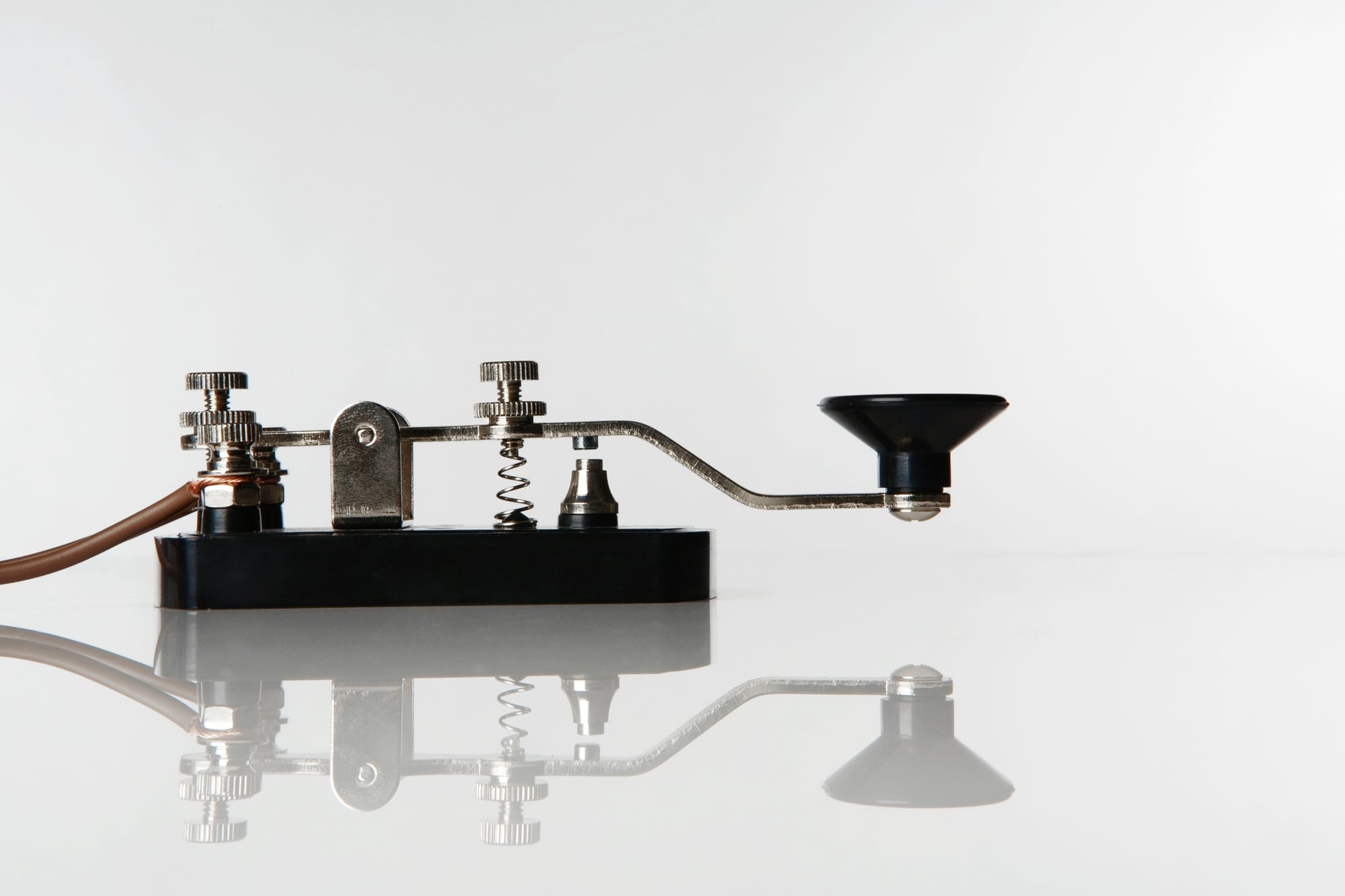
The financial panic of 1857 changed everything, and not in the way most history books bother to mention. Operators were expensive, and when the economy buckled, telegraph companies across the Northeast started replacing their male staff with women — who were paid, in most cases, half the wage for identical work.
And yet this calculation, cynical as it was: it opened the door to an industry that women would come to define.
The Telegraph as a Language
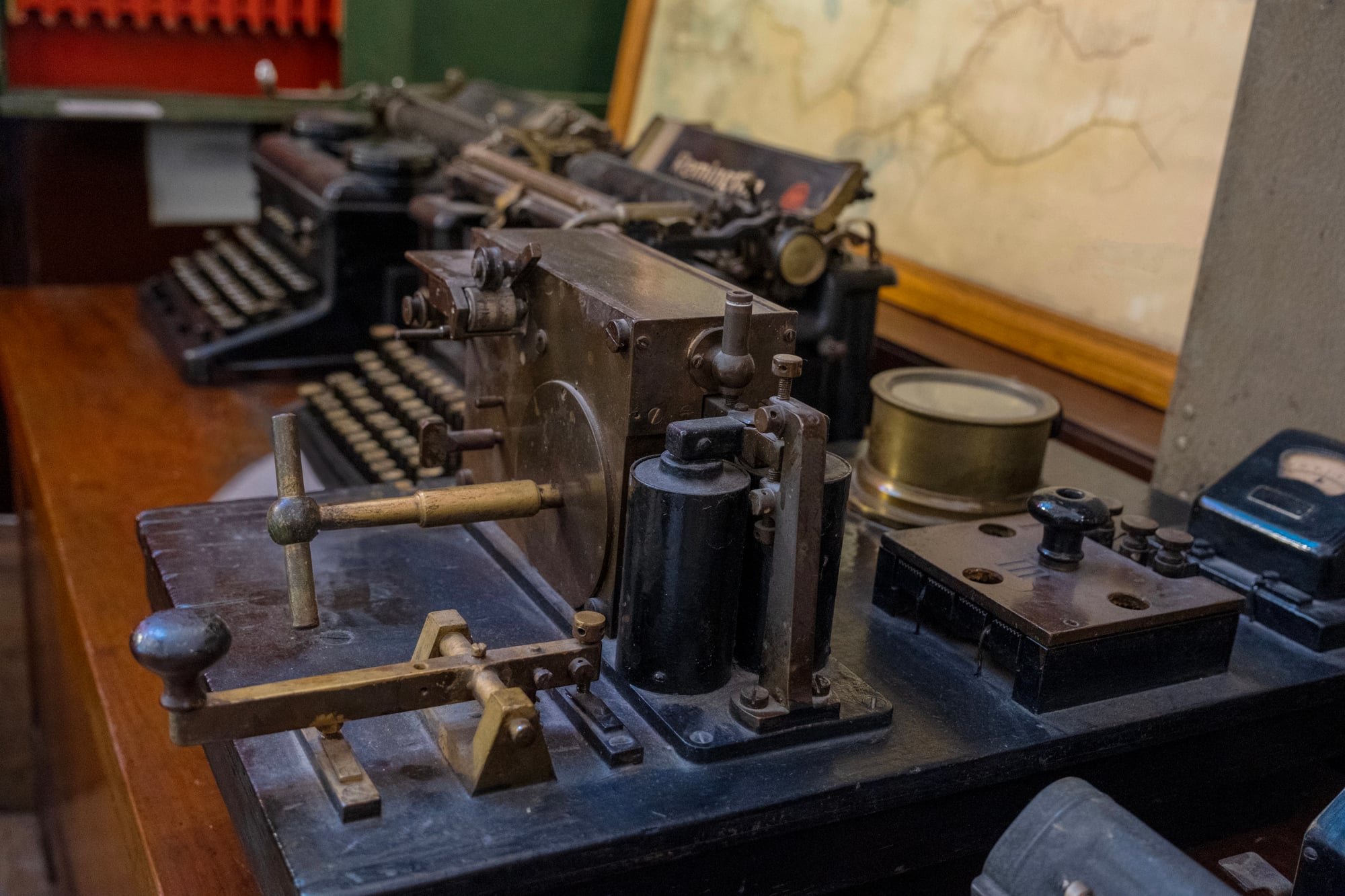
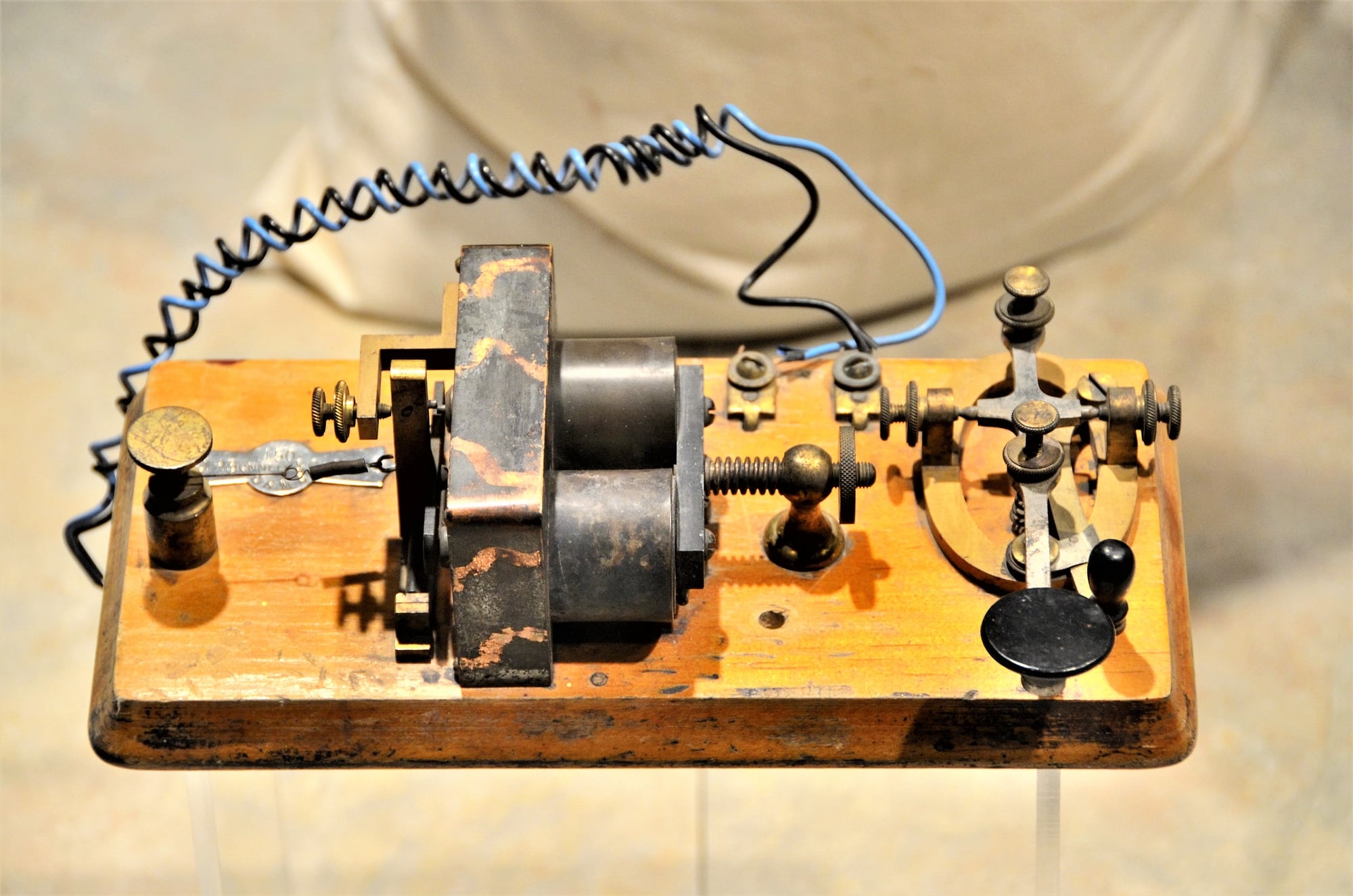
Operating a telegraph was less like typing and more like speaking a dialect that existed only in rhythm. A skilled operator didn’t decode Morse code consciously — she heard it the way a fluent speaker hears a sentence, whole and immediate, without translation happening in between.
The machine corrected you, constantly, and only the ones who surrendered to its logic rather than fighting it ever became genuinely fast.
Emma Hunter
Emma Hunter deserves far more than a footnote. She operated out of Stroudsburg, Pennsylvania, became one of the most respected operators in the mid-Atlantic network, and was known specifically for her speed — her “fist,” as operators called it, was so consistent that colleagues on the receiving end could identify her by touch alone.
To be fair, that level of precision is the kind that takes years of daily repetition to build, which is saying something for a woman doing it in the 1850s with no professional precedent to follow.
Western Union’s Quiet Reliance
Western Union, founded in 1851, built itself into a transcontinental force by 1861, and women were embedded in that infrastructure from nearly the beginning. By the 1870s, roughly one-third of all telegraph operators in urban offices were women — a statistic the company itself rarely publicized, because acknowledging it would have required acknowledging the wage gap that made it possible.
The reliance was real; the credit was not.
The Civil War Shifts Everything
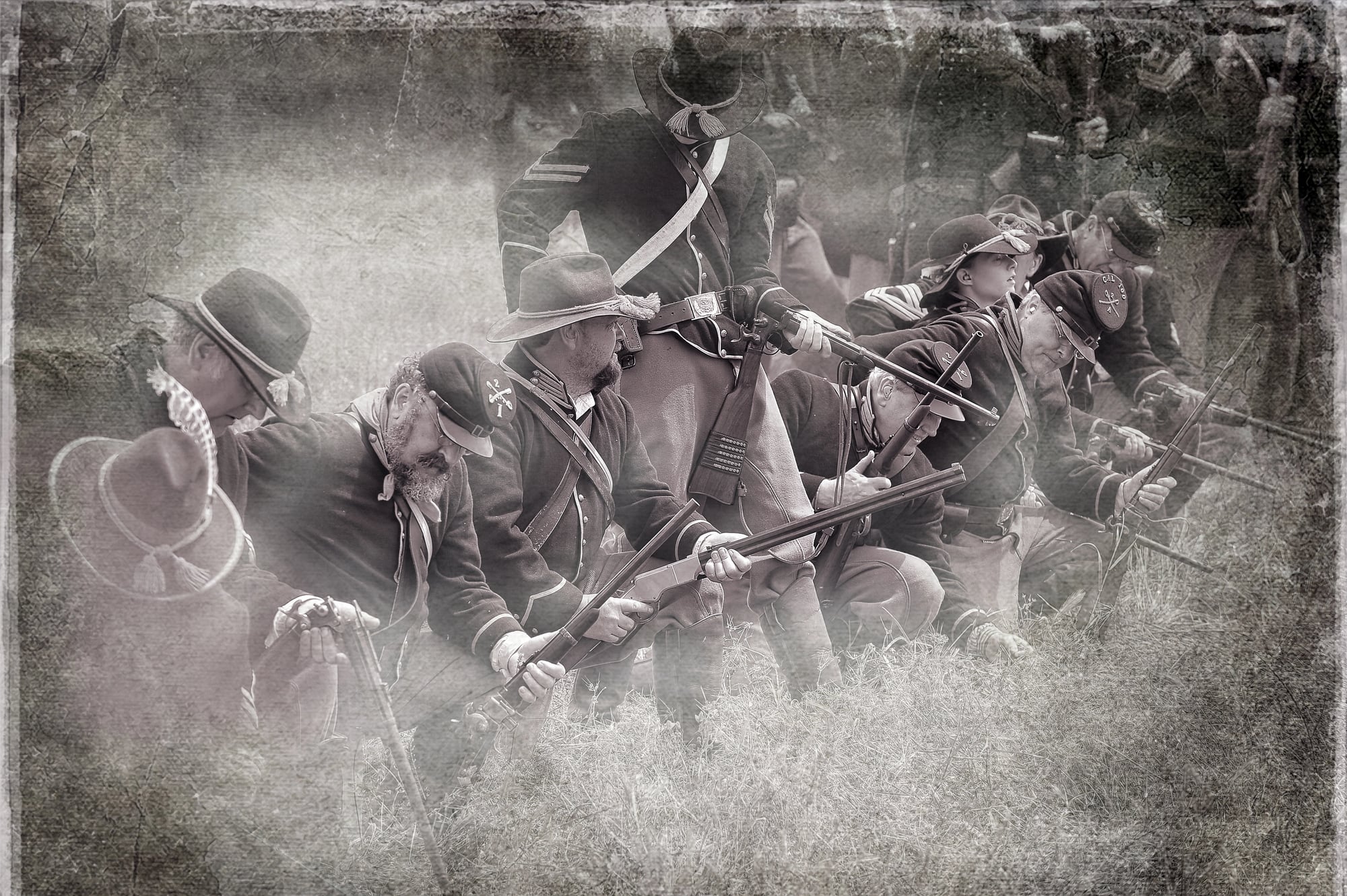
The Civil War didn’t just accelerate the telegraph’s importance — it burned the technology into the national consciousness as something urgent and irreplaceable. Women operators ran stations near the front lines and in the cities left thinly staffed as men enlisted, and the military dispatches that moved through their hands carried the weight of campaigns, casualties, and presidential decisions.
The Union’s communication network held together in part because women were willing to sit at those keys and keep it moving.
Harriet Stark Davenport
Harriet Stark Davenport operated in the South during and after the Civil War, which put her in a position that was complicated in ways that most Northern accounts simply chose to ignore. She managed traffic through chaos — physical, political, and infrastructural — at a moment when the lines themselves were being cut and rebuilt on a near-weekly basis.
Her survival in the profession after the war, in a region hostile to almost everything the telegraph represented, was its own quiet act of resolve.
The Typewriter Arrives
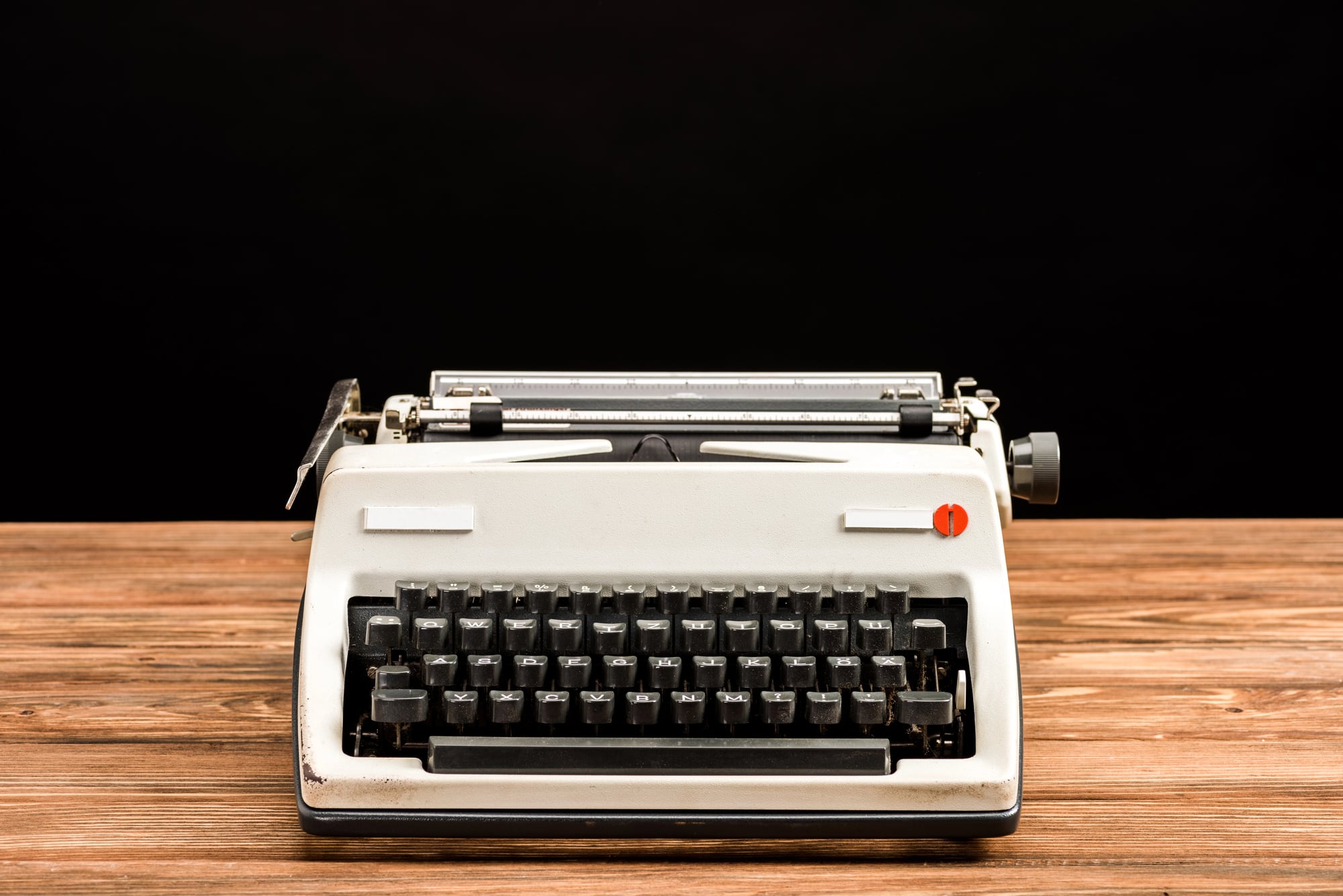
The arrival of the typewriter in the early 1870s gets credited with opening offices to women, but the telegraph had already done it a decade earlier, quietly and without ceremony. Women had been proving their technical competence at communications infrastructure long before the Remington No. 1 appeared on a desk.
The typewriter simply made the argument visible to people who hadn’t been paying attention. Go figure.
The Night Shift

Night shifts at telegraph offices were considered undesirable, physically taxing, and — by the standards of the era — inappropriate for women. Women took them anyway, because the pay differential for night work was one of the few places where female operators could close the wage gap even slightly.
And there’s something clarifying about that choice: not romantic, not rebellious, just practical in the way that people who are serious about their work tend to be practical.
Dispatch Speed Records

Speed competitions among telegraph operators were a legitimate form of professional sport in the nineteenth century, and women won them — which made the results awkward for the men who had organized the contests under the assumption they wouldn’t.
The fastest recorded transmission rates of the 1870s came from operators of both genders, which the trade press of the era reported with a tone that suggested it found the entire situation slightly inconvenient.
Kate Foger

Kate Foger worked out of Chicago during the peak of Western Union’s expansion westward and became something of a legend in regional telegraph circles — not because she sought attention, but because her accuracy rate during high-volume periods was documented and passed around among station managers as a benchmark.
The benchmark part matters: her performance wasn’t just acknowledged privately, it was used as a standard. That’s a specific kind of institutional recognition, even when the institution refuses to attach a name to it publicly.
The Transcontinental Line of 1861
When the transcontinental telegraph line was completed in October 1861 — connecting the East Coast to California through 3,500 miles of wire strung across mountains, deserts, and plains — it was celebrated as a feat of engineering and national ambition.
The operators who would actually run it, many of them women, were not part of the ceremony. The wire got the monument; the people who animated it got the morning shift.
Isolation at Remote Stations

Some stations along the transcontinental route were brutally isolated — small outposts separated from the nearest town by miles of unpaved terrain, with supply lines that worked only when the weather cooperated. Women assigned to these stations managed not just the communication traffic but the physical maintenance of the equipment, the logging of messages, and the particular psychological weight of working alone in a place that felt genuinely forgotten.
The job description did not mention any of that.
The Trade Press Problem

The electrical and telegraph trade publications of the nineteenth century covered the industry obsessively — new equipment, new routes, operator salaries, company disputes — and largely wrote women out of the story in real time. When female operators appeared, it was usually as a curiosity or an argument in an ongoing debate about whether the work was appropriate for them at all.
So the historical record has a built-in distortion: the people doing the work least often got to write about it.
Annie Ellsworth
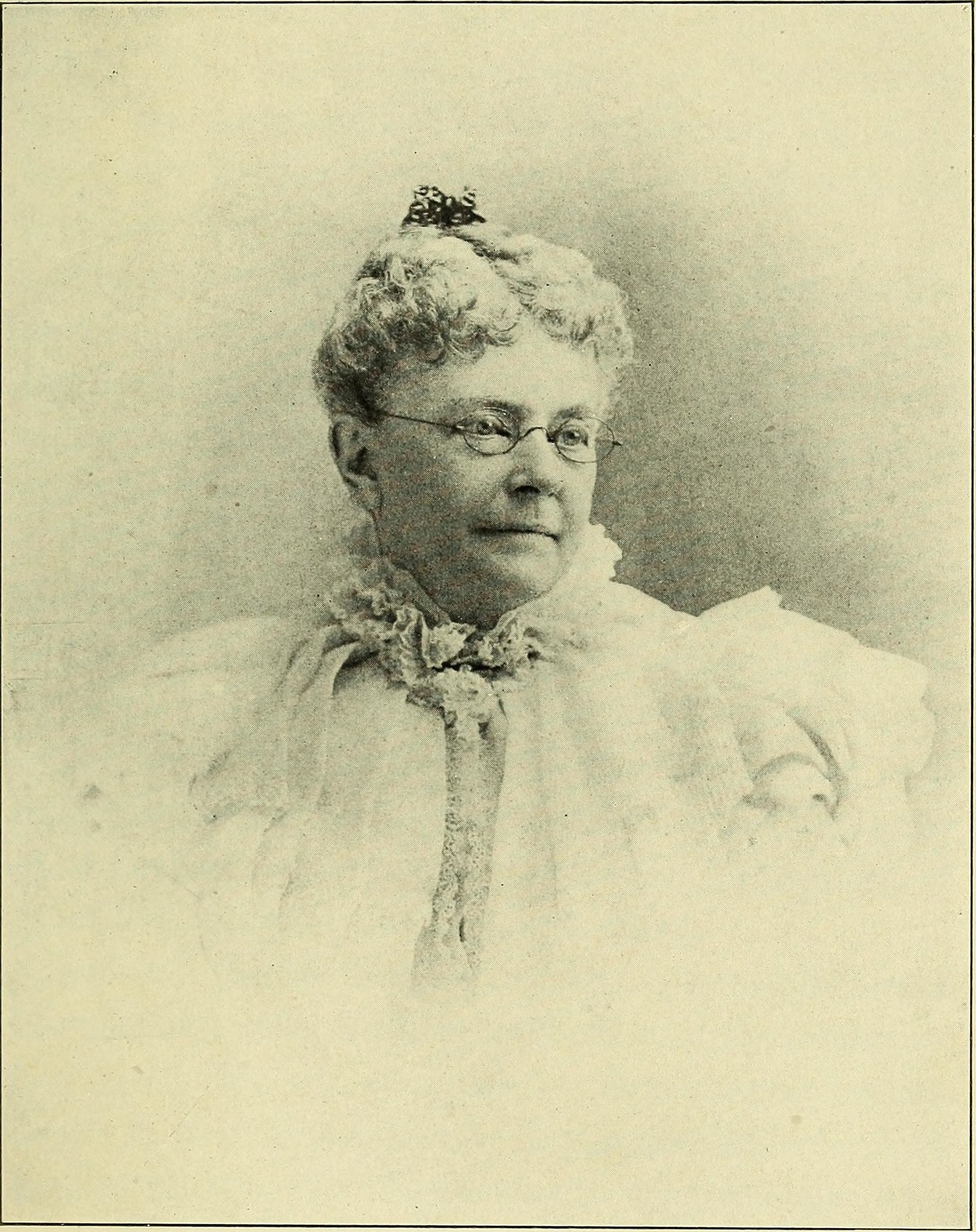
Annie Ellsworth has a footnote most history books do include — she was the daughter of the U.S. Patent Commissioner and was given the honor of choosing the first message sent by Samuel Morse in 1844, the famous “What hath God wrought.”
What gets left out is that Ellsworth’s involvement is often framed as decorative, a charming anecdote, when in fact it positioned a young woman at the symbolic birth of American telecommunications — a placement that Morse himself chose deliberately, which is not a small thing.
Wage Discrimination as Policy

The wage gap for female telegraph operators wasn’t accidental — it was written into company policy at Western Union and its competitors with the kind of administrative precision that suggests no one involved felt particularly conflicted about it. Women received between 50 and 75 percent of what men earned for the same classification of work, a disparity that operators protested openly by the 1870s.
The protests were documented, debated, and largely ignored.
The Telegraphers’ Protective Union
The Telegraphers’ Protective Union, established in the 1860s, was one of the first labor organizations to formally include women as members — which sounds progressive until you realize the inclusion was partly strategic, because excluding the large female workforce would have weakened the union’s bargaining position too severely to be worth the ideological satisfaction.
Women knew this. They joined anyway, because a flawed seat at the table still beats standing outside.
The 1883 Strike
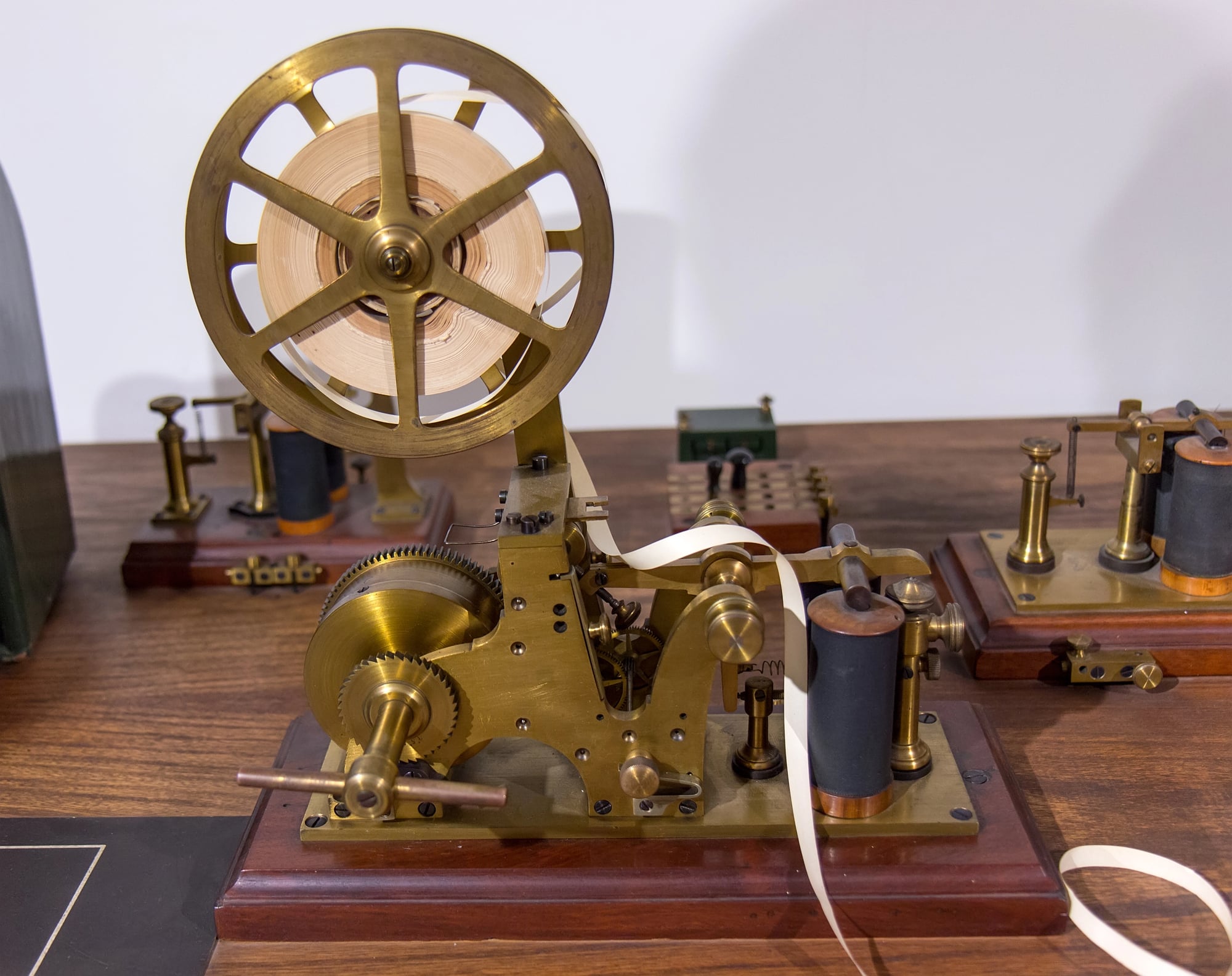
The great telegraph strike of 1883 — when operators walked off the job against Western Union in one of the earliest major labor actions in American communications history — involved women prominently, both as strikers and as the uncomfortable subject of debate within the movement itself.
Some male strikers argued that women’s willingness to work for lower wages was the root problem; women strikers argued that the root problem was the lower wages. The strike failed.
Western Union didn’t budge.
Physical Toll of the Work
Telegraph operating carried a physical cost that nobody discussed much at the time — “telegrapher’s paralysis,” a repetitive strain injury affecting the wrist and forearm, disabled operators at every level of the industry, and women were not exempt.
Careers that began in the 1850s and 1860s sometimes ended abruptly in the 1870s not because of any professional failure but because the body simply gave out after fifteen years of continuous keying.
That’s not a footnote. That’s the job.
Lydia Babbitt

Lydia Babbitt operated in New England through the 1860s and 1870s and was known within the industry as a trainer — one of the women who taught new operators the practical mechanics of the job that formal instruction left out. The institutional knowledge of early American telegraphy passed through people like her, hand to hand and shift to shift, in a way that left almost no documentary record because nobody thought to write it down.
And yet the network functioned, which means the knowledge worked.
The West Coast Operators
California’s telegraph offices, particularly those in San Francisco, employed women at rates higher than the national average by the 1870s — partly because the city’s rapid growth created more positions than there were trained male operators to fill, and partly because the West Coast cultural environment, chaotic and commercial, was less invested in enforcing the occupational norms of the East.
San Francisco gave women telegraph jobs because it needed the labor. The women took the jobs because they needed the work. That transaction, stripped of romance, built the western end of the national communication grid.
Newspapers and the Distortion of Memory
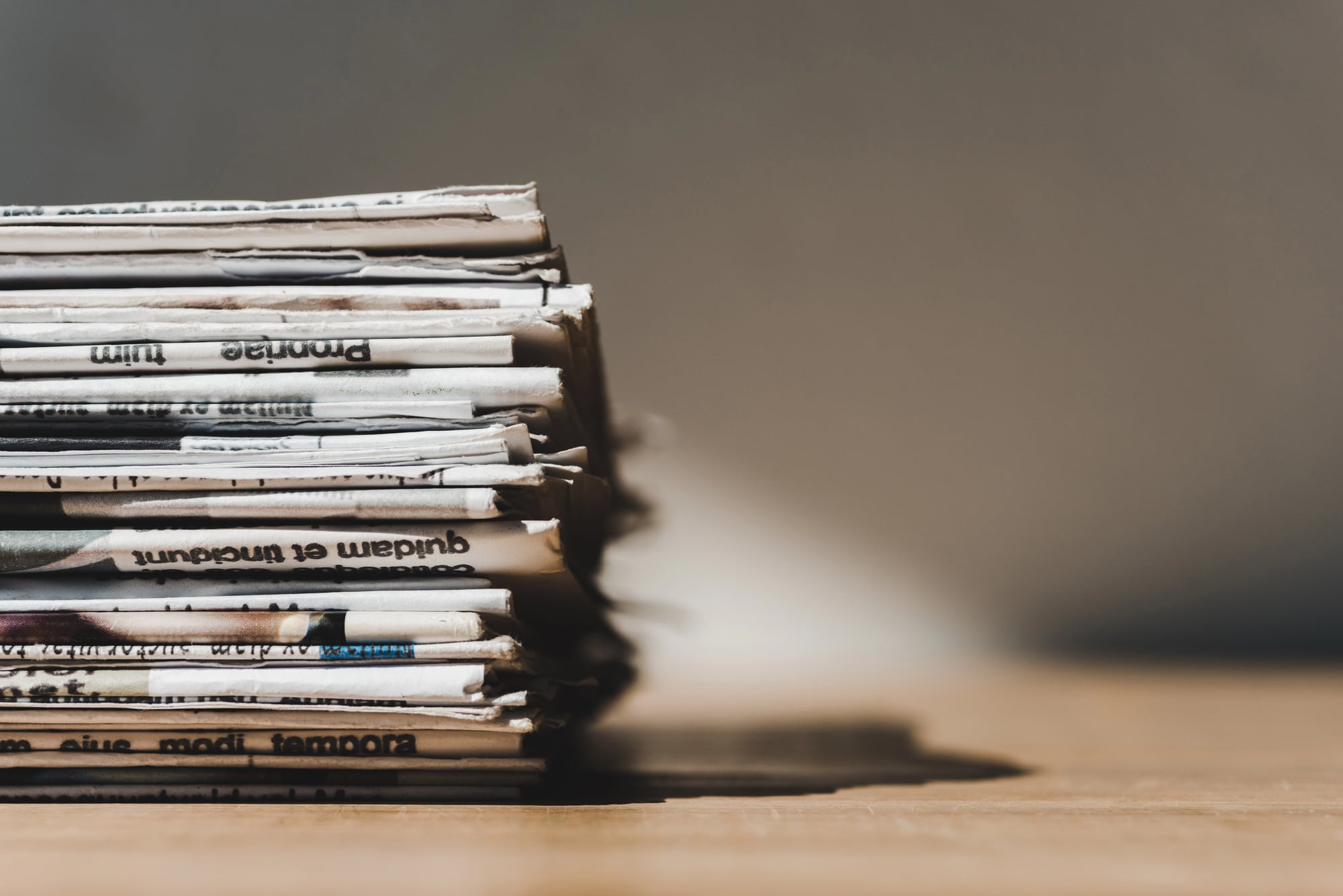
Nineteenth-century newspapers covered the telegraph industry with genuine enthusiasm — it was new technology, it was fast, it was dramatic — and they built the popular image of the telegraph operator as a young man with a sharp mind and a faster hand. That image was partially accurate and almost entirely incomplete, but it was the image that stuck, because newspapers printed it thousands of times and nobody printed the correction.
Repetition is its own kind of authority.
The Disappearing Act After 1900

By the early twentieth century, telephone technology began to reshape the communications landscape, and the telegraph’s slow decline took the female operator workforce with it — not into unemployment, but into invisibility. Many of these women transitioned into telephone exchange work, bringing the same skills and the same institutional memory, and once again found themselves doing essential technical labor that the official story of American infrastructure would eventually forget to mention.
The disappearing act was thorough.
What the Wire Carried
Every market price, every military order, every weather report, every death notification that moved across America’s first cross-country communication network between 1861 and 1900 passed through someone’s hands — and a significant portion of those hands belonged to women.
That’s not a metaphor or an argument. That’s the throughput data of a national system, if you look at it honestly.
The Names Still Out There
There are still names waiting in archive boxes, in the yellowed ledgers of Western Union offices and the subscription lists of nineteenth-century telegraph trade journals, that haven’t been fully recovered yet. Researchers who specialize in this narrow slice of labor history keep finding them — not because the evidence was hidden, exactly, but because for a long time nobody thought the question was worth asking.
Turns out the question is worth asking. It’s been worth asking for about 150 years.
What the Wire Remembers
History tends to memorialize the infrastructure — the poles, the wire, the transcontinental achievement — and quietly forget the people who made it function on an ordinary Tuesday. The women who built and maintained America’s first cross-country communication network weren’t working toward legacy or recognition; they were working because the work was there and they were capable of doing it, which turns out to be exactly how most of the foundational things in any country actually get built.
The wire carried their labor across 3,500 miles of American landscape. It just didn’t carry their names.
More from Go2Tutors!

- The Romanov Crown Jewels and Their Tragic Fate
- 13 Historical Mysteries That Science Still Can’t Solve
- Famous Hoaxes That Fooled the World for Years
- 15 Child Stars with Tragic Adult Lives
- 16 Famous Jewelry Pieces in History
Like Go2Tutors’s content? Follow us on MSN.