Royals Who Worked Regular Jobs
Palaces and ceremonies usually come to mind when people think of royalty. Still, plenty of royal family members have lived beyond those golden gates.
A few traded crowns for combat boots, serving alongside troops in uniform. Others punched clocks at desks, flipping paperwork under fluorescent lights.
Some even flipped burgers, blending into kitchen chaos behind restaurant counters. Creativity pulled a handful toward studios, crafting music or painting far from palace walls.
What drives them? Maybe restlessness. Perhaps a quiet need to know life outside velvet curtains.
Duty does not always wear a crown; sometimes it wears work gloves. Here’s what grabs attention: the gap between imagined ease and real effort.
When royalty steps into everyday workplaces, something shifts. These individuals show how duty mixes with desire.
Picture someone expected to live in gold now clocking hours like anyone else. Their choices reveal quiet determination beneath the surface.
Some traded crowns for careers without fanfare. Each role they take tells a story of identity beyond titles.
You see them navigating the spotlight and self-worth at once. Not every prince stays put in protocol.
A few sought meaning through labor others overlooked. Watch how one heir handles tools instead of ceremonies.
Another finds rhythm in routine far from court life. The weight of heritage sits differently when shoulders carry actual workload.
Prince Harry
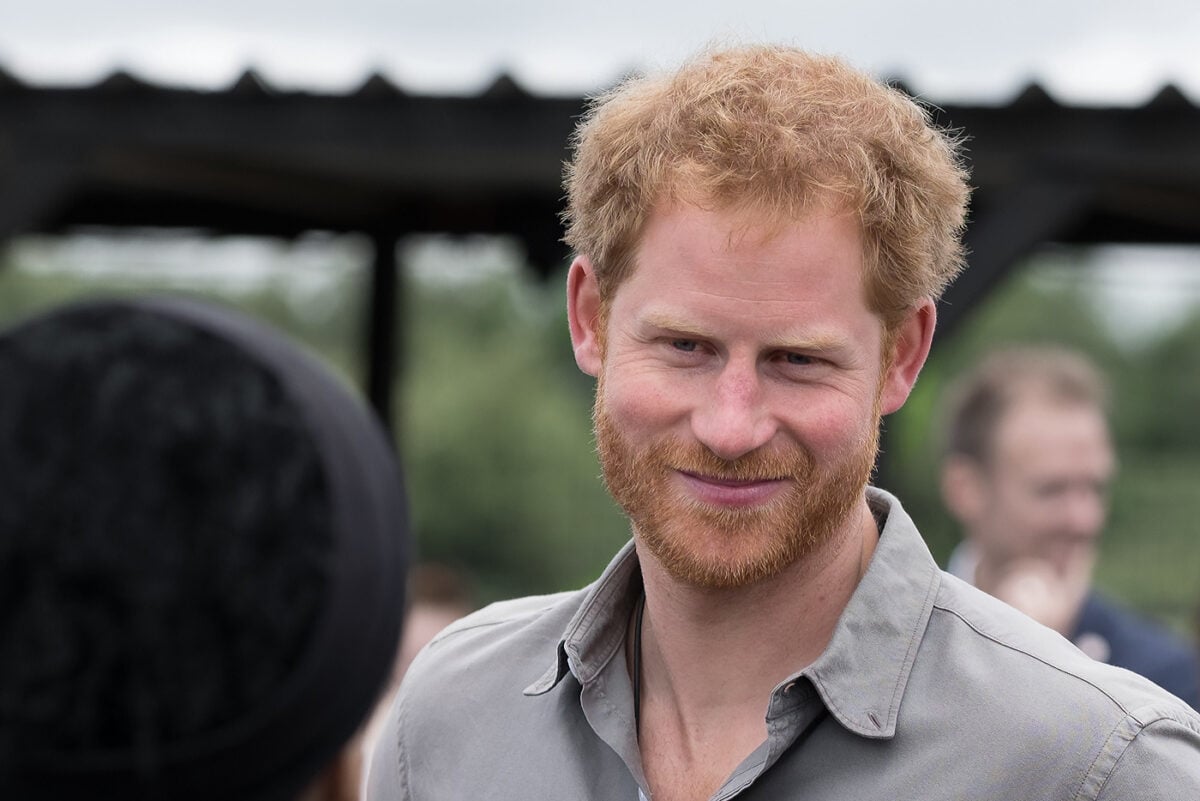
Prince Harry is perhaps one of the most well-known modern examples of a royal working outside traditional royal duties. After serving in the British Army, including active combat in Afghanistan, he shifted to humanitarian and philanthropic work.
While his roles were high-profile, they required genuine skill, leadership, and personal commitment. Later, he co-founded Archewell, a nonprofit focused on global impact and media projects.
Although some may not consider nonprofit leadership a “regular job,” Harry’s hands-on approach—managing teams, organizing initiatives, and engaging with communities—reflects the responsibilities of typical managerial roles outside royalty. His career path demonstrates a blend of service, work ethic, and public accountability.
King Jigme Khesar Namgyel Wangchuck

The King of Bhutan, often described as a modern, approachable monarch, undertook a conventional education and worked within the government before ascending the throne. He studied abroad and later engaged in hands-on public service and administrative duties within Bhutan, blending ordinary work responsibilities with preparation for leadership.
His example shows that even royals destined for high office can benefit from early professional experience. By working within the systems they would eventually lead, they gain insight into the challenges faced by everyday citizens, fostering empathy and practical knowledge.
Queen Elizabeth II
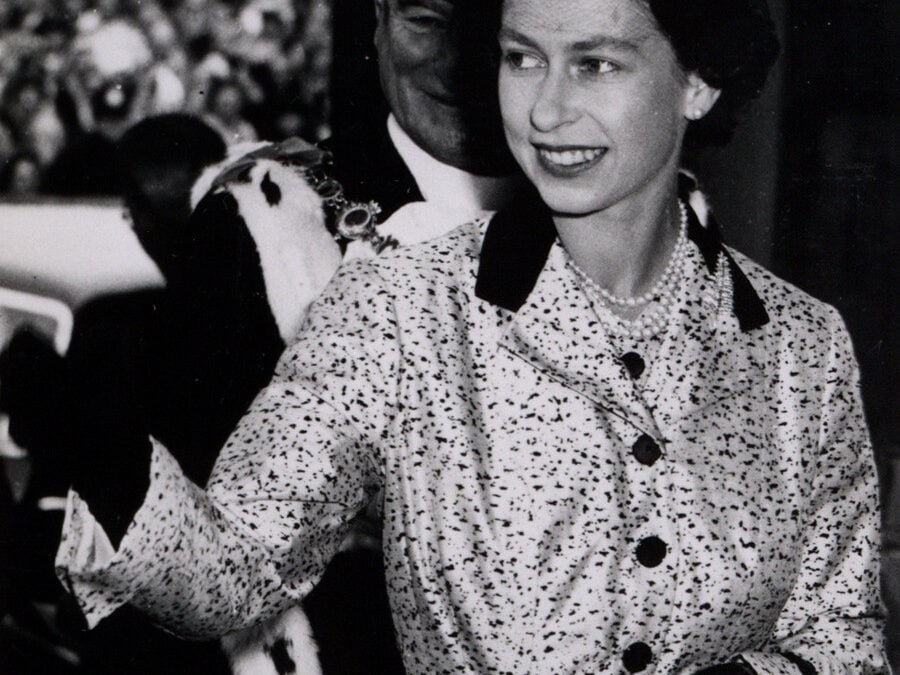
Before her coronation, Queen Elizabeth II undertook work that would seem modest by royal standards. During World War II, she trained and served as a driver and mechanic with the Auxiliary Territorial Service.
She learned how to maintain and repair vehicles—a practical skill that offered a glimpse into ordinary life. This experience was more than symbolic; it demonstrated commitment to national service and self-reliance.
The Queen’s time in the ATS set a precedent for other royals seeking active engagement beyond ceremonial duties.
King Felipe VI of Spain

King Felipe VI of Spain completed military training across all branches of the armed forces before becoming king. His service included rigorous naval, air, and army assignments, equipping him with a strong understanding of leadership under pressure.
Though this training was mandatory for a prince, it resembles regular employment in its discipline, hierarchy, and daily responsibilities. Felipe’s experience allowed him to step into roles that require genuine skill and accountability, bridging royal tradition with professional competence.
Princess Laurentien of the Netherlands

Princess Laurentien has focused on education and literacy initiatives but has also worked in communications and publishing. Her involvement included hands-on projects in schools and NGOs, tasks requiring practical execution rather than ceremonial presence.
By engaging directly in her professional roles, she demonstrated that royals can contribute meaningfully outside the palace walls. Her career highlights how service and work can complement public image and advocacy.
Prince Carl Philip of Sweden

Prince Carl Philip combined his royal duties with work in design and the arts. Trained in graphic and industrial design, he has taken on projects that demand creativity, technical skill, and collaboration.
Engaging in a profession outside ceremonial expectations allows a modern royal to develop personal identity and expertise. For Carl Philip, it also illustrates how creative endeavors can coexist with public responsibilities, offering both personal fulfillment and societal contribution.
King Abdullah II of Jordan

Before fully assuming his current role, King Abdullah II served in the Jordanian armed forces and trained extensively abroad. He held leadership positions that required operational management, tactical skill, and accountability.
Though still within a state structure, these roles functioned much like ordinary military or managerial positions. They provided him with real-world insight into governance and security, bridging the gap between ceremonial monarchy and practical responsibility.
Prince Edward, Duke of Kent
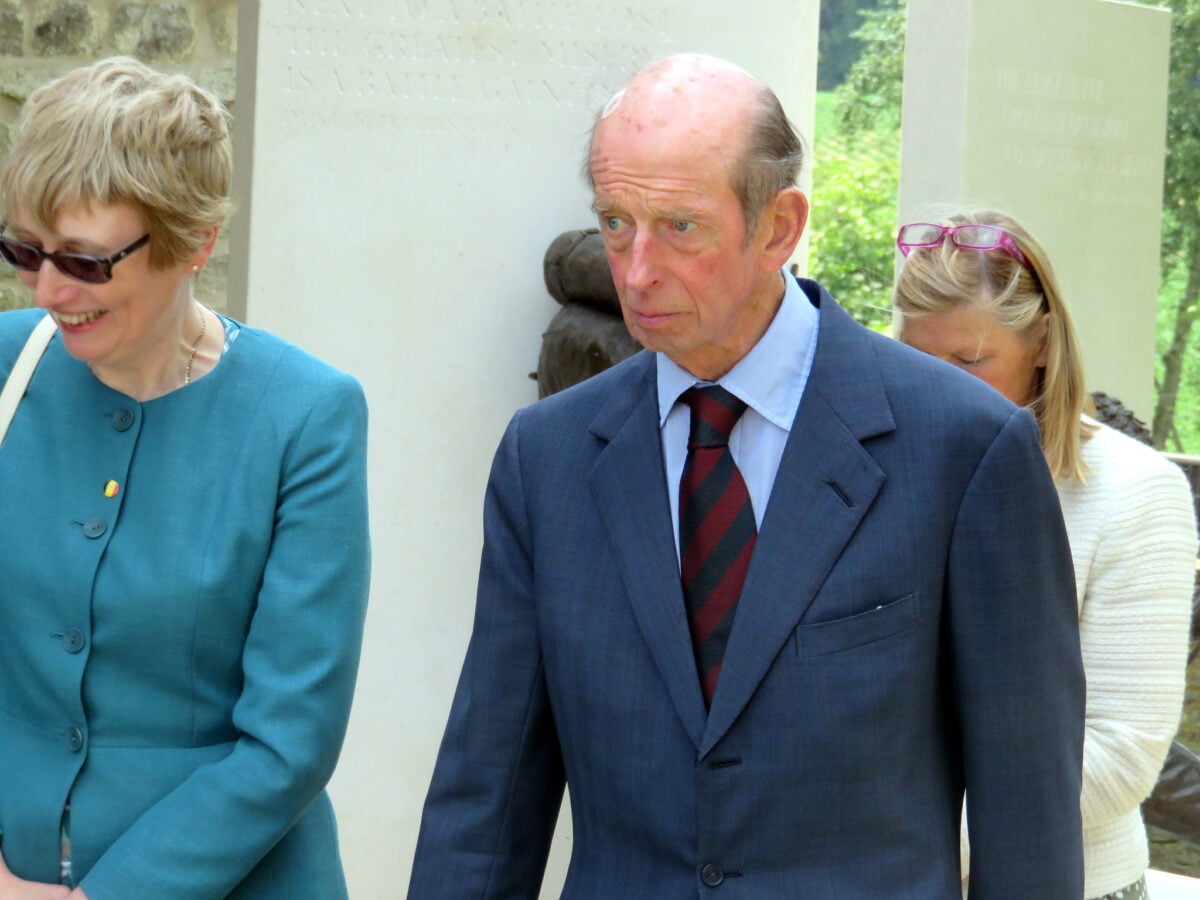
Prince Edward has combined ceremonial duties with real-world professional service. Early in his career, he worked in banking and took on administrative responsibilities in charities and organizations.
These experiences required structured effort, coordination, and accountability—skills transferable to any professional environment. By navigating both royal obligations and conventional work, Prince Edward demonstrates that practical experience strengthens public service, rather than diminishing royal status.
Lesser-Known Royals Who Worked

Beyond the familiar names, numerous lesser-known royals have stepped into ordinary professions. Princess Eugenie of York worked in an art gallery and later joined a charity focused on mental health.
Her hands-on engagement involved marketing, administration, and public-facing initiatives, giving her insight into organizational operations. Similarly, Prince Nikolaos of Greece and Denmark trained in shipping and maritime business, taking on practical management roles rather than relying solely on ceremonial appearances.
Princess Mabel of the Netherlands also pursued social advocacy, working with organizations focused on refugee rights, requiring the skills of negotiation, research, and project management. These examples demonstrate that royals from varied backgrounds can pursue work that mirrors the challenges of ordinary life, reinforcing the idea that personal experience and empathy are valuable in leadership.
How Working Shaped These Royals

Holding regular jobs gave these royals perspective. They learned teamwork, deadlines, problem-solving, and personal responsibility.
Even ceremonial tasks, when paired with actual work experience, become informed by empathy and understanding of everyday life. Engaging in real jobs also allowed these individuals to cultivate credibility.
Citizens often respect leaders who have experienced ordinary work firsthand, fostering trust and relatability. For royals, balancing tradition with modern practicality creates a model of leadership that is both symbolic and substantive.
Lessons from Royals Who Worked
These stories illustrate that royalty and ordinary work are not mutually exclusive. Whether through military service, creative industries, nonprofit management, or hands-on technical work, these individuals demonstrate curiosity, discipline, and engagement beyond inherited privilege.
Their careers encourage reflection on the broader meaning of work. Employment, even for those born into power, can develop skills, resilience, and perspective.
It shows that responsibility is universal, and the value of experience transcends status.
Why It Still Matters

Now imagine someone born into palaces choosing office hours over privilege. Their desks hold laptops instead of crowns.
What stands out is how they trade inherited status for morning commutes and team meetings. Behind every decision made later, there’s often a memory of standing in line for coffee.
One learns more about people by sitting beside them than above. Real influence grows when it roots itself in shared routines.
Even ancient institutions shift slightly when touched by ordinary days. Into actual jobs they step, these members of royalty present quiet dedication instead of distant ceremony.
Their presence proves high rank can still mean showing up, growing through experience, doing something useful – echoes spreading well past gilded gates.
More from Go2Tutors!

- 16 Historical Figures Who Were Nothing Like You Think
- 12 Things Sold in the 80s That Are Now Illegal
- 15 VHS Tapes That Could Be Worth Thousands
- 17 Historical “What Ifs” That Would Have Changed Everything
- 18 TV Shows That Vanished Without a Finale
Like Go2Tutors’s content? Follow us on MSN.



