18 Times Historical Royals Were Petty
Kings and queens are supposed to be dignified, right? They’re meant to rise above the drama and carry themselves with grace.
But history shows us that people with crowns on their heads could be just as petty as anyone else, sometimes even more so because they had the power to act on every petty impulse. Let’s look at some moments when royalty threw their weight around over the smallest slights and most ridiculous grudges.
Catherine the Great banned a specific shade of yellow
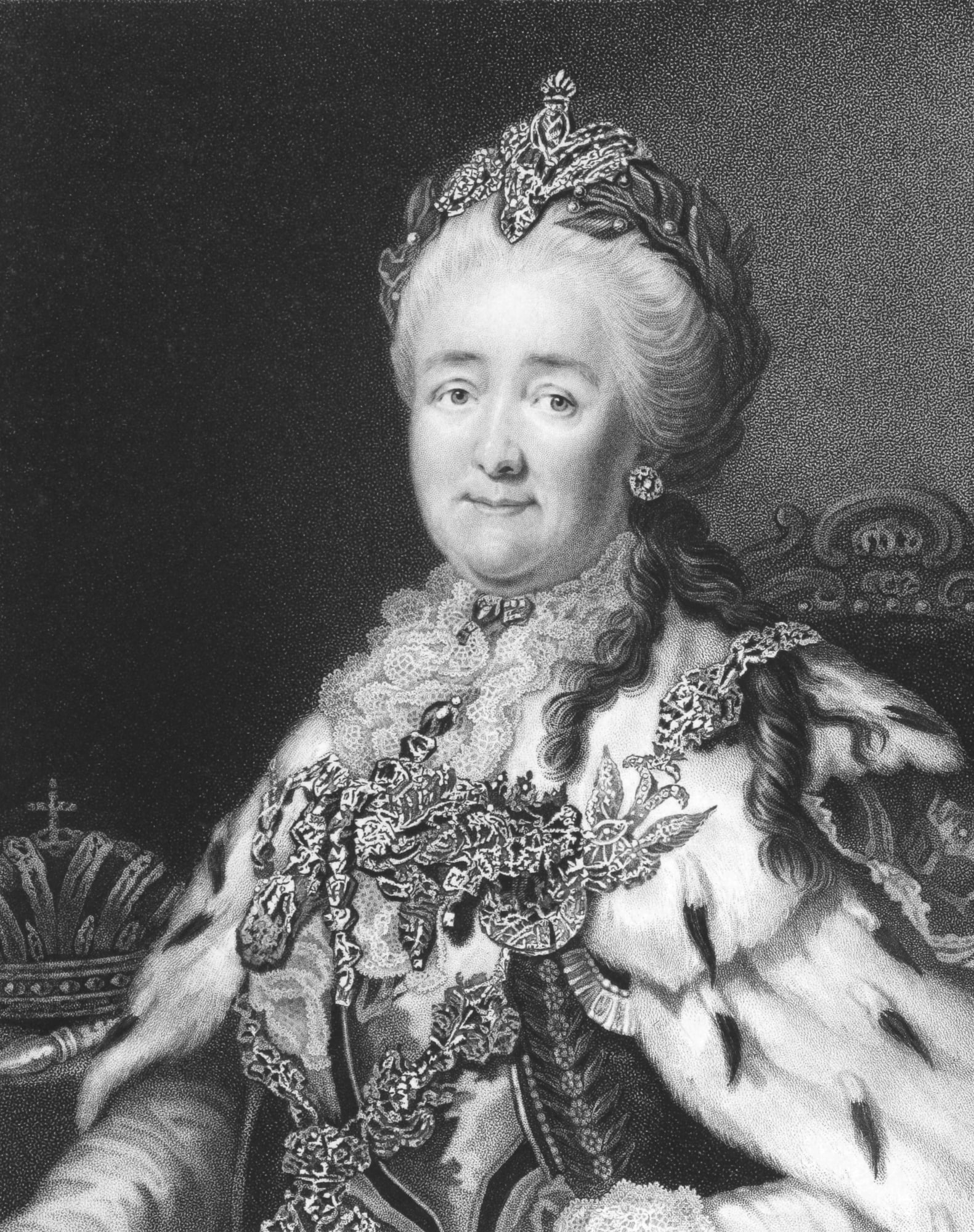
Russian Empress Catherine the Great couldn’t stand one of her ladies-in-waiting wearing a yellow gown that she thought looked better than her own dress. Instead of just moving on like a normal person might, Catherine issued an official decree banning that particular shade of yellow from court.
Anyone caught wearing it faced serious consequences. The lady-in-waiting had to watch as other courtiers whispered about the incident for months, knowing she’d accidentally upstaged one of history’s most powerful women over fabric color.
King Louis XIV made his brother’s boyfriend march behind the royal carriage
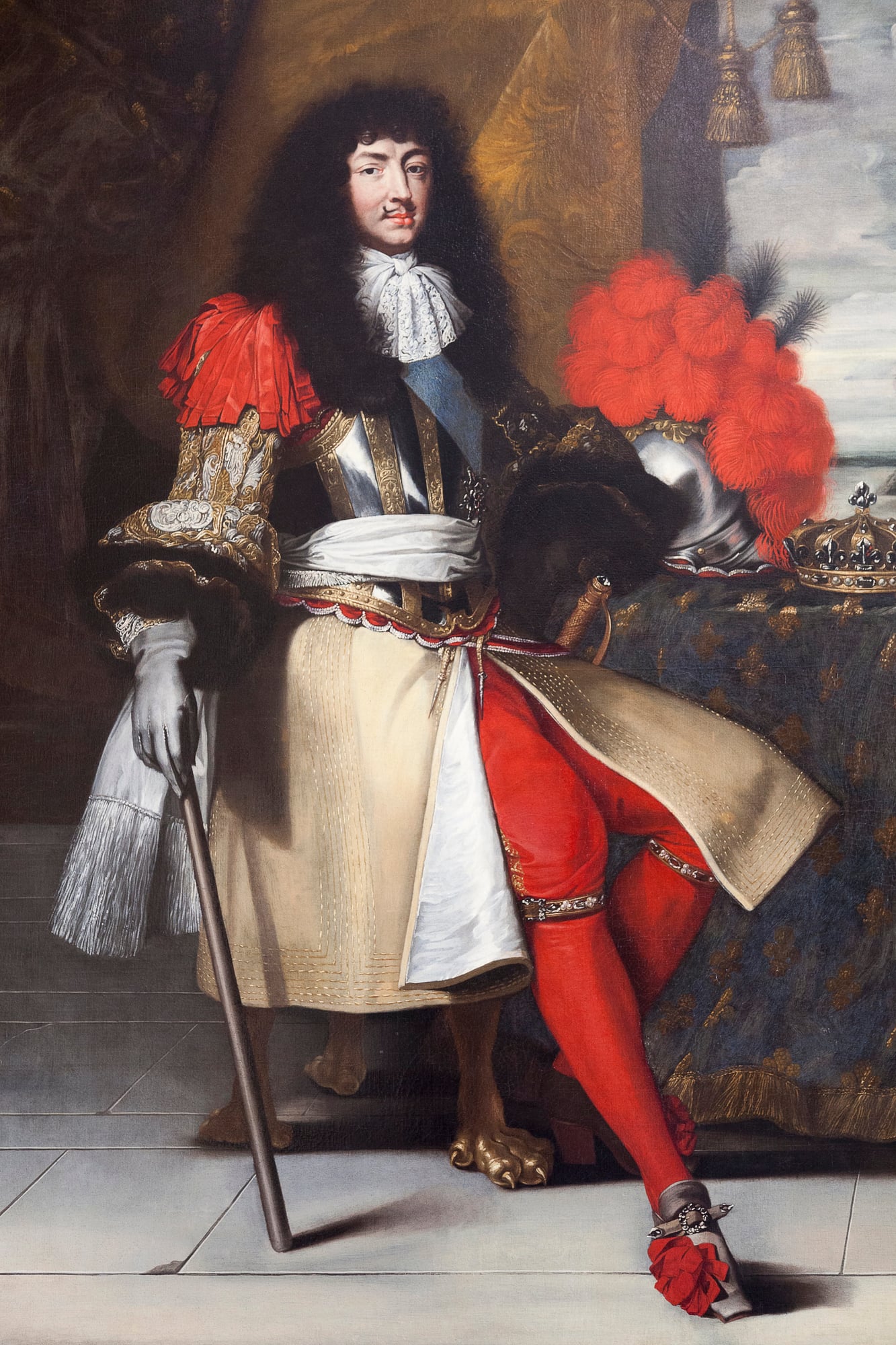
When Louis XIV discovered his brother Philippe was in love with the Chevalier de Lorraine, the Sun King didn’t handle it well. He forced the Chevalier to walk behind the royal carriage during official processions instead of riding inside like other nobles of his rank.
This went on for years, a constant public humiliation designed to remind everyone who held the power. Philippe had to watch his partner trudge through mud and dust while he sat comfortably inside, unable to do anything about it without risking his brother’s wrath.
Queen Victoria refused to speak to her son for weeks over a dinner party

Edward, Prince of Wales, hosted a dinner party that his mother Queen Victoria deemed too extravagant and inappropriate. She responded by giving him the silent treatment for nearly two months, even when they were at official state functions together.
Imagine being a grown man in your thirties and having your mother ignore you at public events because she didn’t like your party. The entire court had to tiptoe around the awkward tension between them.
Emperor Caligula declared war on the sea

After his military commanders refused to invade Britain, Caligula got so angry that he ordered his soldiers to attack the ocean instead. He had them march to the beach and stab the waves with their swords, then collect seashells as ‘spoils of war’ to parade back in Rome.
This wasn’t madness in the clinical sense, it was pure spite directed at his generals. He wanted to humiliate them for questioning his judgment, and he succeeded in making everyone involved look ridiculous.
Marie Antoinette excluded a duchess from her inner circle over a card game

The Duchesse de Polignac once beat Marie Antoinette at cards, and the queen never quite forgave her for it. She started leaving the duchess out of private gatherings and intimate dinners at the Petit Trianon.
When the duchess tried to apologize, Marie Antoinette would smile sweetly and claim there was simply no room at the table. Everyone at Versailles knew exactly what was happening, but nobody dared mention it out loud.
King Henry VIII rewrote his will to spite his daughter Mary

Henry VIII was so upset with Mary for not immediately accepting his religious changes that he cut her out of his will entirely at one point. He later added her back in, but only after making her sign documents declaring her own mother’s marriage invalid and herself illegitimate.
The pettiness of forcing your own child to denounce her heritage just to get back in your good graces shows how personal spite could override even parental feelings in the Tudor court.
Empress Wu Zetian had a rival’s hands and feet cut off

When Wu Zetian became empress of China, she remembered every person who had slighted her on the way up. One former rival who had mocked her years earlier found herself arrested on trumped-up charges.
Wu had the woman’s hands and feet amputated, then threw her into a vat of wine to die slowly. The punishment far exceeded any actual crime, it was pure revenge for an old insult that most people would have forgotten.
King Charles II dug up Oliver Cromwell’s corpse to execute it

Cromwell had been dead for two years when Charles II took the throne, but the new king wasn’t about to let that stop him from getting revenge. He had Cromwell’s body dug up, put on trial, found guilty of treason, and then hanged and beheaded.
The head stayed on a pike outside Westminster Hall for 24 years. Executing a corpse might be the ultimate petty move in all of royal history.
Queen Elizabeth I made her ladies-in-waiting stay unmarried

Elizabeth I got jealous whenever her ladies-in-waiting got engaged or married because it meant they were getting male attention. She would often refuse to give permission for marriages, keeping young women single well into their thirties.
One lady-in-waiting secretly married anyway, and Elizabeth threw her in the Tower of London for it. The queen wanted her attendants focused entirely on her, and she used her authority to enforce that preference.
King George III kept detailed lists of people who disagreed with him
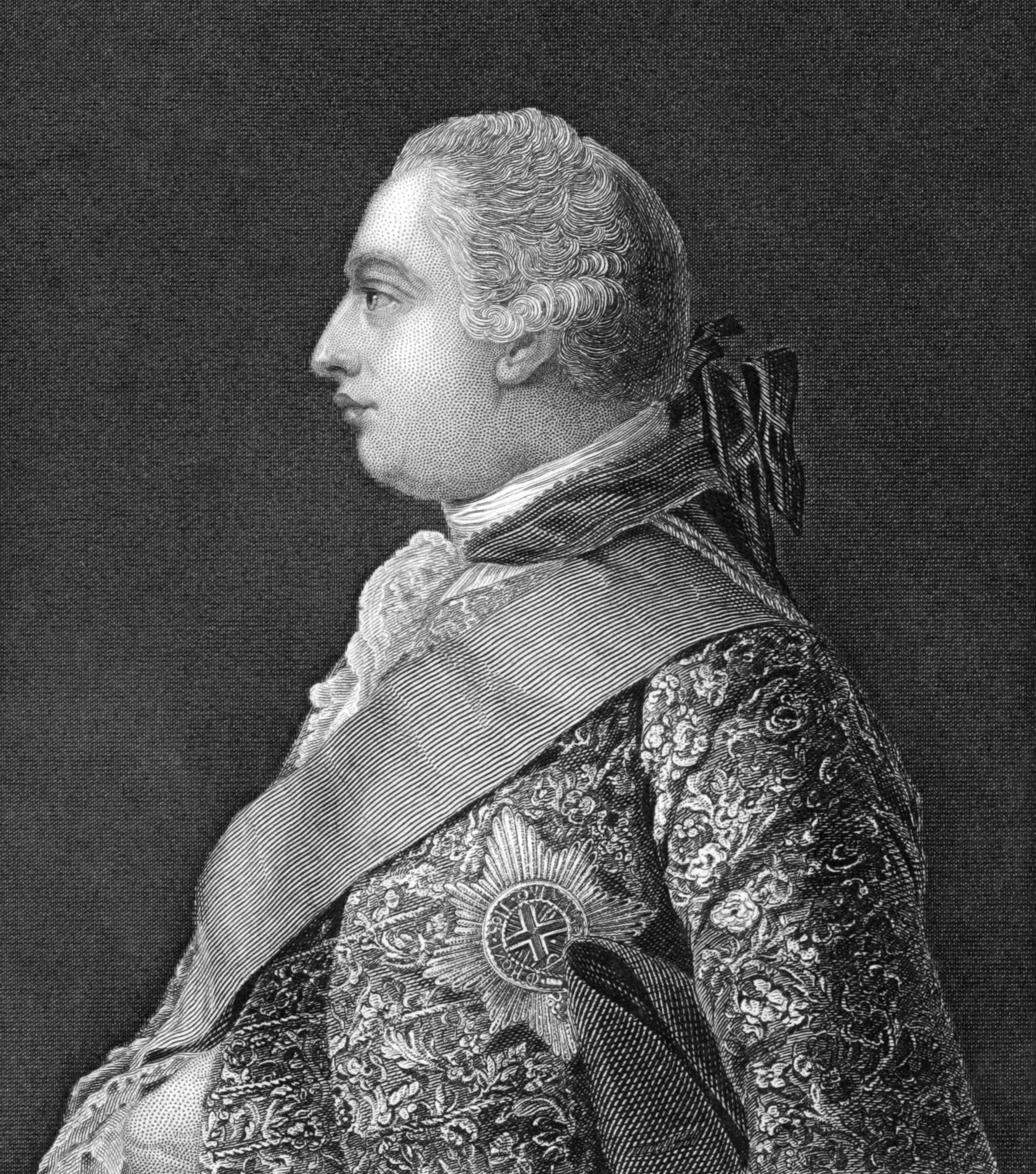
George III maintained personal notebooks where he recorded every slight, disagreement, and perceived insult from members of Parliament and his own court. He would reference these lists years later when making appointments or granting favors, deliberately passing over anyone who had once contradicted him.
People learned to be very careful about what they said in his presence because the king never forgot and never forgave.
Empress Josephine bought her rival’s entire wardrobe

When Napoleon’s sister Pauline started getting too much attention at court functions, Josephine found out who her dressmaker was. She then purchased every single dress that Pauline had ordered for the season before Pauline could pick them up.
Pauline had to scramble to find new outfits while Josephine wore the stolen designs to every major event. Napoleon reportedly laughed when he found out, which only made Pauline angrier.
King Louis XV banned a playwright from Paris over a joke
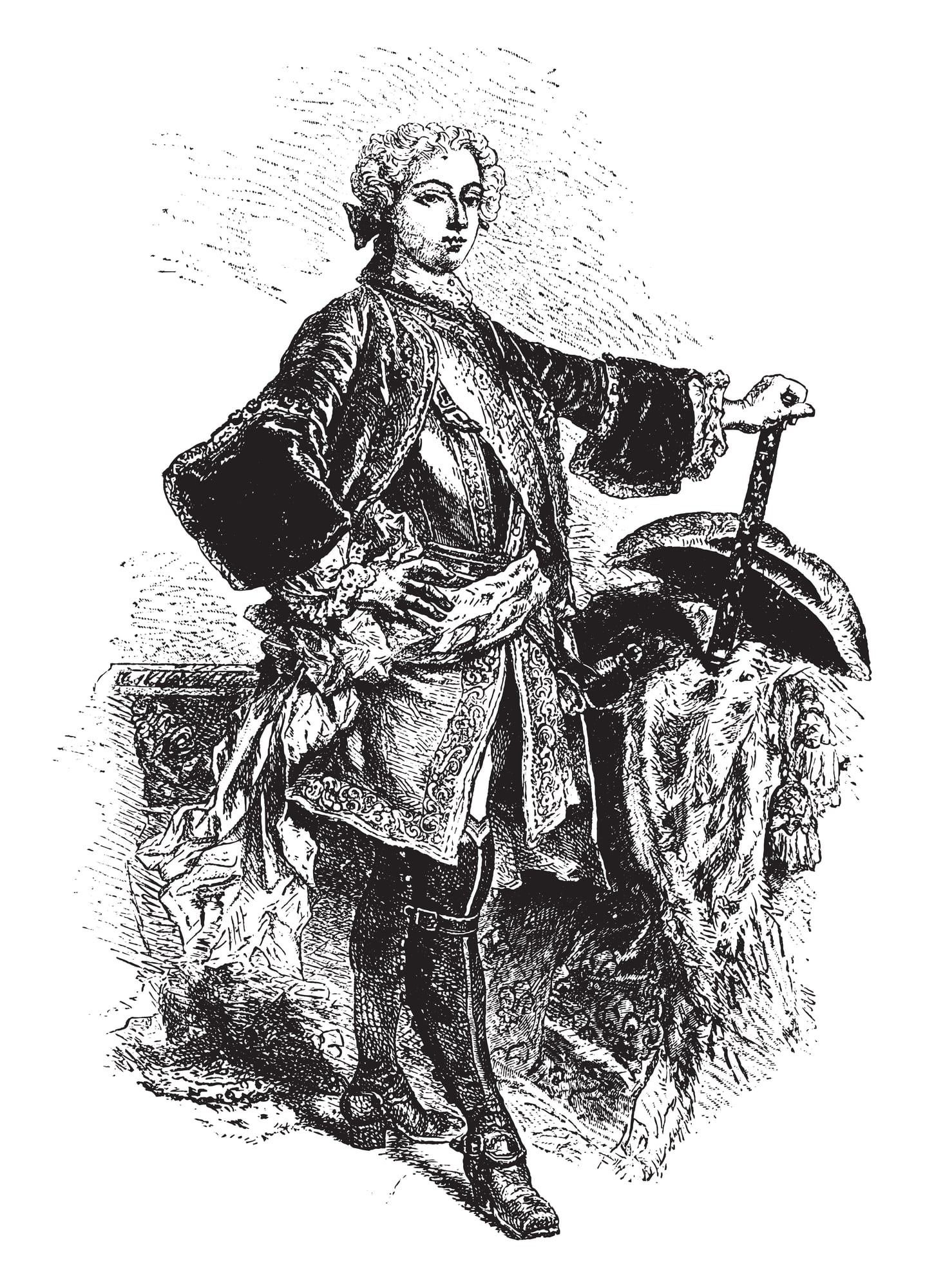
A popular playwright made a gentle joke about the king’s hunting habits in one of his comedies. Louis XV didn’t find it funny and had the man banned from Paris for five years.
The playwright had to watch his career crumble from a distance while other writers learned to avoid any mention of royal hobbies. The punishment had nothing to do with actual sedition or danger, Louis just didn’t like being teased.
Queen Anne stopped talking to her best friend over politics
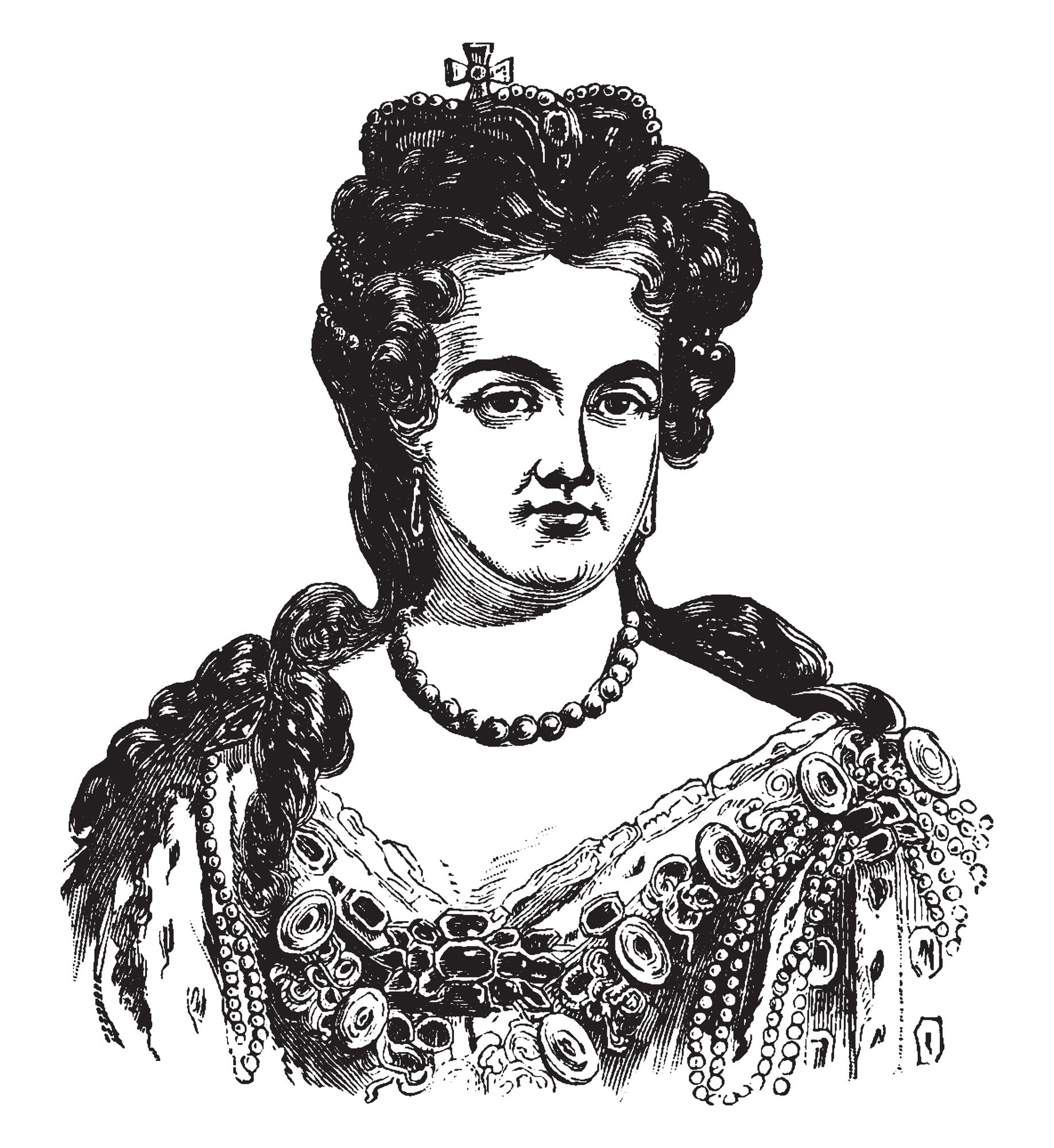
Sarah Churchill had been Queen Anne’s closest companion for decades, but when they disagreed about political appointments, Anne cut her off completely. She wouldn’t read Sarah’s letters, refused to see her, and eventually kicked her out of her apartments at the palace.
Sarah had to move out with just a few hours’ notice after 30 years of friendship. The queen replaced her with a new favorite almost immediately, proving that even lifelong bonds meant nothing when royal pride got wounded.
Emperor Nero made his mother bow to his mistress
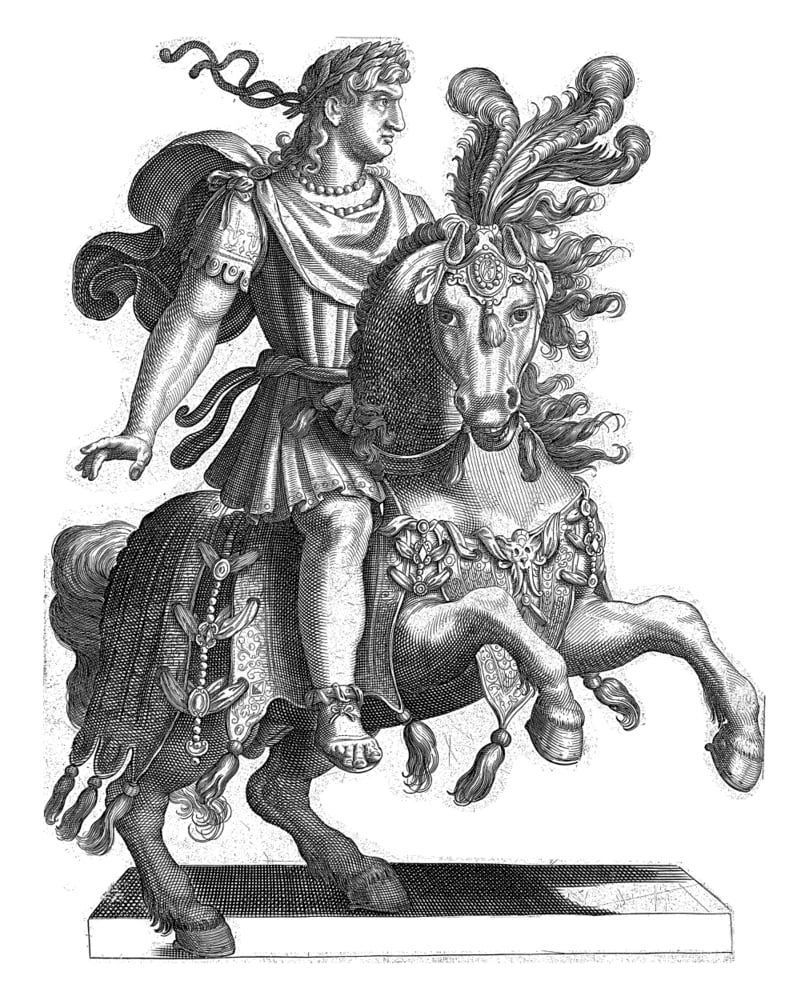
Nero’s relationship with his mother Agrippina was complicated, but things reached peak pettiness when he forced her to bow and show respect to his mistress Poppaea during court ceremonies. Agrippina had helped Nero become emperor, but he used every opportunity to publicly diminish her status.
He knew exactly how much it hurt her to defer to a woman she considered far beneath their family’s dignity. The power dynamic between them stayed toxic until Nero eventually had her killed.
King Christian VII of Denmark stole his friend’s wife

When Christian VII decided he wanted his best friend’s wife, he didn’t just have an affair. He publicly humiliated the husband by flaunting the relationship at court and then officially appointed her as his mistress.
The friend had to smile and accept it because challenging the king would mean losing everything. Christian made sure everyone knew he could take whatever he wanted, and friendship meant nothing compared to proving his power.
Catherine de Medici served poisoned wine glasses at dinner
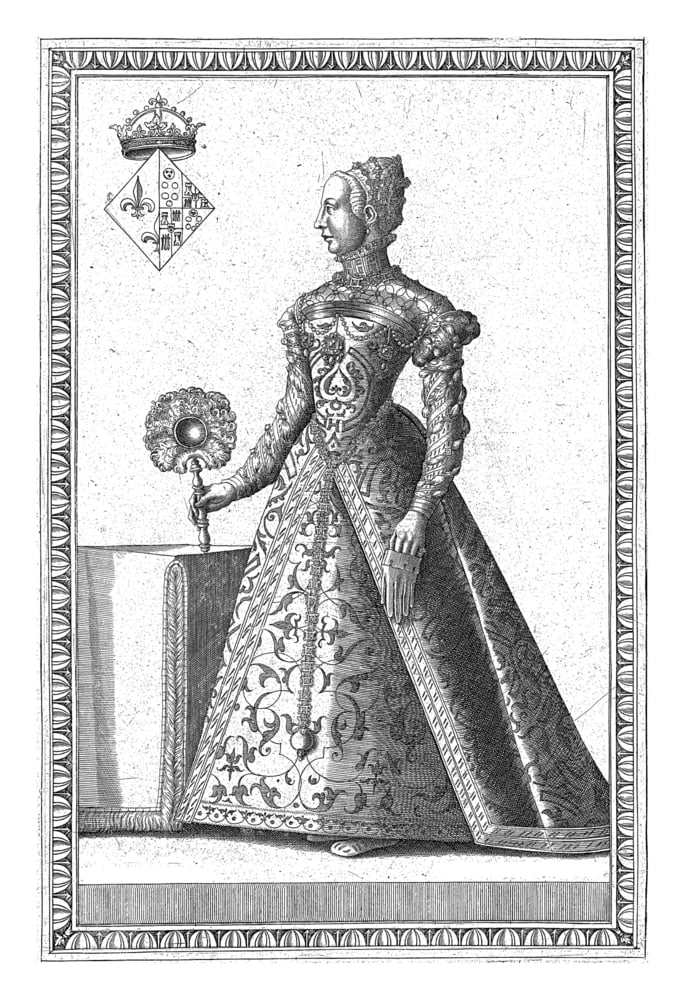
Catherine de Medici, Queen of France, allegedly had special wine glasses made that were poisoned on one side. She would serve wine to people she disliked and make sure they drank from the deadly side while she sipped safely from the other.
Whether this story is completely true or exaggerated, it shows how her reputation for pettiness and revenge became legendary. People at her court lived in constant fear that any meal might be their last if they’d somehow offended her.
King Philip II tried to marry his son’s fiancée
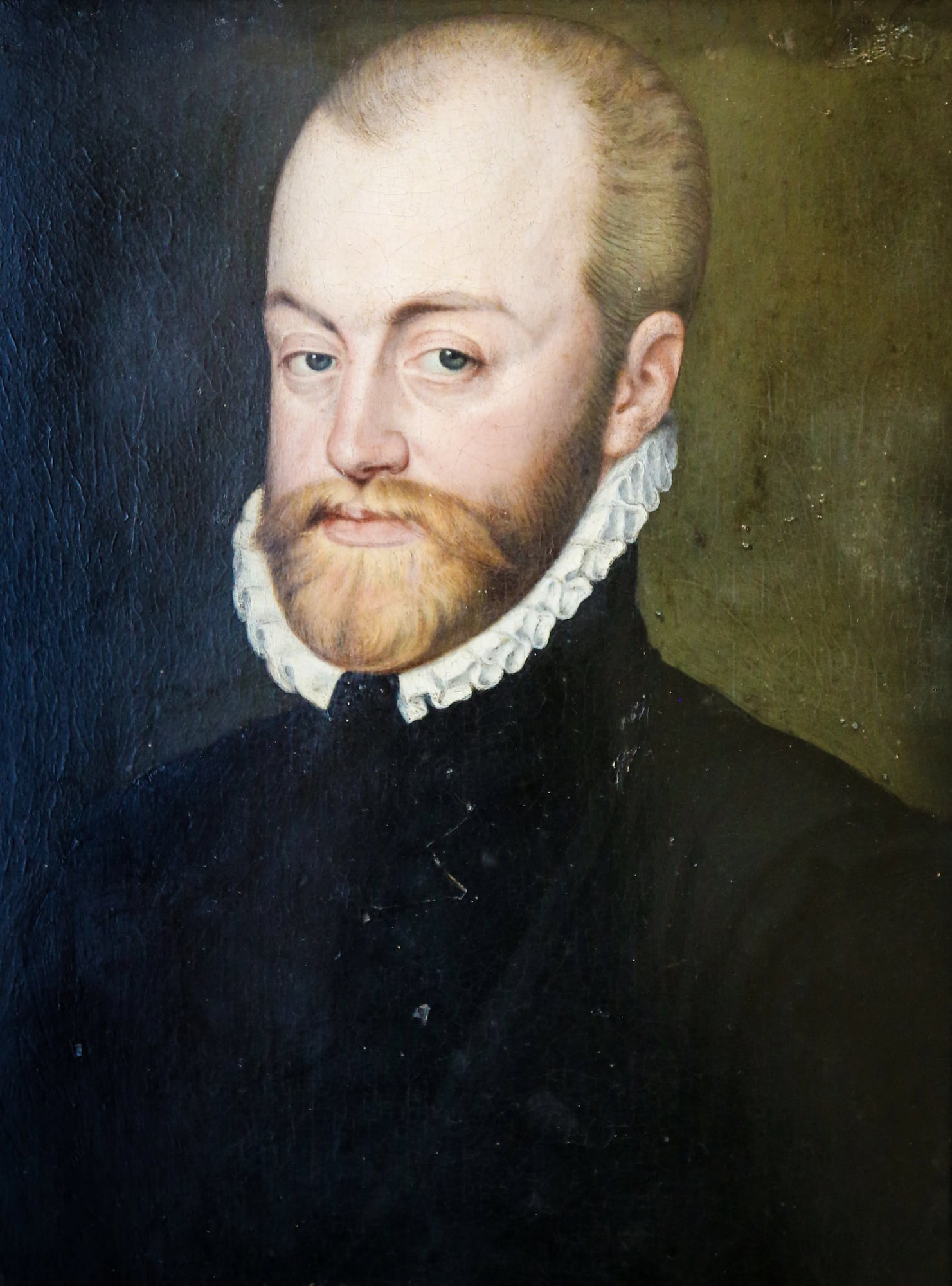
After his son Carlos died, King Philip II of Spain decided he wanted to marry the young woman who had been engaged to Carlos. She was horrified, but Philip pursued the match anyway out of spite toward those who had supported his son over him.
The engagement eventually fell through, but not before Philip made it clear he could override any social convention or personal boundary when his pride was at stake. The young woman spent months in terror before she was finally released from the proposed arrangement.
Peter the Great forced nobles to shave or pay a beard tax

When Peter the Great wanted to modernize Russia, he decided traditional beards had to go. Anyone who refused to shave had to pay an annual tax and carry a special token proving they’d paid it.
This wasn’t about hygiene or fashion, it was about forcing the old nobility to submit to his vision. Men who had worn beards their entire lives had to choose between their appearance and their money, all because Peter wanted to prove he could control even the most personal choices.
The Crown Still Sits Heavy

Royal pettiness didn’t disappear with powdered wigs and palace intrigue. These stories remind us that unlimited power combined with wounded pride creates some truly absurd situations.
The difference between historical monarchs and modern people isn’t that rulers were more dignified, they just had armies and treasuries backing up their grudges. Every ridiculous decree and cruel punishment started with the same feeling anyone gets when someone cuts in line or steals their parking spot, the monarchs just had the means to irritate everyone else’s problem.
More from Go2Tutors!

- The Romanov Crown Jewels and Their Tragic Fate
- 13 Historical Mysteries That Science Still Can’t Solve
- Famous Hoaxes That Fooled the World for Years
- 15 Child Stars with Tragic Adult Lives
- 16 Famous Jewelry Pieces in History
Like Go2Tutors’s content? Follow us on MSN.