Biggest Airports Ranked by Land Size
What fills an airport isn’t just people or planes taking off fast. Space on the ground paints another picture entirely. Decisions made decades ago shape how much land gets set aside.
Geography plays a role, sure, but so do old defense plans. Moving freight matters more than you might think. Some places built vast zones not because they needed them then, but because someone believed traffic would explode one day.
Imagine spaces so vast they blur the edge between runway and horizon. These places stretch wide, not because they need to today but just in case tomorrow demands more.
Picture open fields tucked behind security lines where little grows except potential. Each one holds space like savings put away for a future bill.
Size here isn’t about crowds or terminals but quiet acres waiting. What matters most is footprint, not flight count.
Ground taken up becomes the main measure. Not what rises above soil but what spreads across it.
King Fahd International Airport

King Fahd International Airport is the undisputed giant when it comes to land size. Covering roughly 300 square miles, it is larger than some entire cities, a fact that still surprises even frequent travelers.
The airport was designed with military and civil aviation in mind, which explains the vast buffer zones and expansive layout. Much of its land remains undeveloped, serving as strategic space rather than active infrastructure.
That said, the sheer scale reflects long-term thinking in a region where space is abundant and future expansion is expected rather than speculative. It stands as a reminder that airport size is often about possibility, not daily foot traffic.
Denver International Airport
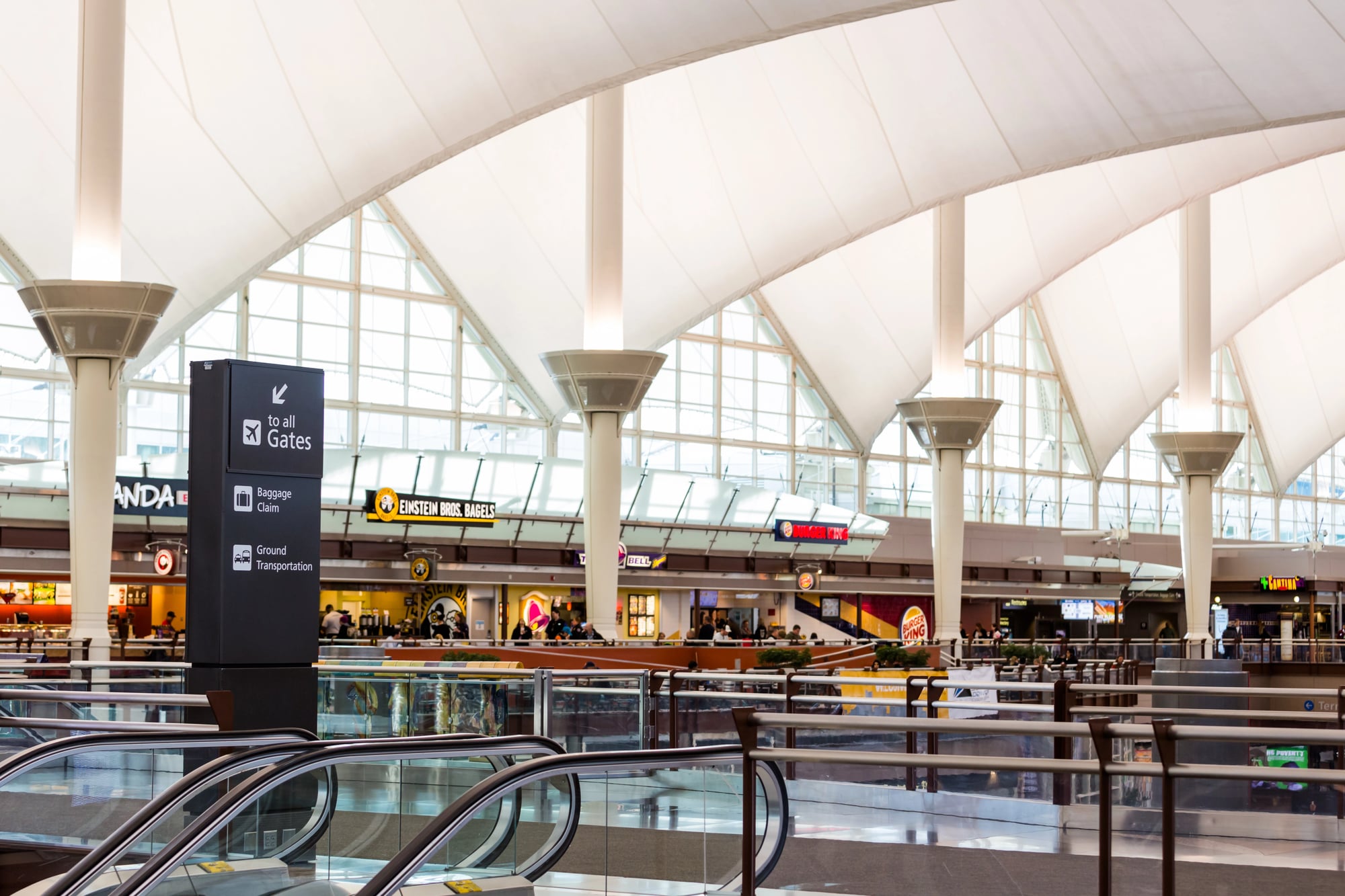
Denver International Airport is the largest airport in the United States by land area, spanning about 53 square miles. Its size is immediately noticeable from the air, where runways seem to stretch endlessly across the plains.
The vast footprint was intentional. Denver’s location makes it a natural hub for coast-to-coast travel, and planners wanted room for additional runways without noise constraints from nearby neighborhoods. Even so, only a portion of the land is actively developed.
The rest functions as insurance against future congestion, weather delays, and shifts in aviation demand.
Istanbul Airport
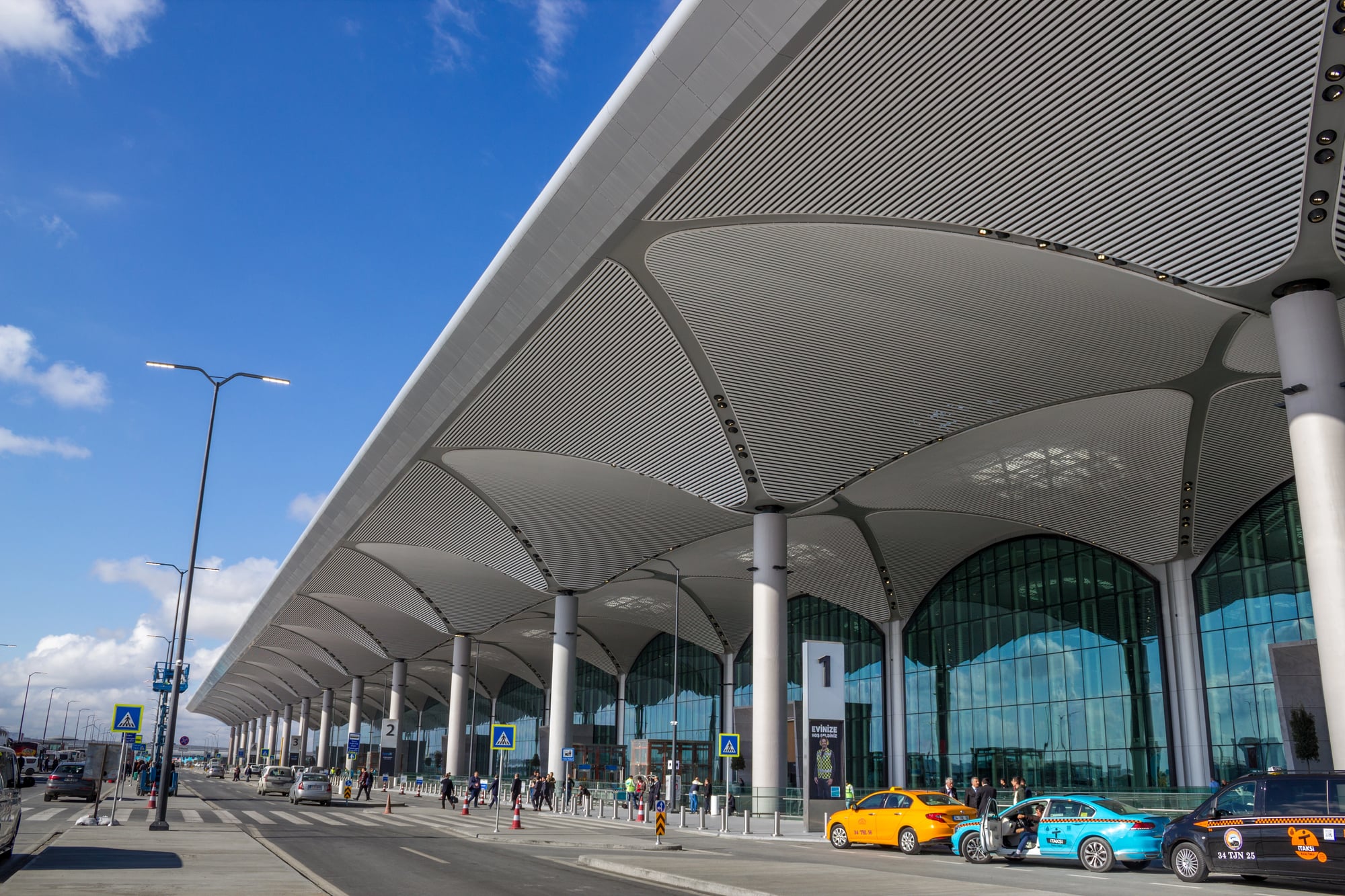
Istanbul Airport occupies roughly 29 square miles, placing it among the largest airports in the world by land area. Built to replace Atatürk Airport, it was conceived as a global connector linking Europe, Asia, and beyond.
The size supports massive terminal complexes, multiple runways, and room for continued expansion. Still, the land footprint also reflects ambition.
Istanbul aims to be a central aviation crossroads, and the airport’s scale reinforces that identity. It is designed less as a response to current traffic and more as a statement about future dominance in global air travel.
Dallas/Fort Worth International Airport
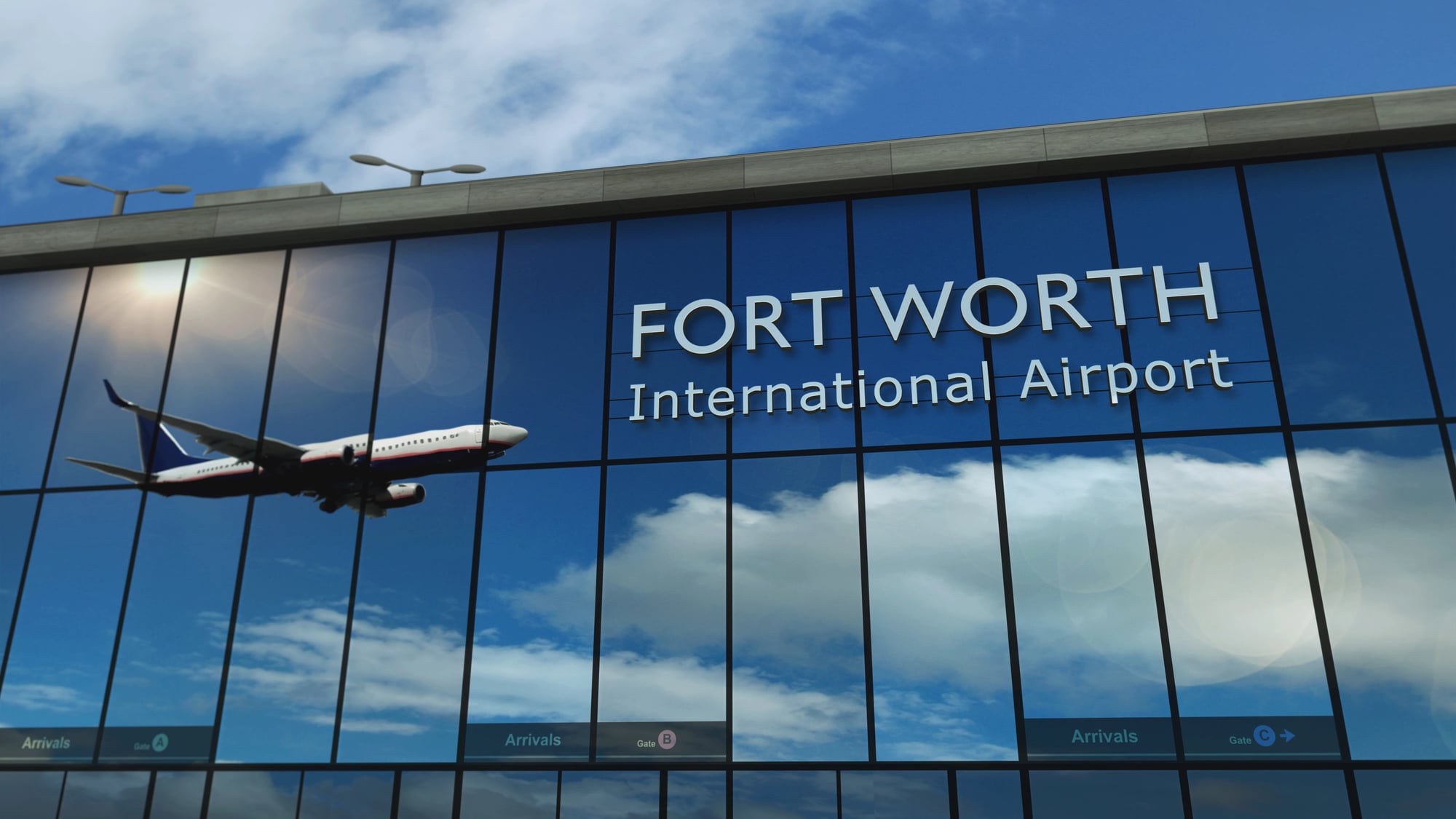
Dallas/Fort Worth International Airport spans about 27 square miles, making it one of the largest airports in North America. Its sheer size once placed it among the biggest globally before newer mega-projects emerged.
The airport was built to serve two major cities simultaneously, which explains both its location and its sprawl. Roads, terminals, and runways are laid out like a carefully planned grid, prioritizing efficiency over compactness.
Even today, the airport has room to grow, reflecting a planning philosophy rooted in flexibility rather than minimalism.
Orlando International Airport
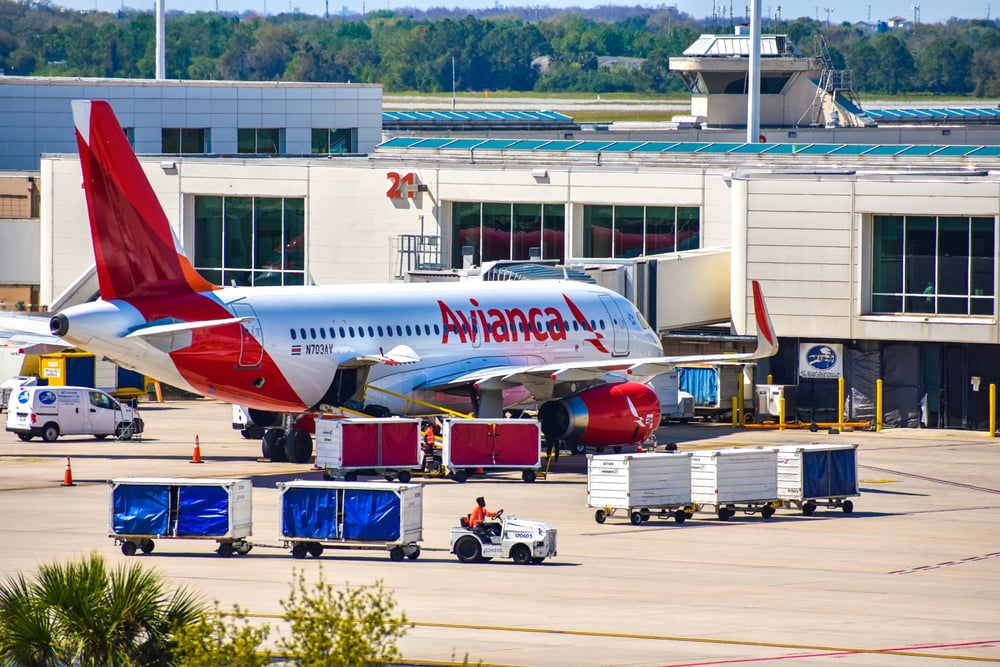
Orlando International Airport covers roughly 21 square miles, a size shaped as much by tourism as by aviation needs. Serving one of the world’s most visited leisure destinations requires space not just for planes, but for people moving in waves.
Large tracts of land help manage peak travel seasons tied to holidays and theme park traffic. The footprint also allows for future terminal expansions without disrupting existing operations.
On the other hand, much of the land functions quietly in the background, supporting logistics rather than spectacle.
Beijing Daxing International Airport
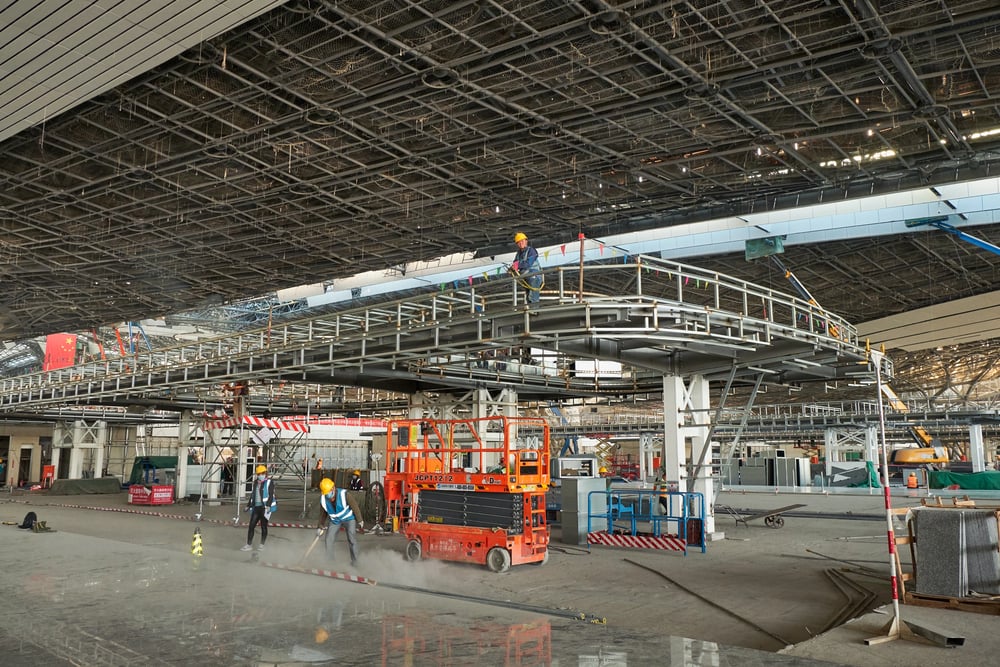
Beijing Daxing International Airport occupies around 18 square miles and is one of the newest mega-airports on the list. Its land area reflects both modern design priorities and long-term population planning.
The airport was built to relieve pressure on Beijing Capital International Airport, with room reserved for additional runways and facilities as demand grows. Its star-shaped terminal design minimizes walking distances, even within such a large footprint.
Still, the surrounding land ensures that expansion can happen gradually rather than through disruptive overhauls.
Shanghai Pudong International Airport
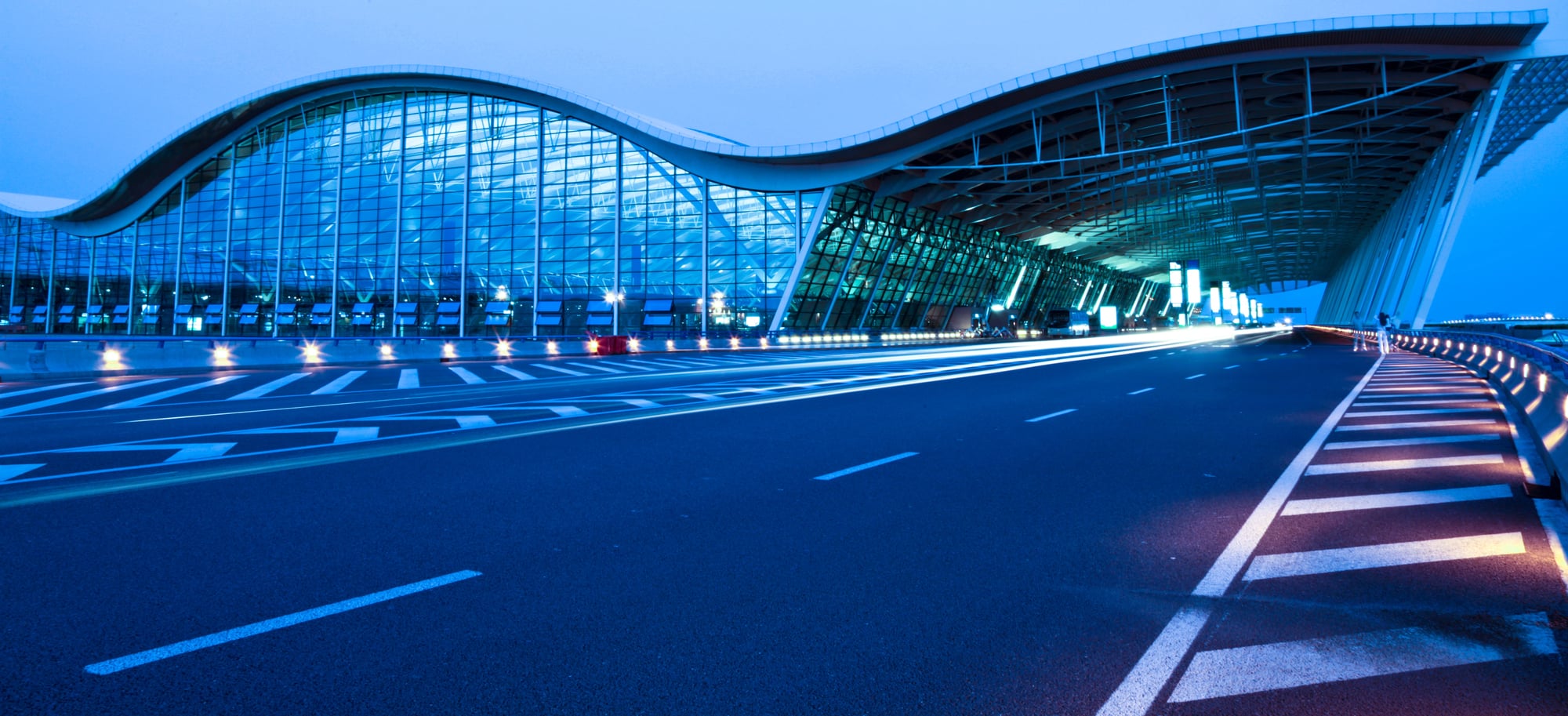
Shanghai Pudong International Airport covers approximately 15 square miles, a size driven largely by its role as a major international gateway and cargo hub. Located away from the city center, the airport benefits from fewer space constraints and easier expansion paths.
Cargo facilities occupy significant portions of the land, reflecting Shanghai’s role in global trade. That said, the airport’s size is not just about scale, but about separating passenger and freight operations efficiently within a single complex.
Cairo International Airport

Cairo International Airport spans roughly 14 square miles, making it one of the largest airports in Africa by land area. Its footprint reflects decades of layered development rather than a single master plan.
Originally built with military considerations, the airport gradually expanded to meet civilian demand. The result is a wide, dispersed layout with room for parallel operations and future growth.
Still, much of the land serves as buffer space, absorbing expansion without pressing up against dense urban neighborhoods.
Why Size Still Shapes Aviation
Out in the open, huge runways stretch farther than most cities. When planners pick space like this, they are thinking about what might come years later.
Growth isn’t guaranteed, yet room must be ready just in case. Change arrives without warning in air travel, so empty tarmac today could mean busy gates tomorrow.
Nowadays, handling crowds, shipping needs, and greener goals makes airport land more than just valuable – it brings duty too. Where expansion used to signal progress, today it raises questions about smart choices.
The story these runways tell isn’t about big being better, yet size still steers futures when concrete fades into history.
More from Go2Tutors!

- The Romanov Crown Jewels and Their Tragic Fate
- 13 Historical Mysteries That Science Still Can’t Solve
- Famous Hoaxes That Fooled the World for Years
- 15 Child Stars with Tragic Adult Lives
- 16 Famous Jewelry Pieces in History
Like Go2Tutors’s content? Follow us on MSN.