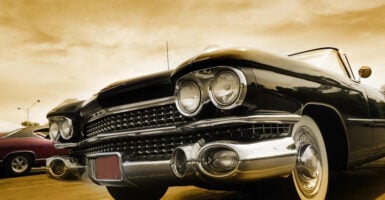
Vintage Luxury Cars That Defined an Era
The roaring twenties and glamorous thirties weren’t just about jazz clubs and flapper dresses.
They were the golden age of automotive extravagance, when luxury cars became rolling works of art that announced your arrival before you even stepped out.
These weren’t just vehicles — they were statements of power, taste, and ambition, handcrafted by artisans who treated metal and leather like Renaissance painters approached canvas.
While today’s luxury cars rely on computers and clever engineering, the vintage legends from this era depended on pure craftsmanship, outrageous engines, and styling that still stops traffic nearly a century later.
Here’s a closer look at the extraordinary machines that turned heads and defined what luxury on wheels really meant.
Duesenberg Model J

When Gary Cooper wanted to impress, he drove a Duesenberg.
The Model J, launched in 1928, wasn’t just expensive — it cost about as much as a nice house.
With a 420-cubic-inch straight-eight engine producing 265 horsepower, it was capable of hitting 116 miles per hour when most cars struggled past 60.
E.L. Cord, the owner, wanted to build ‘the world’s finest motor car,’ and he pretty much succeeded.
The phrase ‘It’s a Duesy’ entered American slang as shorthand for anything exceptional, and that tells you everything about how these cars were perceived.
The chassis alone sold for $8,500, and at a time when the average physician earned less than $3,000 a year, most completed vehicles fell between $13,000 and $19,000.
That was roughly equivalent to buying 22 Model A Fords.
Each chassis was sold bare to coachbuilders who created custom bodies, meaning no two Duesenbergs looked exactly alike.
Over twenty American coachbuilders dressed the Duesenberg, with LeBaron Carrossiers producing some of the most handsome designs, including the popular ‘sweep panel’ dual cowl phaeton.
The dashboard even included mechanically timed lights that reminded drivers when to change the oil — remarkable technology for the period.
Hollywood royalty and European aristocrats lined up to own one, treating them like four-wheeled trophies that happened to drive beautifully.
Two modified Model Js, known as the SSJ, were produced in 1935 for actors Gary Cooper and Clark Gable, reportedly producing 400 horsepower.
Cooper’s SSJ later sold for $22 million, making it one of the most expensive American cars ever sold at auction.
Rolls-Royce Phantom II

British elegance met engineering precision in the Phantom II, which arrived in 1929 just as the world economy collapsed.
Rolls-Royce didn’t flinch.
The Phantom II used a refinement of the New Phantom’s 7.7-liter pushrod-OHV straight-six engine with a new crossflow cylinder head, producing approximately 120 horsepower.
The company’s philosophy was simple: build cars so well that they barely whisper down the road, and make sure the loudest sound inside is the clock ticking.
What made the Phantom II special was its completely redesigned chassis with improved semi-elliptical springs on both axles, replacing the cantilever setup of earlier models.
A ‘Continental’ version with a short wheelbase and stiffer springs was offered for enthusiasts who wanted sportier handling.
This variant emerged after test driver Ivan Evernden returned from the 1930 Biarritz Grand Concours d’Elegance, where his experimental car won the Grand Prix d’Honneur.
Wealthy buyers could commission bodies from prestigious coachbuilders like Park Ward, Thrupp & Maberly, or Barker, resulting in vehicles that ranged from understated sedans to flamboyant touring cars with sweeping fenders.
While American luxury emphasized power and flash, Rolls-Royce perfected the art of refined understatement.
These were cars for old money, not new, and they carried themselves accordingly.
Indian maharajas were among the best customers, ordering custom features and ornate coachwork that made each Phantom II unique.
Bugatti Type 57

Ettore Bugatti didn’t just build cars — he sculpted them.
The Type 57, produced from 1934 to 1940, represented the French approach to luxury: combine race-car performance with artistic design, then charge accordingly.
The Type 57 used a straight-eight twin-cam engine of 3.3 liters displacement, with bore and stroke of 72mm by 100mm, producing around 135 horsepower in standard form.
Unlike earlier Bugatti engines that used bevel gears at the front, the Type 57 employed a train of spur gears at the rear with fiber gear wheels on the camshafts to achieve quieter operation.
It could reach speeds over 95 miles per hour in standard trim, impressive for a car that also offered genuine comfort and style.
The Atlantic variant became one of the most valuable cars ever made.
The Type 57S Atlantic body featured flowing coupé lines with a pronounced dorsal seam running from front to back, based on the 1935 Aérolithe concept car designed by Jean Bugatti.
The Aérolithe used Elektron composite for its body panels, an extremely lightweight but highly flammable material that couldn’t be welded.
Engineers riveted the panels externally, creating the signature seam.
Only four Type 57SC Atlantics were ever made, three of which were sold to customers, and one has been missing since World War II.
The supercharged ‘SC’ version produced around 200 horsepower and could exceed 123 miles per hour.
Bugatti owners weren’t just wealthy — they appreciated mechanical artistry and weren’t afraid of a car with personality.
These machines demanded skilled drivers and rewarded them with an experience that felt more like piloting than simply driving.
Mercedes-Benz 540K

German engineering took a theatrical turn with the 540K, introduced in 1936 as the Third Reich flexed its industrial might.
The 540K featured a 5,401 cubic centimeter straight-eight engine that produced 115 horsepower normally, but with the engaged Roots supercharger pushed output to 180 horsepower.
The supercharger was engaged by flooring the accelerator, providing a surge of power accompanied by an unforgettable mechanical scream that announced the car’s presence blocks away.
The Special Roadster version remains one of the most visually dramatic cars ever created, with flowing lines, chrome accents, and proportions that looked fast standing still.
In 1936, Mercedes-Benz introduced the 540K Special Roadster with a price tag of 28,000 Reichsmarks, some 6,000 above standard models, meaning only 32 were ever built.
The Special Roadster stretched over 17 feet in length yet effectively accommodated only two passengers, but Sindelfingen designers succeeded in creating harmonious proportions.
The 540K had a lightened chassis compared to the 500K, replacing the girder-like frame with oval-section tubes — an influence of the Silver Arrows racing campaign.
The radiator was set back 185 millimeters behind the front axle centerline, giving the car a more aggressive appearance.
Hermann Goering ordered a 540K Special Roadster in ‘Luftwaffe’ blue with armor plating and bulletproof glass, nicknamed the ‘Blue Goose.’
Mercedes positioned the 540K as the ultimate grand touring car for autobahn cruising, though the approaching war would soon make such leisurely pursuits impossible.
Packard Twelve
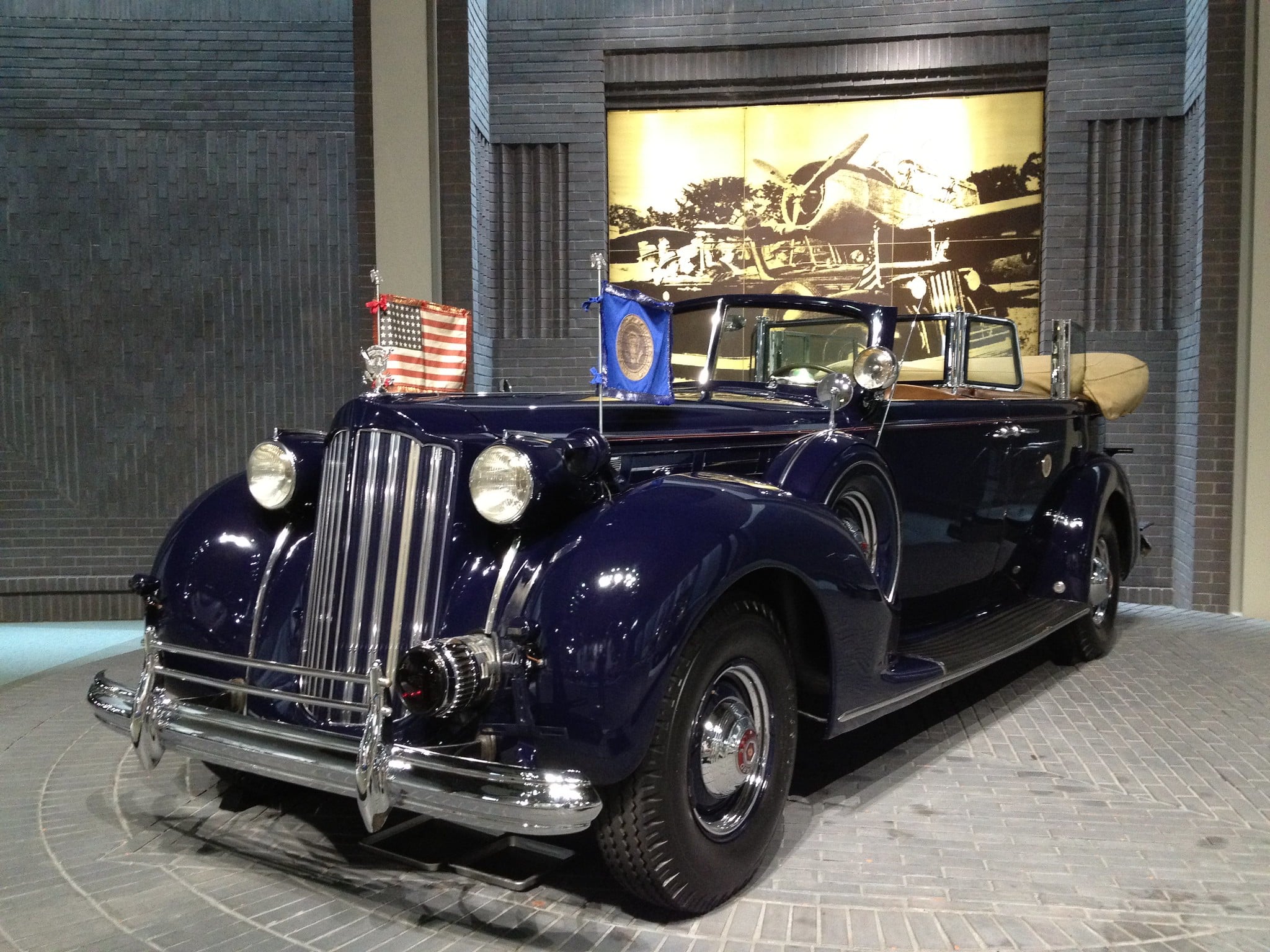
Detroit’s answer to European elegance came from Packard, which launched its Twelve series in 1932 with a V12 engine that prioritized smoothness over outright power.
The Twelve featured a 445-cubic-inch V12 producing 160 horsepower, known for its refinement and near-silent operation.
The engine ran so smoothly that Packard could balance a glass of water on the valve cover while it idled.
Packard marketed itself with the slogan ‘Ask the man who owns one,’ suggesting that mere advertising couldn’t capture the ownership experience.
These cars appealed to Americans who wanted European sophistication without European quirkiness — reliable, beautifully built, and stately without being stuffy.
Franklin D. Roosevelt used a Packard Twelve during his presidency, and Clark Gable owned several.
The company offered various body styles, from formal sedans for business tycoons to elegant convertibles for weekend escapes.
Cadillac V-16
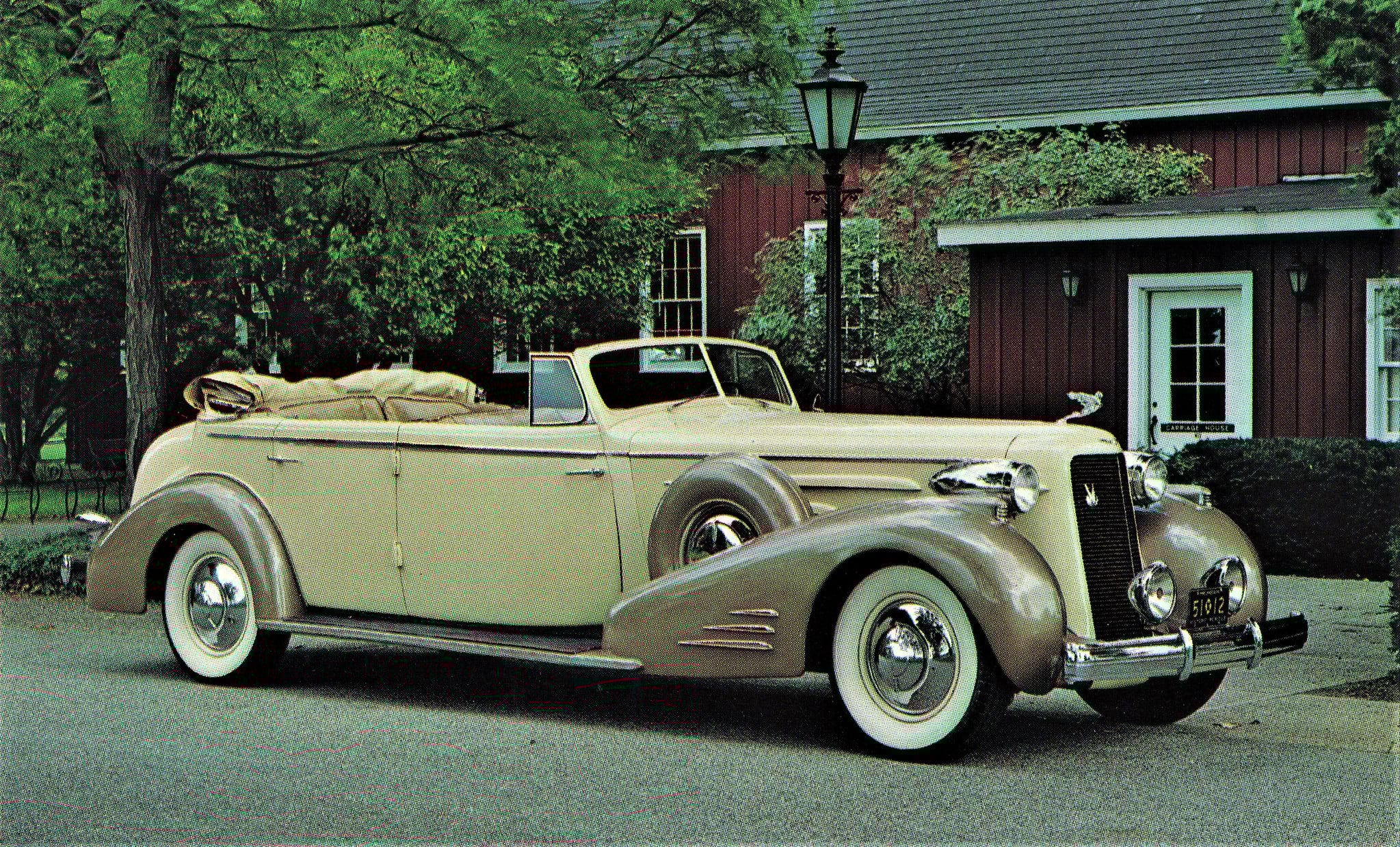
Sometimes more really is more.
Cadillac’s V-16, launched in 1930, featured sixteen cylinders when eight was already considered extravagant.
The 452-cubic-inch V16 engine produced 165 horsepower and ran with remarkable smoothness, though it guzzled fuel at a rate that only Depression-era millionaires could afford.
The engine was so smooth that Cadillac demonstrated it by balancing a glass of water on the valve cover while it ran.
Only about 4,000 V-16s were built during the entire production run from 1930 to 1940, making them rare even when new.
These cars were rolling demonstrations of American industrial capability, engineered with Swiss watch precision but scaled to Texas proportions.
The V-16 represented an almost defiant response to the Depression — while the economy collapsed, Cadillac doubled down on excess.
The engine featured overhead valves, a 45-degree V-angle, and individual cylinder barrels, all assembled with meticulous care.
Bentley 4½ Litre

While other luxury makers focused on quiet refinement, Bentley built cars for enthusiasts who wanted performance with their prestige.
The 4 1⁄2 Litre, produced from 1927 to 1931, was a racing car that could also serve as daily transportation, winning Le Mans and then driving its owners home in relative comfort.
W.O. Bentley designed these cars for ‘fast road work and racing,’ and they delivered on both fronts.
The engine displaced 4.4 liters and produced around 110 horsepower in standard form, enough to push the car past 90 miles per hour.
The supercharged ‘Blower’ variant became legendary, though W.O. himself disliked it, preferring the reliability of natural aspiration over the added complexity of forced induction.
The Blower Bentley produced about 175 horsepower and became the stuff of racing legend, though it was less reliable than the naturally aspirated version.
Auburn 851 Speedster

American style reached its peak with the Auburn Speedster, designed by Gordon Buehrig and launched in 1935.
The 851 featured a supercharged straight-eight engine producing around 150 horsepower and distinctive boat-tail styling that looked like it belonged on a yacht.
Every Speedster came with a dashboard plaque guaranteeing it had been tested at over 100 miles per hour, signed by racing driver Ab Jenkins who actually performed the tests at Bonneville Salt Flats.
At roughly $2,000, it was relatively affordable compared to Duesenbergs and Cords, yet it delivered jaw-dropping looks and genuine performance.
Hispano-Suiza J12
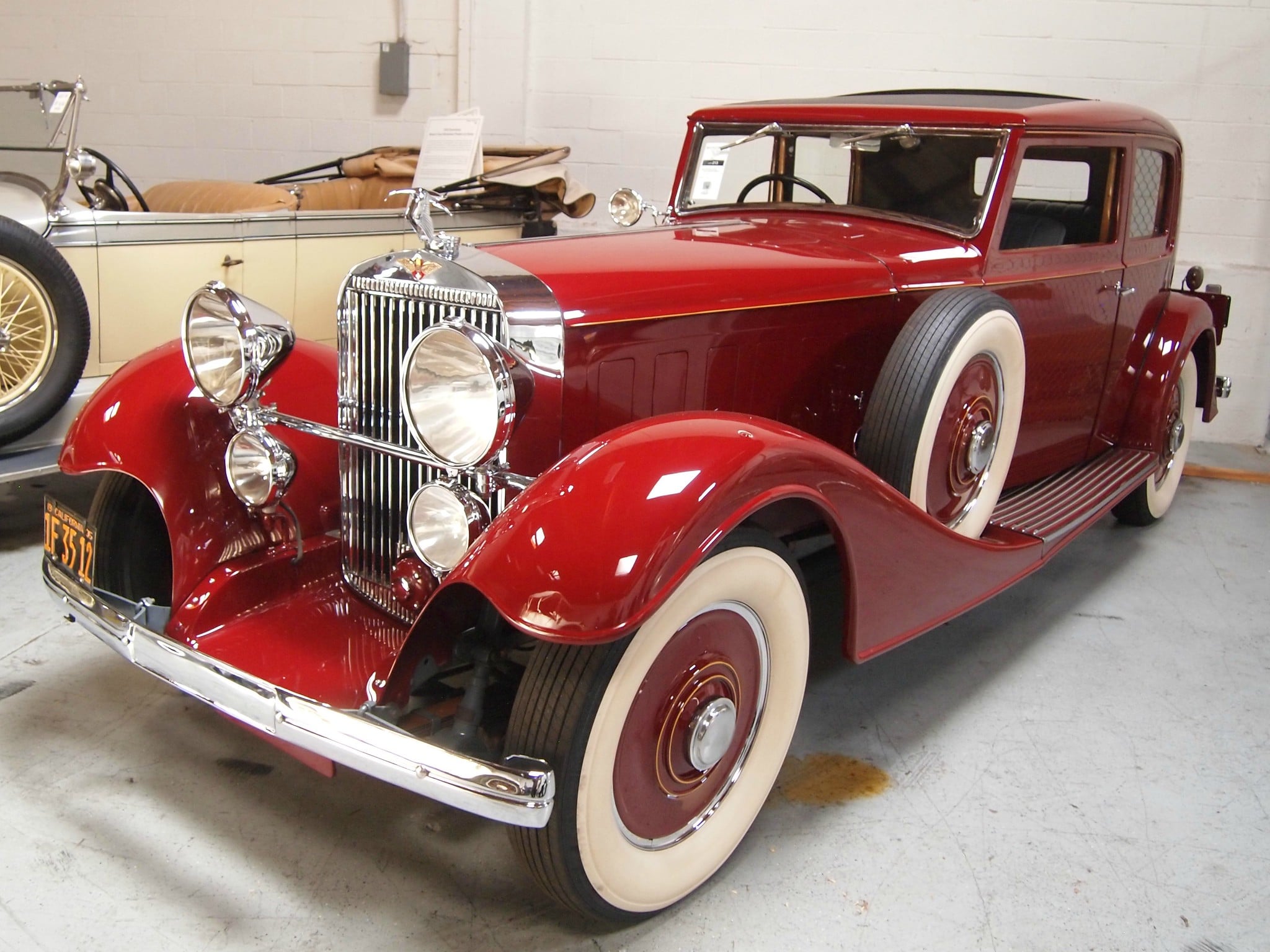
Spain’s contribution to automotive aristocracy came from Hispano-Suiza, whose J12 featured a massive V12 engine borrowed from aircraft engineering.
The J12’s 9.4-liter V12 produced 220 horsepower and featured advanced engineering that impressed even rival manufacturers.
The company built aircraft engines during World War I, including the famous engines used in many Allied fighters, and that expertise translated into automotive powerplants that were both powerful and beautifully made.
The J12 engine featured aluminum construction, overhead camshafts, and engineering tolerances that rivaled anything from Rolls-Royce.
Why They Still Matter

These vintage luxury cars weren’t just transportation — they were the last gasp of a world where craftsmanship trumped efficiency and individuality mattered more than mass production.
The Depression and World War II ended this golden age, forcing manufacturers to focus on affordability and practicality rather than artistic expression.
Today’s luxury cars are faster, safer, and more reliable, but they’re also more anonymous, rolling off assembly lines by the thousands with only minor variations.
More from Go2Tutors!

- The Romanov Crown Jewels and Their Tragic Fate
- 13 Historical Mysteries That Science Still Can’t Solve
- Famous Hoaxes That Fooled the World for Years
- 15 Child Stars with Tragic Adult Lives
- 16 Famous Jewelry Pieces in History
Like Go2Tutors’s content? Follow us on MSN.