The Legacy of Sandlot Games in Shaping US Sports
Before there were uniforms, coaches, or even rulebooks, there were sandlots. Just open spaces where kids showed up, played hard, and figured things out along the way.
The games were messy, loud, and sometimes unfair—but they were also full of joy, grit, and lessons that stuck. These fields helped shape generations of American athletes and sports culture itself.
While the games may have been casual, what came out of them was anything but. Here’s how these backyard matchups helped build the sports world seen today.
Neighborhoods turned into stadiums

Any space could become a field if kids had the will to play. Backyards, empty lots, schoolyards, or quiet streets were quickly turned into game zones with just a little imagination.
A rock or tree might be third base. Someone’s dad’s trash can could become a goalpost.
Kids didn’t need perfect conditions—they just needed each other. It taught them to be creative and to play with what was available, not what was ideal.
Creativity ruled the rules
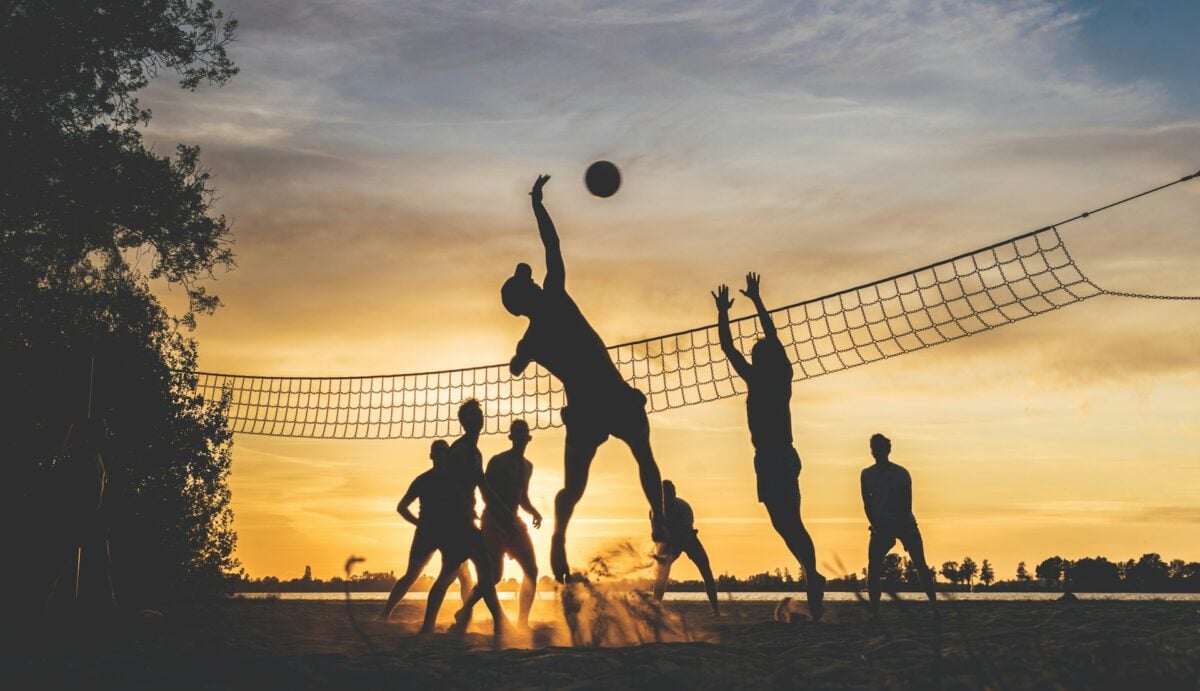
Rules were always up for debate and often adjusted on the spot. If a fence was too close, home runs might not count.
If there weren’t enough players, “ghost runners” filled in the gaps. Arguments happened, but kids figured it out—usually after some loud yelling and a quick do-over.
his constant improvisation taught flexibility, problem-solving, and the ability to adapt. Those are skills that don’t just help on the field—they help in life.
Like Go2Tutors’s content? Follow us on MSN.
Everyone played, no matter the skill
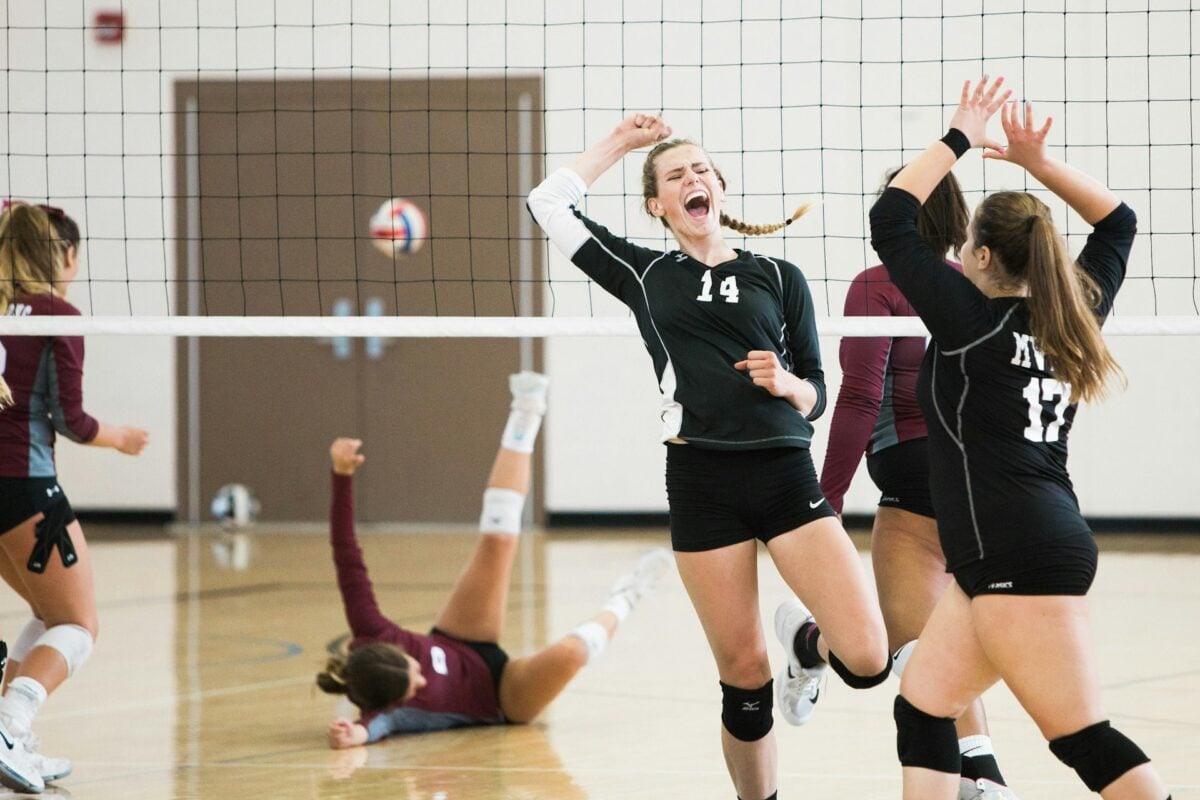
There was no bench to warm or team list to make. If you showed up, you were in.
Sometimes the teams were uneven, or someone had never played before, but no one got turned away. The more the merrier. That kind of openness created a safe space to learn, fail, and improve without pressure or judgment.
It made sports more about connection than competition.
It wasn’t just about winning

Sure, everyone liked to score, but most kids kept playing even when they were down by ten. The real win was being part of the action.
Cheering each other on, sharing laughs, and replaying big moments the next day at school—that’s what stuck. Winning was nice, but it wasn’t everything.
This mindset helped athletes stay grounded, even when they moved into more serious leagues.
Leaders started forming early

Without adults to call the shots, kids naturally stepped into leadership roles. Someone had to organize teams, settle disputes, and keep the game going.
It wasn’t about being the best player—it was about stepping up when needed. These small leadership moments helped build confidence and decision-making skills.
For many, those early experiences shaped how they led in sports, school, and later in their careers.
Like Go2Tutors’s content? Follow us on MSN.
Teamwork came naturally
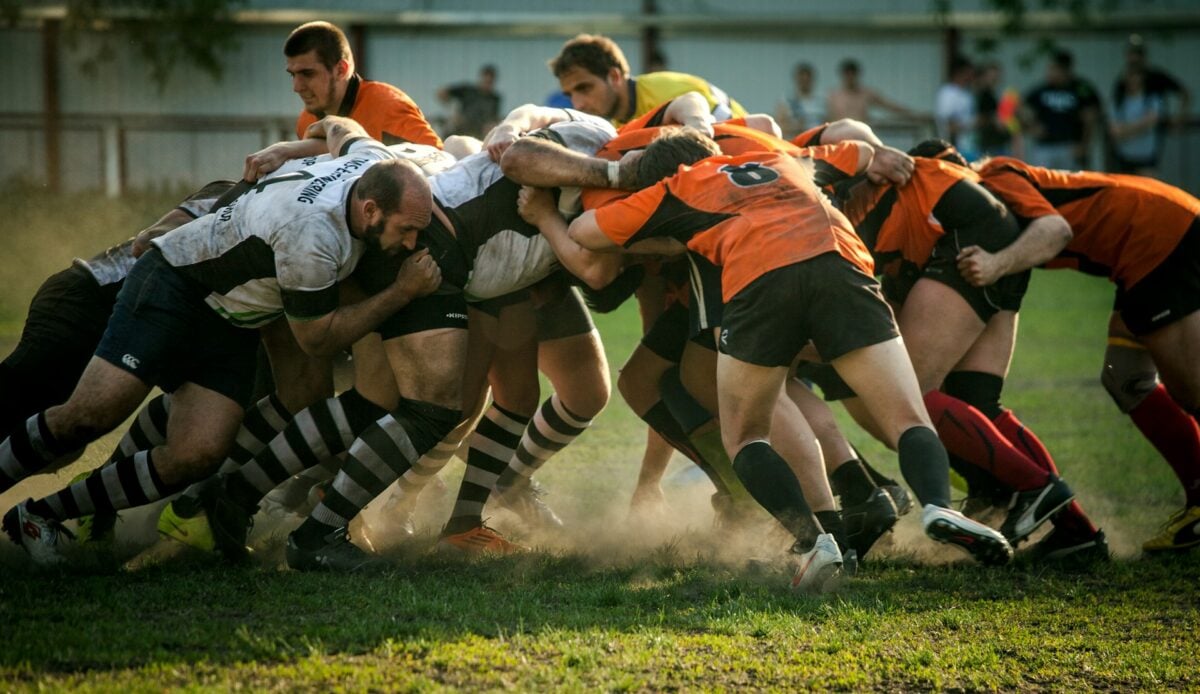
You couldn’t win a sandlot game by yourself. Kids had to rely on each other, even if they’d just met that day.
Older players often coached the younger ones. If someone got hurt or tired, others stepped in to help. It wasn’t about ego—it was about keeping the game alive.
That sense of shared effort built strong bonds, even among rivals.
Sports skills were sharpened

There were no drills or practice sessions—just play. But the daily repetition of swinging a bat, catching throws, or chasing someone down helped players improve fast.
Every game was a learning opportunity. Without realizing it, kids were building stamina, coordination, and awareness.
These natural skills gave many athletes a strong foundation when they later joined organized sports.
Confidence got a big boost

Scoring the winning point or making a great catch in front of your friends? That felt huge. It didn’t matter if there were no fans watching—it mattered to the kids playing.
Even the shyest players could shine on the sandlot. And when mistakes happened, the group just kept going. Learning to bounce back and stay in the game helped build quiet but lasting confidence.
Like Go2Tutors’s content? Follow us on MSN.
Some pros got their start here

Before fame, lights, and stadiums, many athletes first learned to play on sandlots. Legends like Willie Mays, Larry Bird, and countless others honed their skills in neighborhoods and backyards.
They didn’t grow up with elite trainers or travel teams. They grew up learning by doing, falling down, and trying again.
Their stories remind people that talent can come from anywhere.
No money, no problem

One of the best things about sandlot games was that they were free. Kids didn’t need fancy gear—just a worn glove, a stick, or even a makeshift orb.
Shoes were optional. This made sports possible for families who couldn’t afford lessons, uniforms, or league fees.
Sandlots gave every kid a fair shot, regardless of income or background.
Every place had its own version
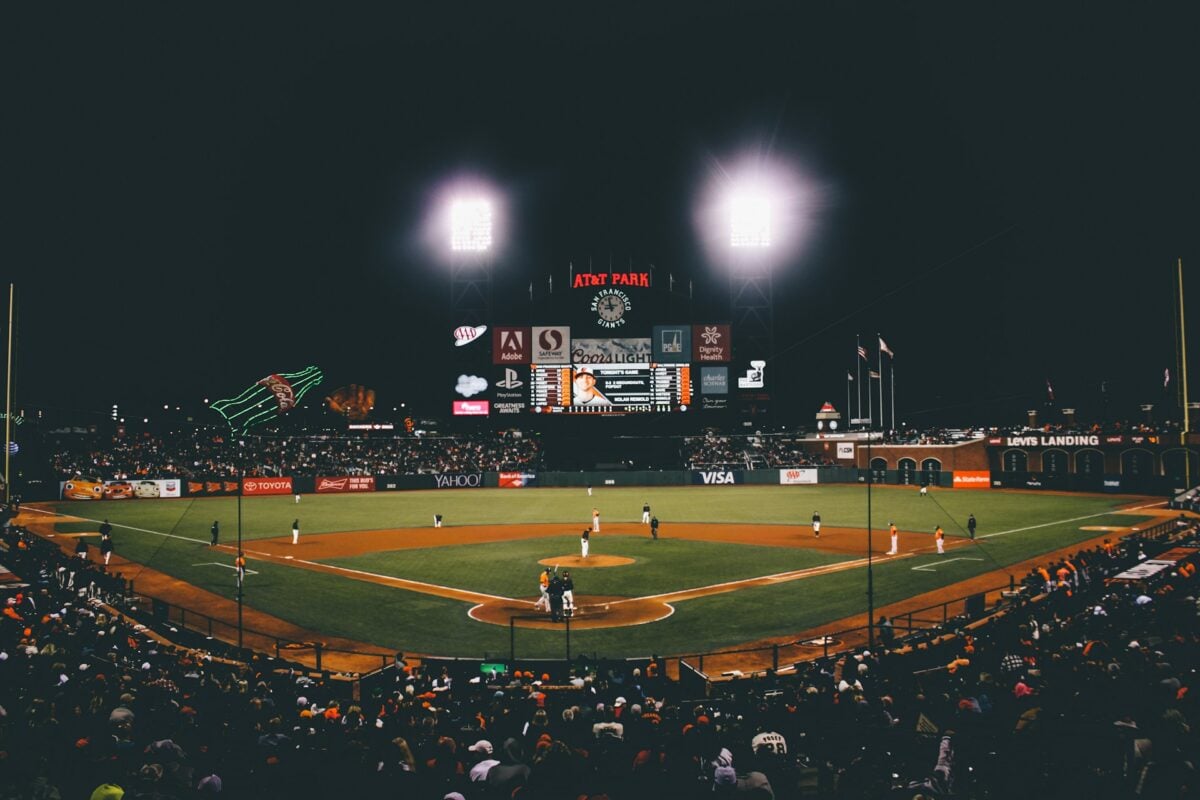
The games looked different depending on where you lived. In urban areas, kids played stickball with broom handles and tennis orbs.
In rural towns, it was football in an open field or hoops on a barn. The local twist made each version of the game feel special and personal.
These differences also reflected the diversity of American neighborhoods.
Like Go2Tutors’s content? Follow us on MSN.
Weather didn’t stop the game

Unless lightning was flashing, the game usually went on. Kids shoveled snow off courts, played barefoot in summer heat, or pushed through windy fall afternoons.
Rain often just meant sliding in mud, not heading home. That kind of grit wasn’t taught—it was earned.
It helped players build mental toughness that carried over into every part of their lives.
Mistakes were part of the deal

Nobody was perfect, and nobody expected you to be. If you missed a catch or forgot the rules, no one made a big deal out of it.
The game just kept moving. This relaxed approach helped kids stay resilient and focused on improvement, not perfection.
Learning to mess up and keep going was one of the biggest lessons of all.
Older kids mentored the younger ones

In mixed-age games, the older kids usually looked out for the little ones. They gave tips, explained the rules, and sometimes let them have an extra turn.
It wasn’t forced—it just happened naturally. That kind of mentoring built friendships and made everyone feel welcome.
It also kept the tradition alive by passing it down to the next group of kids.
Like Go2Tutors’s content? Follow us on MSN.
It all came down to love for the game

There were no prizes, trophies, or scholarships. Kids played because they loved it.
The sound of a bat hitting the orb, the feel of running fast, the excitement of a close game—those were the rewards. That kind of pure passion is hard to teach.
It’s what made the sandlot special and what kept kids coming back day after day.
From dirt fields to stadium lights

Even though times have changed and today’s sports are more structured, the roots still matter. The sandlot built more than skills—it built heart.
It gave kids freedom to grow, learn, and love the game before pressure and competition took over. Many of the lessons learned on those dusty fields still show up in how athletes lead, play, and carry themselves today.
The fields may be gone, but the legacy is very much alive.
More from Go2Tutors!

- 16 Historical Figures Who Were Nothing Like You Think
- 12 Things Sold in the 80s That Are Now Illegal
- 15 VHS Tapes That Could Be Worth Thousands
- 17 Historical “What Ifs” That Would Have Changed Everything
- 18 TV Shows That Vanished Without a Finale
Like Go2Tutors’s content? Follow us on MSN.