15 Roller Coasters Closed After One Season
The theme park industry is a high-stakes world where millions of dollars can literally go up and down in a matter of months. While most major attractions are designed to thrill visitors for decades, some roller coasters barely make it through their inaugural season before meeting an untimely demise.
These short-lived thrill rides often fall victim to safety concerns, financial troubles, or simply fail to deliver the excitement that park-goers expected. Here is a list of 15 roller coasters that opened with great fanfare only to shut down after just one season of operation.
Son of Beast
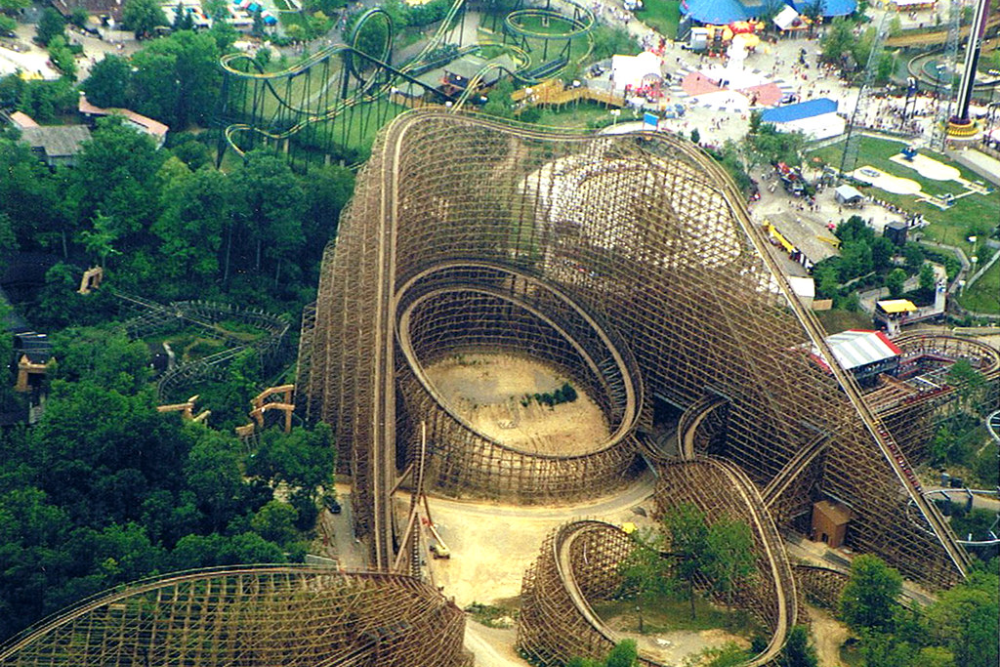
Kings Island’s wooden coaster opened in 2000 as the world’s only wooden coaster with a vertical loop. The massive structure stood 218 feet tall with speeds reaching 78 mph, but riders complained about the brutally rough ride experience from day one.
After a structural failure injured 27 riders in 2006, the loop was removed, and the ride limped along until another injury incident in 2009 forced its permanent closure, with demolition following in 2012.
Volcano: The Blast Coaster

This innovative inverted coaster at Kings Dominion featured a unique “blast” launch system that propelled riders through a man-made volcano structure. Despite its initial popularity when it opened in 1998, the coaster suffered from persistent mechanical issues that made it extraordinarily expensive to maintain.
The high operating costs combined with extended downtime led park management to remove it after its first full operating season, shocking fans who considered it a signature attraction.
Like Go2Tutors’s content? Follow us on MSN.
Hypersonic XLC
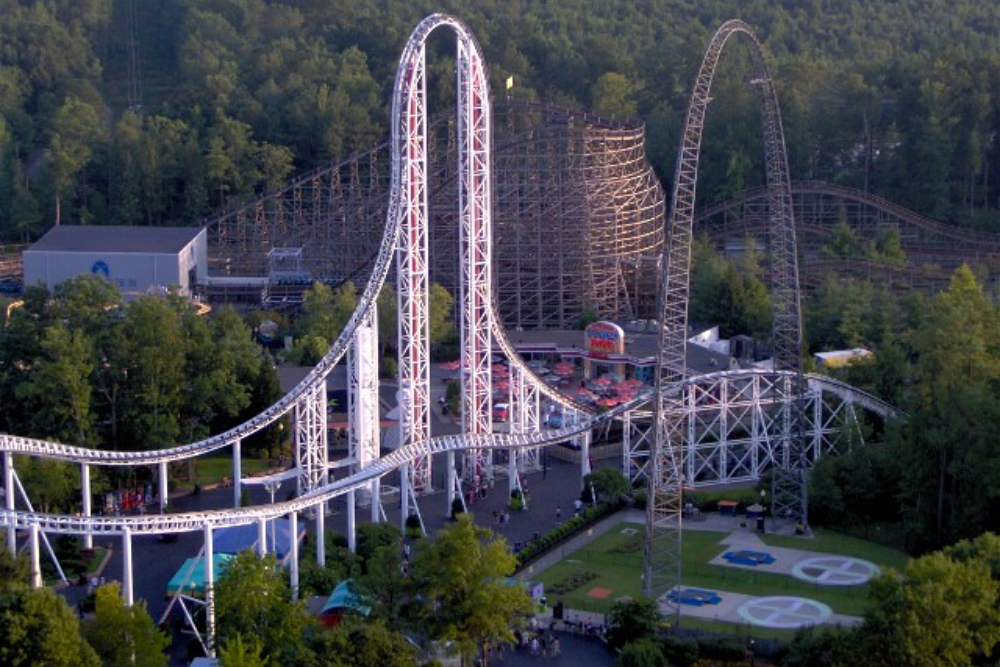
Another Kings Dominion casualty, Hypersonic XLC opened in 2001 as the first compressed air launch coaster in North America. The ride accelerated from 0 to 80 mph in 1.8 seconds, but its revolutionary technology proved to be its downfall.
Constant mechanical failures resulted in multi-hour wait times when the ride managed to operate at all, and after one full season of headaches, the park pulled the plug on this maintenance nightmare.
Eagles Fortress
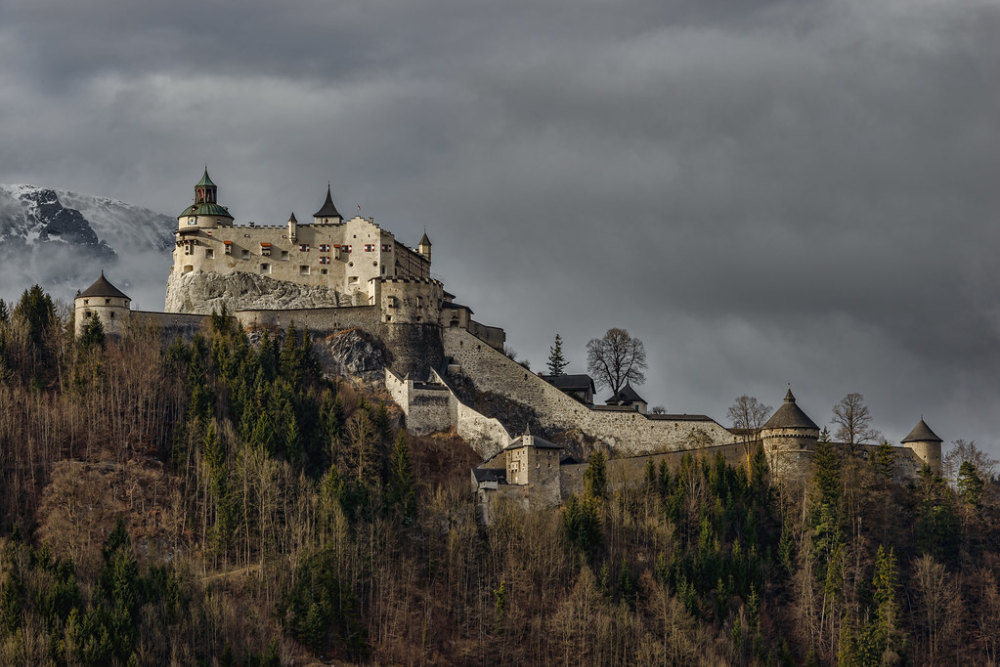
Located at Everland Resort in South Korea, Eagles Fortress was an Arrow suspended coaster that swung riders through a mountainous terrain. The ride opened with massive fanfare in 1992 and quickly became the park’s signature attraction due to its interaction with the natural landscape.
After operating for just one season, structural issues were discovered that would have required a complete rebuild, and the park opted to close it rather than invest in the necessary repairs.
Vertigo
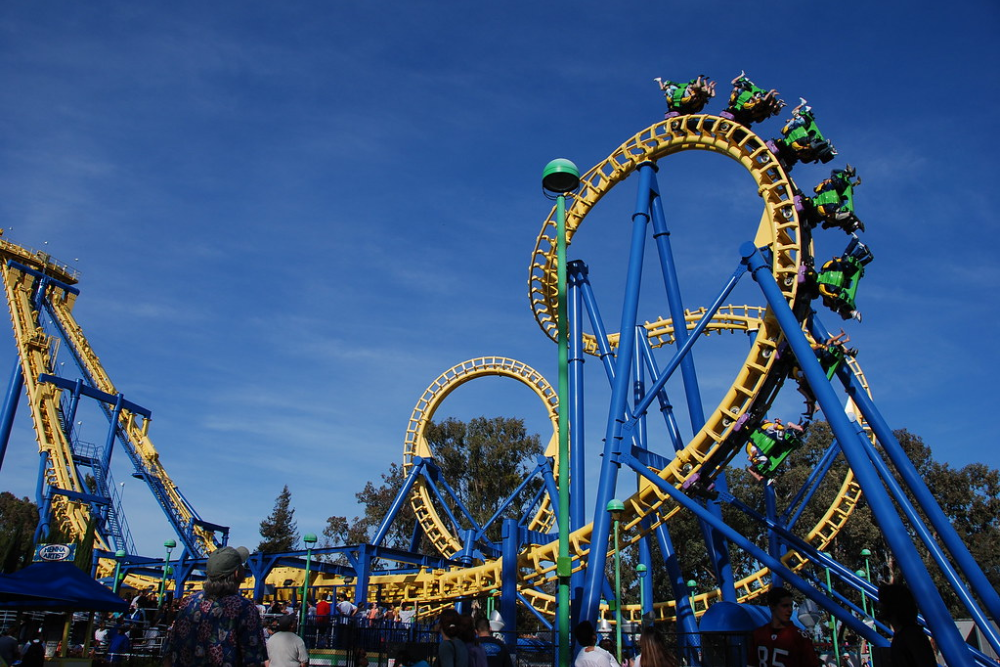
Six Flags Great America introduced this unique tower ride in 2001 as a centerpiece attraction. The ride featured three 200-foot towers with seats that would slowly rise before dropping at speeds over 50 mph.
After a full season of operation, the ride was closed due to mechanical reliability issues that couldn’t be resolved cost-effectively. The manufacturer eventually went out of business, making parts impossible to source and sealing the ride’s fate.
Like Go2Tutors’s content? Follow us on MSN.
Titan’s Revenge

This wooden racer at the now-defunct Celebration City in Branson, Missouri operated for just under one season in 2003. The coaster was plagued by structural problems from the beginning, with rough transitions and track alignment issues that made the ride experience uncomfortably jarring.
After multiple shutdowns for repairs during its brief run, management determined that the cost to fix the fundamental design flaws exceeded the value of keeping it operational.
Steel Phantom
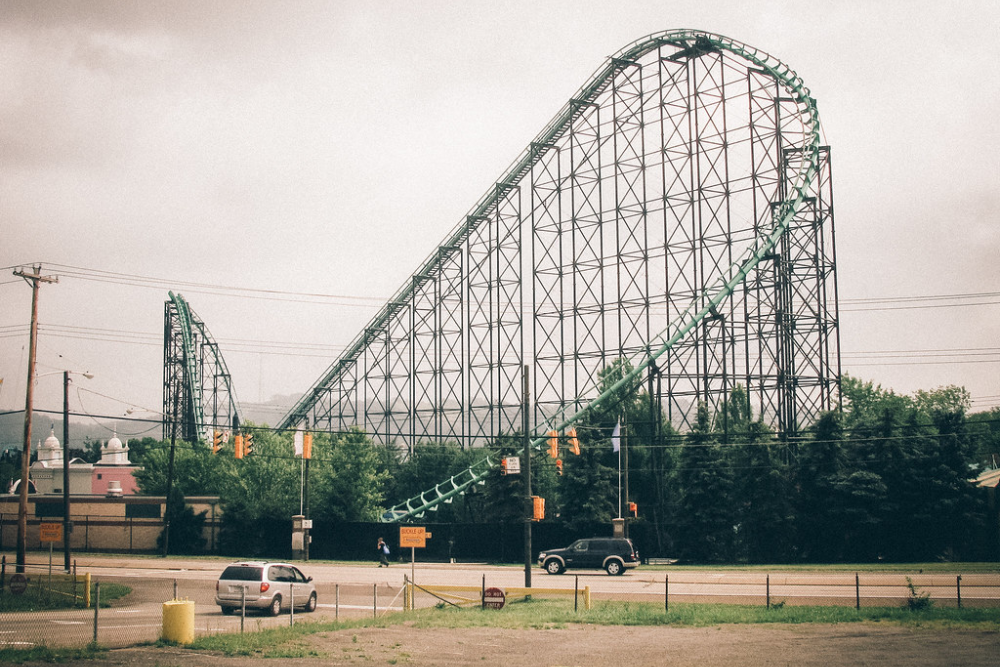
Kennywood Park’s Steel Phantom opened in 1991 with four inversions and speeds of 80 mph. While technically it operated for several seasons, the original version lasted just one year before major modifications were required.
The extreme G-forces in the loops and corkscrews were so intense that riders frequently experienced pain instead of enjoyment. The ride was eventually reborn as Phantom’s Revenge with the inversions removed, essentially becoming an entirely new attraction.
Psyclone

This wooden coaster at Six Flags Magic Mountain was built as a replica of the famous Cyclone at Coney Island. When it opened in 1991, riders immediately complained about the jarring experience that was far rougher than the original.
After a single season of operation in its original form, the park was forced to make significant modifications, effectively creating a different ride experience. Even with changes, the coaster never gained popularity and was eventually demolished in 2007.
Like Go2Tutors’s content? Follow us on MSN.
Big Bad Wolf

Busch Gardens Williamsburg’s suspended coaster was a pioneering attraction that swung riders through a European-themed village. While technically operating for multiple seasons, the original, unrestricted version lasted just one season before significant modifications were made.
The swinging cars originally had more freedom of movement, but after numerous reports of motion sickness and operational issues, the park limited the swing capacity, essentially creating a different ride experience from what was initially marketed.
Disaster Transport

Cedar Point’s enclosed bobsled coaster began life as Avalanche Run, an outdoor attraction. After one season, the park enclosed the entire ride and rebranded it as Disaster Transport with an elaborate space-themed storyline.
The original attraction effectively ceased to exist after that first season, transforming into what many considered an entirely different experience. The reimagined ride lasted until 2012 when it was removed to make room for GateKeeper.
X

Six Flags Magic Mountain’s revolutionary 4D coaster opened in 2002 with seats that could rotate 360 degrees independently of the track. The groundbreaking design proved too ambitious, with technical issues keeping it closed more often than open during its debut season.
After that first troubled year, the ride was shut down for a complete overhaul that lasted nearly two years, reopening as X2 with significant modifications to both the mechanical systems and the overall experience.
Like Go2Tutors’s content? Follow us on MSN.
Batman & Robin: The Chiller

This dual-track launched coaster at Six Flags Great Adventure opened in 1998 with tremendous hype. The complex launch system and tandem operation proved problematic from day one, with the ride frequently operating with only one side functioning or not operating at all.
After its first full season, the park was forced to close it for extensive modifications, and even after reopening, it never achieved consistent reliability, finally being removed in 2007.
Hard Rock Park’s Led Zeppelin

This multi-sensory coaster experience at the ill-fated Hard Rock Park in Myrtle Beach synchronized a high-speed ride with classic Led Zeppelin music. When the park opened in 2008, economic conditions were already deteriorating, and despite the coaster’s innovative approach, the entire park went bankrupt after just one operating season.
What could have become an iconic attraction never had the chance to establish itself before financial realities shut down the entire operation.
Thunder Run
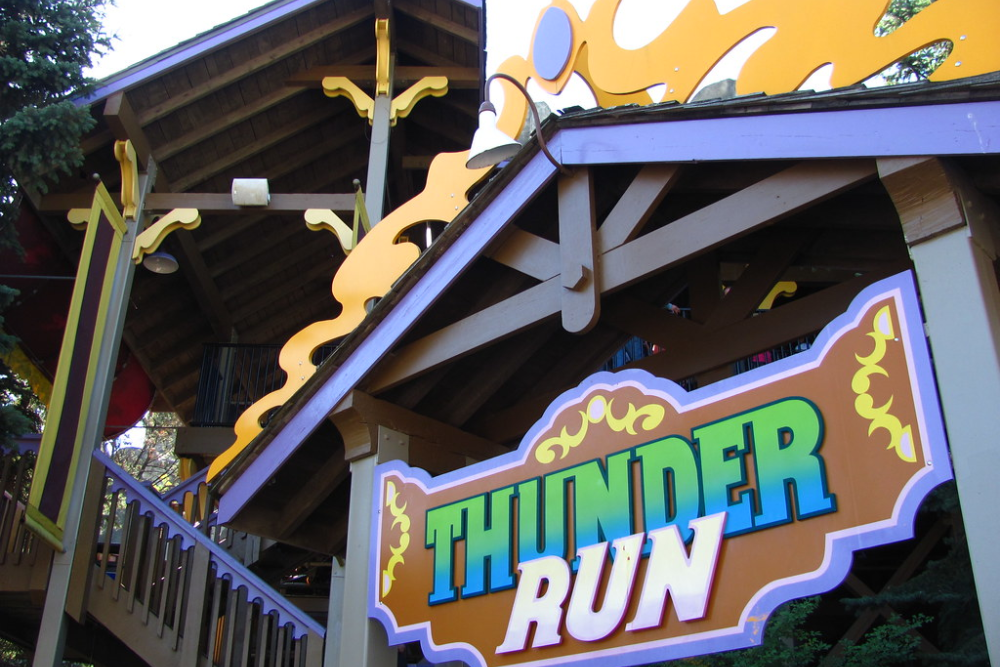
Geauga Lake’s bobsled coaster operated for a single season in 1986 before serious structural issues forced its closure. The unique design featured a trough rather than traditional rails, allowing the cars to slide freely like an actual bobsled.
Unfortunately, the mechanism proved too difficult to maintain in Ohio’s variable climate, with frequent breakdowns occurring during temperature changes. After numerous operational problems, the park removed it rather than continuing to struggle with its temperamental nature.
Like Go2Tutors’s content? Follow us on MSN.
Dragon Challenge
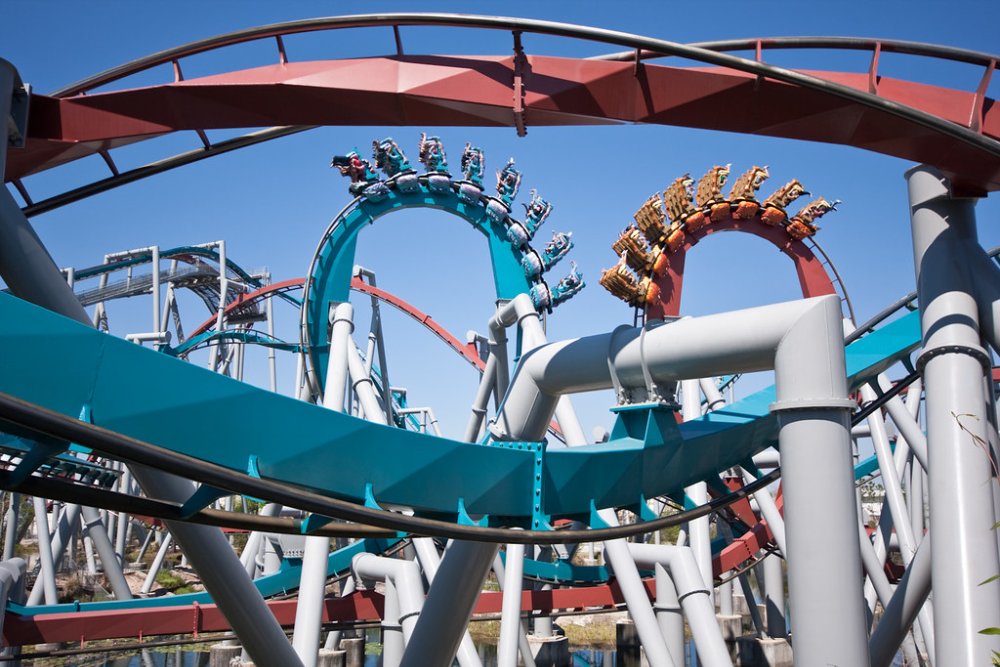
While Universal’s Islands of Adventure dueling coasters operated for many years, the original dueling format lasted just one full season. When the attraction opened as Dueling Dragons, the coasters were precisely timed to create near-miss moments as the trains passed each other.
After a series of incidents where loose objects from one train struck riders on the other, the synchronization was abandoned, fundamentally changing the experience and eliminating the signature ‘dueling’ element that had been its primary marketing point.
The Thrill of Yesterday, the Reality of Today

The roller coaster industry continues to evolve with modern engineering making rides safer and more reliable than ever before. Many of these short-lived attractions represent ambitious ideas that pushed beyond what was technically feasible at the time.
Today’s theme park visitors benefit from these hard lessons as manufacturers now extensively test new concepts before bringing them to market. While these 15 coasters may have disappointed during their brief runs, each contributed valuable knowledge that helps create the remarkable thrill rides we enjoy today.
More from Go2Tutors!

- 18 Unexpectedly Valuable Collectibles You Might Have Lying Around
- 15 Things Every Teenager in the ’70s Did That Teens Today Wouldn’t Understand
- 15 Strange Things People Have Tried to Ban (And Failed)
- 15 Inventions That Were Immediately Banned After Being Created
- 20 Actors Who Were Almost Cast in Iconic Roles
Like Go2Tutors’s content? Follow us on MSN.



