The Most Beautiful Abandoned Churches
There’s something haunting about an empty church.
These structures were built to last centuries, designed to inspire awe and house communities in worship.
But time, war, natural disasters, and shifting populations have left some of the world’s most stunning religious buildings in ruins.
What remains are spaces where nature reclaims stone, where light filters through broken stained glass, and where silence has replaced hymns.
Yet even in decay, these abandoned churches possess a beauty that draws photographers, historians, and curious travelers from around the world.
Their crumbling walls and overgrown courtyards tell stories of faith, loss, and resilience.
Here’s a closer look at some of the most breathtaking abandoned churches across the globe.
Whitby Abbey
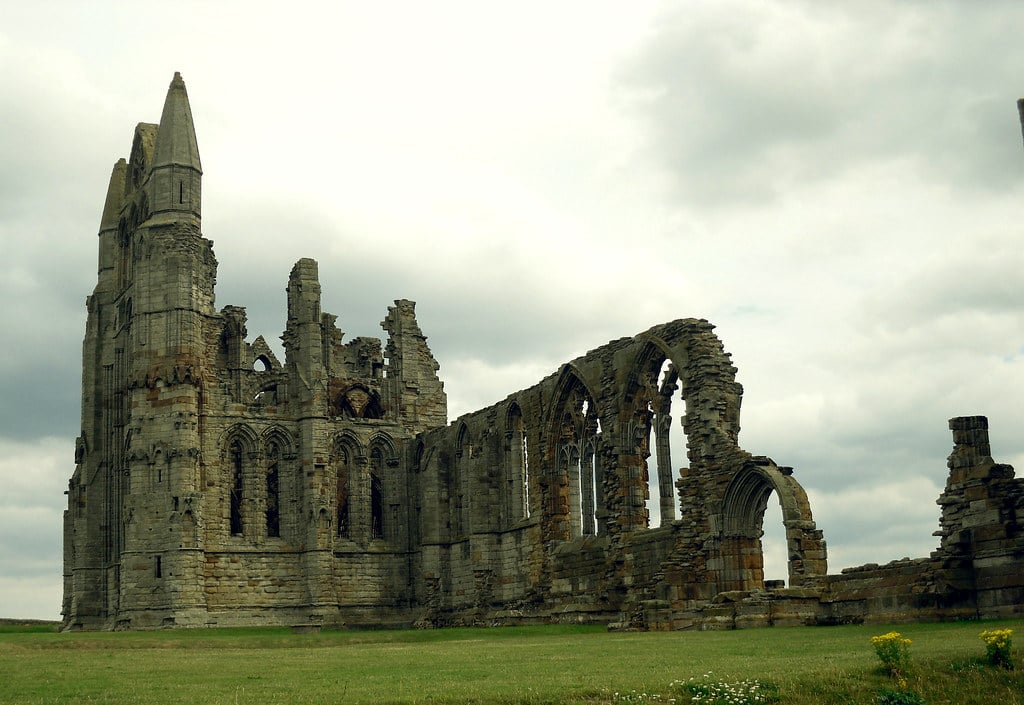
Perched dramatically on clifftops overlooking the North Sea in Yorkshire, England, Whitby Abbey commands attention even in its ruined state.
The abbey’s history stretches back to 657 AD when Abbess Hild founded a monastery on this windswept headland.
The original Anglo-Saxon structure was abandoned in the ninth century, likely due to Viking raids, but in 1078 it was rebuilt as a Benedictine monastery following Gothic traditions.
The ruins visible today date primarily from the 13th century, when the site underwent a massive reconstruction.
Henry VIII destroyed the abbey in 1540 during the Dissolution of the Monasteries, but the walls remained standing as a crucial landmark for sailors navigating the coastline.
In 1914, German battlecruisers shelled the abbey during World War I, causing significant damage to the west front.
Despite centuries of erosion, conflict, and abandonment, efforts to preserve the ruins began in 1993.
Today, visitors can tour the site daily, and the skeletal arches against the sea have become one of northern England’s most iconic views.
Bram Stoker famously drew inspiration from these Gothic ruins when crafting ‘Dracula,’ cementing the abbey’s place in both history and popular culture.
Church of Our Lady of Kazan
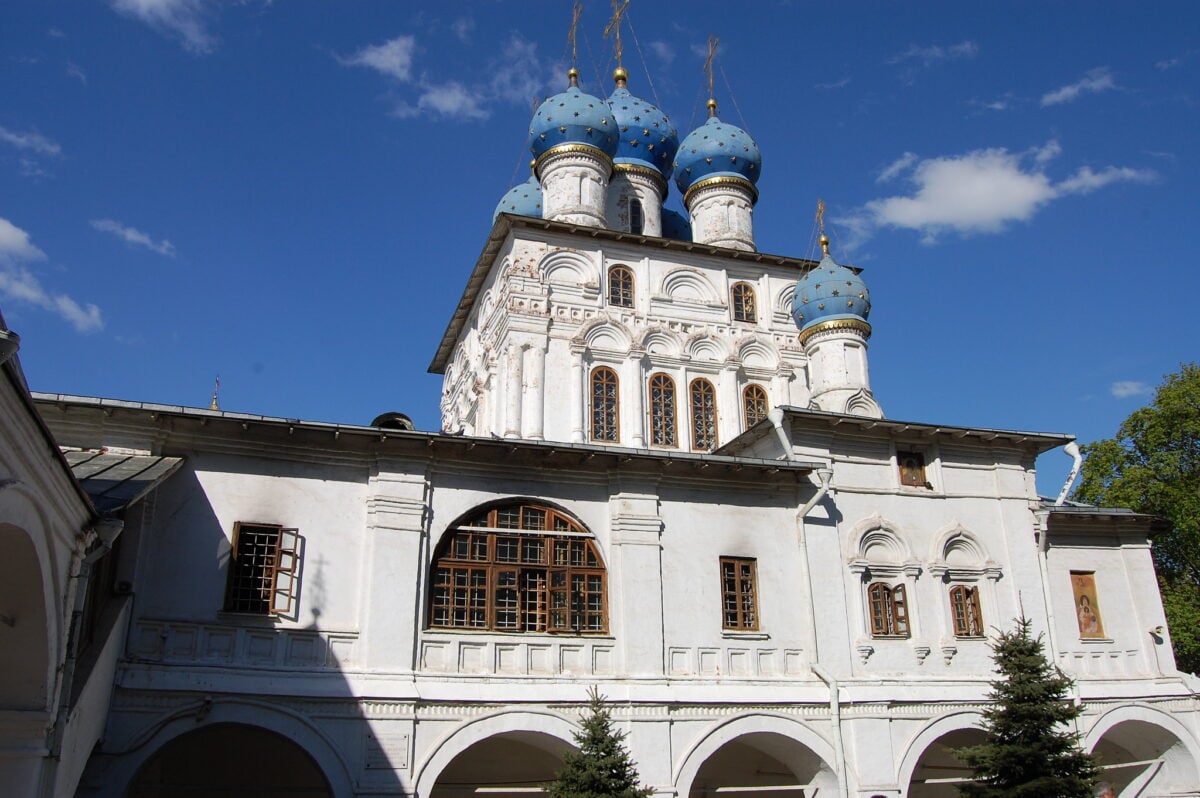
In Russia, the Church of Our Lady of Kazan presents a striking contrast between its glorious past and desolate present.
This structure once stood on an estate so magnificent that Catherine the Great herself admired it.
Now, foliage grows from the collapsed roof, and fallen Corinthian columns lie scattered across the property.
A fence surrounds the site, with no formal pathway for tourists to visit what remains.
The church’s transformation from imperial splendor to forgotten ruin mirrors the tumultuous changes Russia experienced over the past two centuries.
What was once a gathering place for nobility has become a testament to how quickly grandeur can fade when buildings lose their communities.
The classical architecture still visible through the vegetation hints at the craftsmanship and wealth that created this place.
Even without restoration, the ruins maintain an eerie elegance, with nature and architecture creating an accidental collaboration.
Temple of Santiago
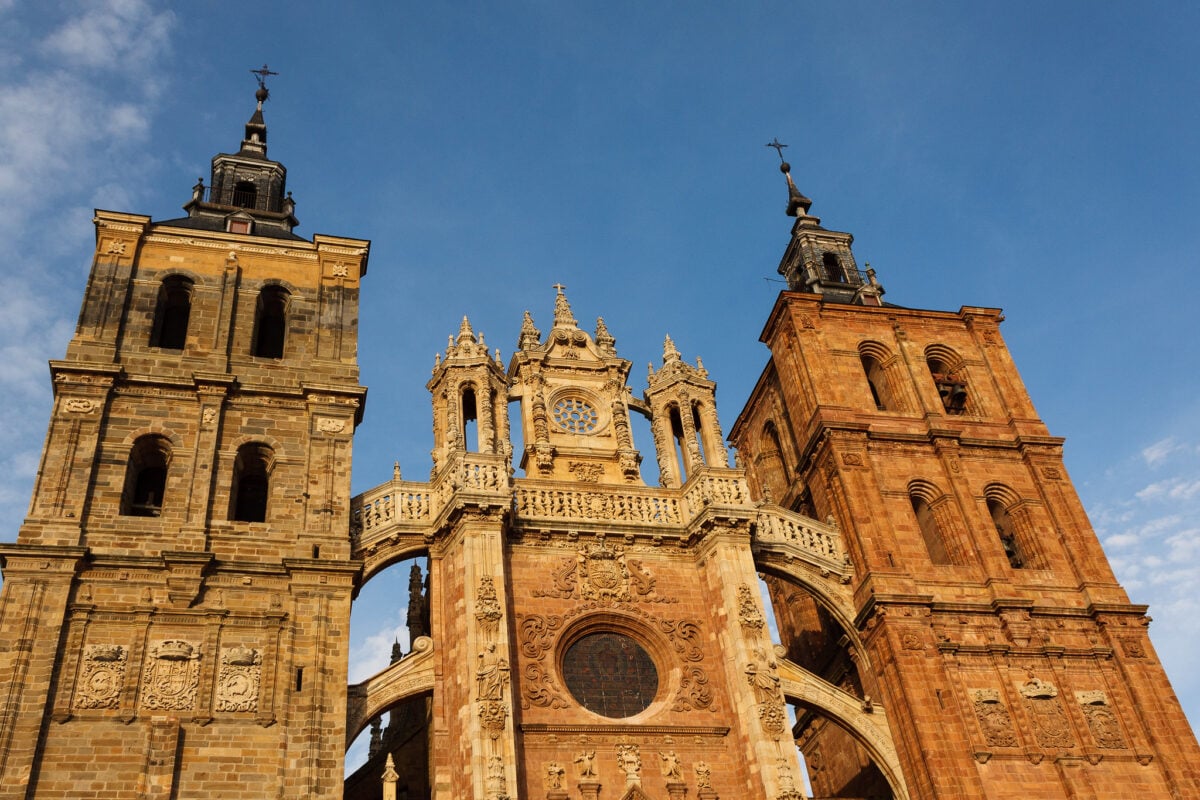
One of the strangest abandoned churches sits mostly underwater in Chiapas, Mexico. The Temple of Santiago was built in the mid-1500s and served its community for two centuries before plagues devastated the area in the 1700s.
The church was abandoned and forgotten until 1966, when the creation of the Nezahualcoyotl reservoir submerged it under nearly 100 feet of water.
For decades, the church remained hidden beneath the surface.
But during severe droughts in 2002 and 2015, water levels dropped dramatically enough that visitors could walk through the church walls for the first time in generations.
Boat tours now operate when water levels allow, giving people a chance to see the half-submerged structure emerging like ruins from Atlantis.
When the church does appear above water, locals celebrate with processions around the building, reconnecting with a piece of their heritage that disappeared beneath the waves.
The temple’s intermittent visibility adds to its mystique, making each emergence a special event.
Villers Abbey
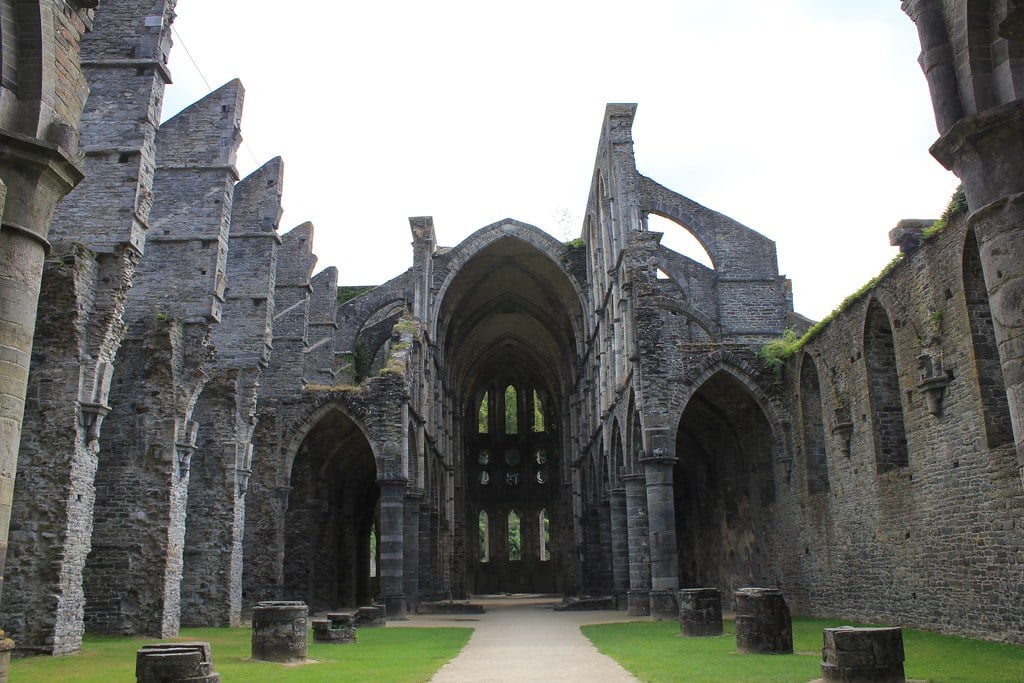
The Belgian village of Villers-la-Ville is home to one of Europe’s most spectacular monastic ruins.
Villers Abbey was founded in 1146 and flourished for centuries until French troops destroyed much of its grandeur in 1794.
The monks who had called it home for over 600 years finally abandoned the site in 1859, when it began operating as a hospice.
The abbey sprawls across nearly 90 acres, with the massive Gothic cathedral dome forming just one section of the enormous complex.
The 12th-century stone structure provides a fascinating window into medieval monastic life, with enough of the architecture intact to imagine how impressive it must have been at its peak.
Today, visitors can tour the grounds, exploring the ruins and surrounding gardens that have been carefully preserved.
The scale of Villers Abbey reminds modern observers of the power and resources religious institutions once commanded, and how thoroughly that influence can vanish over time.
Mission San José de Tumacácori
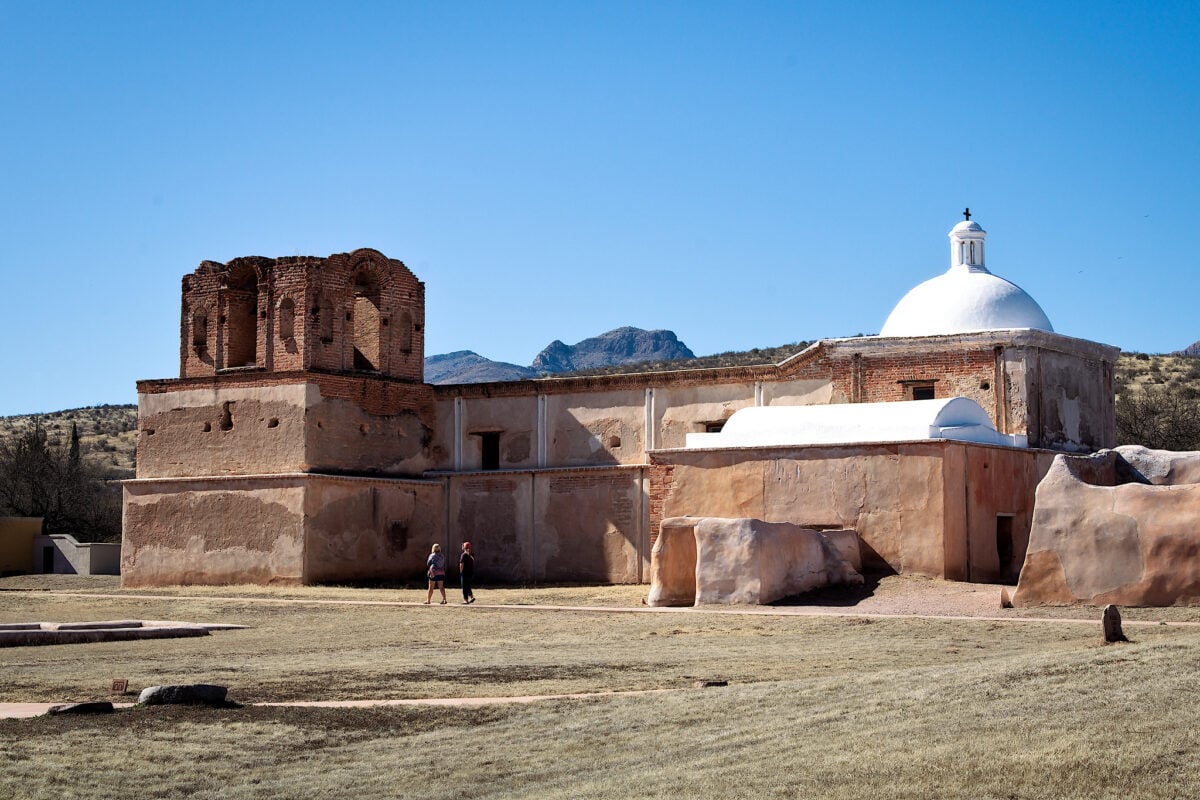
About 45 minutes south of Tucson, Arizona, the ruins of Mission San José de Tumacácori represent an ambitious project that was never completed.
When Franciscans began construction in 1800, they hoped to create a showpiece as beautiful as the nearby Mission San Xavier del Bac.
Apache raids in the 1840s forced the abandonment of the site in 1848, leaving the church unfinished.
The mission ruins now form part of Tumacácori National Historical Park, where visitors can explore what remains of the church, cemetery, and round mortuary chapel.
The adobe walls and partial structures offer a glimpse into Spanish colonial architecture and the complex history of missionary work in the American Southwest.
Unlike some abandoned churches that fell into ruin over centuries, Tumacácori was abandoned while still under construction, freezing it in an incomplete state.
The site serves as a reminder of how dreams and ambitions don’t always survive contact with harsh realities.
Even as ruins, the mission demonstrates the architectural sophistication and aesthetic vision that guided its creators.
Bodie Church
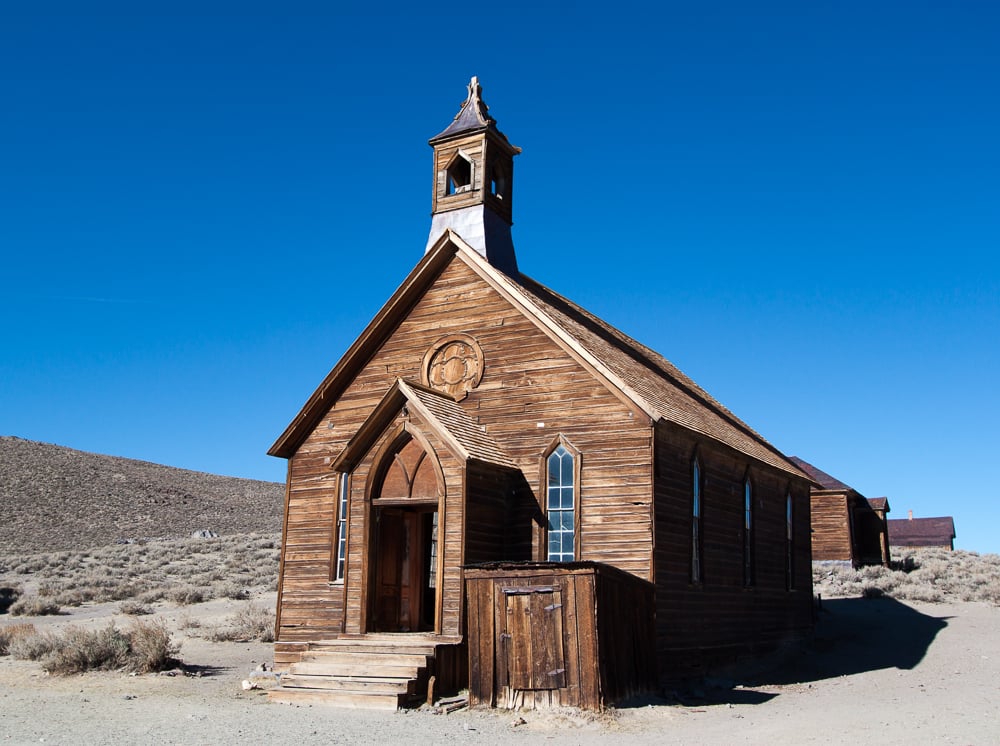
The ghost town of Bodie, California, preserves one of the most photogenic abandoned churches in the United States.
This wooden church stands among almost 200 other buildings in Bodie State Historic Park, all in a state of decline.
Back in the late 1800s, Bodie was infamous for lawlessness, with frequent shootouts and a thriving red-light district.
The church provided residents with a place for prayer and attempted moral guidance in a town that desperately needed both.
The structure has survived remarkably well considering its age and the harsh conditions at Bodie’s high-elevation location.
Its simple wooden construction and modest steeple contrast with the ornate European churches, but it captures something essentially American about frontier life.
Visitors today find the church and the entire ghost town preserved in a state of ‘arrested decay,’ meaning authorities maintain the buildings as they are without restoration or further deterioration.
Walking through Bodie’s abandoned streets feels like stepping back to the Old West, and the church stands as a quiet rebuke to the chaos that once surrounded it.
Woodward Avenue Presbyterian Church

Detroit’s Woodward Avenue Presbyterian Church has sat empty for 17 years, a victim of the city’s well-documented economic decline.
Built in 1894, the church once served as a central gathering place for the community. As Detroit’s population shrank and neighborhoods emptied, congregations dwindled until maintaining these large buildings became impossible.
The Motor City is home to numerous abandoned churches, each representing a community that fractured or relocated as the city’s fortunes changed.
These buildings, constructed to last for generations, became too expensive to heat, too large for shrinking congregations, and too damaged to save.
Woodward Avenue Presbyterian exemplifies the particular sadness of relatively modern abandonment.
Unlike medieval ruins that feel distant from current life, this church was thriving within living memory.
The rapid abandonment of Detroit’s religious architecture tells a story about American deindustrialization and urban decline that’s still unfolding.
Why They Still Haunt Us

Abandoned churches fascinate us partly because they represent such a dramatic reversal of intent.
These buildings were constructed as permanent statements of faith, community, and architectural ambition.
Their abandonment signals shifts too large for any single structure to withstand: population movements, religious decline, economic collapse, natural disasters, and war.
The beauty that persists in these ruins isn’t despite their decay but often because of it.
Vines climbing through windows, trees growing from naves, and weather-worn stone create collaborations between human craft and natural processes that no architect could design.
Light enters these spaces differently than it did when roofs were intact, creating dramatic effects that draw photographers and artists.
Yet beneath the aesthetic appeal lies something more sobering.
Each abandoned church represents communities that scattered, traditions that ended, and intentions that went unfulfilled.
The craftsmanship visible in these ruins—the stonework, stained glass, and careful construction—makes their abandonment even more poignant.
These weren’t temporary structures.
They were built to last forever. The fact that they didn’t reminds us that nothing does, no matter how solid it seems when first constructed.
That’s a melancholy lesson, but one that makes the beauty of these ruins feel earned rather than cheap.
More from Go2Tutors!

- The Romanov Crown Jewels and Their Tragic Fate
- 13 Historical Mysteries That Science Still Can’t Solve
- Famous Hoaxes That Fooled the World for Years
- 15 Child Stars with Tragic Adult Lives
- 16 Famous Jewelry Pieces in History
Like Go2Tutors’s content? Follow us on MSN.



