Recipes Requiring Weeks or More to Prepare
Some recipes demand patience. Not the kind where you wait an hour for bread to rise, but the kind where you mark your calendar in months.
These foods transform through time, developing flavors that simply can’t be rushed. The waiting becomes part of the process, and somewhere along the way, anticipation becomes as much a part of the experience as the final taste.
Traditional Balsamic Vinegar
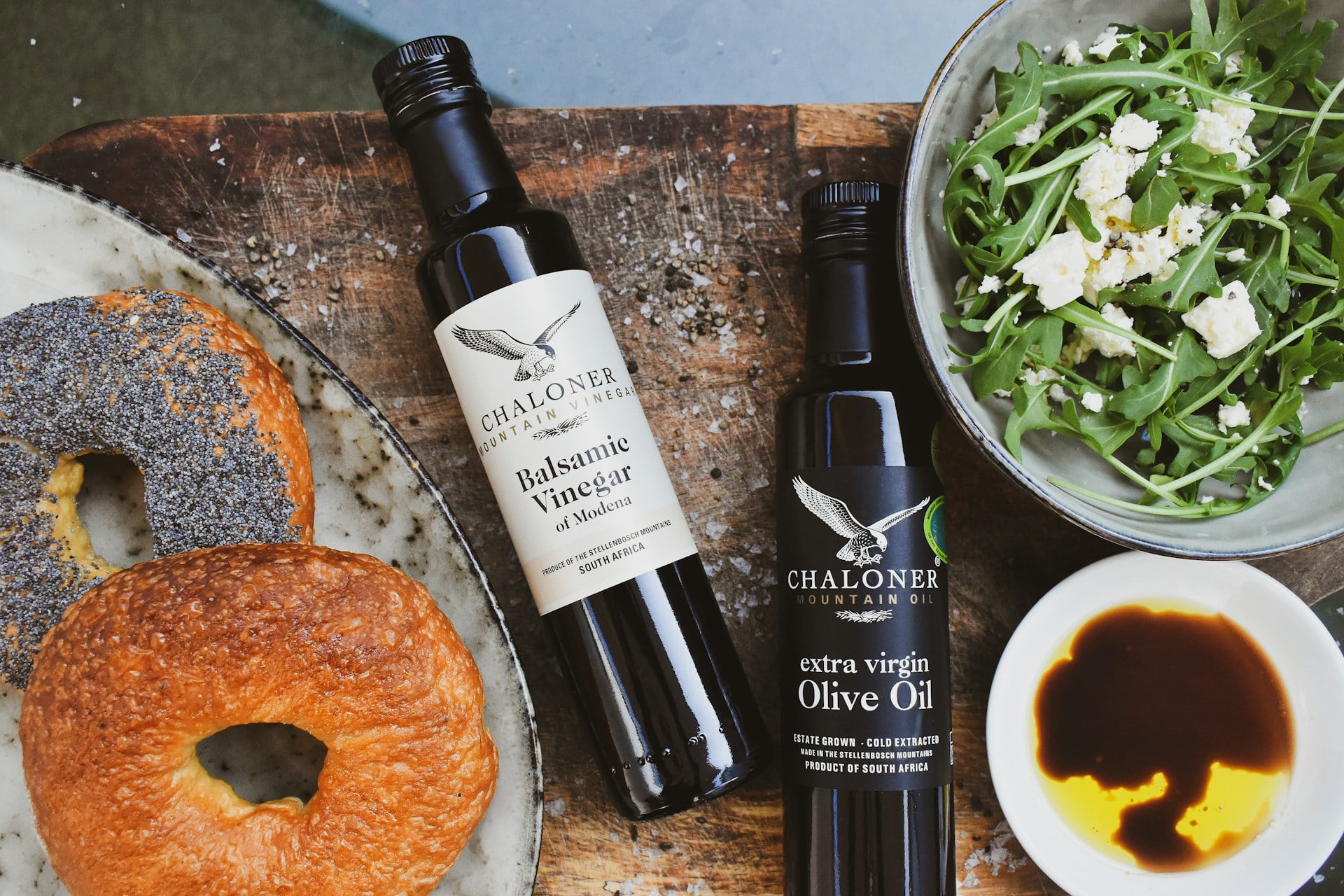
True balsamic vinegar from Modena takes at least 12 years to make, and the best versions age for 25 years or more. The process starts with grape must—freshly crushed grape juice complete with skins, seeds, and stems—boiled down to a thick syrup.
This syrup goes into wooden barrels where it ages, moving through a series of progressively smaller barrels made from different woods. Each wood adds its own character.
The vinegar evaporates and concentrates over time, losing volume while gaining complexity. A producer might start with 100 liters and end up with just 15 after decades of aging.
The result tastes nothing like the thin, acidic liquid sold in most grocery stores. It’s thick, sweet, complex—more like a condiment than a vinegar.
Aged Prosciutto di Parma
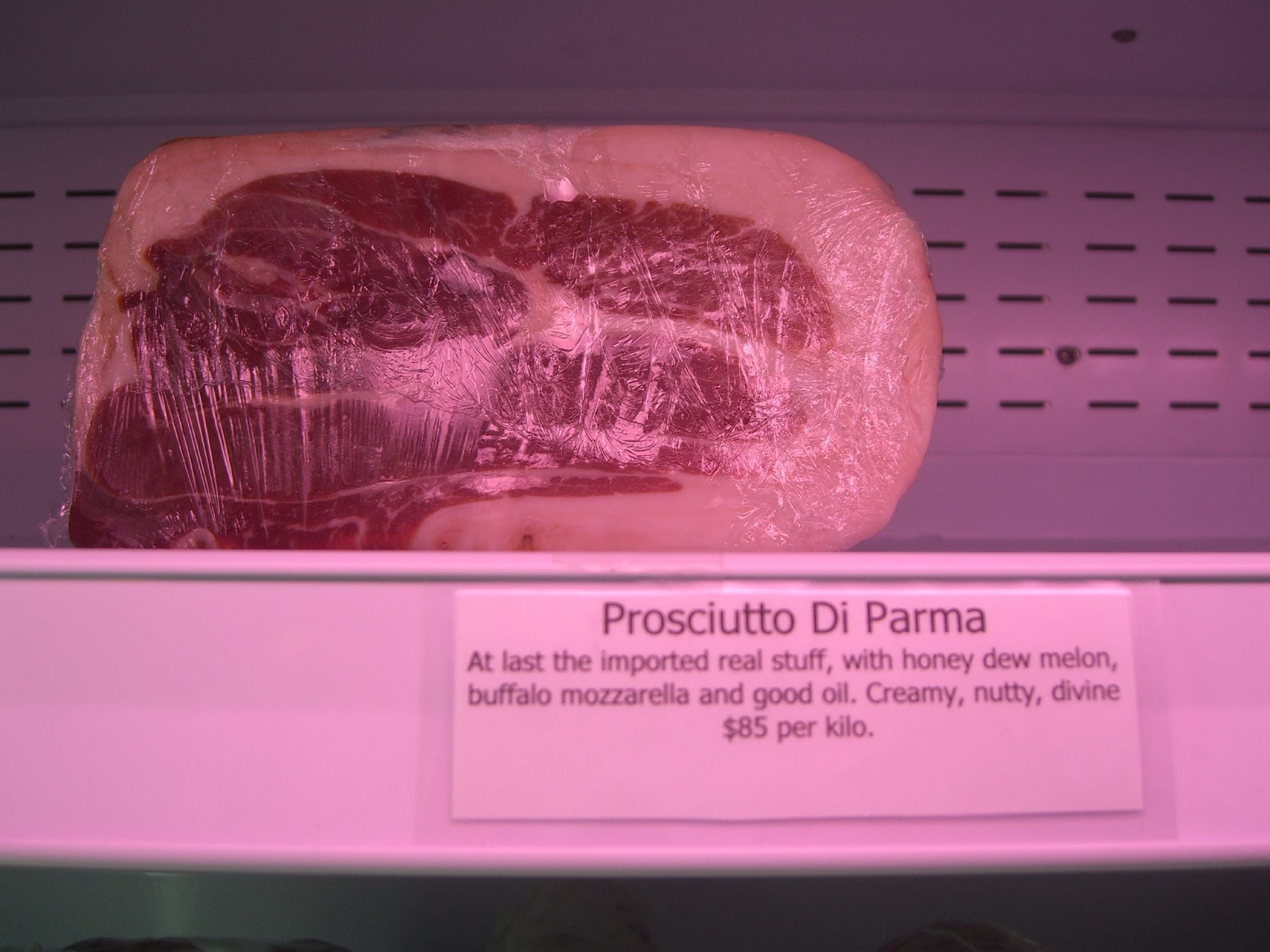
Making prosciutto di Parma requires at least 12 months and often stretches to 36. The process begins simply enough: salt gets rubbed into fresh pork legs, which then hang in temperature-controlled rooms.
But the simplicity hides the precision required. Too much humidity and the meat spoils.
Too little and it dries out improperly. After the initial salting and drying phases, the legs move to aging rooms where they hang for months.
During this time, the fat slowly penetrates the meat, creating that characteristic sweet, nutty flavor. Producers test the meat by inserting a horse bone needle into different spots—the bone absorbs aromas and tells them whether the aging is progressing correctly.
The waiting can’t be shortened. The chemical changes that create prosciutto’s flavor happen at their own pace, governed by time and careful environmental control.
Rush it and you get something edible but unremarkable. Wait and you get something extraordinary.
Kimchi: Beyond the Quick Version
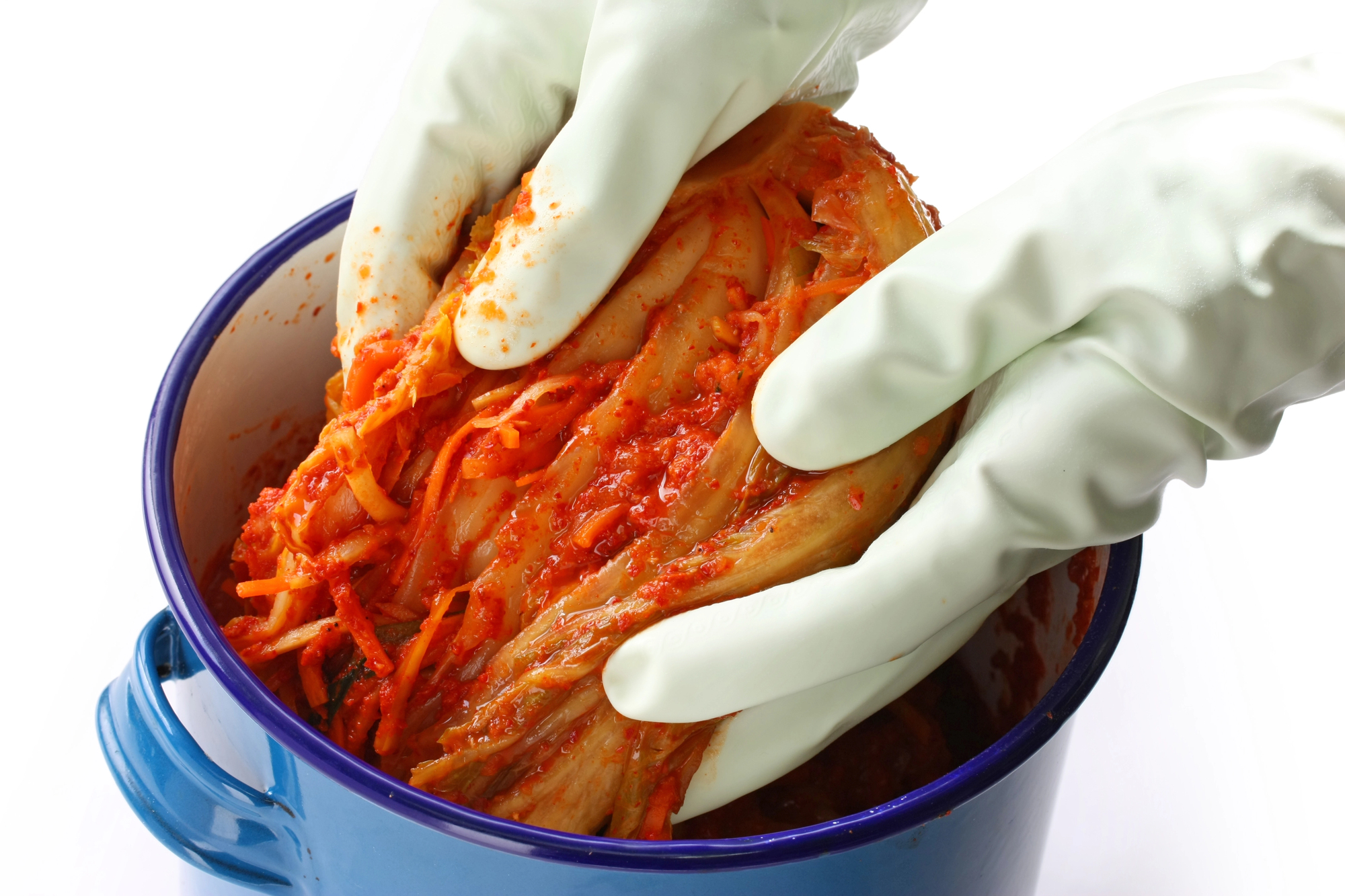
Most people make kimchi that ferments for a few days or weeks. But traditional kimchi, the kind Korean families have been making for centuries, often ferments for months.
Some versions age for a full year or more, buried in earthenware pots underground where temperature stays consistent. The flavor progression is remarkable.
Fresh kimchi tastes bright and crunchy, dominated by the vegetables and spices. After a month, the fermentation deepens the flavors, adding tang and complexity.
Three months in, the vegetables soften and the taste becomes more integrated, less about individual ingredients and more about the whole. Six months or a year brings funky, deeply sour notes that transform the kimchi into something completely different from where it started.
Long-fermented kimchi often gets cooked into stews rather than eaten fresh. The intense flavor that develops becomes too powerful for many people to enjoy raw, but it adds incredible depth to soups and braises.
Bourbon and Whiskey
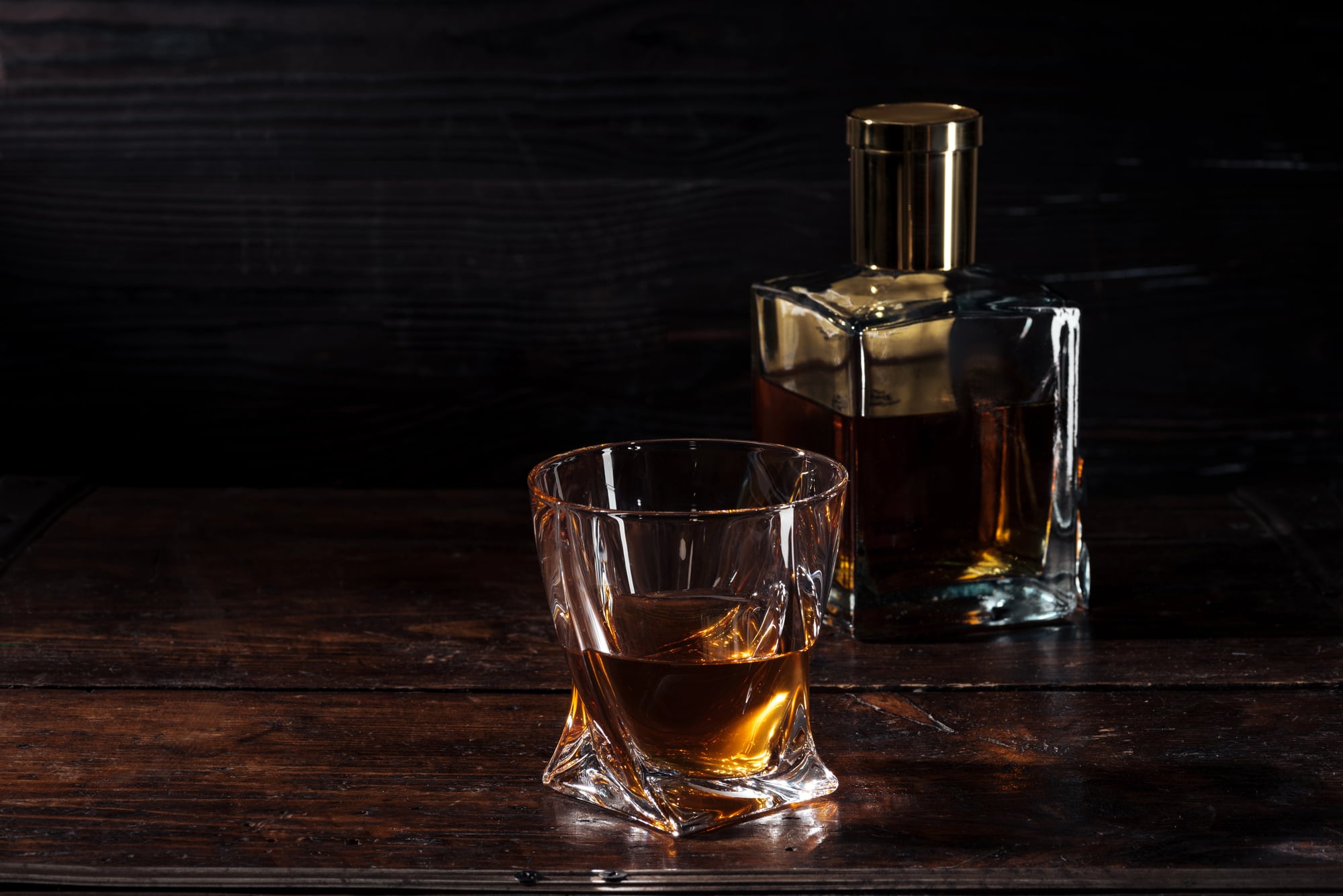
Straight bourbon must age at least two years by American law, though most quality bourbon ages four to six years, and premium versions often age 10 to 20 years. The whiskey enters new charred oak barrels as clear spirit.
Time and wood do the rest. The barrel’s char filters the whiskey while also adding flavors—vanilla, caramel, spice.
Temperature changes cause the whiskey to expand into the wood during warm months and contract during cold months, drawing out different compounds each time. The longer it ages, the more interaction occurs between wood and spirit.
But there’s a point of diminishing returns. Whiskey can age too long, becoming overly woody and losing balance.
Finding that sweet spot—where the spirit has absorbed enough from the barrel without being overwhelmed—is what separates good whiskey from great whiskey.
Dry-Aged Beef
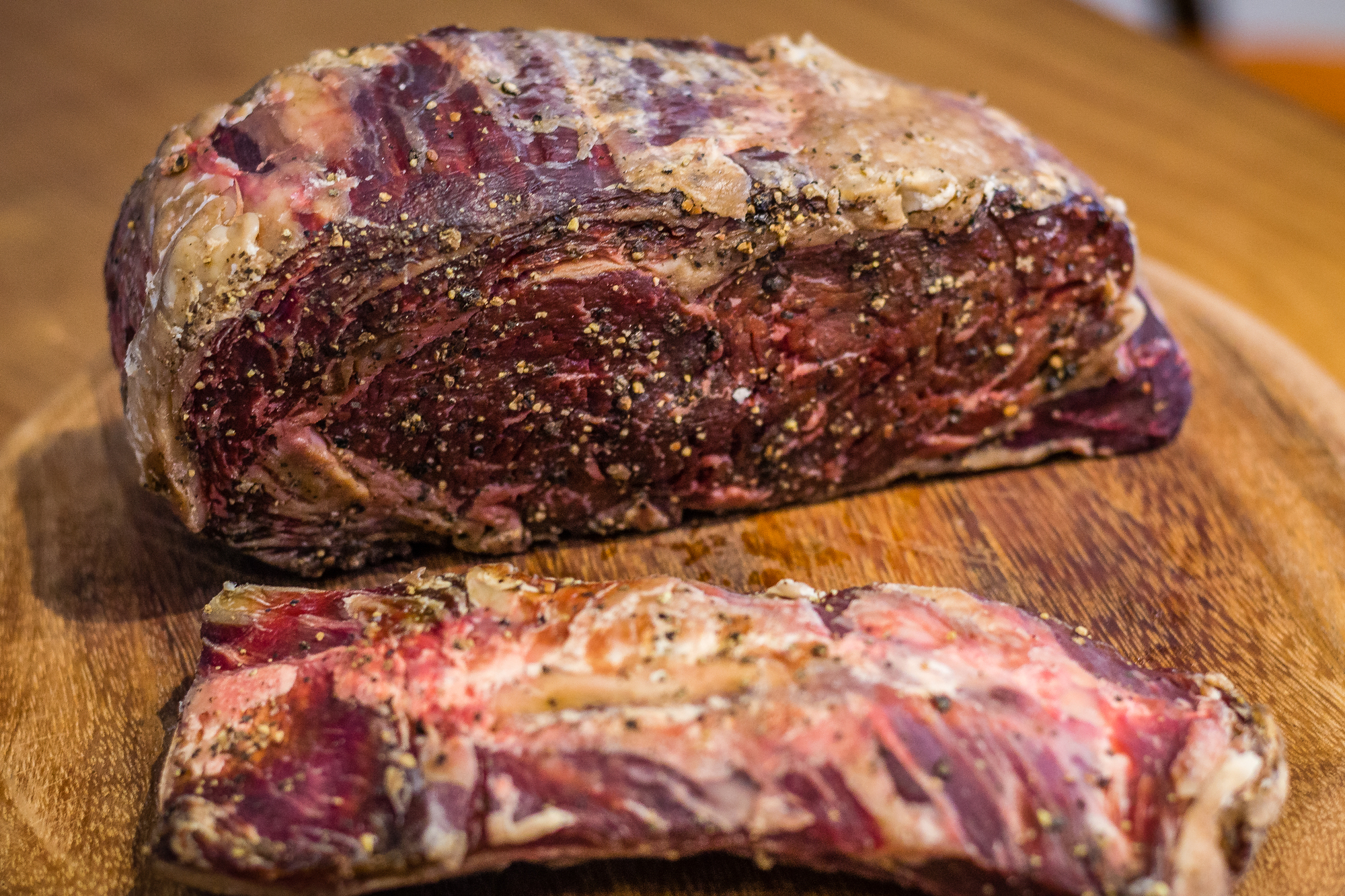
Most dry-aged beef you encounter has aged for 28 to 45 days. But serious steak enthusiasts seek out beef aged for 90 days, 120 days, even 240 days.
The meat hangs in precisely controlled environments where air circulates, surface bacteria develop, and moisture slowly evaporates. During the first few weeks, the meat loses water, concentrating its flavor.
After a month, enzymatic changes start breaking down muscle fibers, tenderizing the meat. Beyond 60 days, the flavor becomes increasingly intense—earthy, funky, almost cheese-like.
Some people love it. Others find it too strong.
The process wastes a significant amount of meat. The exterior develops a hard, dark crust that gets trimmed away before cooking.
A large cut might lose 30 percent of its weight to trimming and evaporation. This waste, combined with the space and time required, makes long-aged beef expensive.
Parmigiano-Reggiano
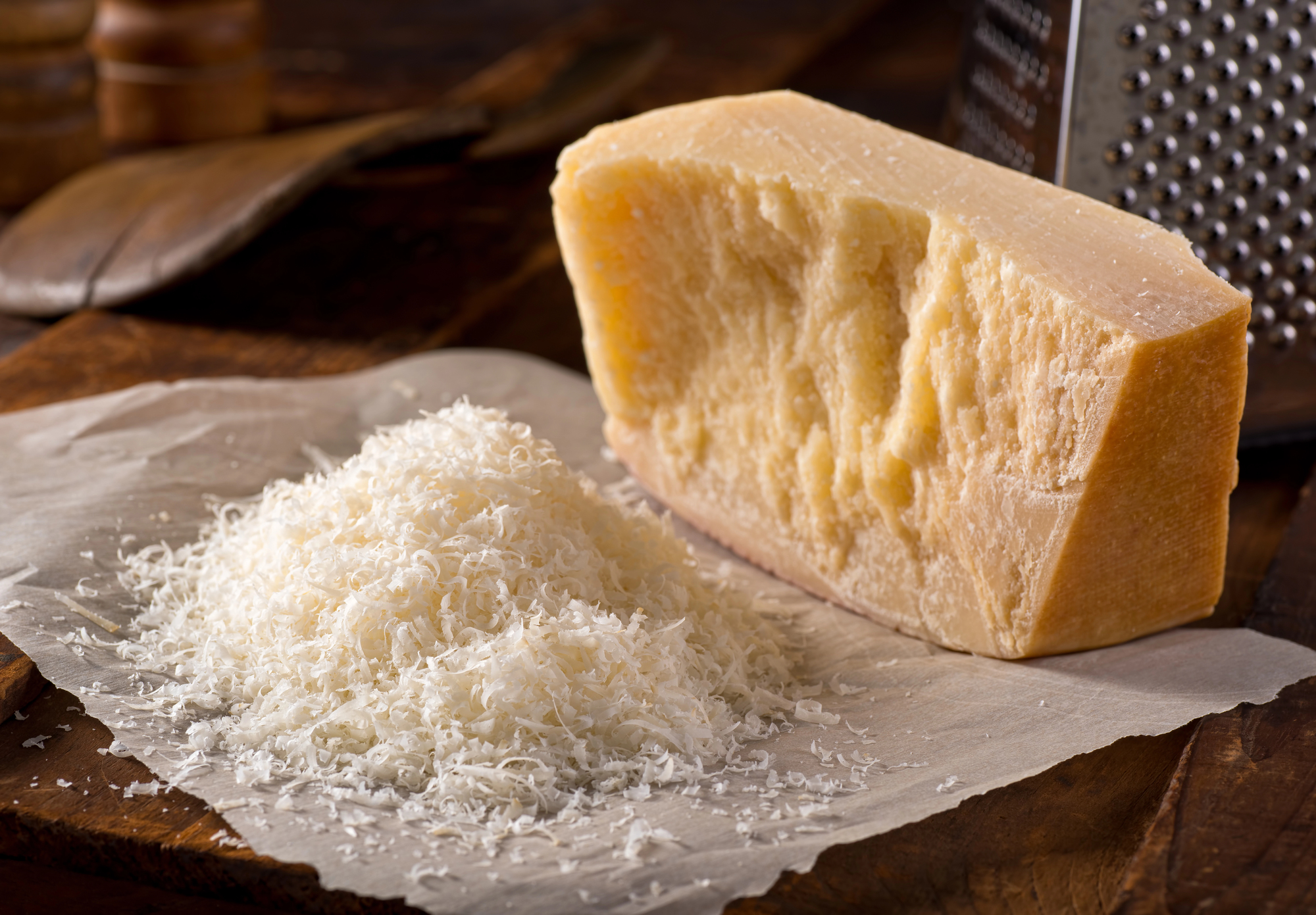
Authentic Parmigiano-Reggiano ages for a minimum of 12 months, but the best versions age 24, 36, even 48 months. The cheese starts as a mixture of cow’s milk, natural whey starter, and rennet, formed into enormous 80-pound wheels.
After a brief brine bath, the wheels begin their long rest on wooden shelves. In the first months, the cheese is soft and milky.
After a year, it develops the granular texture and nutty flavor people associate with Parmesan. At 24 months, those flavors intensify and crystalline bits of tyrosine form throughout the cheese, giving it that pleasant crunch.
At 36 months and beyond, the cheese becomes more complex—fruity notes emerge, the saltiness balances perfectly, and the texture becomes even more crumbly. Each wheel gets inspected at 12 months by expert graders who tap the wheels with small hammers, listening for problems inside.
Only wheels that pass receive the official stamp. The rest get downgraded or sold as generic Parmesan.
Miso Paste
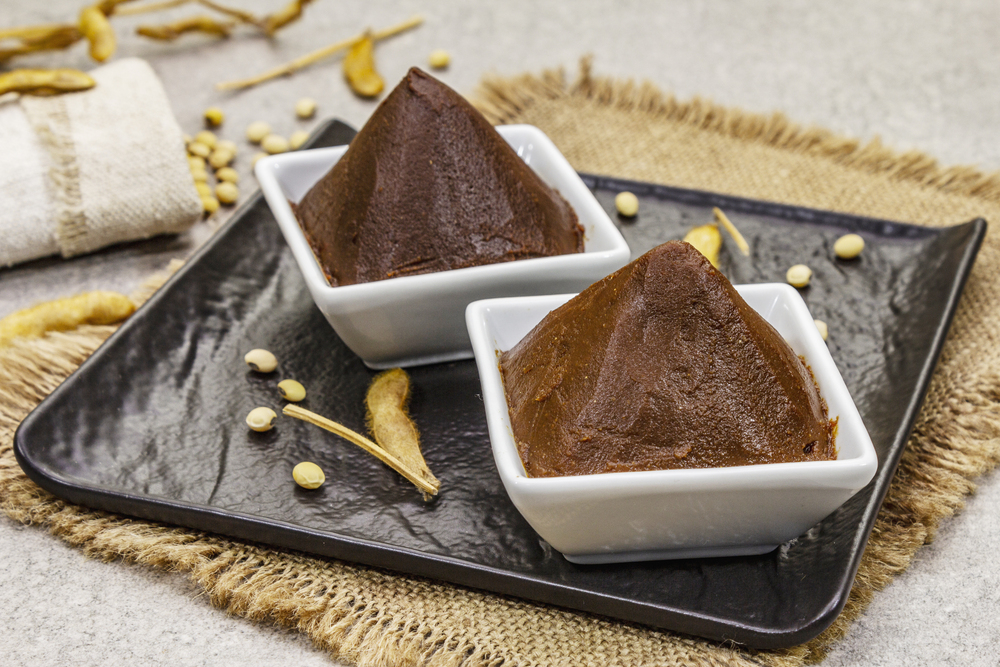
Quick miso takes a month. Traditional miso takes one to three years.
The differences in flavor are profound. Miso begins with cooked soybeans, grain (usually rice or barley), salt, and koji—a mold culture that starts the fermentation.
The mixture goes into containers where it ferments, developing flavor as months pass. Short-fermented miso tends toward sweet and mild—the kind often used in lighter soups and dressings.
Long-fermented miso becomes dark, deeply savory, almost meaty in its intensity. The color darkens from pale cream or yellow to deep reddish-brown or even black.
The longer fermentation also means more of the proteins break down into amino acids, creating more complex umami flavors. Some Japanese families maintain miso batches for years, treating them almost like sourdough starters.
The flavor never stays exactly the same, changing gradually as the fermentation continues. A three-year-old miso tastes noticeably different from a one-year-old batch made from the same recipe.
Garum and Fish Sauce
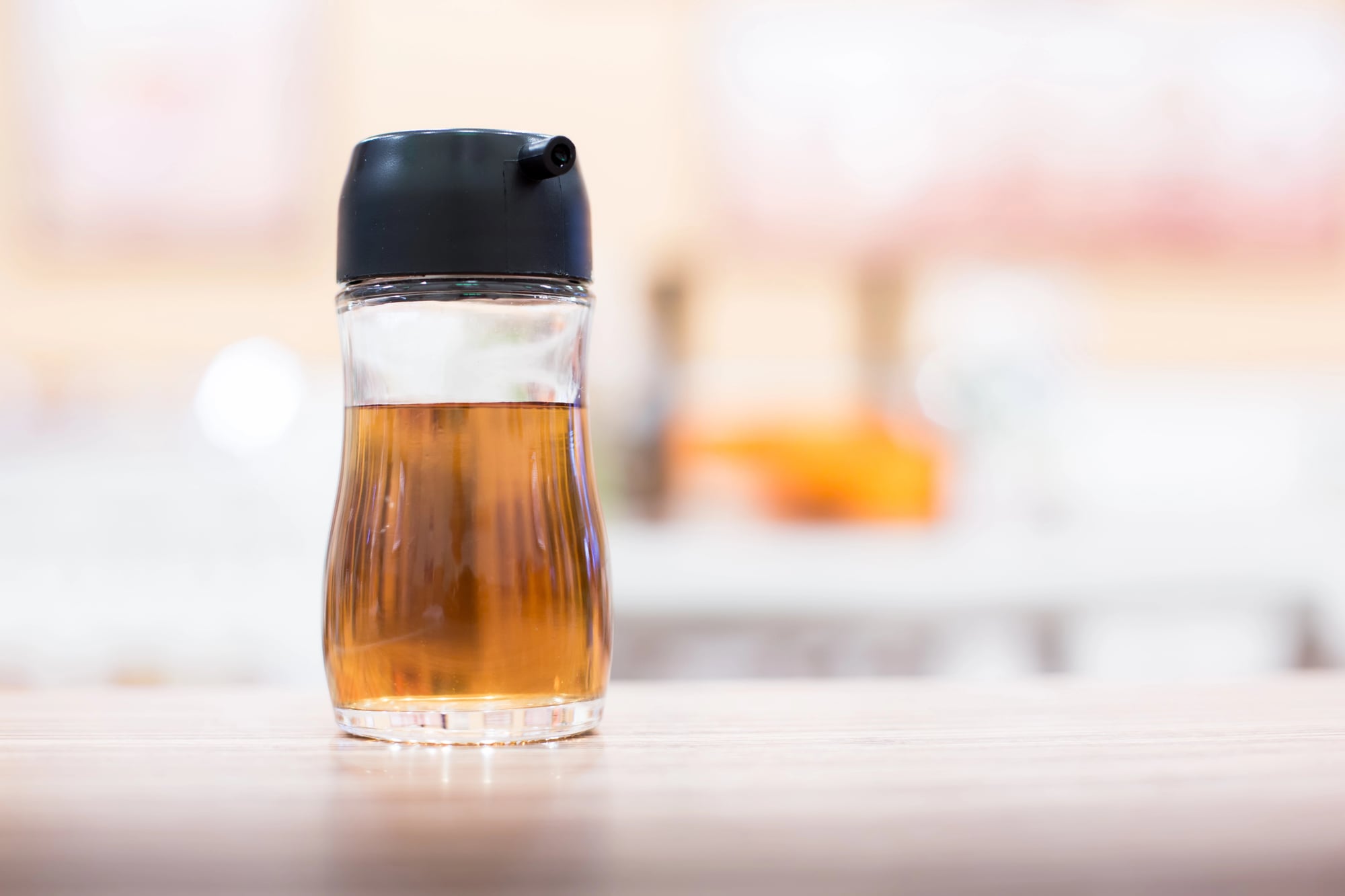
The ancient Romans made garum, a fermented fish sauce, that took months to prepare. Modern Southeast Asian fish sauce follows similar principles.
Fresh fish—usually anchovies—get mixed with salt and left in large containers to ferment. Time and salt do all the work.
In the first weeks, the mixture smells overwhelmingly fishy and unpleasant. But as months pass, enzymes break down the fish proteins into amino acids.
The smell becomes less offensive, more complex. The liquid that drains off transforms from murky to clear, from simply fishy to deeply savory.
Commercial fish sauce usually ferments for at least six months, but premium versions ferment for a year or longer. The extended fermentation creates a rounder, more balanced flavor.
The sauce becomes less harsh, more subtle, with a complexity that cheap versions lack entirely. Some artisan producers let their fish sauce ferment for two years, believing that the extra time creates something worth waiting for.
Sauerkraut and Long-Fermented Vegetables
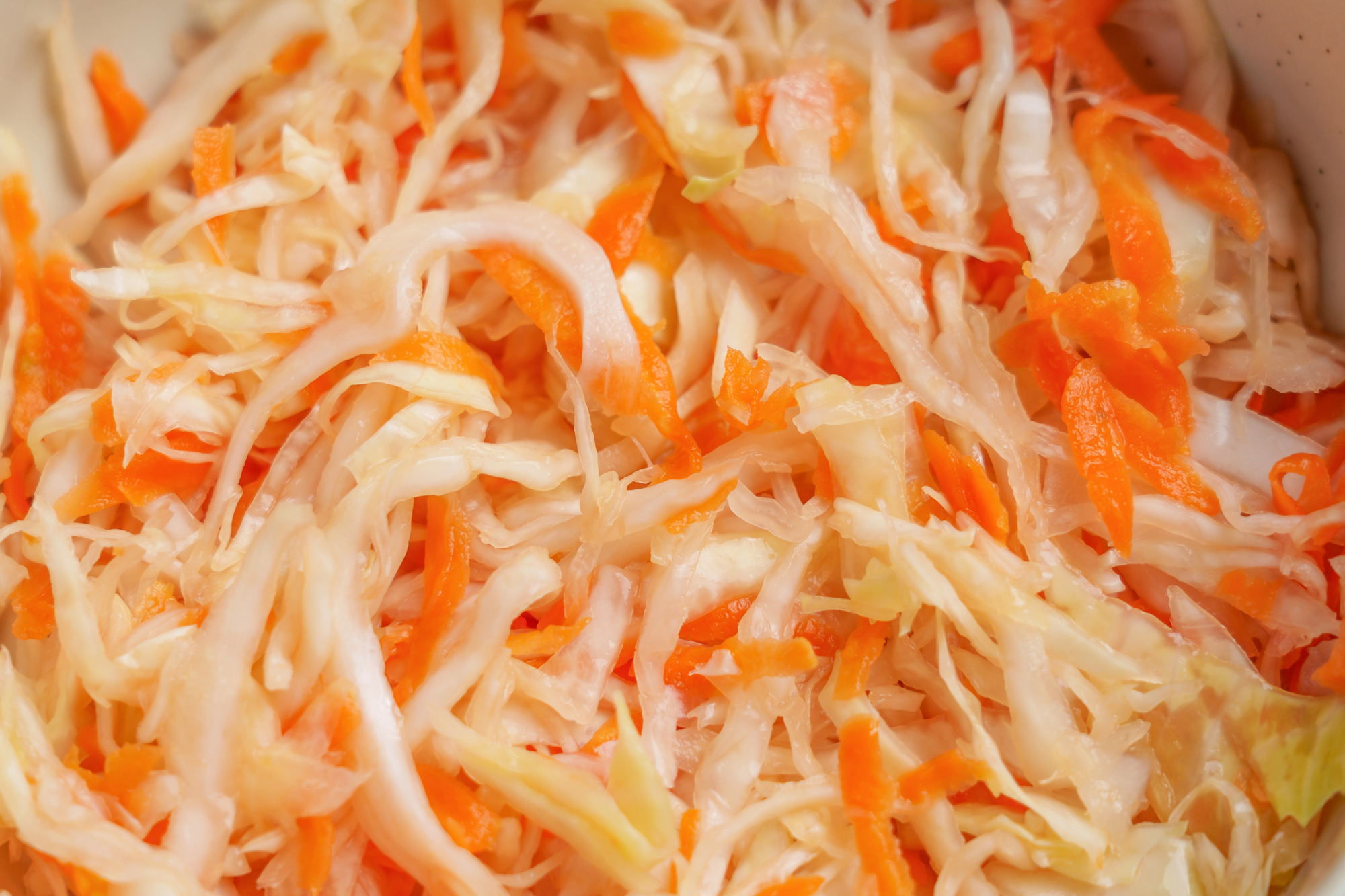
Most home fermenters eat their sauerkraut after two weeks. But sauerkraut can ferment for months, even years.
The flavor evolves continuously. Young sauerkraut tastes bright and tangy with a firm crunch.
Month-old sauerkraut softens and develops more complex sour notes. Three-month-old sauerkraut becomes softer still, with deeper, more developed flavors.
Traditional German families often made sauerkraut in late fall and let it ferment in cool cellars throughout winter, not eating it until spring. The cabbage would ferment slowly in the cold, developing flavors impossible to achieve in a warm kitchen over two weeks.
The same principle applies to other fermented vegetables. Korean radish kimchi, Japanese pickled daikon, Chinese preserved vegetables—all these improve with time, up to a point.
The vegetables eventually become too soft, too sour, but that point often comes much later than most modern recipes suggest.
Authentic Soy Sauce
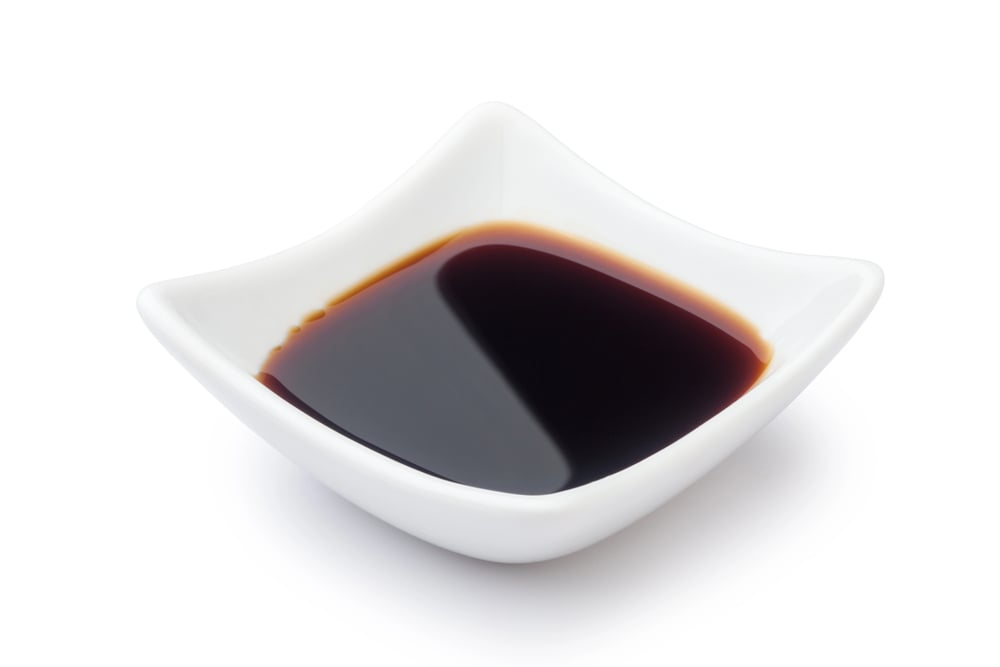
Real soy sauce takes at least six months to make. Premium Japanese soy sauce often ferments for 18 months to three years.
The process begins with soybeans and wheat, inoculated with koji, then mixed with salt water. The mixture ferments in large cedar vats where it slowly develops flavor.
During the first months, the mixture breaks down into its component amino acids and sugars. As time passes, these compounds recombine in countless ways, creating the complex flavor profile that makes soy sauce so versatile.
Young soy sauce tastes harsh and salty. Aged soy sauce develops smoothness, sweetness, and depth that young versions can’t match.
The liquid gets pressed from the solids after fermentation finishes. What comes out bears little resemblance to the thin, salty liquid found in plastic packets at takeout restaurants.
It’s thicker, more aromatic, complex enough to be used sparingly rather than splashed liberally.
Fruit Cakes and Spirit-Soaked Desserts
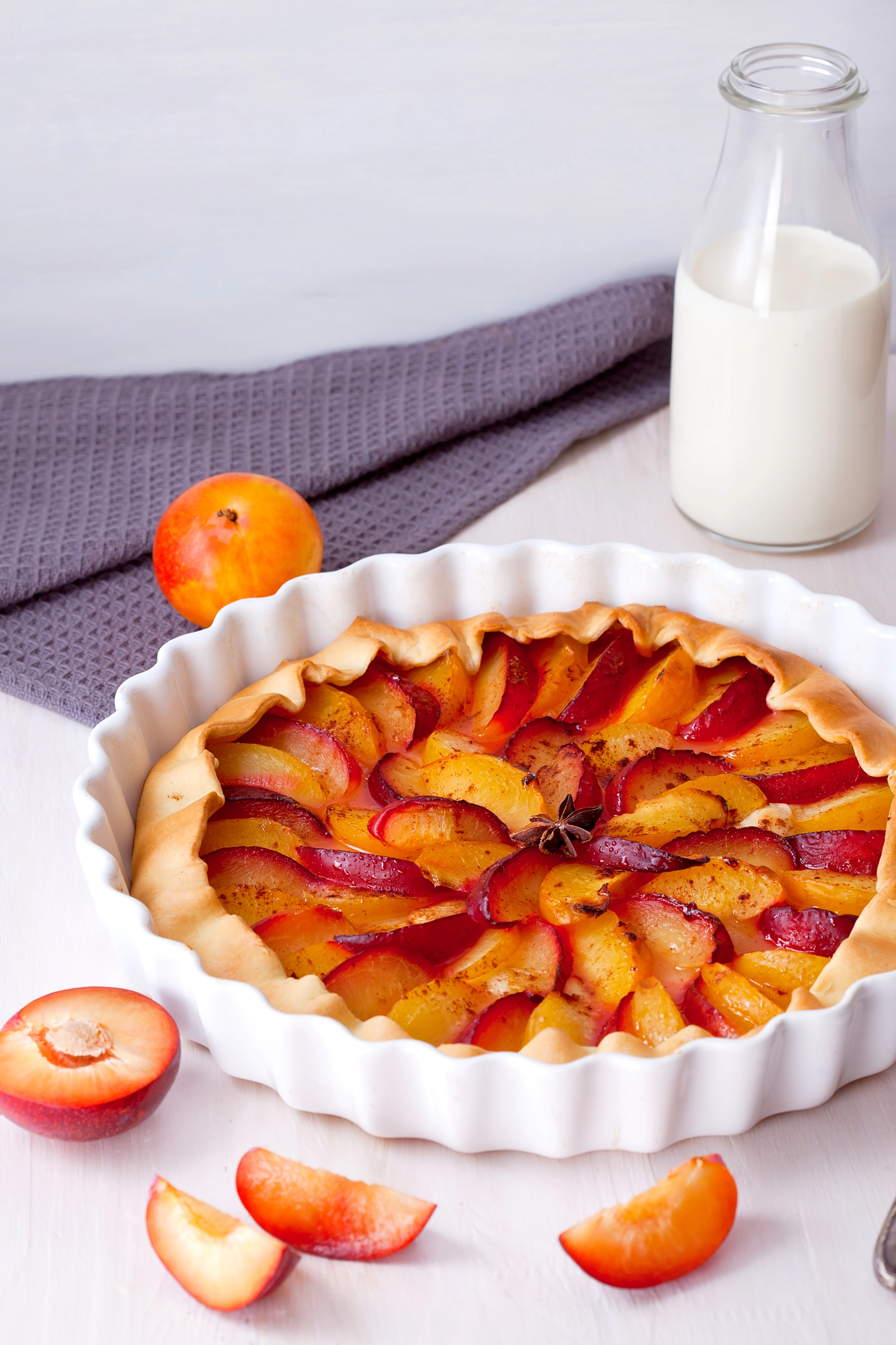
Traditional British fruit cake gets made months before Christmas. The cake bakes heavy and dense, packed with dried fruits and nuts, then gets regularly fed with brandy or rum throughout the fall.
Each week or two, more spirits get brushed or poked into the cake, which gradually absorbs the liquid and mellows. By Christmas, the cake has transformed.
The alcohol preserves it while adding depth. The fruits plump up.
The flavors meld together so thoroughly that you can’t distinguish individual ingredients anymore—just the whole, which tastes richer than the sum of its parts. Some families keep fruit cakes for years, continuing to feed them spirits and letting them age like wine.
A five-year-old fruit cake develops flavors impossible to achieve in a fresh cake. The texture becomes denser, almost fudgy.
The taste deepens into something nearly black in its intensity.
Salami and Dry-Cured Sausages
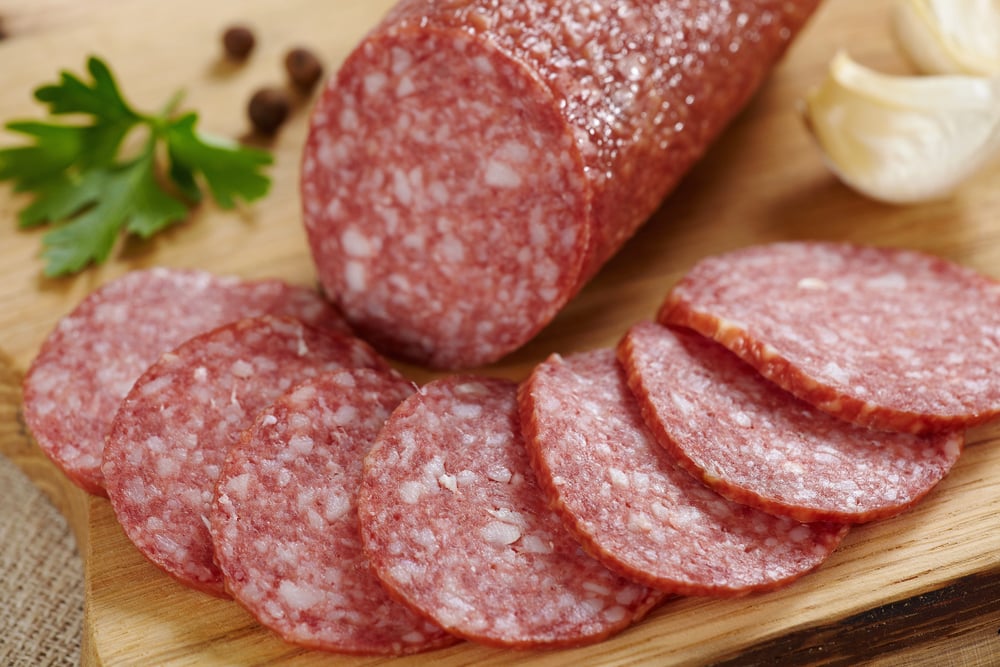
Making salami at home takes months. The meat gets ground, mixed with spices and curing salts, then stuffed into casings and hung in a carefully controlled environment.
Temperature, humidity, and air movement all need monitoring. The sausages dry slowly, losing moisture while developing flavor.
Early on, the salami tastes raw and harsh. After a month, it begins firming up and developing the tangy flavor from lactic acid fermentation.
At two months, the texture improves and the flavors integrate. Three months brings more complexity—the meat tastes more concentrated, the spices have mellowed, and that characteristic salami funk has developed.
Some Italian salamis age six months or longer. The longest-aged versions become firm enough to grate, with intensely concentrated flavors.
Making them requires skill and patience. Too warm and the fat goes rancid.
Too humid and mold becomes a problem. Too dry and the exterior hardens before the interior cures properly.
Cave-Aged Cheeses
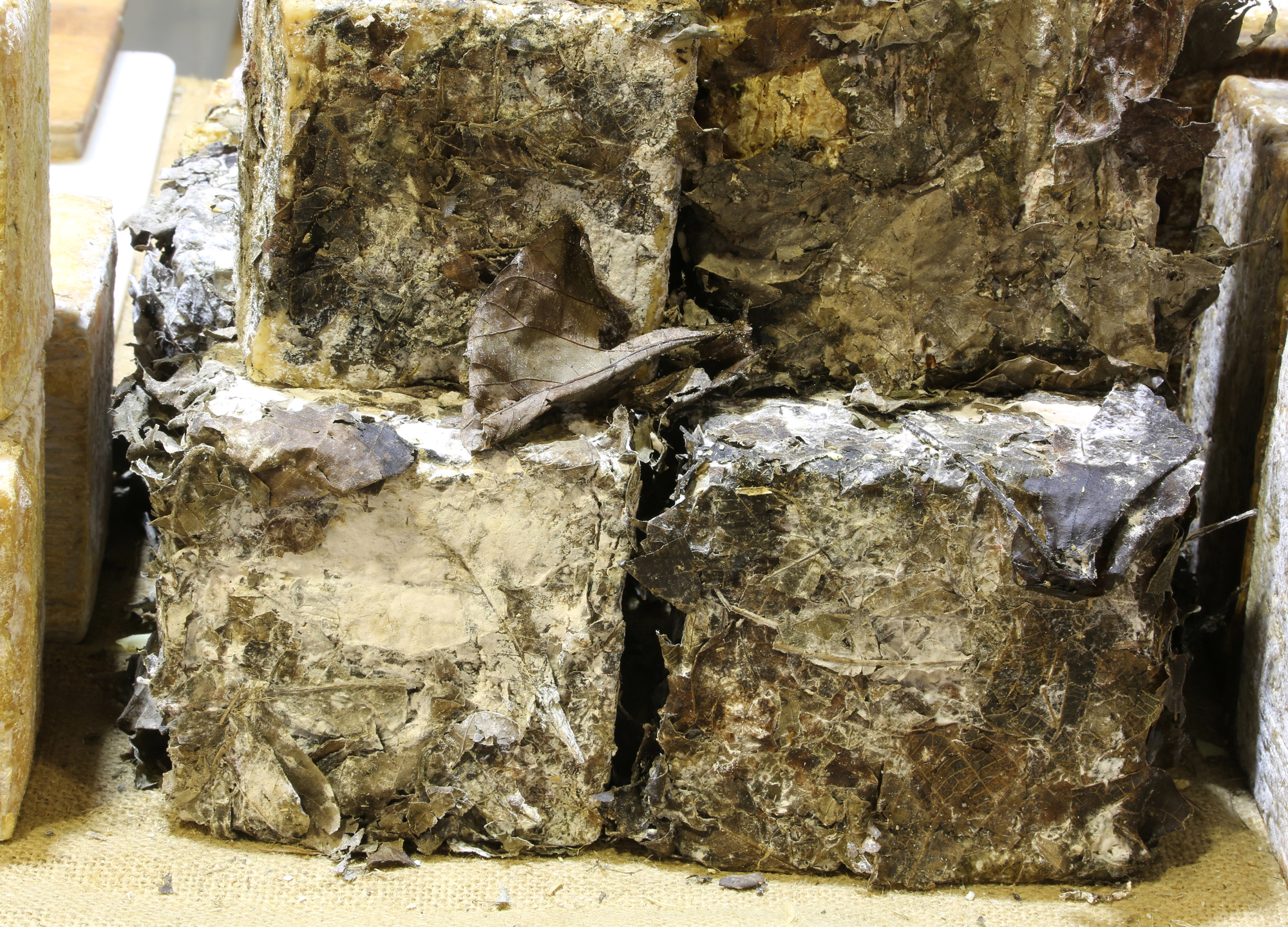
Roquefort, aged in natural caves in southern France, takes a minimum of three months but often ages six months or more. The caves maintain perfect conditions—consistent temperature, high humidity, and natural air currents that promote specific mold growth.
The cheese develops its characteristic blue-green veins as the mold penetrates the interior. Young Roquefort tastes mild and creamy with just a hint of blue flavor.
Three-month Roquefort has more tang and visible veining. Six-month Roquefort becomes crumbly, intensely flavored, with a sharp, salty bite that lingers.
The longer aging allows enzymes to break down more of the cheese’s proteins and fats, creating increasingly complex flavors. Other cave-aged cheeses follow similar patterns.
Gruyere ages 5 to 12 months in Swiss caves. Comte ages 4 to 24 months.
Each month changes the cheese slightly, adding depth and complexity that younger versions lack.
Patience as Ingredient
These recipes share something beyond long timelines. They all transform fundamentally during their waiting periods.
The ingredient you start with barely resembles what you eventually eat. Grapes become vinegar.
Milk becomes cheese. Meat becomes something that no longer needs refrigeration.
The time isn’t just waiting. It’s an essential transformation.
You can’t fake it with additives or shortcuts. The complex flavors that develop come from slow chemical and biological processes that happen at their own pace.
Trying to rush them produces inferior results or fails entirely. Modern life pushes speed.
Instant this, quick that, ready in minutes. But some things refuse to be hurried.
They demand patience and reward it with flavors that simply can’t exist any other way.
More from Go2Tutors!

- The Romanov Crown Jewels and Their Tragic Fate
- 13 Historical Mysteries That Science Still Can’t Solve
- Famous Hoaxes That Fooled the World for Years
- 15 Child Stars with Tragic Adult Lives
- 16 Famous Jewelry Pieces in History
Like Go2Tutors’s content? Follow us on MSN.



