The Most Expensive Objects Ever Sold at Auction
Money makes people do strange things. It makes them bid on paintings they’ll never hang, cars they’ll never drive, and objects that will sit in climate-controlled rooms for decades.
The auction world is where desire meets competition, and the results can be breathtaking — both for their beauty and their price tags. These sales represent more than just transactions; they’re moments when human obsession collides with extraordinary objects, creating records that often seem impossible to break until someone actually breaks them.
Salvator Mundi by Leonardo da Vinci
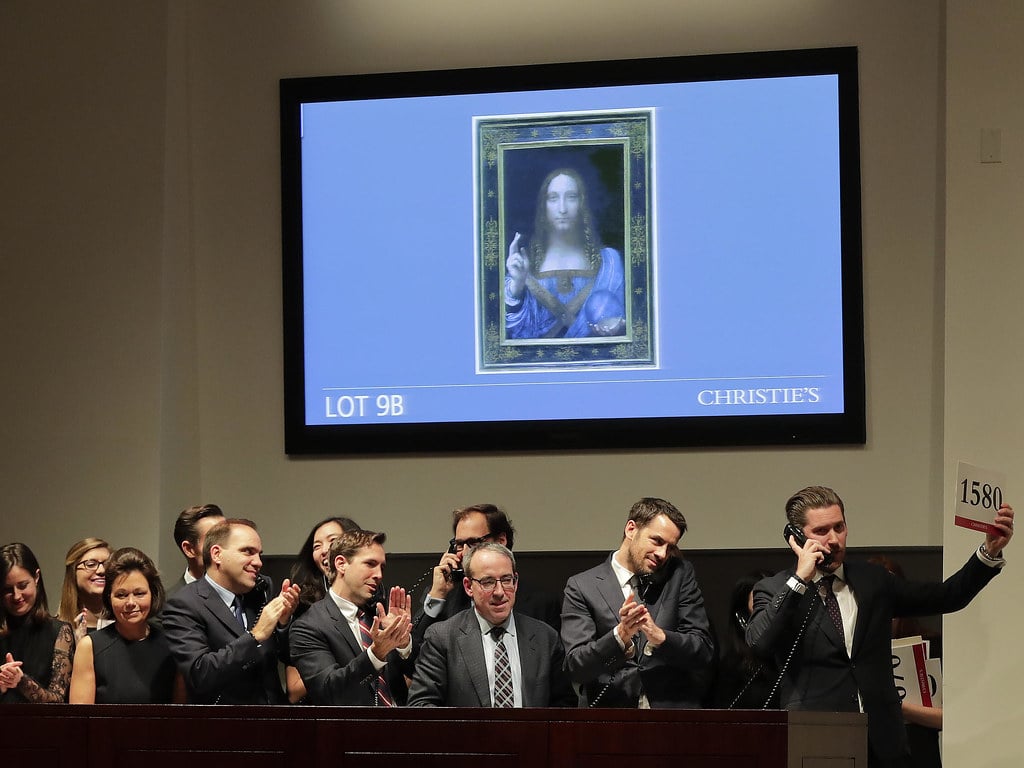
$450.3 million changed hands for this painting in 2017. That’s more than some countries’ annual budgets.
The painting depicts Christ as Savior of the World, holding a crystal orb. Authentication debates surrounded it for years.
Experts argued over brushstrokes and provenance. None of that mattered when the bidding started.
The Card Players by Paul Cézanne
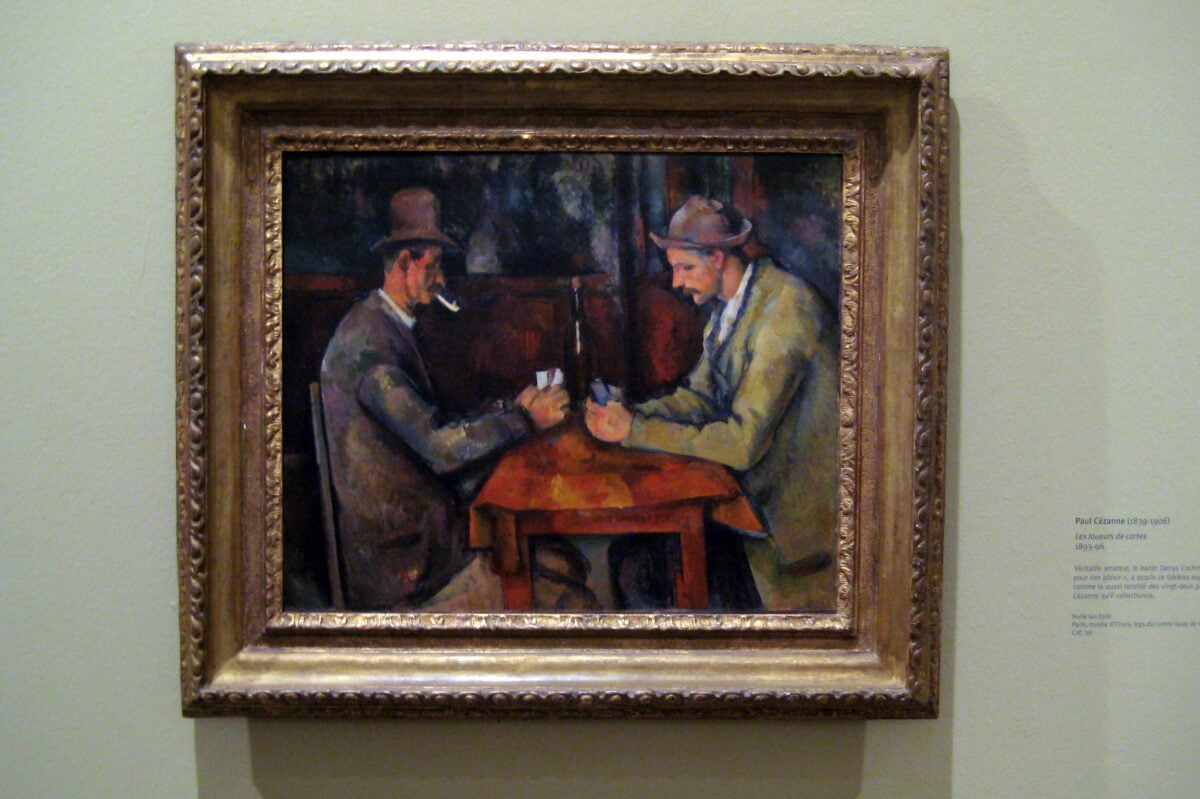
Private sales don’t count here, but this one deserves mention because it set the stage. Between $250-300 million, sold privately in 2011.
When it comes to cards, this isn’t poker — it’s art history.
The painting shows two men playing cards. Simple subject, extraordinary execution.
Cézanne painted five versions. This was the last one in private hands.
When Will You Marry? by Paul Gauguin
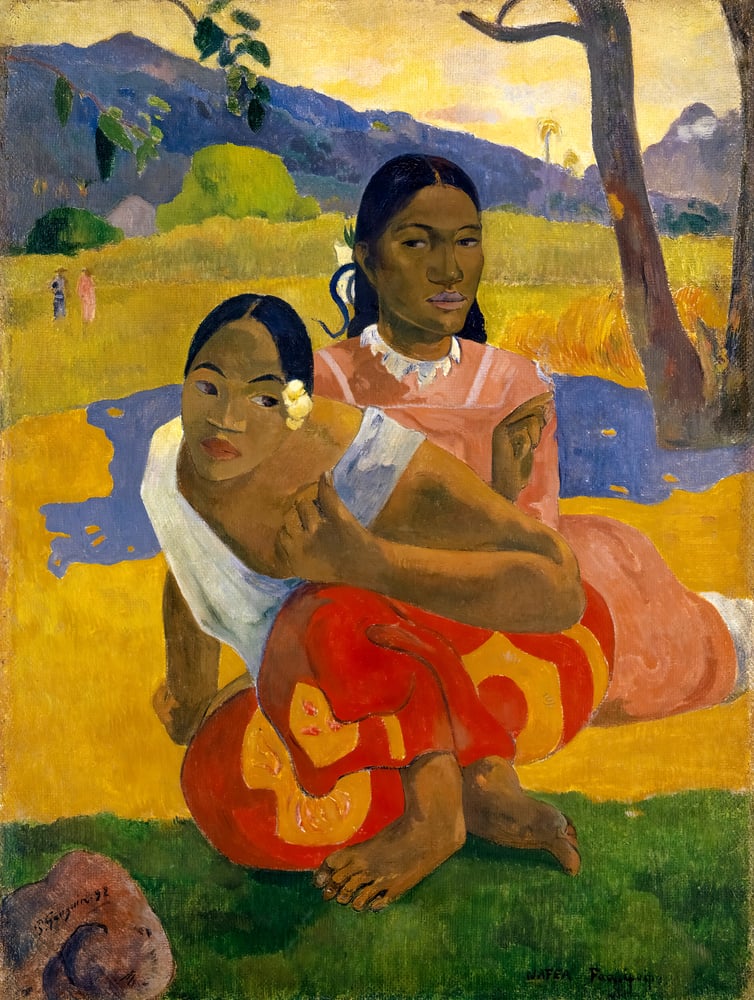
Another private sale that shook the art world — $300 million in 2015. The painting captures two Tahitian women in conversation (though one interpretation suggests the title refers to a deeper cultural exchange, since Gauguin was fascinated by what he perceived as the exotic nature of Tahitian life, which says more about his European perspective than about the subjects themselves).
The colors are rich, almost aggressive in their intensity — yellows and oranges that seem to pulse against the darker background elements.
And yet the transaction itself remains somewhat mysterious. Even so, the buyer’s identity stayed hidden for months.
But here’s what makes this sale particularly fascinating: it represents the collision between Western collecting impulses and Post-Impressionist interpretations of non-Western subjects, which creates this strange layering of cultural perspectives that somehow gets distilled down to a number — $300 million — that becomes the story everyone remembers.
Shot Sage Blue Marilyn by Andy Warhol
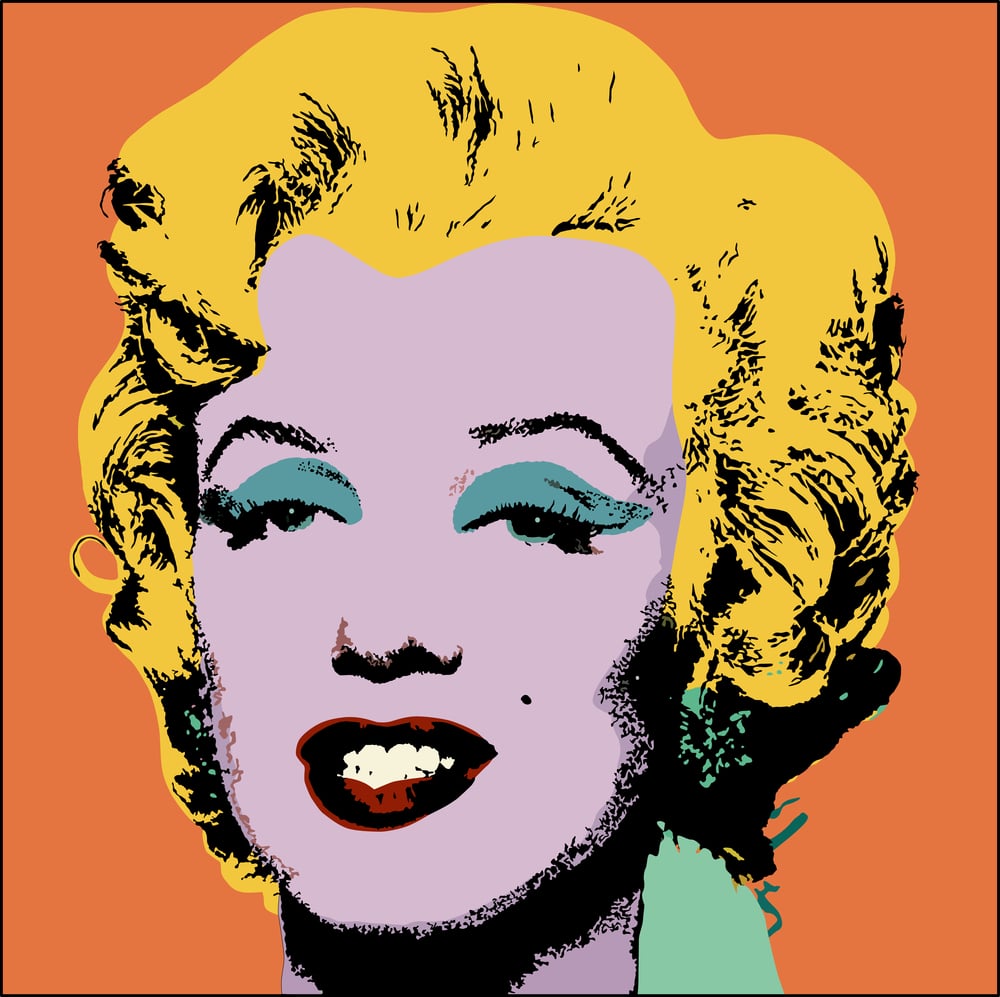
Pop art isn’t supposed to cost $195 million. But Warhol’s silk-screen portrait of Marilyn Monroe did exactly that in 2022.
The painting is one of Warhol’s most recognizable works. Marilyn’s face floats against a sage blue background, her lips bright red, her hair platinum blonde.
It’s mass production as high art, which is either brilliant or absurd depending on your perspective. The market decided it was brilliant.
The Macklowe Collection
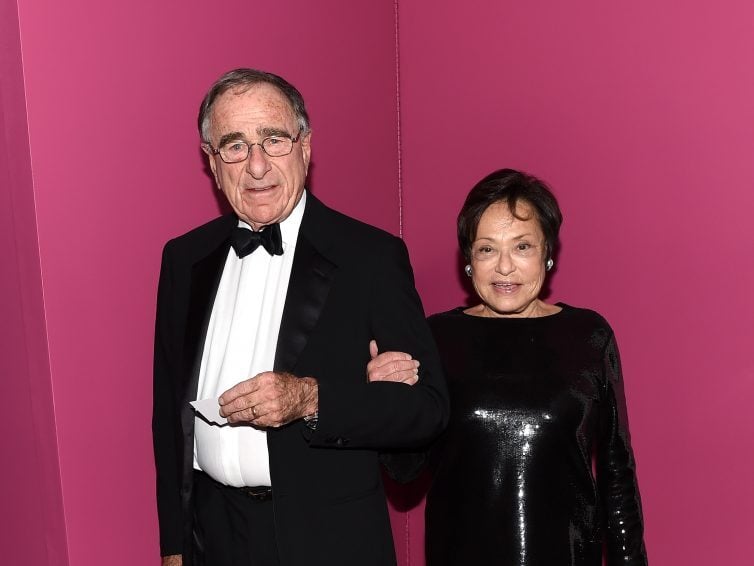
When real estate mogul Harry Macklowe and his wife Linda divorced, their art collection became collateral damage. The first part of their collection sold for $676.1 million in 2021, making it the most valuable single-owner auction ever held.
The collection included works by Picasso, Rothko, and Giacometti. Each piece carried the weight of a marriage that had lasted decades.
Divorce court had become an art dealer.
Nafea Faa Ipoipo by Paul Gauguin

Before “When Will You Marry?” there was this earlier version of the same question — another Gauguin painting with the same title, sold privately for around $300 million in 2015.
Two different paintings, same title, same astronomical price range. Gauguin’s Tahitian period continues to fascinate collectors who seem willing to pay anything for his interpretation of paradise.
Interchange by Willem de Kooning
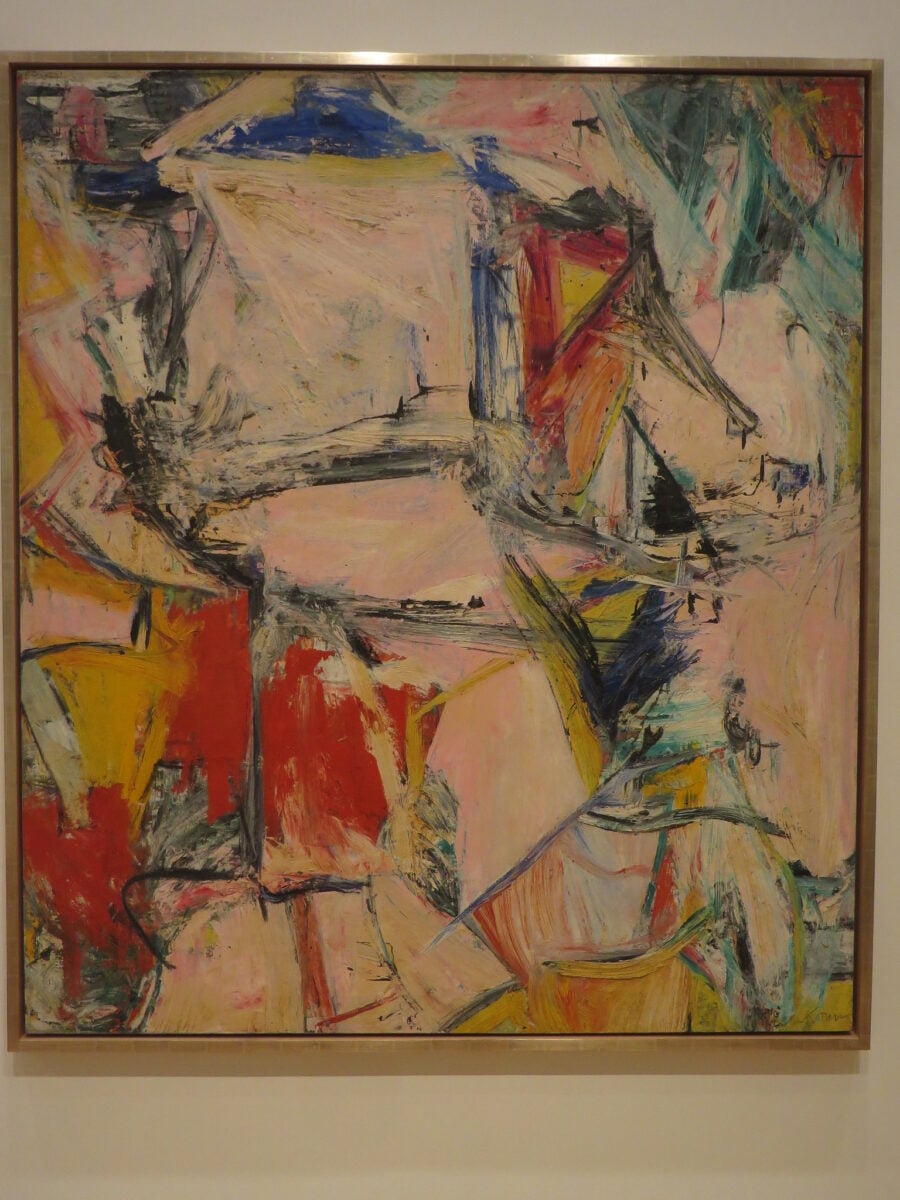
Abstract Expressionism found its price point at $300 million in 2015 (private sale). The painting is pure de Kooning — aggressive brushstrokes, flesh-toned pinks colliding with harsh blacks and whites.
De Kooning painted women like he was trying to capture something that kept moving. This particular canvas feels like it’s still in motion, which might explain why someone was willing to pay a fortune to pin it to their wall.
Number 17A by Jackson Pollock
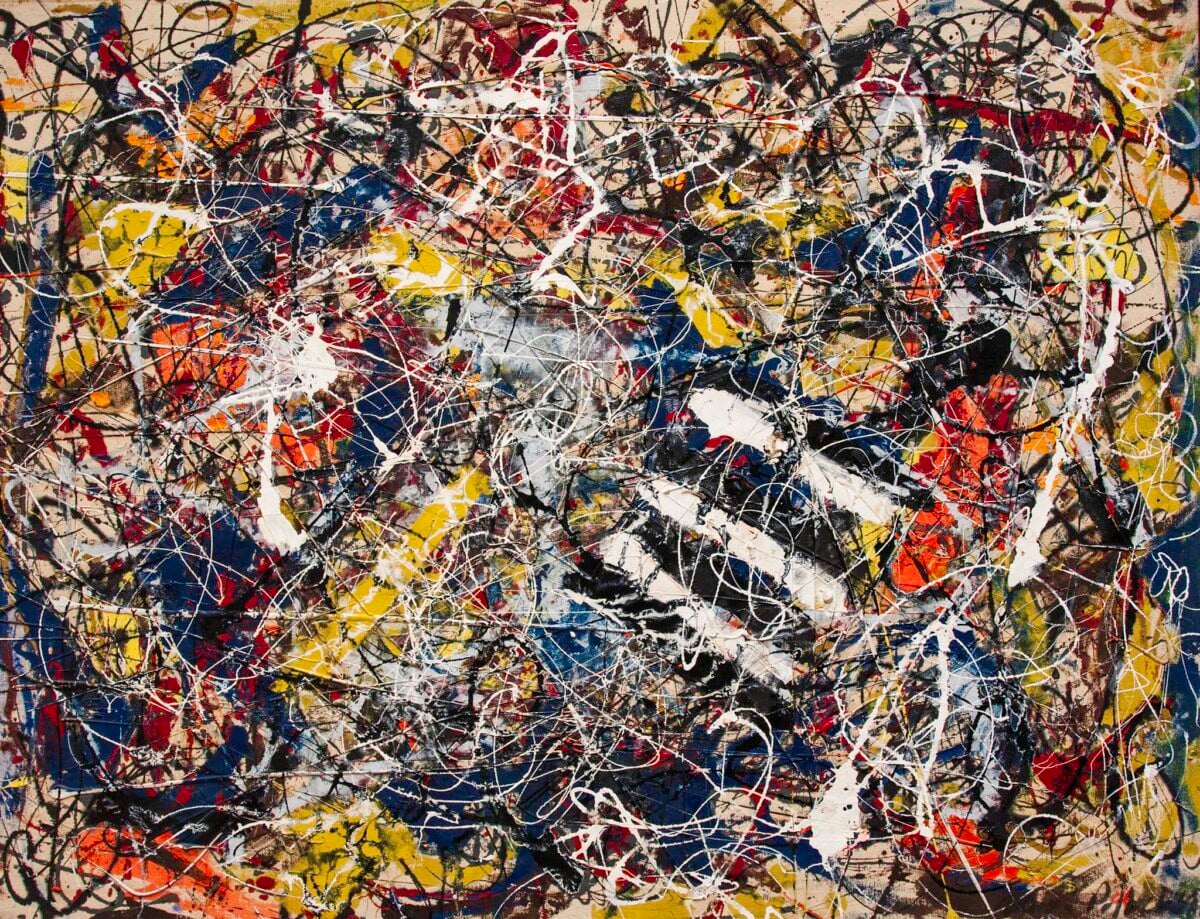
Pollock’s drip paintings look chaotic until you stare at them long enough to see the underlying structure (which, to be fair, some people never see — and that’s become part of the mystique surrounding his work, this idea that either you get it or you don’t). This particular canvas sold privately for around $200 million, though the exact figure remains as elusive as the patterns in Pollock’s paint splatters.
The painting was created during Pollock’s most productive period, when he was working on those large canvases laid flat on his studio floor. He’d walk around them, dripping and flinging paint from brushes and sticks, building up layers that somehow resolved into compositions that feel both random and inevitable.
So when collectors look at “Number 17A,” they’re not just buying a painting — they’re buying into this mythology of the tortured American artist who revolutionized what painting could be.
And yet (because there’s always an “and yet” with Pollock) the sale price puts this canvas in the same financial territory as Old Master paintings that took months to complete. Market forces don’t care about time investment.
Portrait of an Artist by David Hockney
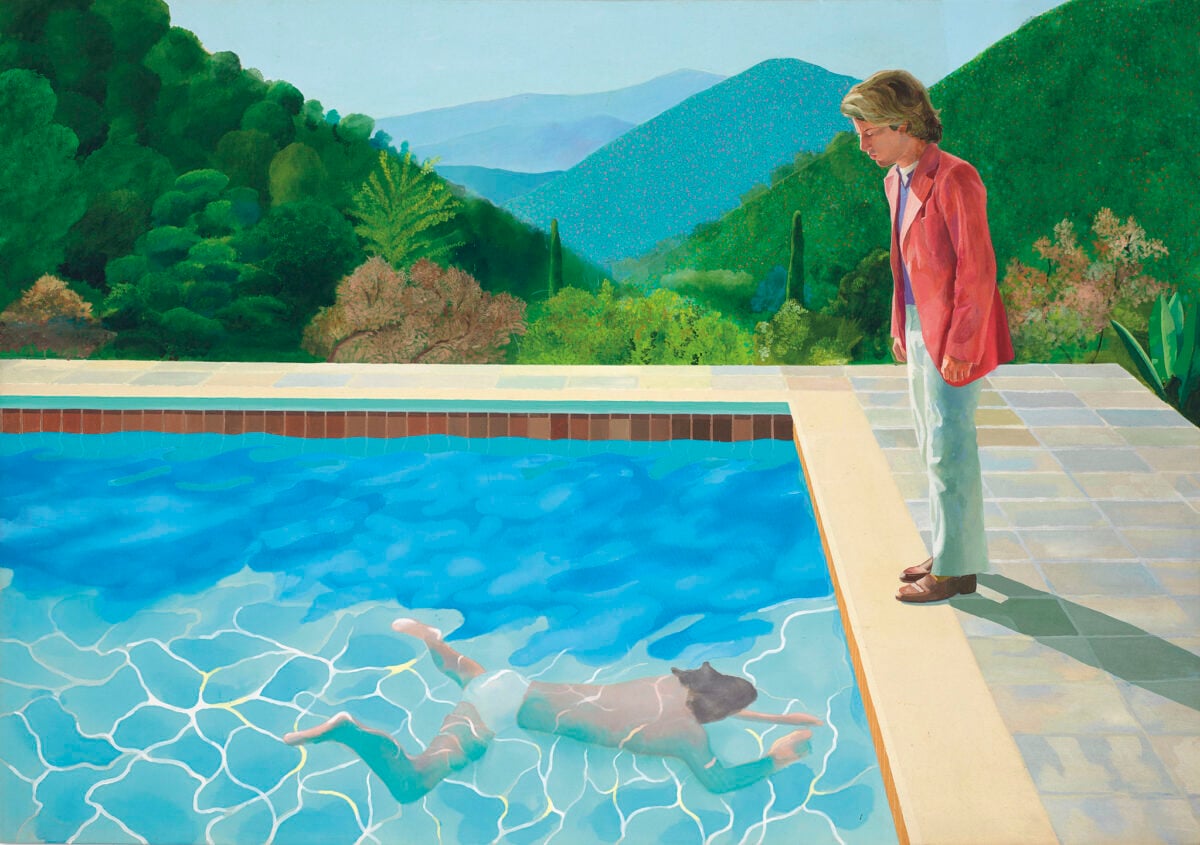
Hockney’s painting of two men by a pool sold for $90.3 million in 2018. That made it the most expensive work by a living artist ever sold at auction.
The painting shows one man underwater, another sitting poolside. The California light is perfect, almost artificial.
Hockney painted it in 1972, when he was still figuring out how to capture the way sunlight bounces off water. He figured it out.
Rabbit by Jeff Koons
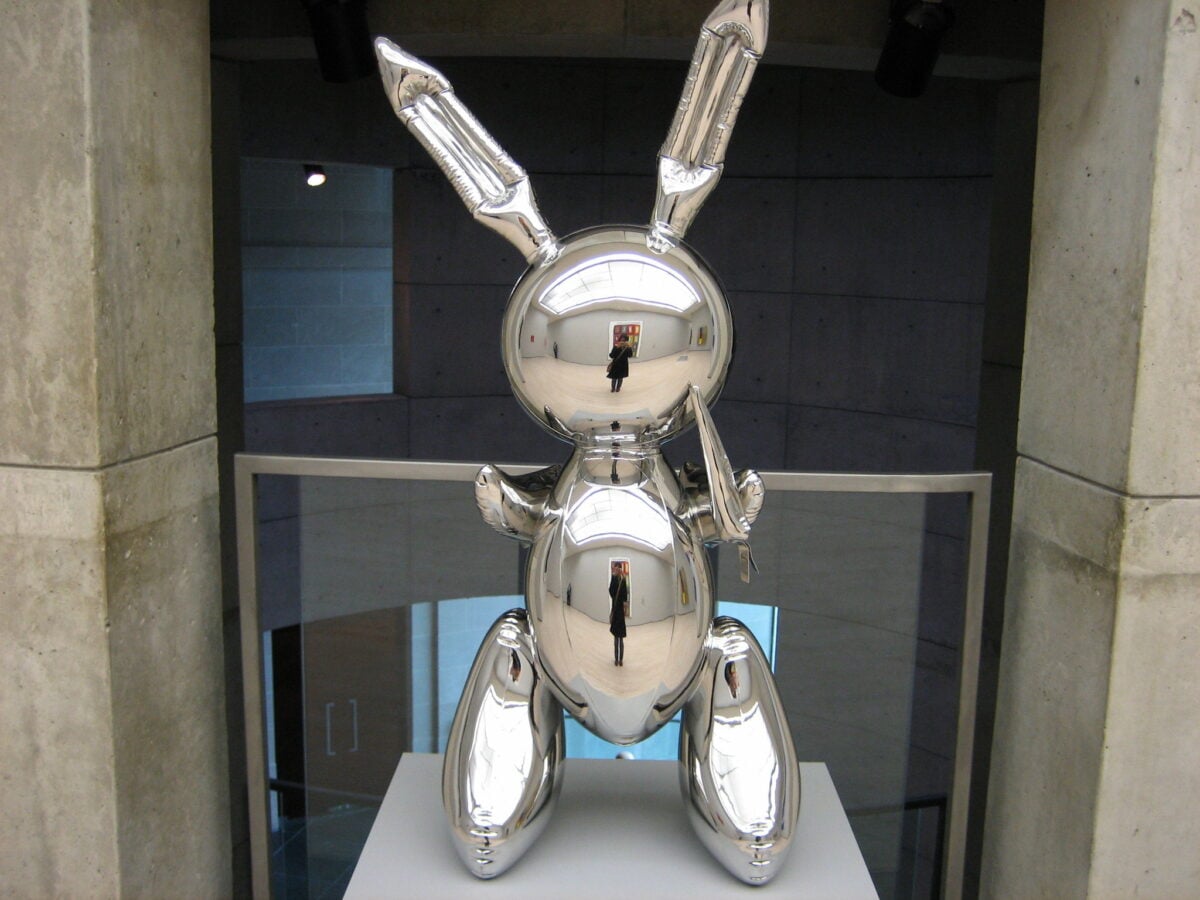
A stainless steel rabbit sold for $91.1 million in 2019. It’s three feet tall, perfectly reflective, and completely hollow — which seems like a metaphor for something, though Koons would probably disagree.
The sculpture is one of Koons’ most famous works. It reflects everything around it while revealing nothing about itself.
Collectors apparently found that quality worth paying for.
Meules by Claude Monet
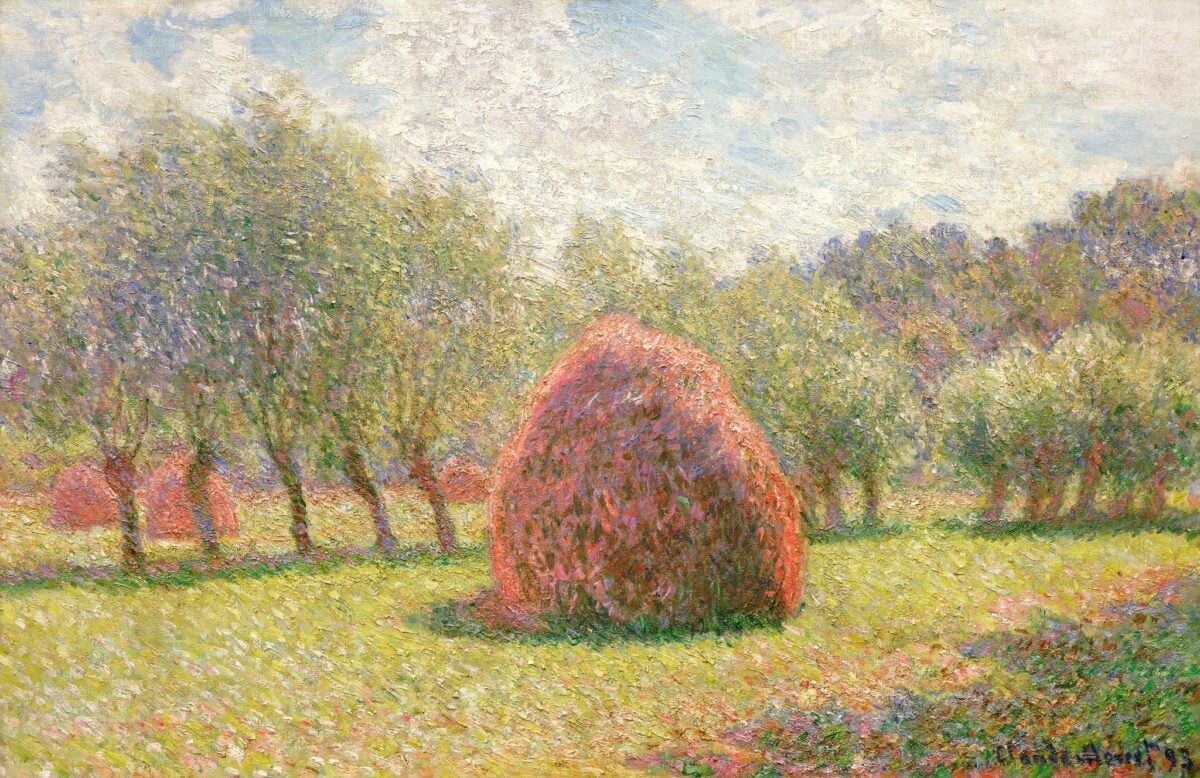
Monet’s haystack sold for $110.7 million in 2019. He painted this particular haystack at different times of day, in different seasons, trying to capture how light changes everything.
The painting is part of Monet’s series of haystacks, each one showing the same subject under different conditions. This one caught the light in exactly the right way.
Or maybe it caught a bidder in exactly the right mood.
Les Femmes d’Alger (Version ‘O’) by Pablo Picasso
— Photo by a3701027d
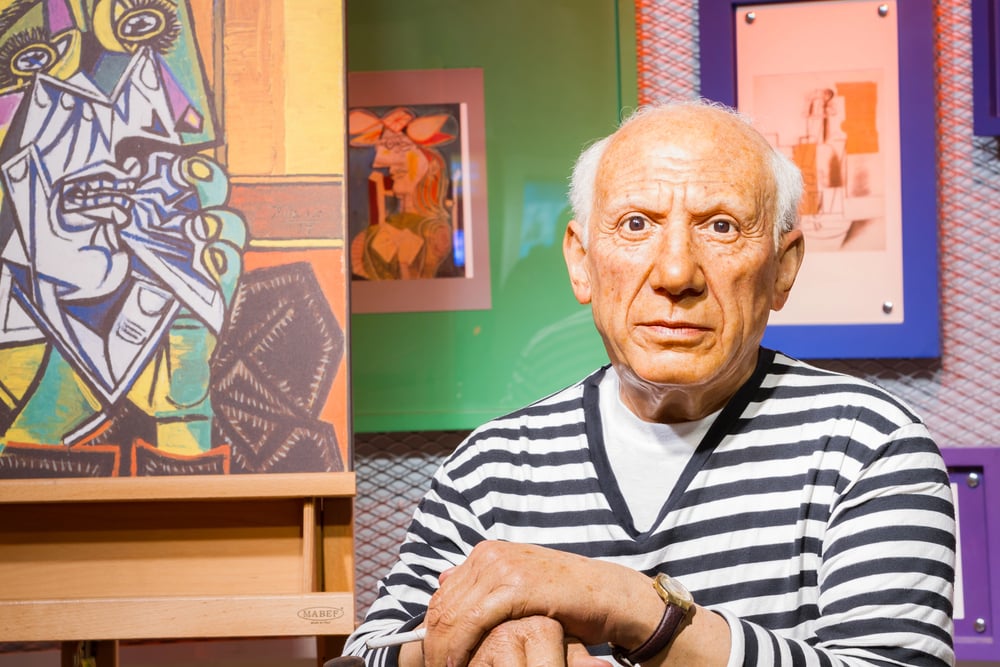
Picasso’s riff on Delacroix sold for $179.4 million in 2015. The painting is vintage Picasso — fractured faces, bold colors, multiple perspectives crammed into one canvas.
Picasso painted 15 versions of this subject. This was the final one, the culmination of his dialogue with Delacroix’s original.
It’s Picasso at his most confident, which is saying something.
Nu couché by Amedeo Modigliani
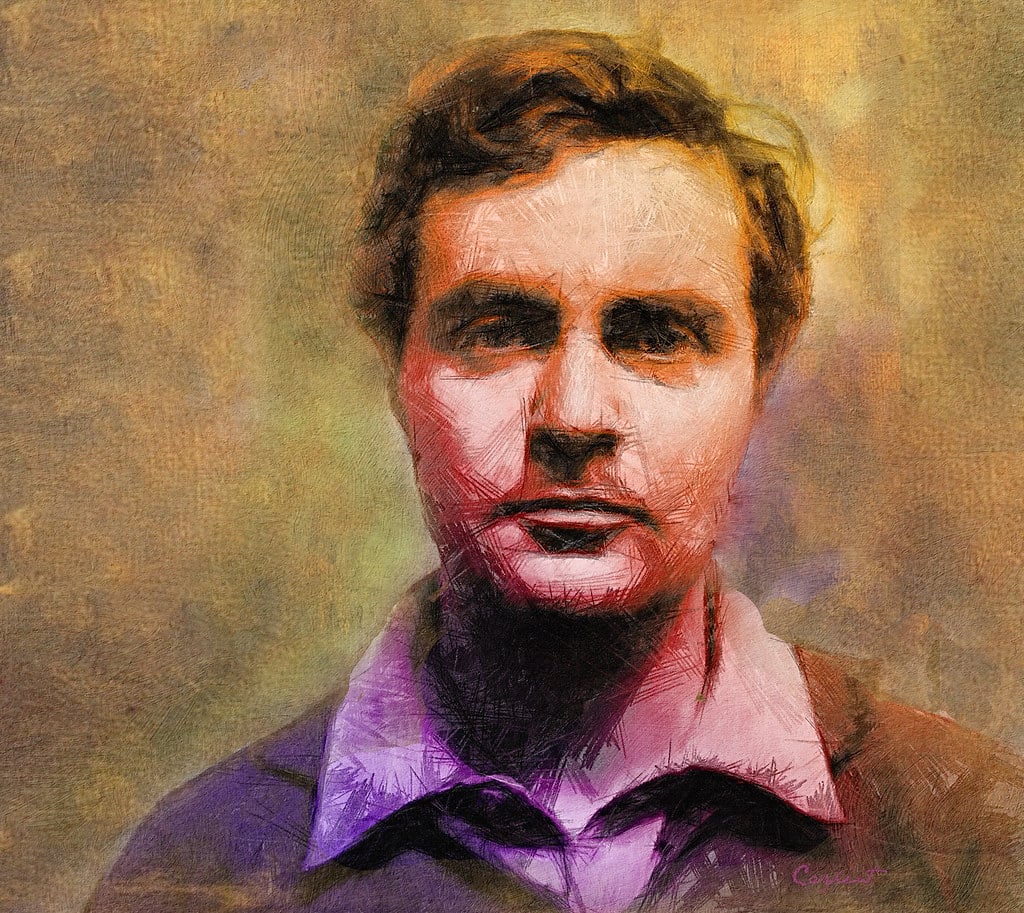
Modigliani’s reclining female figure sold for $170.4 million in 2015. The painting caused a scandal when it was first exhibited in 1917 — police had to shut down the show.
The scandal seems quaint now. The painting is sensual but not explicit, stylized but not abstract. Modigliani elongated his figures the way a jazz musician bends notes — enough to make them distinctly his own.
The Standard Bearer by Rembrandt van Rijn
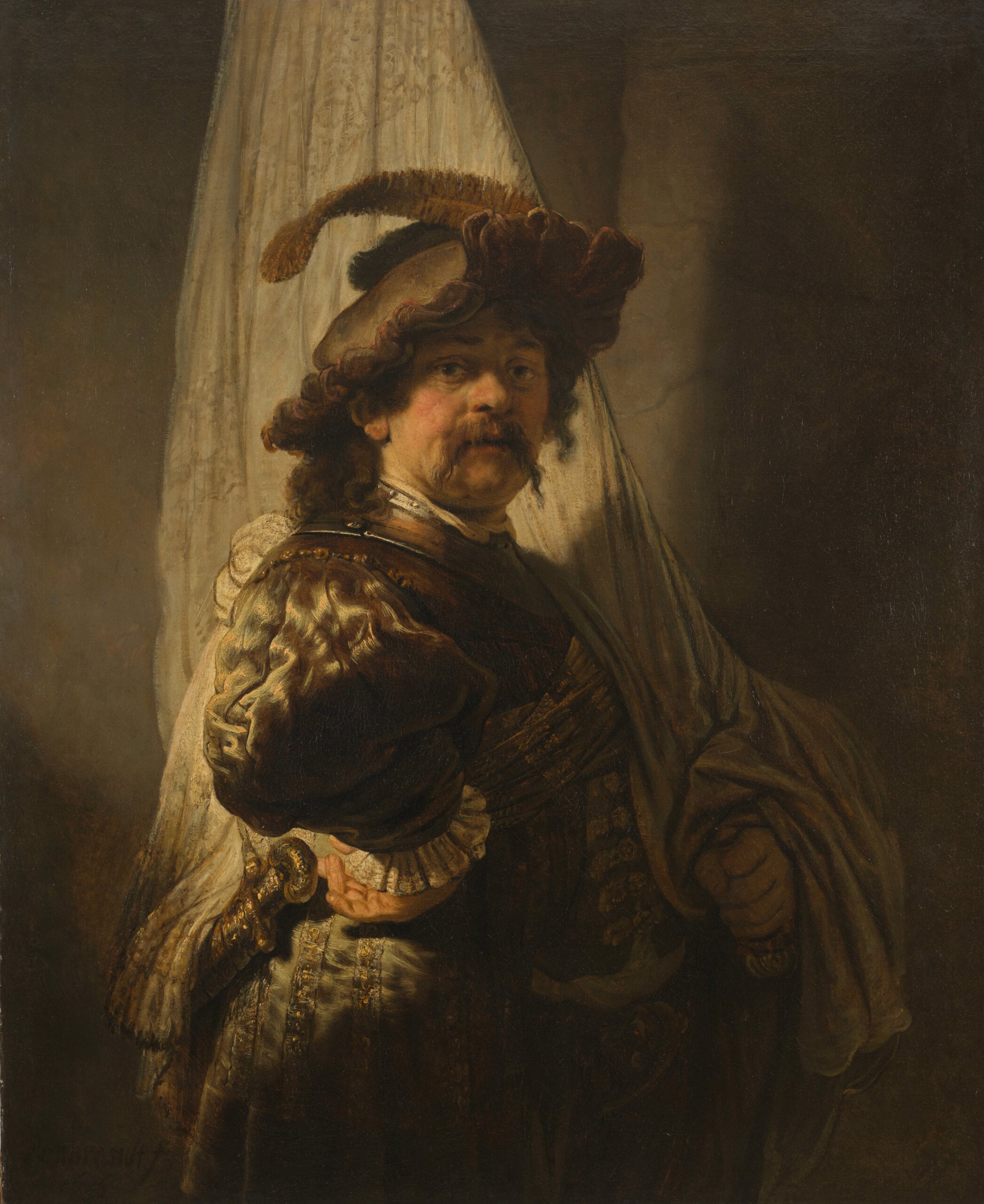
Rembrandt’s portrait sold for $198 million in 2022 to the Rijksmuseum in Amsterdam. The museum raised funds from the Dutch government, private donors, and lottery proceeds.
The painting shows a military officer in elaborate dress, holding a flag. Rembrandt captured both the man’s authority and his humanity.
The Dutch decided their national artist should come home.
When Obsession Becomes Investment

These sales reveal something uncomfortable about how culture gets preserved and valued. The objects themselves remain unchanged — da Vinci’s “Salvator Mundi” is the same painting whether it costs $450 million or $450.
But the prices transform them into something else entirely: financial instruments that happen to be beautiful.
The buyers often remain anonymous, which adds another layer of mystery to transactions that are already hard to comprehend. These aren’t purchases in any normal sense.
They’re statements about power, taste, and the strange human need to possess things that were created to be shared.
More from Go2Tutors!

- The Romanov Crown Jewels and Their Tragic Fate
- 13 Historical Mysteries That Science Still Can’t Solve
- Famous Hoaxes That Fooled the World for Years
- 15 Child Stars with Tragic Adult Lives
- 16 Famous Jewelry Pieces in History
Like Go2Tutors’s content? Follow us on MSN.