Royal Traditions That Make No Sense Today
Monarchies have been around for centuries, which means they’ve accumulated some pretty odd rules along the way. Many of these traditions made perfect sense in their time—when kingdoms needed strict protocol to maintain order, or when certain practices actually served a political purpose.
But today, in an age of democracy and smartphones, some royal customs feel completely disconnected from modern reality. The funny thing is, many of these traditions persist not because anyone truly believes in them anymore, but simply because “that’s how it’s always been done.”
And when you’re part of an institution that’s lasted hundreds of years, change doesn’t come easily. Here are some royal traditions that seem absolutely bizarre when you think about them today.
All the Swans Belong to the Crown
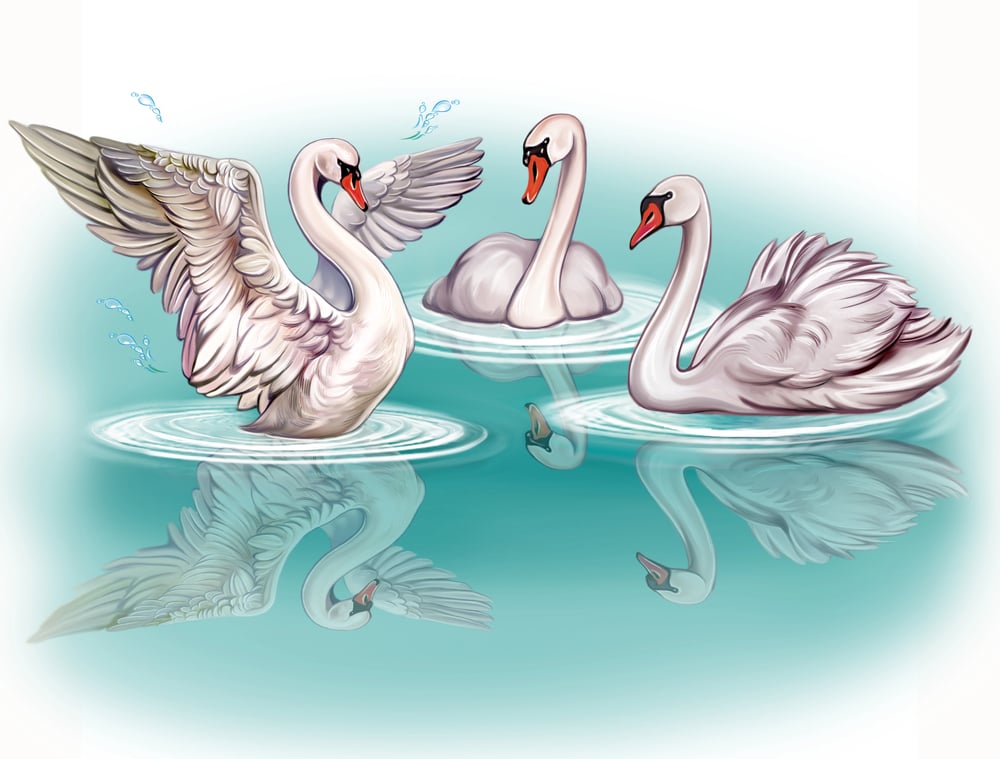
In Britain, the reigning monarch technically owns all unmarked mute swans in open waters. This dates back to the 12th century when swans were considered a delicacy and only the wealthy could afford them.
Today, the Queen (or King) still has an official “Swan Marker” whose job involves conducting an annual census of swans on the Thames. The tradition continues through something called “Swan Upping,” where officials row down the river in traditional uniforms, catching and marking cygnets.
The ceremony looks like something out of a medieval fair, complete with period costumes and formal procedures. Meanwhile, most people today would never dream of eating swans, and the whole practice seems more like an expensive historical reenactment than actual governance.
You Stop Eating When the Monarch Does
At royal dinners, there’s a rule that once the monarch finishes eating a course, everyone else has to stop too—even if they’ve barely touched their food. Staff will come around and clear all the plates, whether you’re done or not.
This supposedly comes from a time when meals needed to move quickly for security reasons, or when the monarch’s time was so precious that the whole household had to operate on their schedule. Today it just means some dinner guests go hungry because the King ate his soup faster than expected.
You’d think in modern times, someone could just tap the monarch on the shoulder and say, “Hey, maybe slow down a bit?”
The Royal Touch Could Cure Disease

For hundreds of years, European monarchs claimed they could cure diseases—particularly scrofula, a form of tuberculosis—just by touching sick people. This wasn’t just symbolic.
Actual ceremonies were held where thousands of afflicted subjects would line up to be touched by the monarch in hopes of healing. The practice peaked in the 17th century and continued into the 18th.
Queen Anne was the last British monarch to perform the ceremony in 1714. The whole thing was based on the divine right of kings—the belief that monarchs were chosen by God and therefore had supernatural powers.
Today, when we understand germ theory and medicine, the idea that touching someone in fancy robes could cure tuberculosis seems absurdly dangerous, not to mention completely ineffective.
Permission Required for Royal Marriages

Members of the British royal family can’t just marry whoever they want. The Royal Marriages Act of 1772 required all descendants of George II to get the sovereign’s permission before marrying.
While the law was updated in 2013, the first six people in line to the throne still need the monarch’s consent. This rule was created after some scandalous royal marriages embarrassed the crown.
But today, when even commoners can marry into the family (as we’ve seen multiple times), and when love matches are celebrated rather than frowned upon, having to ask grandma’s permission to get married seems infantilizing.
You can be 40 years old, accomplished in your own right, and still need royal approval to wed.
Certain Colors Are Off-Limits
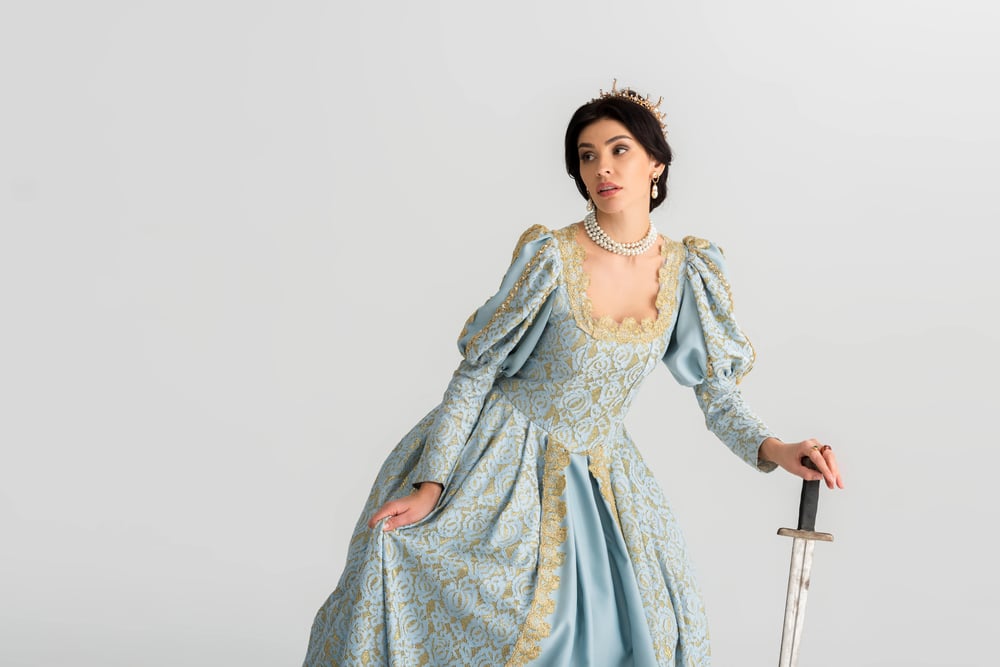
Royal family members typically avoid wearing bright colors or anything too flashy at certain events. The Queen famously wore bright colors specifically so people could spot her in crowds, but junior royals are expected to dress more conservatively.
There are also rules about what you can wear at various royal functions. Perhaps most oddly, royal women can’t wear wedge heels in the monarch’s presence—apparently the Queen found them too casual.
Whether this rule still applies under King Charles remains to be seen, but the idea that your footwear choice needs royal approval in the 21st century seems excessive. Fashion police are one thing, but fashion monarchy takes it to another level.
The Birth Announcement Goes on an Easel
When a royal baby is born, the announcement isn’t just posted online or sent via text. An official bulletin is placed on an ornate easel outside Buckingham Palace.
The tradition dates back to 1837, when this was actually the fastest way to inform the public about important news. Today, with television, radio, internet, and social media, that easel announcement might be one of the slowest ways to share news.
By the time the paper is printed and displayed, millions of people have already heard about the birth through their phones. Yet the tradition continues, with crowds gathering to photograph a piece of paper on a fancy stand—essentially creating a photo op of what used to be breaking news.
Never Turn Your Back on the Monarch

Protocol dictates that you should never turn your back on a reigning monarch. When leaving their presence, you’re supposed to walk backward or at least keep facing their direction as you exit.
This rule exists to show respect and to ensure the monarch’s safety—you can’t attack someone you’re looking at. In practice, this leads to awkward shuffling and the risk of tripping over furniture.
Modern security makes the safety aspect obsolete—the monarch has bodyguards, cameras, and secured locations. As for respect, most people today show respect through their words and actions, not through complicated movement patterns that make you look like you’re doing the moonwalk out of every room.
The Monarch Gets Two Birthdays

British monarchs celebrate their actual birthday and an official birthday, which is usually scheduled for better weather. Queen Elizabeth II was born in April but celebrated her official birthday in June.
King Charles III was born in November but has his official birthday in June as well. The tradition started with King George II in 1748 because his November birthday was too cold for outdoor celebrations.
Today, when we have indoor heating, weather forecasting, and the ability to move events around bad weather, having two birthdays seems like overkill. Most people would be thrilled to have one birthday celebration, but royals apparently need two—one private and one for the public, complete with military parades and national fanfare.
Playing Monopoly Is Banned
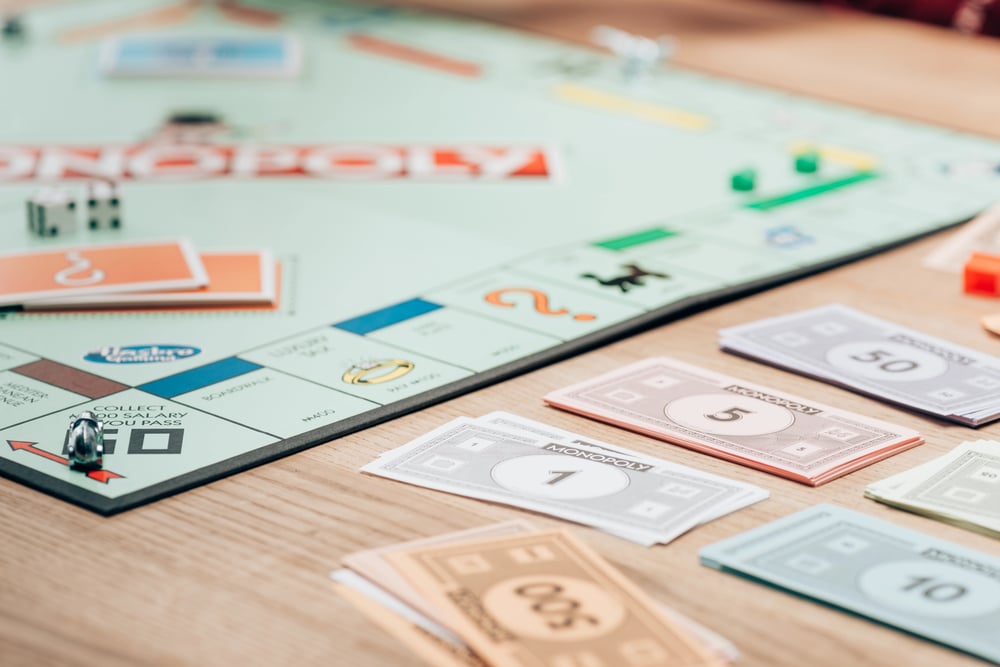
The royal family reportedly isn’t allowed to play Monopoly because it gets too competitive and causes arguments. Prince Andrew mentioned this ban in 2008, explaining that it gets “too vicious.”
Whether this is an official rule or just a family preference is unclear, but it’s been widely reported. The image of British royals bickering over Park Place and Boardwalk is admittedly amusing.
But banning a board game because your family takes it too seriously seems like something most households would handle with a simple “let’s play something else” rather than an official prohibition. Then again, when your family actually owns palaces and estates, maybe property-based board games hit too close to home.
Royal Guests Get Weighed

At Sandringham, the royal family’s country estate, there’s a tradition of weighing guests when they arrive and again when they leave. The idea is to make sure everyone gained weight during their stay, supposedly proving they were well-fed and enjoyed themselves.
The tradition dates from the early 1900s when Edward VII wanted to ensure his guests were properly hosted. Today, when many people are conscious about their weight for health reasons, and when forcing guests onto a scale might trigger body image issues, this tradition feels invasive and outdated.
Imagine showing up for Christmas dinner and being weighed like luggage. Most hosts today gauge success by whether guests had fun, not by whether they gained pounds.
Shellfish Should Be Avoided

Royal family members are advised to avoid eating shellfish when dining out, particularly during official engagements. The reasoning is simple: shellfish spoil quickly and pose a higher risk of food poisoning.
The last thing anyone wants is a royal getting sick from bad oysters during a state dinner. While this caution made more sense in earlier times when refrigeration was limited and food safety standards were lower, modern restaurants (especially those hosting royals) have strict health codes and proper storage.
The Queen famously followed this rule religiously, though some younger royals have been spotted eating shellfish occasionally. Still, the idea that you need a blanket ban on an entire food category in the age of health inspections and refrigeration seems overly cautious.
The Royal Cypher Must Be Changed
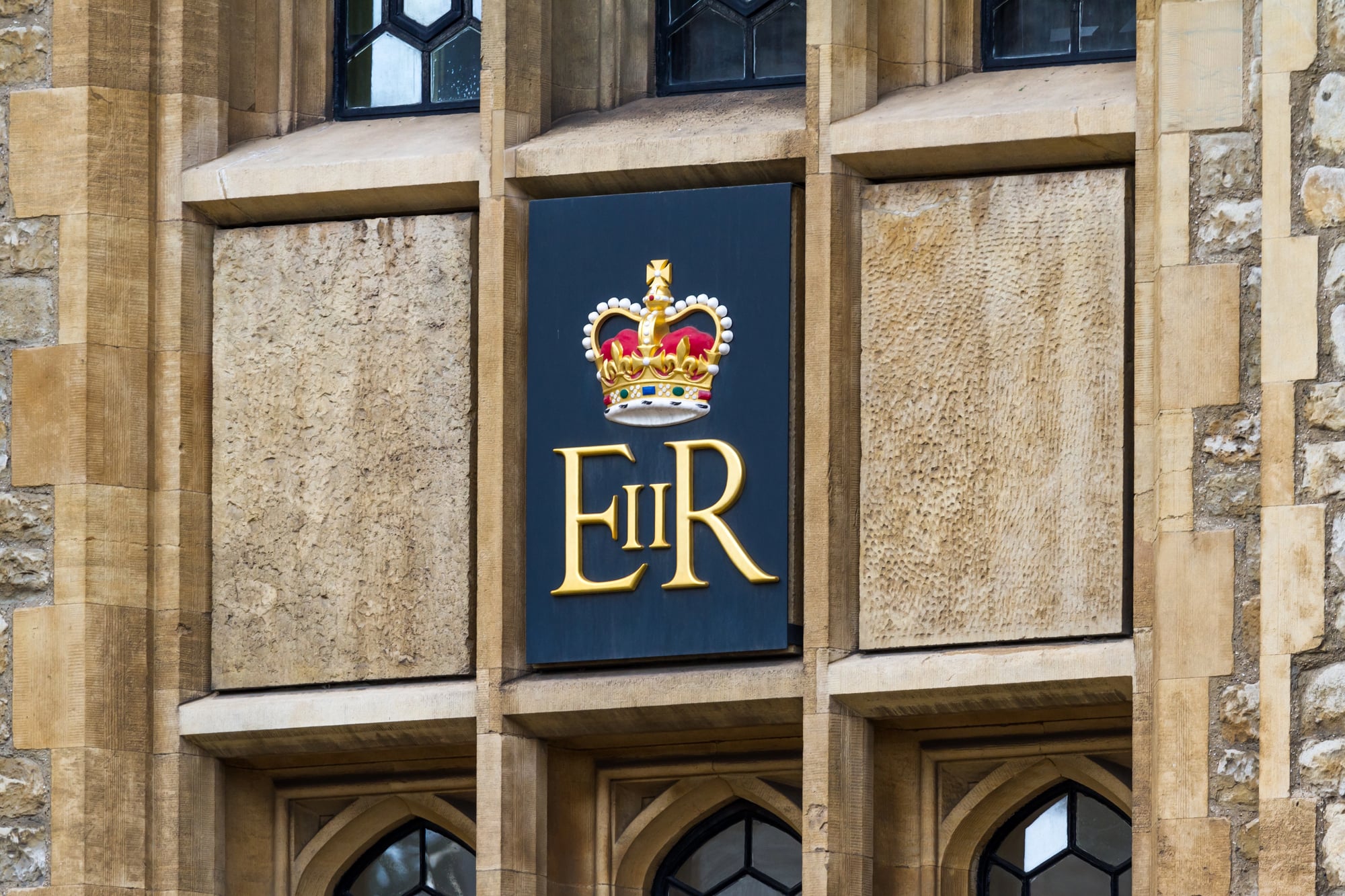
Whenever a new monarch takes the throne, their cypher—the monogram representing their name—must be changed on everything royal. This includes military uniforms, government buildings, postboxes, police badges, and countless other items bearing the royal insignia.
The cost and logistics of changing ER (Elizabeth Regina) to CR (Charles Rex) across an entire nation is staggering. Thousands of items need to be updated, from the smallest stamp to the largest government building.
While some items are changed immediately, others are replaced gradually as they wear out. In an age when we could easily adopt a neutral symbol or simply keep “the Crown” as the insignia regardless of who sits on the throne, this massive rebranding exercise every few decades seems unnecessarily expensive and complicated.
Hats Required for Women at Formal Events
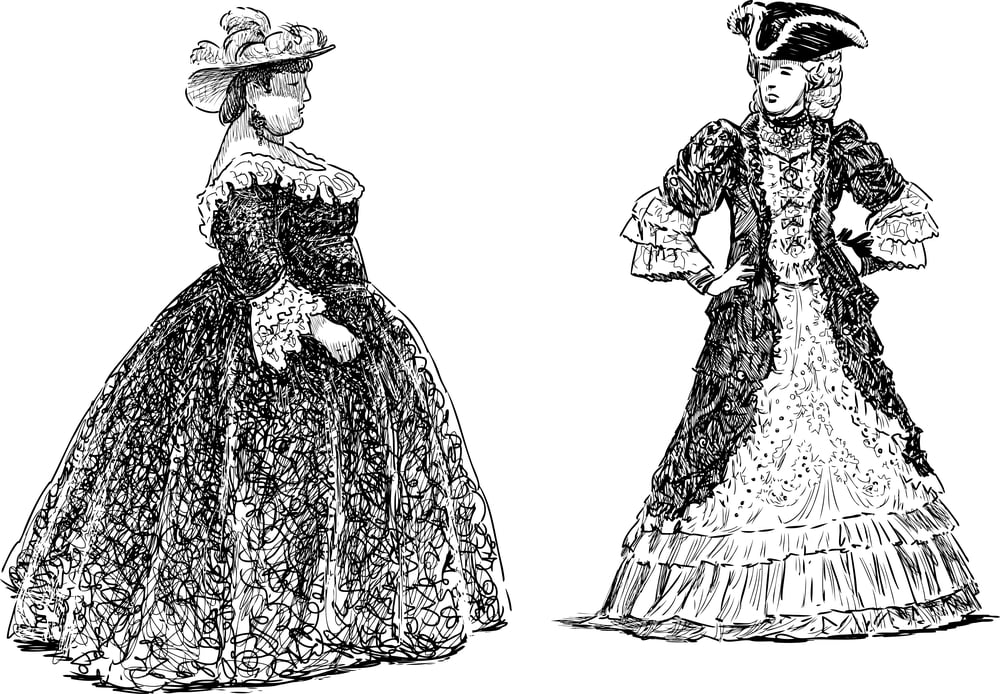
Royal women are expected to wear hats to formal daytime events. After 6 p.m., the rules shift to tiaras for white-tie events.
This dress code has been around for centuries and was originally about modesty and social class—hats distinguished ladies from working women. Today, most women don’t wear hats regularly, and the tradition forces royal women to coordinate outfits around increasingly elaborate headwear.
While some people appreciate the fashion element, others find it restrictive and outdated. The rule also creates an odd visual where every royal woman at a daytime event is wearing a hat, regardless of the weather, setting, or practicality.
It’s one thing to have a dress code, but requiring a specific accessory category seems overly prescriptive.
Parliamentary Sessions Start with a Hostage

During the State Opening of Parliament, a government minister is held “hostage” at Buckingham Palace while the monarch delivers the speech in Parliament. This tradition dates back to the turbulent relationship between monarchs and Parliament in the 17th century, when trust was scarce and guarantees were needed for the sovereign’s safe return.
Today, the idea that the British monarch needs insurance against being attacked by their own Parliament is absurd. The relationship between Crown and Parliament is clearly defined, constitutional, and peaceful.
Yet someone still has to sit in the palace as a ceremonial hostage, probably feeling more bored than endangered. This tradition would be like requiring your neighbor to stay at your house while you visit your other neighbor—just in case things get awkward.
Standing Up When the Monarch Leaves the Room

Whenever the monarch exits a room, everyone present is expected to stand. This rule applies even during casual gatherings and can lead to a lot of rising and sitting as the monarch moves around at events.
While standing to show respect when someone enters or leaves has some logic, doing it every single time the monarch gets up to use the bathroom or grab a drink creates constant interruption. Modern etiquette generally values making people comfortable over rigid formality, and most would agree that genuine respect comes from how you treat someone, not from how many times you stand up during an evening.
But the tradition persists, turning every royal gathering into something of a fitness routine for the guests.
Where Ceremony Meets the Calendar

These traditions reveal something interesting about institutions that span centuries. They accumulate layers of protocol like sediment, each generation adding new rules while rarely removing old ones.
What made sense in 1500 or 1700 or 1900 doesn’t necessarily make sense now, but tradition has its own gravity. It pulls everything into its orbit and resists change simply by existing.
Some might argue these customs provide continuity and a connection to history. Others see them as harmless quirks that make the monarchy colorful and interesting.
But step back far enough, and you realize that many royal traditions today are essentially elaborate theater—performances we continue because we’ve always done them, not because they serve any real purpose. They’re preserved not despite being outdated, but sometimes specifically because they’re outdated, as if their very absurdity has become part of their charm.
Perhaps that’s the most modern thing about these ancient traditions: they’ve become entertainment, relics on display, rather than rules that genuinely govern behavior.
More from Go2Tutors!

- The Romanov Crown Jewels and Their Tragic Fate
- 13 Historical Mysteries That Science Still Can’t Solve
- Famous Hoaxes That Fooled the World for Years
- 15 Child Stars with Tragic Adult Lives
- 16 Famous Jewelry Pieces in History
Like Go2Tutors’s content? Follow us on MSN.