14 Abandoned Campuses With Weird Histories
There’s something haunting about empty hallways where students once hurried to class, or dormitories that now echo with only the wind. Abandoned educational institutions tell stories that textbooks never could—tales of financial collapse, natural disasters, social upheaval, and sometimes just plain bad luck.
These forgotten campuses scattered across the globe have backstories that range from tragic to downright bizarre. Here is a list of 14 abandoned campuses with some of the weirdest histories you’ll ever encounter.
Bennett College
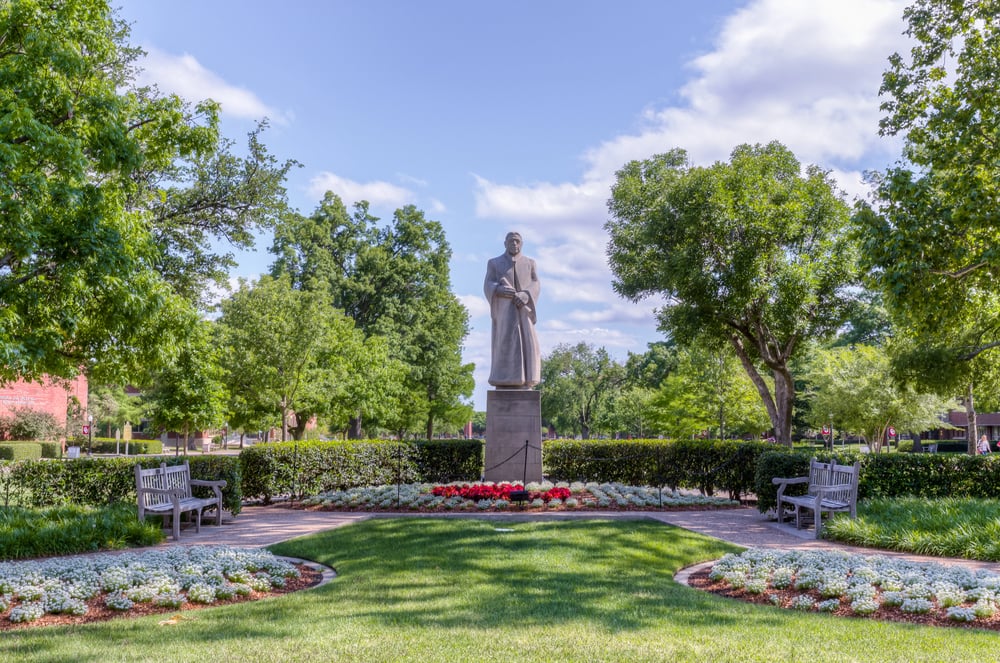
This women’s college in Millbrook, New York, shut down in 1978 after operating for over a century. What makes Bennett particularly eerie is that the campus appears frozen in time—textbooks still sit open on desks, and personal belongings remain scattered throughout the dormitories.
The college reportedly closed so suddenly that students and faculty barely had time to pack their essentials. Local legends claim the campus is haunted by a former student who died in a fire, though the real tragedy is how quickly this once-thriving institution simply vanished from existence.
Riverside Military Academy’s Original Campus

Located in Hollywood, Florida, this military school’s original campus was abandoned in the 1960s when the institution relocated to Georgia. The weird part isn’t just that it was left behind—it’s that the buildings were constructed to withstand hurricanes but couldn’t survive bureaucratic storms.
The campus featured an unusual underground tunnel system connecting all major buildings, originally designed for storm protection but later rumored to be used for less official purposes. Today, the crumbling structures still bear military insignia and motivational slogans painted on walls that nature is slowly reclaiming.
Like Go2Tutors’s content? Follow us on MSN.
Vermont College
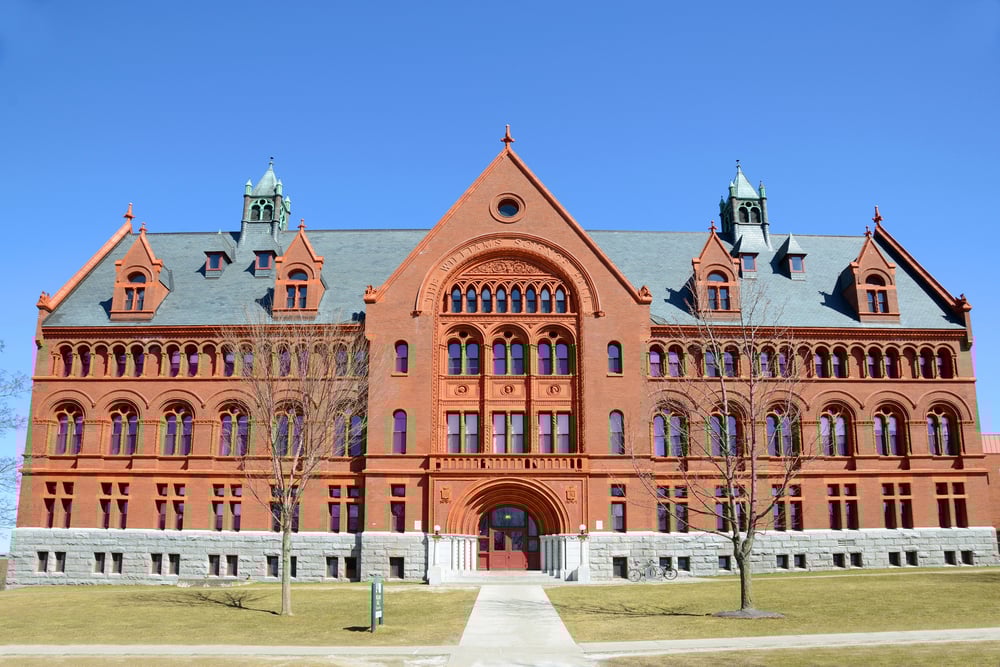
This experimental liberal arts college in Montpelier closed its undergraduate program in 2020, leaving behind a campus that perfectly captures the idealistic spirit of 1960s education reform. Vermont College was famous for its ‘narrative evaluations’ instead of grades and its emphasis on self-directed learning.
The abandoned campus still contains art installations created by students over the decades, including a giant peace symbol made from recycled materials that now serves as an unintentional monument to educational dreams deferred. The library remains partially stocked with books on alternative education theories that few people read anymore.
Marlboro College

Perched on a hilltop in Vermont, Marlboro College closed in 2020 after 75 years of operation, but its story is far from ordinary. The college was founded by returning World War II veterans who literally built the campus themselves, constructing buildings from local materials with their own hands.
What’s particularly strange is that the college maintained a town-meeting style of governance where students had equal voting power with faculty on most decisions. The abandoned campus still features the hand-built structures and a wind turbine that the community installed to achieve energy independence—a goal they reached just before closing forever.
Beelitz-Heilstätten Nursing School
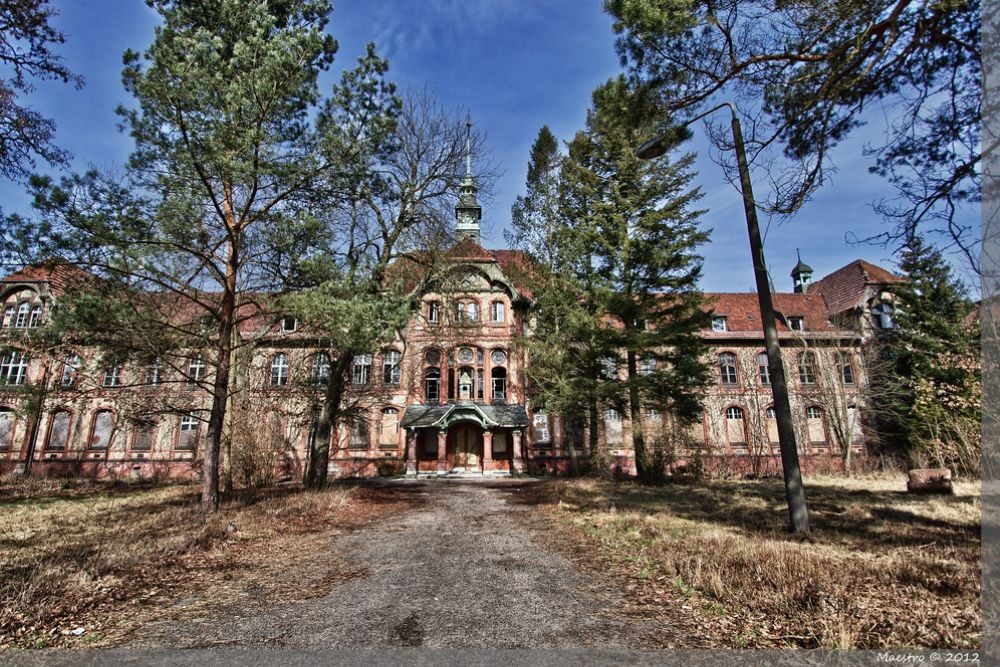
This German campus served as both a hospital complex and nursing school until reunification made it obsolete. What makes Beelitz truly bizarre is that it treated both wounded soldiers and tuberculosis patients simultaneously, creating an atmosphere where death and learning existed side by side.
The nursing students lived in dormitories connected to the hospital by underground tunnels, and many reported hearing screams and seeing apparitions during their training. The abandoned campus now spans over 200 buildings, including operating theaters where student nurses learned their craft while actual surgeries took place just feet away.
Like Go2Tutors’s content? Follow us on MSN.
Eastern State Hospital Training School

Located in Virginia, this campus trained psychiatric nurses and attendants until deinstitutionalization policies made it unnecessary in the 1980s. The training included hands-on experience with patients who had been institutionalized for decades, some since childhood, creating an educational environment unlike anywhere else.
Students learned restraint techniques, shock therapy administration, and lobotomy aftercare in buildings that still contain the original equipment. The abandoned campus includes dormitories where trainee nurses slept just yards away from patients, and the dining hall where staff and patients sometimes ate together during ‘normalization’ experiments.
Packard Automotive Technology Institute
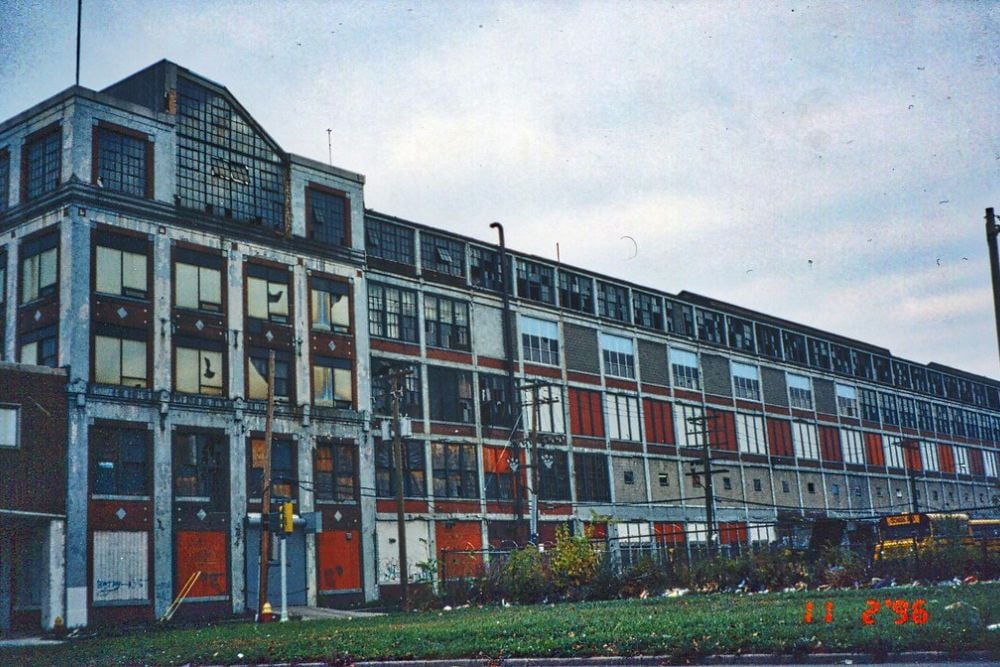
This Michigan campus was specifically created to train engineers and designers for the Packard Motor Car Company, but it outlasted the company by several decades before finally closing in 1995. The weird part is that the curriculum never updated beyond 1950s automotive technology, so students in the 1990s were still learning to design cars with running boards and manual transmissions.
The abandoned campus contains laboratories filled with obsolete equipment and prototypes of cars that were never produced. The library holds thousands of technical manuals for manufacturing processes that the automotive industry abandoned 40 years ago.
Penikese Island School
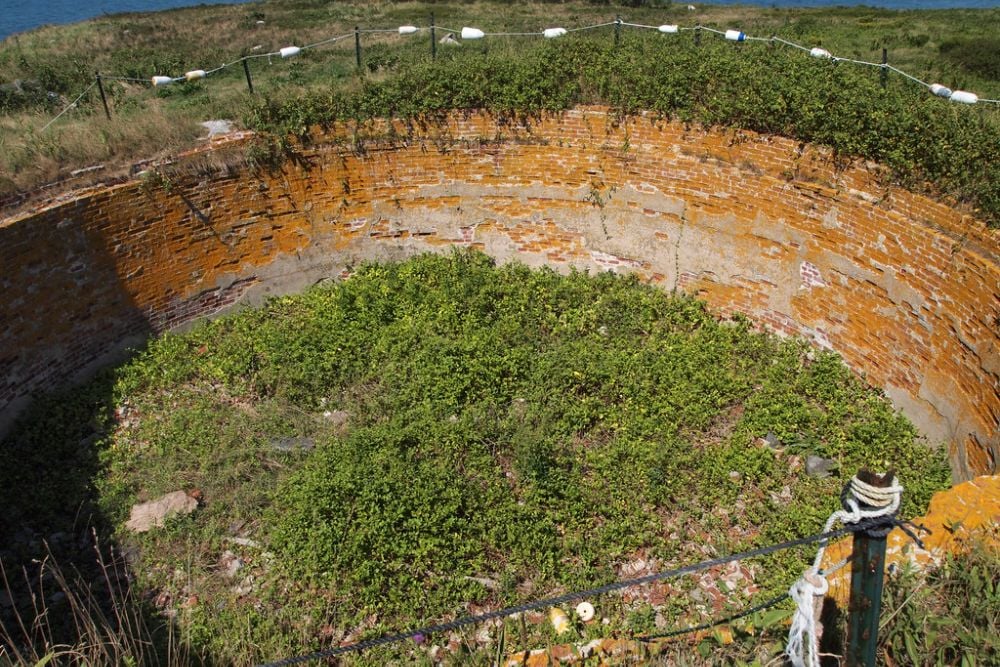
This reform school for troubled boys operated on a small island off Massachusetts until 1973, when it was abandoned after a series of suspicious incidents. The school’s isolation made it perfect for housing difficult cases, but also created an environment where abuse could occur without oversight.
Students were taught basic academics alongside farming and fishing, but many reported being used as unpaid labor for the island’s commercial operations. The abandoned campus includes dormitories, classrooms, and a workshop where boys made furniture that was sold on the mainland, with profits never benefiting the students who created the products.
Like Go2Tutors’s content? Follow us on MSN.
Ashford University’s Clinton Campus

This Iowa campus closed in 2016 when the university moved entirely online, but its history as a teacher training college includes some genuinely weird experiments in educational psychology. The campus was used for studies on how the physical environment affects learning, leading to classrooms painted in unusual colors and furniture arranged in bizarre configurations.
Some buildings featured one-way glass so researchers could observe students without their knowledge, and several rooms had hidden recording equipment that captured conversations for analysis. The abandoned campus still contains these modified spaces, creating an unsettling reminder of how students were unknowingly used as research subjects.
Cogswell Polytechnical College’s Original Campus

Located in San Francisco, this engineering school’s original campus was abandoned after the 1989 earthquake made the buildings structurally unsound. What’s particularly odd is that the college specialized in training engineers to design earthquake-resistant structures, yet their own buildings couldn’t survive a moderate tremor.
Students had been learning about seismic safety in classrooms that were themselves seismic hazards, creating an ironic situation that nobody noticed until the ground started shaking. The abandoned campus includes laboratories filled with earthquake simulation equipment that couldn’t predict the vulnerability of the building housing it.
Finch College

This elite women’s college in Manhattan closed in 1976, but its story involves some of the strangest financial maneuvers in educational history. The college sold its valuable real estate to developers while still operating, then used the money to fund increasingly bizarre programs including courses on ‘domestic space exploration’ and ‘applied psychology of wealth management’.
Students paid premium tuition to attend classes in buildings the college no longer owned, and graduation ceremonies were held in rented spaces because the campus had been demolished around them. The last class graduated from a hotel ballroom because every other building associated with the college had been converted into luxury condominiums.
Like Go2Tutors’s content? Follow us on MSN.
Sheldon Jackson College

This Presbyterian college in Alaska operated for over a century before closing in 2007, but its mission included some genuinely weird cultural assimilation programs. The college forced Native Alaskan students to abandon their traditional languages and customs while simultaneously operating a museum that displayed artifacts from the same cultures they were trying to eliminate.
Students were required to participate in programs designed to ‘civilize’ them according to 1800s standards, even though the college continued these practices well into the 21st century. The abandoned campus contains both dormitories where cultural suppression occurred and display cases filled with items from the cultures that were being systematically destroyed.
Dana College

This Lutheran college in Nebraska closed in 2010 after 125 years of operation, but its final decades were marked by increasingly desperate attempts to attract students. The college offered degrees in ‘adventure education’ that mainly involved hiking in shopping malls, and created a ‘leadership studies’ program where students earned credit for organizing bake sales.
The most bizarre addition was a major in ‘funeral service education’ complete with a campus morgue and embalming laboratory, which scared away more students than it attracted. The abandoned campus still contains the funeral preparation facilities, creating an unintentionally prophetic monument to the institution’s own demise.
Green Mountain College

This Vermont environmental college closed in 2019, but its commitment to sustainability created some genuinely odd situations during its final years. The college operated entirely on renewable energy and required students to grow their own food, but these practices became increasingly impractical as enrollment declined.
During the last semester, remaining students found themselves tending gardens large enough to feed hundreds while attending classes in buildings designed for much larger populations. The abandoned campus includes solar panels that still generate electricity for buildings nobody uses and organic gardens that continue producing food with no one left to harvest it.
Like Go2Tutors’s content? Follow us on MSN.
The Echoes That Remain
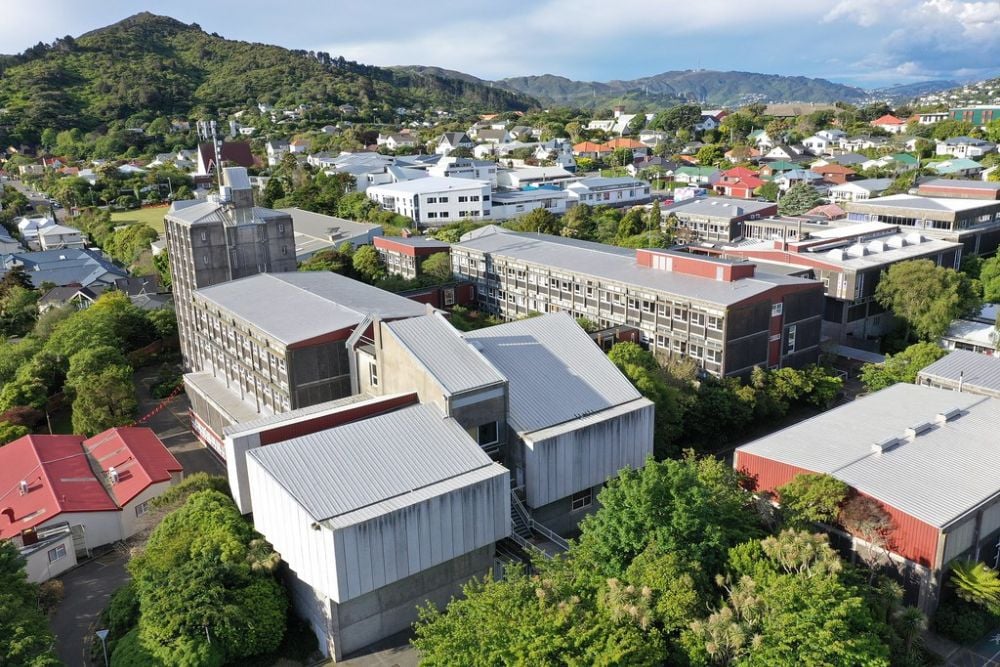
These abandoned campuses represent more than just failed institutions—they’re physical reminders of how quickly educational dreams can crumble. From military academies with secret tunnels to seminaries built on cursed land, each site tells a story of human ambition meeting unexpected obstacles.
The strangest part might be how many of these closures were completely avoidable, the result of poor planning, financial mismanagement, or simply refusing to adapt to changing times. Today, these empty buildings serve as unintentional monuments to the fragility of even our most treasured institutions, their weird histories preserved in crumbling concrete and overgrown courtyards.
More from Go2Tutors!

- 16 Historical Figures Who Were Nothing Like You Think
- 12 Things Sold in the 80s That Are Now Illegal
- 15 VHS Tapes That Could Be Worth Thousands
- 17 Historical “What Ifs” That Would Have Changed Everything
- 18 TV Shows That Vanished Without a Finale
Like Go2Tutors’s content? Follow us on MSN.