The Rise and Fall of Department Stores in the US
There was a time when a visit to the department store felt like an event. From the escalators to the perfume counters, shiny floors to holiday windows, it wasn’t just about shopping.
It was about being somewhere that had everything in one place — clothes, appliances, toys, furniture, even lunch. These stores weren’t just stores. They were social spaces, job hubs, and cultural markers, all rolled into one.
Now? Most are fading into memory. Here’s a closer look at how department stores rose to the top and what slowly pulled them back down.
Downtown Was the Place to Be
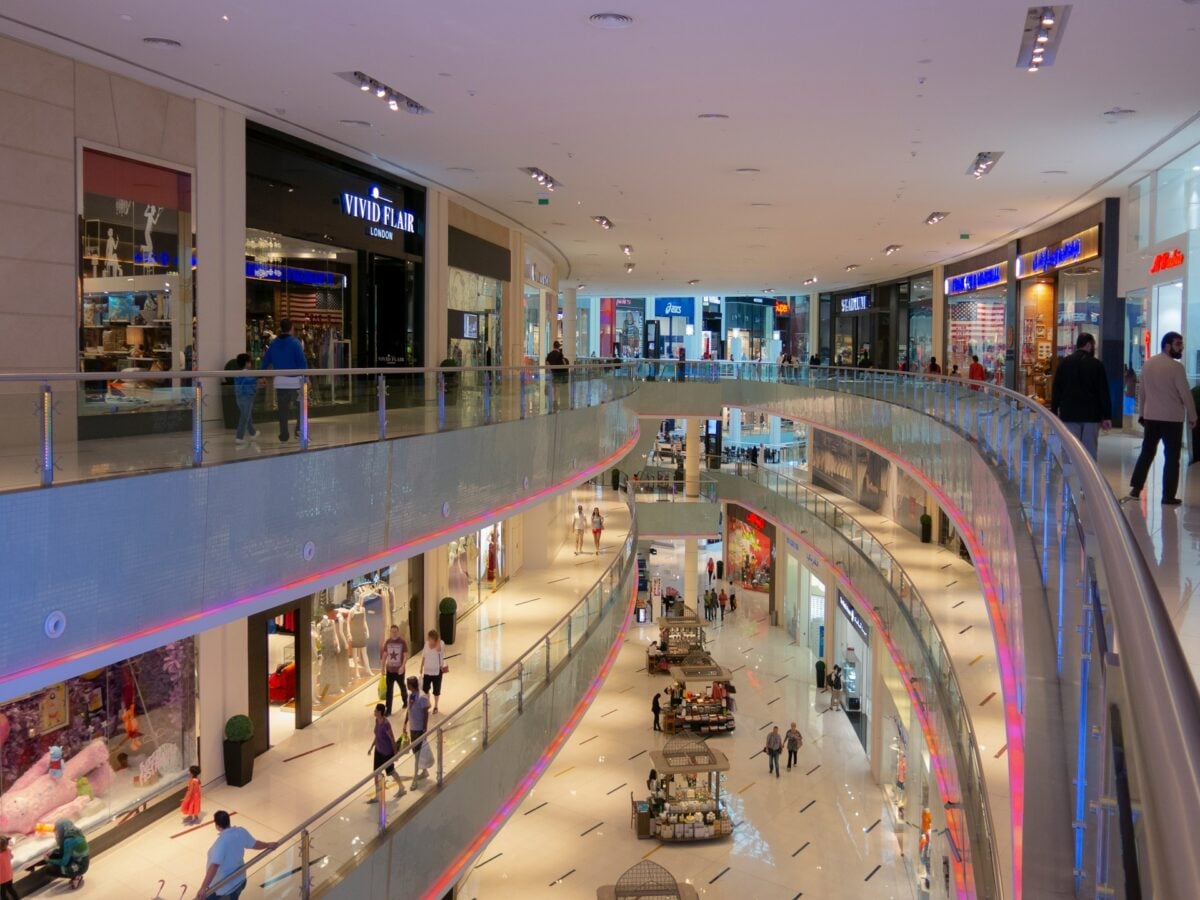
Department stores started in busy downtown areas where foot traffic was high. Stores like Macy’s in New York or Marshall Field’s in Chicago were more than just shopping spots — they anchored city centers.
People dressed up just to visit. Some even spent the whole day there. Back then, it was about the experience, not just the items on the shelves.
Everything Under One Roof
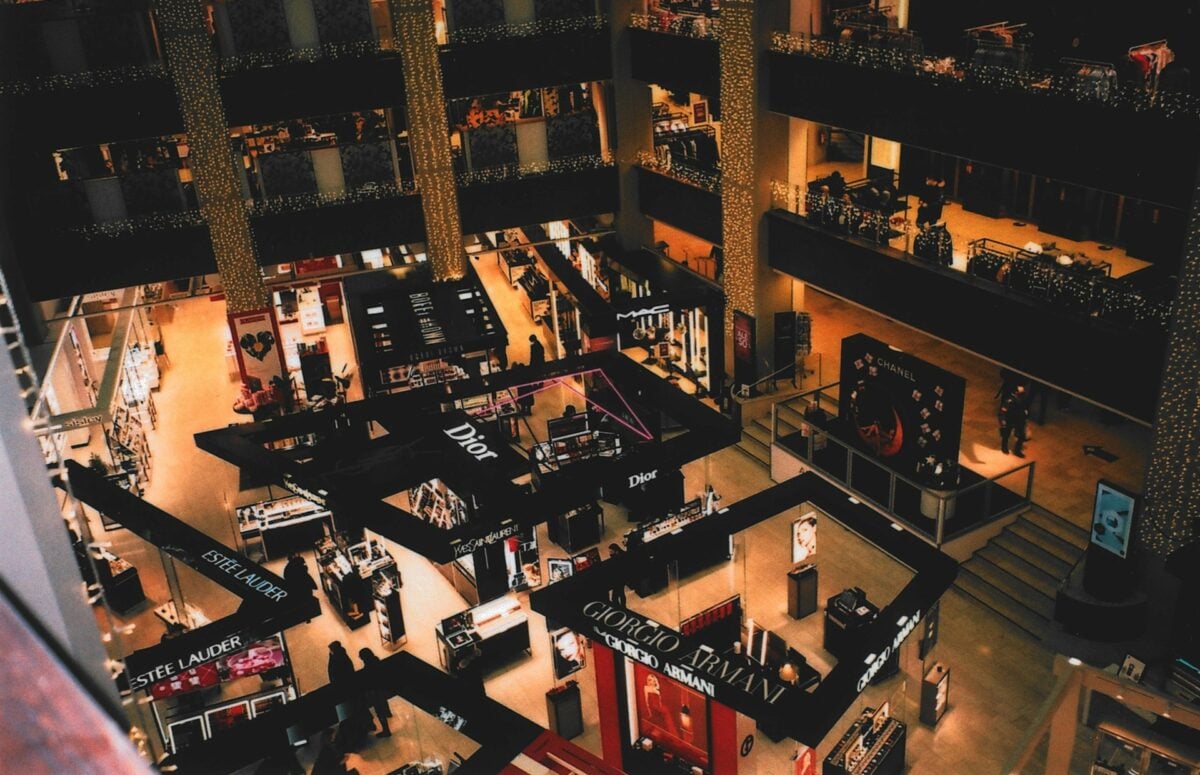
What made department stores special was simple: convenience. They offered home goods, clothes, electronics, and even groceries in some cases.
Shoppers didn’t have to go from one store to another. Everything was right there, stacked neatly on organized floors.
That model worked like magic in the early 20th century.
Like Go2Tutors’s content? Follow us on MSN.
The Holiday Displays Drew Crowds

Around the holidays, department stores turned into mini amusement parks. Huge window displays with moving parts, music, and lights pulled in families every year.
Even if they didn’t plan to buy anything, people came just to see the decorations. For many, it was a tradition.
The stores became part of their holiday memories.
Catalogs Reached Small-Town Homes
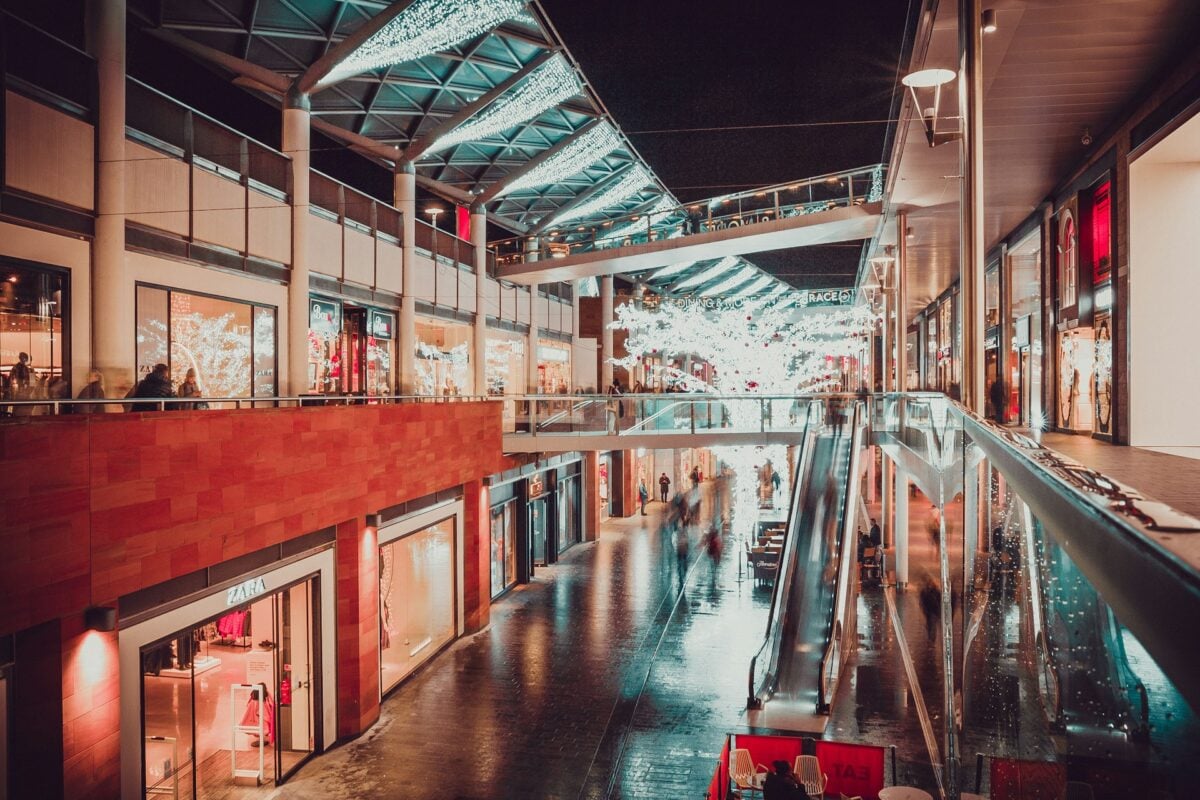
Not everyone could visit the big city stores, so catalogs filled the gap. Companies like Sears and J.C. Penney shipped their thick catalogs across the country.
People in rural towns could order clothes, tools, or furniture right from their homes. In many ways, this was the first version of online shopping — just slower.
Store Brands Built Customer Loyalty
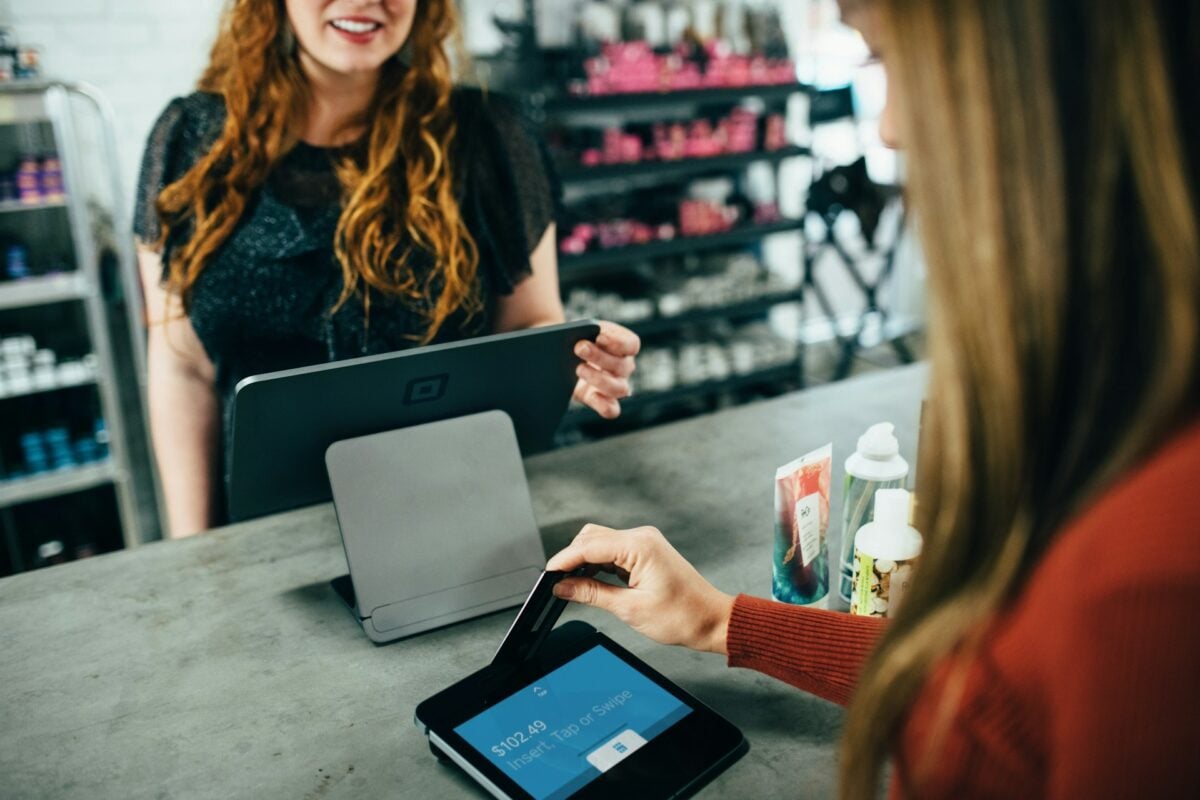
Some department stores created their own brands. These in-house labels offered quality at lower prices than designer goods.
Shoppers trusted them. They knew what to expect, and that kept them coming back.
That kind of brand loyalty was strong in the 1970s and 1980s.
Like Go2Tutors’s content? Follow us on MSN.
Malls Changed the Game

The rise of the suburban mall shifted shopping habits. Instead of heading downtown, people drove to malls that had multiple department stores under one roof.
This gave them more choice and better parking. Stores like Sears, JCPenney, and Dillard’s became mall staples. For a while, everyone benefited.
Too Big to Stay Flexible
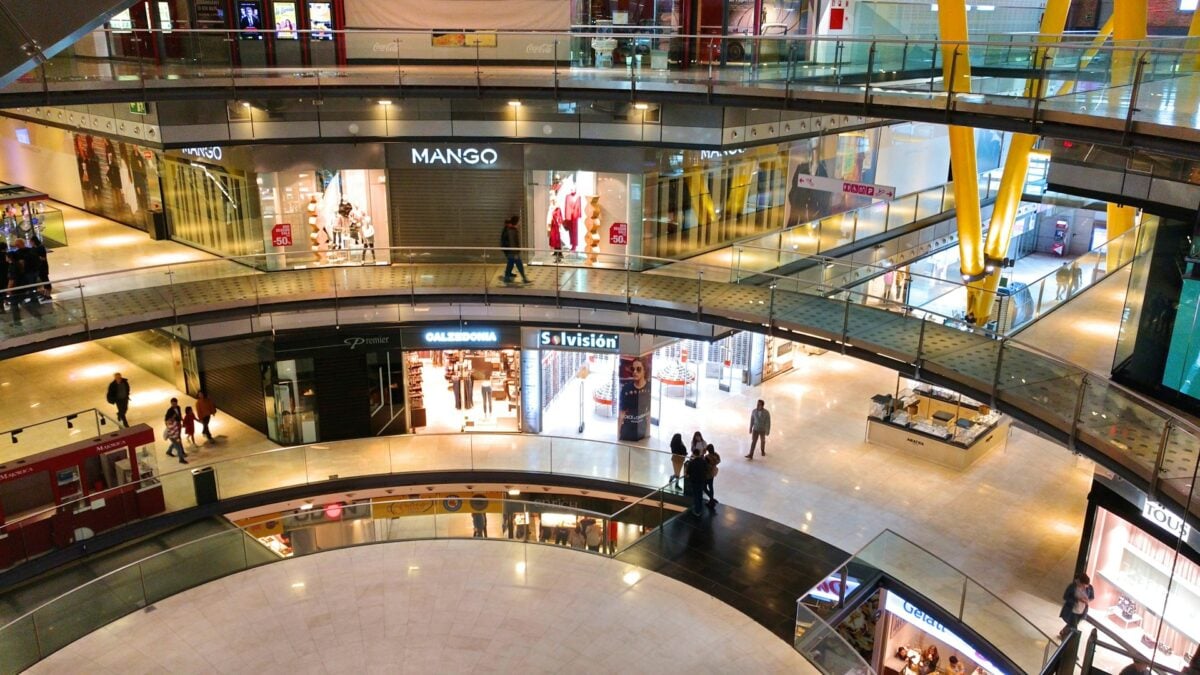
As the retail world changed, many department stores struggled to adapt. Their size, once an advantage, made them slow to shift.
Changing inventory or layout took time and money. Meanwhile, smaller stores and online sellers moved faster.
That hurt the big names.
Online Shopping Took Over

When online shopping took off, department stores didn’t keep up. They had websites, but the experience didn’t match the convenience or prices of online-only shops.
Customers got used to shopping from home in their pajamas. Over time, fewer people felt the need to visit in person.
Like Go2Tutors’s content? Follow us on MSN.
Retail Giants Squeezed Them Out
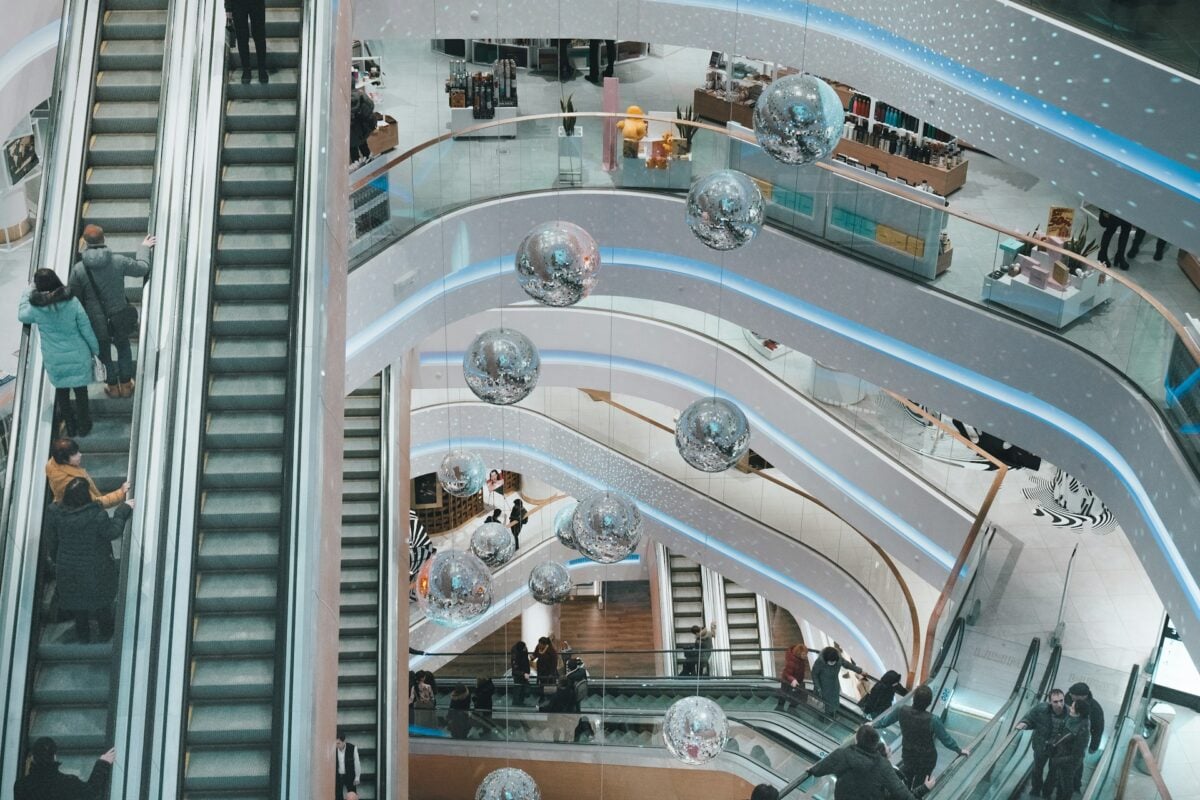
Big-box retailers like Walmart and Target offered low prices and everyday goods. Department stores couldn’t match those discounts.
On the other end, high-end brands built their own stores. So department stores were stuck in the middle — not cheap enough, not exclusive enough.
Younger Shoppers Looked Elsewhere
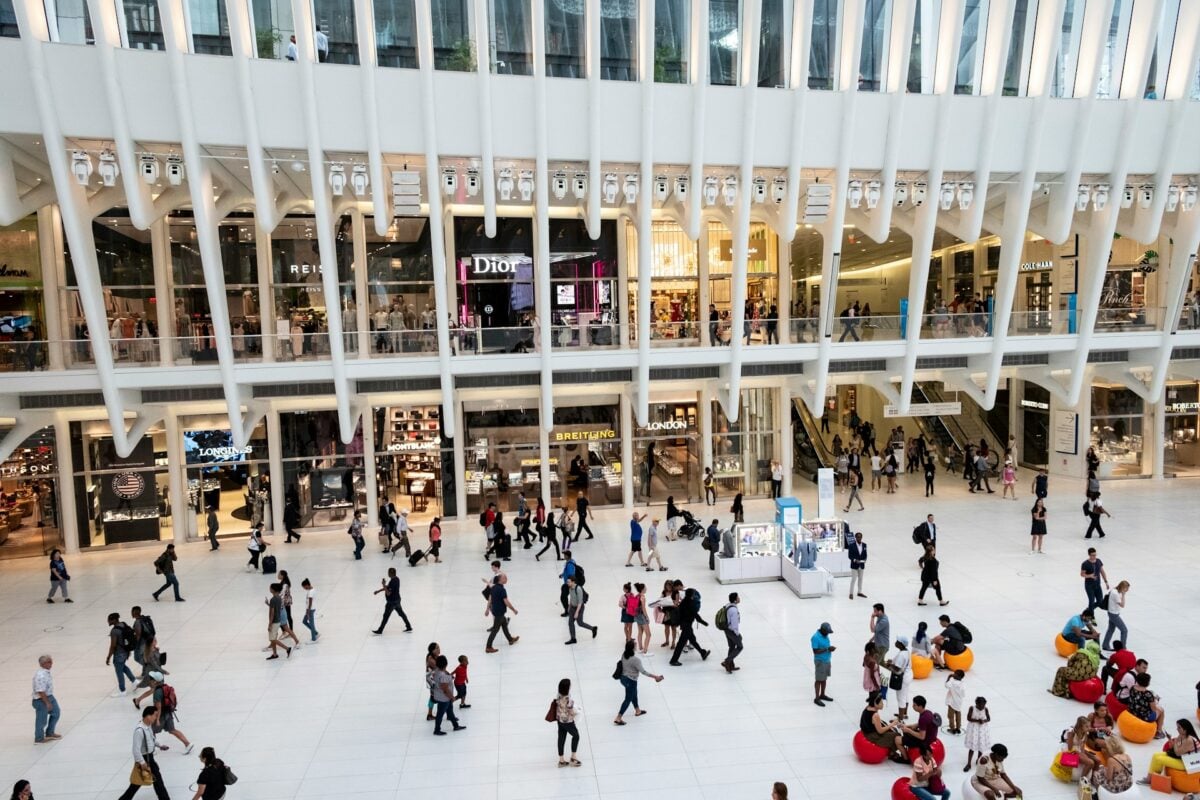
Younger generations weren’t as attached to department stores. They preferred specialty shops, online deals, or fast fashion brands.
They also wanted trendier options and quicker turnover. Department stores couldn’t always deliver that.
So those shoppers took their money elsewhere.
Loyalty Programs Lost Their Shine
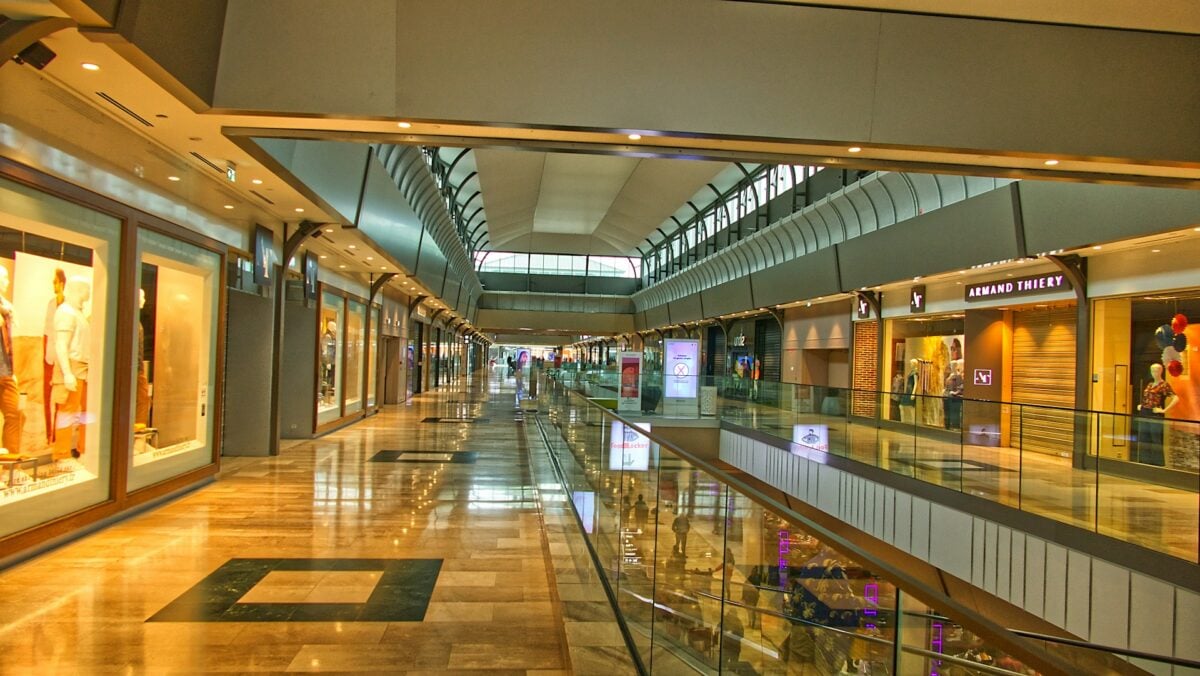
For years, department stores used credit cards and loyalty programs to keep people coming back. It worked — until it didn’t.
As more options appeared, discounts weren’t enough. Shoppers weren’t impressed by another 10% off coupon.
They wanted better prices or faster service instead.
Like Go2Tutors’s content? Follow us on MSN.
Management Missed the Signs
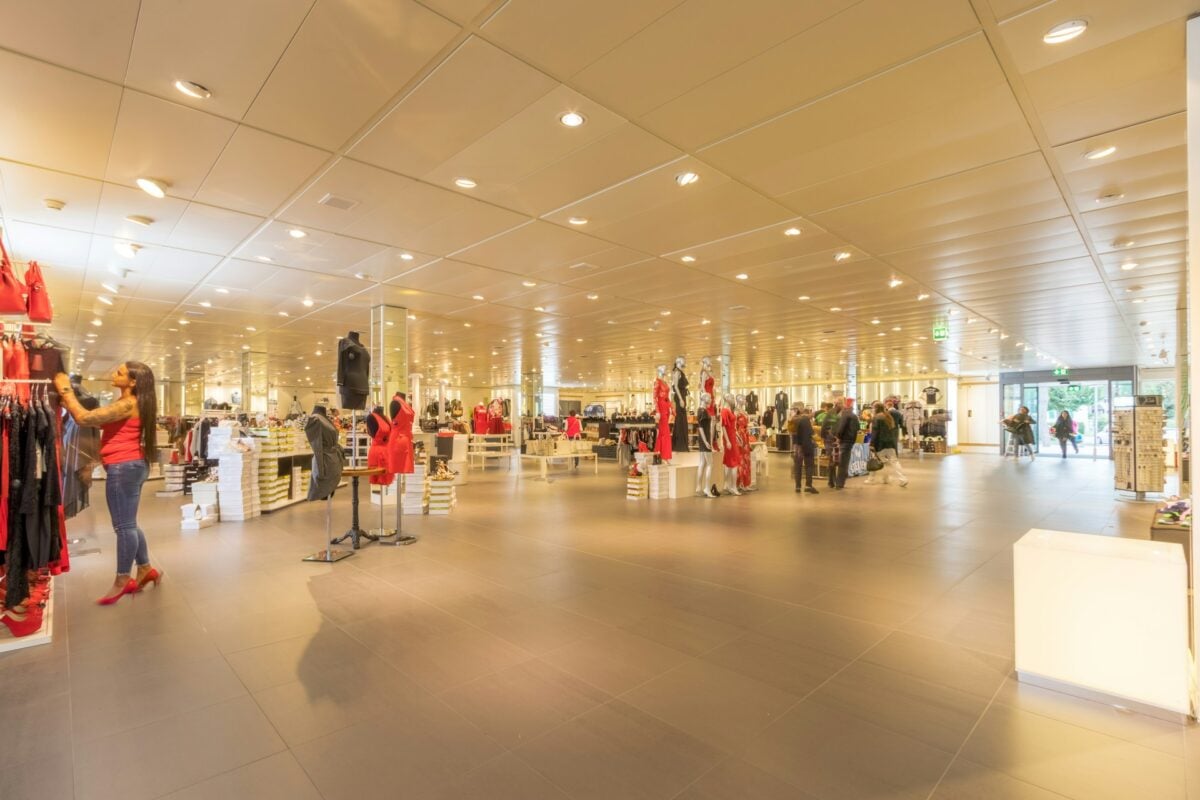
Some stores made poor choices at the top. Instead of updating stores or improving service, they cut staff or stocked too much of the wrong product.
These missteps added up. When the economy dipped, they weren’t ready.
That made recovery even harder.
COVID Sped Up the Decline

The pandemic hit in-person retail hard. Department stores already on the edge struggled to survive lockdowns.
Some filed for bankruptcy. Others closed even more locations.
Online shopping became the norm almost overnight.
Private Labels Couldn’t Save Them
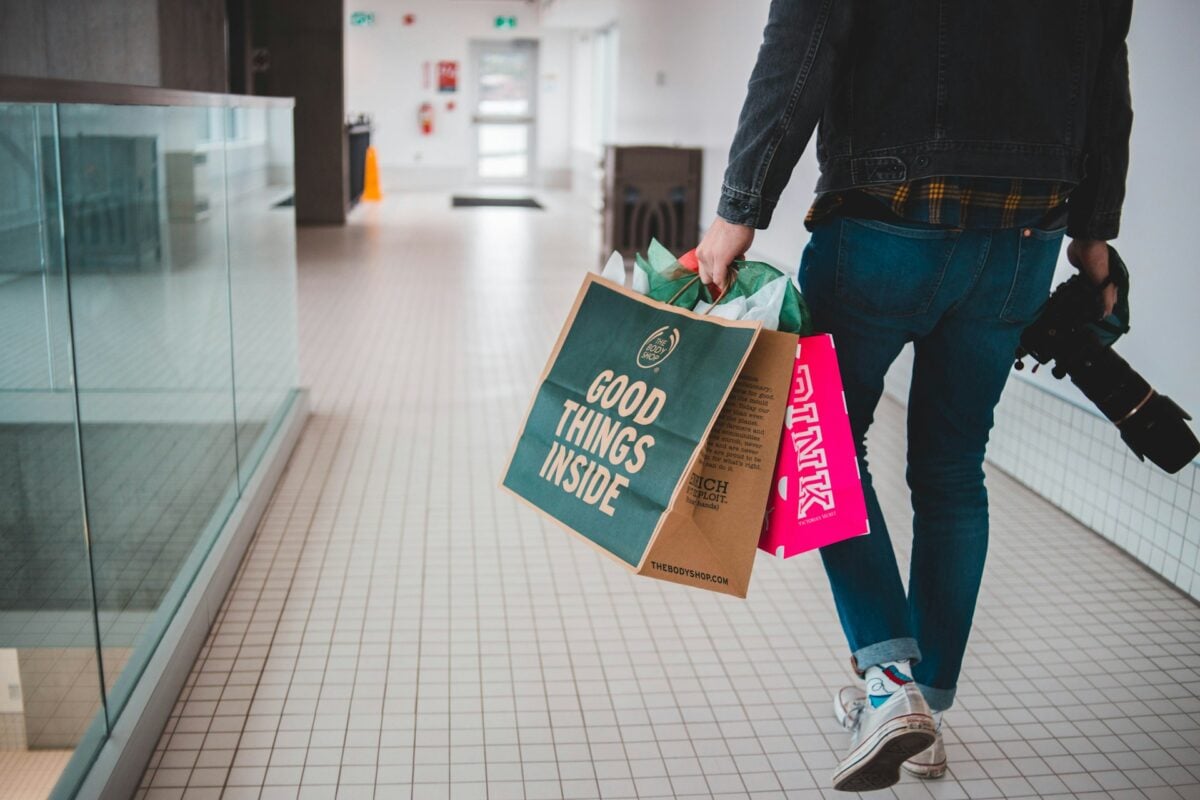
As pressure grew, many department stores leaned harder on their own brands. The idea was to control costs and offer unique products.
But shoppers didn’t bite. The designs often felt outdated or bland.
The effort didn’t boost sales like they hoped.
Like Go2Tutors’s content? Follow us on MSN.
Store Experiences Stopped Feeling Special
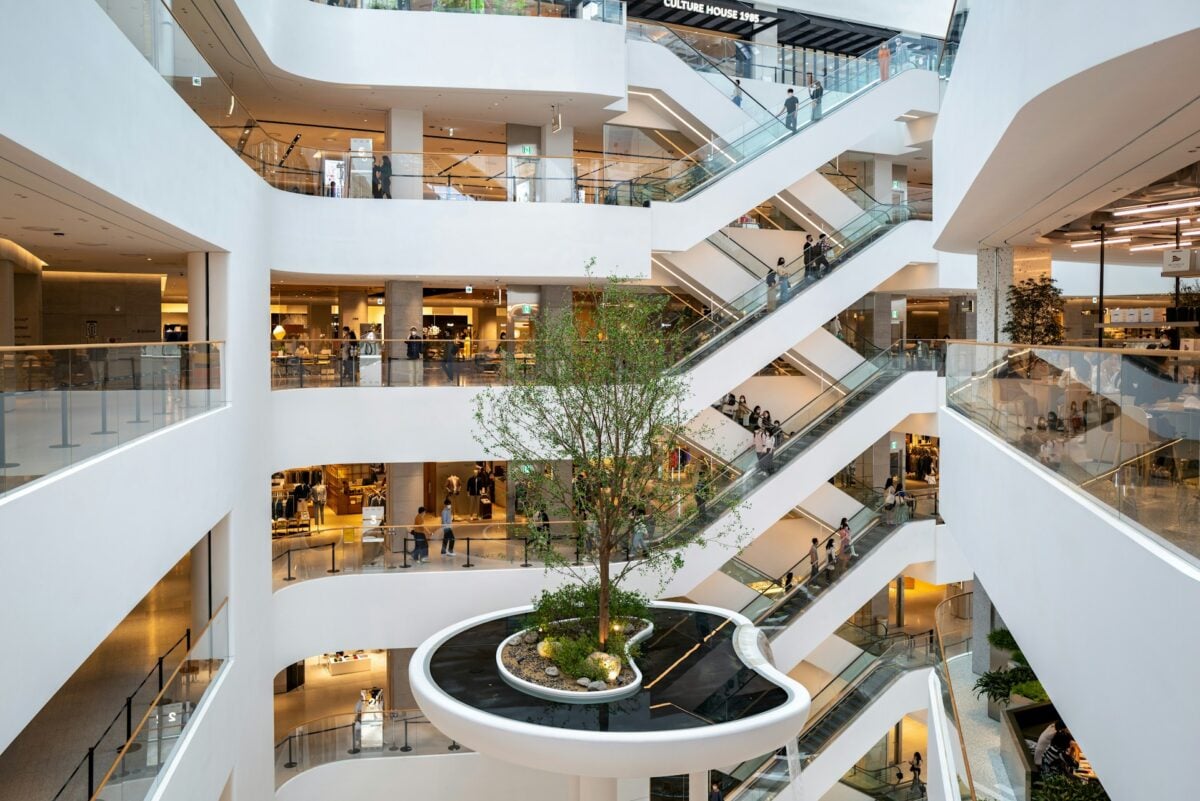
In the past, visiting a department store felt like an outing. Over time, that charm faded.
Many stores felt cluttered, outdated, or understaffed. Long lines, poor lighting, and messy shelves didn’t help.
Customers started to skip the trip.
Discount Chains Took Center Stage
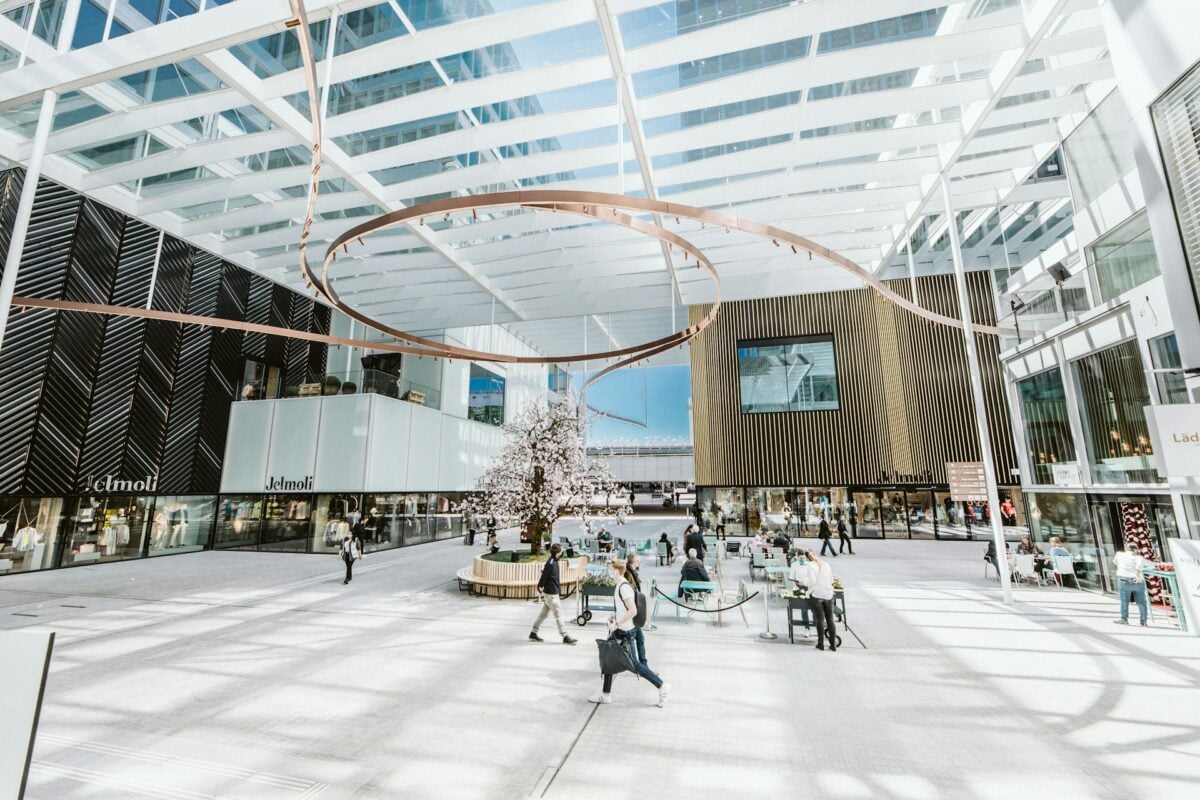
Shops like T.J. Maxx and Ross offered name brands at lower prices. For many, that was more exciting than browsing full-price racks.
These stores refreshed inventory often, giving a sense of treasure hunting. Department stores couldn’t match that thrill or pricing.
Few Adapted in Time
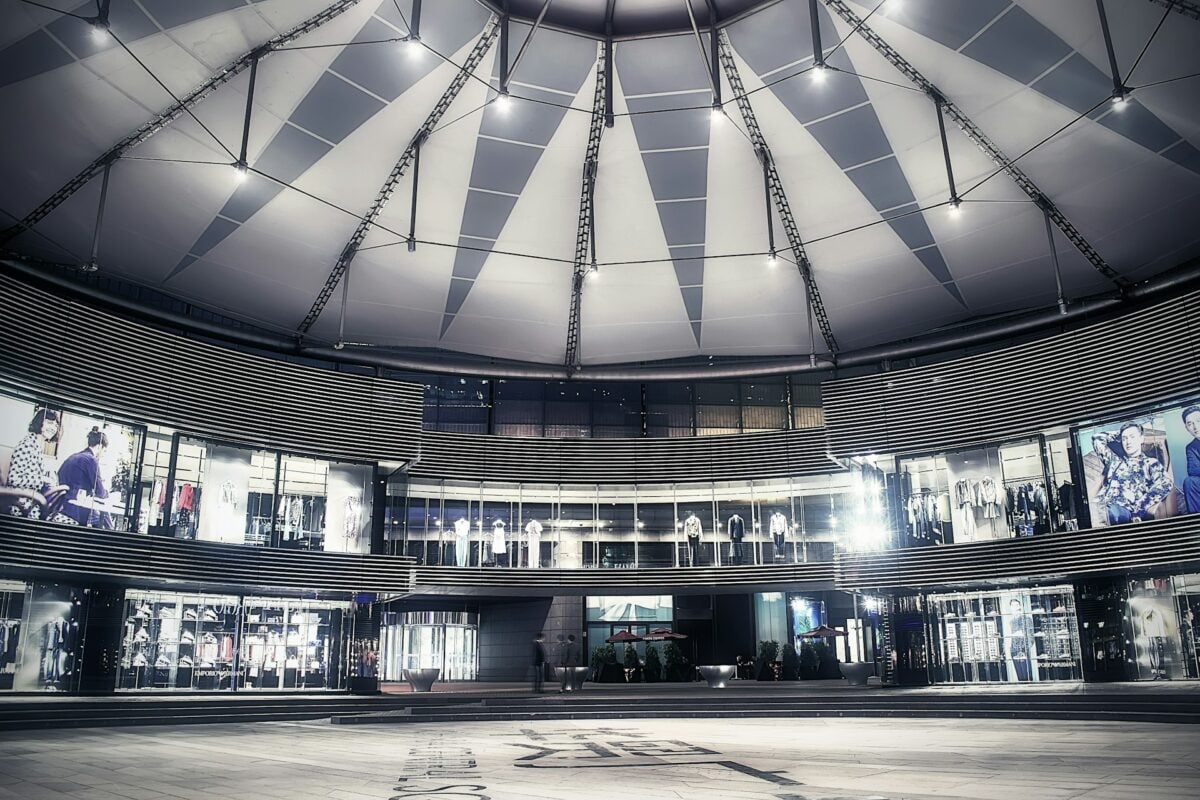
Some stores tried to evolve, but it was too late. They missed their chance to build strong online platforms or revamp the shopping experience.
A handful survived by downsizing or rebranding. But many simply vanished from malls and streets.
Their absence left empty buildings — and a gap in retail history.
Like Go2Tutors’s content? Follow us on MSN.
From Main Street to Memory Lane
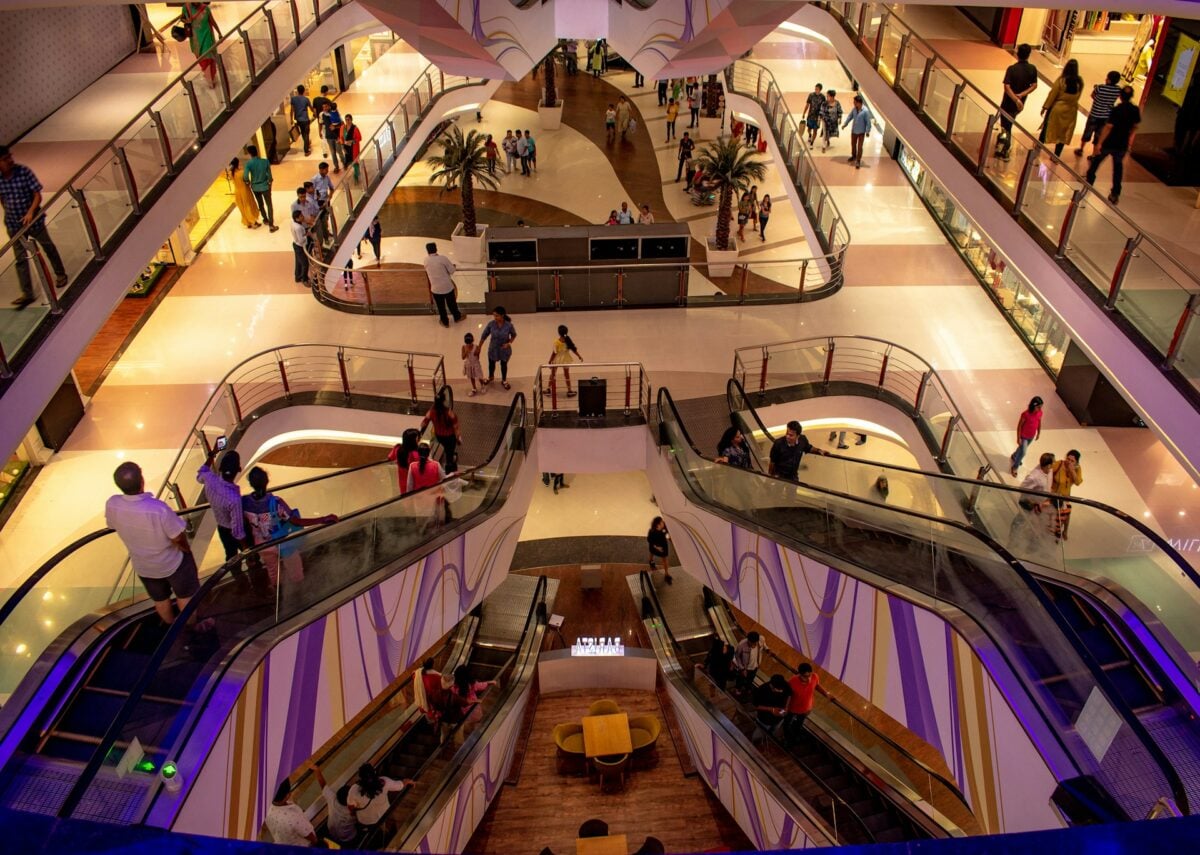
Department stores once stood tall in American cities and towns. They told stories of growth, jobs, and family outings.
Their decline shows how fast shopping habits can shift. Now, people scroll and click instead of browse and walk.
The past felt slower, but more personal — and maybe that’s the biggest thing missing today.
More from Go2Tutors!

- 16 Historical Figures Who Were Nothing Like You Think
- 12 Things Sold in the 80s That Are Now Illegal
- 15 VHS Tapes That Could Be Worth Thousands
- 17 Historical “What Ifs” That Would Have Changed Everything
- 18 TV Shows That Vanished Without a Finale
Like Go2Tutors’s content? Follow us on MSN.



