The Strangest Foods Eaten by Astronauts in Orbit
When people think about life in space, they often imagine floating around in zero gravity and gazing at Earth from a tiny window. But there’s another part of the astronaut experience that doesn’t get nearly enough attention: the food.
Eating in space isn’t like grabbing a sandwich from the fridge or heating up leftovers in the microwave. Everything about mealtime becomes a challenge when there’s no gravity to keep things on a plate, and the menu options can get pretty wild.
So what exactly are astronauts munching on up there? Let’s take a look at some of the most unusual, surprising, and downright strange foods that have made their way into orbit.
Freeze-dried ice cream that never actually went to space
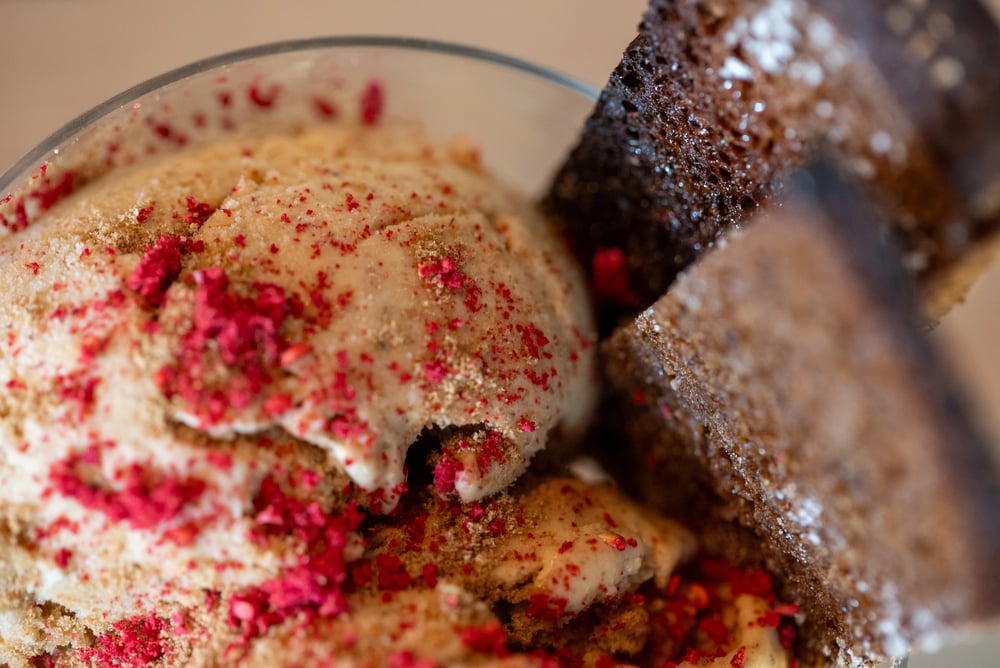
This one might shock anyone who bought astronaut ice cream at a science museum as a kid. The chalky, crunchy treat was developed for the Apollo missions, but it only flew once on Apollo 7 in 1968.
Astronauts didn’t like it much because it crumbled into a mess and left powder floating everywhere. The International Space Station today actually has a freezer, so astronauts can enjoy regular ice cream instead.
That childhood novelty snack was more of a marketing success than a space food staple.
Shrimp cocktail as the most popular item

Astronauts consistently rank shrimp cocktails as their favorite food in space, which seems odd until you understand why. In orbit, fluids shift toward the head and cause congestion, similar to having a constant stuffy nose.
Strong flavors like the horseradish sauce that comes with the shrimp help cut through the dulled taste buds. The tangy, spicy kick makes it one of the few foods that actually tastes like something up there.
It’s been a crew favorite since the Skylab era in the 1970s.
Tortillas instead of bread
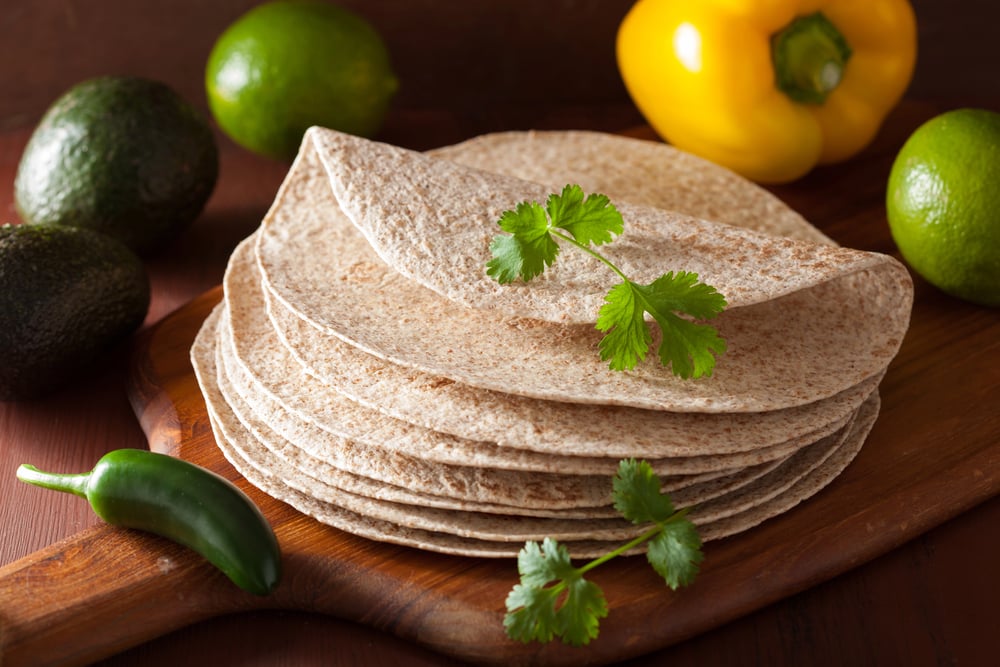
Bread might seem like a basic staple, but it’s actually banned on spacecraft. Regular bread creates crumbs that float around and can clog air vents or get into sensitive equipment.
Even worse, those crumbs could drift into an astronaut’s eyes or nose while they’re sleeping. Tortillas solve this problem completely because they don’t shed particles and can be used to wrap almost anything.
They last longer without refrigeration too, making them the perfect space sandwich solution.
Thermostabilized pouches of beef stew
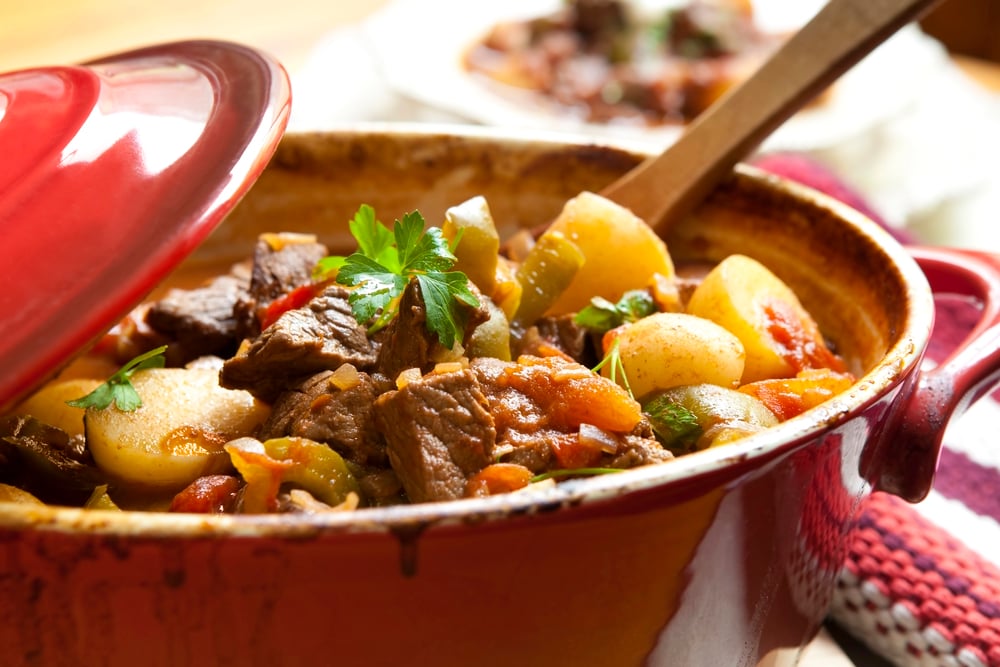
Astronauts eat a lot of their meals from packets that look like military rations. These thermostabilized pouches contain foods like beef stew that have been heat-treated to kill bacteria and then sealed up.
The texture can be mushy and the appearance isn’t always appetizing, but the food stays safe to eat for years without refrigeration. Crew members cut open the pouch and eat directly from it with a spoon.
It’s not fancy, but it beats going hungry at 250 miles above Earth.
Liquid salt and pepper
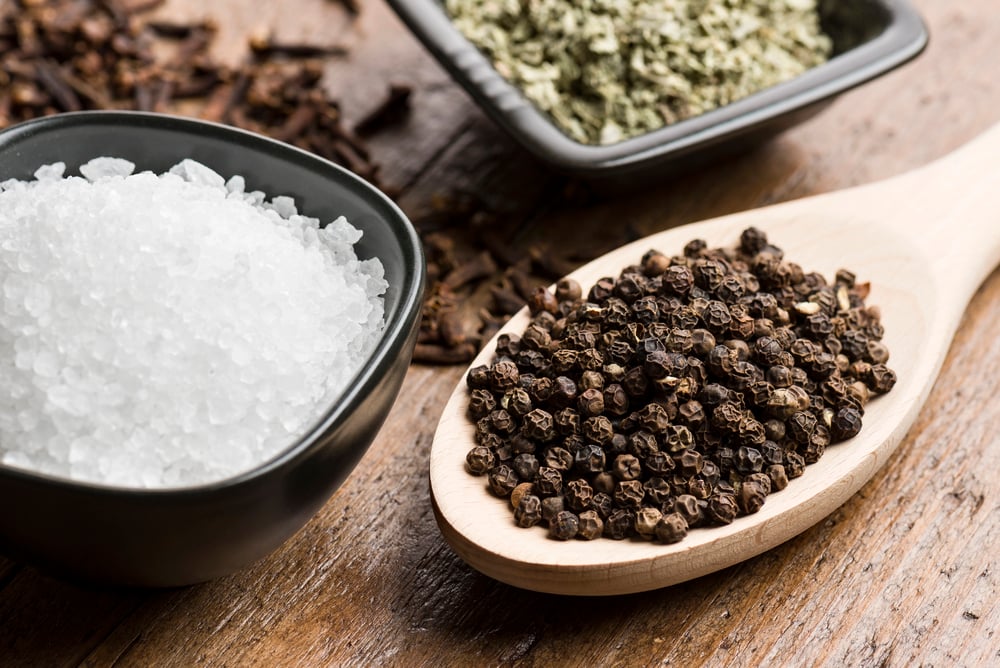
Sprinkling salt and pepper on food doesn’t work in microgravity because the tiny particles would just float away. NASA solved this by creating liquid versions that astronauts squeeze onto their meals from small containers.
The salt comes dissolved in water, and the pepper is suspended in oil. It took some getting used to because the liquid versions don’t taste quite the same as the granulated stuff.
But at least astronauts can season their food without creating a cloud of floating spices in the cabin.
Kimchi approved by radiation testing

When South Korea sent its first astronaut to space in 2008, the country wanted to include kimchi in the menu. The fermented cabbage dish is a staple of Korean cuisine, but it had to go through extensive testing first.
Scientists worried about the bacteria in fermented foods and whether the kimchi would create too much gas in the astronaut’s digestive system. After developing a special space version and irradiating it to reduce bacterial counts, kimchi finally got approved for orbit.
Korean astronaut Yi So-yeon got to enjoy a taste of home at 200 miles up.
Canned quail in madeira sauce
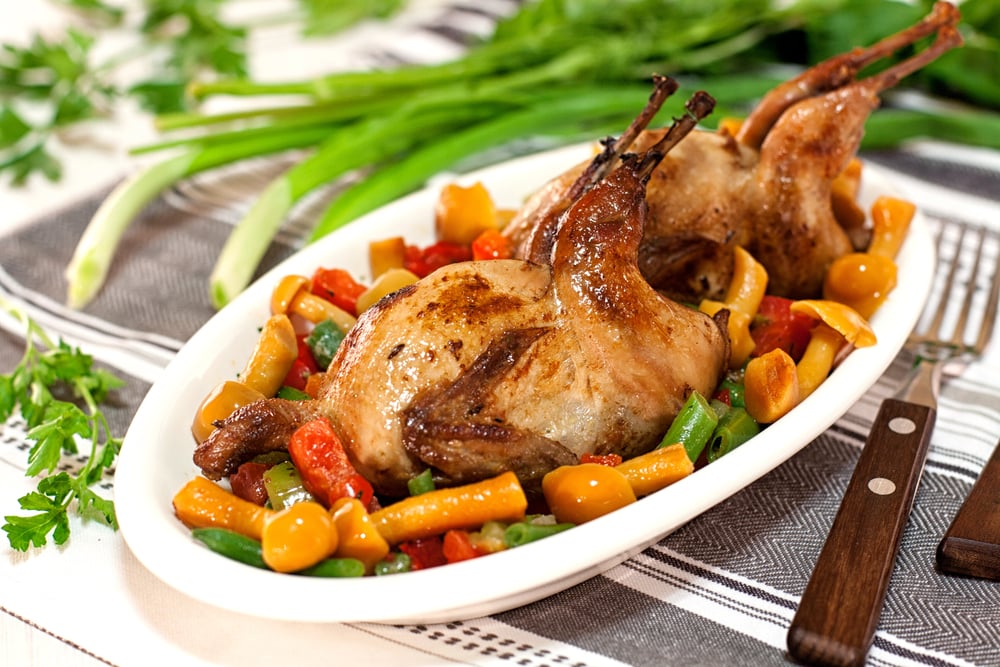
Russian cosmonauts have some of the most unusual items on their space menu, and canned quail tops the list. The tiny birds come packed in a rich wine sauce inside small tins that cosmonauts open and eat cold.
It’s considered a delicacy in Russia, but the idea of eating whole tiny birds from a can strikes many people as strange. The metal cans also add extra weight to cargo shipments, but Russian space officials have kept quail on the menu for decades.
Tradition matters, even in orbit.
Tang that wasn’t actually created for space
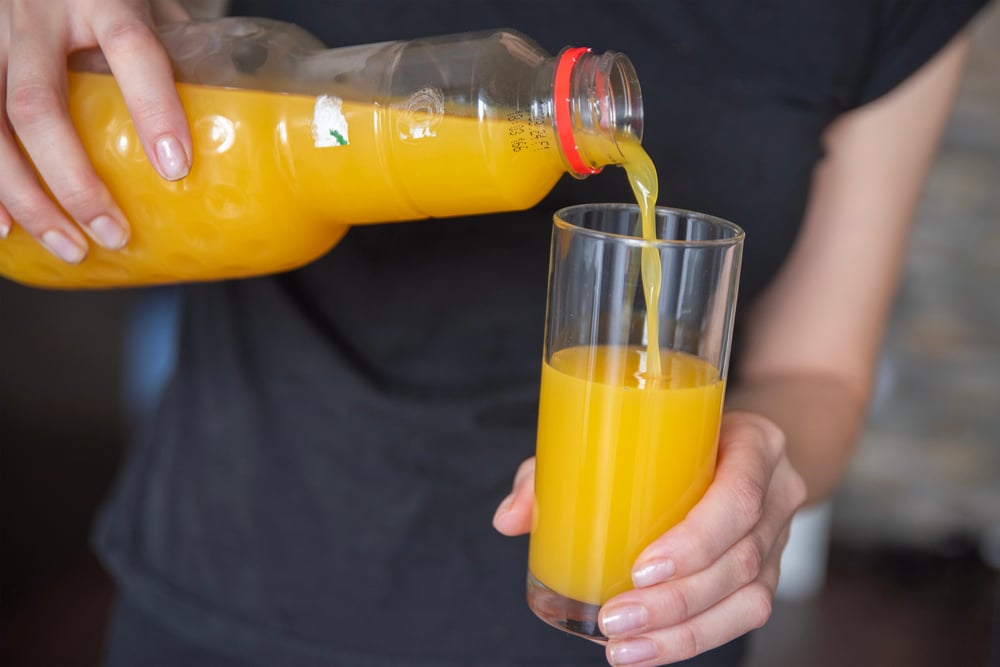
Most people think Tang was invented for astronauts, but that’s not true. The orange drink powder was already on grocery store shelves when NASA decided to use it on Gemini flights in 1965.
It helped mask the unpleasant taste of the water, which came from fuel cells as a byproduct of generating electricity. Tang became famous because of its association with space travel, not the other way around.
The company behind it definitely didn’t mind the free publicity from the space program.
Rehydratable macaroni and cheese
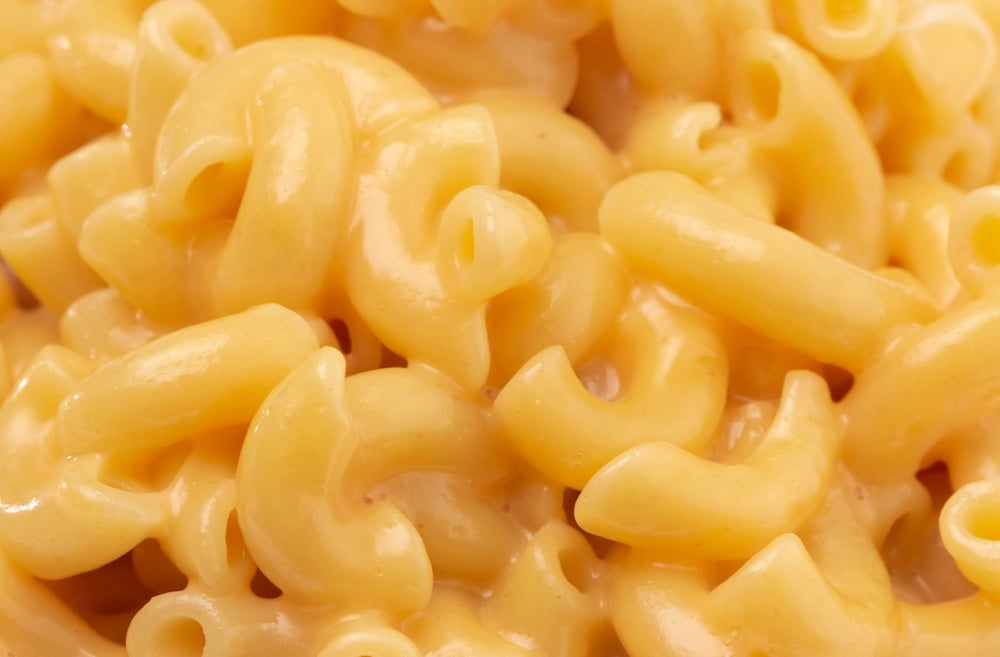
Pasta in space comes as dehydrated noodles mixed with powdered cheese that astronauts reconstitute by adding hot water. The result looks and tastes somewhat like the boxed version people make at home, though the texture tends to be softer and mushier.
Each pouch has a valve where crew members inject water from a special dispenser on the space station. After letting it sit for a few minutes, they can eat it straight from the bag.
It’s comfort food with a space twist.
Irradiated beefsteak
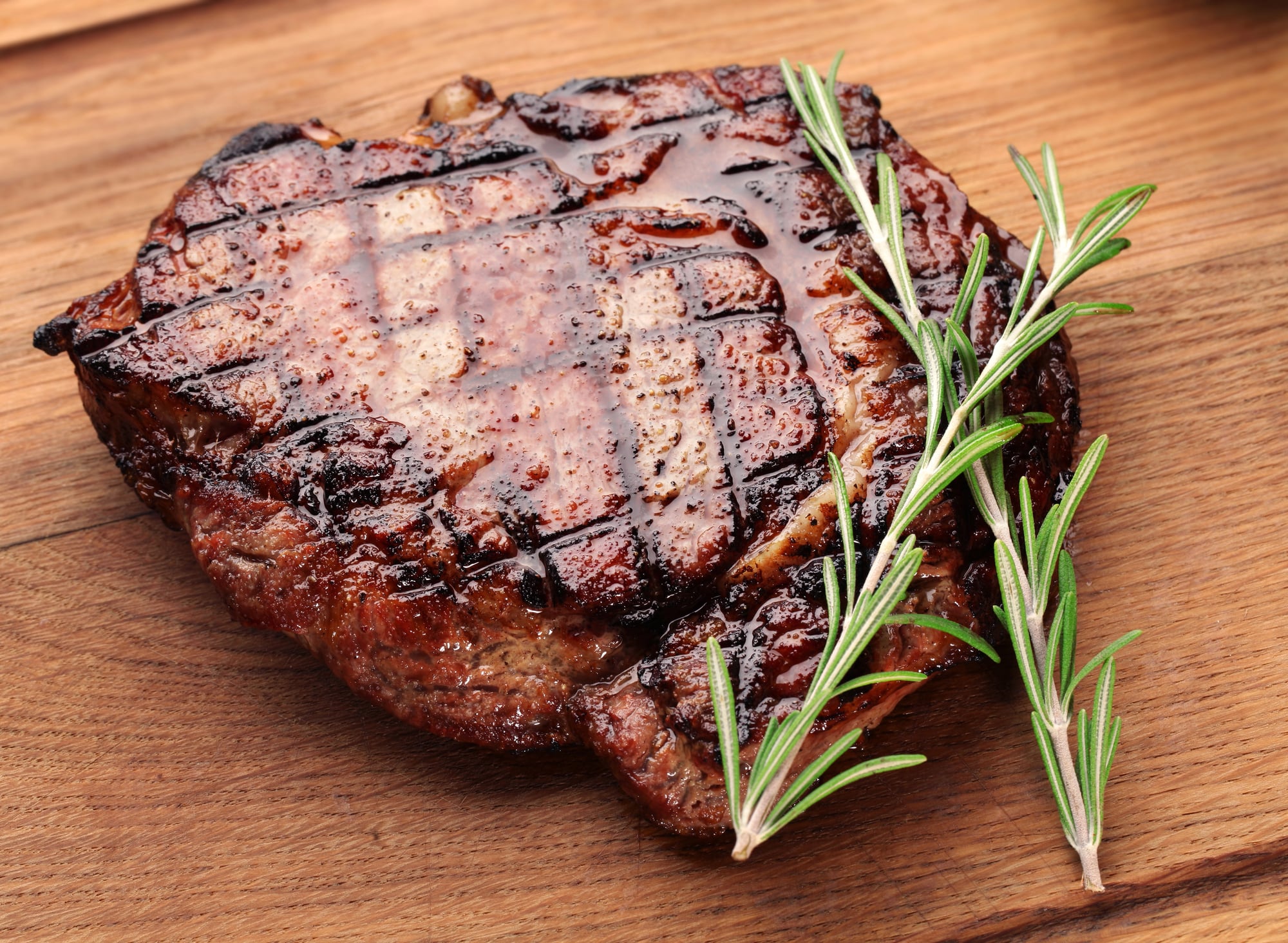
Astronauts occasionally get to eat what looks like a regular steak, except it’s been bombarded with radiation to sterilize it. The irradiation process kills any bacteria or parasites without cooking the meat or requiring refrigeration.
The steak comes vacuum-sealed and stays safe to eat for months. Some astronauts say the texture is a bit different from fresh steak, slightly tougher and with a faint metallic taste.
But having any kind of steak in space still feels like a luxury.
Asparagus that nobody really wants
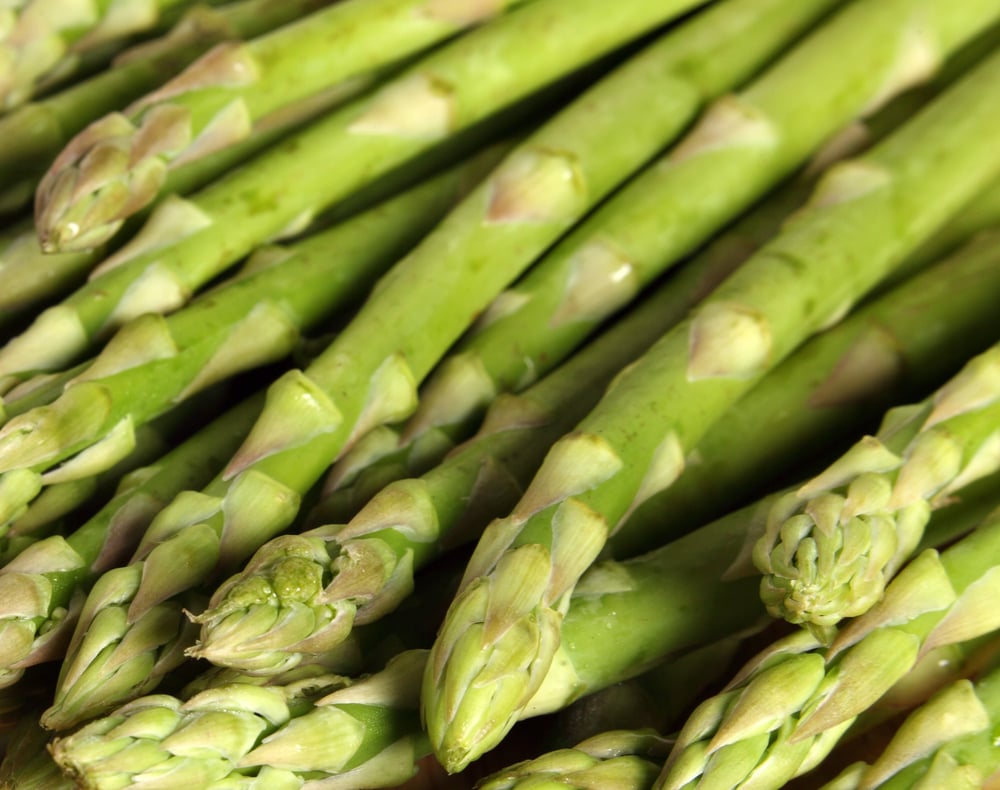
Not every food sent to space becomes a hit with the crew. Asparagus spears arrive on the station in thermostabilized pouches, but they tend to turn mushy and develop an odd smell.
The sulfur compounds in asparagus become more noticeable in the recycled air of the spacecraft. Most astronauts avoid them unless they’re really desperate for vegetables.
It’s proof that even with all the technology NASA has, some foods just don’t translate well to space.
M&Ms as psychological comfort
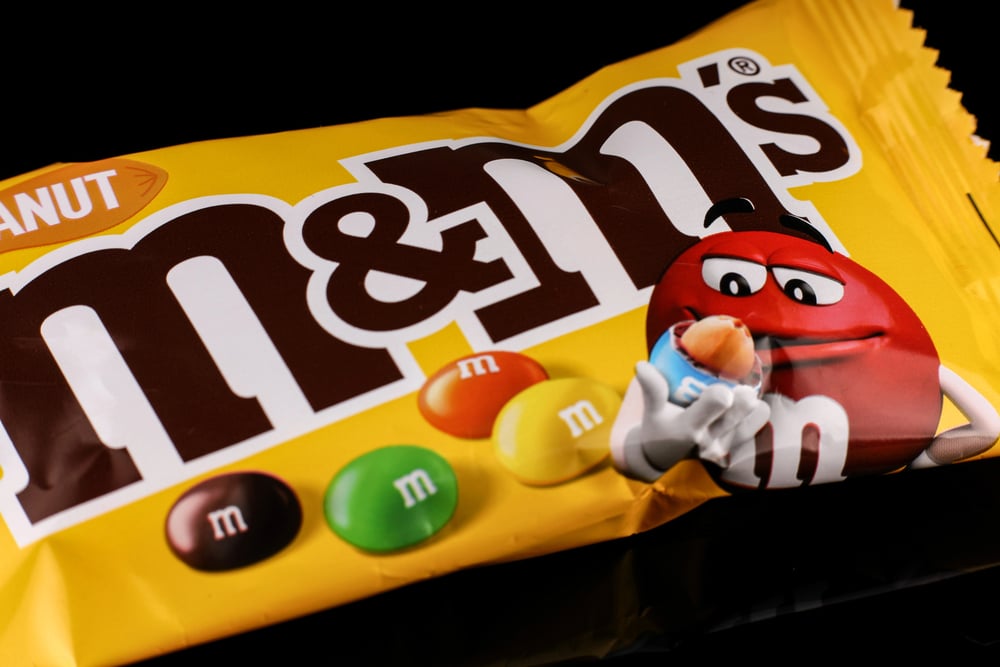
Candy might seem frivolous on a space mission, but M&Ms serve an important purpose for crew morale. The chocolate candies have a hard shell that prevents them from melting or making a mess, and they’re easy to eat in microgravity.
Astronauts can grab a few M&Ms and toss them into the air, then float over and catch them in their mouths. These little moments of fun help break up the serious work of running a space station.
The candies also taste exactly like they do on Earth, which brings a comforting sense of normalcy.
Irradiated oysters from a can
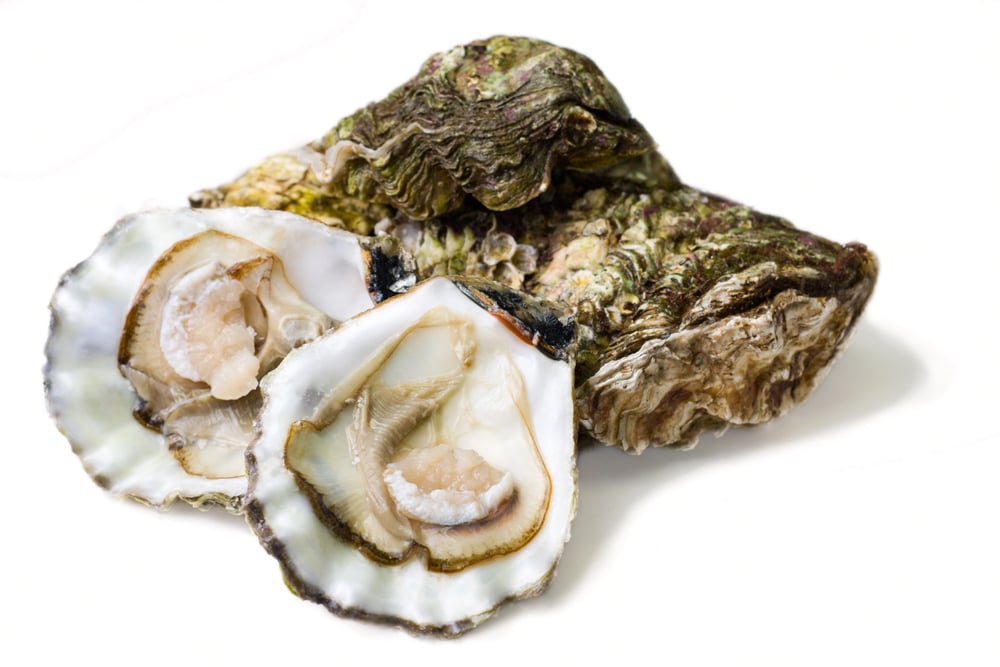
Japanese astronauts have enjoyed oysters during their time on the International Space Station, though the oysters come preserved in cans after radiation treatment. The briny seafood might sound fancy, but eating them from a tin in zero gravity is a different experience than having them fresh on the half shell.
They’ve been cooked and processed enough to stay shelf-stable for the journey to orbit. The flavor is strong enough to cut through the congestion issues that affect taste in space.
Scrambled eggs from a tube
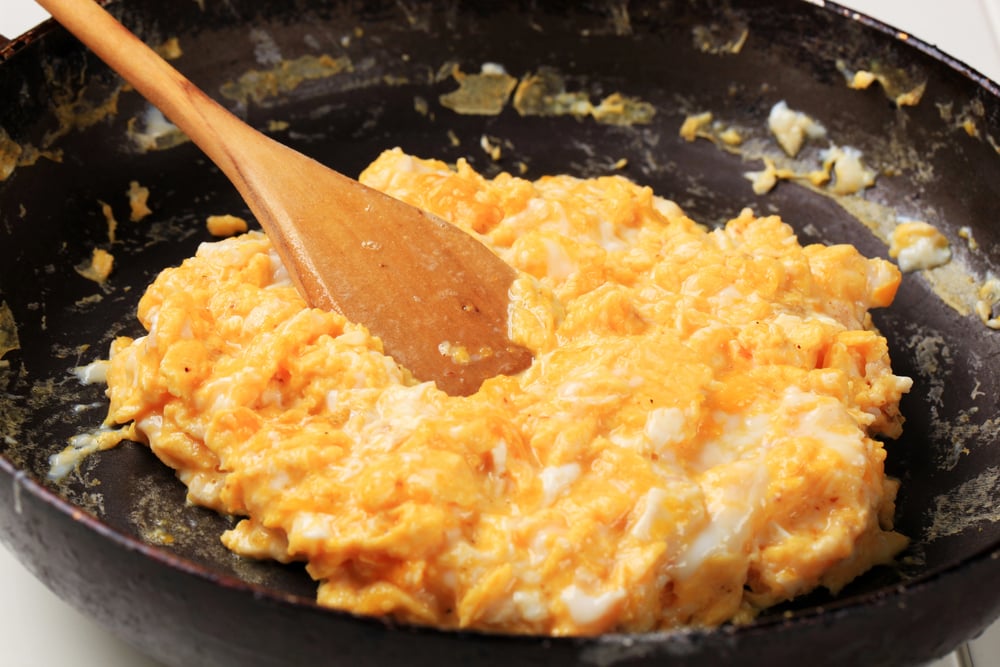
During the early days of space exploration, astronauts squeezed their scrambled eggs out of a tube like toothpaste. The eggs were cooked, pureed, and packed into aluminum tubes that could be stored at room temperature.
Crew members would snip off the end and squeeze the contents directly into their mouths. Today’s astronauts have it better with freeze-dried or thermostabilized eggs that look more normal, though they’re still not as good as fresh eggs.
Those tube eggs remain one of the strangest chapters in space food history.
Wasabi peas for the crunch factor
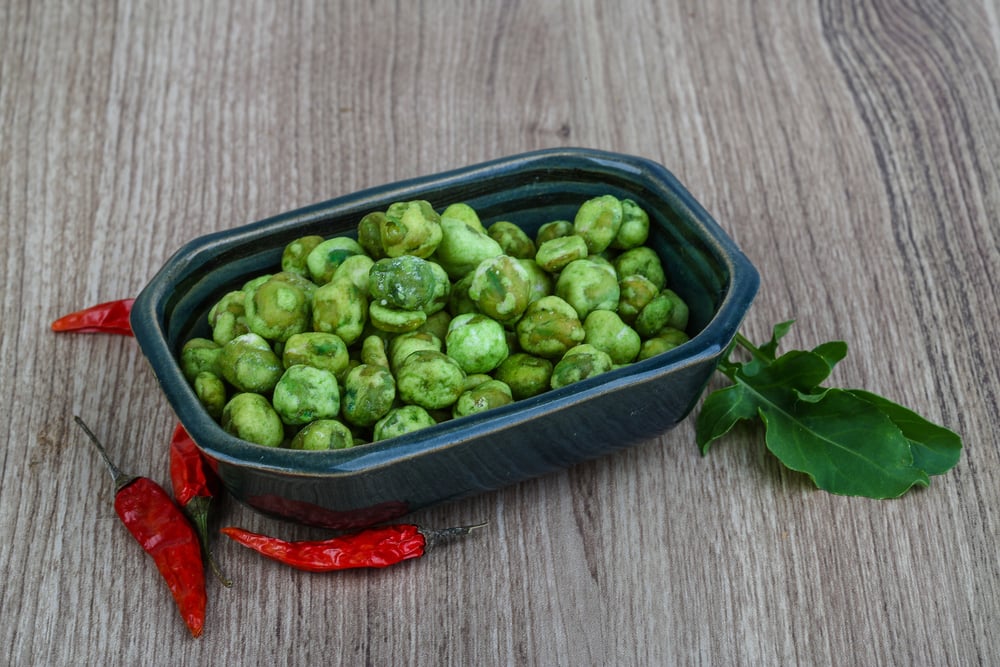
Astronauts sometimes crave crunchy textures since so much of their food is soft or mushy. Wasabi peas provide that satisfying crunch along with a spicy kick that helps with the taste bud problems in orbit.
The peas are coated in wasabi powder that sticks to them, so there’s minimal floating dust. They’re easy to pack, don’t require preparation, and last practically forever.
Just a handful can make a boring meal feel more interesting.
Honey as the only natural food that never spoils
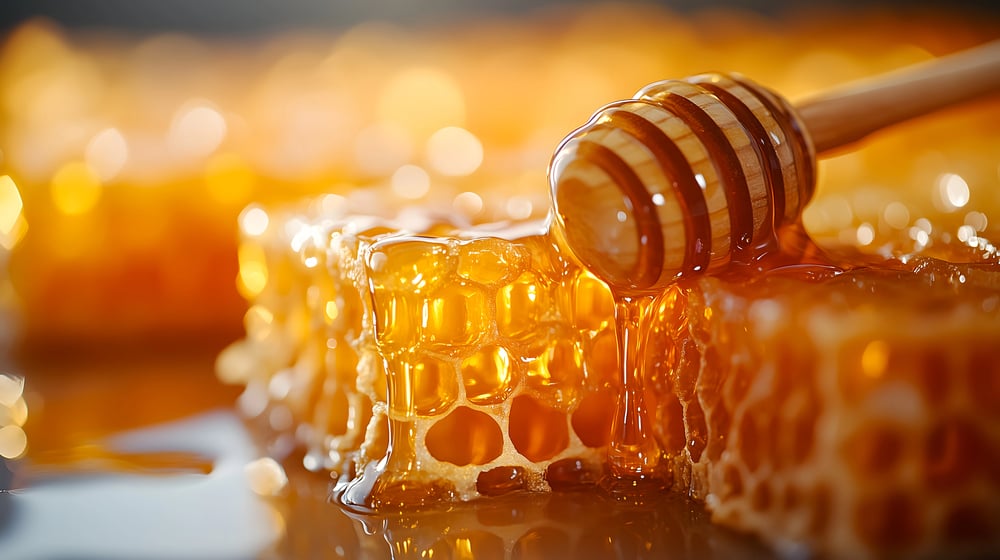
Honey is one of the few natural foods that can go to space without any processing or packaging tricks. It never spoils because its low moisture content and natural acidity prevent bacterial growth.
Astronauts squeeze it from plastic bottles onto their breakfast items or into tea. The sticky texture actually works better in space than runny liquids because it clings to food instead of forming floating blobs.
Ancient Egyptian honey found in tombs was still edible, so honey aboard the space station could theoretically last for thousands of years.
Lobster when you’re celebrating something big
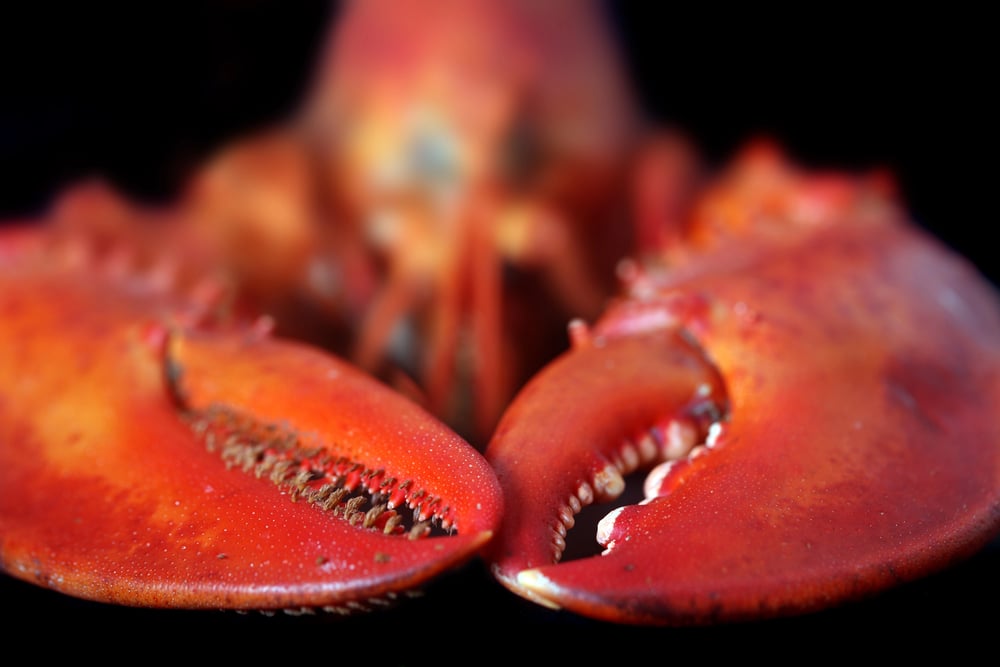
On holidays or big occasions, NASA occasionally launches lobster up to the crew. Once it gets there, the seafood’s already cooked – packed tight in pouches.
Heating it up is all they need before digging in. This might be the fanciest meal you can have zooming around Earth at nearly 18k mph.
Alongside, there’s often a buttery sauce astronauts squirt right over the top. Getting these treats helps space travelers feel remembered, especially when festivities happen far from family.
Coffee, tea, or soda, anything with caffeine just to keep awake

Coffee, tea, or anything with caffeine keeps astronauts going during tough hours up there. The coffee’s stored dry in little bags, just add hot water from the station tap.
Not exactly like Earth-style brew, yet it gives that needed jolt to keep minds sharp. A few space travelers claim they’d rather lose air than their morning cup.
Back in 2015, Italy sent up a tiny espresso gadget built just for the ISS, one proof how much they care about the daily roast.
From tubes to taste
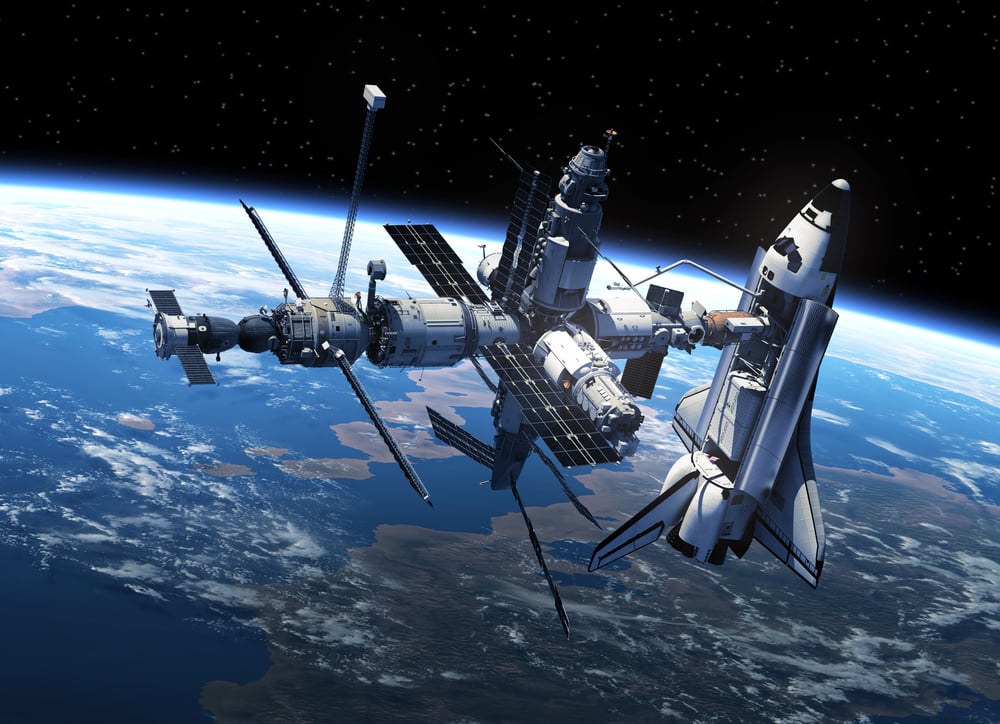
Space meals aren’t just mushy stuff in tubes anymore, those were what astronauts had at first. Now, people on board pick from a changing list with more than 200 choices, like recipes from many countries.
Strange yet cool things get eaten up there, shaped by how hard it is to eat in zero gravity plus our basic craving for flavor and change. With future trips planned to the Moon or even Mars, experts who study space diets are crafting smarter ways to feed travelers far from Earth.
More from Go2Tutors!

- The Romanov Crown Jewels and Their Tragic Fate
- 13 Historical Mysteries That Science Still Can’t Solve
- Famous Hoaxes That Fooled the World for Years
- 15 Child Stars with Tragic Adult Lives
- 16 Famous Jewelry Pieces in History
Like Go2Tutors’s content? Follow us on MSN.