20 Photos Of New York City in the 80s
New York in the 1980s was a different animal. The city was raw, edgy, and struggling in ways that shaped everything about how it looked and felt.
These photos capture moments that define an era—before the cleanup, before the gentrification, when Times Square was dangerous and the subway was covered in graffiti. This wasn’t the sanitized version you see today.
This was New York at its grittiest.
Times Square at Night, 1982
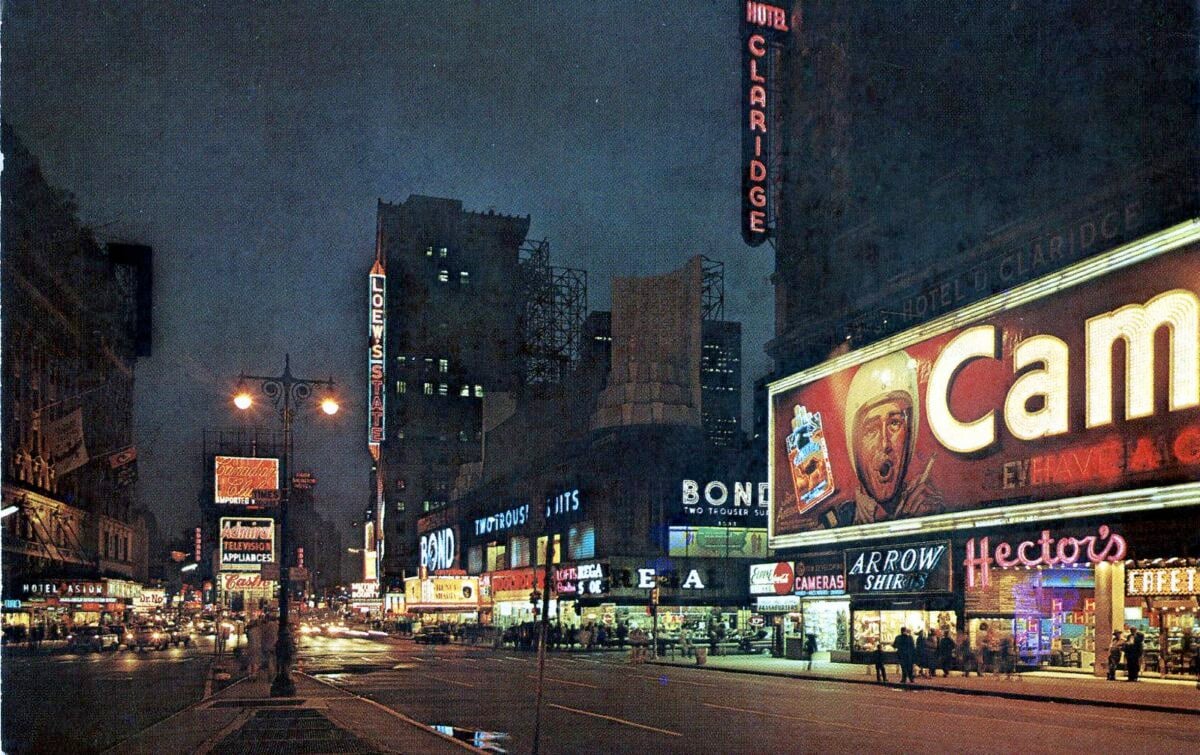
The neon burns so bright you can barely look directly at it. Peep shows and adult theaters line every block, their signs competing for attention. People crowd the sidewalks at midnight like it’s noon, but the energy feels different—charged with something between excitement and danger.
You can see why tourists came here looking for thrills, and why locals avoided it entirely. The marquees advertise movies you’ve never heard of. Hustlers work the corners.
A few cops stand around looking bored. This is the Times Square that Giuliani would later erase, the one that existed before Disney moved in and turned everything into a theme park.
Subway Car Interior, 1984
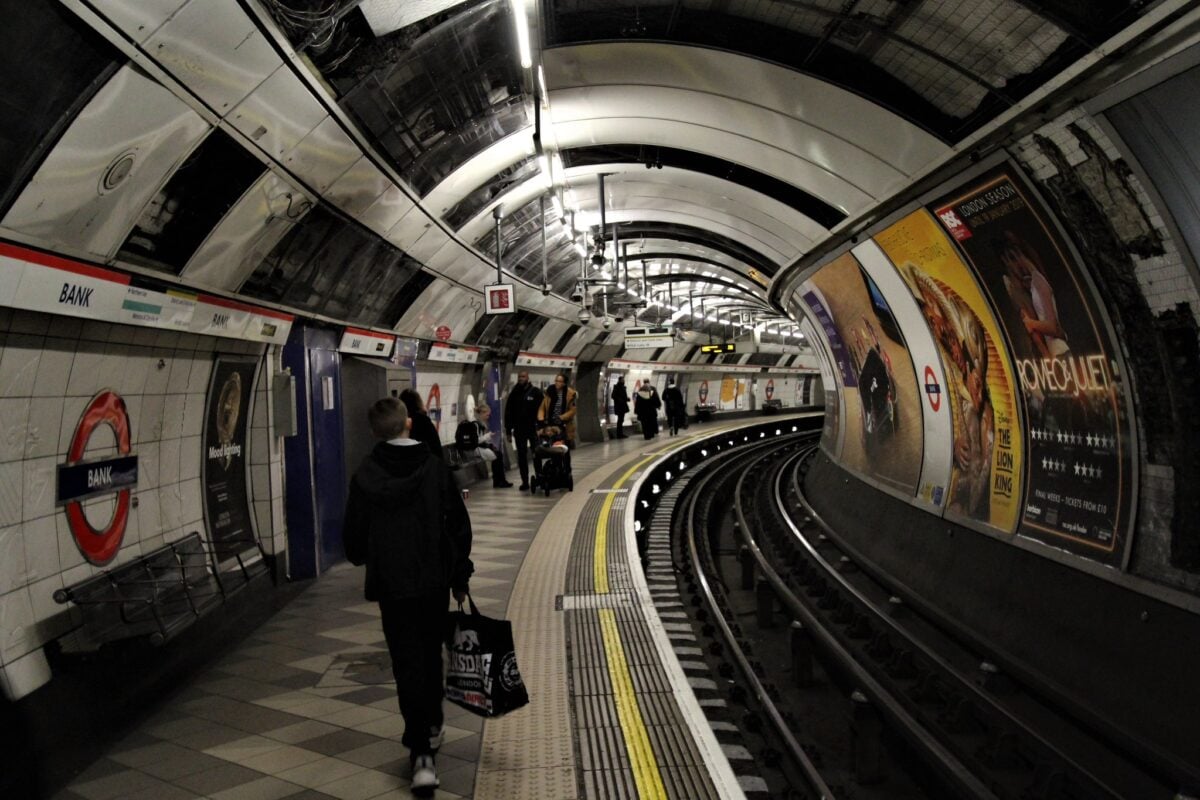
Every surface is tagged. The graffiti covers the walls floor to ceiling, layered so thick you can’t see the original color underneath. Some of it’s actually beautiful—elaborate pieces with wild style letters that took real skill.
Most of it’s just scrawled names and crude tags. The windows are so scratched and dirty you can barely see outside.
Half the lights don’t work. The floor is sticky with something you don’t want to identify.
But the car is packed with people going about their day like this is perfectly normal, because it was.
Homeless Encampment in Tompkins Square Park
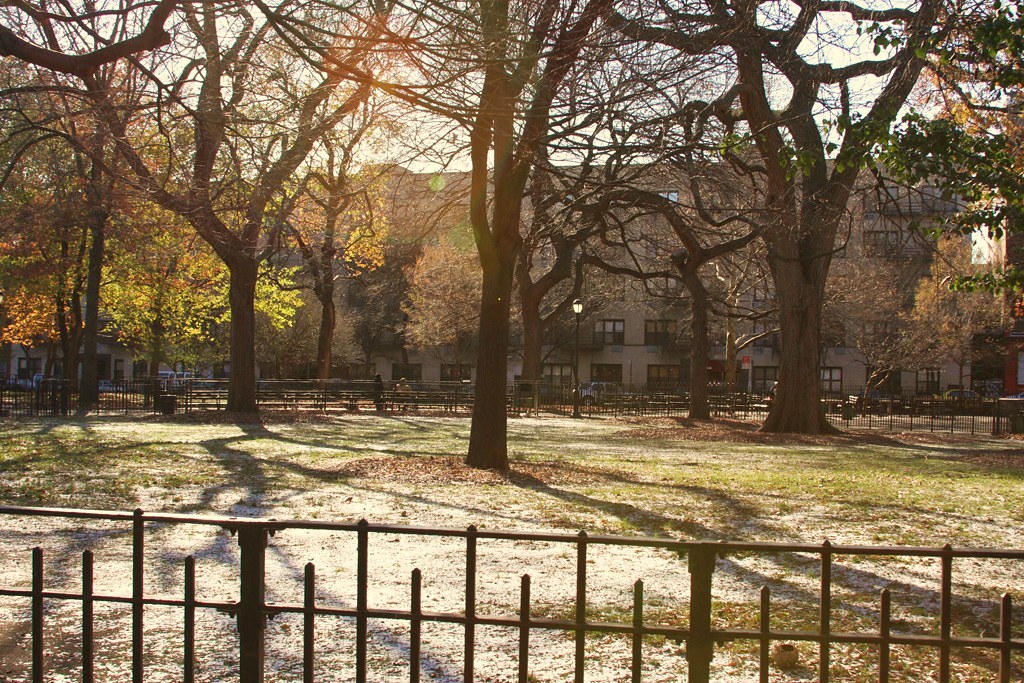
Tents and cardboard structures fill the green space. People have set up what looks like a permanent settlement, complete with cooking areas and makeshift furniture.
The city has given up trying to clear them out, or maybe it just doesn’t have the resources. You can see the humanity in these improvised homes—someone’s hung laundry on a line, someone else has organized their belongings neatly.
The crack epidemic is just starting to hit hard, and mental health services are basically nonexistent. These people have nowhere else to go.
The Meatpacking District, Early Morning
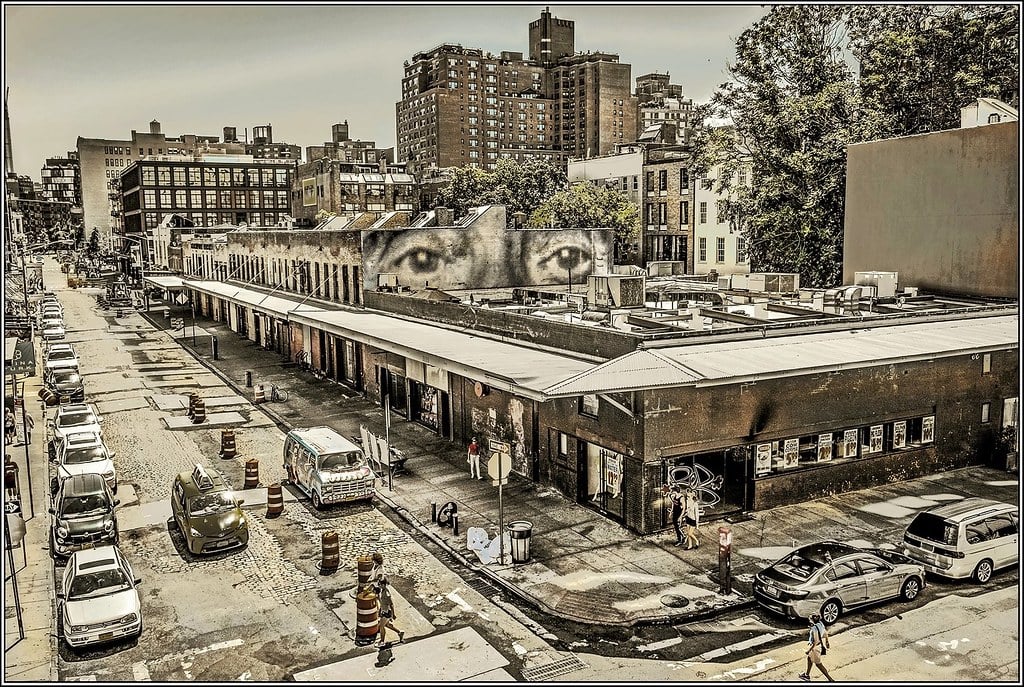
Blood runs in the gutters. Actual blood from the processing plants that give this neighborhood its name.
Men in white coats smeared with red push hanging carcasses on hooks through doorways. The smell hits you from blocks away.
This is still a working industrial district, not the boutique shopping destination it would become. The cobblestone streets are slick.
Trucks double-park everywhere. And at night, after the butchers go home, a completely different scene emerges—the area becomes a haven for the city’s underground club scene.
CBGB’s Exterior, 1986

The awning is torn and faded. Stickers and flyers plaster every available surface around the entrance. This tiny club on the Bowery has become the epicenter of punk rock, though from the outside it looks like nothing special—just another dive bar in a neighborhood of dive bars.
The Ramones played here. Blondie.
The Talking Heads. Television.
Patti Smith. Bands that would define a generation all packed into this grimy room that reeks of stale beer and sweat.
You can see a few people hanging around outside, probably hoping to catch a show or just be part of the scene.
Street Basketball in Harlem

The court is cracked concrete with a chain net that’s missing half its links. But the game is serious.
Teenage players move with precision and grace, their sneakers squeaking on the uneven surface. A crowd rings the court, watching intently, calling out commentary.
This is where playground legends are made, where kids develop the flashy streetball style that college coaches will later try to suppress. The backdrop shows tenement buildings with windows open because nobody has air conditioning.
Someone’s got a boombox going, though you can barely hear it over the sounds of the game.
Wall Street on Black Monday, October 1987

The traders look shell-shocked. Men in expensive suits stand on the street holding their heads, staring at nothing.
The stock market just crashed, dropping 22 percent in a single day, and you can see the panic written on every face. Papers litter the ground—probably printouts of portfolios that just evaporated.
Some guys are already drunk at 2 PM. Others pace frantically, still clutching briefcases.
This is the moment when the excess of the 80s hit a wall, when all those leveraged buyouts and junk bonds suddenly looked like the house of cards they were.
Graffiti-Covered Handball Court in the Bronx

The art here is incredible. Someone—probably several someones—has turned the entire wall into a massive mural. Wild style letters flow into each other, colors pop even through the aged photograph.
Names are tagged over names, creating layers of history. Two kids play handball against the tagged wall, completely unbothered by the art surrounding them.
This is normal here. Every wall, every surface is a potential canvas.
The city calls it vandalism and spends millions trying to stop it, but these artists keep coming back night after night, adding to the collective work.
The Original Penn Station Waiting Area

This isn’t the beautiful Beaux-Arts building that was demolished in 1963. This is its replacement—the cramped, underground maze that everyone hates.
Fluorescent lights buzz overhead. The ceiling is low.
Everything feels dingy and temporary even though it’s been here for two decades. Commuters wait on hard benches, surrounded by their bags.
Some sleep despite the noise and foot traffic. The departures board clicks and clacks as it updates.
Fast food places line the corridors, filling the air with competing smells. This is transit infrastructure at its most utilitarian—function over form taken to its logical, depressing conclusion.
Chinatown Market Stall
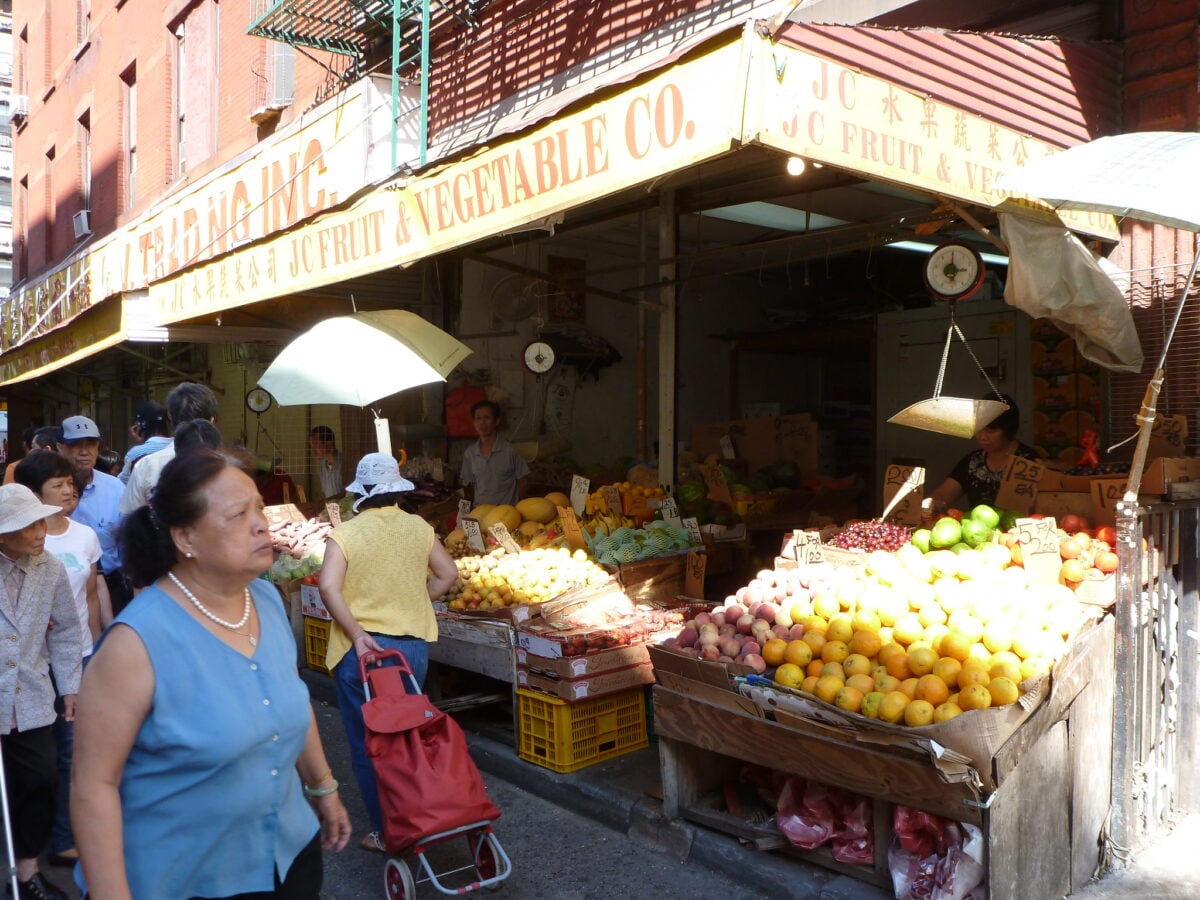
Fish on ice, vegetables stacked in pyramids, roasted ducks hanging in the window. The vendor doesn’t speak much English, but that doesn’t matter—you point, they weigh, money changes hands.
The neighborhood feels like a different country, which in many ways it is. Hand-painted signs in Chinese characters outnumber the English ones.
The sidewalk is so packed you have to shuffle along with the crowd. Old women inspect produce with the intensity of diamond merchants.
The smells are overwhelming—incense from a nearby temple mixing with seafood and five-spice powder.
Construction Site Near Battery Park

The foundation for what will become a massive office tower sits open to the sky. Construction workers in hard hats move around the site, but progress seems slow.
The city is in the middle of a building boom, but money is tight and projects frequently stall out. The excavation has exposed layers of history—old walls, forgotten infrastructure, maybe artifacts from when this was still a Dutch settlement.
Nobody stops to examine any of it. This is New York: tear down the old, build up the new, keep moving forward no matter what gets buried in the process.
Grand Central Terminal Ticket Windows

The brass fixtures still gleam despite decades of use. The vaulted ceiling soars overhead, its astronomical mural faded but still visible.
This is one of the few remaining grand spaces in the city—ornate, beautiful, human-scale in a way that modern architecture has forgotten how to be. But it’s also falling apart.
Paint peels from the walls. Some of the marble is cracked.
The building came close to demolition in the 60s and is still fighting for survival. People hurry past without looking up, too focused on catching their trains to appreciate the architectural marvel surrounding them.
Coney Island Boardwalk, Off-Season
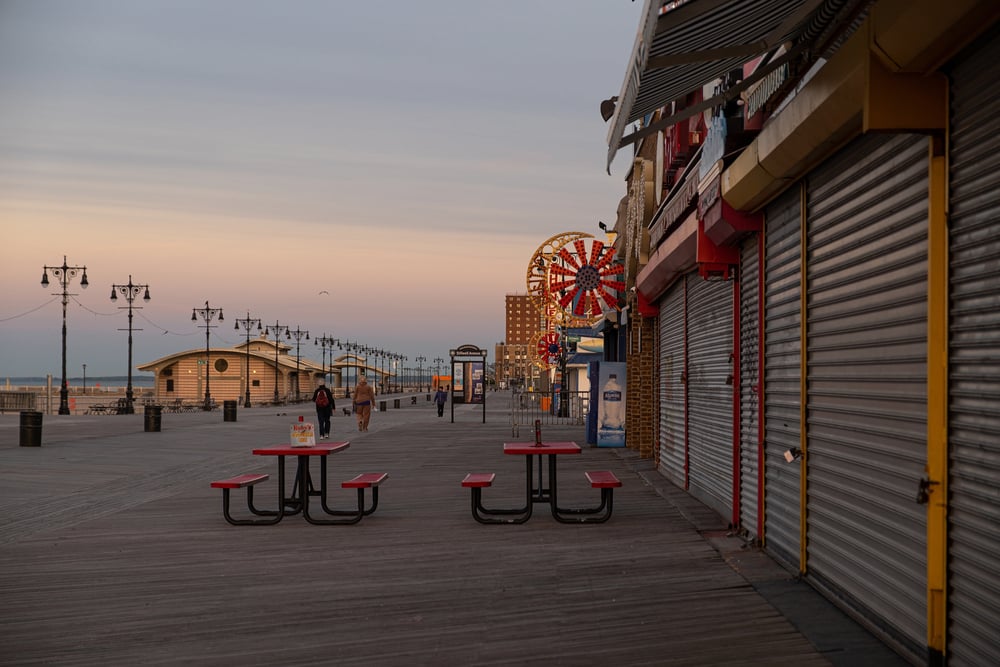
The rides are closed, covered in tarps. The boardwalk is nearly empty except for a few people bundling against the cold wind off the ocean.
This is Coney Island without the crowds—desolate, beautiful in its decay. The Cyclone stands silent.
Nathan’s has maybe three customers. You can see the peeling paint on everything, the way salt air and neglect have worn away the veneer.
This was once America’s playground, but those days are long past. In the 80s, it’s just hanging on, waiting for either renewal or final demolition.
Street Vendor Hot Dog Cart

The cart is dented and worn but clean. Steam rises from the water keeping the hot dogs warm.
The vendor has his prices written in marker on cardboard—everything costs less than two dollars. A line of office workers waits patiently during lunch hour.
This is New York street food in its purest form—cheap, fast, everywhere. The vendor knows his regulars, has their orders ready before they even speak.
He works in all weather, a small businessman eking out a living one hot dog at a time. No permits visible, but nobody’s asking questions.
Studio 54 After Hours

Even in a still photo, you can feel the energy. The disco orb throws shards of light across the dance floor.
Beautiful people in outrageous outfits pose and preen. This is the tail end of the club’s glory days, after the original owners got busted for tax evasion, but the party keeps going.
The velvet rope out front was legendary—the doormen who decided your fate with a look. Inside, everything went. Celebrities mixed with nobodies.
Drugs flowed freely. The music pounded until dawn.
This was excess personified, the glamorous side of the 80s that existed alongside the grit and decay.
Rent Strike Banner on Tenement Building
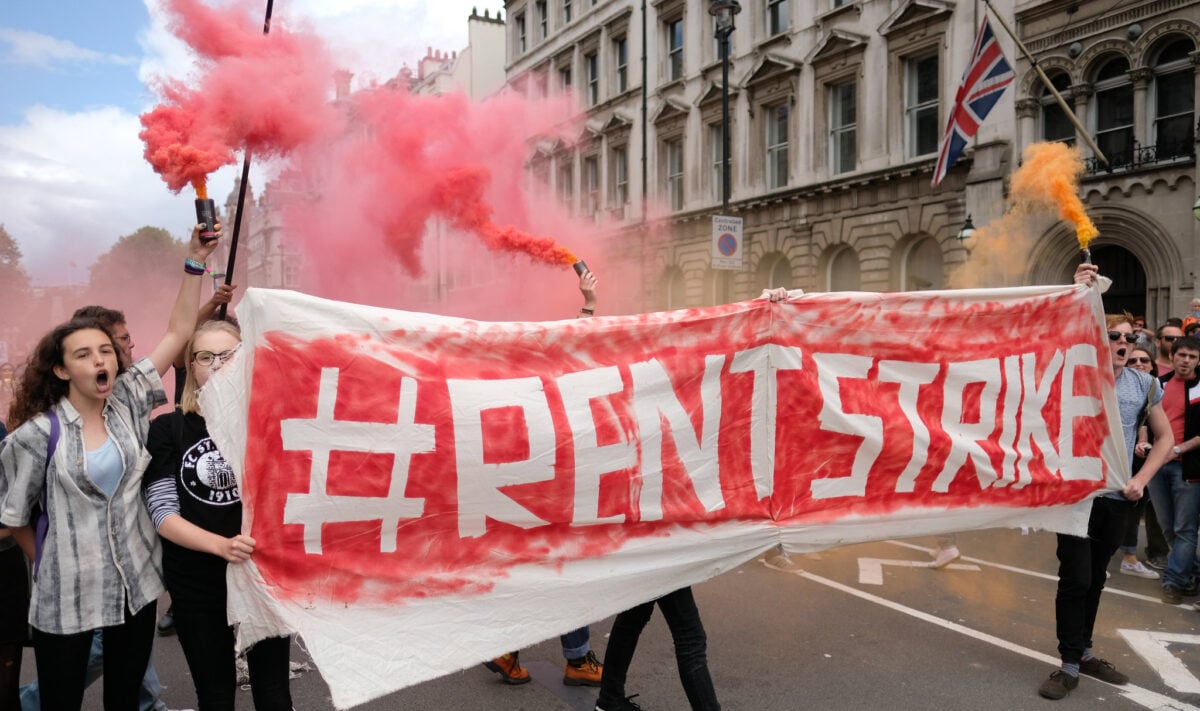
“ON STRIKE—NO HEAT NO RENT” the banner reads, hanging from a third-floor window. This was the frontline of the affordable housing crisis, when landlords warehoused buildings and tenants fought back the only way they could.
You can see other signs of neglect—crumbling brickwork, broken windows covered with boards, garbage piled on the curb. The city is hemorrhaging population as people flee for the suburbs, but those who remain are getting organized.
Tenant unions are forming. Community groups are fighting back. This is urban activism in action.
Washington Square Park Fountain

Musicians play for spare change. Protesters hold signs about causes you’ve already forgotten.
Drug dealers work the corners with surprising openness. NYU students cut through on their way to class, barely noticing any of it.
The arch stands in the background, marking the entrance to Fifth Avenue and the wealth that lies beyond. But here in the park, it’s democracy in action—messy, chaotic, sometimes dangerous, but undeniably alive.
Everyone mixes together in a way that feels uniquely New York.
Police Barricade at Crime Scene

Yellow tape cordons off half a block. Cops stand around looking bored while detectives work inside the perimeter.
Murder rates in the city are through the roof, and this is just another Tuesday. The crowd of onlookers is small—New Yorkers have seen it all before.
A few people crane their necks trying to see what happened, but most just walk around the barricade and continue on their way. When violence is this common, it stops being shocking and just becomes part of the background noise.
The High Line Before Renovation

This isn’t a park yet. It’s an abandoned elevated rail line slowly being reclaimed by nature. Weeds grow through the tracks.
Pigeons nest in the girders. The structure is rusting, deteriorating, waiting for someone to either tear it down or imagine something better.
From street level, it looks like an eyesore—industrial infrastructure that’s outlived its usefulness. But up on the tracks, if you could get past the fences, you’d find a secret garden floating above the city.
It would be another twenty years before anyone figured out what to do with it.
After-Hours Club in a Warehouse

Midnight strikes before anyone learns where it happens. No marker shows the way – only those who’ve been tipped off will find it.
Music pounds through the walls once you’re inside. These gatherings thrive beyond permits, far from any approved checklist.
Out here, faces come together unlike anything seen in regular nightspots – painters beside dancers, glittered performers next to folks straight off office shifts. Music spins through the air, sounds unfamiliar, ones you’d never catch between ads on any station.
Maybe these nights can’t run without end – pressure builds from above, changes always coming – but right now, space opens up where none seemed left, breathing room in a place constantly pulling itself apart.
When The City Saw Its Own Reflection

A shutter clicks where dollar bills blow past broken glass. Rich folks step around sleeping bodies just feet away.
Graffiti blooms on walls crumbling into dust. Risk hums beside new sounds pouring from basement rooms.
Empty buildings rot while songs take shape inside them. Now you study these pictures, noticing not just absence but also arrival.
Where roughness once lived, comfort stands instead. Clean trains run on time yet feel dull somehow.
Bright billboards welcome children though the soul seems missing. Improvement arrived by measurement, true – still, a core piece vanished during the scrubbing.
What came after may win on paper, yet lose in spirit. Here one thing stays clear: moments freeze when snapped, never to return.
A version of New York lives inside each frame – born from money tides and crowd rhythms now long gone. Perhaps that’s okay.
Each age might earn its own skyline, its own streets. Still, these pictures whisper something quiet – the solid ground beneath us shifts without warning.
Today’s familiar sidewalks may baffle someone decades later, like old snapshots full of forgotten rules.
More from Go2Tutors!

- The Romanov Crown Jewels and Their Tragic Fate
- 13 Historical Mysteries That Science Still Can’t Solve
- Famous Hoaxes That Fooled the World for Years
- 15 Child Stars with Tragic Adult Lives
- 16 Famous Jewelry Pieces in History
Like Go2Tutors’s content? Follow us on MSN.