19 Artisan Villages That Influenced Global Fashion
Fashion trends don’t just emerge from the runways of Paris or Milan. Some of the most enduring and influential styles have roots that stretch back centuries to small villages where skilled craftspeople perfected their techniques through generations of dedication and innovation.
These artisan communities have shaped what we wear today in ways most people never realize. Here is a list of 19 villages that have left an indelible mark on global fashion.
Harris, Scotland

The remote island of Harris in Scotland’s Outer Hebrides gave birth to one of fashion’s most coveted fabrics. Harris Tweed can only be woven by islanders in their own homes using traditional methods passed down through families.
The fabric’s distinctive patterns and durability made it a favorite among British aristocracy, and today luxury brands pay premium prices for authentic Harris Tweed. Each bolt tells the story of windswept landscapes and Celtic heritage woven into every thread.
Chantilly, France

Chantilly lace became synonymous with elegance after local artisans perfected their delicate bobbin lace technique in the 17th century. The town’s proximity to Paris made it a natural supplier to the French court, where Marie Antoinette famously adorned herself in Chantilly’s intricate creations.
Modern wedding dresses and haute couture gowns still feature this timeless lace, proving that true craftsmanship never goes out of style.
Like Go2Tutors’s content? Follow us on MSN.
Paisley, Scotland

The teardrop-shaped pattern we call paisley actually originated in ancient Persia, but the Scottish town of Paisley made it famous worldwide. Local weavers became so skilled at reproducing the complex Kashmir shawl designs that ‘paisley’ became the pattern’s universal name.
The motif has appeared on everything from bandanas to high-end scarves, making this small Scottish town responsible for one of fashion’s most recognizable prints.
Burano, Italy
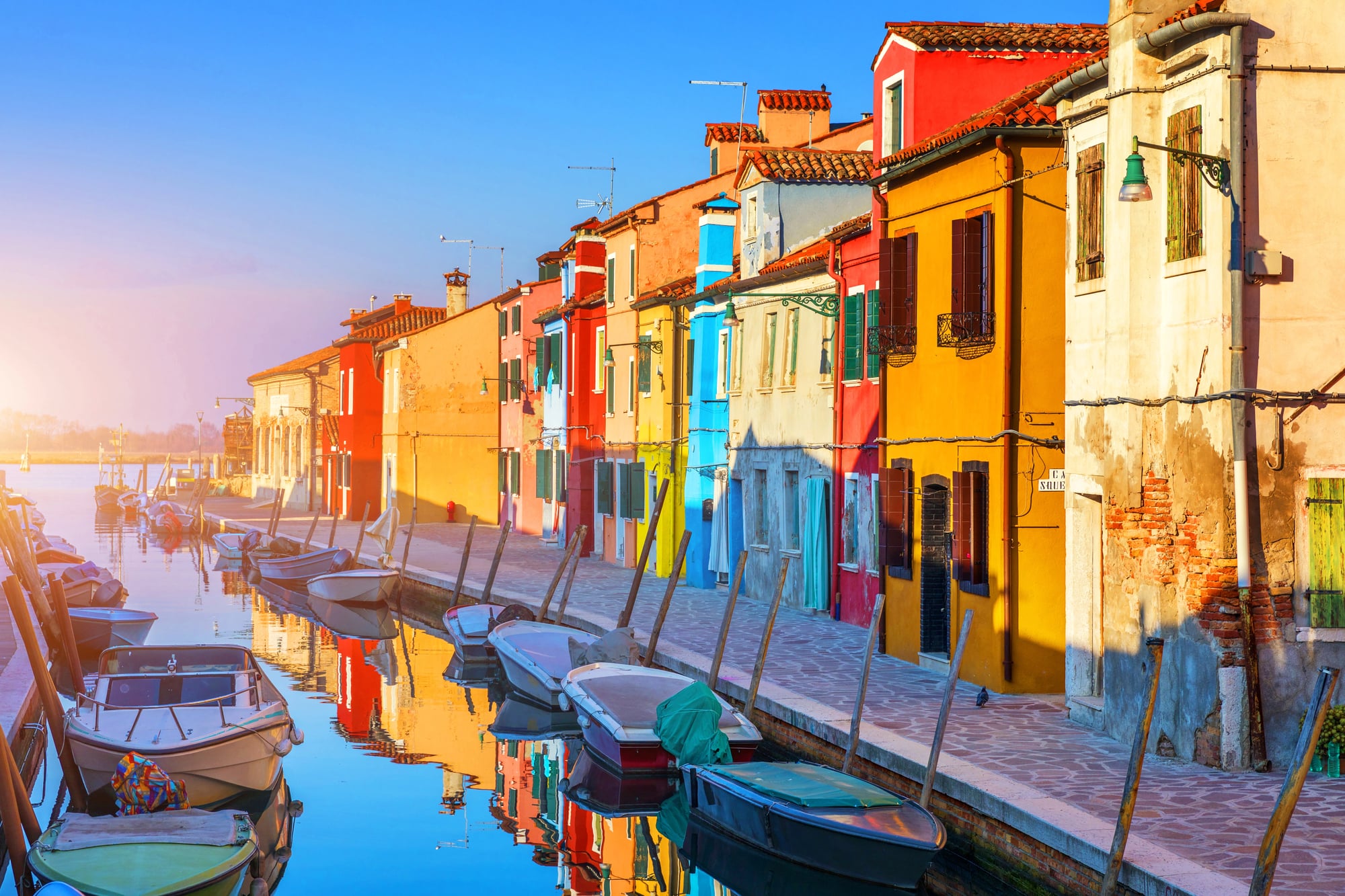
This colorful island near Venice became the epicenter of needle lace production during the Renaissance. Burano lace was so prized that it adorned the clothing of European royalty and wealthy merchants across the continent.
The intricate geometric patterns and gossamer-thin threads required extraordinary skill, with some pieces taking years to complete. Today, the few remaining lace makers on Burano continue a tradition that once defined luxury fashion.
Kashmere, India

The Kashmir Valley’s remote location and harsh climate produced goats whose undercoat became the world’s finest cashmere. Local herders and weavers developed techniques for creating impossibly soft shawls that European traders coveted above all other textiles.
The British East India Company made Kashmir shawls a status symbol across Europe, and cashmere remains the gold standard for luxury knitwear. A single authentic Kashmir shawl can take months to complete and costs more than most people’s cars.
Like Go2Tutors’s content? Follow us on MSN.
Alençon, France
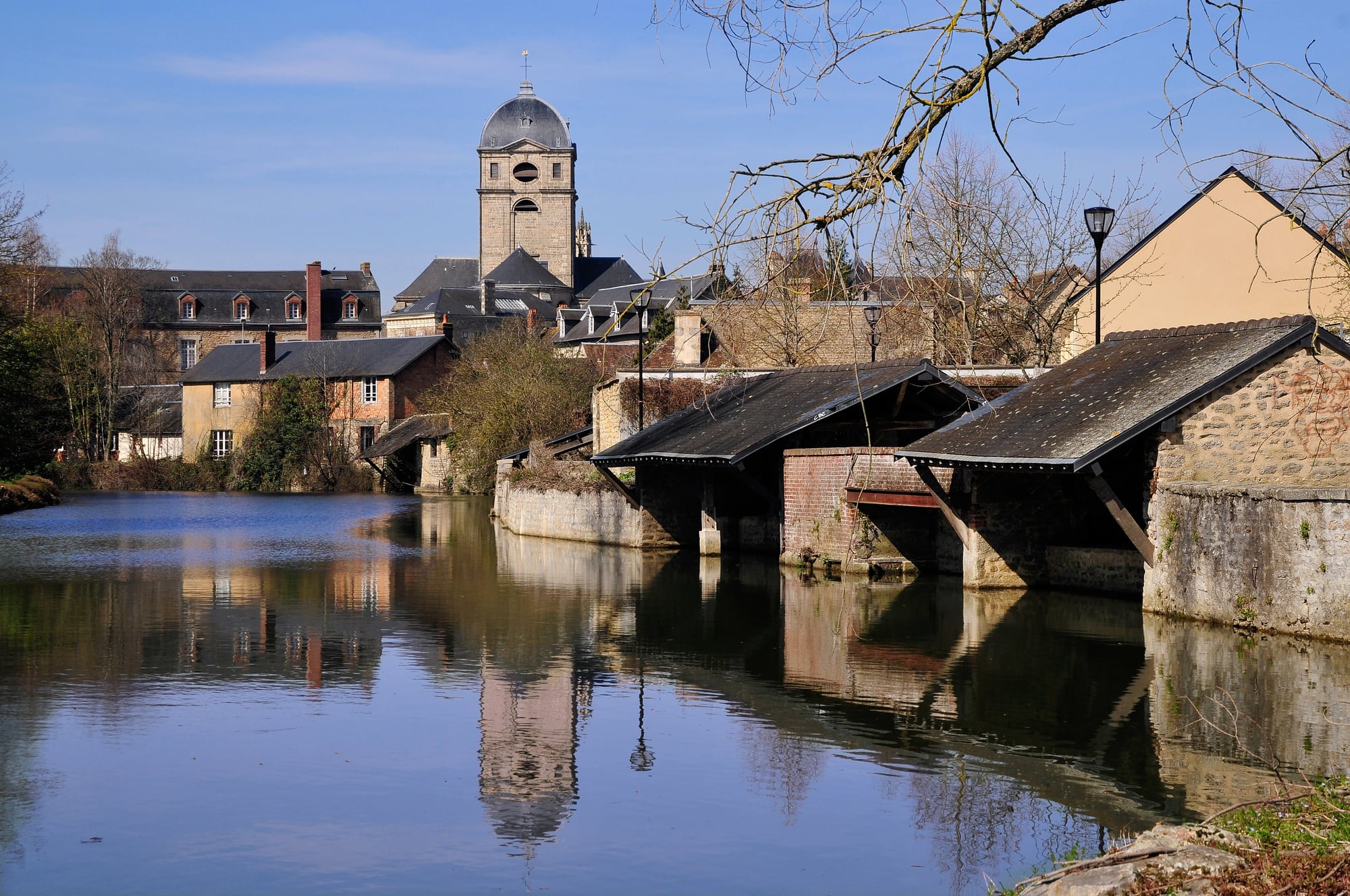
Alençon lace earned the nickname ‘Queen of Laces’ for good reason. This Norman town’s artisans created needle lace so fine and detailed that it seemed to float on air.
The technique required such precision that each piece was considered a work of art rather than mere fabric. French nobility paid fortunes for Alençon lace, and it became essential for court dress. Even today, only a handful of artisans maintain this nearly lost art form.
Shetland, Scotland

The Shetland Islands’ sheep produce wool so fine it can be pulled through a wedding ring. Local knitters developed intricate Fair Isle patterns that became internationally recognized symbols of Scottish craftsmanship.
The islands’ isolation meant techniques stayed pure for centuries, creating garments that were both beautiful and incredibly warm. Shetland wool sweaters remain coveted items in fashion circles, worn by everyone from fishermen to fashion editors.
Brussels, Belgium
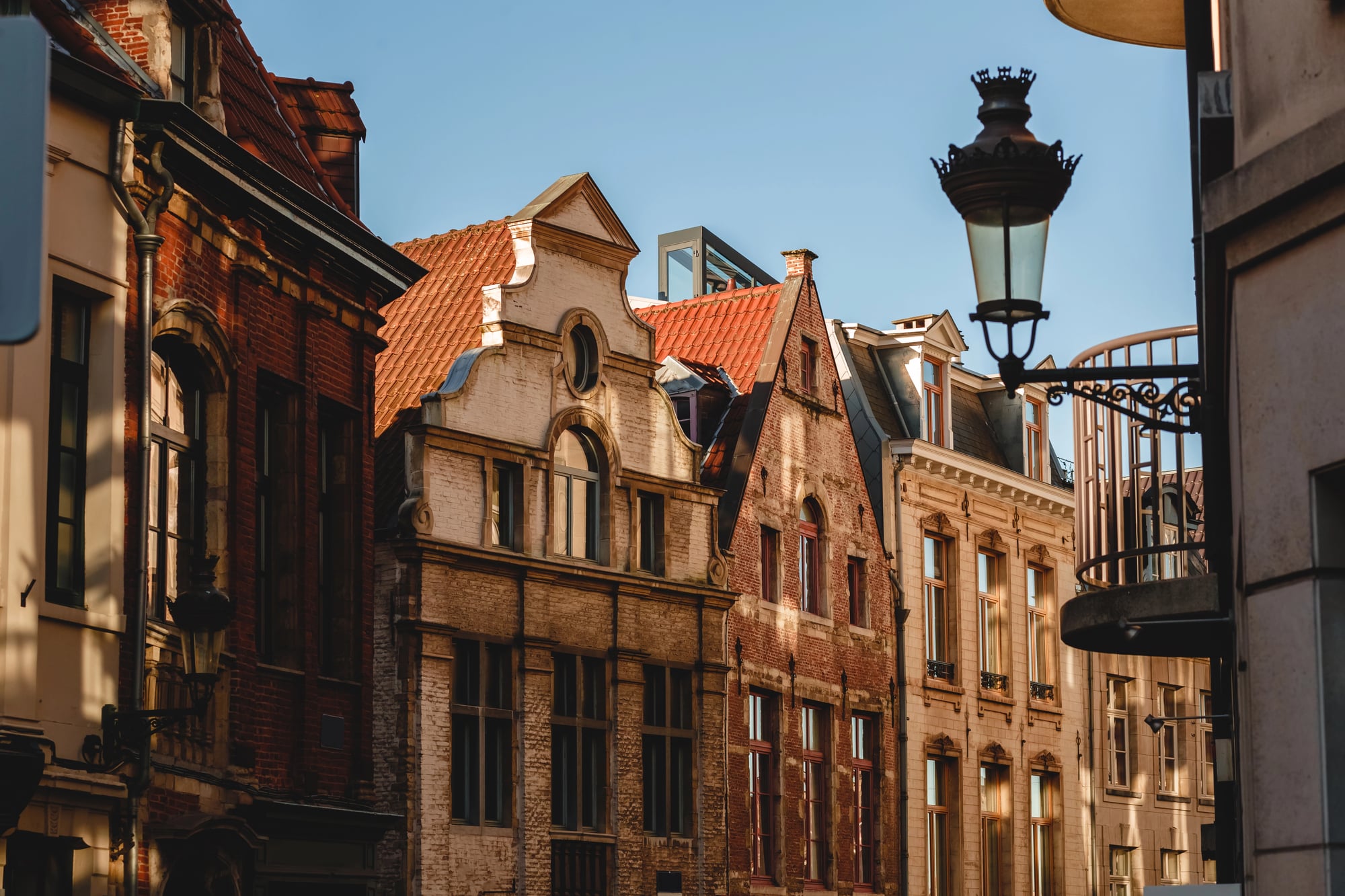
Brussels lace represented the pinnacle of European needlework during the baroque period. The city’s guild system ensured quality control so strict that counterfeit Brussels lace carried severe penalties.
Wealthy Europeans competed to own the most elaborate Brussels lace collars and cuffs, making them essential status symbols. The geometric precision and three-dimensional effects of Brussels lace influenced fashion for centuries and continues to inspire contemporary designers.
Like Go2Tutors’s content? Follow us on MSN.
Lucknow, India

The Mughal city of Lucknow perfected the art of chikan embroidery, creating garments that seemed to shimmer with ethereal beauty. Local artisans developed over 40 different stitching techniques, each creating unique textures and patterns on fine muslin.
The delicate white-on-white embroidery became a hallmark of sophisticated Indian fashion and influenced colonial British dress. Modern designers still travel to Lucknow to commission pieces that blend traditional techniques with contemporary silhouettes.
Limerick, Ireland

Limerick lace emerged as Ireland’s answer to European luxury textiles during the 19th century. Local women developed a unique technique combining needle lace with tambour work, creating pieces that rivaled French and Belgian imports.
The industry provided income for thousands of Irish families and put Limerick on the global fashion map. Though production declined after World War I, Limerick lace remains highly sought after by collectors and couture houses.
Valenciennes, France

This French border town gave its name to a distinctive bobbin lace that became essential for 18th-century fashion. Valenciennes lace was unique because it was made entirely from a single thread, creating seamless patterns that could be cut and shaped without raveling.
The technique required such skill that genuine Valenciennes lace commanded premium prices across Europe. Fashion historians consider it one of the most technically accomplished lace styles ever developed.
Like Go2Tutors’s content? Follow us on MSN.
Madeira, Portugal

Portuguese settlers on Madeira Island created an embroidery style that became synonymous with refined table linens and clothing. The island’s isolation allowed artisans to develop unique techniques combining European traditions with local innovations.
Madeira embroidery became so popular that it influenced fashion across Europe and the Americas. Even today, authentic Madeira work is considered among the finest white embroidery in the world.
Calais, France

When machine-made lace threatened traditional crafts, Calais adapted by perfecting mechanical lace production without sacrificing quality. The city became the world’s premier source for fashion lace, supplying designers from Chanel to contemporary luxury brands.
Calais lace maintains the complexity and beauty of handmade versions while allowing for larger-scale production. The town’s innovation saved lace from becoming an extinct art form.
Honiton, England

This Devon town developed a distinctive bobbin lace style during the 17th century that became England’s most famous lace export. Honiton lace was characterized by its raised, three-dimensional flowers and leaves that seemed to bloom from the fabric itself.
Queen Victoria’s wedding dress featured Honiton lace, cementing its status as the pinnacle of English craftsmanship. The technique required such precision that each piece was essentially a sculpture in thread.
Like Go2Tutors’s content? Follow us on MSN.
Saint-Étienne, France

Saint-Étienne transformed from a small town into Europe’s silk capital through sheer determination and innovation. Local weavers perfected techniques for creating complex patterns that rivaled those of Lyon and Florence.
The town’s ribbons and trims became essential elements of fashionable dress across Europe. Saint-Étienne’s influence on fashion accessories cannot be overstated, as their silk work set standards that persist today.
Varanasi, India

This ancient city on the Ganges River became synonymous with the world’s finest silk brocades. Local weavers developed techniques for incorporating gold and silver threads that made their fabrics literally gleam.
Varanasi silk was so prized that it became the preferred choice for Indian royalty and wealthy merchants. The intricate patterns and lustrous finish of Varanasi brocades continue to influence luxury fashion designers worldwide.
Like Go2Tutors’s content? Follow us on MSN.
Mechlin, Belgium

Mechlin lace combined the best qualities of other European lace styles while developing its own distinctive character. The town’s artisans created lace so fine it seemed like frozen spider webs, with patterns that appeared to float weightlessly.
Mechlin lace became the preferred choice for court dress across Europe, and its influence on fashion lasted well into the 20th century. The town’s commitment to quality made ‘Mechlin’ synonymous with excellence in textile craftsmanship.
Tonder, Denmark
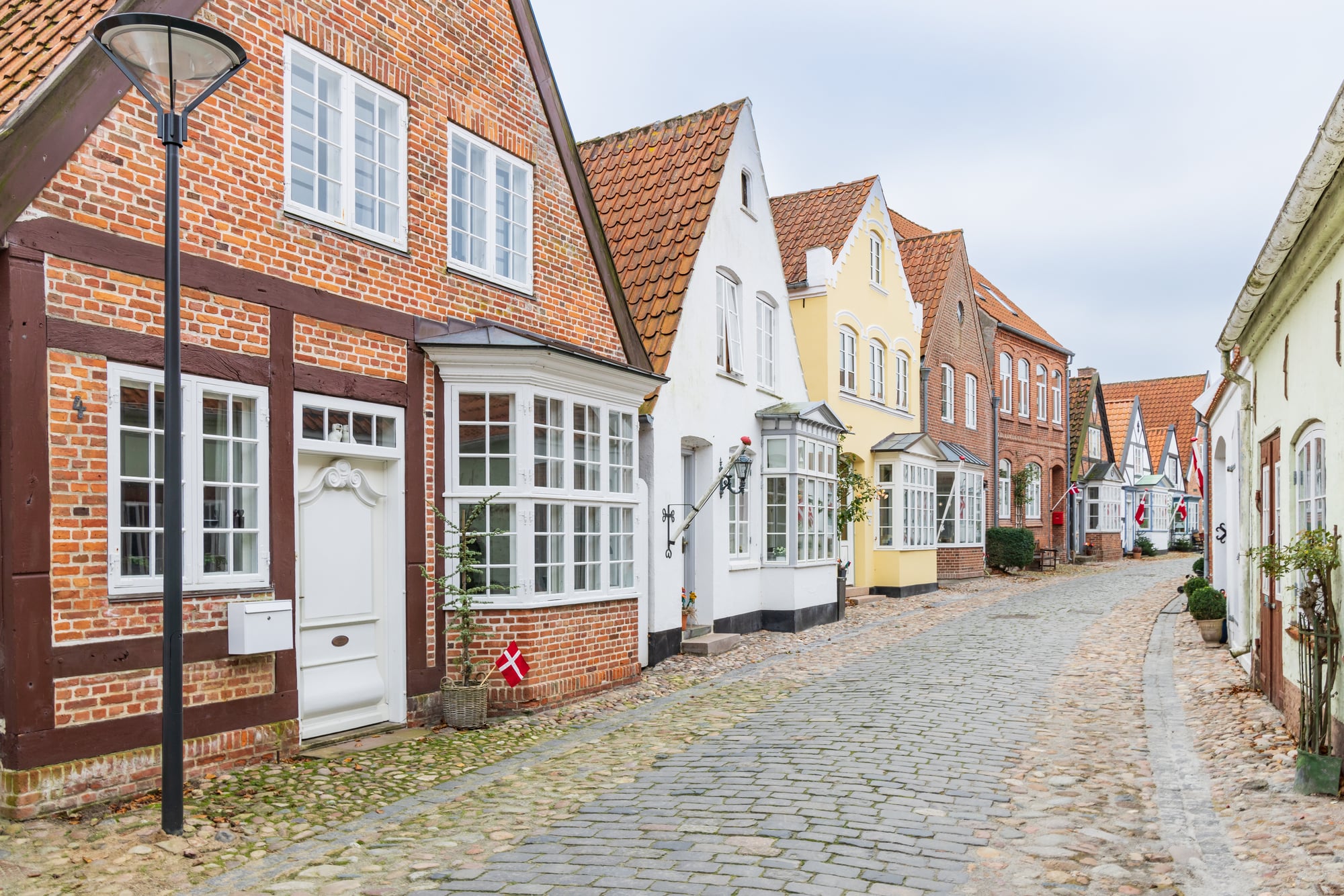
This small Danish town became an unlikely center for lace production during the 18th century. Local women developed techniques that combined influences from across Europe while creating distinctly Danish patterns.
Tonder lace was known for its geometric precision and subtle beauty, qualities that reflected Scandinavian design principles. The town’s lace industry provided economic independence for women at a time when few such opportunities existed.
Nottingham, England

Nottingham revolutionized lace production by perfecting machine techniques that maintained the beauty of handmade work while dramatically reducing costs. The city became the world’s largest lace producer, supplying fashion markets across the globe.
Nottingham’s innovation democratized lace, making it accessible to middle-class consumers who previously couldn’t afford such luxury. The city’s industrial approach to traditional crafts became a model for textile production worldwide.
Like Go2Tutors’s content? Follow us on MSN.
Threads That Bind Us

These villages prove that fashion’s greatest innovations often emerge from the most unexpected places. Small communities of dedicated craftspeople created techniques and styles that continue to influence what we wear centuries later.
Their legacy reminds us that true style transcends trends and that the most enduring fashion comes from authentic craftsmanship rooted in tradition. In our age of fast fashion and digital design, these artisan villages offer a different vision of what fashion can be when it grows from genuine skill and cultural heritage.
More from Go2Tutors!

- 16 Restaurant Chains That Went Too Fast
- 12 Things Sold in the 80s That Are Now Illegal
- 15 Strange Things People Have Tried to Ban (And Failed)
- 16 Collectibles People Tossed Out Too Soon
- 17 Myths from Your Childhood That Were Actually Based on Real Things
Like Go2Tutors’s content? Follow us on MSN.