The Truth about Ancient Pyramid Building
For thousands of years, people have wondered how ancient Egyptians built those massive pyramids. Wild theories have popped up over the centuries, from aliens to lost super technologies. But the real story is way more interesting than any science fiction tale.
Recent discoveries are finally giving us solid answers about how these wonders of the world actually came to be.
Workers weren’t enslaved people but well-paid professionals

Lehner’s team has uncovered evidence of dozens of bakeries that surrounded the barracks complex along with a quantity of animal bones suggesting that several thousand workers living there ate meat every day. The pyramid builders lived in organized communities with proper housing, medical care, and plenty of food.
They received wages, had days off, and were buried with honor near the pyramids they helped create. This wasn’t forced labor but skilled work that people took pride in doing. Archaeological evidence shows these workers enjoyed a higher standard of living than most people of their time.
They consumed massive amounts of food daily

The archaeologists estimate that more than 4,000 pounds of meat — from cattle, sheep and goats — were slaughtered every day, on average, to feed the pyramid builders, along with barley, wheat, beans, lentils, legumes and vegetables. This wasn’t survival rations but quality nutrition that kept workers strong and healthy.
The Egyptian government understood that massive construction projects required well-fed workers. Beer was also a daily staple, providing both nutrition and safe hydration when water quality was questionable.
Copper tools did most of the heavy cutting work

It is believed that huge stones were carved from quarries with copper tools, and these blocks were then dragged and lifted into position. Ancient Egyptians had mastered copper working long before pyramid construction began.
They created sharp, durable tools that could cut through limestone effectively when used properly. Teams of skilled stoneworkers spent years perfecting their techniques for quarrying and shaping blocks. While copper might seem primitive compared to steel, it was surprisingly effective for the materials they worked with.
Recent discoveries suggest hydraulic systems helped lift stones
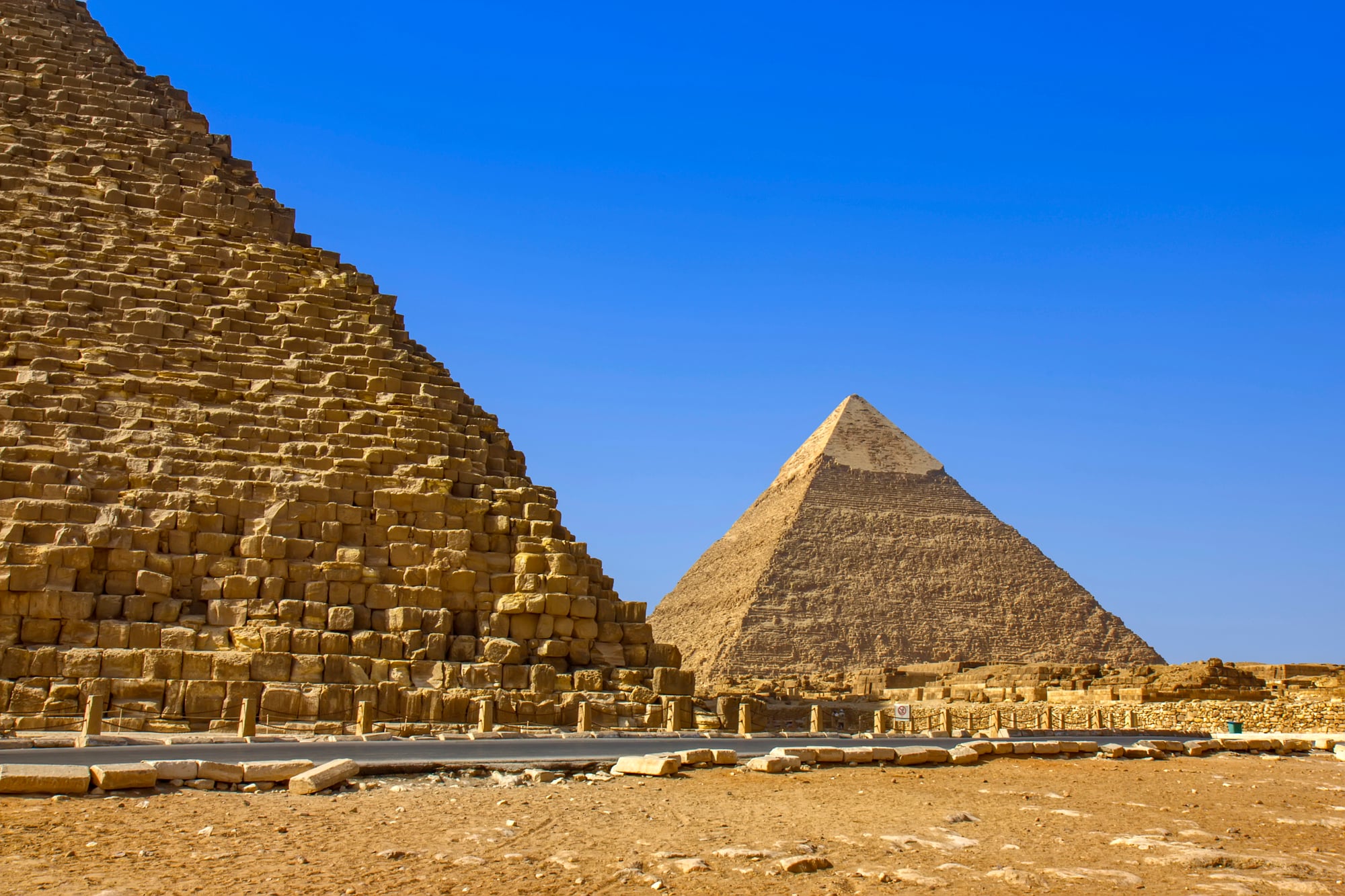
Archaeologists have discovered an advanced water management system around the Pyramid of Djoser, suggesting that the ancient Egyptians employed sophisticated hydraulic technology in their monumental construction efforts. A recent study suggests that ancient Egyptians may have used a hydraulic lift system to raise the massive stone blocks of the Step Pyramid of Djoser, which could have made moving massive blocks much easier.
This technology would have been revolutionary for its time, showing that ancient engineers were far more advanced than previously thought. Water power could have solved one of the biggest puzzles about pyramid construction.
Internal ramp systems made construction more efficient
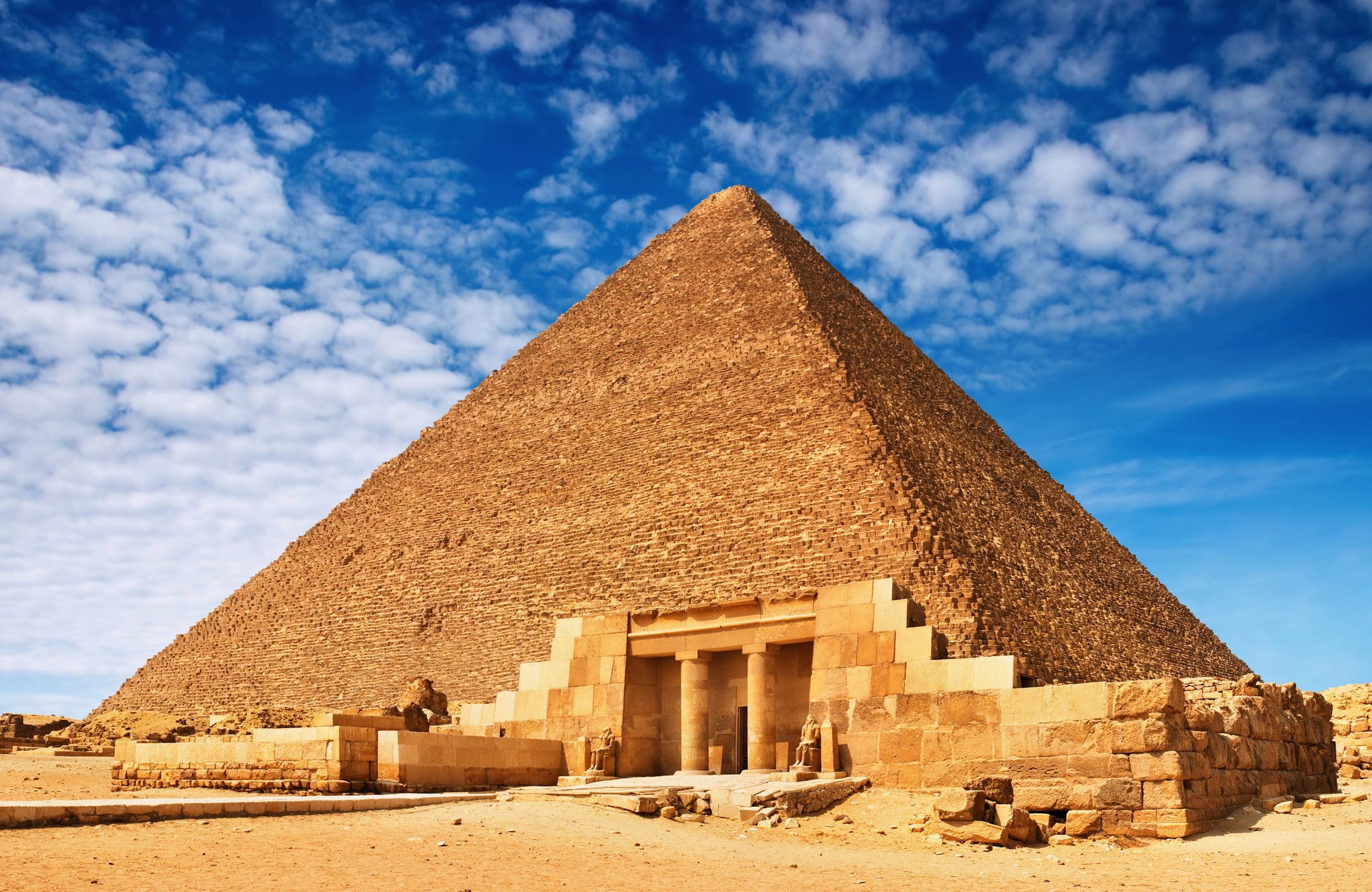
Recent archaeological discoveries have uncovered one interesting method of construction: the internal ramp system. In contrast to conventional external ramps, this fresh approach involved building the pyramid from the inside out.
Instead of building massive external ramps that would have required enormous amounts of materials, builders created spiral ramps inside the pyramid structure. This method explains how they could continue construction as the pyramid grew taller without needing impossibly long external ramps. The internal ramp theory solves many engineering puzzles that have stumped researchers for decades.
Modern scanning technology reveals hidden chambers and passages
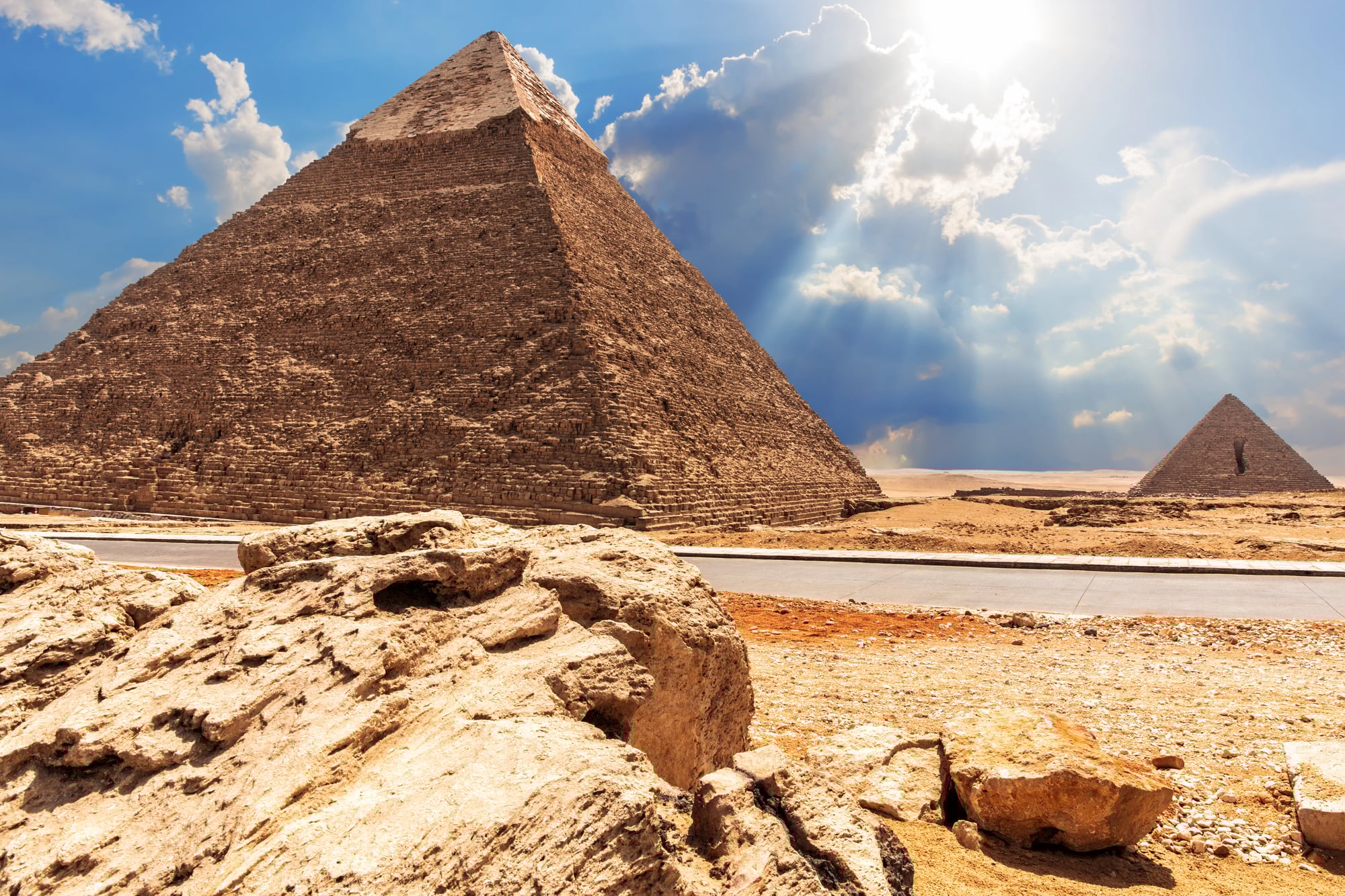
In recent years, ground-penetrating radar, 3D scanning, and satellite imaging have revolutionized pyramid research. The ScanPyramids project has discovered previously unknown voids and passages inside existing pyramids.
These advanced techniques let scientists see inside solid stone without damaging anything. New discoveries are being made regularly as technology improves and reveals secrets that have been hidden for thousands of years. Each new finding helps piece together the construction puzzle.
The first pyramid started as stacked platforms
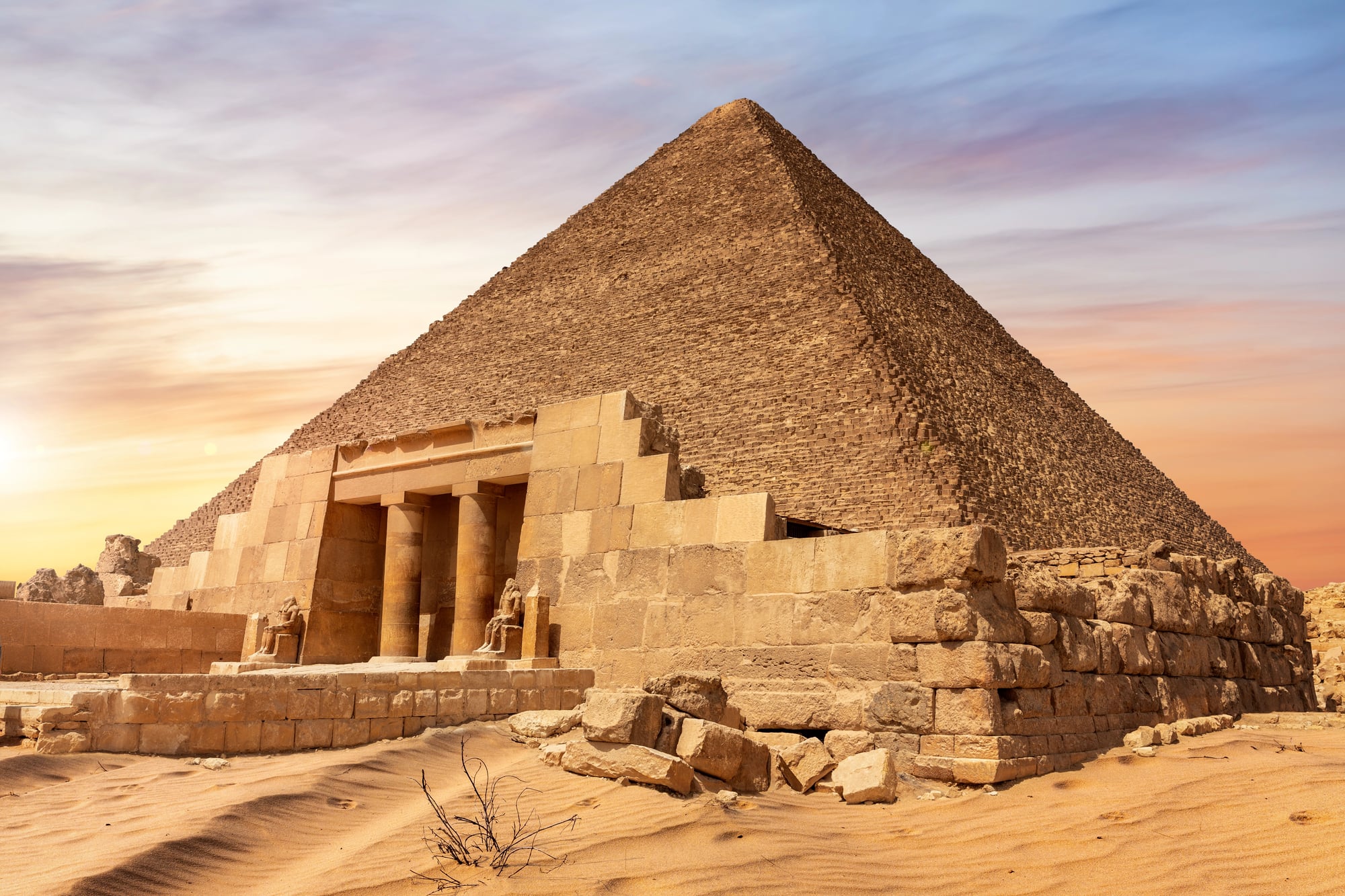
Around 2780 BCE, King Djoser’s architect, Imhotep, built the first pyramid by placing six mastabas, each smaller than the one beneath, in a stack to form a pyramid rising in steps. This step pyramid at Saqqara was essentially six rectangular buildings stacked on top of each other.
Imhotep figured out that stacking these traditional burial structures created a much more impressive monument. This innovative design became the foundation for all future pyramid construction. The step pyramid proved that ambitious architectural projects were possible with the right planning.
Precise mathematical planning guided every aspect of construction

Ancient Egyptian architects used sophisticated geometry and mathematics to design their pyramids. They calculated angles, proportions, and measurements with incredible precision using tools like plumb bobs, right angles, and measuring ropes.
The Great Pyramid’s base is level to within just a few centimeters across its entire area. This level of accuracy required careful planning and constant checking throughout the construction process. Mathematical knowledge was just as important as physical strength in building these monuments.
Quarries were located strategically near construction sites

Most pyramid stones came from nearby quarries to minimize transportation challenges. The limestone for the Great Pyramid came from quarries right next to the construction site.
Only special materials like granite came from distant locations, and these were transported by boat along the Nile River. Smart logistics planning reduced the most difficult part of pyramid construction. Ancient engineers understood that location was crucial for managing such massive projects.
Seasonal work patterns followed the Nile’s flooding cycle
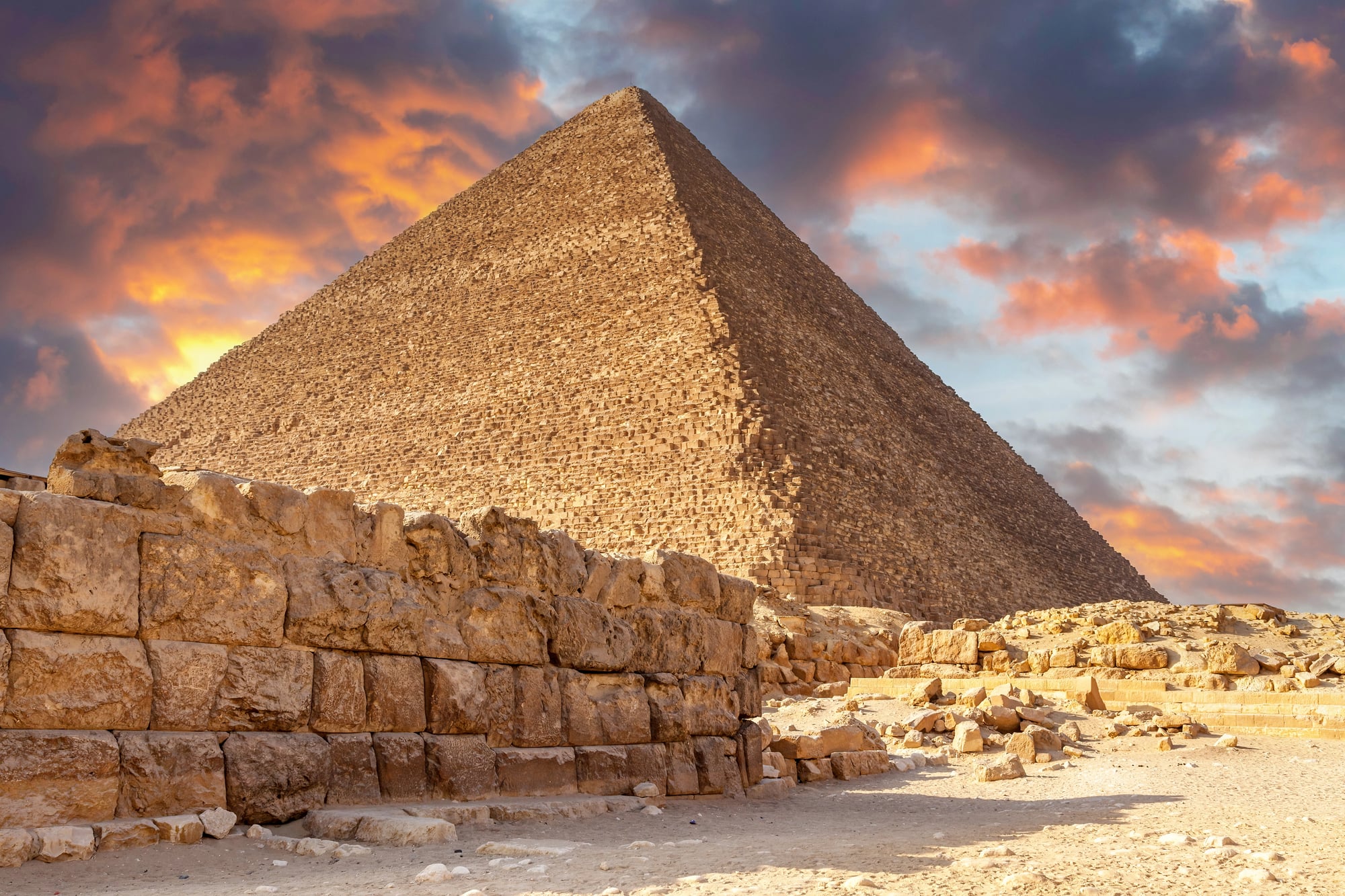
Pyramid construction happened during specific seasons when farming wasn’t possible. When the Nile flooded each year, farmers became available for construction work since their fields were underwater.
This seasonal workforce provided thousands of additional workers when they were needed most. The flooding also made it easier to transport heavy stones by boat closer to construction sites. Natural cycles determined the rhythm of pyramid building.
From ancient innovation to modern understanding
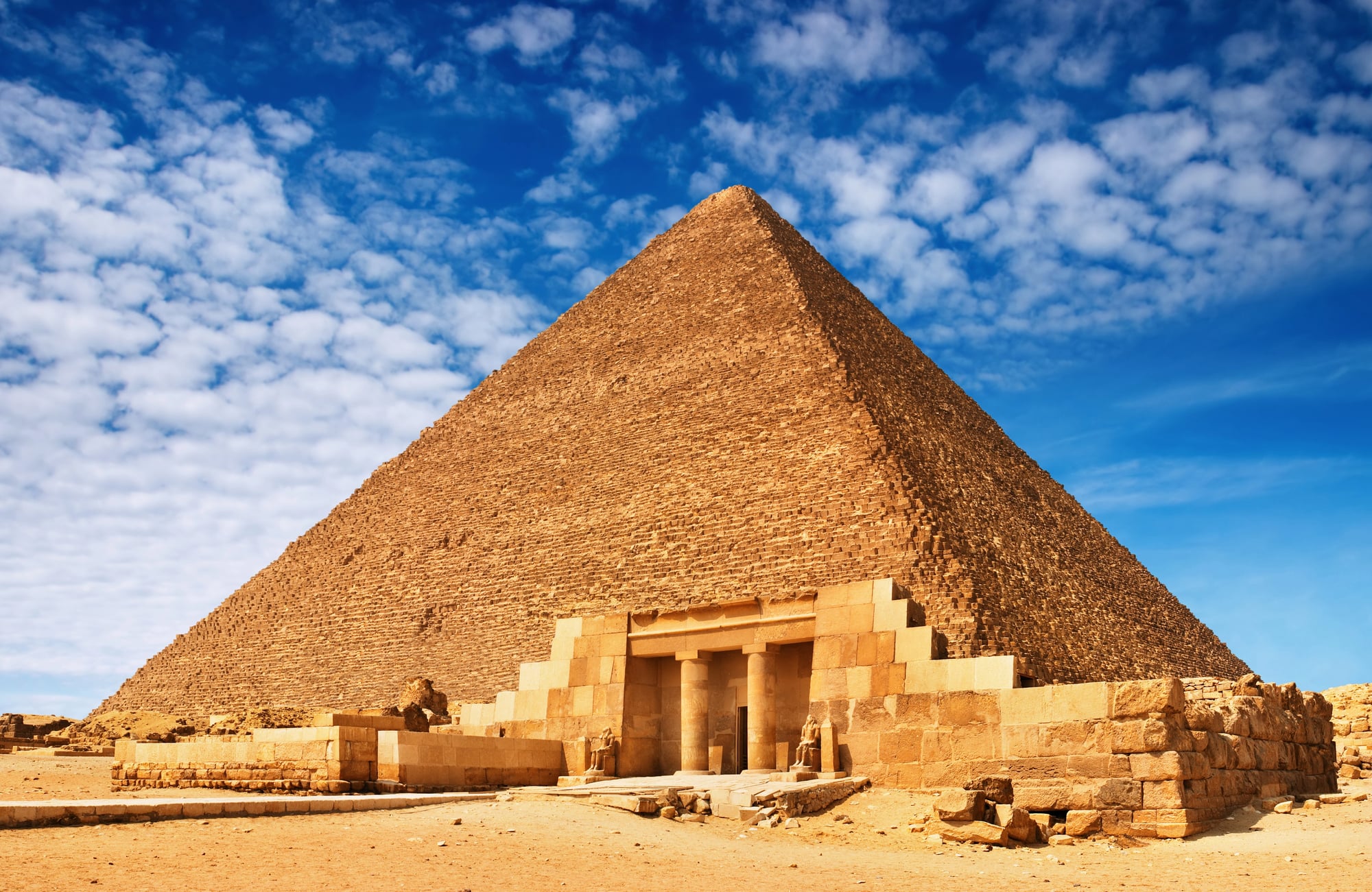
What once seemed impossible now makes perfect sense thanks to decades of careful archaeological research and scientific analysis. The ancient Egyptians weren’t superhuman or helped by aliens, but they were incredibly smart, organized, and determined people who solved complex engineering problems with the tools they had available.
Modern technology has finally revealed the sophisticated planning, advanced techniques, and sheer human effort that went into building these monuments. Understanding how the pyramids were really built doesn’t make them any less impressive – it makes the achievement even more remarkable because it shows what humans can accomplish when they combine knowledge, cooperation, and determination.
These discoveries remind us that ancient people were just as intelligent and capable as we are today.
More from Go2Tutors!

- The Romanov Crown Jewels and Their Tragic Fate
- 13 Historical Mysteries That Science Still Can’t Solve
- Famous Hoaxes That Fooled the World for Years
- 15 Child Stars with Tragic Adult Lives
- 16 Famous Jewelry Pieces in History
Like Go2Tutors’s content? Follow us on MSN.



