Forgotten Amusement Parks and Their Legacies
Drive past an empty lot in any American city, and you might never know a carousel once spun there. Amusement parks rise and fall like any other business, but their disappearance leaves something different behind.
Not just economic loss or architectural absence, but a gap in collective memory. These places shaped summers and childhoods. They defined what fun meant for entire generations. When they close, something harder to measure vanishes too.
Revere Beach’s Paragon Park

Just north of Boston, Paragon Park entertained visitors from 1905 to 1984. The park sat directly on Revere Beach, giving it a distinct advantage—ocean views and beach access combined with rides and attractions.
The Giant Coaster, built in 1917, became a landmark visible from the water. The park weathered the Depression and two world wars.
It adapted to changing tastes, adding new rides and modernizing old ones. But by the 1970s, the area around the park had changed dramatically.
Crime rates increased, the beach fell into disrepair, and families started going elsewhere. After a devastating fire in 1984, the owners decided not to rebuild.
Condominiums now occupy the site. The beach has seen revitalization efforts in recent years, but older residents still talk about Paragon Park as a marker of time.
“Before the park closed” and “after the park closed” divide eras in local conversation.
Euclid Beach Park’s Community Identity

Cleveland’s Euclid Beach Park operated from 1894 to 1969. The park deliberately positioned itself as a wholesome, family-friendly destination.
No alcohol was sold on the grounds, and security was strict. This approach attracted families who appreciated the predictable, safe environment.
The park’s carousel, built by the Philadelphia Toboggan Company, featured hand-carved animals and became famous in its own right. The Thriller roller coaster and the Laugh in the Dark funhouse drew crowds every summer.
But the park’s identity as a safe, clean space became a liability during the 1960s. Desegregation changed the demographic makeup of park visitors.
Rather than adapt, the park struggled with how to maintain its identity while serving a more diverse audience. Financial troubles followed, and the park closed in 1969.
The carousel was saved and restored, now operating at a different location. But the broader legacy is complicated—a reminder that parks existed within social contexts that shaped their success and failure.
Palisades Amusement Park’s Pop Culture Footprint

Palisades Amusement Park operated in Fort Lee and Cliffside Park, New Jersey from 1898 to 1971. The park sat atop the New Jersey Palisades, offering views of the Hudson River and Manhattan skyline.
It became one of the most famous amusement parks in America, mentioned in songs, movies, and literature. Freddy Cannon’s 1962 hit “Palisades Park” kept the park in the public consciousness even as it faced financial pressures.
The park featured impressive rides, including the Cyclone roller coaster and a massive saltwater pool. But the land beneath the park became too valuable.
Developers offered prices the owners couldn’t refuse. The park closed in 1971, and apartment buildings replaced the rides.
Former visitors formed clubs and held reunions for decades afterward. The park’s influence extended beyond its physical existence—it represented a certain kind of American leisure culture, accessible to working-class families from New York City.
That accessibility mattered. It made the park democratic in a way some other attractions weren’t.
Freedomland U.S.A.’s Ambitious Failure
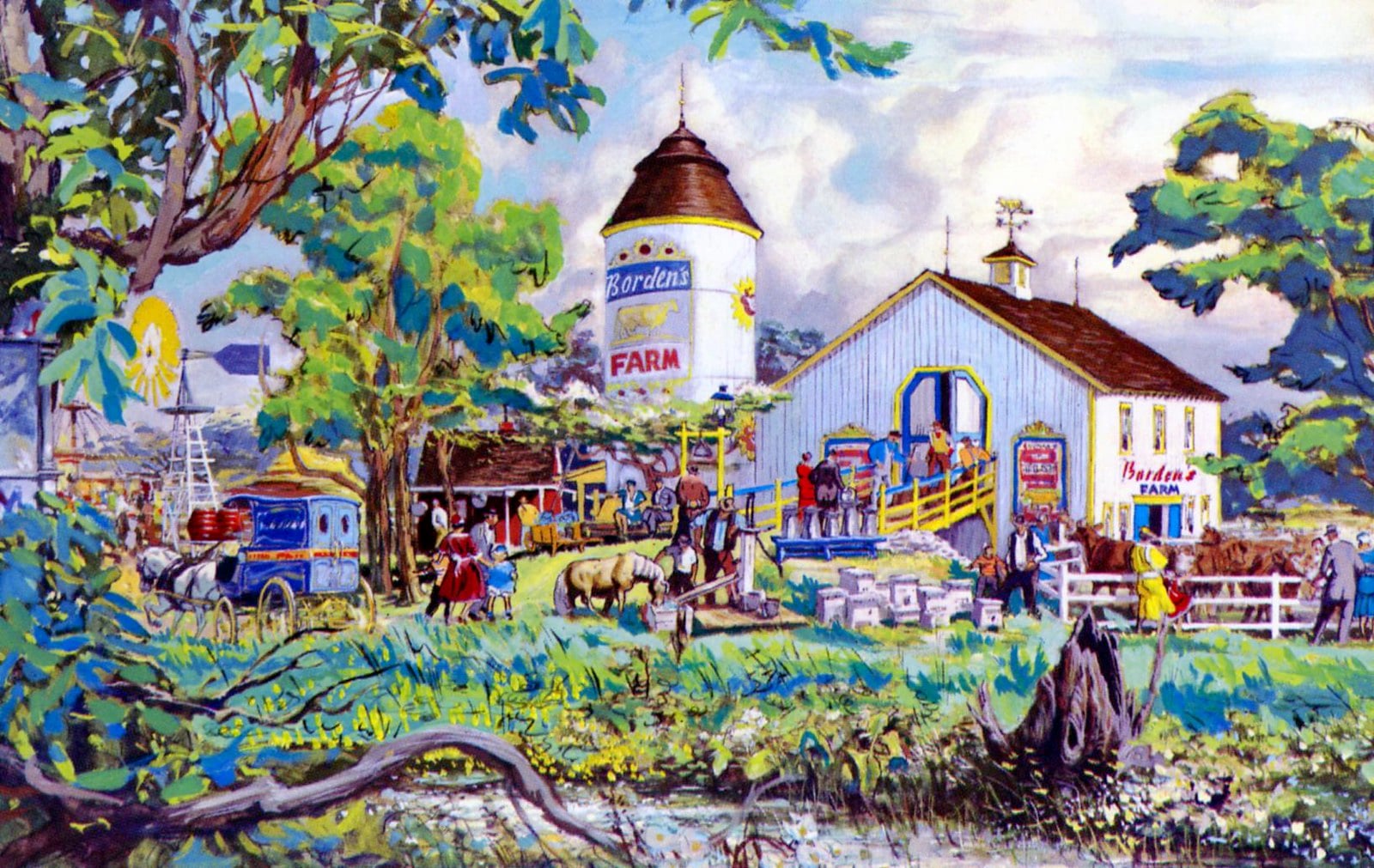
Freedomland opened in the Bronx in 1960 with grand ambitions. The park covered 205 acres and was shaped like a map of the United States.
Each section represented a different region, with themed attractions and historical recreations. The developers wanted to create an East Coast answer to Disneyland.
The park struggled from the beginning. Construction costs exceeded projections.
The attractions felt dated even when new. Attendance never met expectations.
By 1964, the park closed permanently. A shopping mall and housing development replaced it.
Freedomland represents a particular kind of failure—the ambitious project that miscalculates public interest. The concept looked good on paper, but execution fell short.
Yet the park influenced future designers. Its mistakes taught lessons about scale, theming, and market research. Sometimes a failure’s legacy matters as much as a success.
Pontchartrain Beach’s Hurricane Fate
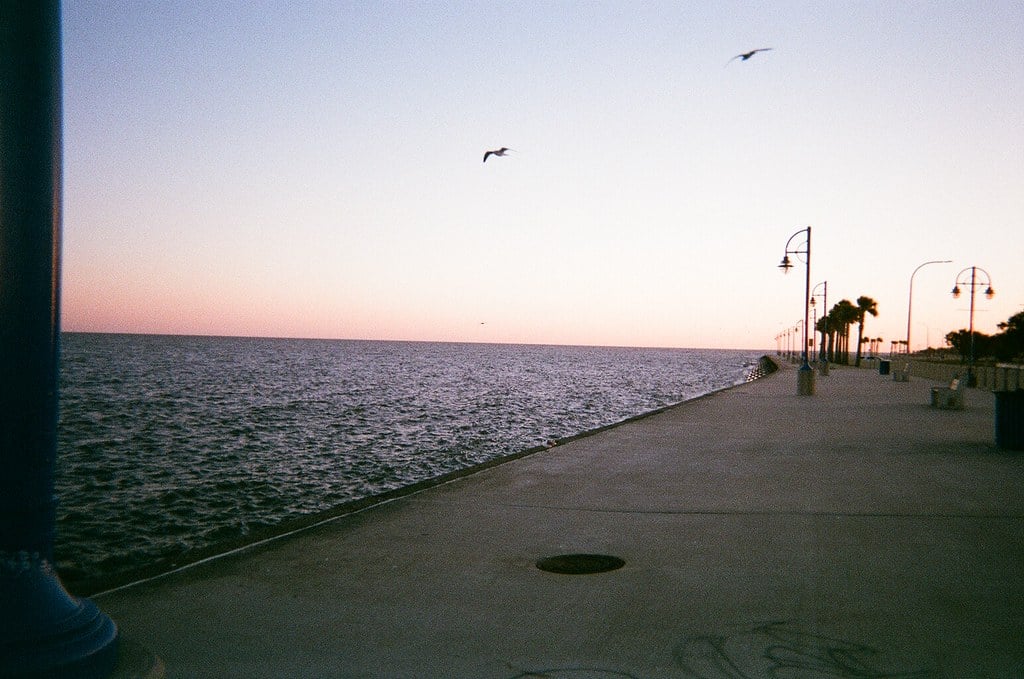
Pontchartrain Beach operated in New Orleans from 1928 to 1983. The park sat on the shores of Lake Pontchartrain, offering beach access and amusement rides.
The Zephyr roller coaster became a beloved fixture, and the park’s swimming area attracted locals during hot Louisiana summers. The park integrated in the 1960s, later than many northern parks.
This delayed desegregation reflected broader regional patterns but also shaped the park’s demographics and atmosphere. Financial troubles increased during the 1970s and early 1980s.
When the park closed in 1983, decay set in quickly. Hurricane Katrina in 2005 destroyed what remained.
The storm surge from Lake Pontchartrain swept across the abandoned park grounds, erasing the last physical traces. Now, only photographs and memories preserve what once stood there.
The park’s story became part of a larger narrative about New Orleans—about what the city was before Katrina, what it lost, and what it rebuilt.
Joyland’s Preservation Attempts in Wichita

Joyland opened in Wichita, Kansas in 1949. The park embodied post-war optimism, offering families an affordable entertainment option in the heartland.
The wooden roller coaster, built by the renowned John Allen, attracted riders who appreciated classic coaster design. The park operated successfully for decades but began declining in the 1990s.
Changing entertainment preferences, competition from video games and home entertainment, and maintenance costs created financial pressure. The park closed in 2004.
For years afterward, the empty park sat deteriorating. Preservation groups formed, hoping to restore at least parts of the park.
The roller coaster seemed salvageable. But vandalism, weather, and time took their toll.
A fire in 2014 destroyed several structures. Eventually, most of the park was demolished.
The preservation attempts failed, but they demonstrated how communities view these spaces—not just as businesses but as cultural landmarks worth saving.
The Lakeside Park Legacy in Denver
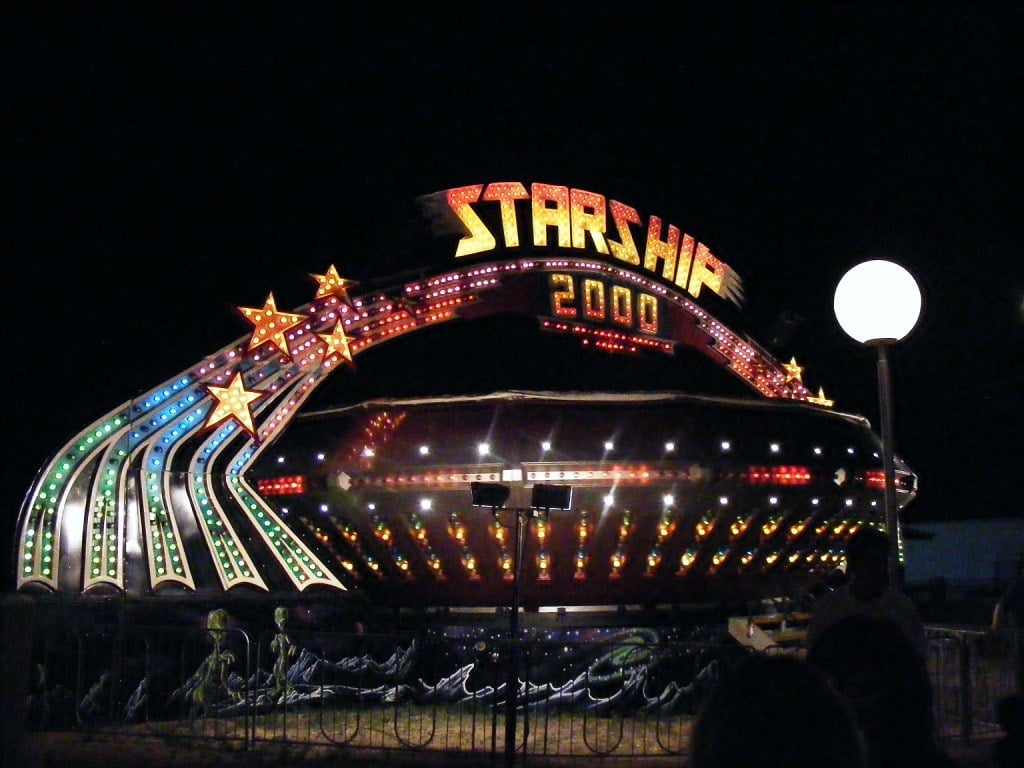
Lakeside Amusement Park opened in Denver in 1908. Unlike most entries on this list, Lakeside still operates, but it represents a type of park increasingly rare.
Small, family-owned, and architecturally unchanged, it offers a window into early 20th-century amusement park design. The park’s art deco tower, built in 1936, became a Denver landmark.
The park avoided major renovations, keeping its vintage character intact. This choice limited growth but preserved authenticity.
Visiting Lakeside now feels like time travel. The same types of rides operate. The layout remains familiar to visitors from decades ago.
This persistence makes Lakeside valuable as a reference point. It shows what the forgotten parks once were—how they functioned, how they looked, what they offered.
As development pressure increases in Denver, Lakeside’s future remains uncertain. Its survival so far demonstrates that some parks can adapt by embracing their historical character rather than constantly modernizing.
Coney Island’s Steeplechase Park

Steeplechase Park operated on Coney Island from 1897 to 1964. It was one of three major parks in the Coney Island area, alongside Luna Park and Dreamland.
The park’s signature ride featured mechanical horses that raced around an oval track, giving riders the sensation of a horse race. George C. Tilyou created Steeplechase after visiting the 1893 World’s Columbian Exposition.
He understood the potential of mechanical amusement. The park succeeded for decades, becoming synonymous with Coney Island entertainment.
But urban decay affected the area in the 1950s and 1960s. The park struggled to maintain attendance and profitability.
After closing in 1964, the park was demolished. The site remained empty for years.
Later developments on the land never captured Steeplechase’s spirit. The park’s absence changed Coney Island’s character.
While Luna Park has been revived in modern form and the Cyclone roller coaster still operates, Steeplechase’s particular contribution to the area’s identity ended permanently in 1964.
Pacific Ocean Park’s Short Life

Pacific Ocean Park opened in Santa Monica, California in 1958. Built on a pier extending into the Pacific Ocean, the park featured futuristic theming that reflected the Space Age era.
The developers invested heavily in unique attractions and elaborate theming. The park struggled financially almost immediately.
Operational costs for a pier-based park exceeded projections. Salt air corroded equipment faster than expected.
Competition from Disneyland, which had opened just three years earlier, drew away potential visitors. By 1967, the park closed.
The pier and structures deteriorated rapidly. Ocean waves and storms gradually destroyed the abandoned park.
By the 1970s, little remained. The site was eventually cleared and redeveloped.
Pacific Ocean Park’s brief existence suggests that timing and location only partly determine success. Execution, maintenance costs, and competition matter just as much.
Riverview Park’s Legal Battles in Chicago

Riverview Park operated in Chicago from 1904 to 1967. At its peak, the park covered 74 acres and featured more than 100 attractions.
It was one of the largest amusement parks in America, drawing millions of visitors annually. The Bobs roller coaster, built in 1924, gained fame for its intense drops and speeds.
The park closed suddenly in 1967 after the owners sold the land to developers. No gradual decline preceded the closure.
One season the park operated normally; the next year it was gone. This abrupt ending shocked regular visitors and employees.
Legal battles followed over the sale terms and whether the park could have continued operating profitably. A shopping center and other commercial developments replaced Riverview.
Former visitors organized to preserve memories and artifacts. Some rides were sold to other parks, extending their existence beyond Riverview’s closure.
The legal disputes surrounding the park’s end highlighted how real estate values often exceed the business value of operating an amusement park, especially in urban areas where land prices keep rising.
Geauga Lake’s Corporate Transformations

Geauga Lake opened near Aurora, Ohio in 1887 as a swimming and picnic area. Over time, rides were added, transforming it into a full amusement park.
The park operated successfully for over a century under local ownership. In 2000, Six Flags purchased the park and a neighboring Sea World, attempting to create a massive entertainment complex.
The Six Flags expansion failed spectacularly. Attendance dropped despite increased ride offerings.
The company invested millions but couldn’t attract enough visitors to justify costs. Cedar Fair purchased the park in 2004 and attempted a different strategy, removing the Sea World elements and refocusing on rides.
This also failed to reverse declining attendance. The park closed permanently in 2007. The property sat abandoned for years before being partially demolished and partially reclaimed by nature.
Geauga Lake’s story illustrates corporate mismanagement’s role in park closures. The park survived over a century under one ownership model but failed within seven years under corporate control.
This pattern repeats across American amusement park history.
Wonderland Park’s New England Winters
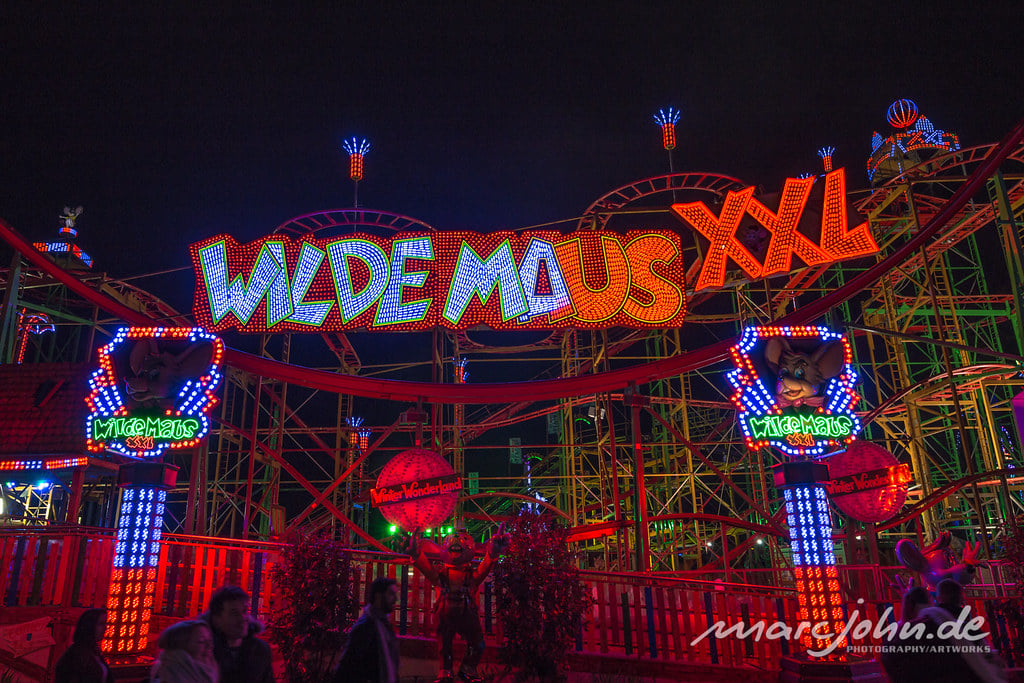
Wonderland Park was open in Revere, MA between 1906 and 1911. Even though it didn’t last long, it changed how fun parks were built.
The place had the first roller coaster with a loop – the Flip Flap Railway – though the round loop scared everyone who rode it. The park didn’t last long due to money troubles along with shaky setup issues.
The looping ride turned out risky – strong forces during spins hurt people riding it. Being close to Revere Beach meant operations faced time limits each year.
Cold seasons in New England shut things down for months, so cash came only when summer rolled around. A fire in 1911 destroyed major sections of the park.
Rather than rebuild, the owners abandoned the project. The site was redeveloped for other purposes.
Wonderland’s significance lies in its experimental nature. Early fun spots tried out ideas, some future ones improved, others dropped.
Wonderland stretched what was possible, found where things failed, also changed how builders thought about safe rides and if they’d really work.
Where Memory Lives Now
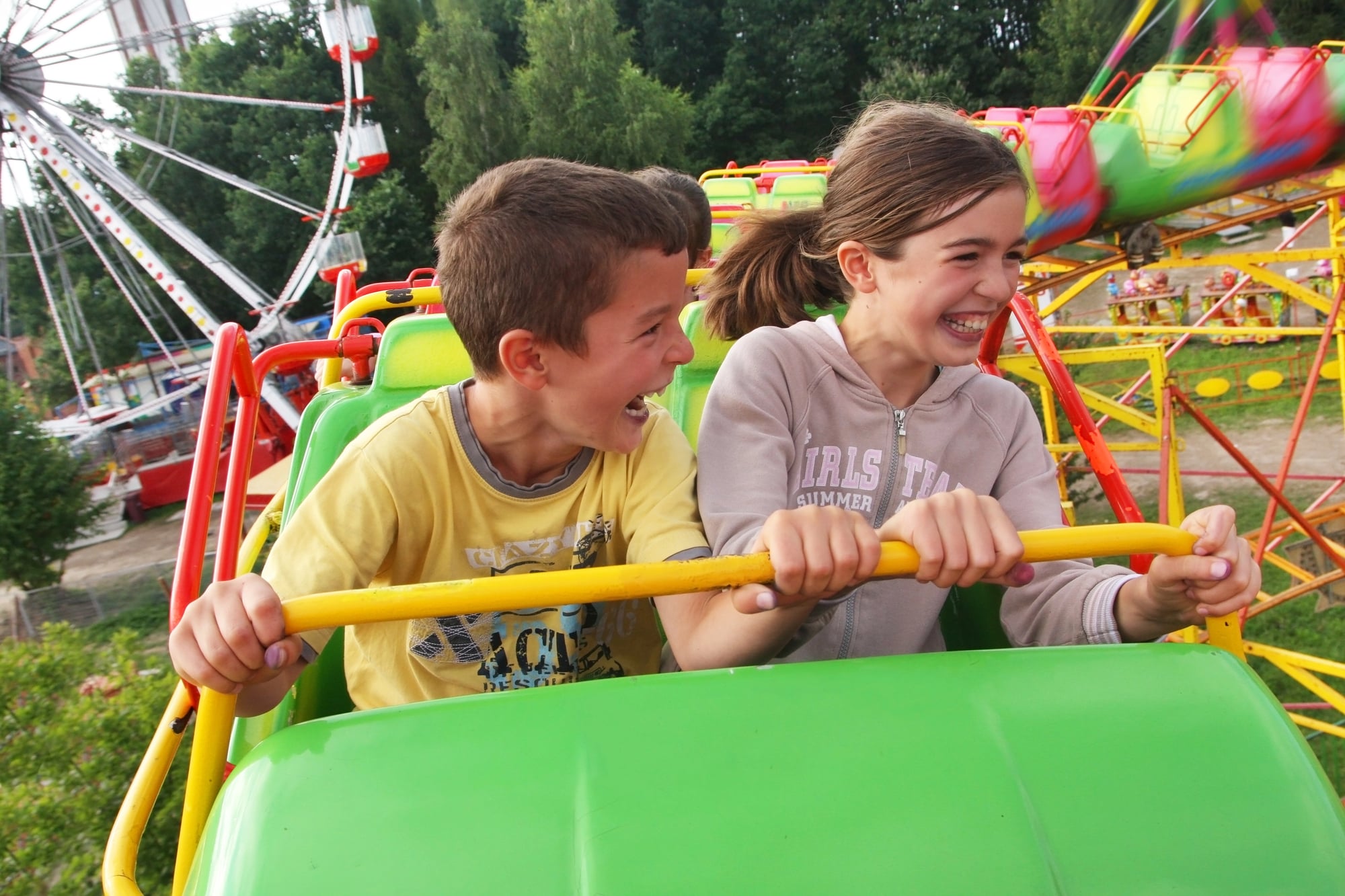
The parks have vanished, yet echoes remain – showing up in odd places. Around deserted spots, myths start piling up like old junk.
Spooky tales stick to vacant lots like burrs on fabric. Folks who’ve lived here longest talk about things that aren’t there anymore, leaving newcomers scratching their heads.
Saying “turn left near the old Ferris wheel spot” means nothing unless you remember it spinning years ago. Some towns still keep old pieces – like a merry-go-round in one spot, an old ride cart somewhere else.
These bits are stuck in parks or halls, far from where they once belonged. Folks who never saw them working tend to wonder out loud. “What’s this thing do?” “How’d it end up here?”
Stories behind them show parts of the past most records skip. The past of lost theme parks lives in the spaces between then and now.
Yet fun shifts over time, while towns grow different than before. Even when attractions fade away, recollections stick around somehow. Although buildings vanish fast, tales about them hang on regardless.
A quiet feeling of missing something stays behind, even once all traces are gone.
More from Go2Tutors!

- The Romanov Crown Jewels and Their Tragic Fate
- 13 Historical Mysteries That Science Still Can’t Solve
- Famous Hoaxes That Fooled the World for Years
- 15 Child Stars with Tragic Adult Lives
- 16 Famous Jewelry Pieces in History
Like Go2Tutors’s content? Follow us on MSN.



