Forgotten Amusement Parks That Once Drew Crowds
Amusement parks have always been places where families create memories, kids scream with excitement, and the smell of popcorn fills the air. But not every park gets to stay open forever.
Some of the most beloved destinations closed their gates for the last time, leaving behind only faded photographs and stories from people who visited them. These parks once pulled in thousands of visitors every summer, but now they exist only in memory.
Here are some amusement parks that people used to love visiting but have since disappeared.
Palisades Amusement Park
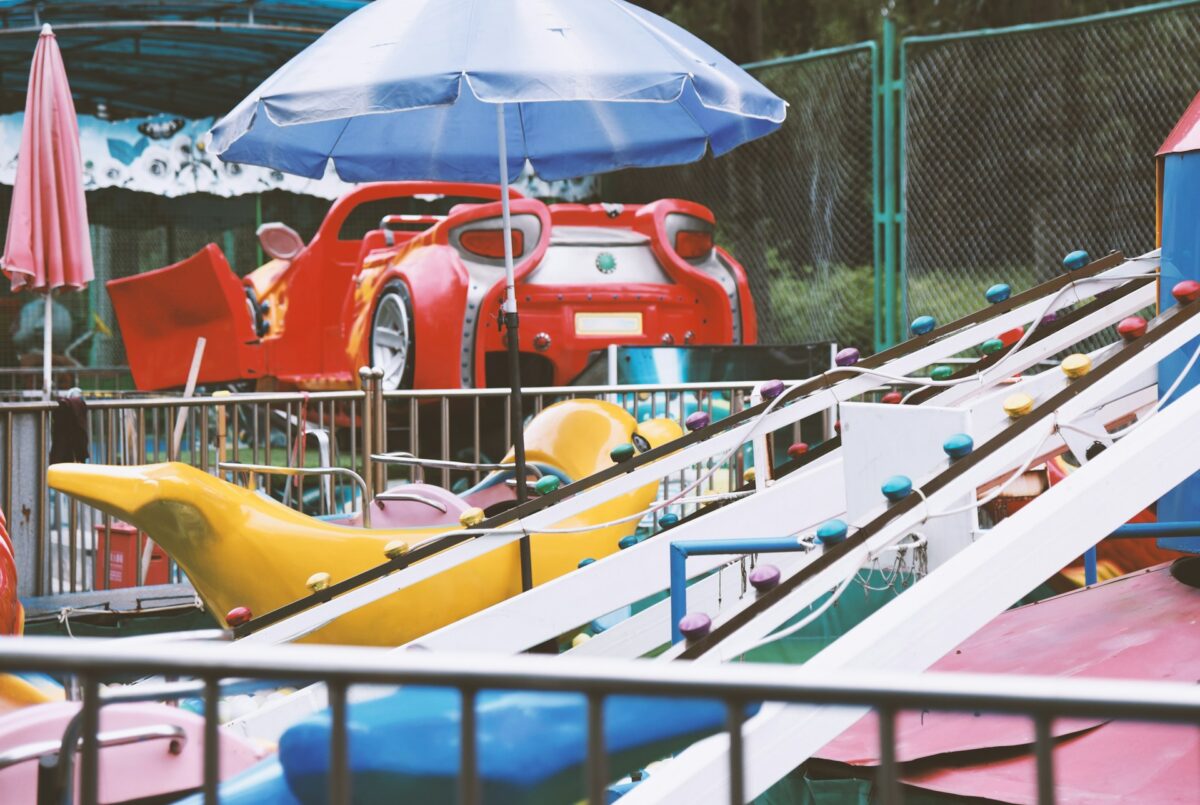
This New Jersey park sat on top of cliffs overlooking the Hudson River and operated from 1898 until 1971. The views alone made it special, but the rides kept people coming back year after year.
At its peak, the park drew crowds of over 10,000 visitors on busy summer days. When developers bought the land to build apartment buildings, locals protested, but the park closed anyway.
Freddy Cannon even wrote a popular song about it that kept the park’s memory alive long after the rides were torn down.
Freedomland U.S.A.

Built in the Bronx in 1960, this park was shaped like a map of the United States and covered 205 acres. Each section represented a different region of the country with themed rides and attractions.
The park tried to compete with Disneyland by offering an educational twist, but it struggled financially almost from the start. After just four years, Freedomland closed in 1964, and Co-op City apartments now stand where families once explored miniature versions of American landmarks.
The park’s short life makes it one of the most expensive failures in amusement park history.
Like Go2Tutors’s content? Follow us on MSN.
Euclid Beach Park
Cleveland’s Euclid Beach Park opened in 1895 and became famous for its beautiful beach and the Euclid Beach Pier. The park had a strict no-alcohol policy and positioned itself as a wholesome family destination.
Its wooden roller coaster, the Racing Coaster, was a favorite for decades. By the 1960s, the park couldn’t compete with newer attractions and faced maintenance costs it couldn’t afford.
When it closed in 1969, Clevelanders lost a piece of their childhood, though some of the original rides were saved and moved to other parks.
Riverview Park
Chicago’s Riverview Park was one of the largest amusement parks in North America during its run from 1904 to 1967. The park featured over 100 rides at its peak and introduced some of the scariest roller coasters of their time.
Two million people visited every year during the park’s best decades. The land became too valuable for the owners to resist selling, and they closed the park to make way for a shopping center and other developments.
Many Chicagoans still talk about Riverview with a sense of loss that hasn’t faded even after all these years.
Geauga Lake
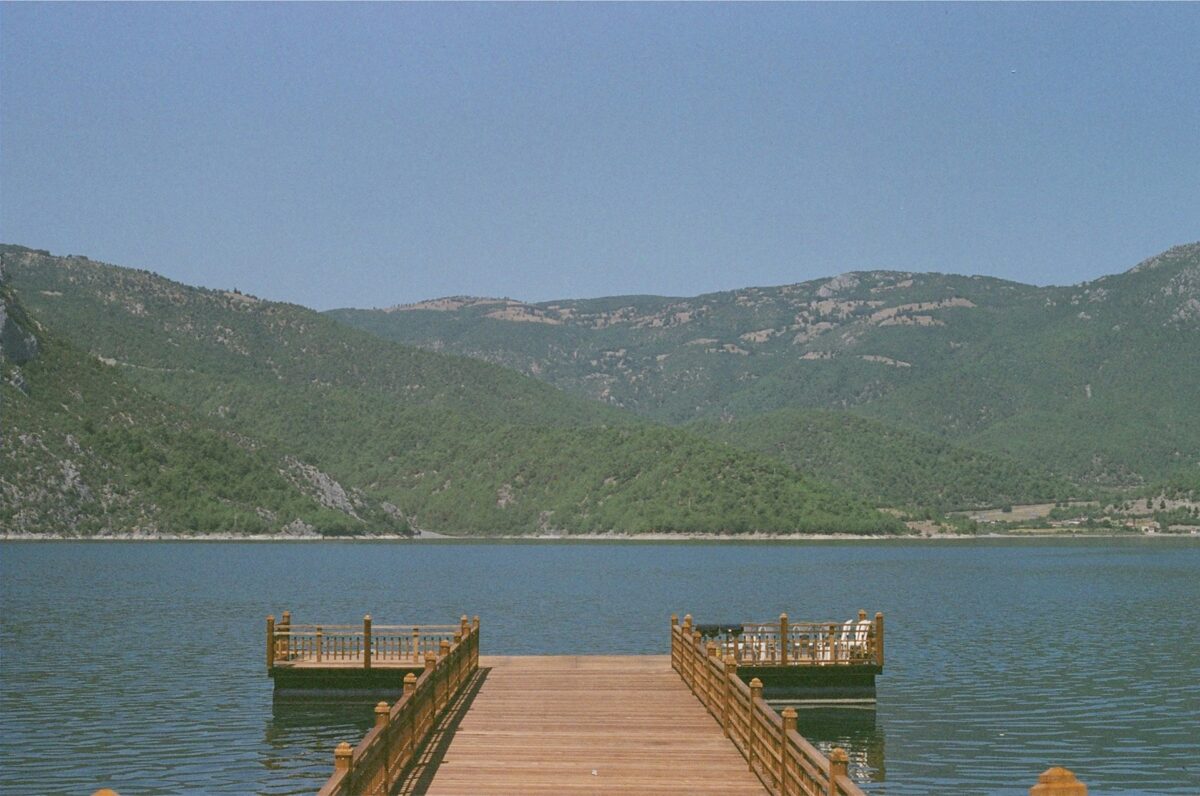
Starting as a small park in Ohio in 1887, Geauga Lake grew into a major destination with a water park and huge roller coasters. Six Flags bought it in 2000 and added even more thrill rides to compete with nearby Cedar Point.
After changing ownership several times, the park struggled to find its identity and closed for good in 2007. The water park stayed open a bit longer, but eventually that closed too.
Now nature has reclaimed much of the land, and only concrete foundations hint at where the rides once stood.
Like Go2Tutors’s content? Follow us on MSN.
Joyland Amusement Park
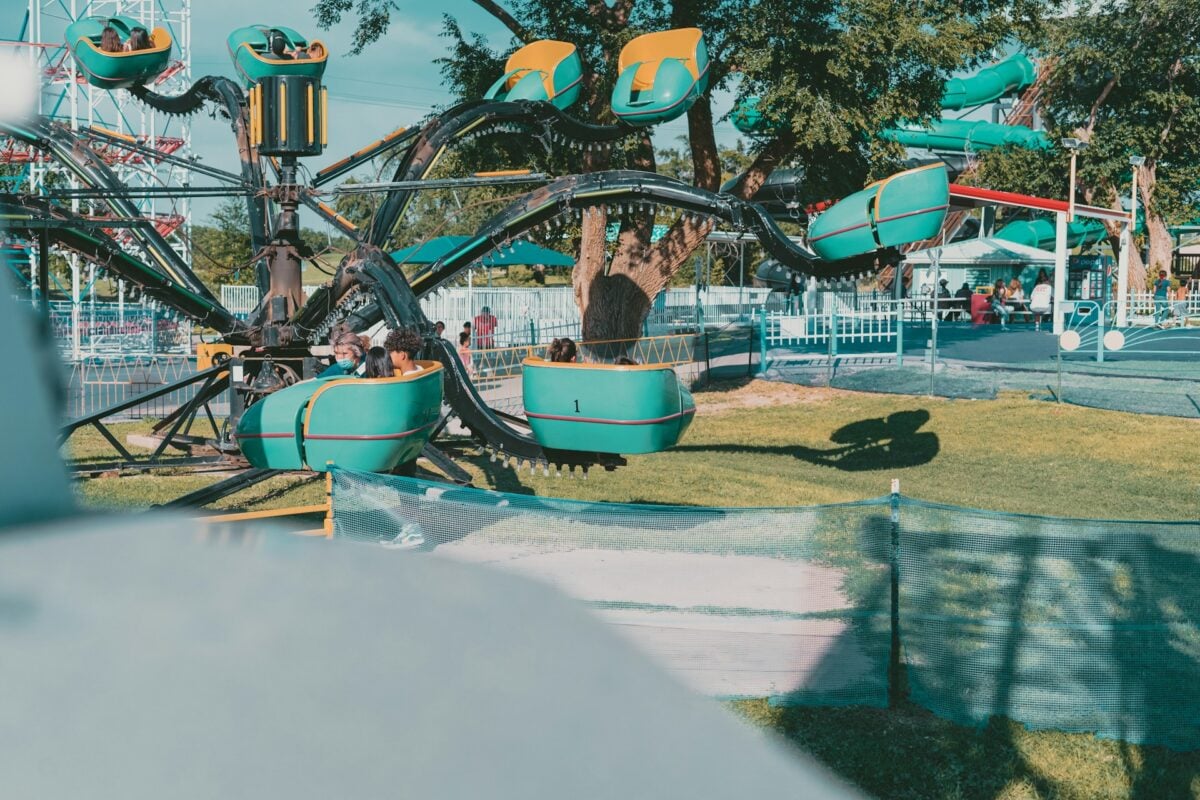
This Wichita, Kansas park opened in 1949 and became known for its wooden roller coaster called the Roller Coaster, which was pretty straightforward naming. Families visited for decades, enjoying the classic midway games and simple rides.
The park started falling apart in the 2000s due to financial troubles and poor management. After closing in 2004, the park sat abandoned for years while vandals and weather destroyed what remained.
A fire in 2018 burned down the last major structure, ending any hope of revival.
Pontchartrain Beach
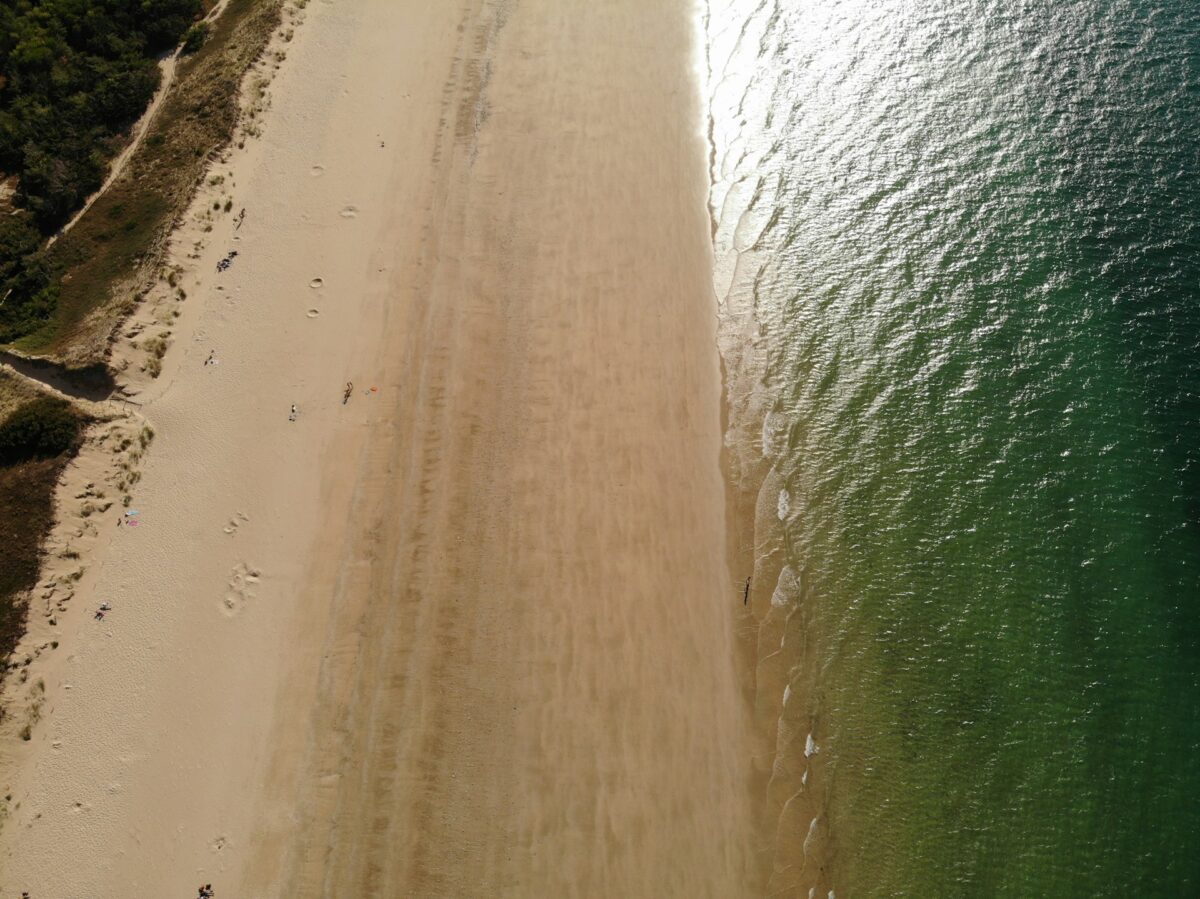
New Orleans had its own beachside amusement park from 1928 until 1983, though it moved locations once during that time. The park sat on the shores of Lake Pontchartrain and offered relief from Louisiana’s intense summer heat.
Its Zephyr roller coaster and the Bug ride were favorites among locals. When a newer shopping and entertainment complex opened nearby, Pontchartrain Beach couldn’t compete for visitors.
The land sat empty for years before developers finally built condos on the site, erasing almost all traces of the park.
Pacific Ocean Park
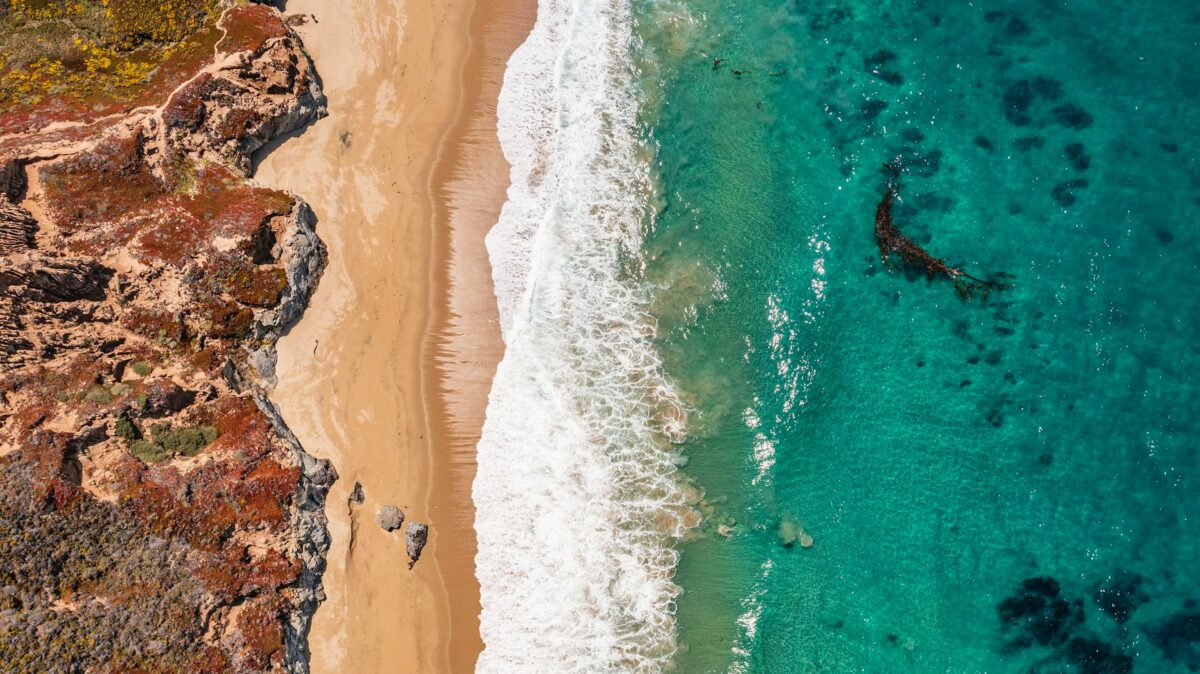
Santa Monica’s Pacific Ocean Park, often called POP, opened in 1958 right on a pier extending into the ocean. The futuristic design and location made it feel completely different from typical landlocked parks.
Financial problems started almost immediately despite the unique setting and modern rides. By 1967, the park had closed, and the ocean slowly destroyed the abandoned pier and buildings. Photographs of the decaying structures partially submerged in water became famous images that captured how quickly grand plans can fall apart.
Like Go2Tutors’s content? Follow us on MSN.
Dogpatch USA
This Arkansas theme park based on the Li’l Abner comic strip opened in 1968 in the Ozark Mountains. The hillbilly theme and cartoon characters drew families looking for something different from the usual amusement park experience.
When the comic strip ended and fewer people remembered the characters, the park lost its appeal. It closed in 1993, and the buildings have been rotting in the woods ever since.
Urban explorers and photographers sneak in to document the eerie remains, though it’s technically illegal and dangerous.
Opryland USA
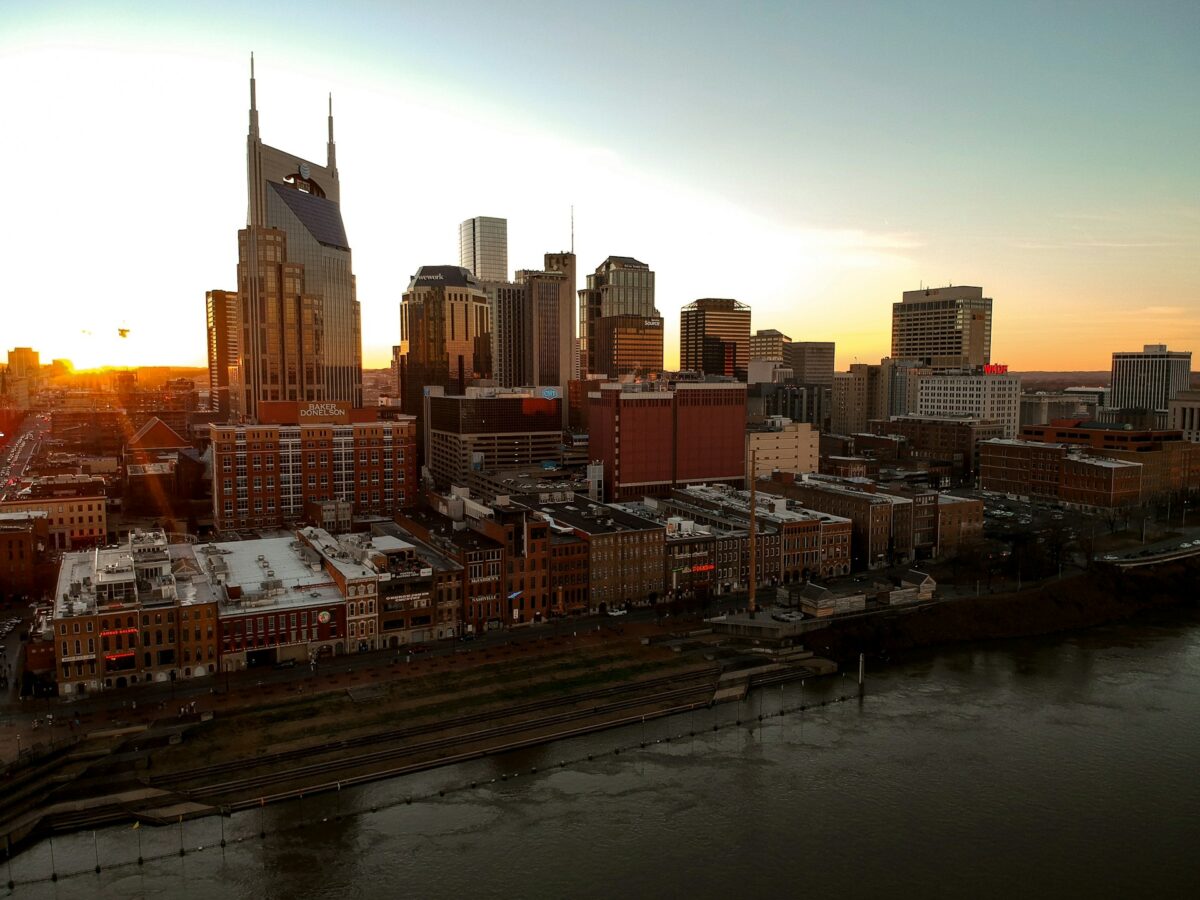
Nashville’s Opryland opened in 1972 and combined country music entertainment with traditional amusement park rides. The park featured live shows throughout the day and had beautiful gardens that made it feel upscale.
Gaylord Entertainment, the owner, decided the land was worth more as a shopping mall and closed the park in 1997 despite its popularity. The Opry Mills mall now sits where roller coasters used to thrill visitors.
Many Nashville residents still resent the decision and wish they could take their kids to the park they loved as children.
Lincoln Park
Dartmouth, Massachusetts had Lincoln Park from 1894 until 1987, making it one of the longer-running parks that eventually closed. The park survived the Great Depression and multiple changes in ownership over its 93 years.
Its Comet roller coaster was a wooden classic that drew enthusiasts from across New England. After a fire destroyed several attractions in the 1980s, the owners couldn’t afford to rebuild and closed permanently.
The site became a strip mall, which feels like a disappointing ending for such a historic location.
Like Go2Tutors’s content? Follow us on MSN.
Chippewa Lake Park
Ohio’s Chippewa Lake Park operated from 1878 to 1978, making it one of the oldest amusement parks in the country. The park sat next to a natural lake and featured a famous Big Dipper roller coaster.
When the interstate highway system bypassed the area, fewer tourists stopped by, and the park slowly lost money. After closing, the owners left everything standing, and the abandoned park became a famous spot for people interested in decay and forgotten places.
Some rides still stand today, covered in vines and rust, creating haunting scenes.
Boblo Island Amusement Park
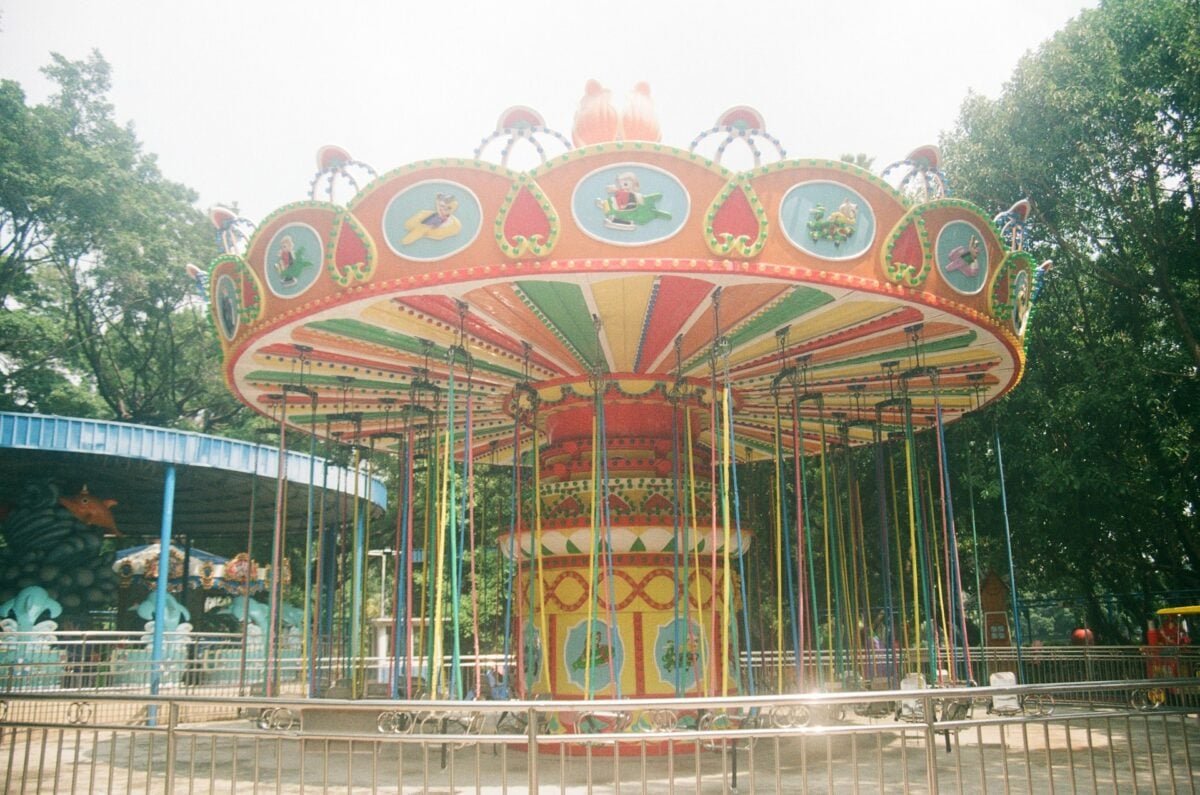
This park sat on an island in the Detroit River between Michigan and Ontario, and visitors had to take a boat to get there. The journey itself was part of the fun, and families made it a special all-day trip from 1898 until 1993.
The isolation that made it unique also made it expensive to operate and maintain. When attendance dropped in the 1980s and 1990s, the owners couldn’t keep up with costs. The island now has homes on it, and the old dance hall is one of the few structures that survived from the park’s glory days.
Willow Grove Park
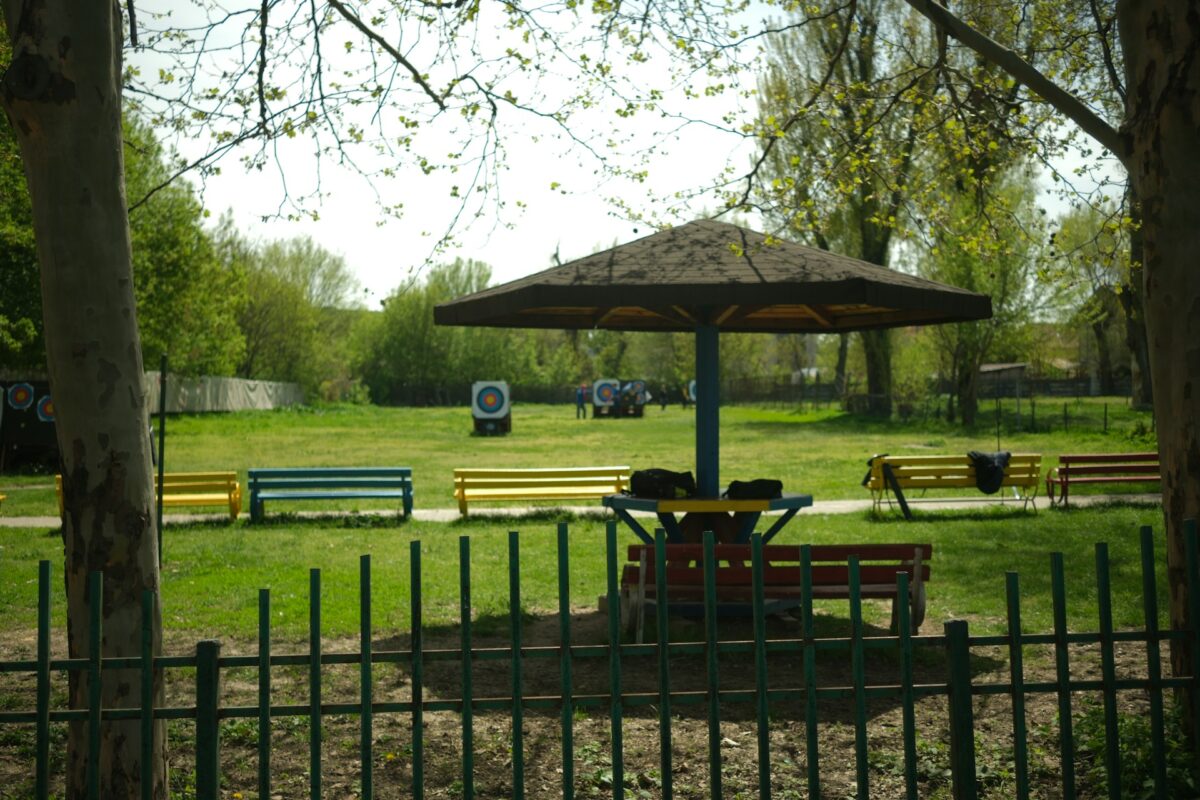
Pennsylvania’s Willow Grove Park started as a simple trolley company attraction in 1896 but grew into a major park. John Philip Sousa performed there multiple times, giving it cultural importance beyond just rides.
The park featured one of the earliest roller coasters ever built and stayed popular for decades. By 1975, the owners decided to close it and build a shopping mall instead.
The Willow Grove Park Mall opened in 1982, and today’s shoppers walk over the same ground where carousel horses once spun in circles.
Like Go2Tutors’s content? Follow us on MSN.
When the gates closed for good
The story of these parks teaches something important about how quickly things can change. Businesspeople make decisions based on money, and sometimes that means replacing a beloved park with apartments or a mall.
Kids who spent summer days riding roller coasters and eating cotton candy grew up to find that their favorite places no longer exist. What remains are the stories people tell and the faded ticket stubs tucked away in old shoeboxes.
These parks may be gone, but the happiness they created still lives on in the people who were lucky enough to visit them.
More from Go2Tutors!

- 16 Historical Figures Who Were Nothing Like You Think
- 12 Things Sold in the 80s That Are Now Illegal
- 15 VHS Tapes That Could Be Worth Thousands
- 17 Historical “What Ifs” That Would Have Changed Everything
- 18 TV Shows That Vanished Without a Finale
Like Go2Tutors’s content? Follow us on MSN.