These 16 Mind-Blowing Things That Happen to Your Body While You Sleep
Ever wonder what’s going on while you’re knocked out cold? Sleep isn’t just a time when you’re unconscious—your body’s actually hard at work. Most people spend about a third of their life asleep without knowing the amazing stuff happening under the hood. The repairs and resets going on are pretty wild when you think about it.
Here is a list of 16 fascinating things that happen to your body while you’re fast asleep.
Brain Detoxification
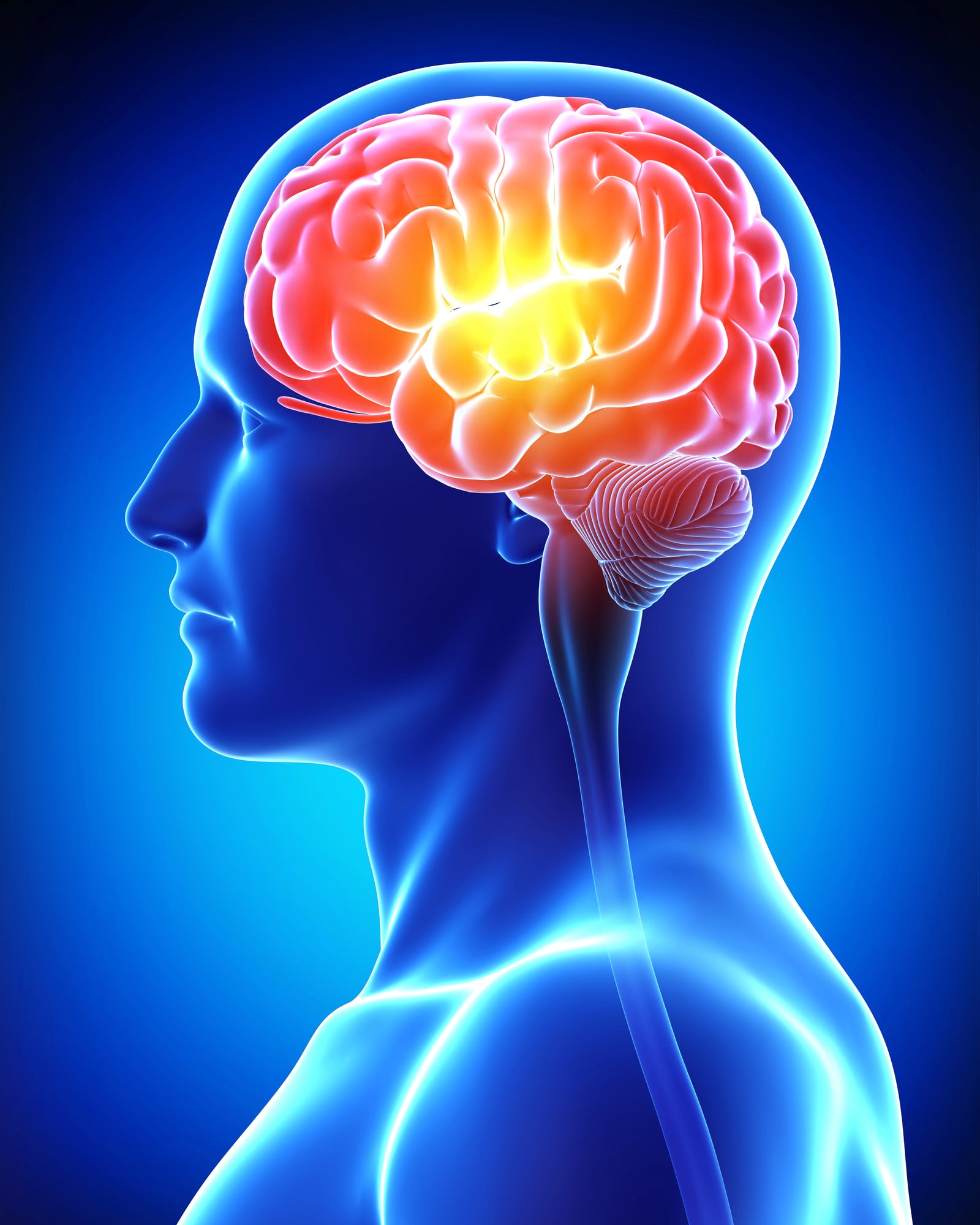
During deep sleep, your brain basically takes out the trash. Scientists discovered this cleanup system not too long ago—they call it the glymphatic system.
Brain cells shrink a bit at night, which lets fluid wash through and clear out junk proteins that built up all day. Without this nightly cleanup, all that waste would stick around and cause problems.
Memory Consolidation
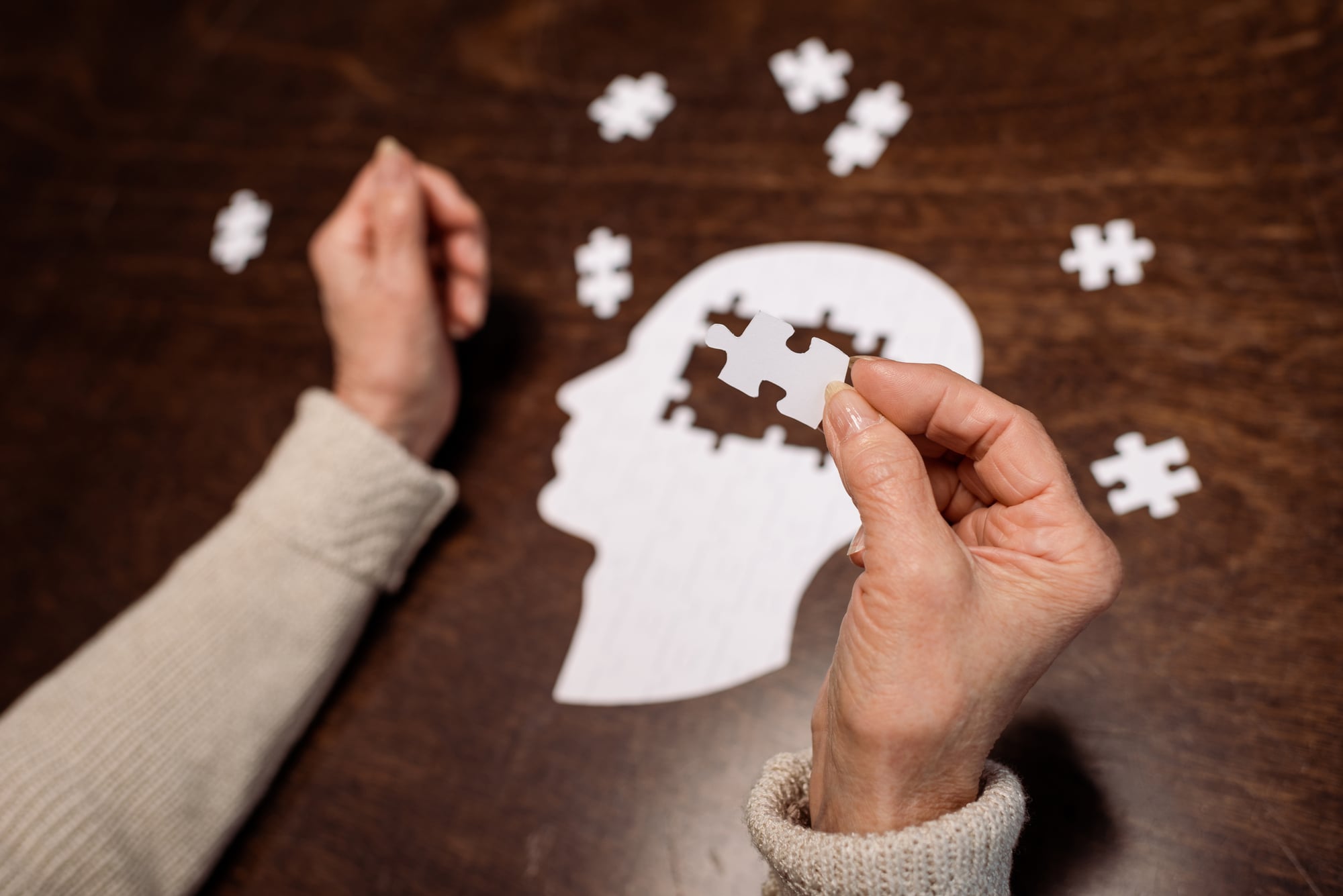
Sleep is when today becomes yesterday in your brain. Your noggin sorts through the day’s experiences—keeping the important stuff and ditching what you don’t need.
The hippocampus (where new memories live) chats with the neocortex (where old memories go) all night long. That’s why cramming for tests and then pulling an all-nighter rarely works out well.
Muscle Paralysis

During dream sleep, your brain temporarily puts your body in lockdown. This happens during REM sleep—that’s when your craziest dreams occur.
Good thing, too! Otherwise, you’d be acting out everything you dream about. Your breathing muscles and eyeballs still work, but everything else stays frozen until that sleep phase ends.
Growth Hormone Release
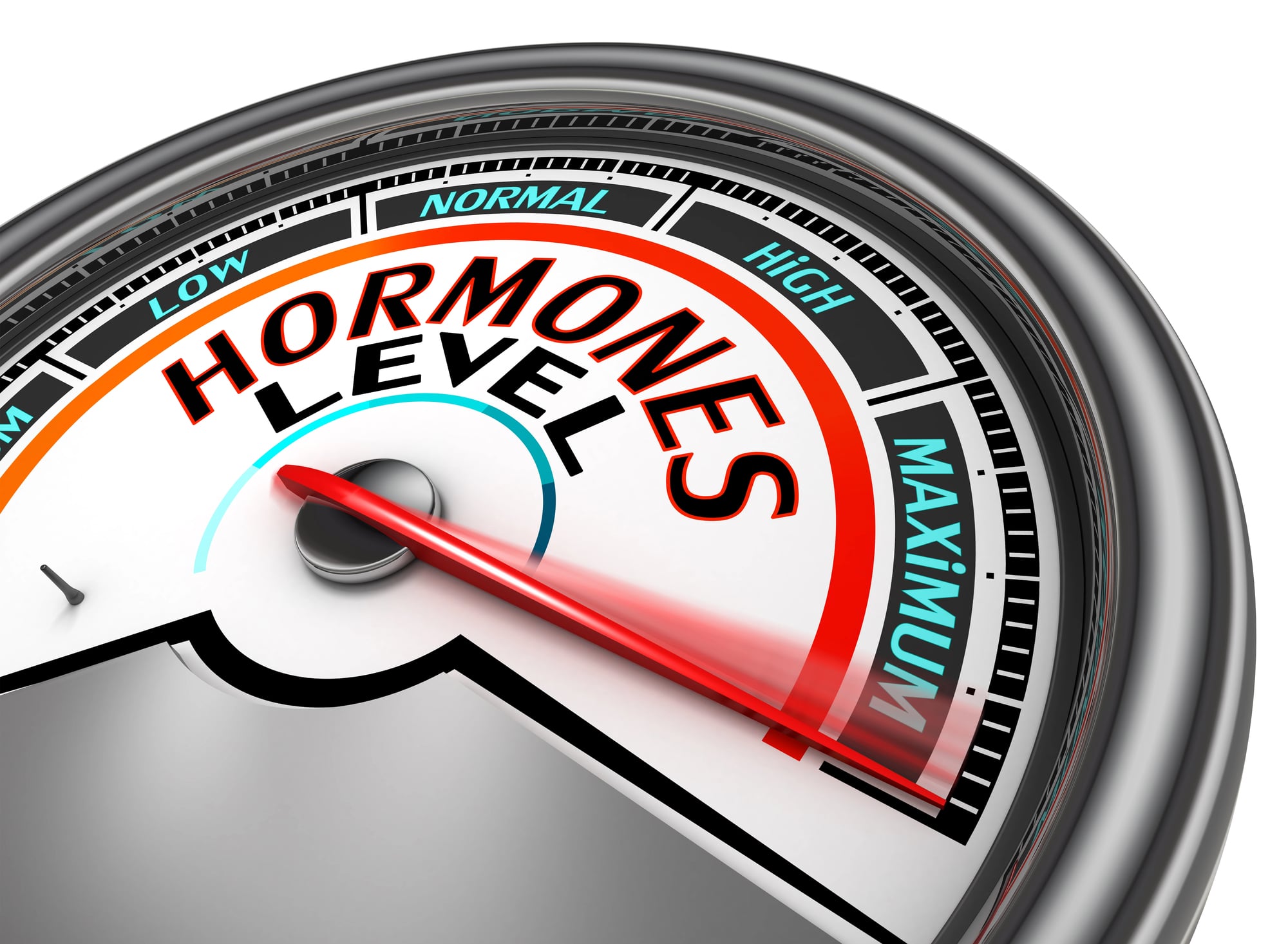
Your body floods with growth hormone during deep sleep. Kids need this to grow taller, but adults need it too.
It helps repair damaged cells throughout your body—kind of like a maintenance crew that only works the night shift. These hormones help heal everything from workout damage to everyday wear and tear.
Immune System Strengthening

Sleep is your immune system’s power-up time. Your body cranks out protective proteins called cytokines, which fight infection and inflammation.
Skip sleep for too long, and your immune function tanks. There’s a reason you feel wiped out and want to sleep when sick—your body’s begging for time to fight back properly.
Blood Pressure Drops
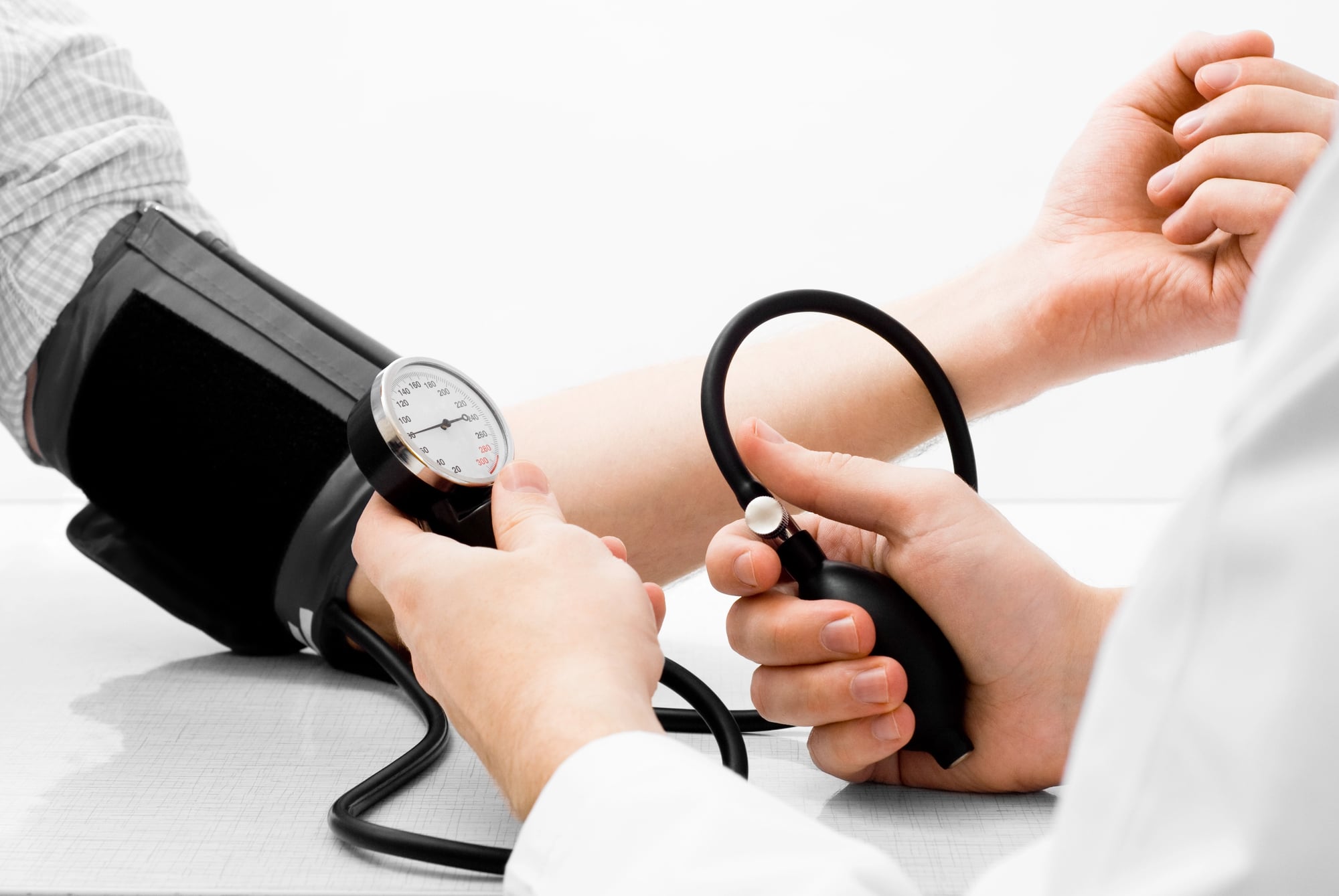
Your blood pressure takes a healthy nosedive when you sleep—about 10-20% lower than daytime readings. This nightly dip gives your heart and blood vessels a much-needed break.
Some folks don’t get this dip, and doctors worry about them because it’s tied to higher heart attack and stroke risk down the road.
Body Temperature Regulation
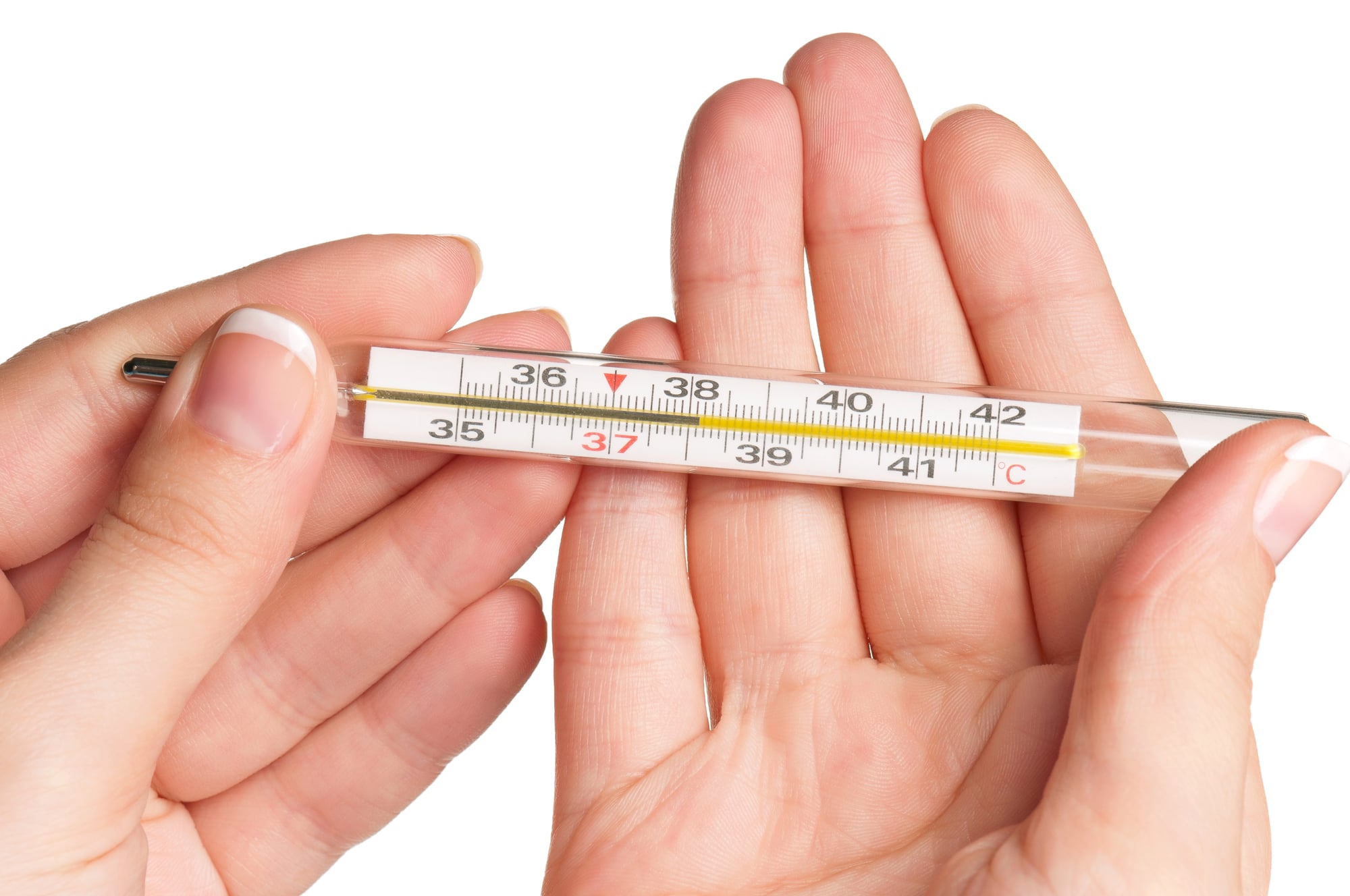
Your body temp drops a couple degrees when you’re deep in dreamland. This cool-down signals your systems to shift into maintenance mode.
The temperature drop starts happening before you even fall asleep—your body’s way of nudging you toward shuteye. That’s why the ideal bedroom temperature isn’t warm and cozy but slightly cool.
Hormone Balancing

Sleep handles a complex juggling act of hormones that control hunger, stress, and more. The hunger hormones get rebalanced—leptin (which says “I’m full”) goes up while ghrelin (which says “I’m hungry”) goes down.
Mess with sleep, and this balance gets thrown off. No wonder sleep-deprived people often reach for donuts and pizza the next day.
Skin Regeneration
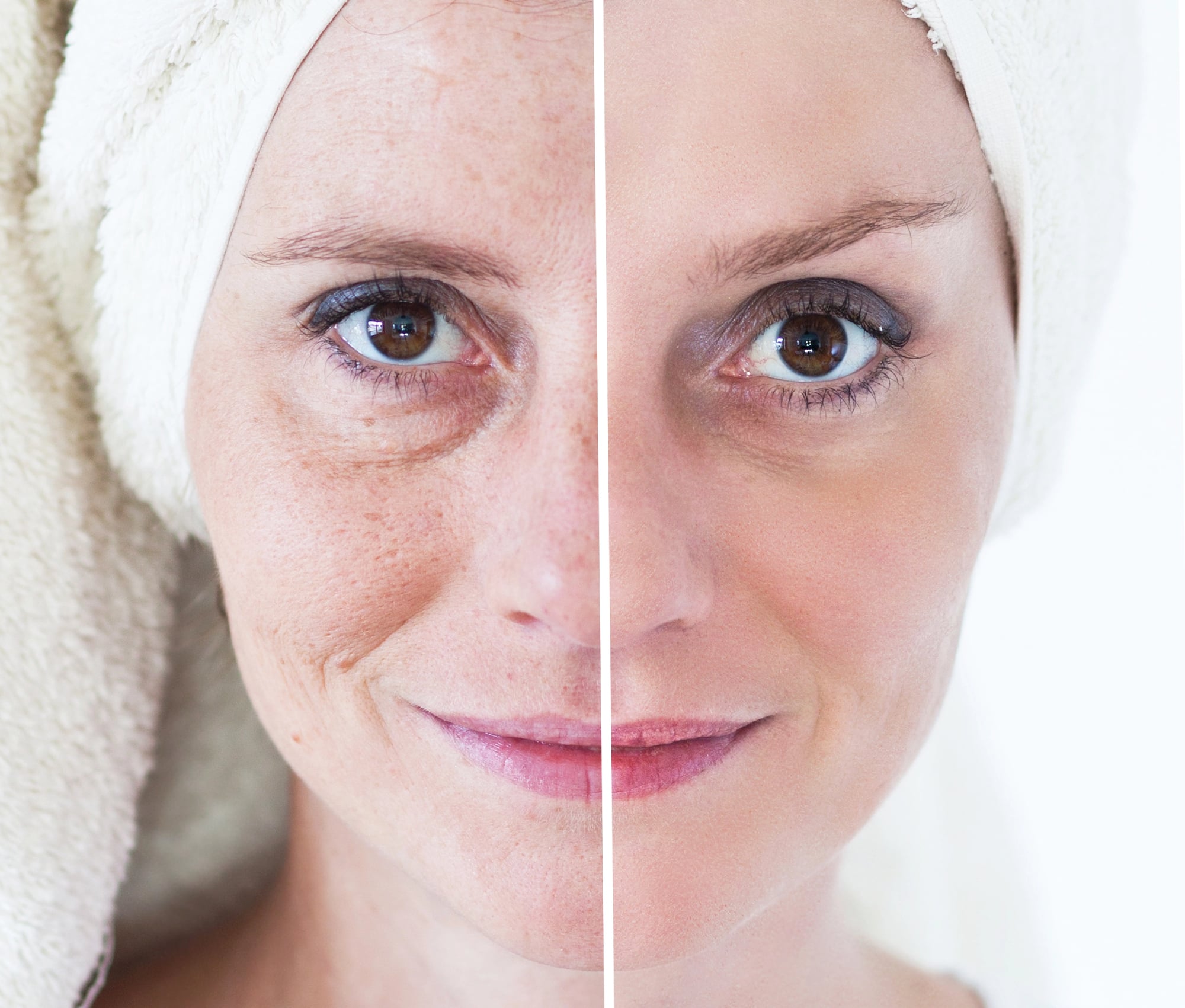
Your skin goes into overdrive while you’re catching Z’s. Cell production can triple compared to waking hours.
That’s when collagen—the stuff that keeps skin from sagging—gets made in larger amounts. The boost in nighttime blood flow delivers extra nutrients to your skin, too. Skip sleep regularly, and your face shows it pretty quickly.
Muscle Recovery

All day long, your muscles experience tiny tears and general wear. Sleep is when the real repair work happens.
During the deepest sleep phases, protein builds up those worn spots, making muscles stronger than before. Athletes who skimp on sleep miss out on this crucial repair time and risk poorer performance and more injuries.
Digestive Reset
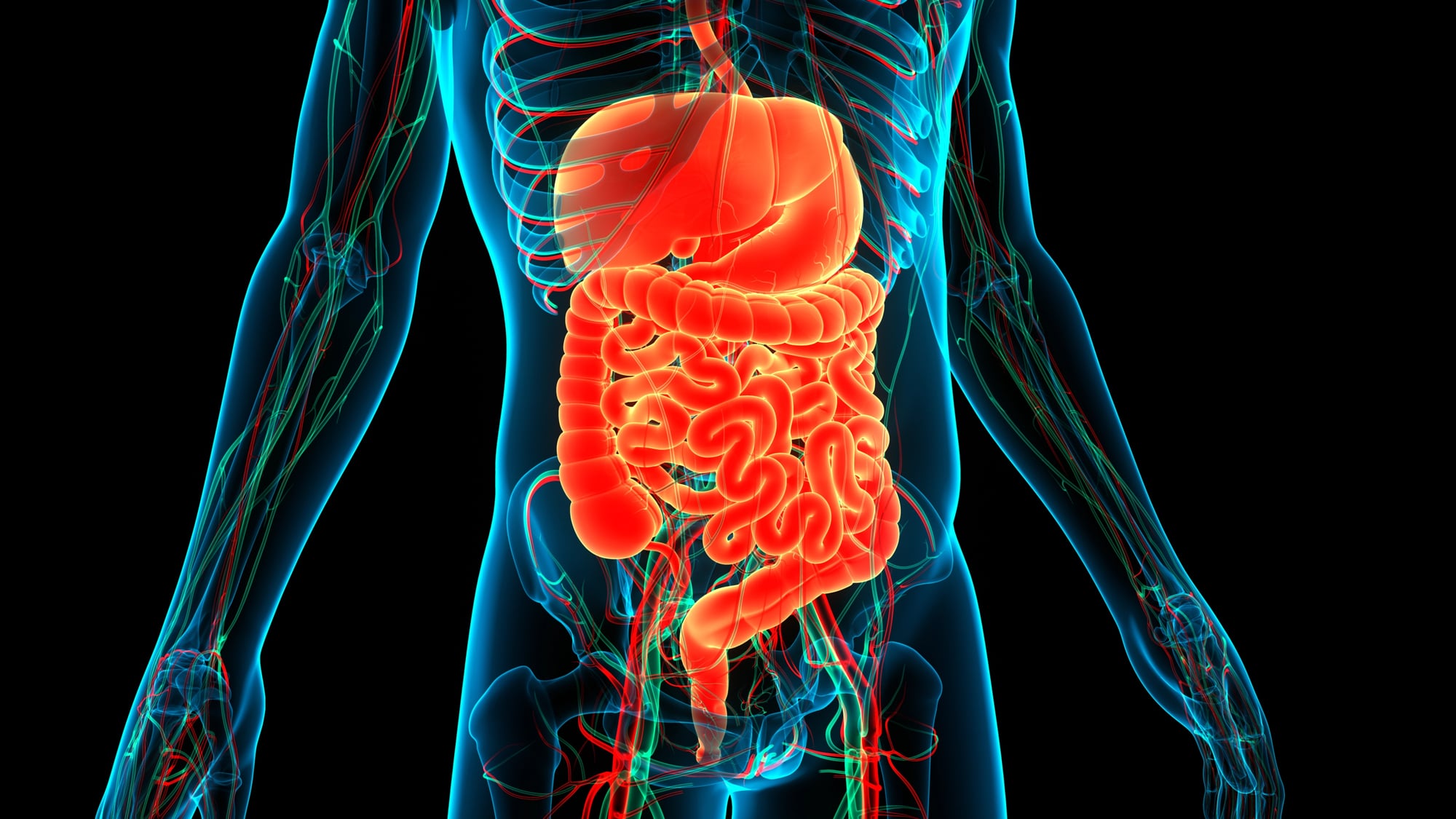
Your gut downshifts into low gear overnight. This slowdown gives your digestive system a chance to recover from processing meals all day.
The digestive pause explains why that midnight snack can cause trouble—your body isn’t ready to deal with a burger and fries at 2 AM. Your gut needs downtime just like the rest of you.
Creative Problem Solving

That problem you couldn’t crack during the day? Your sleeping brain keeps working on it. Night after night, people solve puzzles in their sleep without even trying.
The unconscious mind makes connections your awake brain missed. The phrase “sleep on it” exists for good reason—solutions often appear after a good night’s rest.
Tear Production
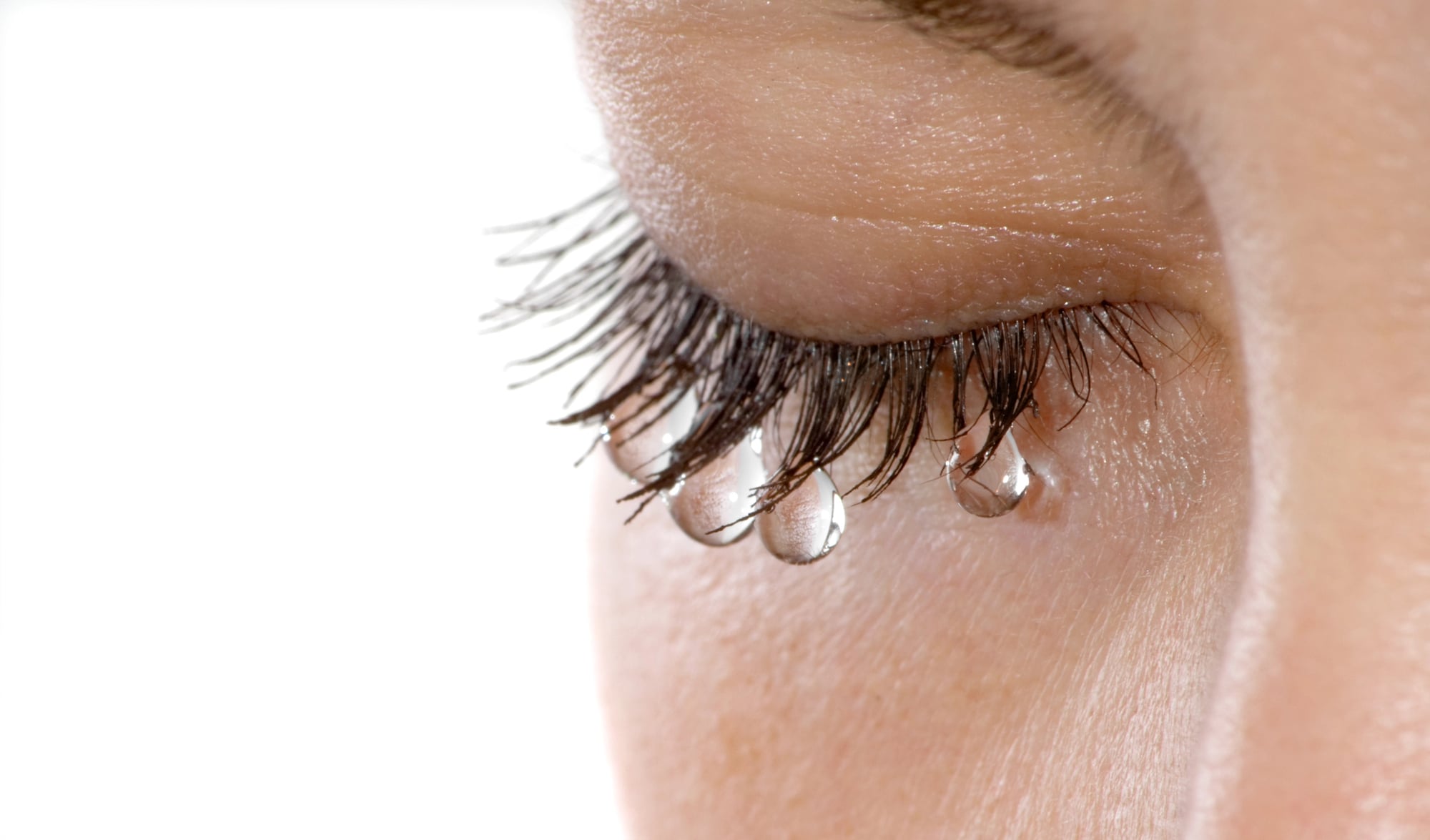
Your eyes make fewer tears while you’re sleeping. Combined with hours of no blinking, this reduced moisture explains that gritty feeling when you first wake up.
For most people, this dryness disappears within minutes as normal tear production kicks back in. Anyone who’s ever slept with their eyes slightly open knows this feeling all too well.
Breathing Pattern Changes
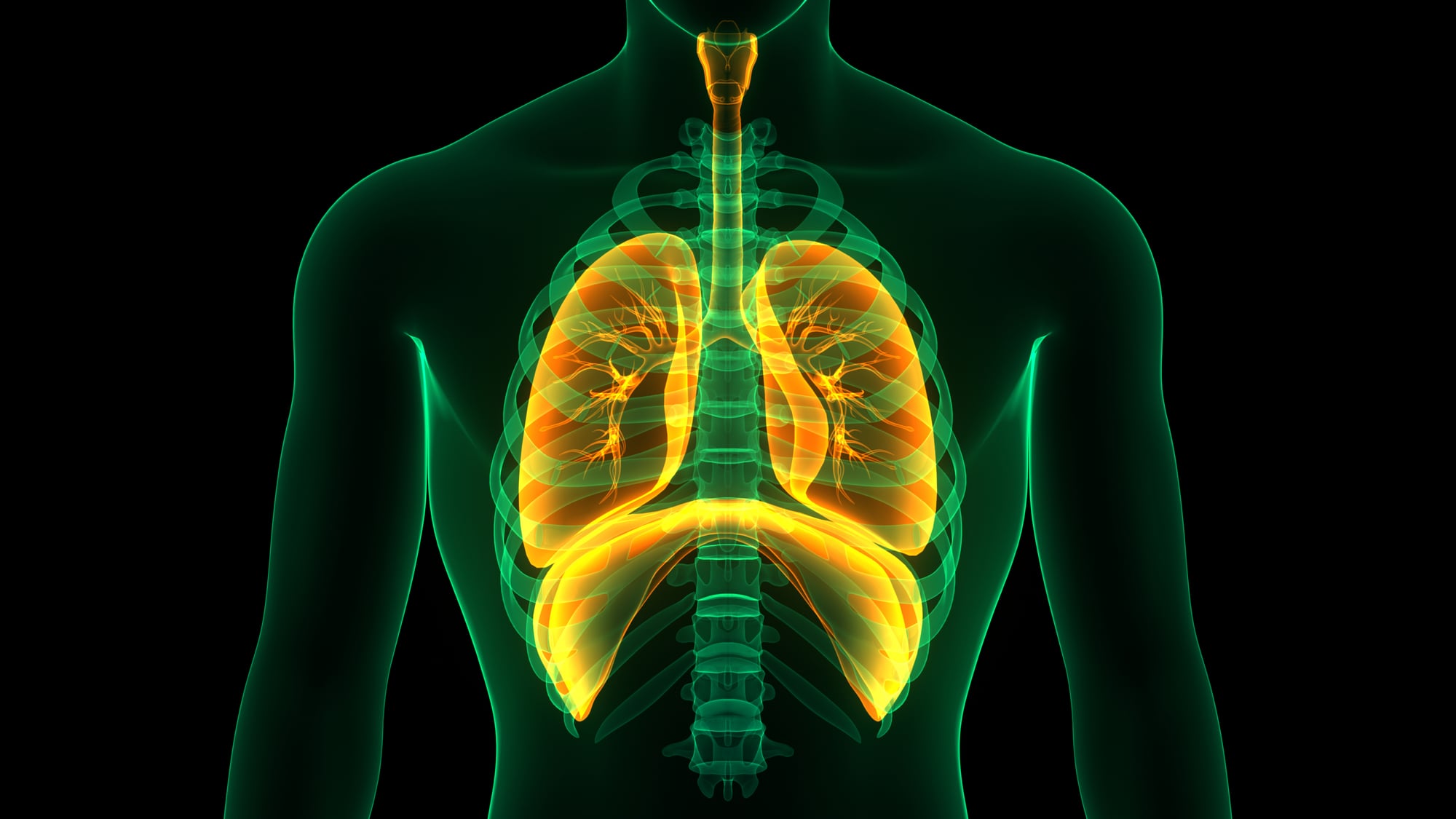
Your breathing follows the stages of sleep—slow and steady during deep sleep, then irregular during dream phases. These changes help balance oxygen and carbon dioxide levels as your body’s needs shift throughout the night.
The rhythm of your breath literally follows the rhythm of your brain waves as you cycle through sleep stages.
Voice Changes
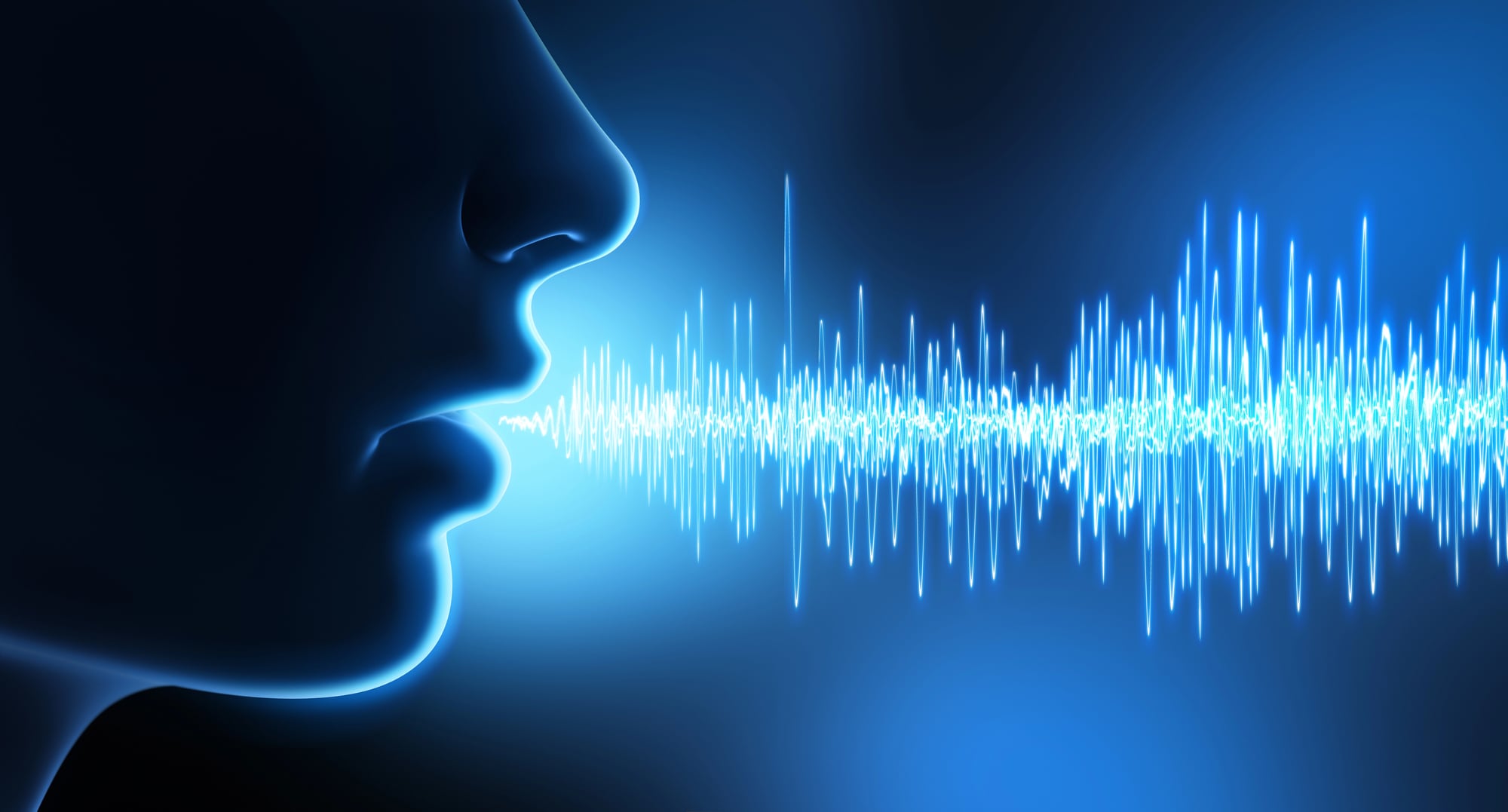
Notice that gravelly morning voice? Vocal cords swell slightly during sleep. The tissues in your throat retain some fluid, and since you’re not talking for hours, everything gets a bit stiff.
This explains the deeper, raspier morning voice that gradually returns to normal as you start talking and moving around after waking up.
Dreams Processing Emotions

Dreams help process the day’s emotional baggage. Your brain works through complicated feelings during sleep—especially the tough stuff.
This nighttime emotional processing works like therapy you don’t remember attending. Research shows people feel better about emotional situations after sleeping, even if they don’t recall dreaming about them.
The Nightly Reset Button
Sleep isn’t just some annoying biological requirement—it’s the foundation of good health. The overnight maintenance crew inside your body connects everything you did yesterday with how well you’ll function tomorrow.
Once you understand all the essential work happening during those unconscious hours, skimping on sleep makes about as much sense as running a car without ever changing the oil. Your body needs that downtime to keep running right.
More from Go2Tutors!

- The Romanov Crown Jewels and Their Tragic Fate
- 13 Historical Mysteries That Science Still Can’t Solve
- Famous Hoaxes That Fooled the World for Years
- 15 Child Stars with Tragic Adult Lives
- 16 Famous Jewelry Pieces in History
Like Go2Tutors’s content? Follow us on MSN.