Things About the Ancient Romans You Never Learned
Most of us remember learning about Julius Caesar, gladiators, and the Roman Empire’s military conquests in school. But there’s a whole other side to ancient Rome that teachers tend to skip over—the weird, the shocking, and the downright bizarre aspects of daily life that make this civilization even more fascinating than the history books let on.
The Romans were innovators, warriors, and engineers, but they were also people with some truly unusual habits and customs. From their questionable hygiene practices to their eccentric emperors, ancient Rome was far stranger than most textbooks would have you believe.
Here is a list of 14 things about the ancient Romans that probably didn’t make it into your history class.
Urine Was Big Business
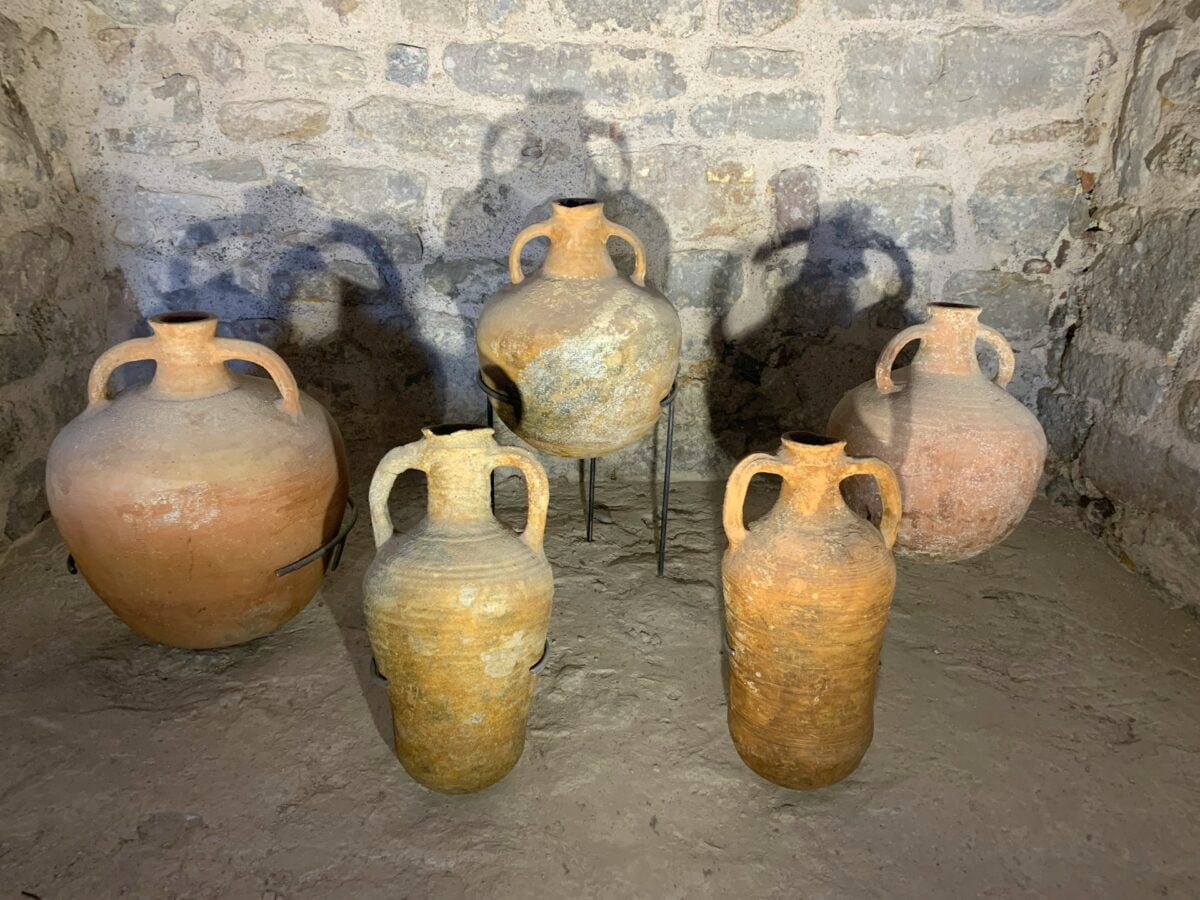
The Romans collected urine from public toilets and sold it as a valuable commodity. Thanks to its ammonia content, pee was essential for cleaning clothes and tanning leather.
Professional launderers called fullones would visit public restrooms to gather their supply, and the business became so profitable that Emperor Vespasian actually slapped a tax on it. When his son complained about making money from something so disgusting, Vespasian held up a gold coin and asked if it smelled bad.
The answer was no—and that’s where the phrase ‘money doesn’t stink’ comes from.
Public Toilets Were Seriously Public

Privacy wasn’t really a thing in ancient Roman bathrooms. Public latrines featured long wooden benches with multiple openings cut side by side, no dividers, and no personal space whatsoever.
People sat shoulder to shoulder doing their business while chatting about the day’s events. Instead of toilet paper, everyone shared a communal sponge on a stick that was rinsed in vinegar between uses.
The wealthy Romans understandably preferred to use their own private facilities at home, and some rich families even refused to connect to the same sewer system as everyone else.
Like Go2Tutors’s content? Follow us on MSN.
Purple Clothing Was Illegal for Most People
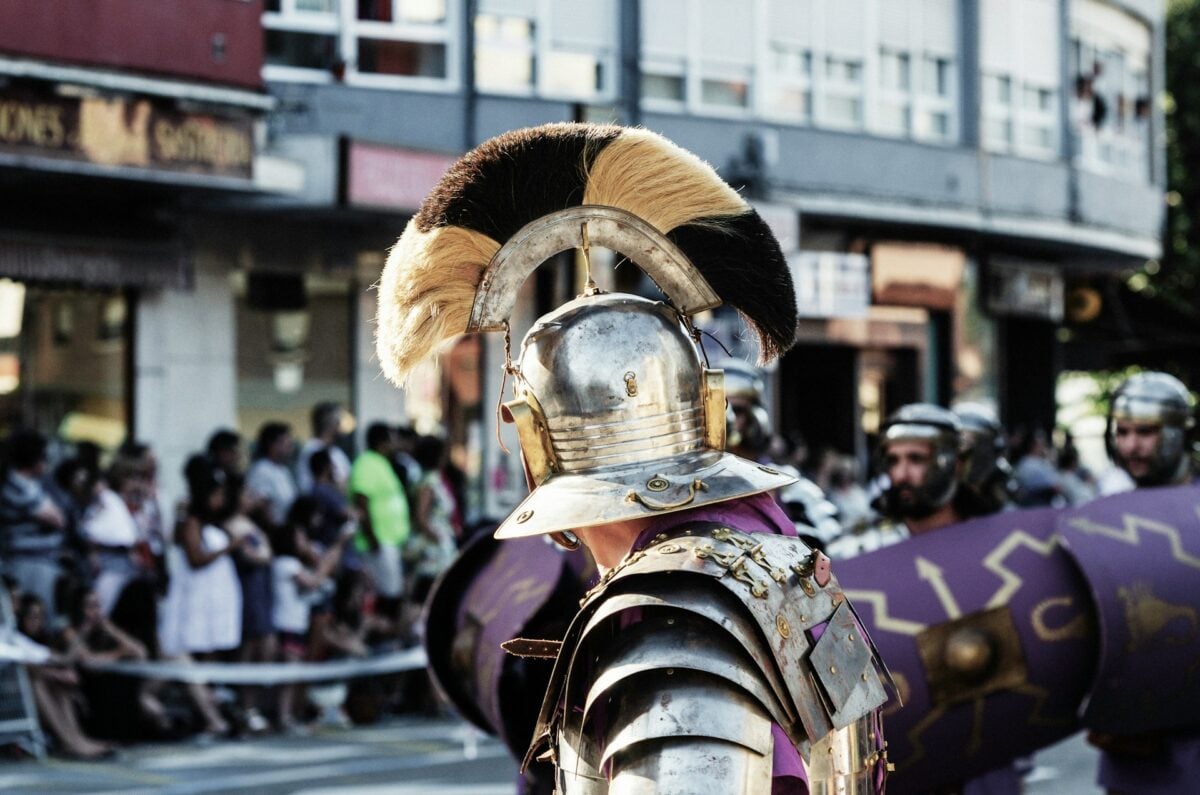
If you were a regular Roman citizen, you couldn’t wear purple even if you could afford it. The color was reserved exclusively for emperors and the highest-ranking officials because the dye was worth its weight in gold—literally.
Making enough purple dye to color a single toga required crushing ten thousand mollusks imported from Phoenicia. This wasn’t just about fashion either.
Roman sumptuary laws were designed so you could instantly tell someone’s social class just by looking at their clothing, and breaking these rules was taken seriously.
Some Romans Brushed Their Teeth With Urine

Keeping with the urine theme, ancient Romans in certain areas used it as a dental hygiene product. The ammonia acted as a whitening agent, so people would swish it around their mouths or scrub their teeth with it to keep their smiles bright.
While this sounds absolutely revolting by today’s standards, it was considered a practical solution to dental care in a world without modern toothpaste. The practice was common enough that it wasn’t even considered particularly strange at the time.
Fathers Could Sell Their Sons Into Slavery Twice

Roman law gave fathers enormous power over their children, including the right to temporarily sell their sons into slavery. A father and a buyer would negotiate a price and duration, and when the time was up, the son would be returned.
Interestingly, there was a built-in limit to prevent abuse—you could sell the same son twice without any problems, but if you sold him a third time, you were officially declared an unfit father and lost your paternal rights. It was an odd compromise between respecting family authority and preventing complete exploitation.
Like Go2Tutors’s content? Follow us on MSN.
Gladiator Blood Was Considered Medicine

Romans believed that the blood of defeated gladiators had powerful healing properties. Spectators would rush into the arena after fights to collect it, and the blood was used to treat everything from epilepsy to impotence.
Some women even dipped their hairpins in gladiator blood because they thought it had magical powers. Even stranger, gladiator sweat was also collected and sold—wealthy women would buy it to use in perfumes or as a beauty treatment, convinced it would make them more attractive.
The Circus Maximus Held More People Than Most Modern Stadiums

When Romans built something, they went big. The Circus Maximus, their chariot racing venue, could hold somewhere between 250,000 and 275,000 spectators according to ancient accounts.
That’s nearly four times the capacity of the Colosseum, which topped out at around 60,000 people. The crowds at these events could get rowdy too—ancient writers compared them to modern football fans, with people leaping, shouting, and completely losing control of their language while cheering for their favorite teams.
Caligula Tried to Make His Horse a Consul

Emperor Caligula loved his horse Incitatus so much that he reportedly wanted to appoint him to the Roman Senate as a consul, which would have placed the animal above Rome’s most powerful politicians. The horse lived in a marble stable, ate oats mixed with gold flakes, and had his own house where he was supposed to entertain visitors.
Some historians think Caligula was actually mocking the incompetence of the Senate rather than being completely serious, but given his reputation for insanity, he was probably unstable enough to have followed through with the plan.
Like Go2Tutors’s content? Follow us on MSN.
Romans Ate Dinner Lying Down
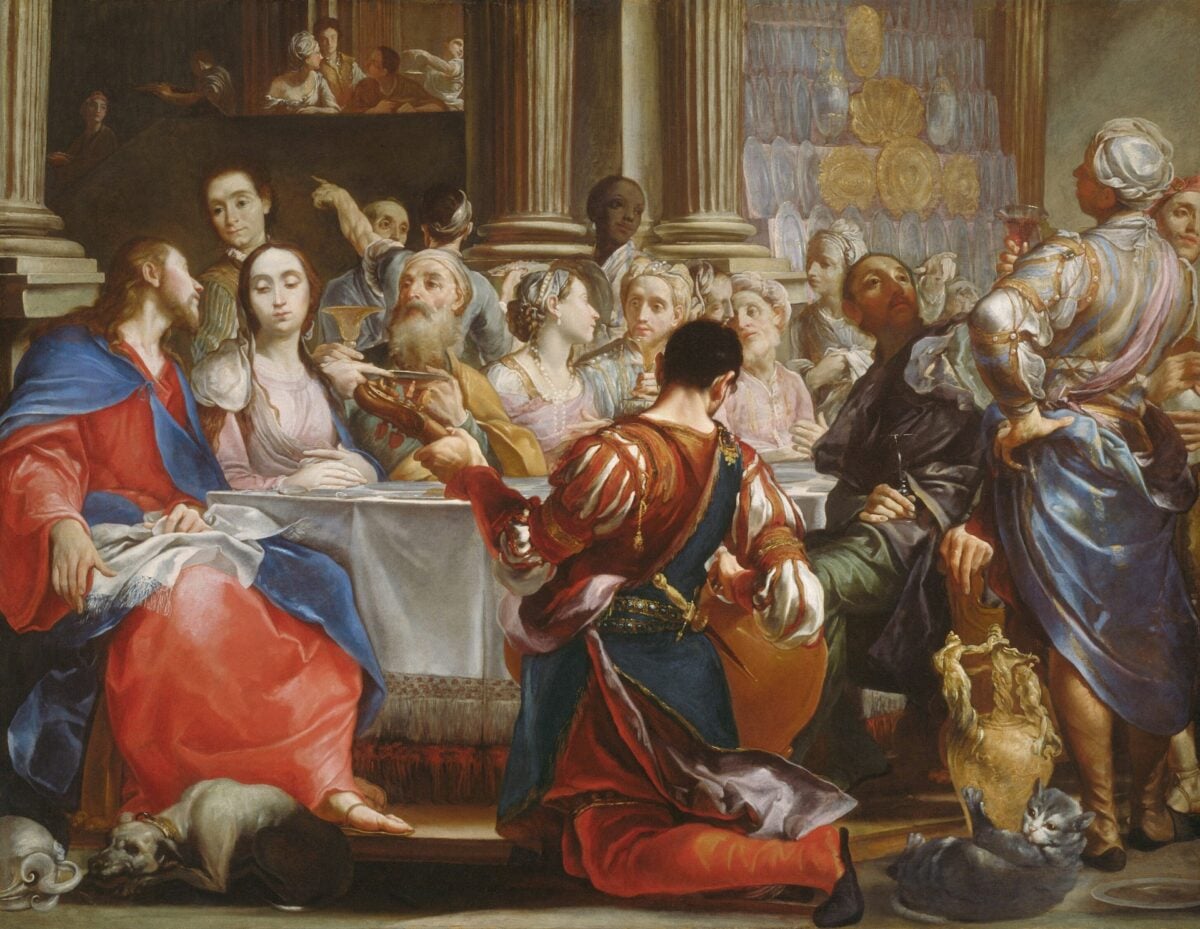
Wealthy Romans never sat at a table to eat their evening meal. Instead, they reclined on couches arranged around a square table, propping themselves up on one elbow while eating with the other hand.
This wasn’t just for comfort—it was considered a mark of social distinction and elegance. Only children, slaves, and poor country folk ate sitting upright.
These dinner parties could last for hours, sometimes stretching past midnight, with guests reclining the entire time while servants brought course after course.
Wet Nurses Had Huge Influence Over Children

Roman families, especially wealthy ones, routinely hired wet nurses to breastfeed and raise their babies. These women weren’t just feeding infants though—they were expected to be moral role models since they spent so much time with the children during their most formative years.
The practice was so common that slave traders would even employ wet nurses to care for abandoned babies they found, raising them until they could be sold. Some wet nurses remained with families for years, caring for multiple children as they came along.
Most Jobs Only Required Working Until Noon

The typical Roman workday was surprisingly short compared to modern standards. Jobs in farming, baking, building, trading, and tailoring usually wrapped up by midday. After finishing work, Romans would head to the public baths, visit the Forum for socializing and business, or simply relax at home.
The afternoon and evening were considered time for leisure, dining, and entertainment. This schedule was helped along by the fact that slaves did most of the hard labor and menial tasks that would have extended the workday for others.
Like Go2Tutors’s content? Follow us on MSN.
Teenage Emperors Made Disastrous Rulers

Several Roman emperors came to power as teenagers, and it rarely went well. Nero was only 16 when he became emperor, and while his reign started promisingly, he eventually descended into cruelty and madness.
Elagabalus took the throne at 14 and cared so little about Roman culture that he brought his Syrian religious practices to Rome and shocked everyone with his bizarre behavior. These young rulers had absolute power with none of the maturity or experience needed to wield it responsibly, and the results were often catastrophic for Rome.
Dormice Were a Delicacy

While the wealthy dined on exotic foods like flamingo tongues, parrotfish livers, and roasted peacock brains, dormice were one of the most popular meat dishes across different social classes. These small rodents were actually farmed specifically for eating.
The average Roman’s diet was quite different from modern Italian cuisine too—tomatoes didn’t exist in Europe yet, so meals centered around bread, cereals, olive oil, and vegetables. Meat was expensive and rare for anyone who wasn’t wealthy, making those farmed dormice a relatively accessible source of protein.
Saturnalia Let Slaves Become Masters

Every winter, Romans celebrated Saturnalia, a festival honoring the god Saturn. During this celebration, the normal social order turned completely upside down.
Slaves were temporarily freed and could even criticize their masters without punishment. Masters would actually serve meals to their own slaves during the festivities.
The whole city transformed into a carnival atmosphere where the usual strict Roman social hierarchy dissolved for several days. It was one of the most popular holidays in the Roman calendar, though presumably not everyone enjoyed having to wait on their own servants.
Like Go2Tutors’s content? Follow us on MSN.
Where Ancient Customs Meet Modern Understanding

The Romans built aqueducts, roads, and legal systems that still influence us today, but they also lived in a world that would be completely alien to modern sensibilities. They normalized practices we’d find shocking, from their casual attitude toward bodily fluids to the disturbing power emperors held over life and death.
Understanding these stranger aspects of Roman life doesn’t diminish their achievements—it actually makes them more real. These weren’t mythical figures in togas but actual people navigating a complex society with its own logic, even when that logic involved taxing urine or appointing horses to government positions.
The gap between their world and ours reminds us just how much human civilization has evolved, even as some of their innovations continue shaping our world more than two thousand years later.
More from Go2Tutors!

- 16 Historical Figures Who Were Nothing Like You Think
- 12 Things Sold in the 80s That Are Now Illegal
- 15 VHS Tapes That Could Be Worth Thousands
- 17 Historical “What Ifs” That Would Have Changed Everything
- 18 TV Shows That Vanished Without a Finale
Like Go2Tutors’s content? Follow us on MSN.



