Lakes That Can Petrify Animals Instantly
The idea of turning creatures to stone in a flash feels like a myth or a scary story. Yet some lakes on Earth have such wild chemistry they coat dead animals in minerals till they look like rock figures.
It doesn’t happen in a split second, nor is it real fossilization like scientists mean. Still, the outcome’s striking – so people keep using the dramatic term.
These lakes pack tons of minerals plus salts that turn into crystals on dead stuff. If an animal dies in or around them, the minerals cover it like a shell, locking its shape in place for ages.
This whole thing shows just how rough some places in nature are for living things.
Lake Natron, Tanzania
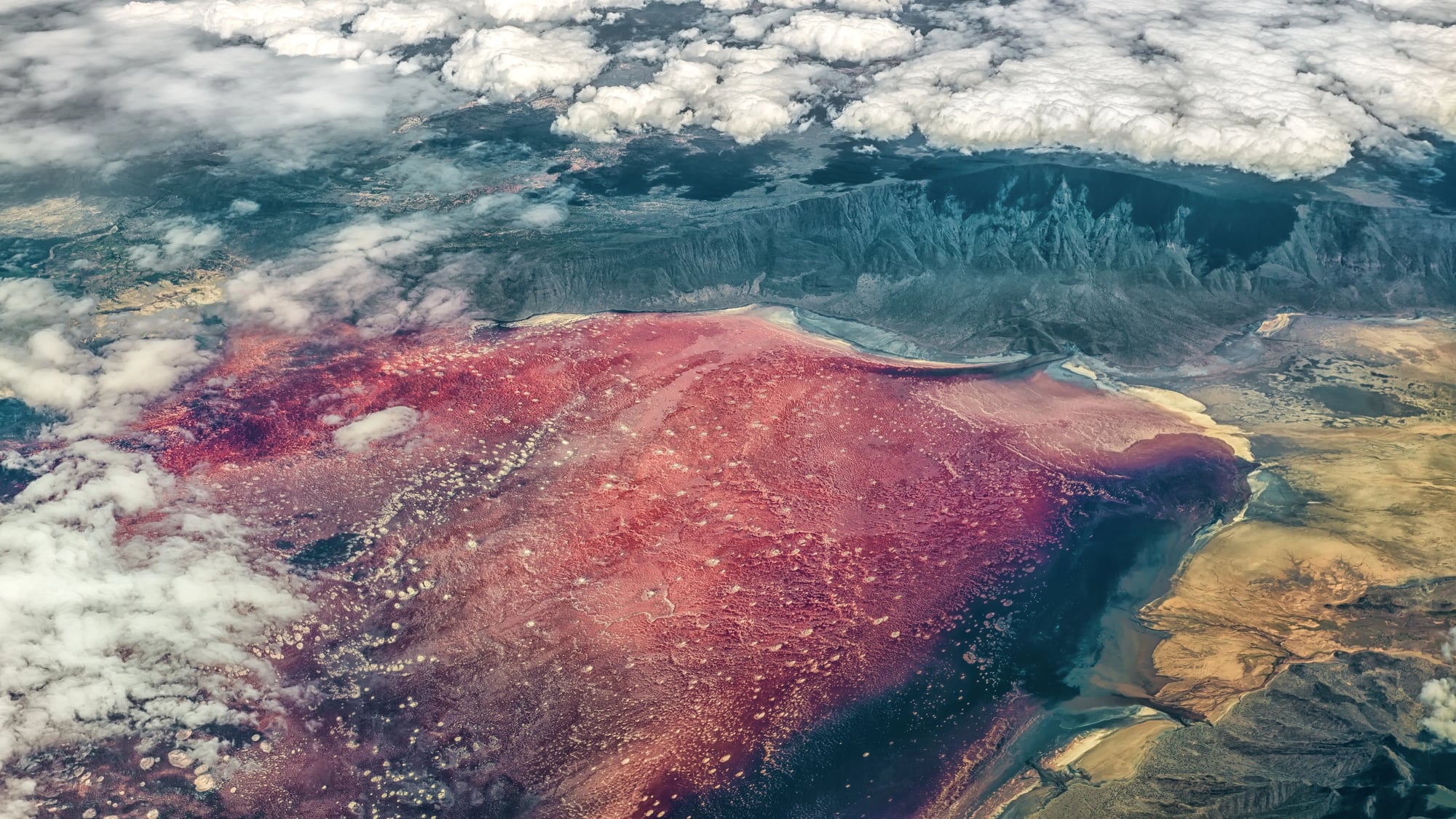
Lake Natron sits in northern Tanzania near the Kenyan border. The water reaches temperatures up to 60 degrees Celsius and has a pH level that can exceed 10.5, making it almost as alkaline as ammonia.
The extreme alkalinity comes from sodium carbonate and other minerals that wash into the lake from surrounding volcanic hills. The same chemical process that ancient Egyptians used for mummification occurs naturally here.
When animals die in the lake, the water’s high sodium carbonate content desiccates their bodies while depositing mineral crystals on the surface.
Photographer Nick Brandt captured striking images of calcified birds and bats along Lake Natron’s shores. The animals appeared to have turned to stone, frozen in lifelike poses.
Brandt positioned the preserved remains and photographed them, creating haunting images that brought attention to this unusual phenomenon.
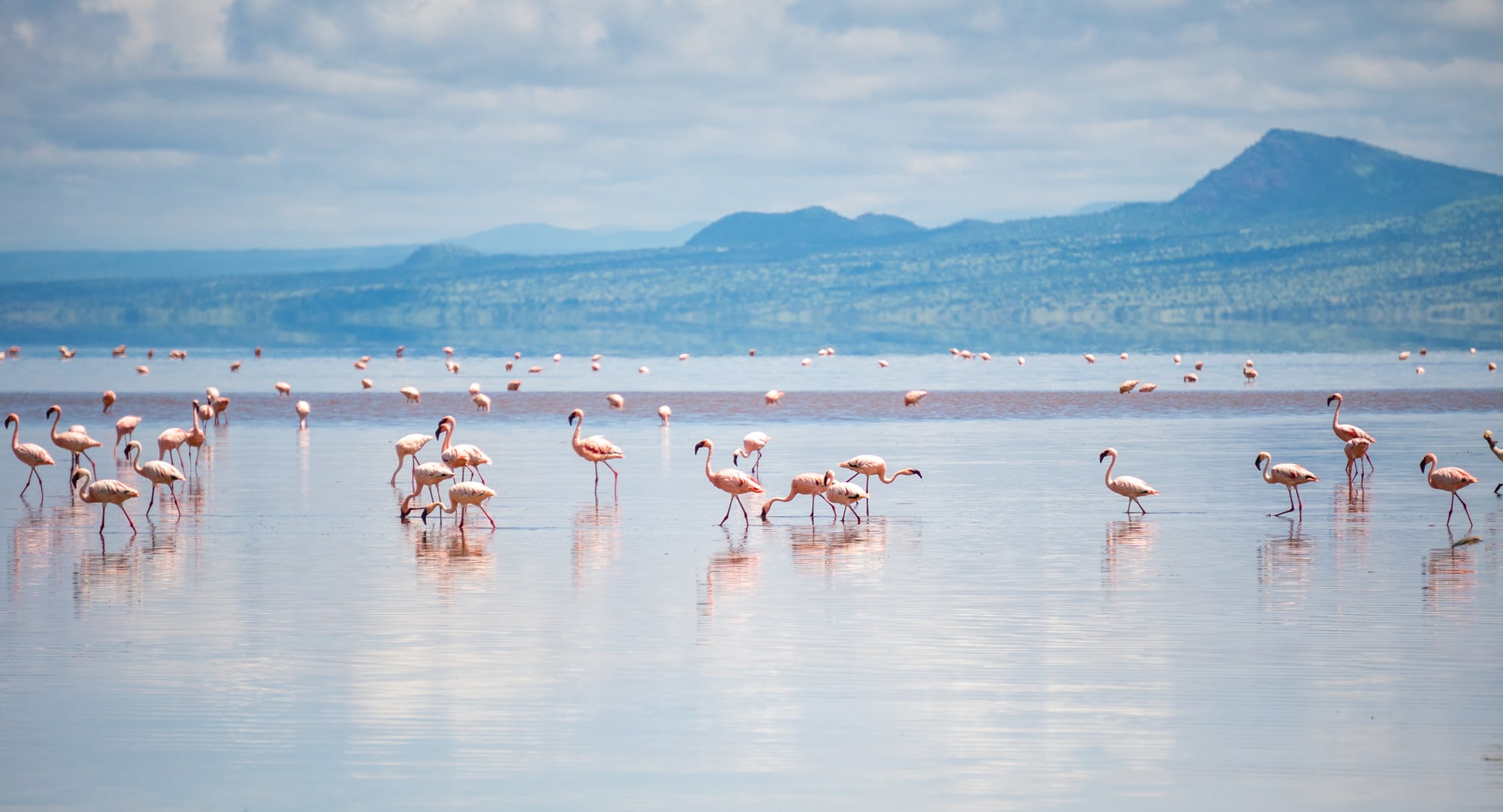
The lake isn’t lifeless despite its hostile chemistry. Lesser flamingos breed here in massive numbers because the caustic waters protect their nests from predators.
Special algae thrive in extreme conditions, and these organisms give the water its distinctive red and orange colors.
The Calcification Process
The mineral coating that forms on dead animals in alkaline lakes isn’t true petrification. Real petrification replaces organic material with minerals over millions of years.
The process in these lakes happens much faster. Sodium carbonate in the water draws moisture from organic tissue.
As the body desiccates, minerals precipitate out of the water and form a crust on the surface. The crust can become quite thick, creating a shell that preserves the external form even as internal tissues decay.
The speed of calcification varies. Smaller animals with less mass might develop a mineral coating within days or weeks.
Larger animals take longer. Temperature, mineral concentration, and water chemistry all affect how quickly the process occurs.
Animals don’t actually turn to stone in the sense of becoming solid rock. The mineral crust forms around and on the exterior, while the interior breaks down normally.
The result looks petrified from the outside but differs fundamentally from fossilization.
Lake Natron’s Ecology
Despite the extreme conditions, Lake Natron supports a unique ecosystem. The lesser flamingo population here represents about 75 percent of the world’s breeding population.
Approximately 2.5 million flamingos use the lake as their primary breeding ground, making it the only regular breeding area in East Africa for this species.
The flamingos have adapted to feed on the cyanobacteria that thrive in the alkaline water. These blue-green algae contain pigments that give flamingos their pink coloration.
The birds’ legs have tough scales that protect them from the caustic water, and they can tolerate the heat that would harm most other species.
Other organisms adapted to extreme alkalinity also inhabit the lake. Certain fish species live in freshwater streams feeding into Lake Natron, though they avoid the main lake body.
Bacteria and algae form the base of a simplified food chain that supports the flamingo population.
The hostile environment serves a protective function. Predators that might prey on flamingo eggs or chicks cannot survive in the alkaline water.
This makes Lake Natron one of the safest breeding grounds available, despite its apparent dangers.
Formation of Alkaline Lakes
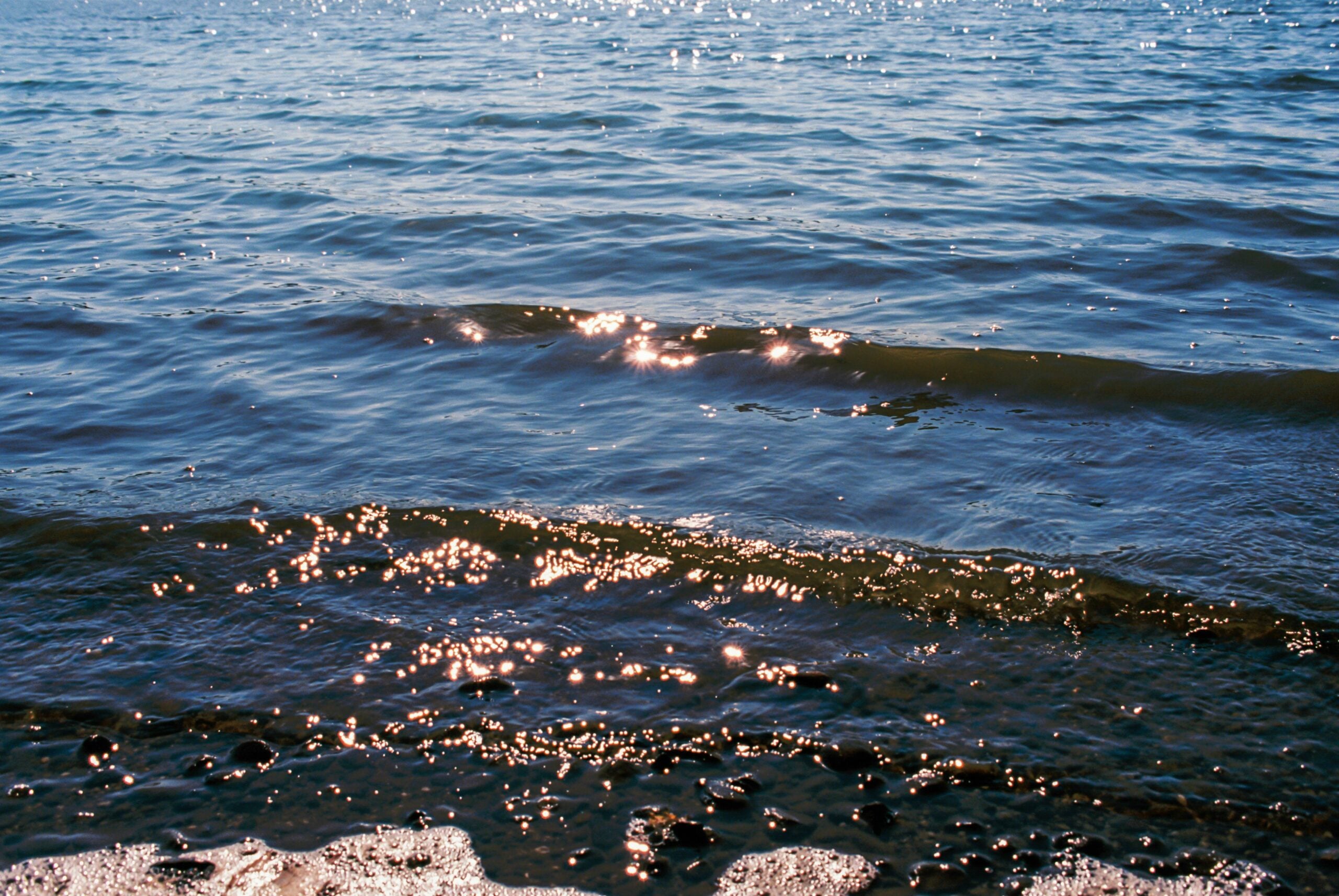
Soda lakes like Natron form in specific geological settings. They typically occur in closed basins with no outlet to the sea.
Water flows in from rivers and streams but can only leave through evaporation. When water evaporates, it leaves dissolved minerals behind.
Over time, these minerals accumulate and become increasingly concentrated. In volcanic regions, the incoming water carries sodium carbonate and other alkaline compounds leached from volcanic rock.
The combination of high evaporation rates and mineral-rich input creates extremely alkaline conditions. Temperature also plays a role.
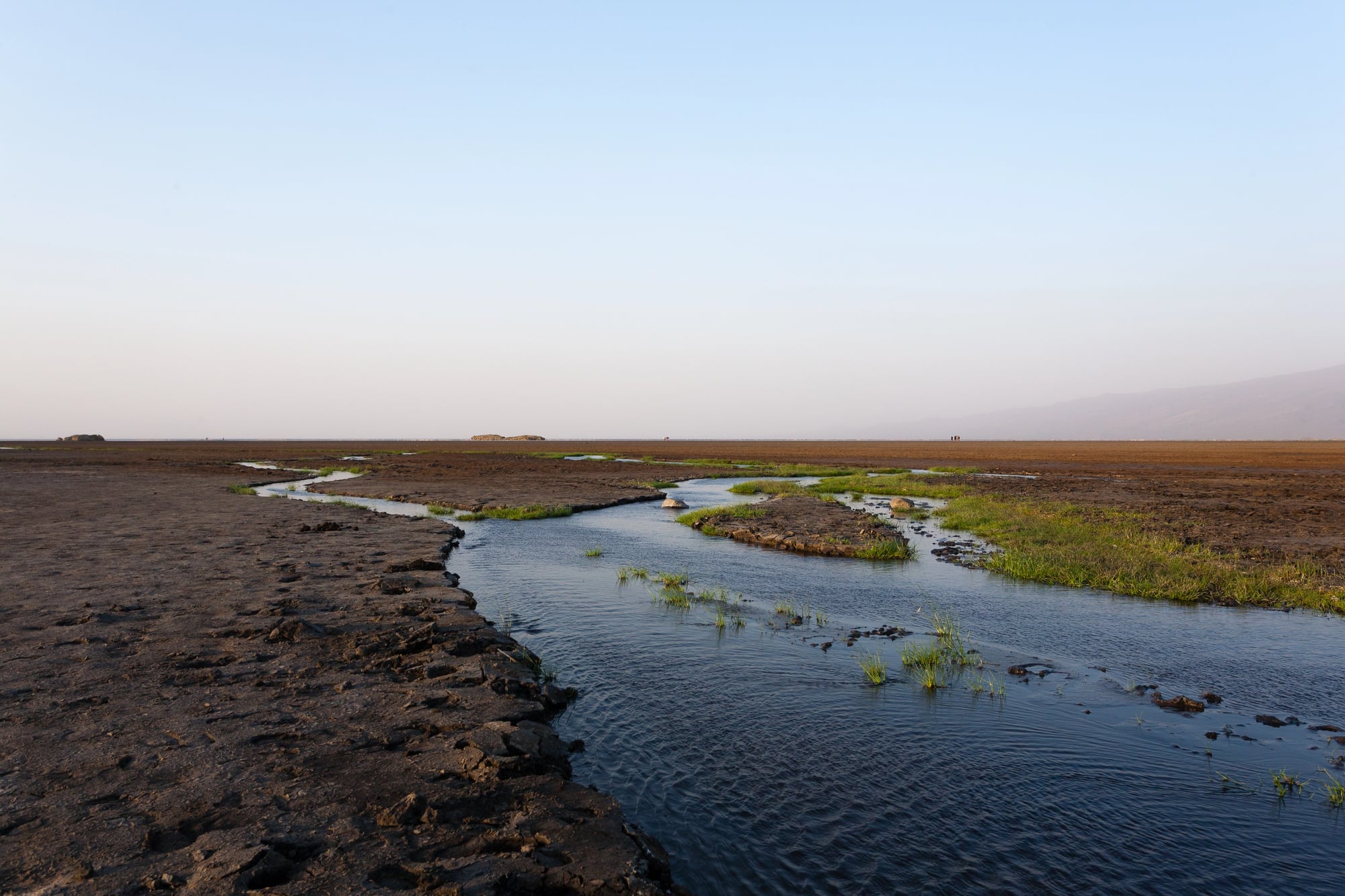
Many soda lakes exist in hot climates where evaporation rates exceed precipitation. Lake Natron receives most of its water from the Southern Ewaso Ng’iro River and from hot springs rich in minerals.
The closed basin means these minerals have nowhere to go. They simply concentrate as water evaporates under the intense East African sun.
Other Alkaline Lakes
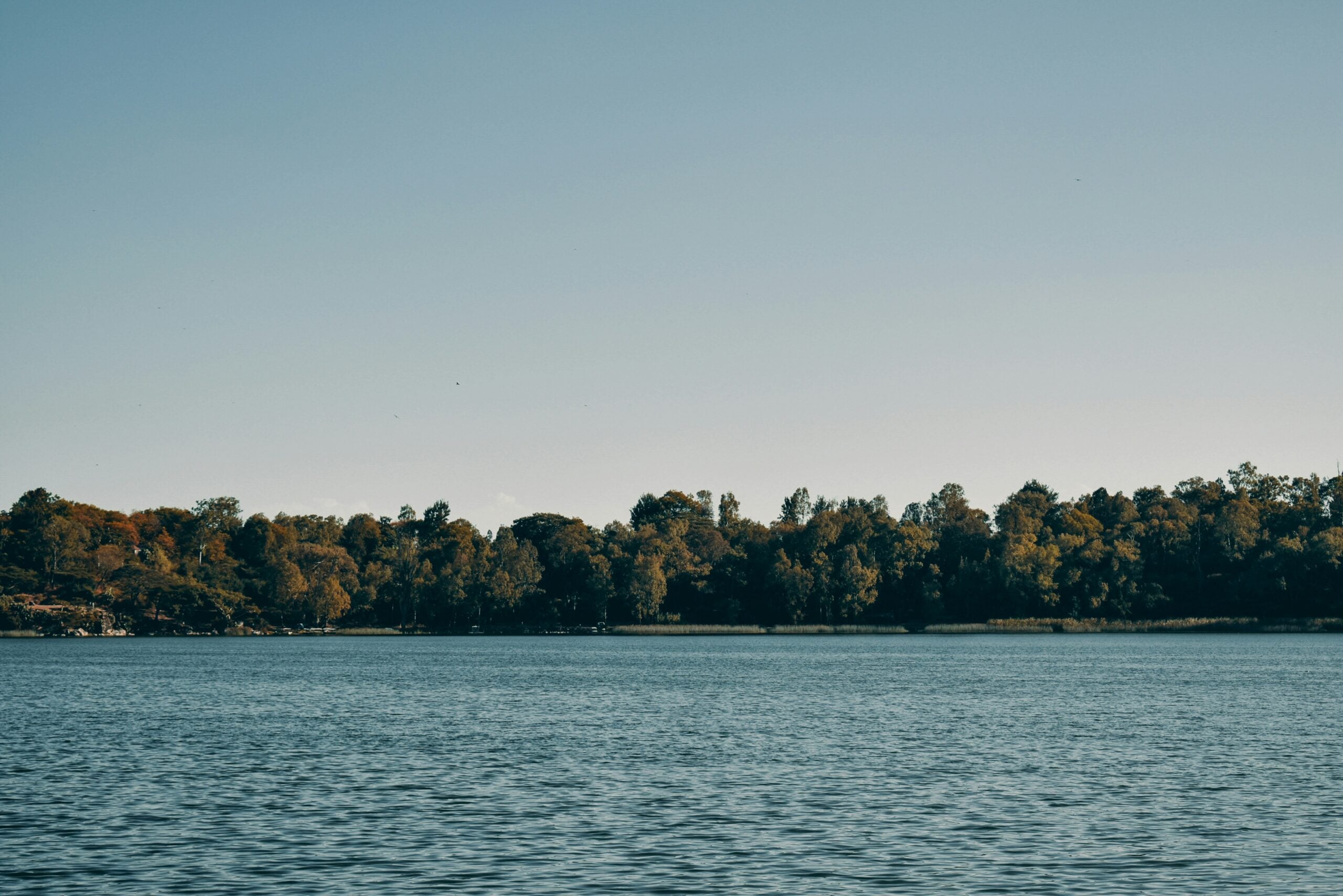
Lake Natron isn’t unique. Several other alkaline lakes around the world possess similar chemistry, though few achieve quite the same extreme pH levels.
Mono Lake in California has a pH around 10 and high concentrations of carbonates and salts. The lake supports brine shrimp and alkali flies despite its harsh chemistry.
Birds migrate to Mono Lake to feed on these invertebrates. The Great Salt Lake in Utah has high salinity but lower alkalinity than Lake Natron.
Its chemistry still creates preservation conditions for organic matter. Dead birds along the shore sometimes develop salt crusts that give them a crystallized appearance.
Lake Bogoria in Kenya shares many characteristics with Lake Natron. Hot springs feed into the lake, bringing minerals that create alkaline conditions.
Flamingos also flock to Lake Bogoria, and the calcification phenomenon occurs here too, though less dramatically than at Natron.
Threats to Alkaline Lakes
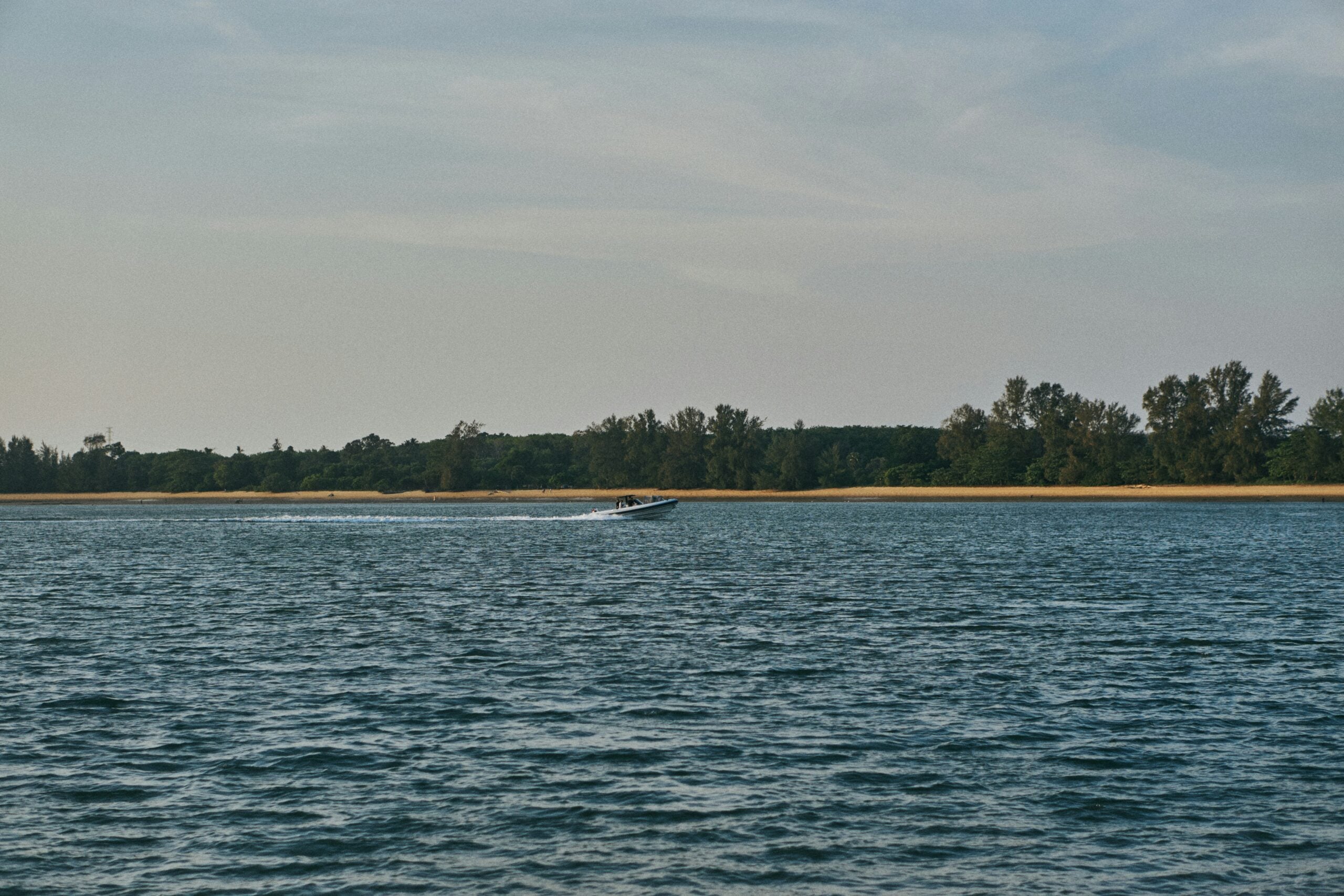
Lake Natron faces pressure from proposed development projects. Plans for a soda ash extraction facility and a hydroelectric plant on the Ewaso Ng’iro River have raised concerns among conservationists.
Reducing water flow into the lake would increase evaporation concentration, potentially making conditions too extreme even for adapted species. Alternatively, dilution from changed water flow patterns could reduce the alkalinity that currently protects flamingo breeding grounds.
Climate change affects alkaline lakes through altered precipitation patterns and increased evaporation. These lakes exist in delicate balance.
Changes to water input or temperature could shift their chemistry significantly. Pollution poses another threat.
Agricultural runoff and other contaminants can alter lake chemistry in unpredictable ways. The specialized organisms that survive in soda lakes have little tolerance for additional stressors.
Photography and Public Awareness
Nick Brandt’s photographs of calcified animals from Lake Natron sparked widespread interest in the phenomenon. The images went viral online, though they also generated some controversy.
Some critics argued that Brandt manipulated the corpses by positioning them for dramatic effect. Brandt acknowledged arranging the bodies but maintained that he found them already calcified on the shore.
The positioning didn’t create the calcification, just the composition. The photographs served an important purpose regardless of artistic choices.
They brought attention to a unique natural phenomenon and highlighted the fragility of extreme environments. Many people who saw the images became curious about alkaline lakes and their ecology.
The “petrified” animals became symbols of nature’s power and strangeness. They reminded viewers that Earth still contains places inhospitable to most life, where chemistry shapes outcomes in dramatic ways.
Scientific Research
Researchers study alkaline lakes to understand extremophile organisms. Life that survives in high-pH environments offers insights into the limits of biological adaptation.
The microorganisms in soda lakes have potential biotechnology applications. Enzymes that function at high pH have industrial uses in detergents and other products.
Understanding how these organisms protect their proteins and cell membranes in alkaline conditions helps scientists engineer more robust biological systems. Alkaline lakes also serve as analogs for potential extraterrestrial environments.
Some bodies of water on Mars may have been alkaline. Studying Earth’s soda lakes helps astrobiologists understand what kinds of life might survive in similar conditions elsewhere.
The calcification process itself interests geologists and paleontologists. While not true fossilization, the rapid mineral encrustation shows how environmental conditions affect preservation.
This knowledge applies to understanding fossil formation and taphonomy.
Traditional Uses of Alkaline Minerals
Human societies have used sodium carbonate from alkaline lakes for thousands of years. Ancient Egyptians harvested natron from dried lake beds and used it in mummification.
The sodium carbonate in natron absorbs moisture and prevents decay. Combined with other preservation techniques, it helped create the mummies that have survived millennia.
The same chemical process that calcifies animals in Lake Natron made Egyptian mummification possible. Traditional glassmaking also relied on sodium carbonate.
The mineral lowers the melting point of silica, making glass production easier. Historically, glassmakers obtained soda ash from alkaline lake deposits.
Modern industrial processes synthesize sodium carbonate, but natural sources remain important in some regions. Harvesting minerals from soda lakes provides income for local communities, though extraction must balance economic needs against ecological preservation.
Misunderstandings About Instant Petrification
The phrase “instantly petrify” creates misconceptions about what happens in lakes like Natron. Animals don’t turn to stone the moment they touch the water.
Living organisms don’t calcify while alive. Birds sometimes crash into the lake’s glassy surface at night.
The disorientation that leads to these crashes probably stems from the lake’s reflective properties. Once in the water, birds quickly succumb to the heat and alkalinity.
The calcification process begins after death. The mineral coating takes time to develop.
Even in extreme conditions, encrustation requires days or weeks, not seconds. The preserved forms found on shore represent animals that died some time ago, not instant transformations.
Media coverage sometimes exaggerates the danger these lakes pose to living things. While the water would be harmful to most organisms, flamingos wade through it successfully.
The lakes kill animals through heat and chemical burns, not some magical petrification ray.
Conservation Status
Lake Natron’s one-of-a-kind ecosystem is key for saving wildlife. Millions of birds rely on this spot during their travels across East Africa – not just passing through but also nesting here.
Rules made between countries help shield these migrating birds. It’s recognized globally as a vital wetland, thanks to the Ramsar deal.
Such status gives real power to enforce protection work. Locals are starting to see how special the lake really is.
Tourism focused on watching flamingos brings in money now. Still, trying to build while keeping things untouched isn’t easy – yet more people get why this place matters.
The way bodies harden here boosts its worth for science and learning alike. These frozen creatures show just how wild natural reactions can be.
Because of this odd trait, guarding the lake feels more urgent than before.
Where Chemistry Meets Preservation
Lakes such as Natron show how mineral preservation of living things doesn’t take eons. With the correct mix of chemicals plus stable surroundings, solid remains form surprisingly fast.
Fossilized creatures near salty lake edges hint at change, endurance – also where life can barely hang on. These spots prove our planet hosts zones just as strange as distant planets could be.
More from Go2Tutors!

- The Romanov Crown Jewels and Their Tragic Fate
- 13 Historical Mysteries That Science Still Can’t Solve
- Famous Hoaxes That Fooled the World for Years
- 15 Child Stars with Tragic Adult Lives
- 16 Famous Jewelry Pieces in History
Like Go2Tutors’s content? Follow us on MSN.