Things Families Did During a Power Outage in the ’80s
There’s something about a power outage that strips a house down to its bones. No hum from the refrigerator, no blue flicker from the TV, no background noise of any kind — just the sudden awareness that the walls around you are just walls, and the people inside them are all you’ve got for the evening.
For families in the ’80s, before smartphones and battery backups and Wi-Fi routers that needed rebooting, a blackout wasn’t a crisis. It was, strangely, an event. Here’s what happened inside those dark houses, almost every single time.
Raiding Every Drawer for Flashlights
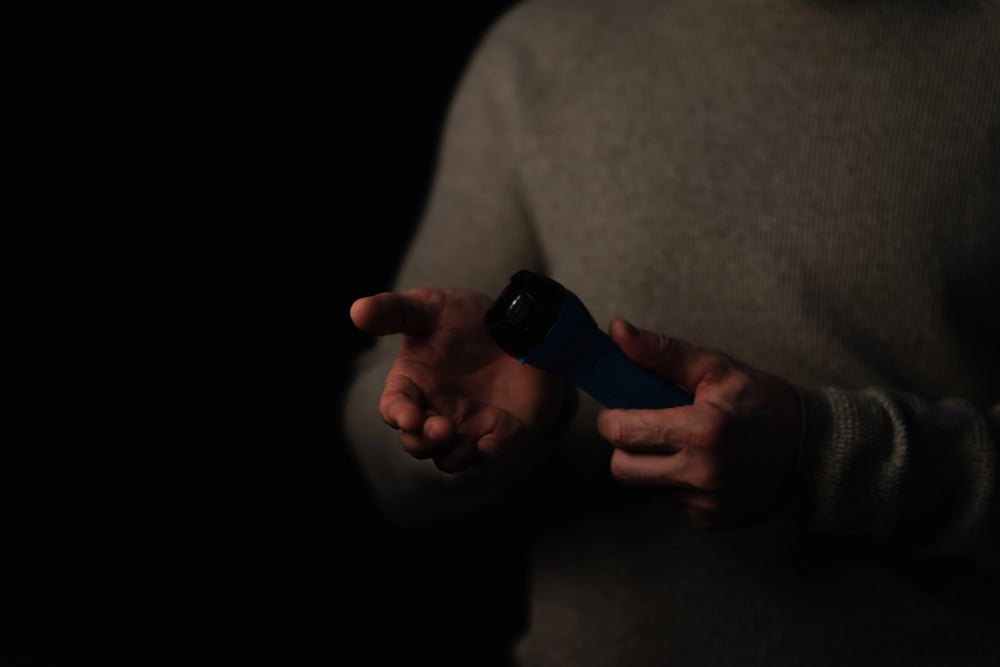
Flashlights were everywhere and somehow never where you needed them. The minute the lights went out, someone would start yanking open kitchen drawers — the junk drawer first, always the junk drawer — pulling out dead batteries, rubber bands, and at least one flashlight that clicked on for a half-second before giving out completely.
You’d end up finding one working flashlight in the garage, one under the bathroom sink, and spending the next ten minutes arguing over who got to hold it.
Lighting Every Candle in the House
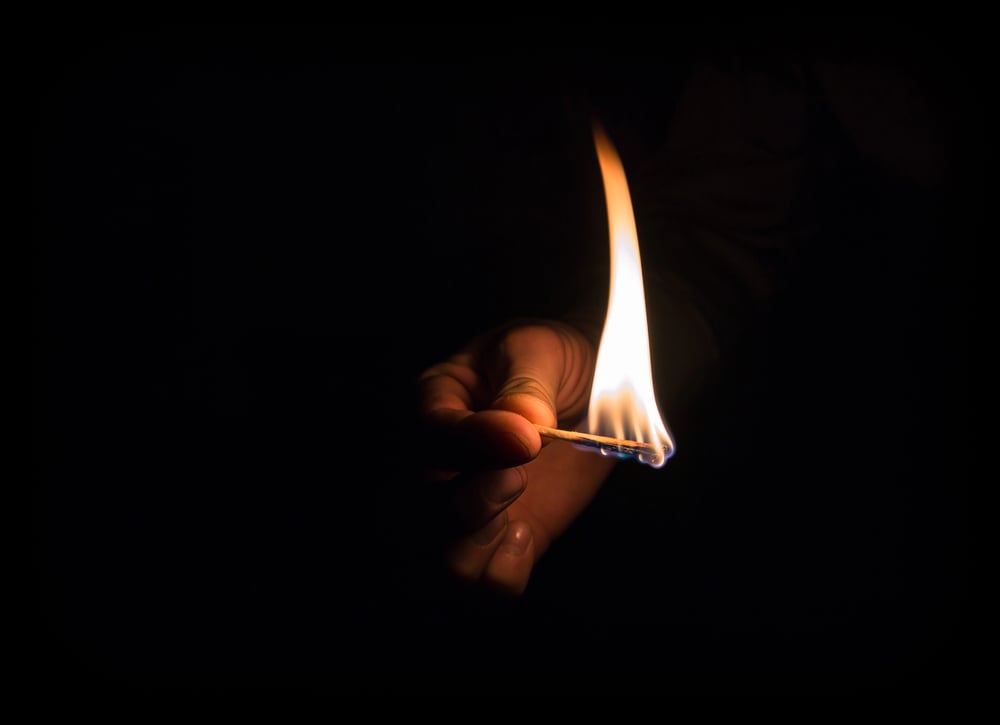
Candles in the ’80s weren’t decorative — they were emergency infrastructure, which is saying something given how casually families deployed them. What typically happened is that someone would pull out a mismatched collection of birthday candles, tall tapers that had been melting slightly since 1979, and at least one novelty candle shaped like a pineapple that nobody wanted to actually burn, and within twenty minutes every flat surface in the living room would be holding a small flame — the whole scene oddly resembling a vigil for the electric bill.
And yet it worked, in that warm, inefficient, slightly hazardous way that things worked in the ’80s.
Checking if the Neighbors Lost Power Too

This was compulsory. Looking out the window to see whether the whole street was dark, or just your house, told you everything — either the transformer blew on the block, which was thrilling in a communal way, or your dad had tripped the breaker again, which was less thrilling and involved an apology to no one in particular.
The neighborhood check had a ritual quality: someone would part the curtain, stare out for a moment, and report back like a scout returning from the perimeter.
Calling the Power Company From the Landline
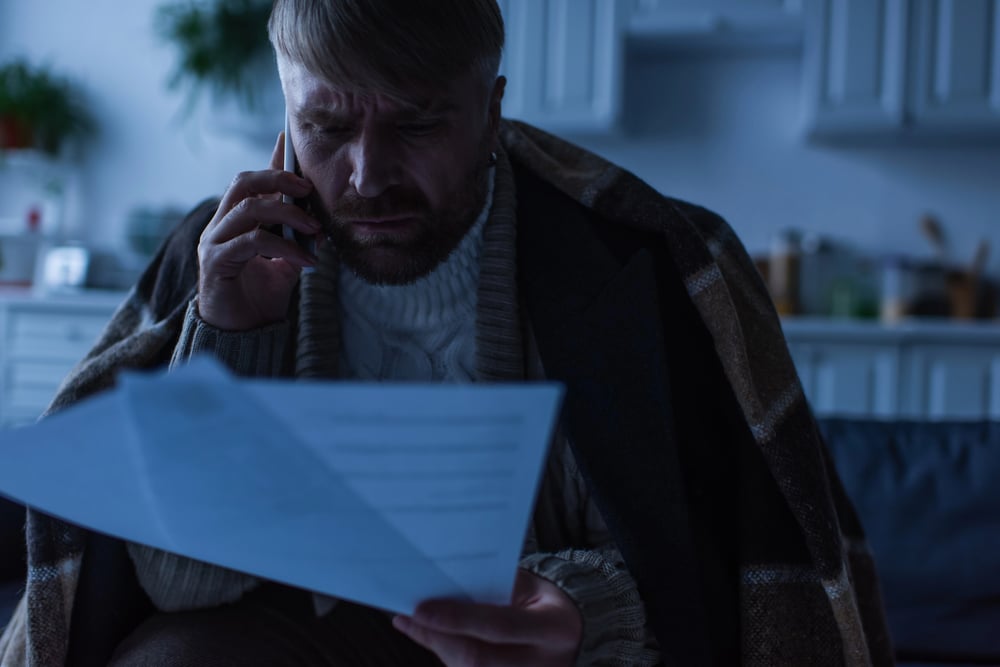
The rotary or push-button phone on the kitchen wall — corded, indestructible, completely indifferent to power outages — became the most important object in the house the moment the lights went out. Someone would fish the phone book out from under a stack of mail, find the utility company’s number, and dial through to a busy signal or, if lucky, a recorded message promising restoration “as soon as possible,” which was not a specific promise and everyone knew it.
The phone got passed around exactly once, just to confirm that everyone heard the same unhelpful message.
Playing Board Games by Candlelight

Board games that had sat untouched on a shelf for eleven months would get pulled out and set up on the coffee table with genuine enthusiasm. Monopoly was the most common choice and, to be fair, the most reliably divisive — someone would take the banker role too seriously within thirty minutes, and at least one property dispute would go unresolved because you couldn’t read the deed clearly in candlelight.
The darkness actually made it better, in a way that’s hard to explain without sounding nostalgic but was simply true.
Eating Whatever Was in the Fridge First

The calculus was immediate: everything in the refrigerator had a ticking clock on it, and someone in the family, usually a parent, would announce this as though the other members hadn’t already figured it out. Cold cuts, leftover pizza, whatever casserole was sitting in a dish with foil over it — it all came out, and dinner became less a meal and more a reckoning with the week’s groceries.
There was a low-grade urgency to it that made the food taste oddly better.
Telling Stories in the Dark

A power outage had a way of pulling stories out of people who didn’t usually tell them — ghost stories, yes, but also real ones, the kind that lived in the family somewhere and only came out when the television wasn’t competing. Parents who spent most evenings half-watching the news would suddenly have things to say: childhood memories, neighborhood legends, the time something strange happened on a camping trip in 1967.
The dark room worked like a confessional, loosening things that daylight kept tucked away.
Using the Transistor Radio
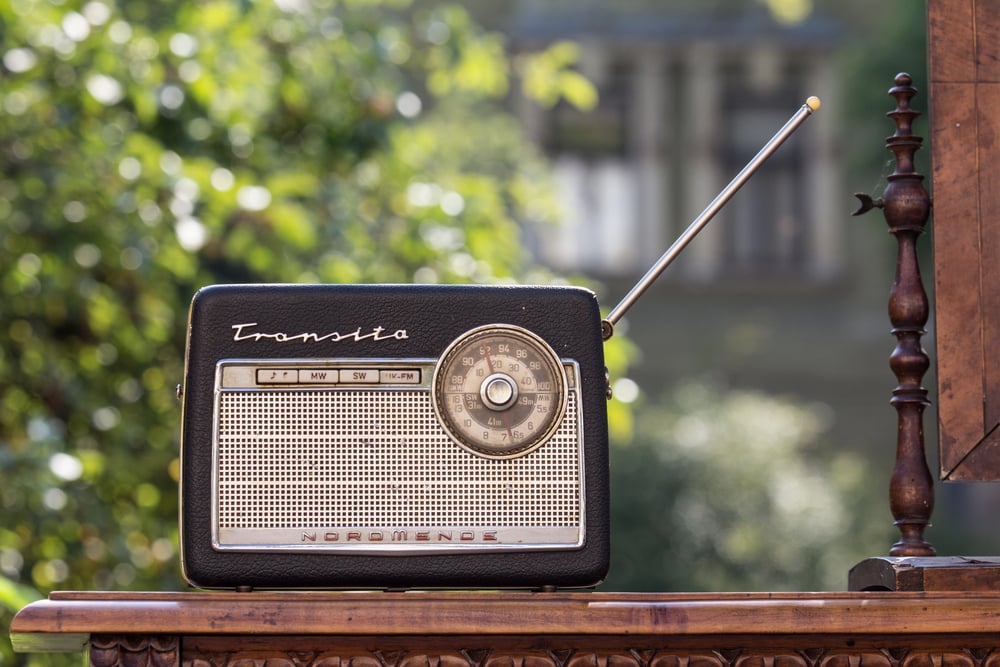
Somewhere in the house — in a nightstand drawer, on a shelf in the garage, tucked into the emergency kit that otherwise never got touched — was a transistor radio with batteries that might or might not still work. Getting it going was part ritual, part prayer: you’d extend the antenna, turn the dial through a fog of static, and eventually land on an AM station that was still broadcasting.
News, weather, sometimes a ball game — whatever came through felt important purely because it was the only signal reaching you from the outside world.
Making Shadow Puppets on the Wall

Kids figured this out within minutes of the first candle being lit. A flashlight aimed at a blank wall and two hands held just right could produce a reasonable rabbit, a passable duck, and one creature that was never quite identifiable but always generated commentary.
It wasn’t a planned activity — nobody sat down and decided to do shadow puppets — it just happened, organically, the way kids fill silence with whatever their hands can invent.
Getting Out the Good Blankets

Once it became clear the power wasn’t coming back in the next twenty minutes, blankets would appear. The good ones — the thick afghans that normally lived in a cedar chest, the flannel one that was technically a guest blanket — got pulled out and distributed with a quiet generosity that didn’t happen on ordinary nights.
Everyone would settle into the living room, close together by necessity, and the house would start to feel less like something broken and more like something deliberately simplified.
Hunting for Extra Batteries

Batteries in the ’80s were a household resource managed with spectacular negligence. Families kept them in the junk drawer, the garage, a kitchen cabinet, and occasionally still inside a toy that hadn’t been played with since the previous Christmas, but finding a full set of matching batteries during a power outage was its own treasure hunt — one that involved comparing the tiny text on each battery to the flashlight’s requirements while holding a candle close enough to read by.
Double-A, C, or D: the flashlight always needed the one type you were three short of.
Going to Bed Earlier Than Usual

Without television, without light, and with the novelty of candles wearing off by eight-thirty, there simply wasn’t a compelling reason to stay up. Kids got sent to bed earlier than they would on any normal night, and for once they went without much argument — the dark house had a gravitational pull toward sleep, and the warmth under all those extra blankets did the rest.
Parents followed not long after, and the whole family would end up asleep by nine, which felt both slightly wrong and completely natural.
Waiting by the Window for the Lights to Come Back
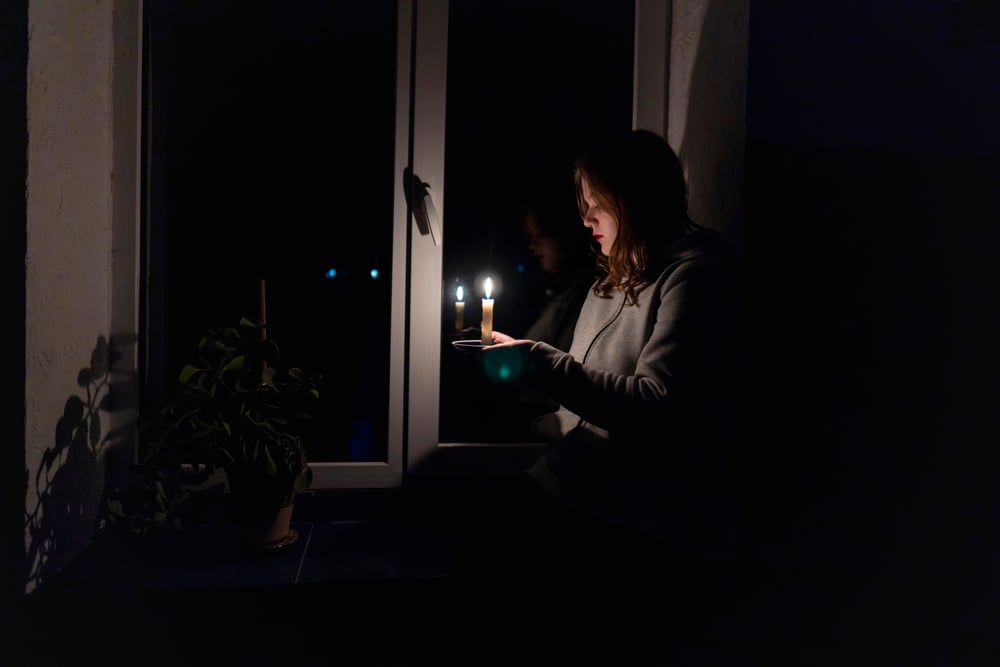
Toward the end of the evening, before sleep took over, someone — often a kid, sometimes a parent — would position themselves near a window and watch the street. Not doing anything, just watching. Waiting for a porch light to flicker back on a few houses down, which would mean the grid was coming back and normal life was reasserting itself.
When it happened, when every light in the house suddenly blazed back on and the refrigerator hummed to life and the TV clicked on mid-broadcast, the reaction was always the same: mild relief, a little blinking, and then the faint, unspoken awareness that the night had been, against all odds, kind of good.
When the Lights Came Back On and Something Was Already Gone

There’s a particular feeling that arrives with the lights — a low-grade, unremarkable loss that nobody names at the time. The board game gets put away, the candles get blown out, the transistor radio goes back in the drawer, and the family redistributes to separate rooms within minutes, as though the whole house just exhaled and went back to being ordinary.
The outage didn’t teach anything profound, didn’t fix anything that was broken between people — but for a few hours, the television was off, the distractions were gone, and everyone was in the same room because there was nowhere else to reasonably be. Go figure, sometimes that’s all it takes.
More from Go2Tutors!

- The Romanov Crown Jewels and Their Tragic Fate
- 13 Historical Mysteries That Science Still Can’t Solve
- Famous Hoaxes That Fooled the World for Years
- 15 Child Stars with Tragic Adult Lives
- 16 Famous Jewelry Pieces in History
Like Go2Tutors’s content? Follow us on MSN.