Things That Were Considered Cutting Edge in the 1970s That Look Hilarious Today
The 1970s were a fascinating time of technological optimism and bold design choices. What seemed like the future back then often looks quaint, absurd, or downright laughable today.
From household gadgets that promised to revolutionize daily life to fashion statements that defied all logic, the decade was full of innovations that haven’t aged particularly well. Here’s a look at some of the most amusingly outdated trends and technologies that once represented the height of sophistication.
CB Radios
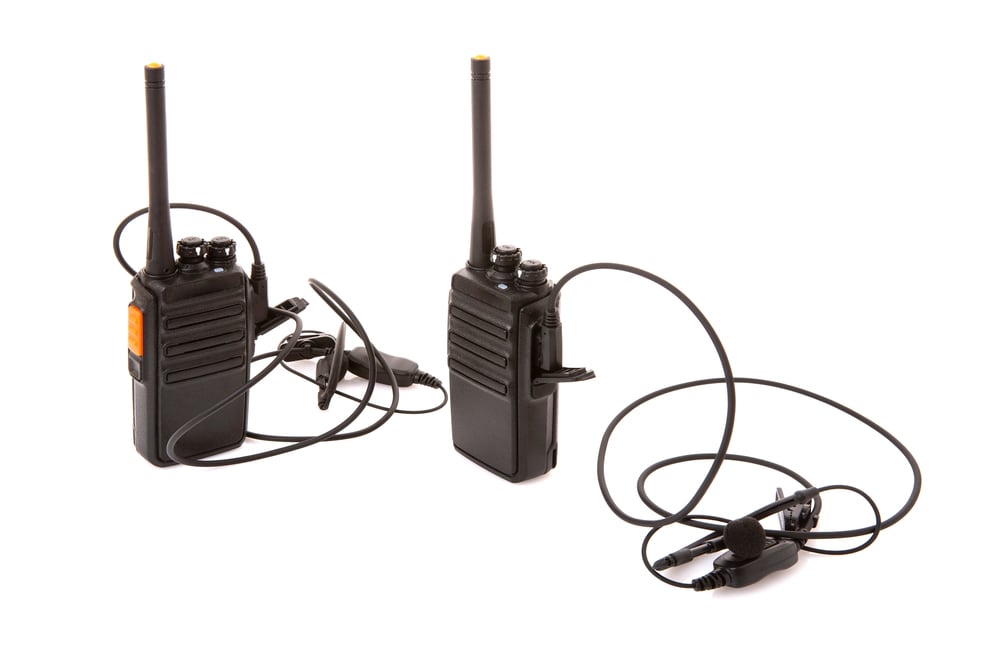
Citizen’s Band radio was the social media of the 1970s. Everyone had a handle, everyone had opinions, and everyone thought they were part of something bigger than themselves.
Truckers dominated the airwaves, but regular folks jumped in too, installing massive antennas on their cars and homes to chat with strangers about traffic, weather, and whatever else came to mind. The whole thing collapsed faster than a house of cards once cell phones arrived.
Turns out people preferred private conversations over broadcasting their business to anyone with a radio. The elaborate trucker slang that seemed so cool in 1975 sounds like a foreign language today, and those giant antennas became suburban eyesores that nobody knew how to remove.
Fondue Sets

Nothing said sophisticated dinner party like melting cheese or chocolate in a communal pot while your guests jabbed at it with long forks. The fondue set was the centerpiece of 1970s entertainment, usually accompanied by earth-tone dinnerware and shag carpeting that made the whole scene look like a nature documentary about suburban mating rituals.
The concept was fundamentally flawed from the start (and this becomes obvious the moment you think about it for more than five seconds): hot oil or melted cheese balanced precariously over an open flame while people lean across the table with sharp implements, often after consuming wine. So naturally, the fondue craze burned out — sometimes literally — as hosts realized they were essentially asking their friends to perform minor surgery on their dinner while dodging molten dairy products.
Shag Carpeting

Shag carpeting was supposed to be luxurious and modern, like walking on a cloud that happened to be orange or avocado green. Interior designers convinced an entire generation that covering their floors with what looked like artificial grass (if grass could grow three inches high and come in colors that don’t exist in nature) represented the pinnacle of home design sophistication.
The practical problems revealed themselves quickly enough. Food disappeared into those deep fibers like quicksand, never to be seen again.
Vacuum cleaners struggled against the dense pile, often giving up entirely and leaving homeowners to rake their floors like zen gardens. Pet hair became permanently woven into the fabric of the home itself.
And yet people persisted, convinced they were living in the future while unknowingly creating archaeological layers of snack crumbs and small toys that would confuse future generations of carpet installers.
Leisure Suits

The leisure suit represented everything wrong with 1970s fashion sensibilities rolled into one spectacularly misguided garment. Made from synthetic fabrics that could probably survive a nuclear holocaust, these suits came in colors that nature actively avoided: powder blue, lime green, burgundy with contrasting stitching that seemed designed to blind onlookers.
The whole concept was backwards. These weren’t suitable for leisure activities (try playing tennis in polyester) and they weren’t appropriate for business settings either.
They existed in some strange middle ground where grown men could dress like game show hosts and call it fashion. The wide lapels alone could generate their own weather systems.
Wood Paneling

Covering interior walls with fake wood grain was somehow considered an upgrade from regular paint or wallpaper. Real estate listings boasted about “beautiful wood paneling” as if stapling thin sheets of processed timber to drywall represented the height of craftsmanship and taste.
The end result looked like living inside a station wagon. Dark, cramped spaces that absorbed light and made everything feel smaller and more depressing than necessary. Homeowners spent fortunes creating environments that resembled hunting lodges designed by people who had never actually been hunting.
The wood grain patterns were so obviously artificial that they fooled nobody, yet everyone pretended this was somehow more elegant than just painting the walls white like rational human beings.
Waterbed Technology

Waterbeds promised the ultimate sleeping experience: a bed that conformed to your body shape while providing gentle, wave-like motion throughout the night. What could possibly go wrong with sleeping on hundreds of gallons of water heated by electric coils and contained by vinyl that definitely wouldn’t develop leaks over time?
The marketing made it sound like floating in a warm ocean, which ignored the basic reality that most people prefer their sleep to be stable and predictable rather than resembling a slow-motion earthquake. The practical problems mounted quickly: punctures that could flood an entire bedroom, heaters that failed during winter nights (turning sleep into an arctic endurance test), and the simple fact that getting out of bed required the core strength of an Olympic gymnast.
And then there was a moving day — because nothing says “help me relocate” like asking friends to drain several hundred pounds of water from your bedroom furniture. The technology that was supposed to revolutionize rest mostly just gave people backaches and anxiety about potential water damage.
Betamax

Sony’s Betamax was technically superior to VHS in almost every way that mattered. Better picture quality, more reliable mechanics, smaller cassette size.
Sony engineers had created what should have been the definitive home video format, the clear winner in the emerging market for recorded entertainment. None of that mattered.
VHS won because people wanted longer recording times and cheaper players, not because they cared about technical excellence. Betamax became the Edsel of home electronics — a perfectly good product that missed the mark so completely that owning one became a social embarrassment.
Early adopters found themselves stuck with expensive equipment that couldn’t play anything their friends were watching.
Macramé Everything

Macramé turned simple rope-tying into an art form that invaded every corner of 1970s homes. Plant hangers, wall decorations, room dividers, even clothing — if it could be knotted from cord or rope, someone was making it and calling it sophisticated home décor.
The results looked like fishing nets had taken over suburban living rooms. Intricate knot patterns that took hours to create held plants that would have been perfectly happy sitting on a regular shelf. The aesthetic was supposed to be natural and earthy, but the end result often resembled what might happen if macramé enthusiasts were given unlimited supplies and no adult supervision.
Platform Shoes

Platform shoes lifted wearers several inches off the ground while simultaneously making basic human locomotion a dangerous adventure. Both men and women strapped themselves into what amounted to portable stilts, then attempted to navigate stairs, curbs, and normal walking as if nothing had changed about their relationship with gravity.
The fashion logic was simple enough: if some height is good, more height must be better. But platform shoes created a generation of people who moved like astronauts on unfamiliar planets, carefully placing each step while trying to maintain the illusion that walking on six-inch platforms was natural and effortless.
The bigger the platform, the cooler you were supposed to look, which led to an arms race of absurd proportions where people essentially turned their feet into architectural projects.
Eight-Track Players
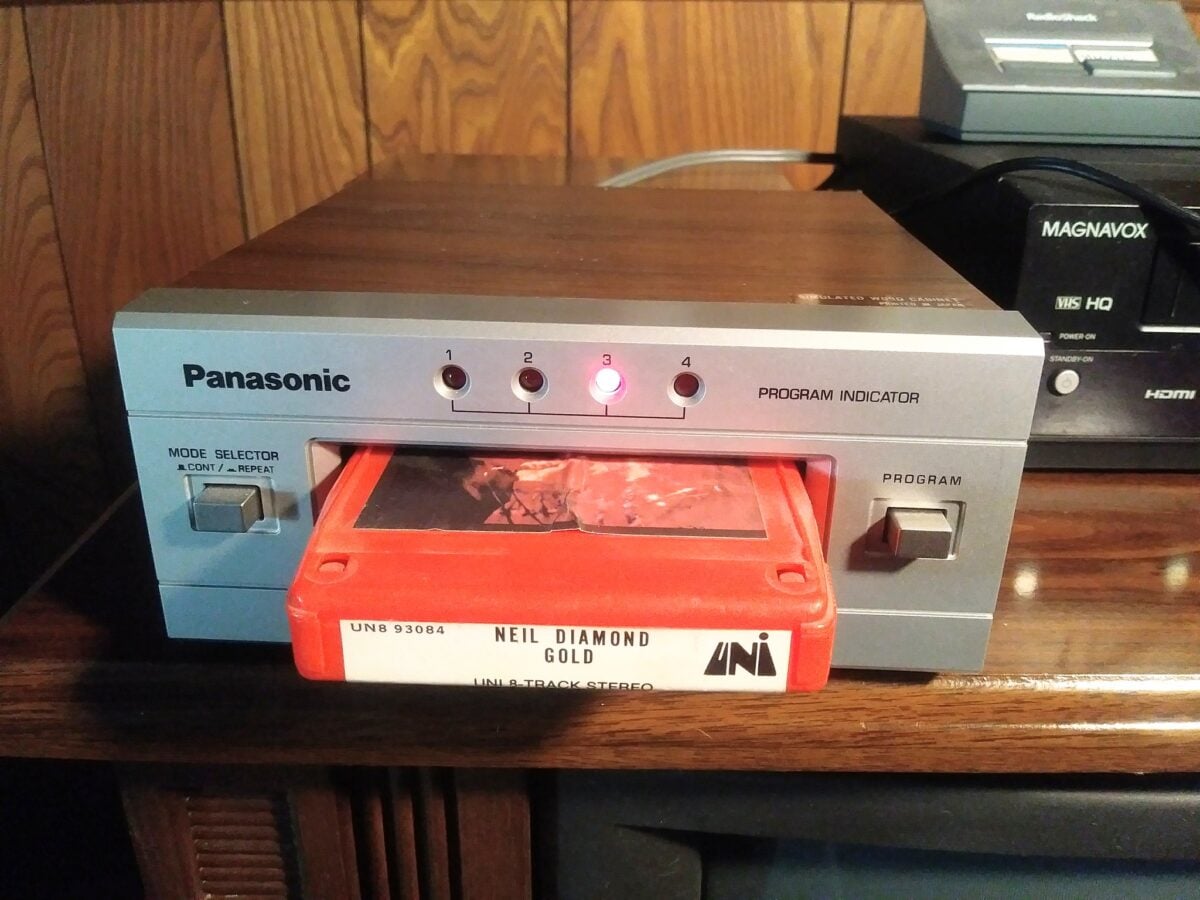
Eight-track tapes were supposed to solve the problem of having to flip vinyl records halfway through an album. Instead, they created new problems that somehow seemed worse than the original inconvenience. Songs got cut off mid-verse when the tape switched tracks, audio quality was mediocre at best, and the players themselves were mechanical disasters waiting to happen.
The format made no logical sense. Why divide an album into four programs that bore no relationship to how the music was actually structured? Why create a system where your favorite song might be interrupted by silence and clicking sounds?
But people embraced eight-tracks anyway, installing bulky players in their cars and building entire music collections around a technology that seemed designed by people who had never actually listened to music.
Harvest Gold Appliances

Kitchen appliances in the 1970s came in colors that suggested someone had asked “What if mustard was a design philosophy?” Harvest gold refrigerators, dishwashers, and stoves dominated American kitchens, creating environments that looked like they’d been dipped in cheese sauce.
The color was supposed to be warm and inviting, which ignored the basic reality that kitchens need to look clean and functional rather than like the inside of a wheat field. Harvest gold appliances aged poorly, showing every fingerprint and food stain while maintaining their aggressively cheerful hue.
Homeowners discovered too late that this particular shade of yellow made everything else in the kitchen look either sickly or dirty by comparison.
Lava Lamps
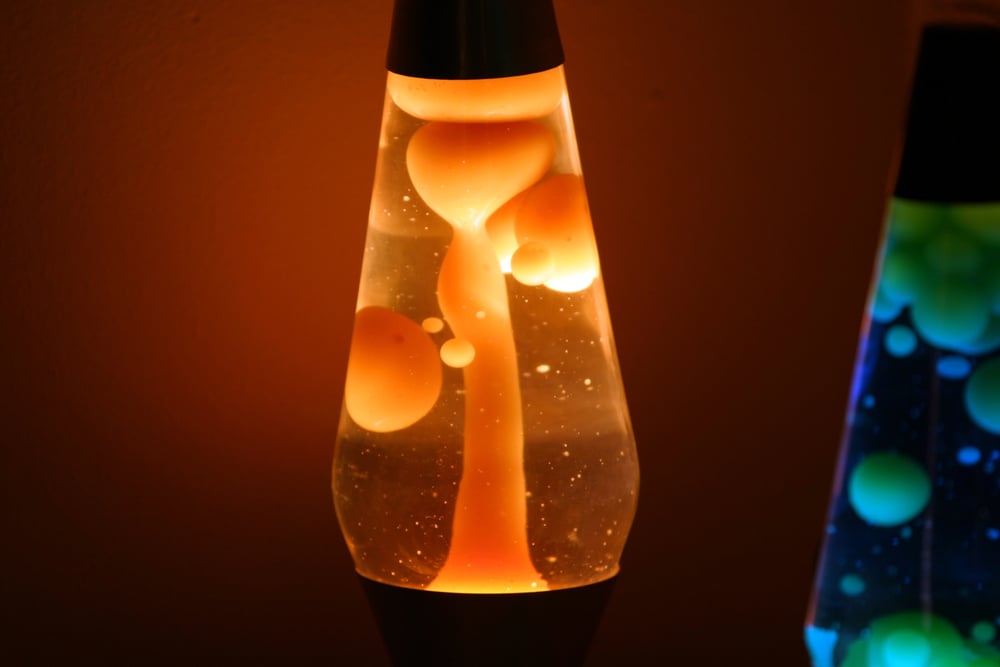
Lava lamps represented the intersection of lighting, entertainment, and questionable scientific principles. These devices used heated wax floating in colored liquid to create slowly moving blobs that were supposed to be mesmerizing and sophisticated room décor.
The reality was less impressive. Lava lamps took forever to warm up, produced almost no useful light, and created the kind of hypnotic effect that mainly appealed to people whose judgment was already compromised.
They were conversation pieces in the same way that traffic accidents are conversation pieces — you couldn’t help staring, but that didn’t make them actually good.
Conversation Pits

Sunken living rooms seemed like the height of architectural sophistication — a dedicated space for socializing that was literally built into the floor plan. These conversation pits were supposed to create intimate gatherings where people could sprawl on built-in seating and engage in meaningful dialogue.
Instead, they created awkward spaces that were difficult to furniture and dangerous to navigate. Guests regularly forgot about the step down, leading to spectacular falls that definitely killed whatever conversation might have been happening.
The sunken design trapped cig smoke and made the space feel like a carpeted basement, even when it was on the main floor. And cleaning around all that built-in seating became a maintenance nightmare that made regular living rooms look positively convenient by comparison.
Pet Rocks
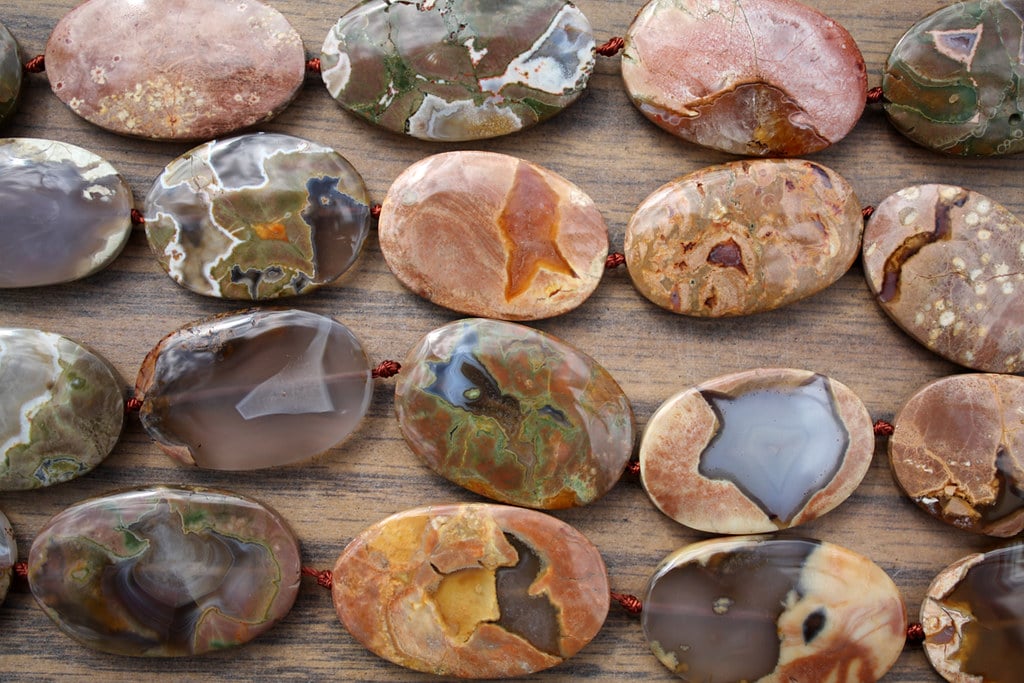
Someone convinced millions of people to pay money for ordinary rocks packaged with care instructions and sold as low-maintenance pets. The Pet Rock came with a manual explaining how to teach your rock basic commands and care for its simple needs (which were essentially non-existent).
This was either the greatest marketing achievement in human history or proof that 1970s consumers had completely lost touch with reality. People bought rocks.
As pets. And seemed genuinely pleased with their purchases. The fact that Pet Rocks became a genuine cultural phenomenon says something profound about the decade’s relationship with logic and consumer spending.
CB Handles and Trucker Culture

Everyone wanted a CB handle that made them sound tough or mysterious — “Rubber Duck,” “Smokey Bear,” “Road Dog” — as if choosing the right radio nickname could transform suburban accountants into highway warriors. The elaborate slang and coded language that developed around CB culture was supposed to create an exclusive community of road warriors and rebels.
Regular people started talking like they’d been driving eighteen-wheelers since childhood, using terms like “10-4” and “breaker breaker” in situations that had nothing to do with trucking or radio communication. The whole thing collapsed under the weight of its own artifice when people realized they were essentially playing elaborate games of pretend with strangers.
Avocado Green Everything
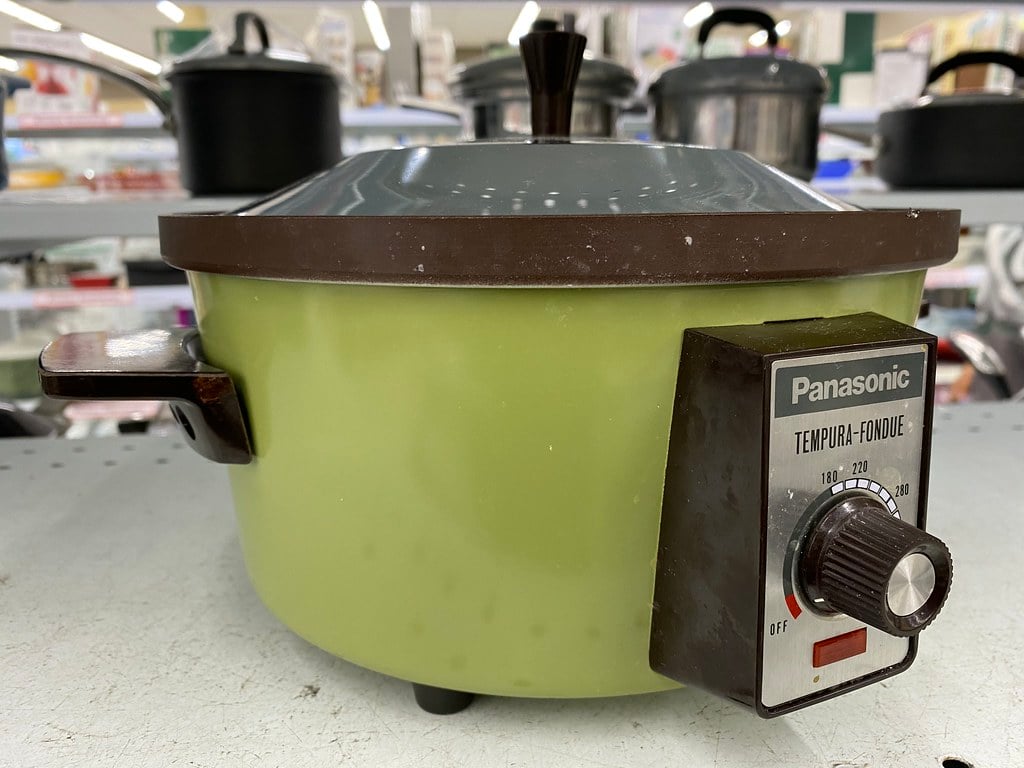
Avocado green was the harvest gold’s equally unfortunate cousin, dominating 1970s home décor with a shade of green that made everything look like it was slowly going bad. Appliances, bathroom fixtures, carpeting, and furniture all came in this particular hue that suggested someone had designed an entire color palette around food that was past its prime.
The color was supposed to be natural and earthy, connecting homes to the outdoors in some vague aesthetic way. Instead, it created environments that felt perpetually unwell, as if the house itself needed medical attention. Avocado green had the remarkable ability to make everything else in the room look either garish or sickly, depending on the lighting.
Digital Watches with Red LED Displays

Digital watches with glowing red numbers were supposed to represent the future of timekeeping — space-age technology on your wrist that made traditional analog watches look hopelessly old-fashioned. The LED displays seemed impossibly futuristic, like wearing a piece of computer technology as jewelry.
The practical problems were immediate and obvious. The displays were dim in bright daylight, making them harder to read than in low light conditions.
Battery life was measured in weeks rather than years. But people persisted, convinced they were wearing the future even when that future was inconvenient to actually use.
Home Intercom Systems

Built-in intercom systems promised to revolutionize household communication by allowing family members to talk to each other without leaving their rooms. These elaborate installations featured speakers and microphones wired throughout the house, creating a domestic communication network that seemed both futuristic and practical.
The reality was that nobody really needed to broadcast their voice through the entire house just to ask what time dinner would be ready. The systems created more problems than they solved, turning normal household conversations into awkward radio shows where everyone could hear everything and privacy became impossible.
Most families discovered that walking to the next room was faster, more reliable, and didn’t require explaining to house guests why there were speakers embedded in every wall.
Disco Technology and Light Shows

Home disco equipment brought the nightclub experience into suburban living rooms with rotating colored lights, mirror orbs, and sound systems designed to transform ordinary gatherings into Studio 54-style events. People invested in elaborate lighting setups that could strobe, flash, and project patterns across walls and ceilings.
The equipment was expensive, complicated to operate, and created environments that were better suited for dancing than for normal social interaction. Homeowners found themselves hosting parties that felt like theme park attractions rather than comfortable gatherings, with guests squinting through flashing lights and shouting over sound systems that were calibrated for much larger spaces.
Reel-to-Reel Audio Systems
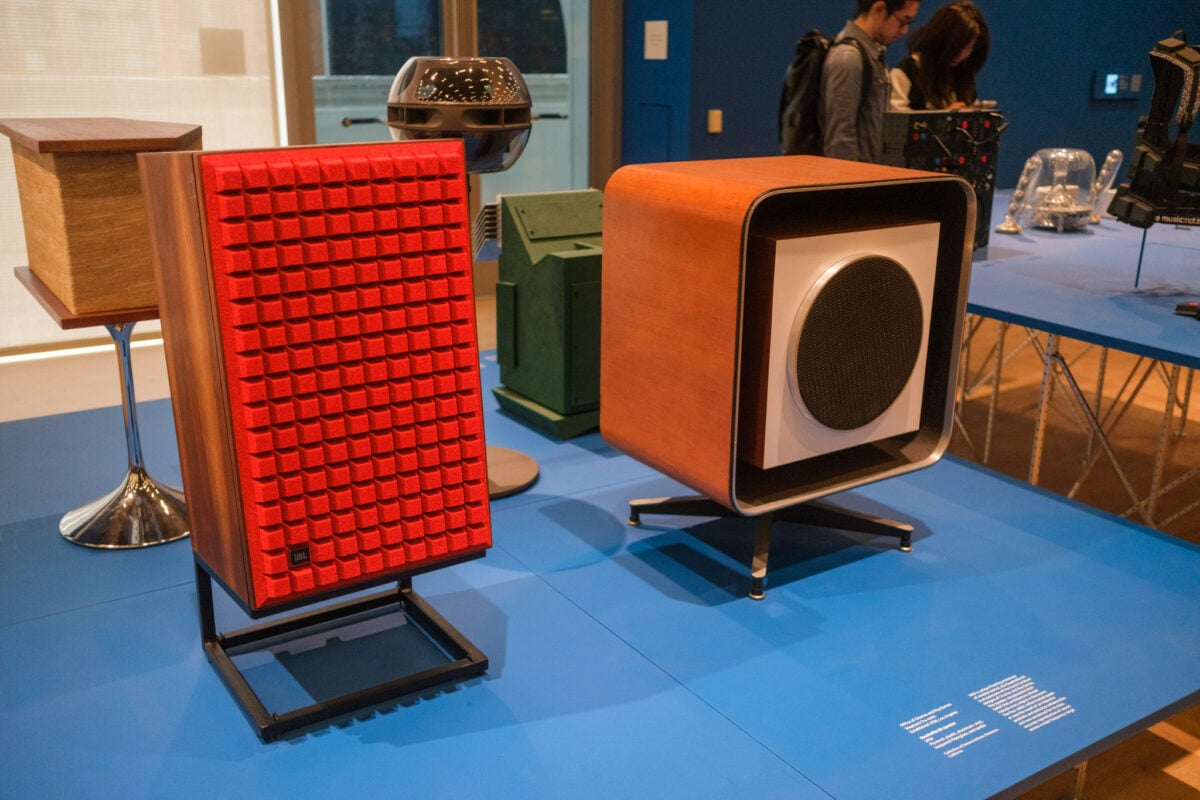
High-end reel-to-reel tape systems represented the pinnacle of home audio technology, offering recording quality that was superior to anything else available to consumers. These elaborate machines filled entire shelves with their reels, controls, and mechanical complexity, creating home recording studios that seemed both professional and futuristic.
Operating them required engineering knowledge and mechanical patience that most people didn’t possess. Threading tape through the complex path of guides and heads was a skill that took practice, and the large reels of tape required storage space that quickly overwhelmed most homes.
The superior audio quality was undeniable, but the practical demands of ownership meant that most people were better served by simpler, less impressive technology that actually fit into their daily routines.
When Tomorrow Becomes Yesterday

Looking back at these 1970s innovations reveals something deeper than just changing fashion trends or technological progress. Each of these items represented someone’s sincere vision of improvement — a better way to communicate, to entertain, to live more comfortably or stylishly.
The gap between those intentions and today’s perspective isn’t just about better technology or evolved taste; it’s about how confident any generation can be that their cutting-edge present won’t someday look just as ridiculous to future eyes. The real question isn’t why people in the 1970s made these choices, but what we’re doing right now that will make our grandchildren laugh just as hard.
More from Go2Tutors!

- The Romanov Crown Jewels and Their Tragic Fate
- 13 Historical Mysteries That Science Still Can’t Solve
- Famous Hoaxes That Fooled the World for Years
- 15 Child Stars with Tragic Adult Lives
- 16 Famous Jewelry Pieces in History
Like Go2Tutors’s content? Follow us on MSN.