25 Times a Lost or Hidden Document Changed What Everyone Thought They Knew
25 Times a Lost or Hidden Document Changed What Everyone Thought They Knew Most of what we know about the past arrived through records that were meant to be kept — official documents, published works, commissioned histories. But some of the most significant things ever written were not meant to be kept at all.
They were personal, coded, hidden behind pasted paper, locked in chests, buried under rubble, or written in shorthand that nobody decoded for two centuries. And when they finally surfaced, they changed things — the historical record, the reputation of their authors, the understanding of entire eras.
The gap between what a document says and what the world was told it said, or between the document that was lost and the version that filled its absence, is one of the most productive gaps in historical scholarship. Finding something that was not supposed to be found almost always reveals something that was not supposed to be known.
The Diary of Anne Frank
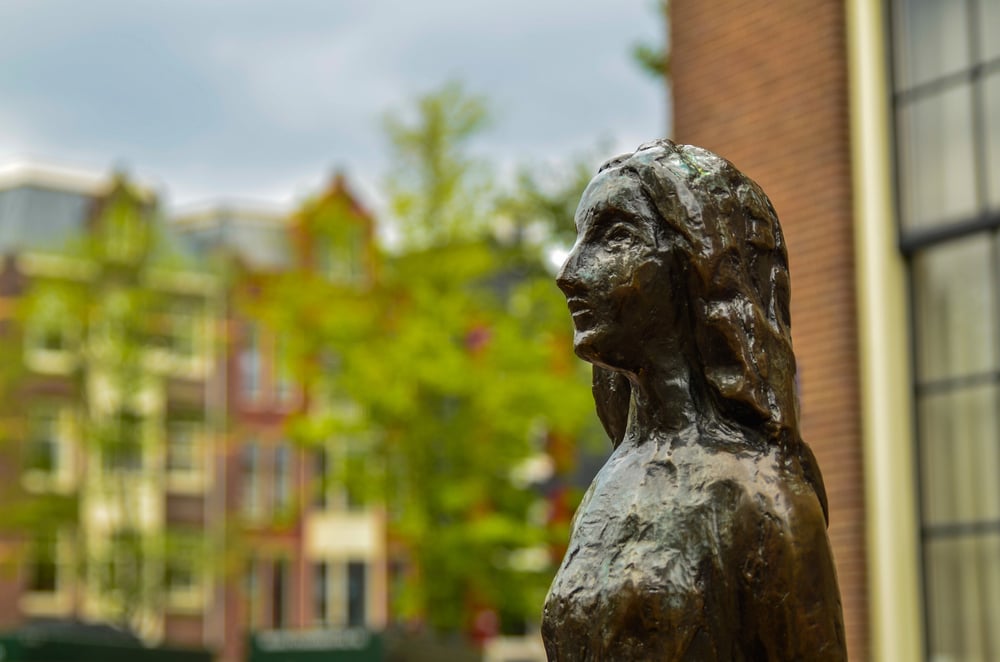
The Diary of Anne Frank Anne Frank received a red-and-white checkered notebook for her thirteenth birthday in June 1942, one month before her family went into hiding in the Secret Annex behind her father’s office building in Amsterdam. She wrote in it addressed to an imaginary friend named Kitty, describing two years of concealment, fear, hope, and the particular texture of adolescence lived in a sealed building.
When she and her family were arrested in August 1944, helper Miep Gies recovered the diary from the annex floor and kept it in her desk. She handed it to Otto Frank — the only member of the immediate family to survive the war.
He published an edited version in 1947 under the Dutch title Het Achterhuis. The book has since sold over thirty million copies in sixty-seven languages and remains one of the most widely read testimonies of the Holocaust.
The Hidden Pages of Anne Frank’s Diary
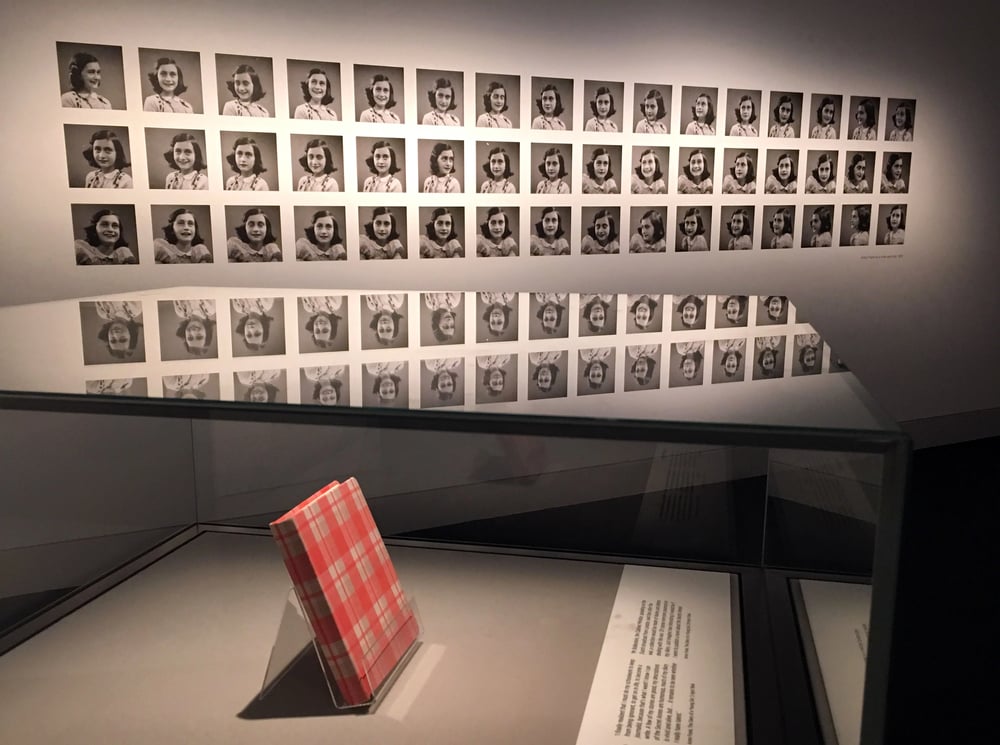
The Hidden Pages of Anne Frank’s Diary Within the diary itself, an additional secret was kept. In 2016, conservators at the Anne Frank House discovered that two pages from Anne’s first diary — a page dated September 28, 1942 — had been covered with brown gummed paper.
Advanced imaging technology revealed the text beneath without disturbing the pages. The hidden material included four jokes about matters Anne considered inappropriate, a candid explanation of human reproduction, reflections on contraception, and observations about prostitution.
The discovery was published in 2018 and confirmed that the published diary omitted approximately thirty percent of Anne’s actual entries.
The Diary of Samuel Pepys
The Diary of Samuel Pepys Samuel Pepys kept his diary in an elaborate personal shorthand mixed with French, Spanish, Italian, and English, partly for speed and partly because the content was intimate enough to destroy him professionally and personally if discovered. He chronicled the Great Fire of London in 1666 from street level — burying his Parmesan cheese and wine in the garden to save them from the flames — and recorded his intimate encounters, his attendance at executions, his opinions of colleagues, and the daily operations of the Royal Navy with equal frankness.
He left the diary to the library at Magdalene College, Cambridge, in 1703. It was not decoded and published until 1825, 122 years after his death.
What emerged was the most vivid eyewitness account of Restoration England in existence.
The Pillow Book of Sei Shōnagon
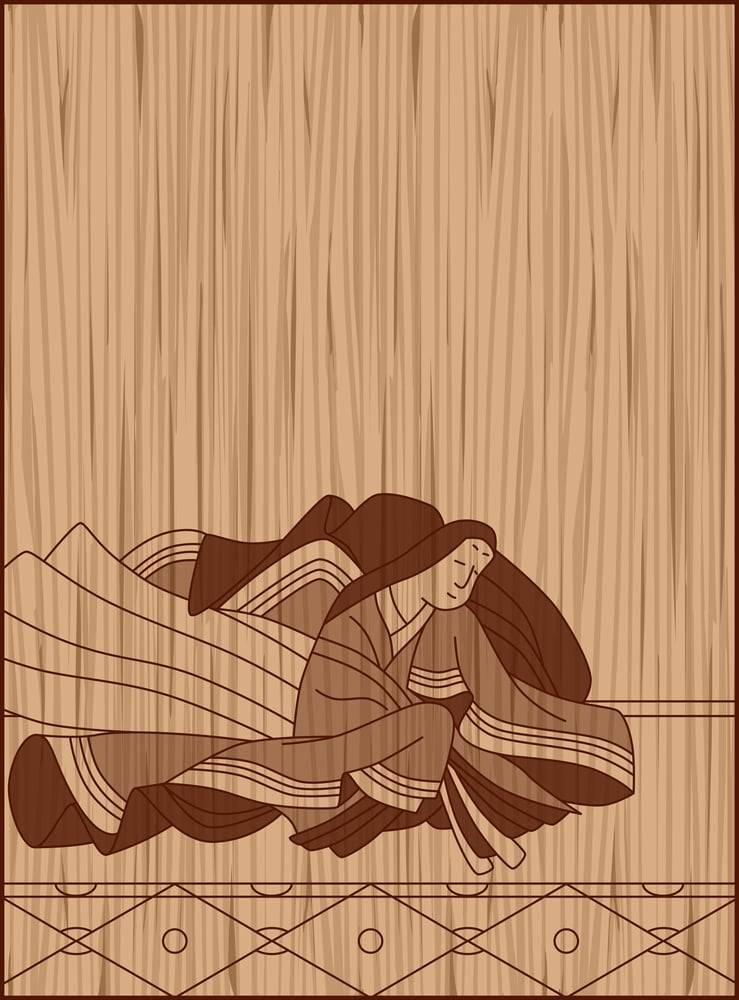
The Pillow Book of Sei Shōnagon Sei Shōnagon, a lady-in-waiting to Empress Teishi at the Heian court in Japan around 1000 CE, kept a private collection of observations, lists, poetry, and court gossip that she called her pillow book. She had not intended it for circulation — part of the manuscript was accidentally revealed when a guest carried it away from her room over her objections.
The text disappeared into private hands and was not widely distributed for centuries. When it eventually reached scholars and translators, it proved to be one of the most psychologically acute documents of medieval court life in any culture, and one of the wittiest works of prose in the Japanese literary canon.
The Voynich Manuscript
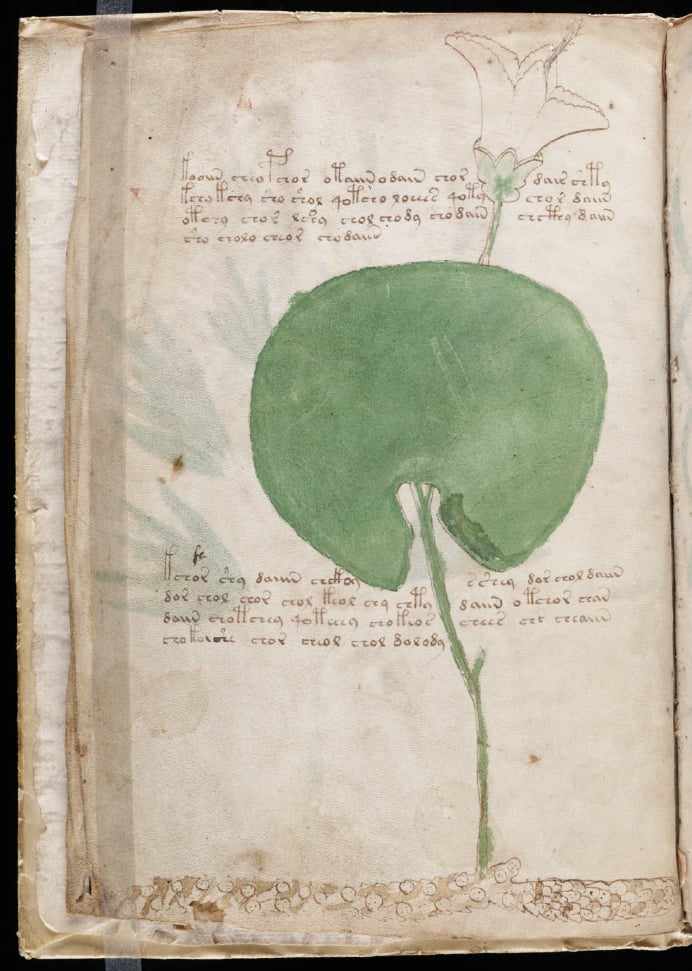
The Voynich Manuscript The Voynich Manuscript — a densely illustrated document written in an unknown script and apparently composed sometime in the early fifteenth century — was acquired by antiquarian book dealer Wilfrid Voynich in 1912 from a Jesuit college in Italy. It had been sent to the Royal Society in London in 1666 by the rector of Prague University, who claimed it had once belonged to Holy Roman Emperor Rudolf II.
Despite over a century of attempts by professional cryptographers, linguists, and computational analysts, the manuscript has not been reliably decoded. Whether it represents a genuine unknown language, an elaborate hoax, a personal cipher, or something else entirely remains unresolved.
The Dead Sea Scrolls
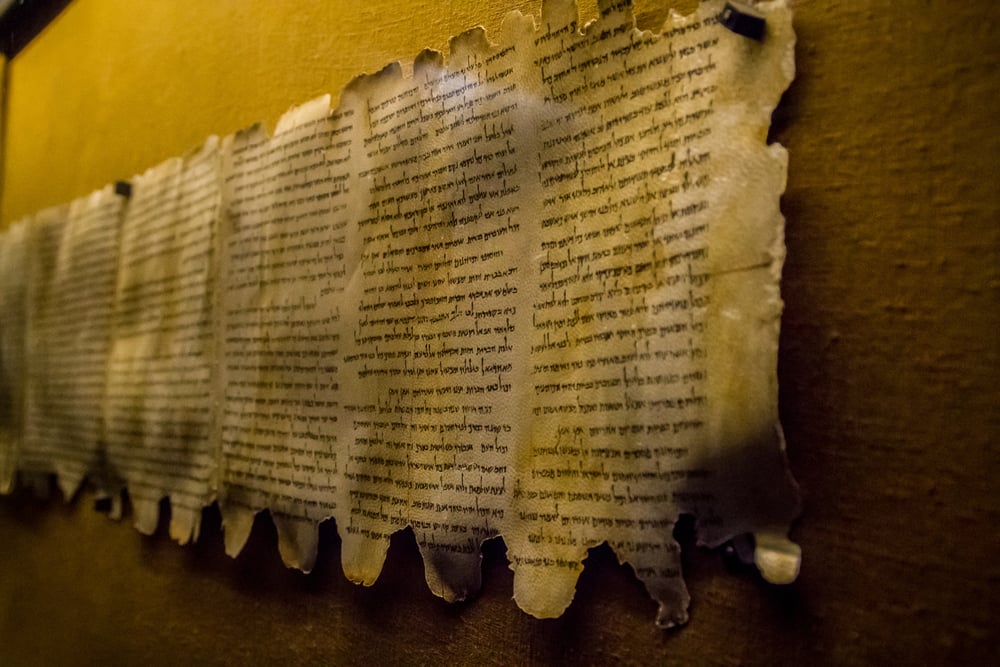
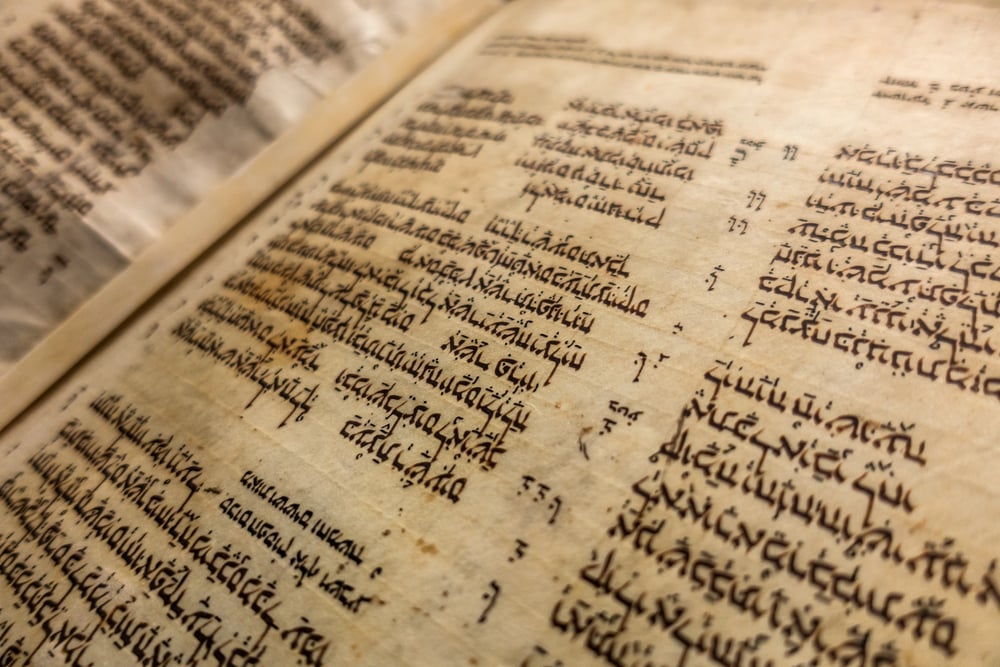
The Dead Sea Scrolls Sometime between 1946 and 1947 — accounts differ on the precise date — Bedouin shepherds discovered ceramic jars containing ancient manuscripts in caves at Qumran near the Dead Sea. Over subsequent years, eleven caves yielded fragments of approximately 900 documents, most dating to the period between the third century BCE and the first century CE.
The scrolls included the oldest surviving manuscripts of most books of the Hebrew Bible, along with documents from a Jewish sect whose beliefs and practices were unknown before the discovery. The scrolls transformed the scholarly understanding of Second Temple Judaism and the textual history of the Bible, and their contested distribution among scholars and institutions generated controversy for decades.
The Nag Hammadi Library
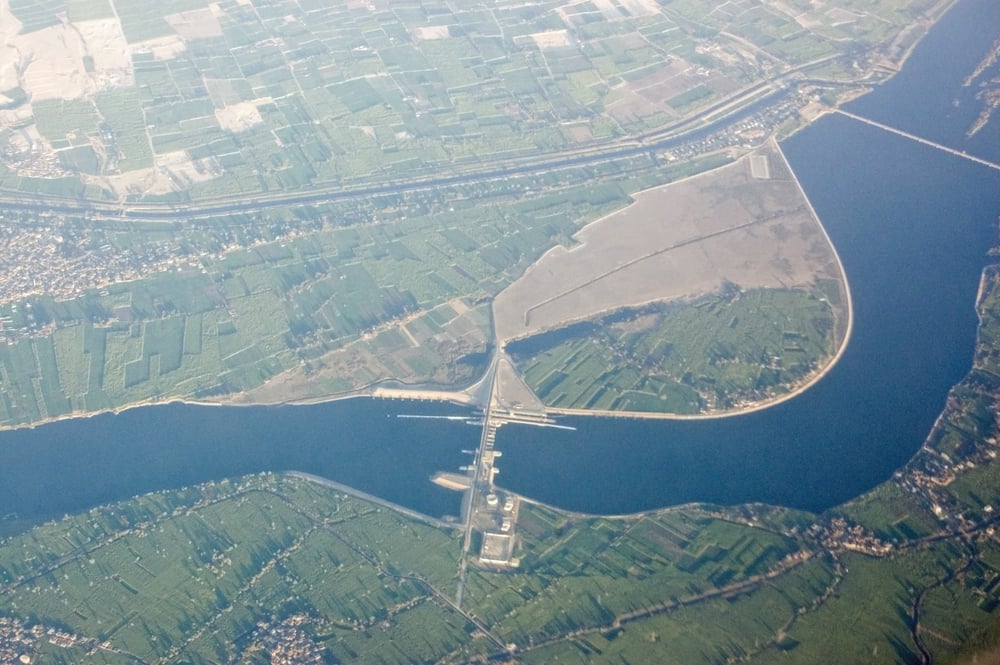
The Nag Hammadi Library In December 1945, an Egyptian farmer named Mohammed Ali al-Samman, digging near the village of Nag Hammadi in Upper Egypt, struck a sealed earthenware jar. Inside were thirteen leather-bound papyrus codices containing fifty-two texts from the early Christian and Gnostic tradition, dating to approximately the fourth century CE.
Many of these texts — including the Gospel of Thomas, the Gospel of Philip, and the Gospel of Truth — had been known only through the writings of early church fathers who condemned them. The discovery fundamentally altered scholarship on the origins of Christianity.
Al-Samman’s mother reportedly burned some of the papyrus for fuel before the significance of the find was understood.
The Gospel of Judas
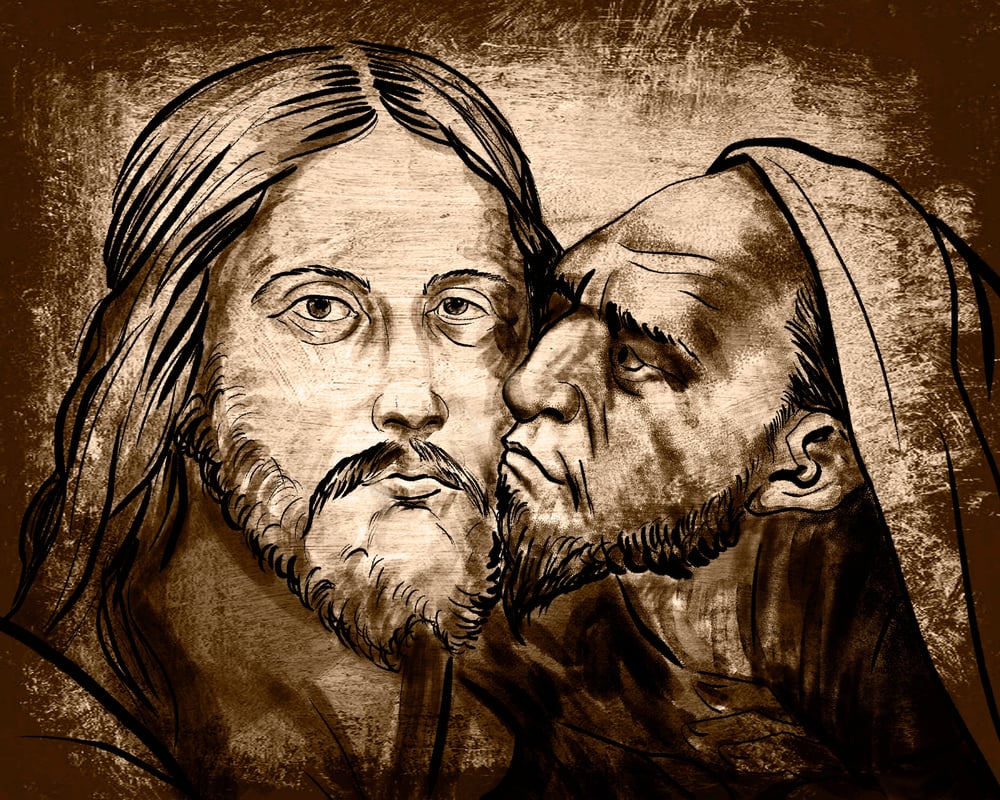
The Gospel of Judas The Gospel of Judas, a Gnostic text known to exist from the writings of Irenaeus of Lyon around 180 CE, had been considered permanently lost. In 2006, a team of scholars published a translation of a manuscript discovered in Egypt in the 1970s and subsequently traded through the antiquities market for decades.
The text presents Judas not as a traitor but as the disciple closest to Jesus, acting on explicit instruction. The manuscript’s authenticity was confirmed by carbon dating and ink analysis.
Its publication generated substantial theological and popular controversy.
Anne Lister’s Coded Diaries
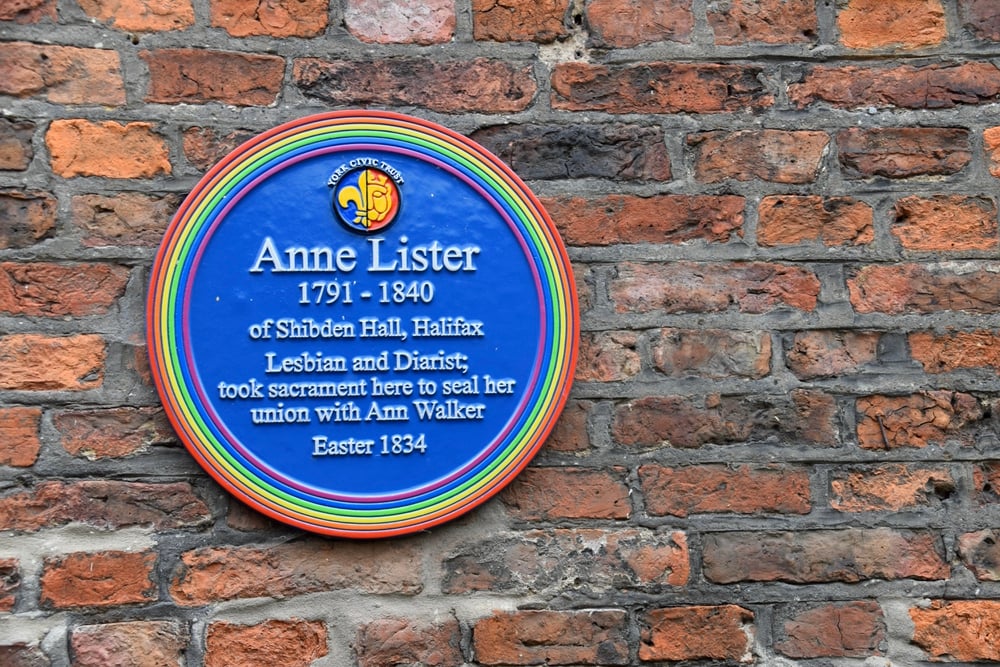
Anne Lister’s Coded Diaries Anne Lister of Shibden Hall in Yorkshire kept diaries from the early nineteenth century in a code of her own devising, combining Greek and mathematical symbols with punctuation. The coded sections documented her romantic and physical relationships with women across her adult life, alongside detailed accounts of her business activities, travel, and social observations.
Lister died in 1840. Her diaries were cracked by scholars in the 1930s but were not published in full until 1988, when they appeared under the title The Secret Diaries of Miss Anne Lister.
The publication established Lister as a substantial historical figure and gave historians their most detailed first-person record of a lesbian life in the early nineteenth century.
The Hitler Diaries (Forgeries)
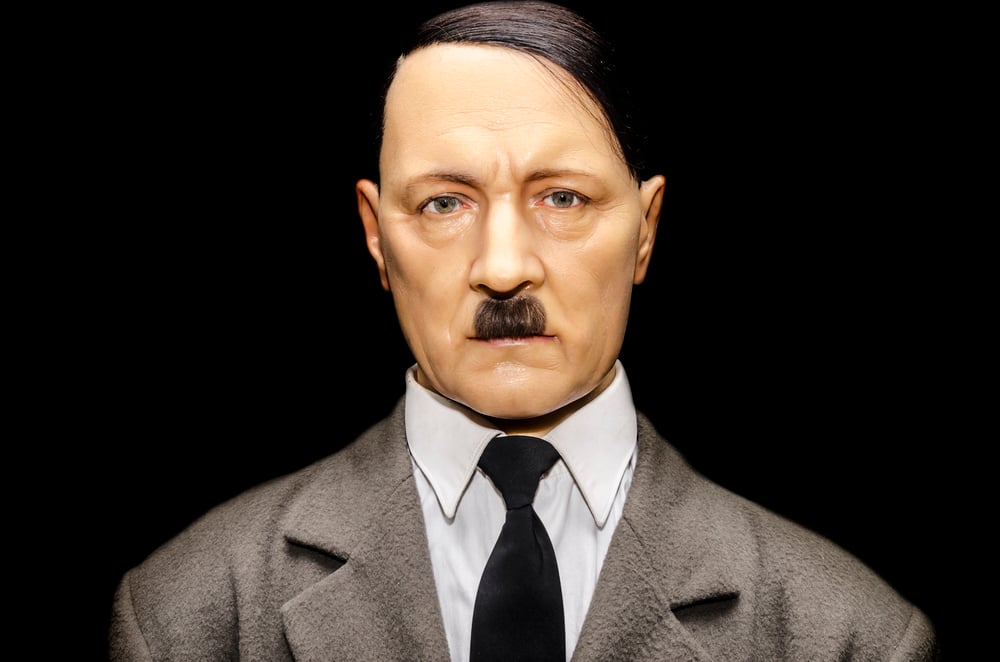
The Hitler Diaries (Forgeries) In 1983, the German magazine Stern announced the discovery of sixty volumes of Adolf Hitler’s personal diaries, acquired through a journalist named Gerd Heidemann from a Stuttgart dealer named Konrad Kujau. The announcement attracted international attention; historian Hugh Trevor-Roper initially authenticated the documents.
Within weeks, handwriting and chemical analysis by German federal archives experts confirmed that the paper, ink, and bindings were all modern fabrications. Kujau had manufactured the diaries himself.
The episode became a landmark case study in document forgery and in the media’s incentive to authenticate sensational discoveries before scrutiny.
The Zimmermann Telegram
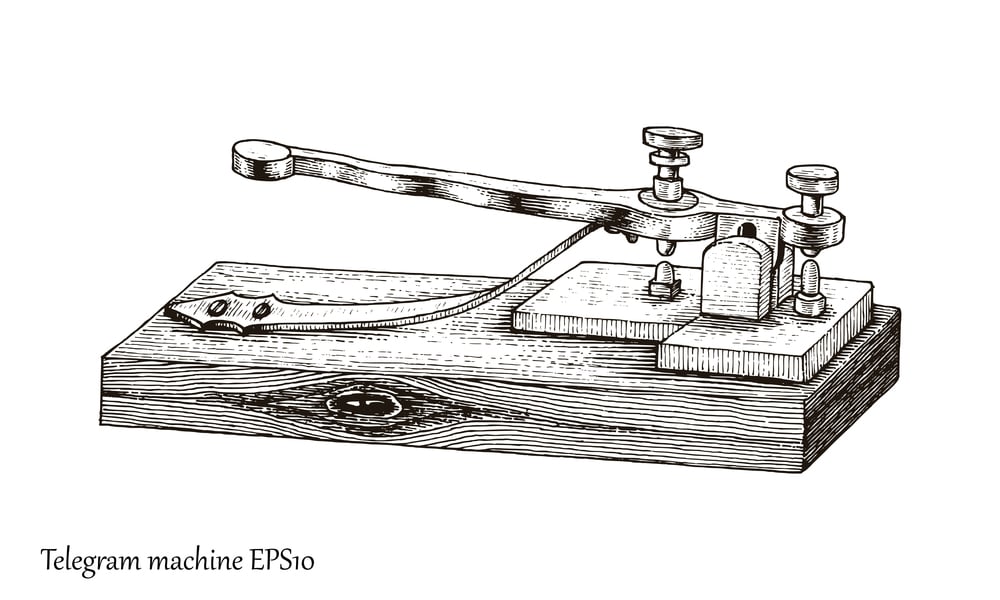
The Zimmermann Telegram In January 1917, German Foreign Secretary Arthur Zimmermann sent an encrypted telegram to the German ambassador in Mexico, proposing that if the United States entered World War I against Germany, Mexico should be offered Texas, New Mexico, and Arizona in exchange for joining Germany as an ally. British intelligence intercepted and decoded the telegram and passed it to the American government in February 1917.
Its publication caused a significant shift in American public opinion toward the war. The United States declared war on Germany in April 1917.
The Codex Tchacos
The Codex Tchacos The same Egyptian codex purchase that produced the Gospel of Judas also included the text known as the First Apocalypse of James and a fragment of the Book of Allogenes — early Christian texts outside the established canon. The manuscript had been passed through multiple hands in the Egyptian and Swiss antiquities markets for decades, stored in conditions so poor — including a freezer and a safe-deposit box — that significant portions were lost to deterioration.
The episode prompted substantial discussion among archaeologists about the consequences of documents entering the illegal antiquities market before being subject to scientific study.
The Beaulieu Abbey Records
The Beaulieu Abbey Records When Henry VIII dissolved the English monasteries in the 1530s and 1540s, the administrative and financial records of religious houses were confiscated, dispersed, or destroyed. Documents that survived did so accidentally.
The gradual rediscovery of these records across the nineteenth and twentieth centuries revealed the scale and sophistication of monastic economic life in medieval England: the extent of land management, the operation of granges and fisheries, the networks of credit and debt. What had been invisible became, with sufficient documentary reconstruction, a detailed economic history.
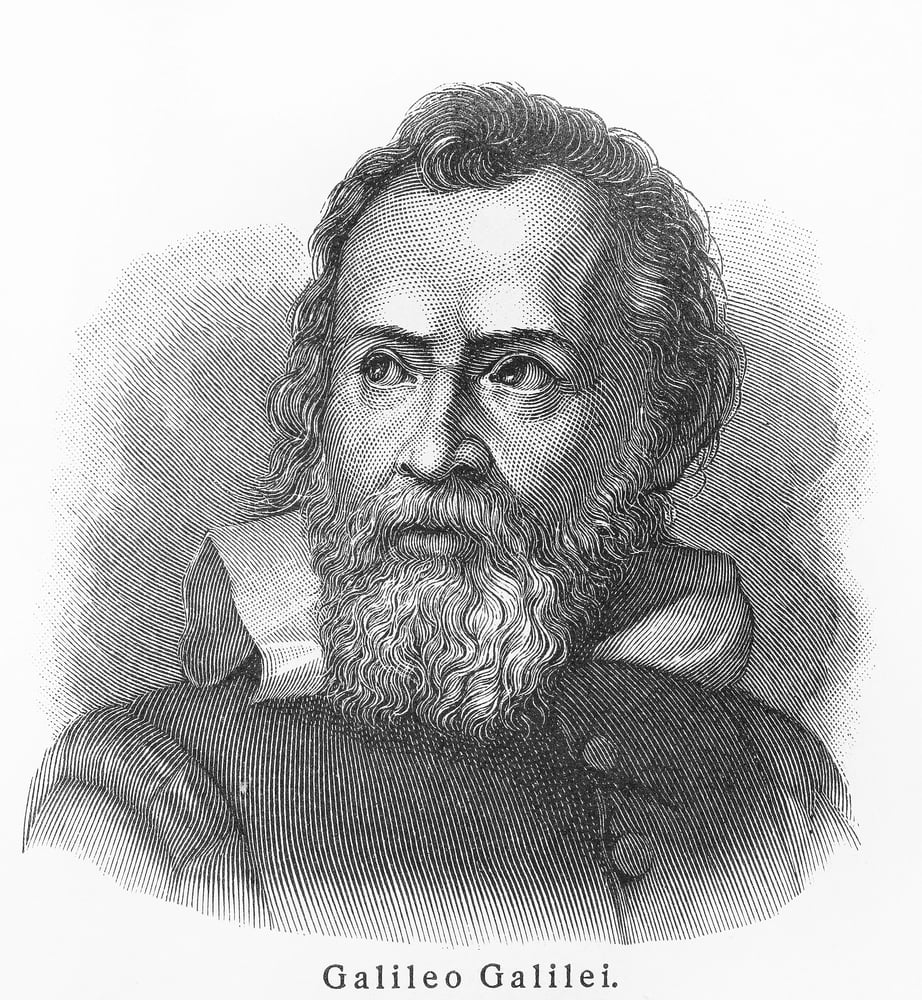
The Letters of Galileo to Castelli
The Letters of Galileo to Castelli In 2018, a historian named Salvatore Ricciardo discovered in the Royal Society library in London an original letter from Galileo Galilei to his student Benedetto Castelli, written in 1613, discussing the relationship between science and scripture. The discovery was significant because a later transcription of the letter, known since the seventeenth century, differed from the original in several places — and the differences were not random.
The transcription showed evidence of deliberate editing, apparently made by Galileo himself to soften statements that might be read as confrontational toward the church.
The Dorabella Cipher
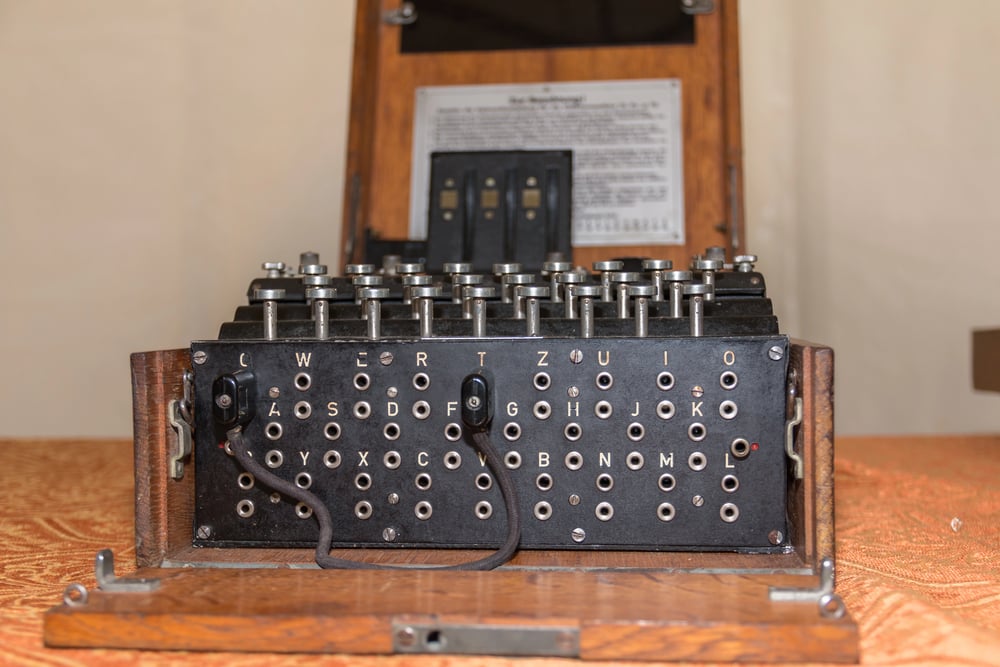
The Dorabella Cipher In July 1897, the English composer Edward Elgar sent a letter to a young woman named Dora Penny that included a short passage of 87 characters written in an unknown cipher. Elgar never explained it during his lifetime.
The cipher has resisted decoding for more than a century — it has been submitted to professional cryptographers, amateur enthusiasts, and computational analysis without producing an agreed solution. The cipher is now primarily famous for remaining unsolved, a small mystery attached to the composer of the Enigma Variations.
Archimedes’s Palimpsest
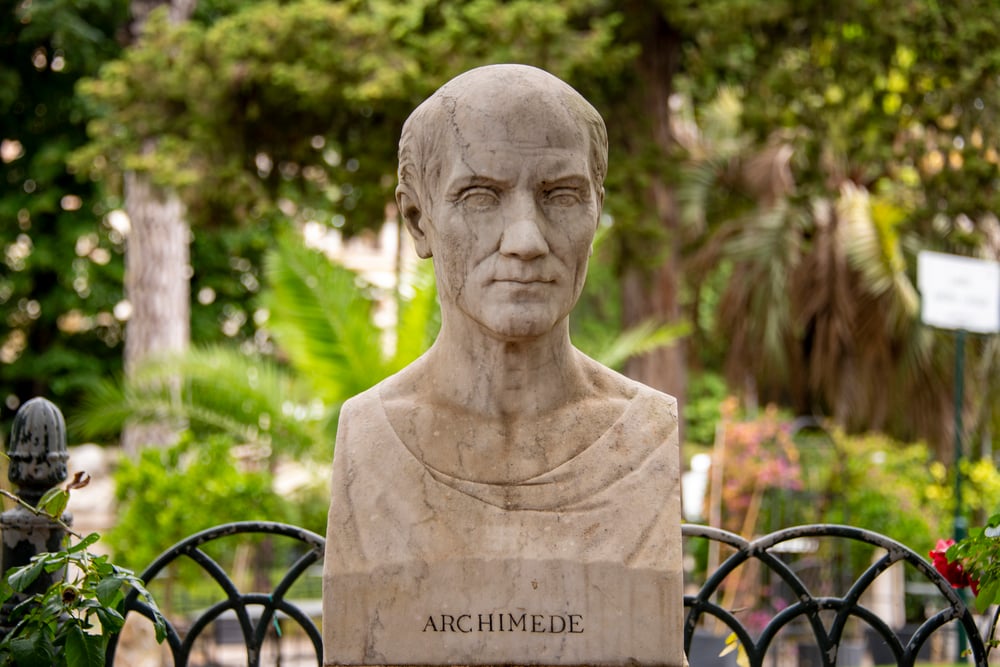
Archimedes’s Palimpsest In 1906, a Danish scholar named Johan Heiberg discovered in Istanbul a thirteenth-century prayer book whose parchment had been scraped and reused from an earlier text. Underneath the prayers, examination revealed mathematical writings by Archimedes — including the Stomachion, the Method of Mechanical Theorems, and On Floating Bodies — texts that had been lost and were not thought to survive.
Modern imaging technology applied to the palimpsest in the 2000s revealed additional material invisible to Heiberg. The book is now held by a private collector and is on loan to the Walters Art Museum in Baltimore.
The Florentine Codex
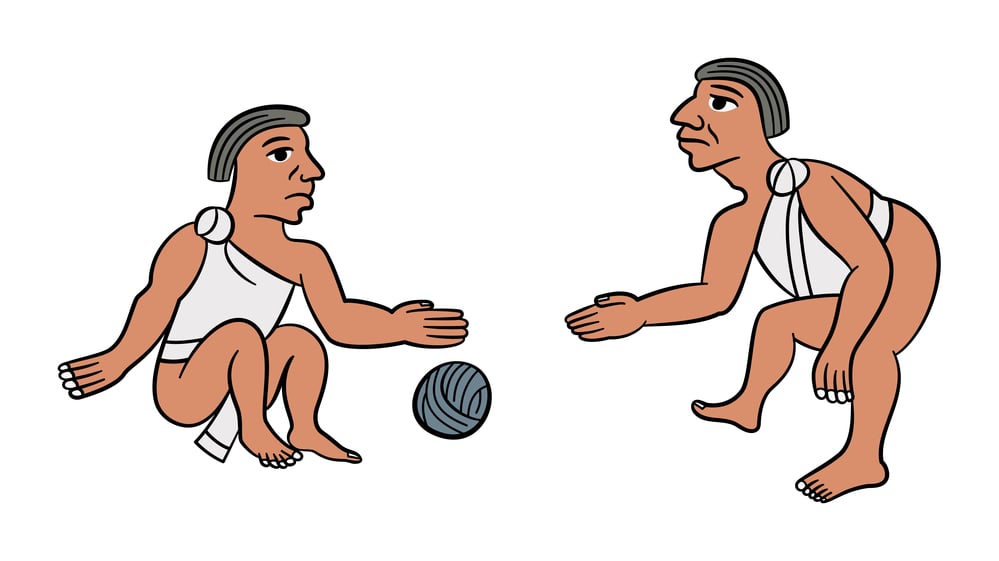
The Florentine Codex Franciscan friar Bernardino de Sahagún spent much of the sixteenth century in New Spain conducting systematic interviews with Aztec elders about their history, religion, customs, and daily life, producing a twelve-volume encyclopedia of Mexica culture — the Florentine Codex — in both Nahuatl and Spanish. The Spanish colonial authorities suppressed it.
The manuscript was sent to Florence, where it remained largely unavailable for centuries. Its eventual publication and translation in the twentieth century provided one of the most comprehensive accounts of pre-Columbian Mesoamerican culture in existence, assembled from indigenous voices within living memory of the conquest.
Mary, Queen of Scots’ Enciphered Letters
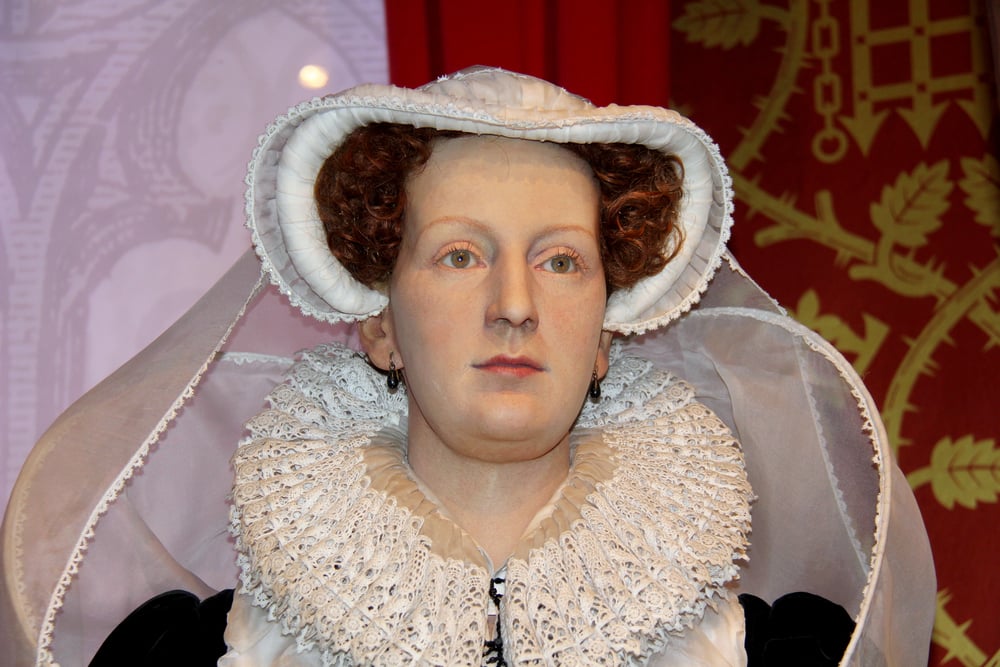
Mary, Queen of Scots’ Enciphered Letters Mary, Queen of Scots, conducted her correspondence during her imprisonment in England in cipher, sending encoded letters to potential allies including the 1586 Babington conspiracy. The Babington letters were intercepted and decoded by Sir Francis Walsingham’s intelligence network.
Modern scholars working with original manuscripts have recently decoded additional correspondence between Mary and her allies that was unknown to previous researchers, revealing the extent of her involvement in the political networks surrounding the plot. A discovery in 2023 of additional encoded Mary letters in French archives produced new information about the scope and participants of her communications network.
The Vinland Map
The Vinland Map A map purportedly dating to the 1440s and depicting a landmass in the North Atlantic labeled “Vinlanda Insula” surfaced at Yale University in 1965 and was claimed as evidence that Norse explorers had created a map of North America before Columbus. The map generated enormous scholarly interest and public attention.
Subsequent analysis of the ink — which contained a form of titanium dioxide not commercially produced until the twentieth century — suggested it was a forgery. A 2021 study by multispectral imaging found that the parchment itself is medieval but the ink is modern.
The map is now regarded by most specialists as a forgery on genuine medieval parchment.
Leonardo’s Hidden Notebooks
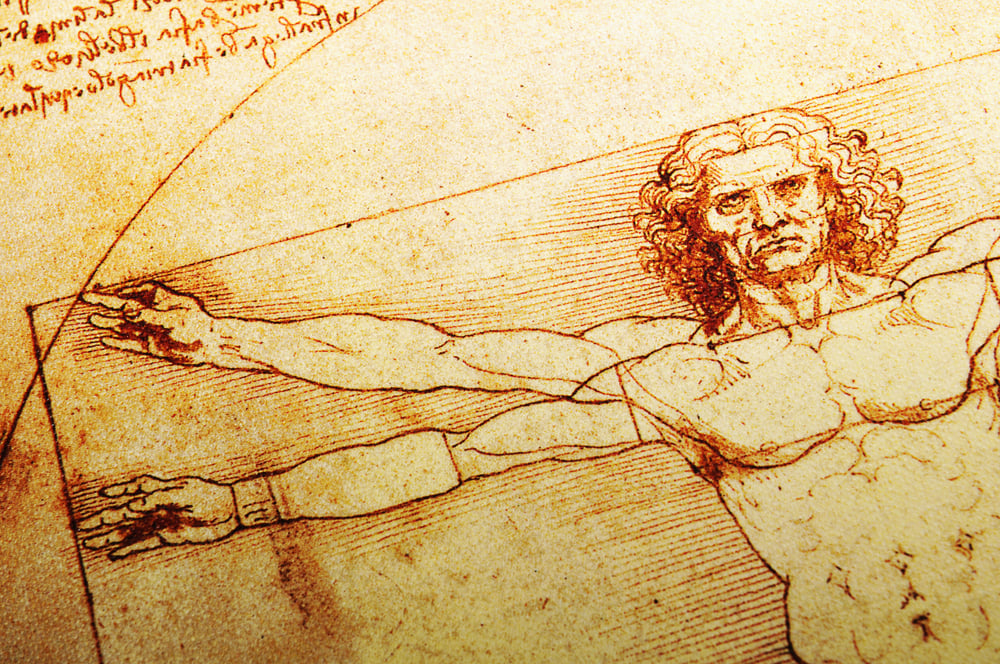
Leonardo’s Hidden Notebooks Leonardo da Vinci filled thousands of pages of notebooks during his lifetime — drawings, anatomical studies, engineering designs, mathematical observations, mirror-script text. After his death in 1519, the notebooks were dispersed across Europe through a series of sales and inheritances.
The largest surviving collection, the Codex Atlanticus, contains over 1,000 pages and is held at the Biblioteca Ambrosiana in Milan. Individual pages and fragments continue to surface in collections and auction houses.
Each new identification adds to the picture of Leonardo’s intellectual range, and the missing notebooks remain one of the most significant gaps in the documentary history of the Renaissance.
The Rohonc Codex
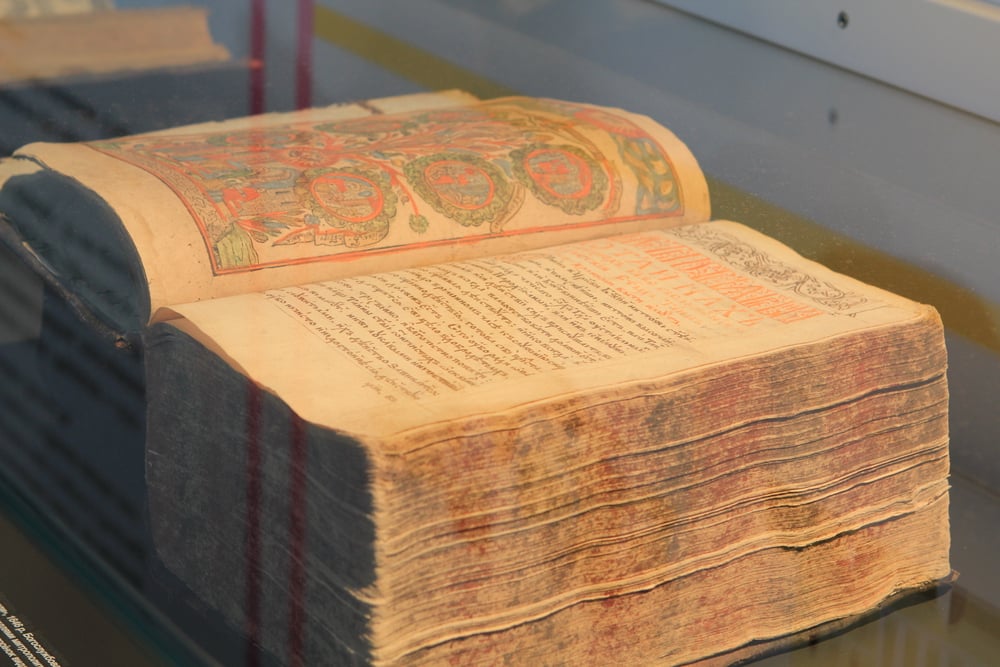
The Rohonc Codex The Rohonc Codex is an illustrated manuscript of unknown origin, written in an unknown script, with approximately 10 symbols per word and apparent representations of both Christian and pagan religious scenes. It was donated to the Hungarian Academy of Sciences in 1838 and has defied all attempts at decryption since.
Proposed origins have included a medieval Hungarian text, a Vlach or Romanian document, a hoax, and a personal cipher. No proposed decipherment has achieved academic consensus.
Like the Voynich Manuscript, it remains a document whose existence is verified but whose content is unknown.
The Shapira Manuscripts
The Shapira Manuscripts In 1883, an antiquities dealer named Moses Shapira presented British Museum scholars with what he claimed were strips of ancient leather bearing a variant version of the book of Deuteronomy. Initial reactions were positive, but Egyptologist Wallis Budge declared them forgeries, and the ensuing public humiliation caused Shapira to take his own life in a Rotterdam hotel room in 1884.
The leather strips subsequently disappeared; the last confirmed sighting was at a London auction in 1885. In 2021, a scholar named Idan Dershowitz published research arguing that the manuscripts may have been genuine — an ancient Hebrew text predating the canonical Deuteronomy — and that the forgery determination had been made hastily.
The question cannot be resolved because the original manuscripts have not been found.
The Paston Letters
The Paston Letters The Paston Letters are a collection of over a thousand letters written by and to a Norfolk family across the fifteenth century, documenting their disputes over land, marriage negotiations, business dealings, and daily domestic life during the Wars of the Roses. They were preserved by accident in the family’s papers, discovered in the eighteenth century, and eventually published in full in the nineteenth.
They are among the earliest substantial collection of private family correspondence in English — a direct window into the concerns and language of a specific, non-royal English family at a specific historical moment.
The Rediscovered German Science Archive (2022)

The Rediscovered German Science Archive (2022) In 2022, historian Theresa Levitt discovered at the Bibliothèque nationale de France a cache of documents produced during the French occupation of the Prussian Academy of Sciences in the Napoleonic era — administrative records, correspondence, and scientific papers that had been taken to Paris and never returned. The documents filled a specific gap in the institutional history of German science in the early nineteenth century.
The discovery was made in the process of cataloguing uncatalogued materials, a reminder that major archives still contain items whose existence is not known to researchers.
The Florentine History by Machiavelli
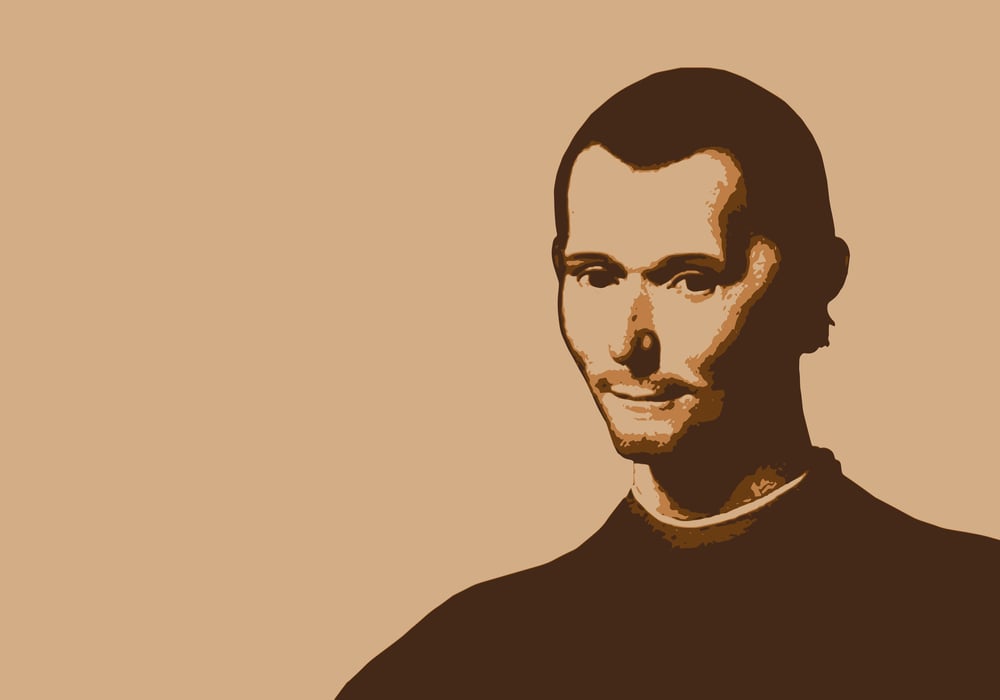
The Florentine History by Machiavelli Niccolo Machiavelli submitted the Florentine Histories to Pope Clement VII in 1525, but the version he presented may have been more diplomatically cautious than his draft. Scholars have argued that certain passages critical of the Medici were altered or omitted before the work was presented to a Medici pope.
The complete draft versions, if they survive, have not been identified in known archives. What Machiavelli actually wrote about the Medici in unguarded form may be different from what has been available to readers for five centuries.
When the Found Document Changes the Story

When the Found Document Changes the Story What all of these discoveries share is the disruption they caused to settled accounts. A document found in a library, a codex purchased at auction, a cipher cracked after a century of attempts — each one reopened a question that had appeared resolved, or opened a question nobody had known to ask.
The archives of the world still contain uncatalogued, unstudied, inaccessible materials. Languages remain undecoded.
Attics have not been fully searched. The next document that changes what everyone thought they knew may already be in a box somewhere, waiting for someone to open it.
More from Go2Tutors!

- The Romanov Crown Jewels and Their Tragic Fate
- 13 Historical Mysteries That Science Still Can’t Solve
- Famous Hoaxes That Fooled the World for Years
- 15 Child Stars with Tragic Adult Lives
- 16 Famous Jewelry Pieces in History
Like Go2Tutors’s content? Follow us on MSN.



