27 Animals That Behave Completely Differently in Captivity Than They Do in the Wild
Most people assume that an animal is just an animal — that a lion in a zoo is essentially the same creature as a lion on the savanna, just behind glass. That assumption falls apart the moment you look closely.
Remove the wild, and you remove the pressures, the rhythms, and the social structures that shape everything about how an animal moves, eats, breeds, and copes. What’s left can look startlingly different from the original.
Some of these changes are subtle — a shift in sleep pattern here, a flattened social hierarchy there. Others are dramatic enough to suggest the animal in front of you is playing a role it was never meant to play.
The science has a word for the worst of it: zoochosis. But the full picture is wider than that clinical term suggests.
Here are 27 animals whose behaviour shifts significantly — sometimes oddly, sometimes heartbreakingly — when the wild is taken away.
Orcas
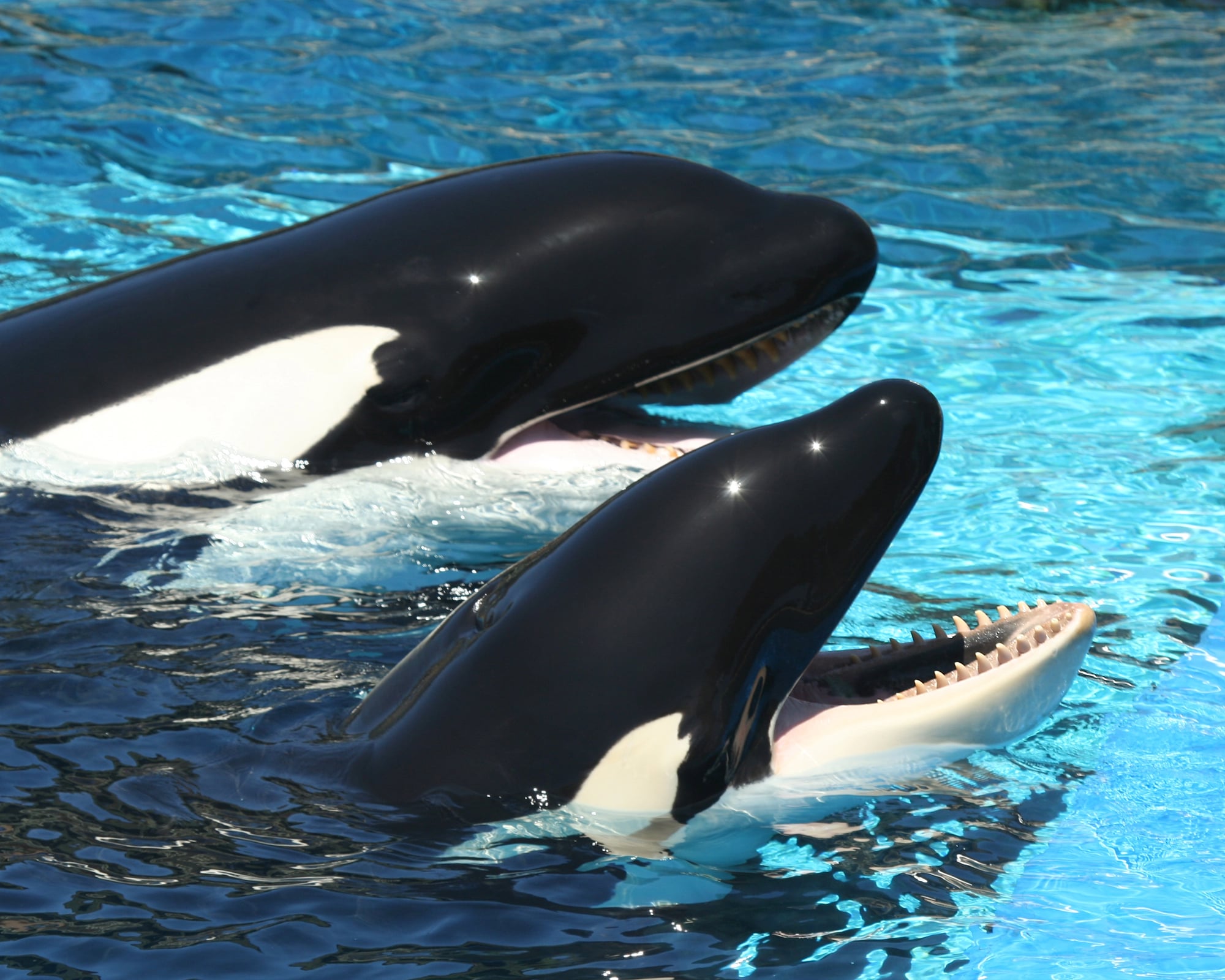
Wild orcas live in tight, multi-generational pods with their own distinct vocal dialects. Different pods from geographically distant regions have such different dialects that they functionally cannot communicate with each other — and yet marine parks regularly force orcas from incompatible pods to share small enclosures.
The result is chronic stress expressed through hyper-aggression: teeth-raking, ramming, and tail-slapping at frequencies far beyond anything seen in the wild. Captive male orcas also famously develop collapsed dorsal fins, a condition rarely observed in wild populations and now understood as a physical marker of psychological distress.
Elephants
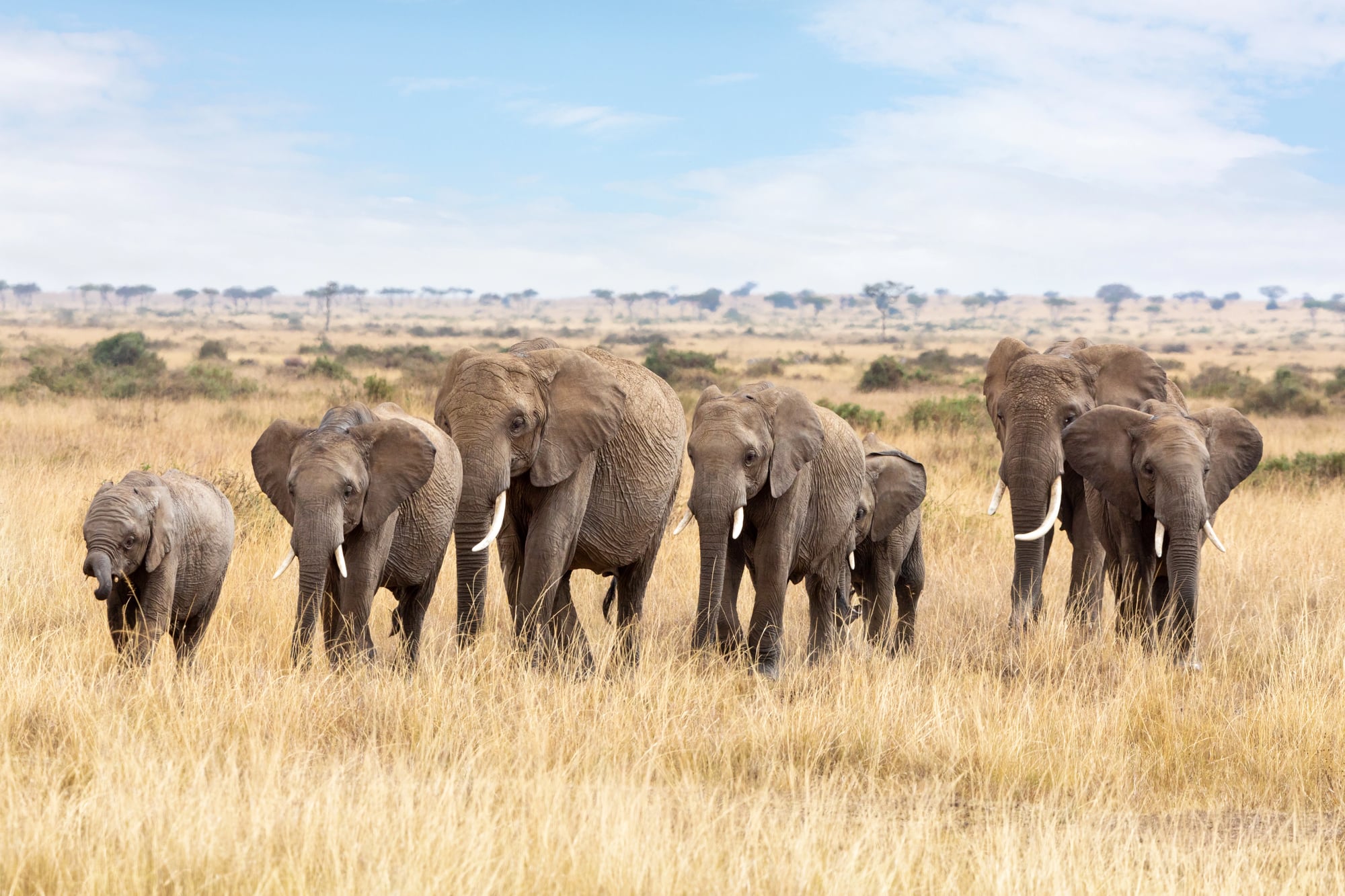
In the wild, elephants walk up to 30 miles a day across varied terrain and maintain intricate family bonds that can span decades. Captive elephants are deprived of both, and the behavioural consequences are well-documented: incessant swaying from side to side, rhythmic trunk movements, and repetitive head-bobbing — none of which appear in wild herds.
Aggression between captive elephants also runs far higher than in the wild. A survey of 35 zoos found that at least 28% of elephants had been injured by other elephants, a rate that dwarfs wild injury records.
Dolphins
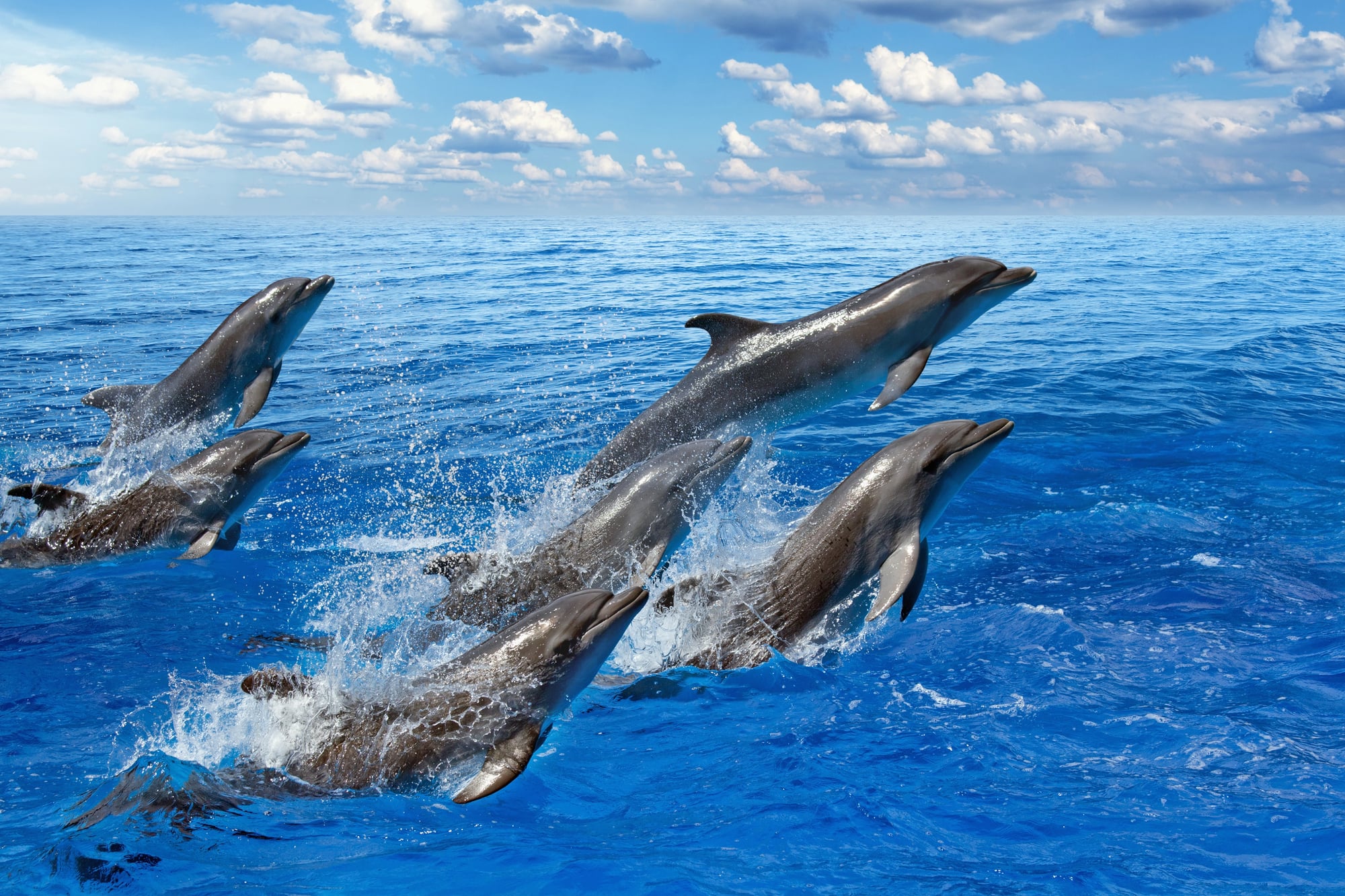
Wild dolphins spend roughly 80 to 90% of their time underwater, making choices about where to go, what to hunt, and who to socialise with. In captivity, that figure inverts almost entirely: captive dolphins spend approximately 80% of their time at the surface, waiting for trainers to arrive with food.
The range shrinks from open ocean to a pool that can be up to 200,000 times smaller than their natural habitat. The constant circling, repetitive jumping, and hyper-social fixation on trainers that captive dolphins display are not enrichment — they are what fills the void left by an erased life.
Great White Sharks
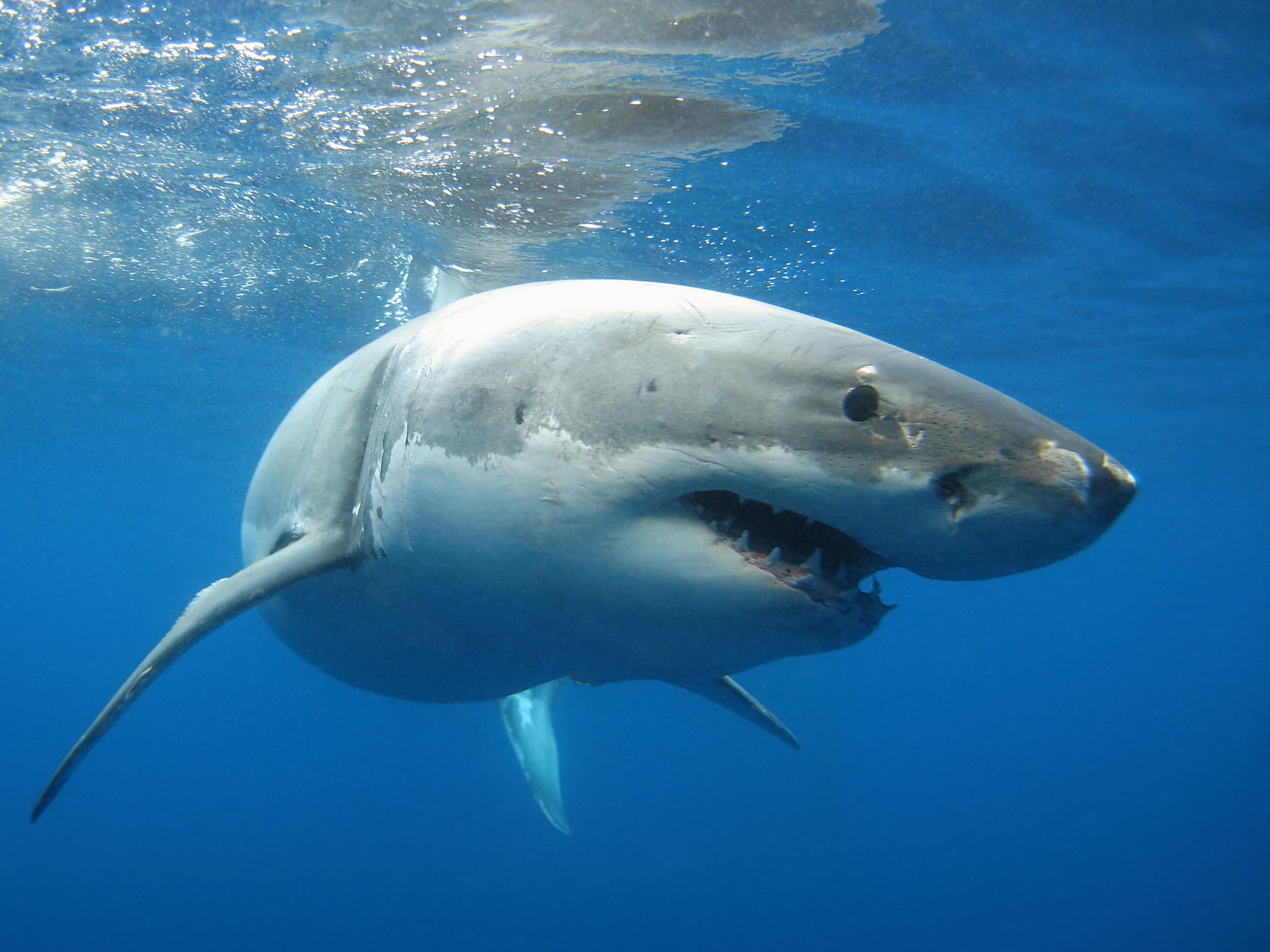
Great white sharks have never been kept successfully in long-term captivity. Every documented attempt has ended in the animal’s death, often within days.
In 1955, a great white at California’s Marineland of the Pacific died within 24 hours. At Japan’s Okinawa Churaumi Aquarium in 2016, one survived only three days.
Great whites rely on ram ventilation — they must keep swimming forward to force water over their gills — but the combination of tank walls, artificial light, and the absence of prey instincts causes them to crash into the glass, refuse food, and decline rapidly in ways that have no wild equivalent.
Wolves
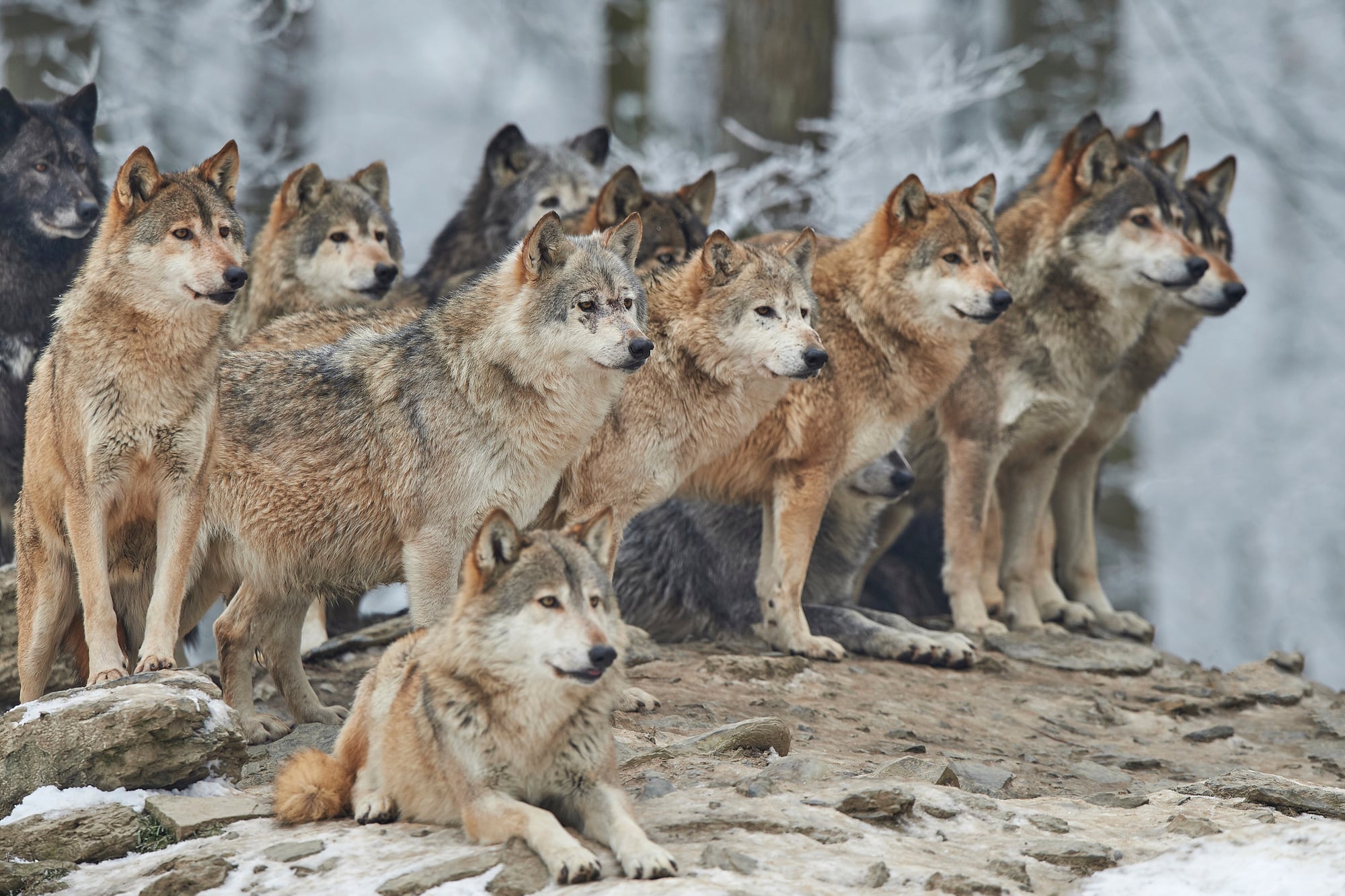
Wild wolves pace a territory of hundreds of square miles in coordinated social hunts. Captive wolves — even those in large enclosures — develop what behaviourists call locomotor stereotypy: repetitive pacing along exactly the same path, wearing visible grooves into the ground.
The path never changes, the movement has no destination, and the behaviour tends to intensify over time. What starts as restlessness crystallises into something closer to compulsion.
Big Cats (Tigers and Lions)
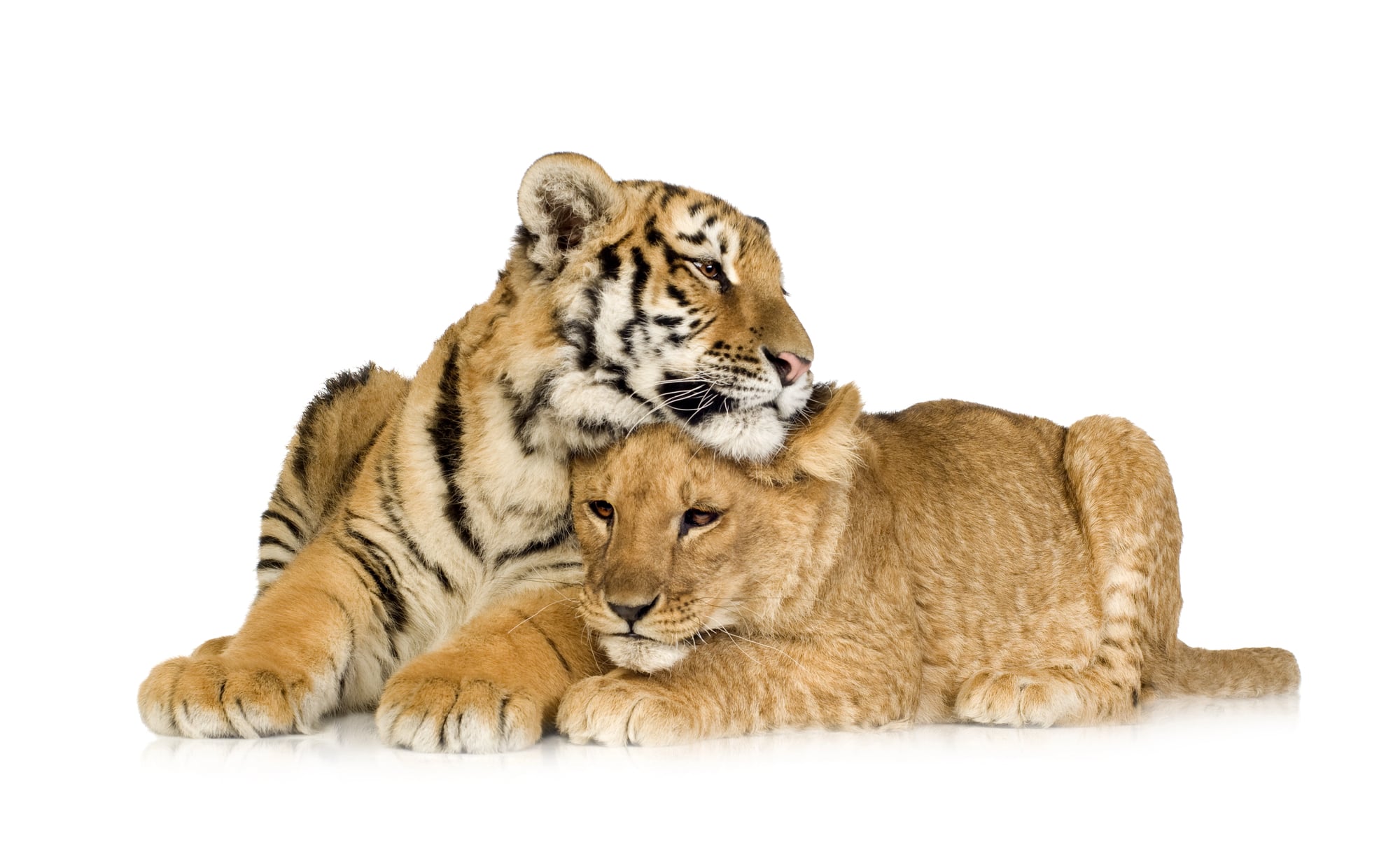
Wild tigers and lions spend much of their time in purposeful movement — patrolling, stalking, ambushing. In captivity, that same neurological drive for movement has nowhere to go.
Tigers in Indian zoo studies were observed pacing in arcs so consistent that specific paths were worn smooth, with time budgets showing the animals spending up to 30% of the day in repetitive locomotion with no apparent goal. Wild tigers almost never do this.
The pacing is not exercise; it is the brain doing what evolution built it to do, with the object of that drive entirely removed.
African Wild Dogs
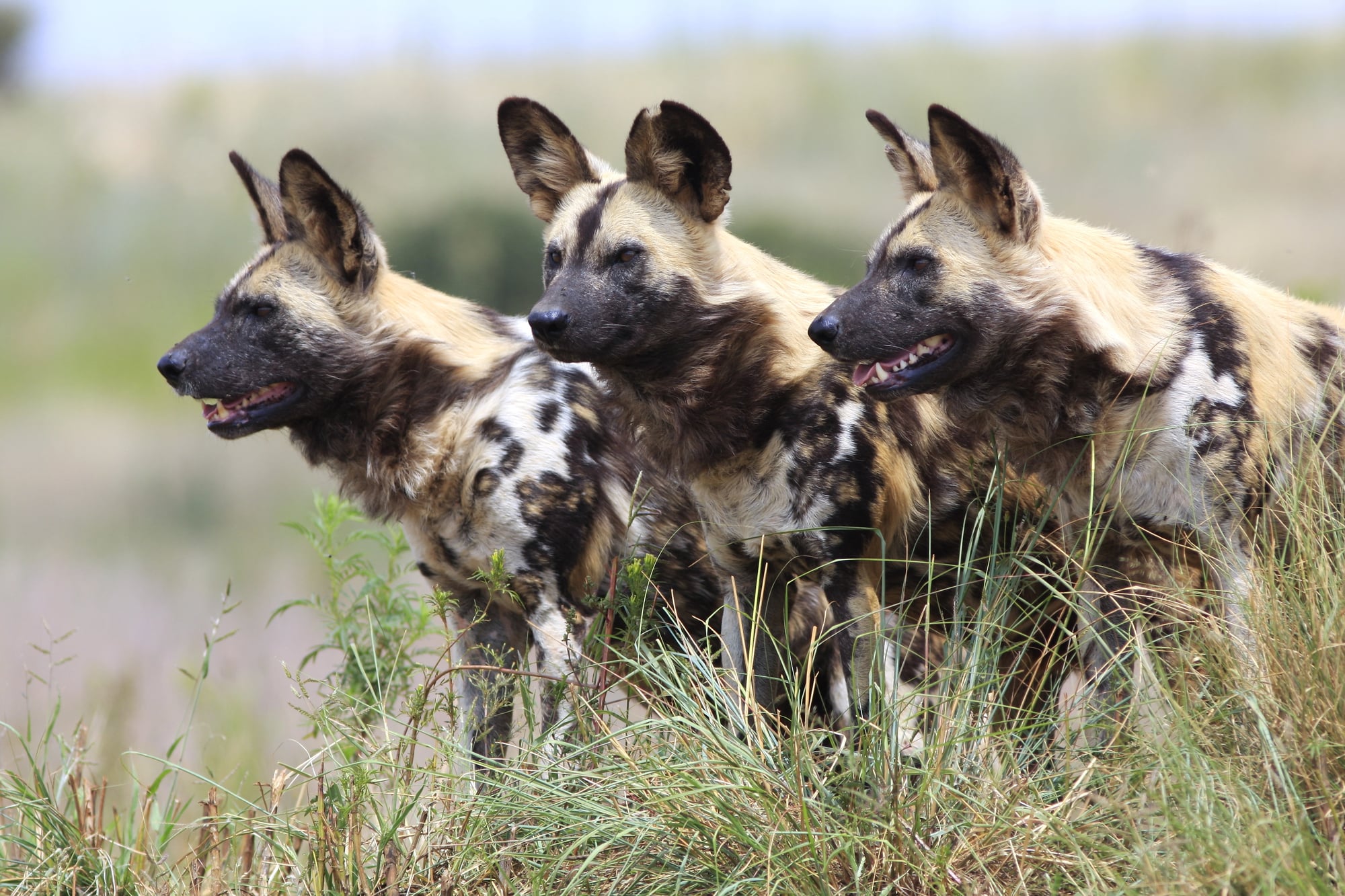
African wild dogs in the wild are among the most cooperative hunters on the planet, with packs using long-distance communication, democratic voting on decisions, and coordinated care of pups. Captive packs fracture.
Without the spatial range to sustain genuine pack dynamics, hierarchies collapse or become rigidly punitive. Animals that would normally split off and form their own groups instead remain in forced proximity, and the aggression that results looks nothing like wild pack behaviour.
Polar Bears
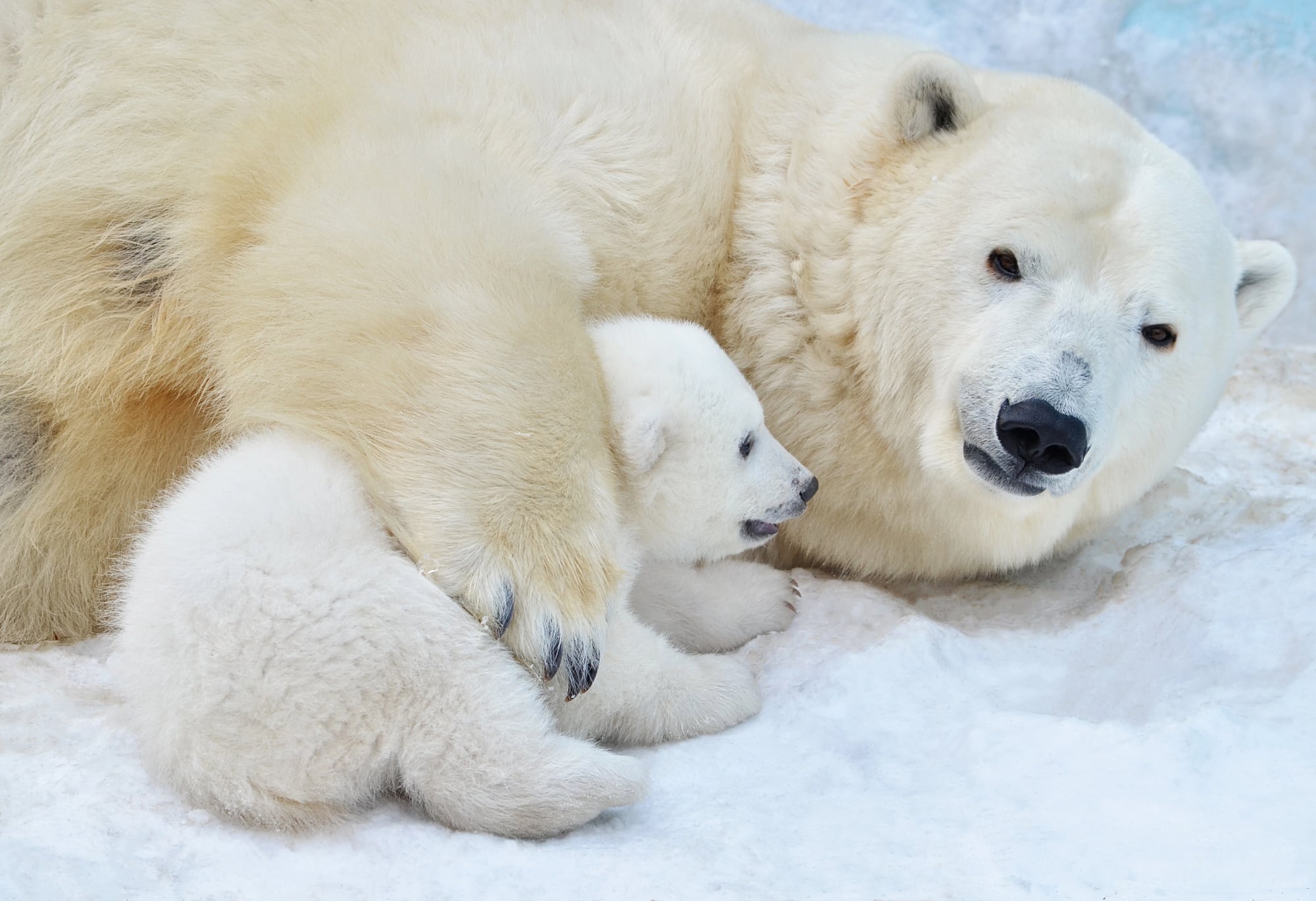
Polar bears in the wild range across thousands of kilometres of Arctic ice, and their brain is built for that scale of environment. In captivity, the behavioural expression of that wired-in need for range is arguably the most visible case of zoochosis in modern zoos: repetitive figure-eight swimming, head-swaying, and persistent pacing that can consume six to eight hours of a captive bear’s day.
Wild polar bears almost never display these behaviours. The condition is so consistent across captive individuals that it has become one of the defining examples in the scientific literature on captive animal welfare.
Chimpanzees
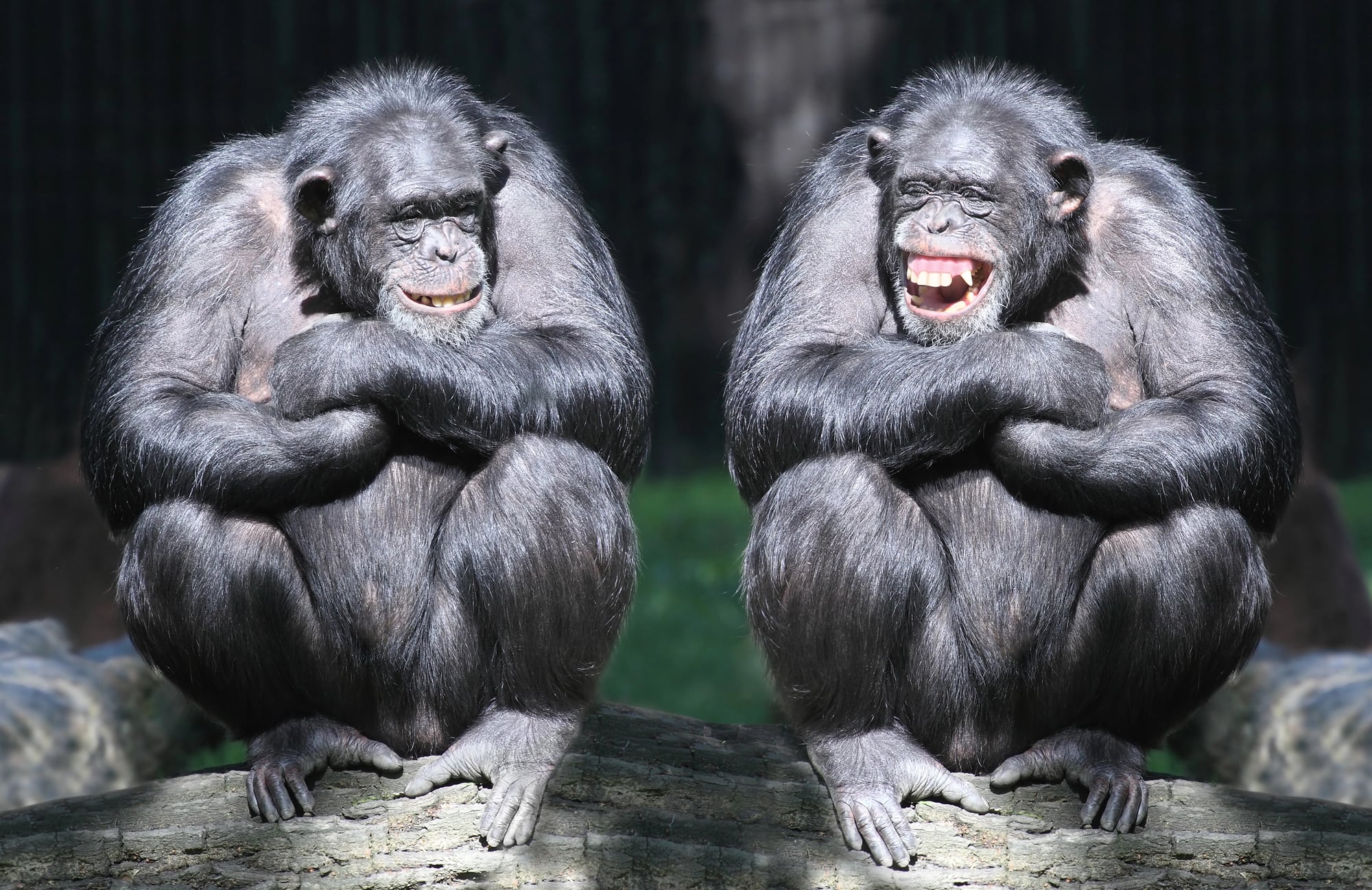
Wild chimpanzees live in fission-fusion societies — large communities that split into smaller sub-groups and reunite fluidly across wide forest ranges. Captive groups are fixed in membership and space, and the results include heightened agonistic behaviour, chronic tension, and what researchers describe as an overall increase in inactivity that correlates with visitor density.
Captive chimps also frequently develop abnormal grooming patterns — over-grooming themselves to the point of hair loss — a behaviour that is essentially absent from wild populations.
Parrots
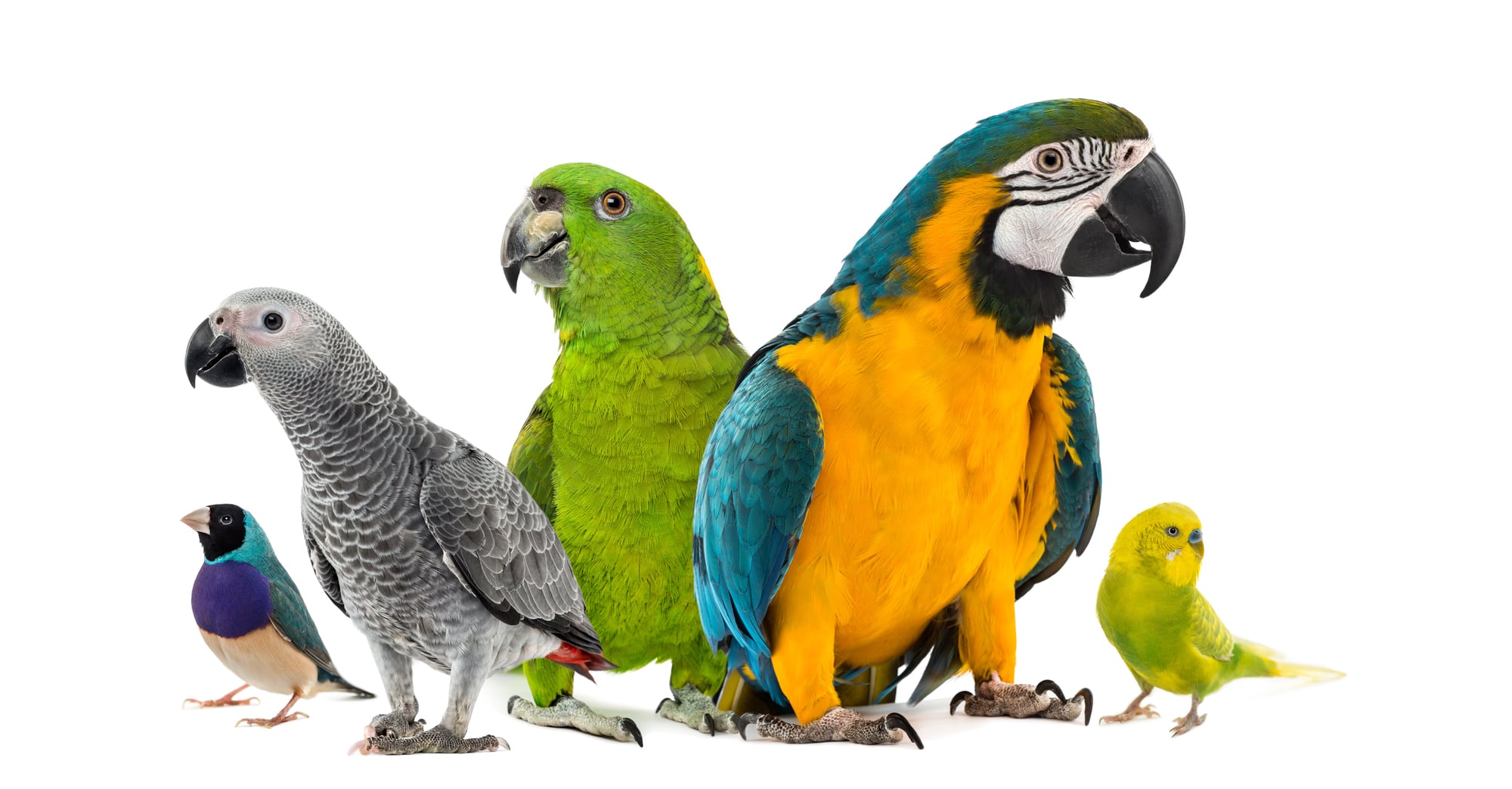
Among all the animals studied in zoo settings, parrots — specifically the order Psittaciformes — show the largest gap between wild and captive behavioural profiles. In the wild, parrots are cognitively and socially complex birds that range widely, forage inventively, and engage in sustained social bonds.
In captivity, that cognitive capacity turns inward. Feather-plucking, repetitive vocalisation, stereotyped swinging, and self-mutilation are common.
A 2025 review in Frontiers in Ethology found that the difference in abnormal versus agonistic behaviours between wild and captive parrots was the most extreme of any taxonomic order examined.
Flamingos
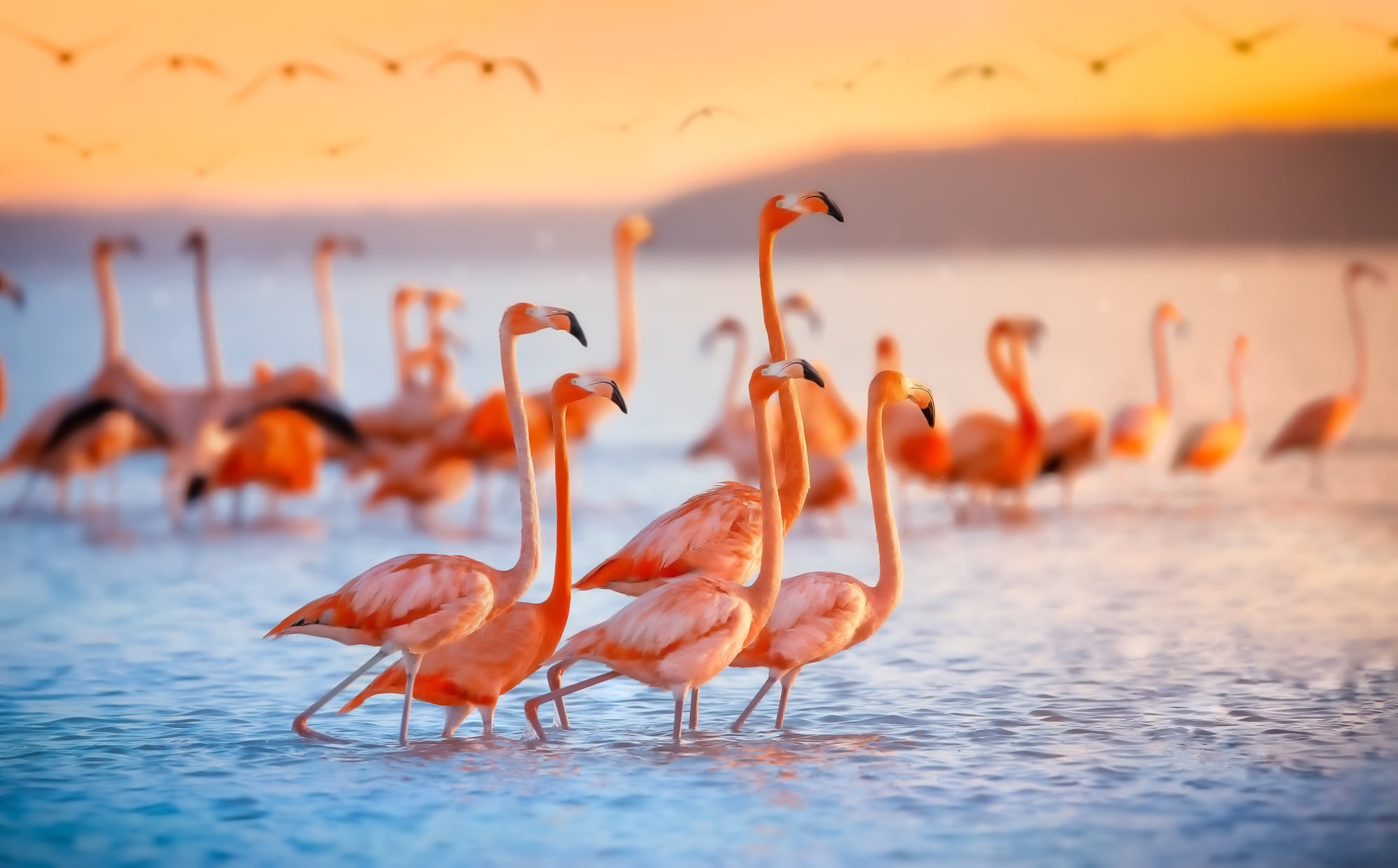
Wild flamingos are primarily nocturnal foragers, most active after dark when they wade and filter-feed across wide shallow lakes. Captive flamingos, research from the University of Exeter found, retain this nocturnal instinct — they do more foraging and roam more widely in their enclosure at night than during the day.
The surprising part is that zoo staff rarely observe this because it happens after closing time. What looks like a calm, passive bird during visiting hours is an animal following a deeply embedded rhythm that simply plays out in the dark.
House Sparrows
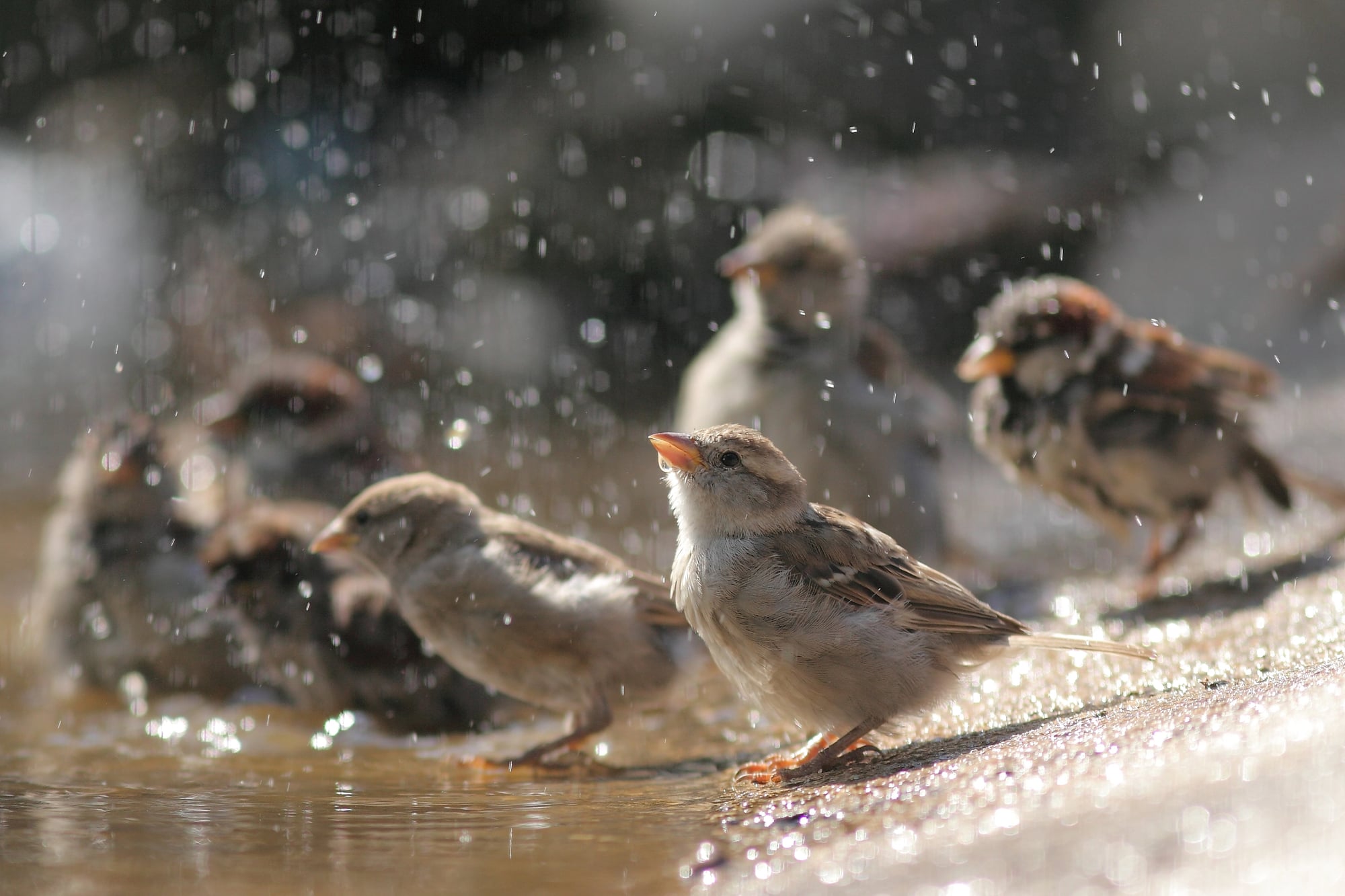
Few animals seem more adaptable than the house sparrow, but captivity still leaves a mark. Research found that male sparrows held in captivity for as little as three months showed reduced sperm production, decreased testes size, and a shift in beak colour from the black breeding plumage to the brownish winter colouring — reversing a seasonal change that would never occur at that time in wild individuals.
Captivity was effectively overriding their reproductive calendar.
Bears (Brown and Black)
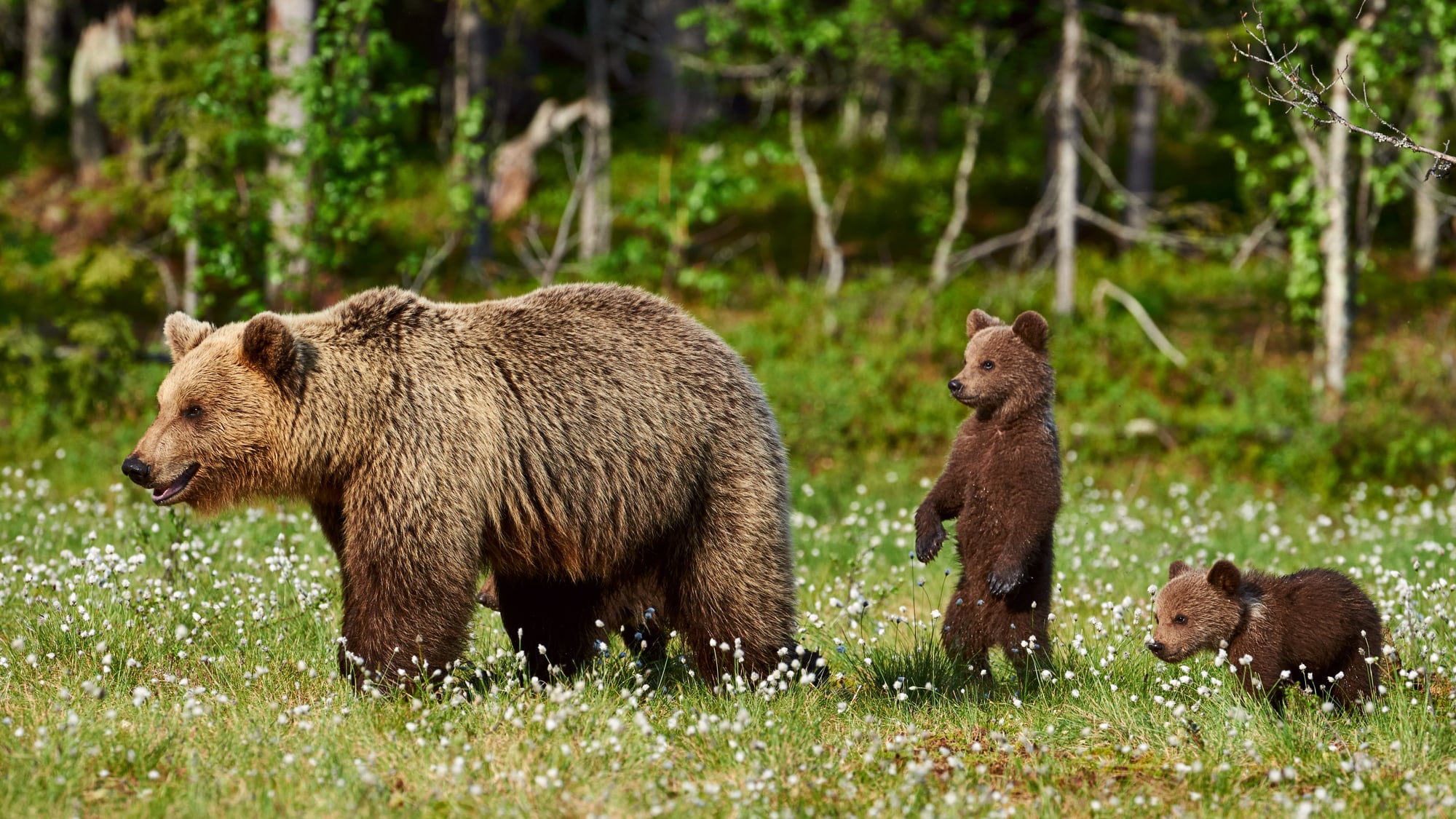
Brown and black bears in captivity are among the most commonly observed pacers in zoo populations, but they also display a distinctive behaviour rarely seen in the wild: a kind of vacant, repetitive head-swaying that keepers sometimes describe as hypnotic.
Wild bears have a rich seasonal rhythm — preparation for hibernation, active foraging summers, spring emergence — and captive bears whose enclosures don’t allow for the full expression of that rhythm often substitute the head-swaying as a displacement activity.
It looks meditative. It is not.
Giraffes
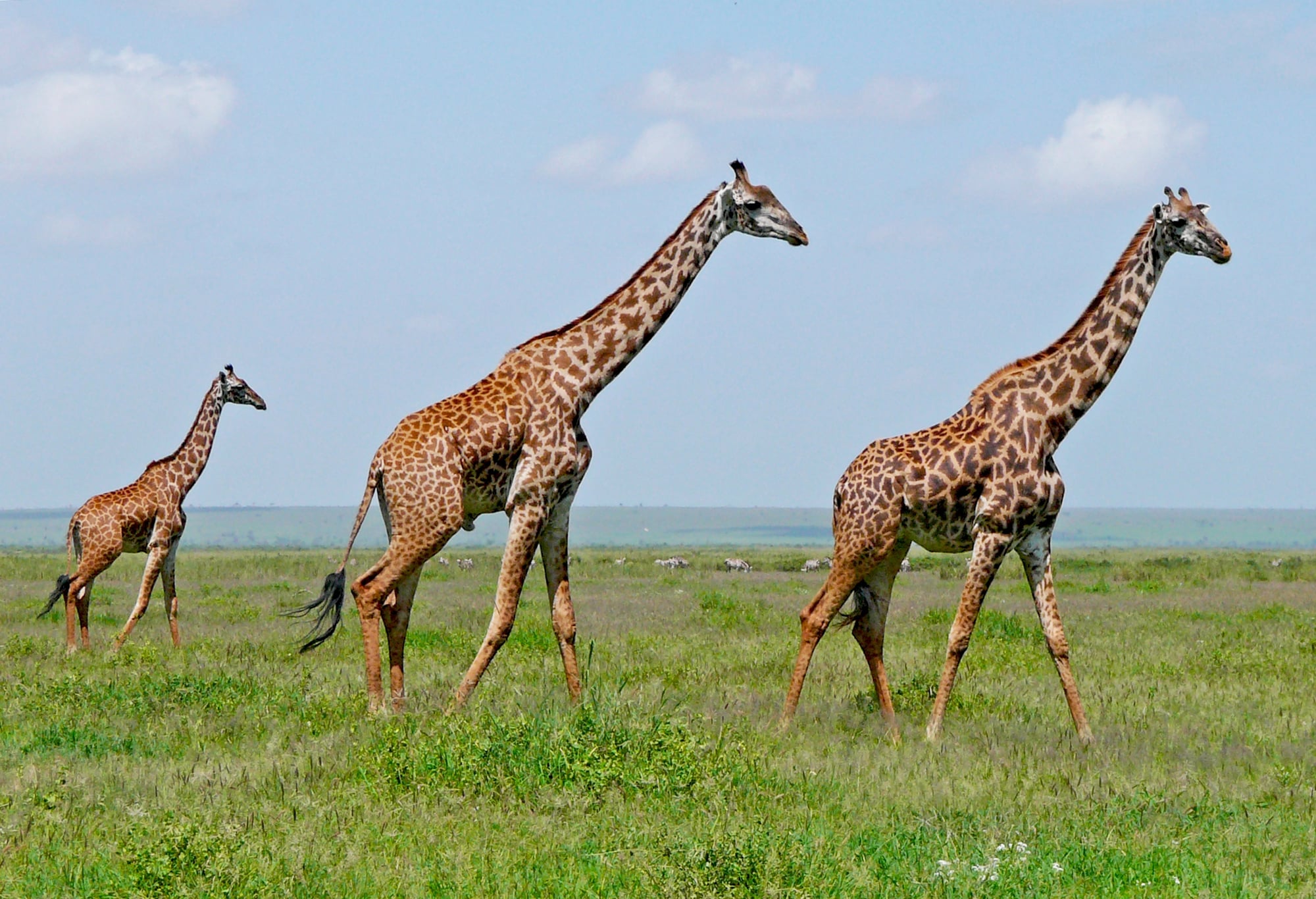
Wild giraffes spend up to 16 hours a day browsing over large ranges, using their long necks to access food at heights other animals cannot reach. Captive giraffes, particularly in older zoo designs, frequently develop tongue-playing — an obsessive licking of walls, bars, and gates that has no wild equivalent.
The behaviour is so consistent across facilities that it has become a diagnostic marker for insufficient environmental enrichment. Giraffes are also unusually sensitive to noise; construction sounds at zoo facilities have been documented triggering extended vigilance behaviours and abnormal neck movements not seen in wild individuals.
European Starlings
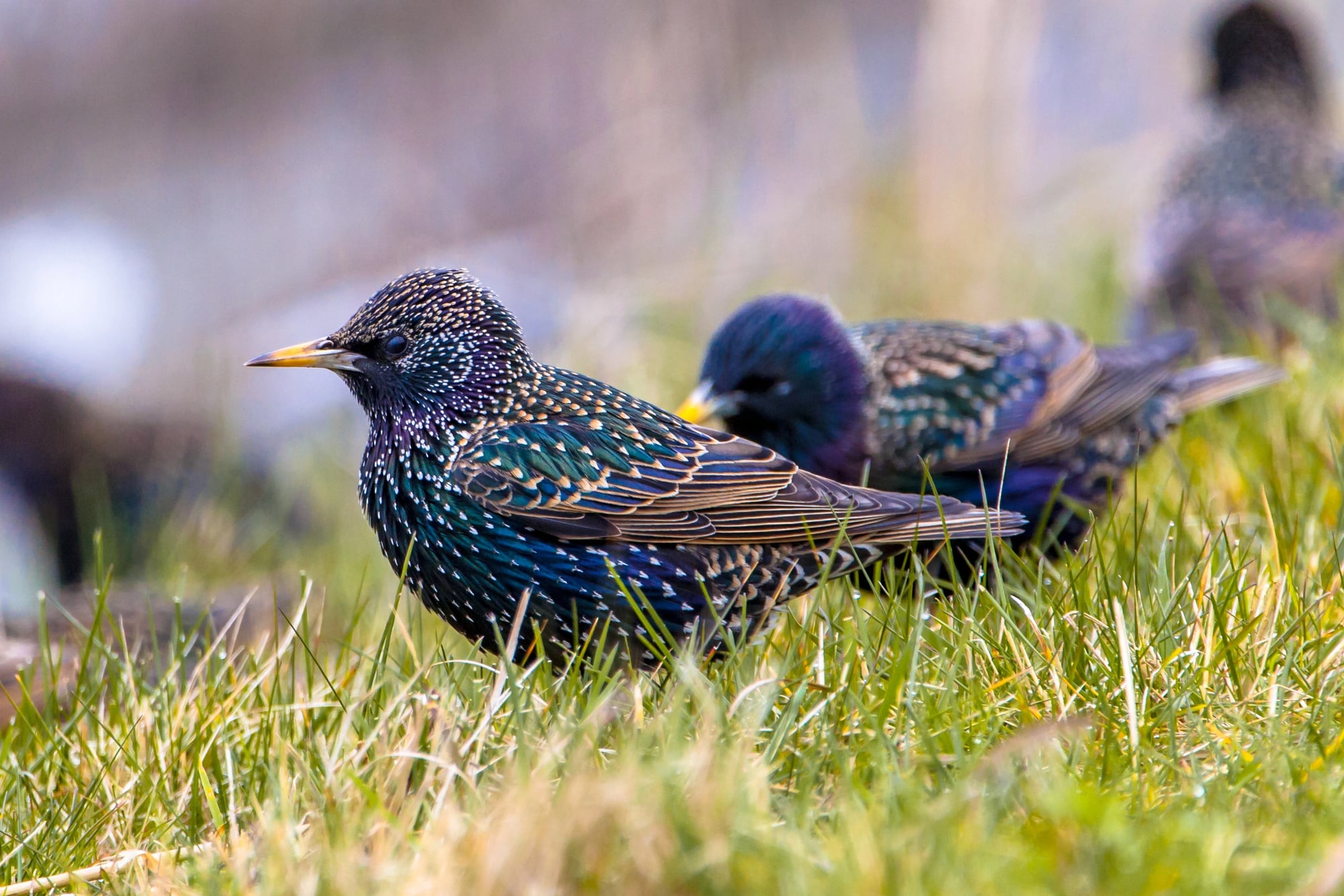
Wild European starlings are stress-responsive birds whose cortisol levels spike sharply when they encounter threats. Interestingly, captive starlings show the opposite pattern: experimentally induced chronic stress caused detectable changes in stress hormones in free-living starlings but produced almost no measurable response in captive ones.
The captive birds appear to have recalibrated their entire stress system, dampening a response that would be essential for survival in the wild.
Sea Otters
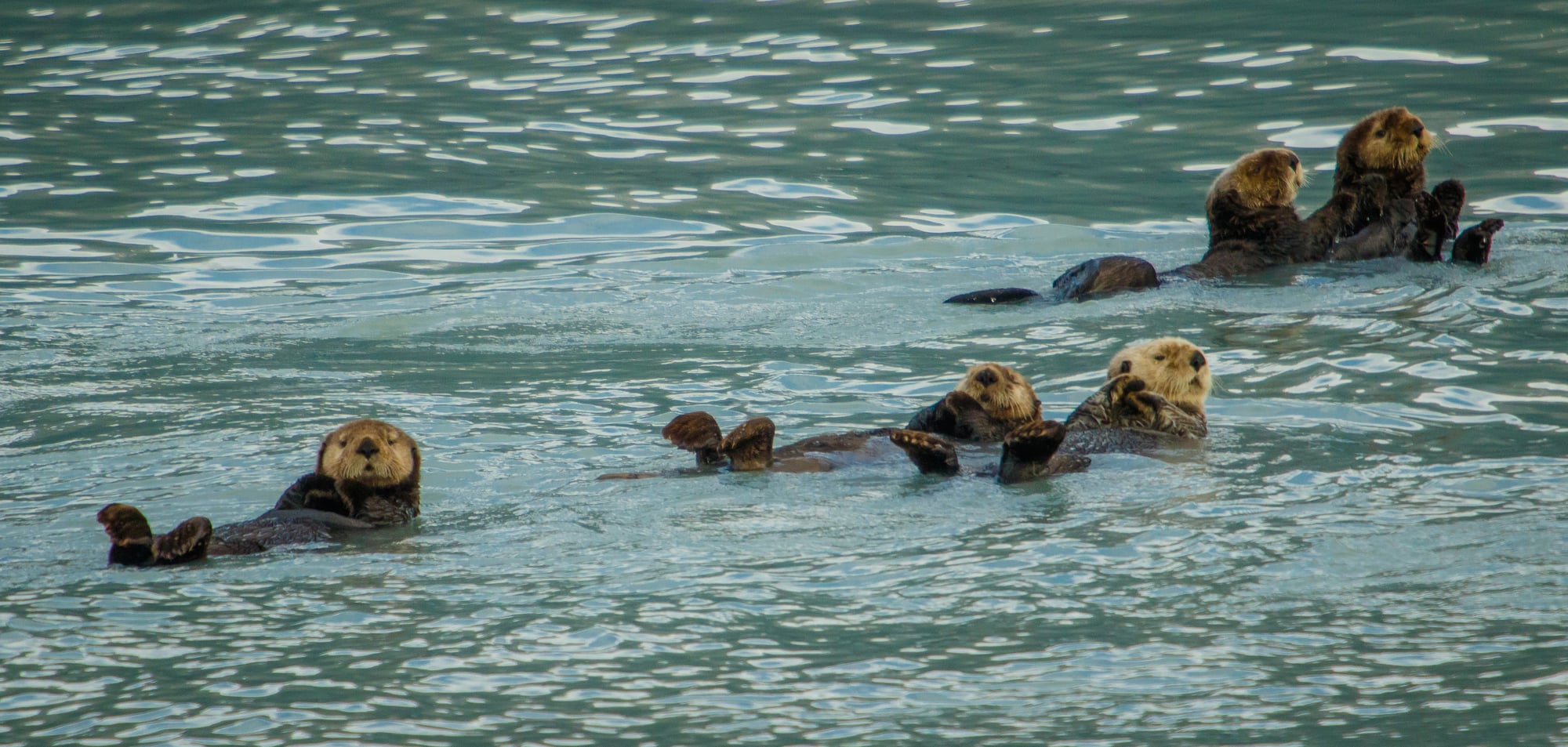
Sea otters in the wild spend large portions of their day diving, foraging, and using rocks and other tools to crack open shellfish — behaviours that require both physical range and cognitive engagement. Captive sea otters frequently develop what researchers describe as hyper-stereotyped foraging movements: repetitive scratching, rubbing, and object manipulation that mimics foraging but achieves nothing.
Studies also found that environmental contaminants had notably different effects on wild versus captive sea otters, suggesting their physiology shifts significantly under captive conditions.
Geladas
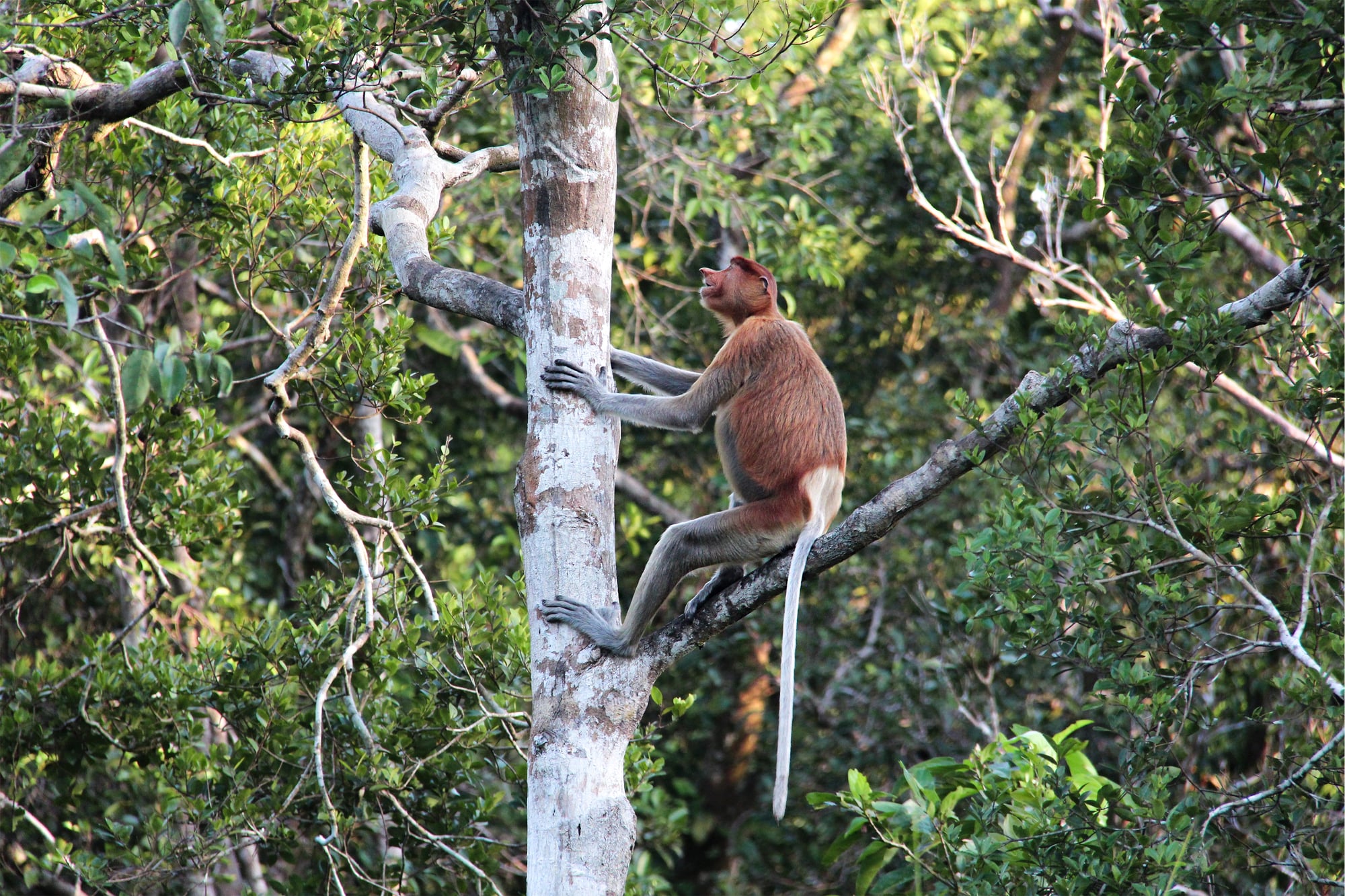
Geladas are cliff-dwelling primates from Ethiopia whose wild social structure is extraordinarily complex, built around reproductive units, all-male groups, and large bands. Captive geladas, studied across both zoo and field settings, show measurably different responses to novel objects — they approach and investigate things in ways that wild individuals don’t.
Researchers interpret this not as the captive animals being bolder, but as evidence that the wild animals’ caution is shaped by actual predation risk that simply doesn’t exist in an enclosure. Remove the danger, and the exploration behaviour changes entirely.
Komodo Dragons
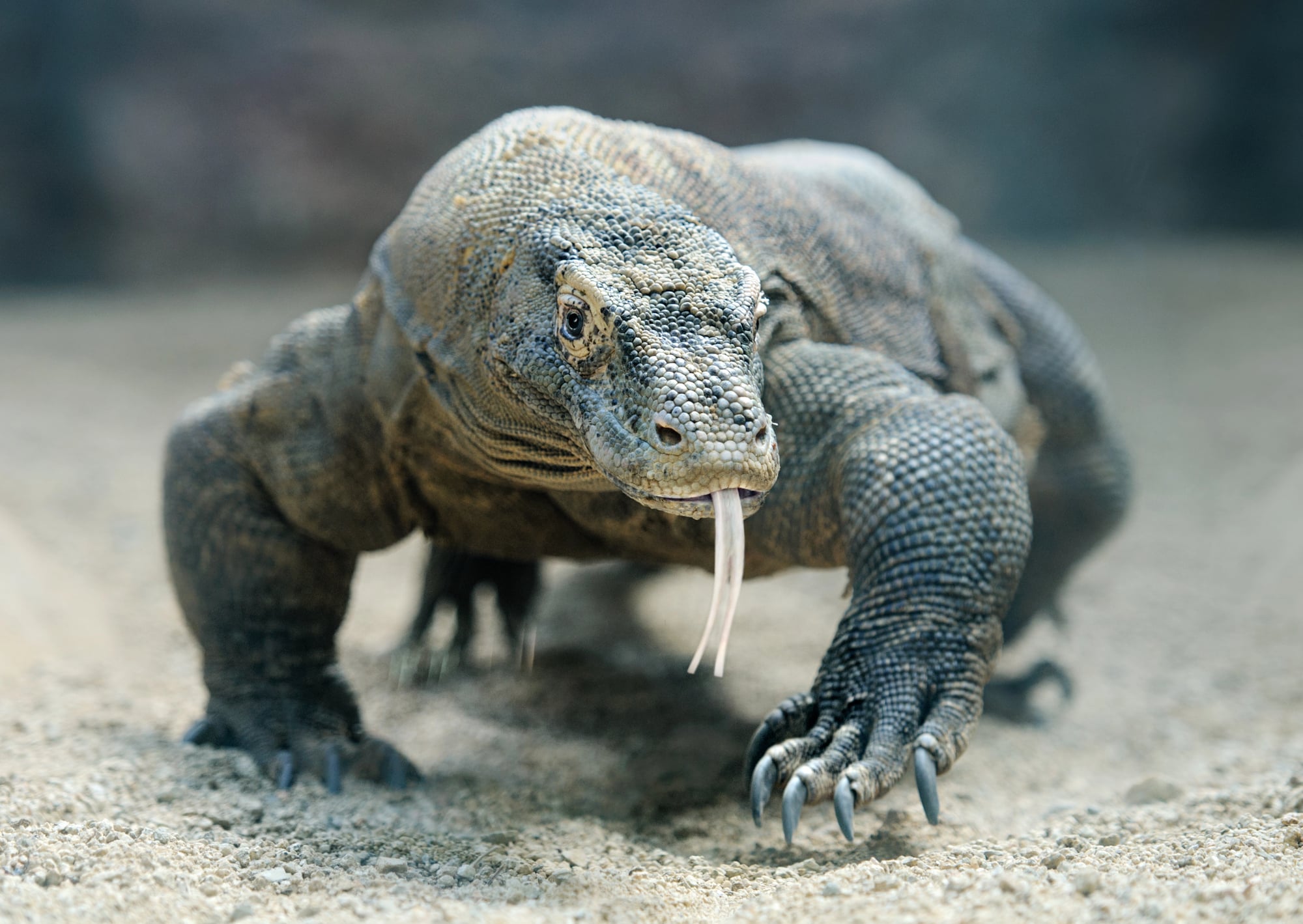
Wild Komodo dragons are solitary, wide-ranging hunters that use their forked tongues to track prey across large island territories. Captive dragons lose access to that prey instinct entirely.
The result is a kind of metabolic and behavioural flattening — less tongue-flicking, less investigation of the environment, and a tendency to become passive in ways that wild individuals never are. Zoos with good enrichment programmes can partially offset this, but the baseline behaviour of a captive Komodo is recognisably different from its island counterpart.
Red Pandas
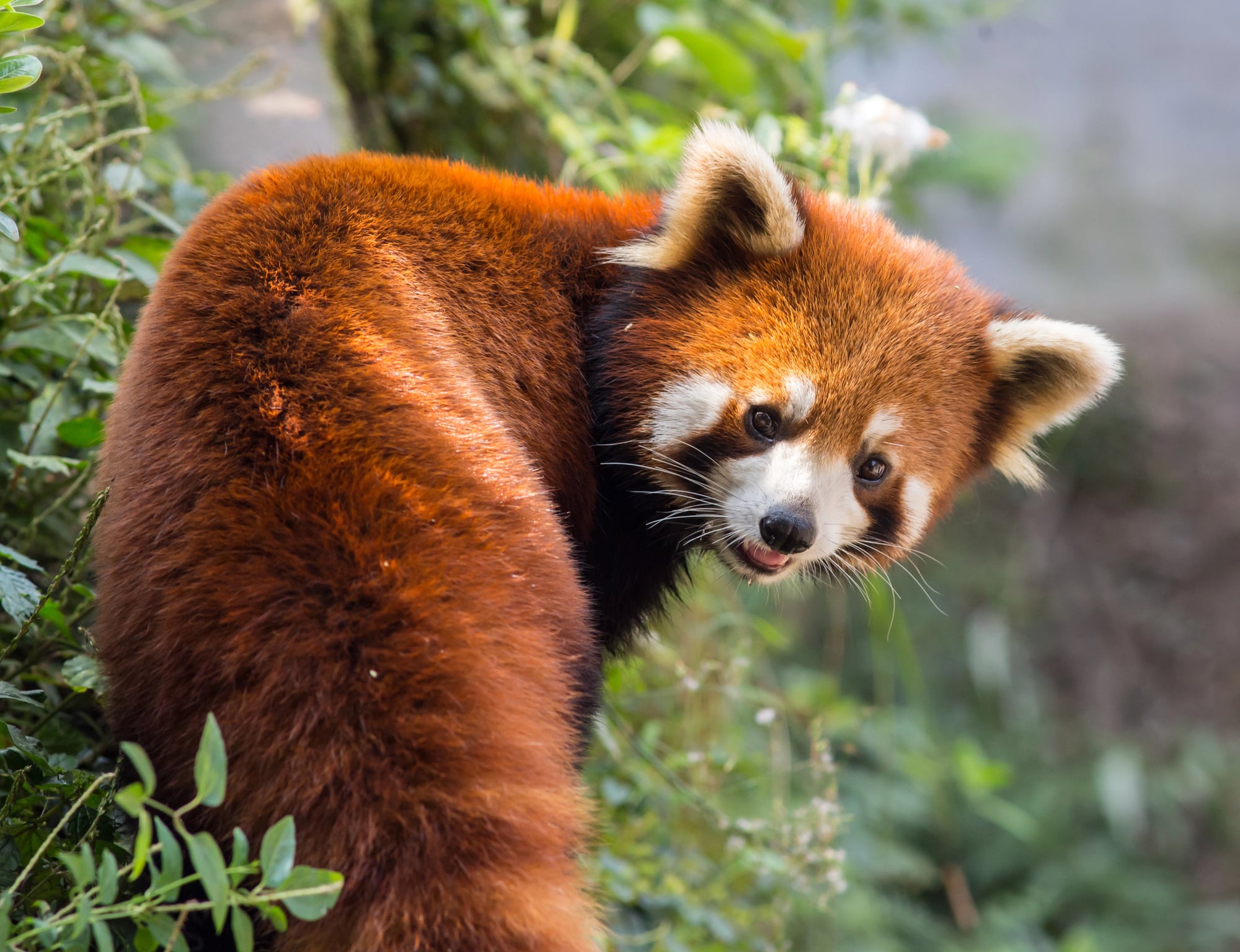
Red pandas in the wild are solitary, crepuscular animals with clearly defined territories and a diet almost exclusively composed of bamboo. Captive red pandas often become unusually social with humans, seeking contact in ways that have no wild precedent.
They also develop food preferences that deviate sharply from their specialised wild diet and display a higher level of general activity during daytime hours — the opposite of their naturally crepuscular pattern. Enrichment studies suggest their activity budgets can be partially normalised, but the baseline behavioural profile remains distinct.
Gorillas
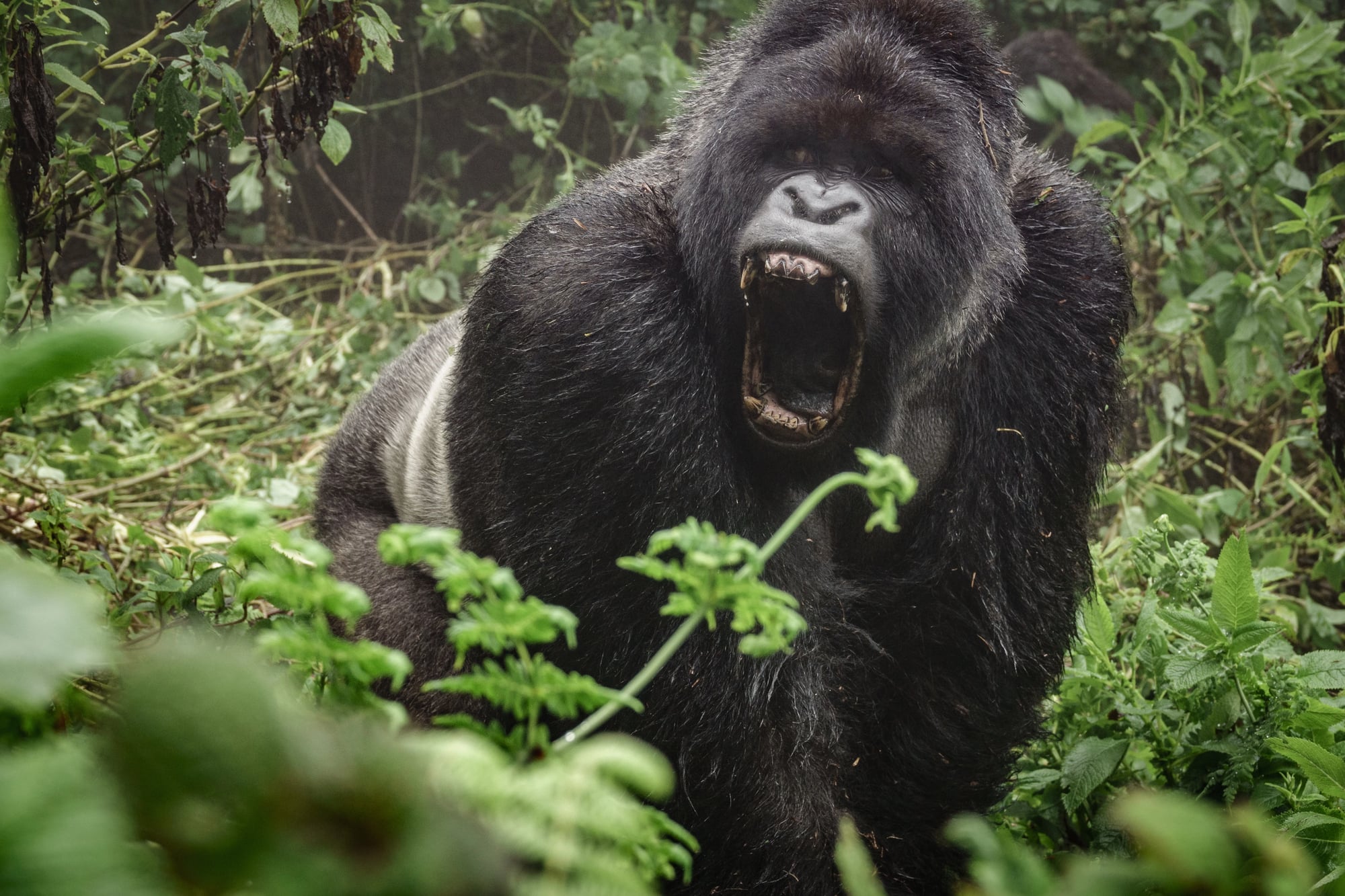
Wild male gorillas — silverbacks — lead stable groups through displays, posture, and occasional physical intervention, but actual violence is rare. Captive gorilla groups show significantly higher rates of aggression, particularly in facilities where the group composition doesn’t allow for natural social spacing.
Captive gorillas also show higher rates of regurgitation and reingestion — swallowing food and then bringing it back up — a behaviour that is essentially absent in the wild and is now understood as a compulsive response to the monotony of captive feeding routines.
Snow Leopards
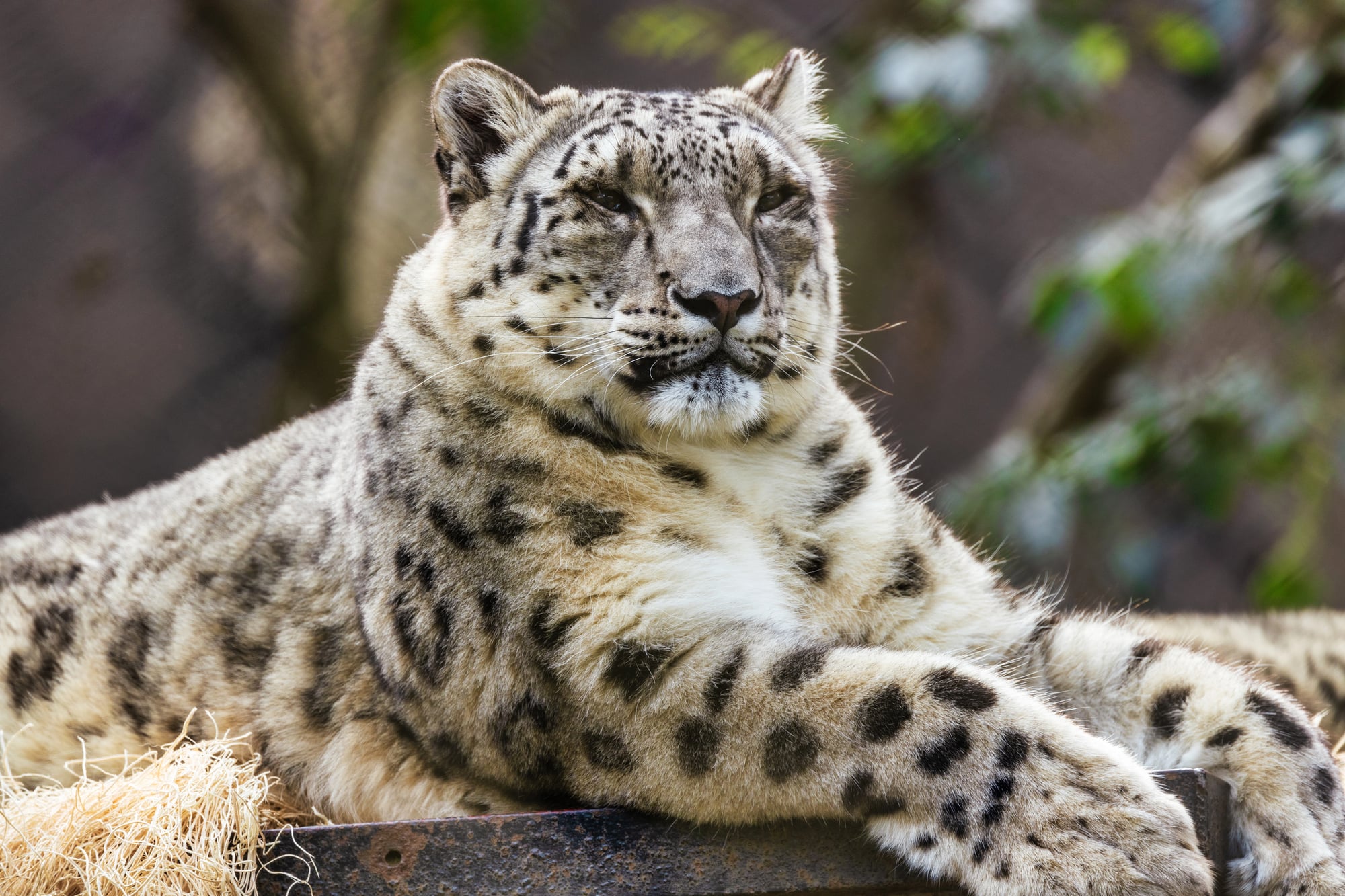
Snow leopards in the wild are among the most elusive large cats on the planet, capable of covering vast distances across high-altitude terrain. In captivity, their elusiveness becomes anxiety.
Snow leopards pace more than almost any other captive big cat, and they are particularly reactive to visitor presence — their vigilance and stress responses spike in ways that tigers and lions, which evolved alongside human settlements for far longer, typically don’t. Their wild isolation appears to have left them poorly equipped for the noise and proximity of zoo environments.
Meerkats
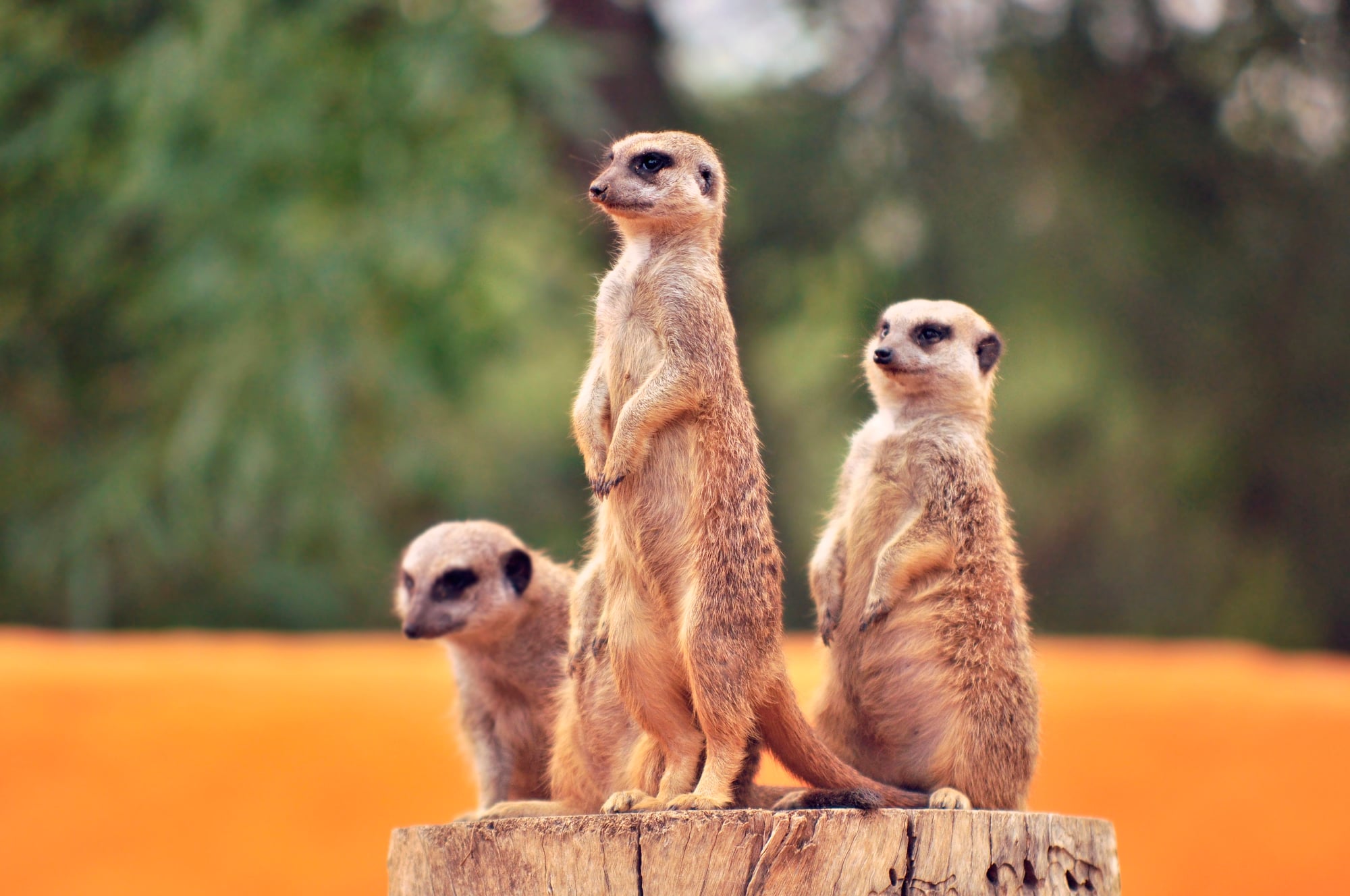
Wild meerkats operate in highly cooperative groups with sentinel duty, pup care shared across the group, and foraging expeditions that cover considerable ground. Captive meerkats typically retain some of their cooperative behaviours better than many species — they’re cognitively flexible enough to adapt.
But their sentinel behaviour becomes dysregulated: without genuine predators to scan for, captive meerkats either over-sentinel (standing guard constantly at nothing) or stop entirely. The absence of real stakes removes the signal from the behaviour.
Hippopotamuses
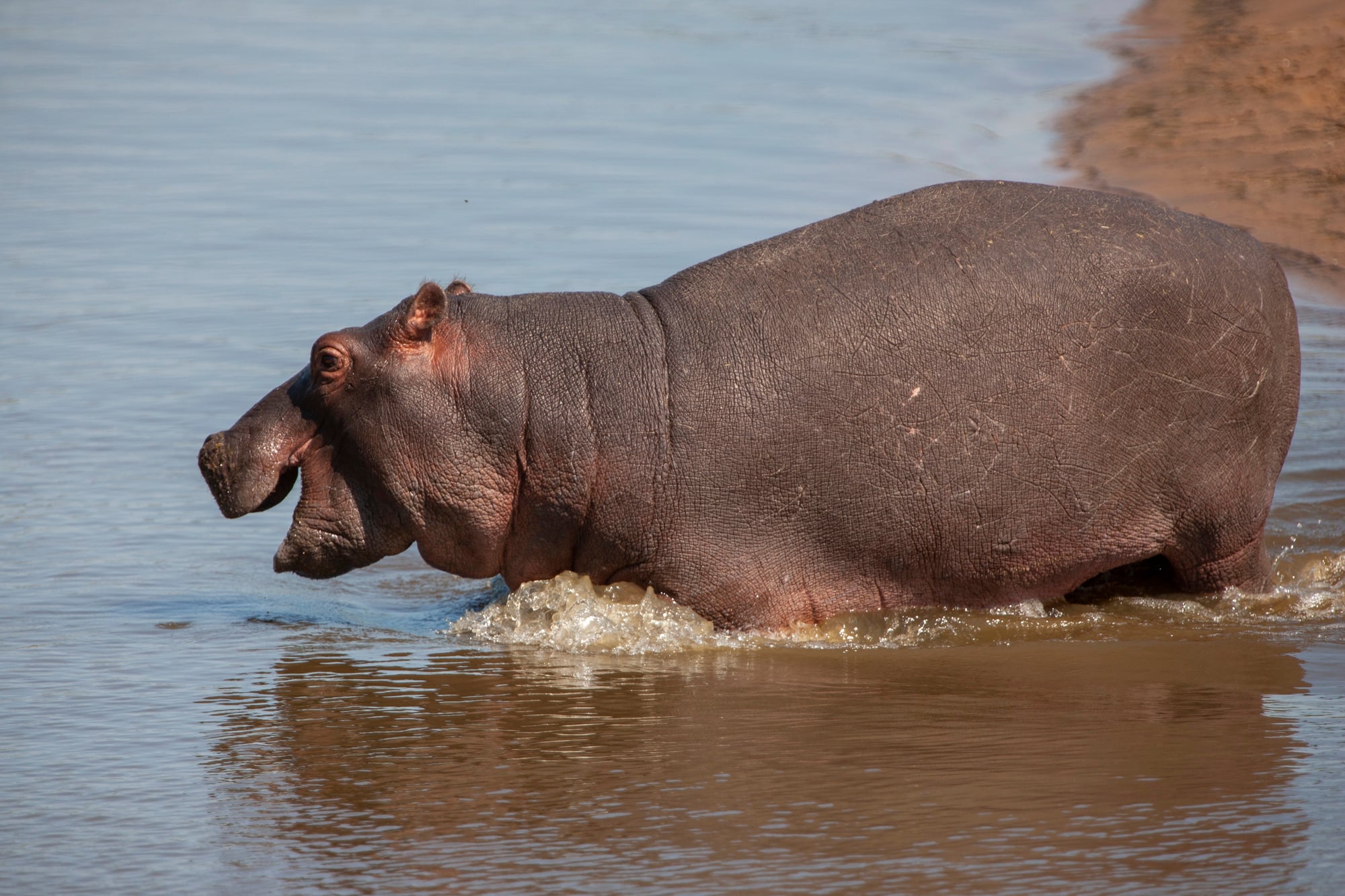
Wild hippos spend their days largely submerged and emerge at night to graze across several kilometres of riverbank. Captive hippos, confined to shallow pools with food delivered directly, invert this rhythm: they become more active during the day (when keepers and visitors are present) and less active at night.
Their grazing range collapses from several kilometres to whatever their enclosure allows, and the psychological consequence is one of the more overlooked welfare concerns in large mammal captivity. Captive hippos also show higher rates of inter-individual aggression than wild populations.
Macaws
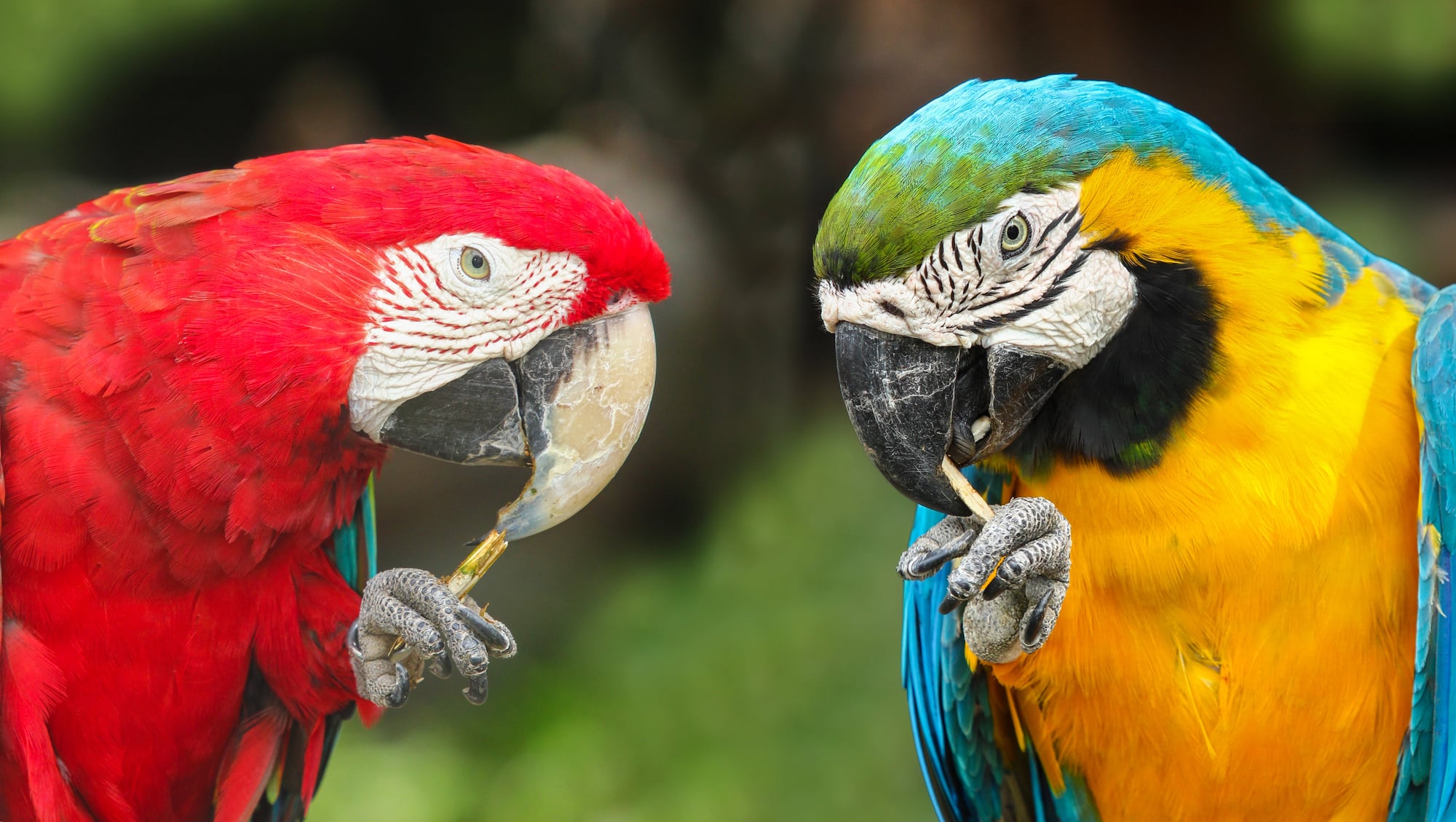
Wild macaws are long-distance fliers that form lasting pair bonds and navigate complex forest environments. Captive macaws routinely develop feather destruction — pulling out their own feathers — at rates that are almost nonexistent in wild populations.
The behaviour is driven by a combination of cognitive under-stimulation and the social frustration of being separated from their bonded partner. Macaws that live with a companion show significantly lower rates of feather destruction than solitary-housed individuals, which says something clear about the cost of confinement.
Crocodiles
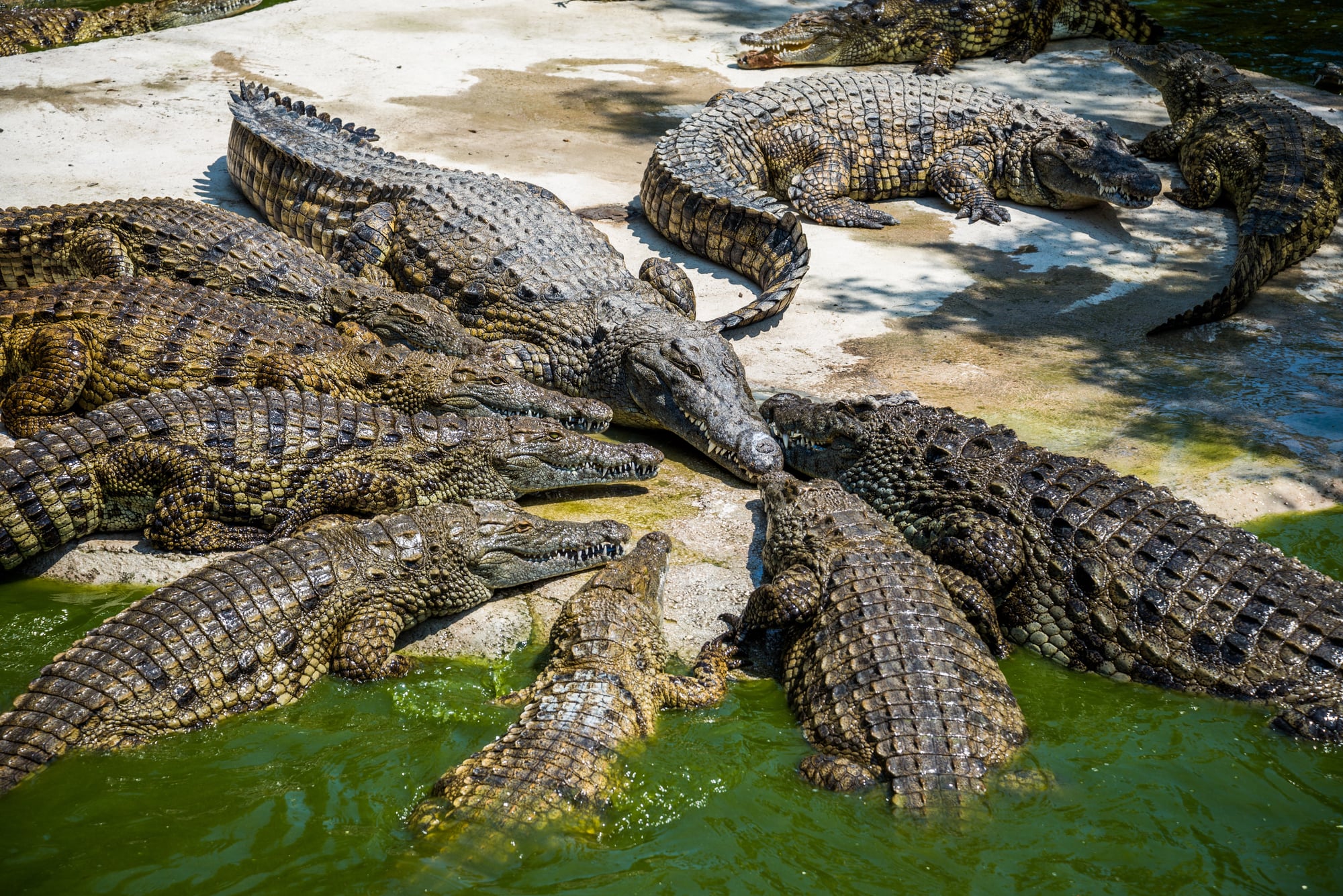
Wild crocodiles are ambush predators with elaborate thermoregulatory behaviour, basking and cooling in patterns tied to hunting cycles. Captive crocodiles, fed on a schedule without the need to hunt, lose the hunting drive almost entirely.
Studies have found that captive-born crocodilians show significantly reduced predatory behaviour when presented with live prey compared to wild-caught individuals — not because the instinct is absent, but because it has been suppressed by years of passive feeding. Reintroduction programmes have to account for this, as captive-reared crocodiles sometimes fail to hunt effectively when released.
Mealy Amazon Parrots
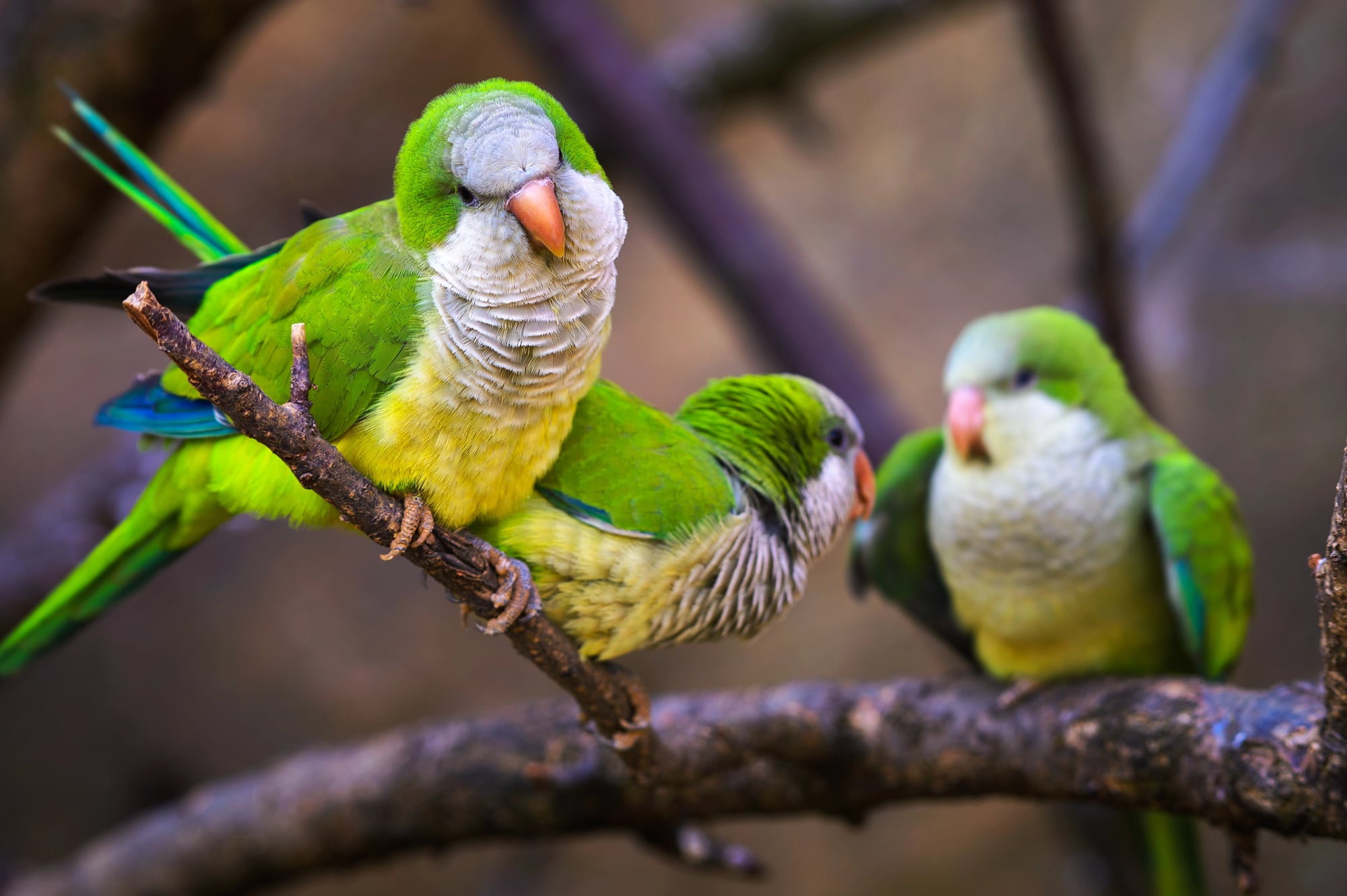
The Mealy Amazon is a large parrot species that, in the wild, engages in near-constant social vocalisation, flock coordination, and foraging flights covering dozens of kilometres daily. In captivity, without the flock and without the flight, the vocalisation continues but transforms.
Instead of being communicative, it becomes repetitive — the same phrases or sounds looped without variation for hours. Researchers who study captive parrot cognition describe this as one of the clearest examples of a behaviour that looks superficially similar to the wild equivalent but has an entirely different underlying function.
African Penguins
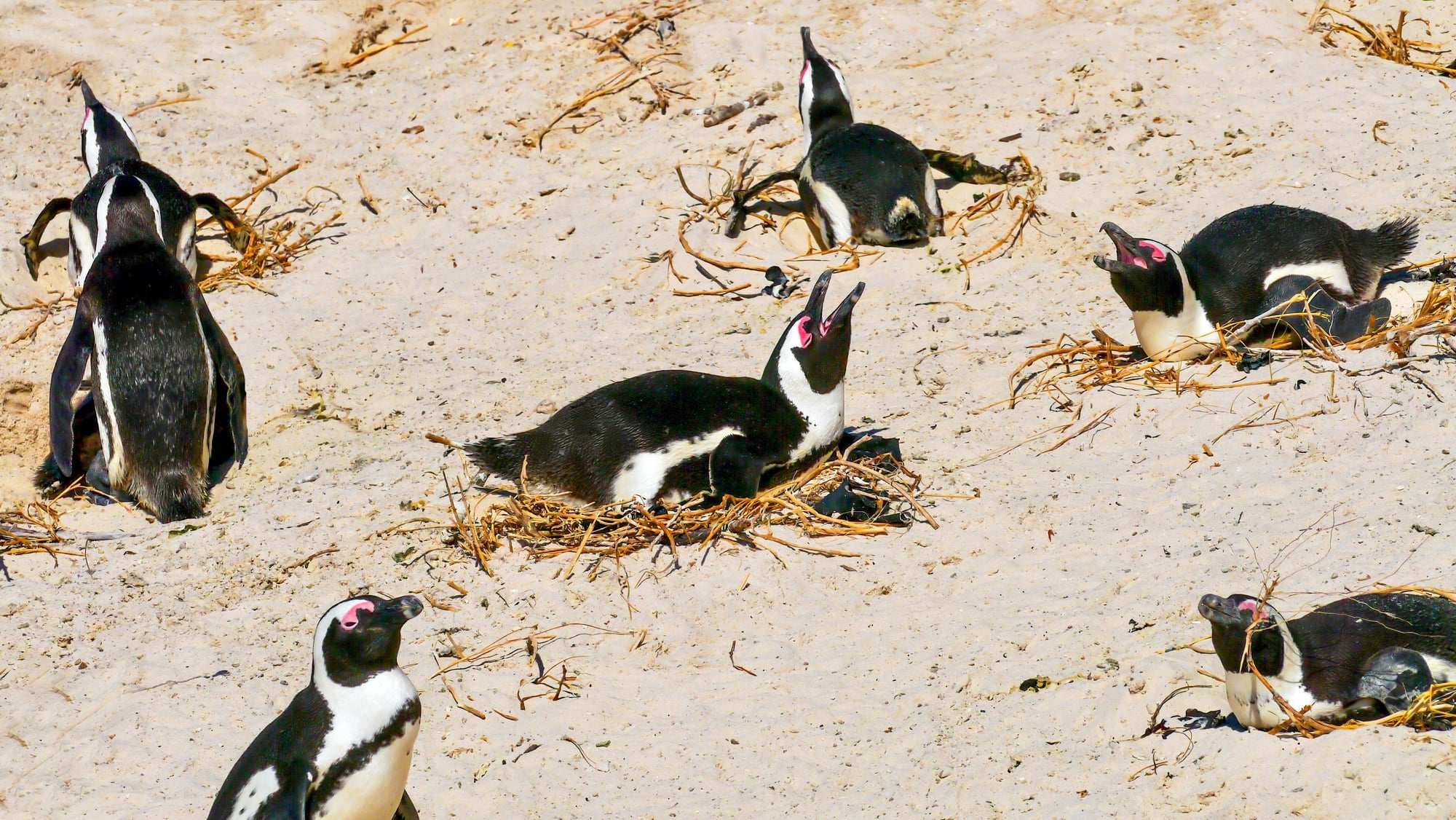
Wild African penguins are inshore foragers that dive repeatedly across fairly wide coastal ranges. Captive African penguins develop what keepers call “path fixation” — a tendency to walk the same route around their enclosure in the same direction, day after day, with enough consistency that worn paths develop in the substrate.
Wild penguins don’t do this. The behaviour is not driven by feeding anticipation and doesn’t appear to correlate with specific times of day.
It is, in the plainest terms, a bird with nowhere meaningful to go, going there anyway.
What the Glass Really Shows You
The animals on this list aren’t broken versions of their wild counterparts. They are animals doing what brains do when the environment they were shaped by disappears — they substitute, they fixate, they loop, and occasionally they simply shut down.
Each pacing tiger and swaying elephant is, in its own way, a living record of what that animal actually needs to function as itself.
The deeper value in understanding these behavioural shifts isn’t just welfare advocacy, though that matters enormously. It’s what the gaps reveal about wild behaviour itself.
When you remove the predator pressure and the foraging need and the vast social range, what falls away and what persists tells you which behaviours are truly hardwired and which are responses to conditions. The animal in the enclosure is, among other things, a kind of experiment in what the animal is, underneath everything the wild asks of it.
The results are rarely comfortable reading.
More from Go2Tutors!




