Influential Albums That Were Panned by Critics
Music critics don’t always get it right the first time around. Some of the most groundbreaking albums in rock history were initially dismissed, ridiculed, or flat-out hated by the very people paid to recognize greatness.
These records went on to shape entire genres, inspire countless musicians, and earn their place in music history despite their rocky starts. The albums that follow prove that critical consensus isn’t always immediate.
Here is a list of 13 influential albums that were panned by critics when they first hit the shelves.
Led Zeppelin I

Rolling Stone famously tore apart Led Zeppelin’s 1969 debut, calling Jimmy Page a limited producer and writer of weak songs while dismissing Robert Plant as a pale imitation of Rod Stewart. British publications joined the pile-on, with critics across the pond equally unimpressed by the band’s shift from blues to hard rock.
The review completely missed the mark on an album that would launch one of rock’s biggest acts. Fans ignored the critics entirely, pushing the album to number 10 on the Billboard 200 and eventually getting it inducted into the Grammy Hall of Fame.
Songs like ‘Good Times Bad Times’ and ‘Dazed and Confused’ became rock staples, proving that sometimes the audience knows better than the experts.
The Velvet Underground & Nico

When this 1967 album arrived, it underperformed commercially and polarized critics with its abrasive sound and controversial lyrics about drug abuse, prostitution, and sadomasochism. Critics didn’t know what to make of it and heavily panned the record at the time.
The album was ahead of its time, dealing with dark urban realities while everyone else was riding the flower power wave. Brian Eno famously quipped that while the album only sold about 30,000 copies in its first five years, everyone who bought one started a band.
The album later became regarded as one of the most influential in rock history, inspiring punk, garage rock, post-punk, shoegaze, and countless other genres.
Like Go2Tutors’s content? Follow us on MSN.
David Bowie – Low

Rolling Stone criticized the experimental second side of this 1977 album, finding parts of the first side more tolerable but overall dismissing Bowie’s venture into electronic and ambient music. Critics felt the album went over their heads, unable to connect with Bowie’s refusal to be pigeonholed.
The album delves into territory that required multiple listens to appreciate, which apparently was too much to ask from reviewers working on tight deadlines. Low has since become recognized as one of Bowie’s top-tier albums, and hardcore fans now consider it essential listening.
The experimental approach that confused critics in 1977 now sounds visionary.
Lou Reed – Berlin

Rolling Stone declared Berlin so patently offensive in 1973 that one wished to take physical vengeance on Reed. That’s not a mixed review, that’s a declaration of war.
Critics couldn’t get into Reed’s headspace as the album trafficked in pain, with some unable to appreciate the orchestral strings and horns or the revamping of older songs. The dark, personal nature of the material made reviewers deeply uncomfortable.
By 2003, Rolling Stone included Berlin on its list of the 500 greatest albums of all time, proving that even they could admit when they were spectacularly wrong.
Black Sabbath – Black Sabbath

The 1970 debut was initially met with skepticism from music reviewers who dismissed the groundbreaking blend of blues, rock, and what would become heavy metal as simplistic and chaotic. Critics called the approach amateur and couldn’t see past the dark, ominous tone that made the album revolutionary.
Over time, the album’s distinctive sound and ominous tone were recognized as truly innovative, earning it a place in music history. Black Sabbath essentially invented heavy metal with this record, but reviewers at the time were too busy clutching their pearls to notice they were witnessing the birth of an entire genre.
Like Go2Tutors’s content? Follow us on MSN.
The Beatles – Abbey Road

Life magazine mocked the album’s production as disposable music effects, while Rolling Stone found it complicated instead of complex. The New York Times declared the words limp-wristed, pompous, and fake, calling most of the album an unmitigated disaster.
These weren’t just bad reviews, they were actively hostile toward one of the Beatles’ finest works. Abbey Road is now generally considered one of the Beatles’ finest albums and one of the most influential records ever made. Songs like ‘Come Together’ and ‘Here Comes the Sun’ have become part of our shared cultural fabric, which makes those initial reviews look even more ridiculous in hindsight.
Queen – Jazz

The Chicago Tribune, Rolling Stone, and the Village Voice all panned this 1978 album. Critics seemed to have a particularly low opinion of Queen at the time, with one reviewer labeling the band as fascists.
The album yielded classics like ‘Bicycle Race,’ ‘Fat Bottomed Girls,’ and ‘Don’t Stop Me Now,’ but apparently none of that mattered to the reviewers. Jazz has since become a beloved entry in Queen’s catalog, with its songs remaining radio staples decades later. The criticism didn’t age well, but the music certainly did.
Gene Clark – No Other
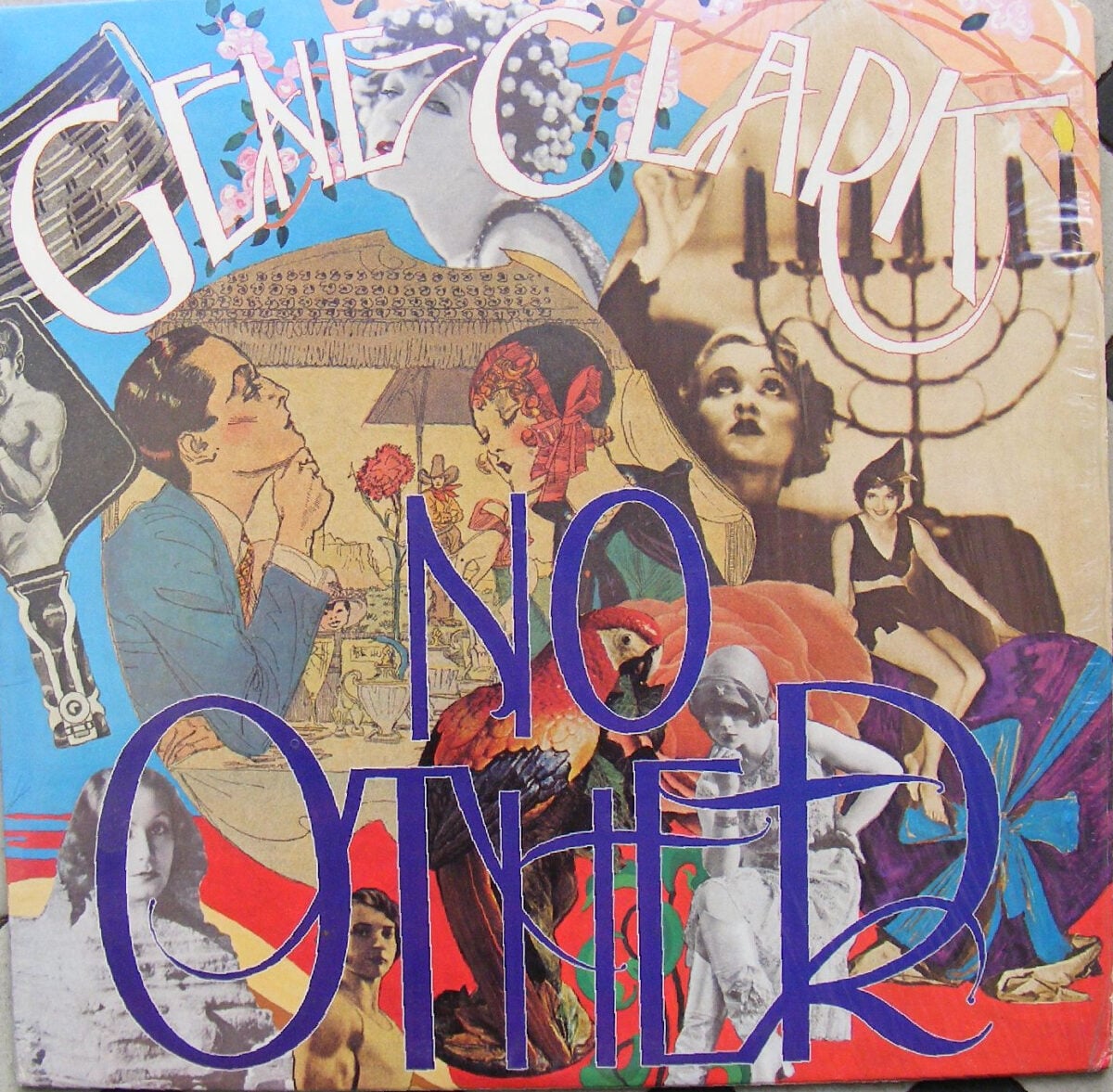
When this 1974 album dropped, critics called it bloated, pretentious, and overproduced, with the press heavily criticizing Clark’s experimental use of overdubs and effects. The album cost more than $500,000 in adjusted dollars to produce, and Asylum Records refused to promote it, essentially disowning the record and damaging Clark’s career so badly he never recovered.
Fleetwood Mac used many of the same techniques just a year later to massive success, which must have stung. It wasn’t until after Clark’s death in 1991 that the album saw a reissue and the critical reevaluation it deserved.
Like Go2Tutors’s content? Follow us on MSN.
The Zombies – Odessey and Oracle

Released in 1968, this psychedelic pop album was surprisingly not loved upon release despite sounding very much like the kind of music that was striking and memorable from the late 1960s. The album got lost in a sea of other releases from that incredibly fertile period for rock music.
It’s now a cult classic, with some suggesting it took people getting nostalgic about the era before the album’s own nostalgic sound could hit home more forcefully. The Zombies created something special, but it took the world a while to catch up.
Weezer – Pinkerton

Rolling Stone readers declared this 1996 album the third worst of the year, and critics across the board dismissed it as a disappointing follow-up to the band’s debut. Initial reviews were mixed, with critics calling the self-produced sound sloppy and raw.
Rivers Cuomo poured his heart and insecurities into deeply personal songs, and reviewers rejected it entirely. Fourteen years after its release, the album finally received the recognition it deserved, with fans validating an album that had been a source of pain for Cuomo.
By 2002, Rolling Stone readers voted it the 16th greatest album of all time, and Pitchfork later gave it a perfect score.
NWA – Straight Outta Compton

One critic felt experiencing this 1988 album was comparable to listening to an endless fight next door, while another dismissed it as lightweight with regressive nonsense content. The raw, unapologetic portrayal of life in Compton made critics deeply uncomfortable, and they responded by dismissing the entire project.
Despite mixed reviews, it became one of hip-hop’s most influential albums ever. The album changed the landscape of rap music and proved that West Coast hip-hop had something urgent to say, whether critics were ready to hear it or not.
Like Go2Tutors’s content? Follow us on MSN.
The Rolling Stones – Exile on Main St.

Although commercially successful, critics called this 1972 double album ragged and impenetrable. The loose, sprawling nature of the record didn’t fit what reviewers expected from the Stones at the time.
Today it’s considered by many to be one of the greatest albums of all time and recently enjoyed a celebrated rerelease. The messy, lived-in quality that critics complained about is exactly what makes Exile on Main St. feel so vital and real decades later.
Neutral Milk Hotel – In The Aeroplane Over The Sea
When this album came out in 1998, it was heard by barely anyone, and those who did pay attention gave it drab reviews. Robert Christgau was famously dismissive, calling it a funereal jape that got his goat.
The cryptic lyrics and unusual sound didn’t connect with critics who expected something more straightforward. Years later, the album gained a cult following and is now considered an iconic record in indie rock.
Online music fans championed the album long before critics came around to admitting its brilliance.
How Time Changes Everything

Critical opinion is never set in stone. The albums above prove that initial reactions often say more about the moment than the music itself.
What sounds difficult or challenging on first listen can become essential and influential given enough time. Critics working on deadlines sometimes miss what fans and fellow musicians immediately recognize, and an album dismissed as a failure can quietly inspire an entire generation of artists.
The next time you hear something that doesn’t click right away, remember that some of rock’s most important records needed a second chance before the world understood what they were hearing.
More from Go2Tutors!

- 16 Historical Figures Who Were Nothing Like You Think
- 12 Things Sold in the 80s That Are Now Illegal
- 15 VHS Tapes That Could Be Worth Thousands
- 17 Historical “What Ifs” That Would Have Changed Everything
- 18 TV Shows That Vanished Without a Finale
Like Go2Tutors’s content? Follow us on MSN.